
Prototype Mold Versus Production Mold: Choose Your Tooling Route
Compare prototype mold versus production mold requirements before requesting a drawing-led review of volume, critical dimensions, materials, and inspection needs.
Compare Prototype Mold and Production Mold Risk
Use design maturity, planned quantity, validation requirements, and revision exposure to select a tooling route that supports your manufacturing decision.
Design Maturity
Assess whether geometry, mating conditions, and functional requirements are stable enough before committing to durable tooling.
Expected Quantity
Compare anticipated run quantity with tool investment, cavity strategy, maintenance expectations, and part-cost objectives over time.
Validation Needs
Define required tests for form, fit, function, material behavior, and inspection evidence on critical dimensions.
Change Risk
Review revisions, steel-safe changes, EDM access, and insert strategy before choosing a tooling route for the project.
Prototype Mold Versus Production Mold: Key Engineering Differences
For prototype mold versus production mold decisions, compare design maturity, change risk, inspection needs, and planned volume before committing to a tooling route.
← Swipe left or right to view →
Choose the Right Tooling Path
Match process routes to functional validation, connector-tool development, and a controlled transition toward repeat production.
CNC Machining Services
Precision CNC machining services support drawing-driven custom parts where critical dimensions, material requirements, and inspection priorities must be reviewed before a process route, quotation, and production commitment are defined.
Upload a Drawing
CNC Milling
Custom CNC milling services suit prismatic parts, plates, inserts, and features requiring controlled datum relationships. Tool access, fixture strategy, machining allowance, and critical surfaces should be reviewed against the drawing before release.
Upload a Drawing
CNC Turning
Precision CNC turning services are appropriate for rotational components such as pins, sleeves, shafts, and bushings. Diameter tolerances, concentricity, surface requirements, and subsequent grinding or heat-treatment sequence should guide the manufacturing plan.
Upload a Drawing
5-Axis Machining
5-axis CNC machining helps access complex surfaces and multi-face features with fewer setups. It is useful when fixture changes could affect datum control, but tool reach, collision clearance, and inspection access still require drawing review.
Upload a Drawing
Swiss & Micro Machining
Swiss machining and micro machining address small, slender, or detail-intensive components where support near the cutting zone matters. Review diameter, length-to-diameter ratio, material condition, burr control, and measurement method before production.
Upload a Drawing
Wire & Sinker EDM
Wire EDM and sinker EDM services support hard materials, sharp internal forms, narrow slots, deep details, and features inaccessible by conventional cutters. Electrode strategy, wire path, recast considerations, and finishing requirements should be agreed in advance.
Upload a Drawing
Precision Grinding
Precision surface and profile grinding is used to establish flatness, parallelism, profile accuracy, and controlled surface condition. Heat-treatment distortion, grinding stock, datum sequence, and inspection criteria determine whether grinding is appropriate.
Upload a Drawing
Mold Core & Cavity Inserts
Precision mold core inserts and mold cavity inserts are produced from drawings and models with attention to parting geometry, cooling interfaces, shutoffs, material condition, heat treatment, EDM needs, and critical molded-part surfaces.
Upload a Drawing
Ejector & Ejection Components
Ejector pins, sleeves, and ejection components require coordinated fit, guidance, hardness, surface condition, and burr control. Mating-hole dimensions and operational context should be supplied so the component is planned as part of the ejection system.
Upload a Drawing
Core Pins, Guide & Locating Components
Core pins, guide pins, and locating components depend on consistent datum strategy and mating relationships. Review functional fits, wear surfaces, hardness, concentricity, and replacement requirements before selecting machining, grinding, or EDM operations.
Upload a Drawing
Slides, Lifters, Gates & Mold Accessories
Mold slides, lifters, gates, and accessories are planned around motion, shutoff geometry, wear, and mold integration. Provide assembly references, travel or clearance requirements, material specifications, and critical mating dimensions for a reliable review.
Upload a Drawing
Connector Mold Components
Precision connector mold components support connector-tool development where fine features, positional accuracy, and mating geometry directly affect terminal or housing formation. Drawing review should address cavity details, electrode access, wear areas, and inspection points.
Upload a Drawing
Stamping Die Components
Precision stamping die components are evaluated for working geometry, material and heat-treatment requirements, clearance relationships, wear surfaces, and grinding needs. Production planning should reflect the component’s role in the full die set.
Upload a Drawing
Injection, MIM, CIM & Overmolding Tooling
Injection mold components and tooling for MIM, CIM, and overmolding are assessed within verified production scope. Supply application context, molded material, parting and gate requirements, critical features, and expected tooling function before committing to a route.
Upload a Drawing
Machining Materials
CNC machining materials are selected against function, machinability, dimensional stability, corrosion resistance, hardness, and downstream treatment. Identify the specified grade, condition, approved substitutes, and any material-certification requirement with the RFQ.
Upload a Drawing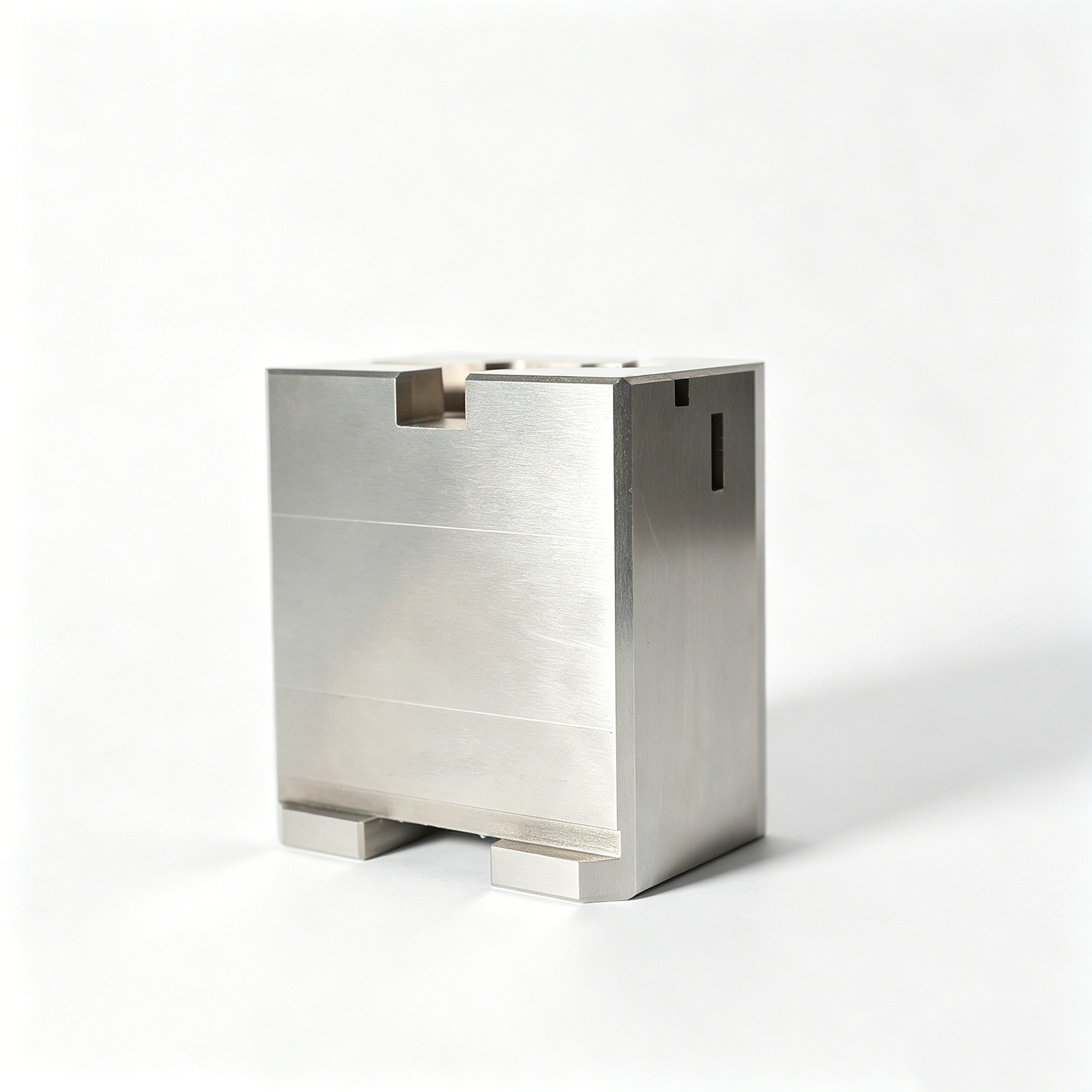
Surface Finishes & Heat Treatment
Surface finishing and heat treatment should be specified by functional need, not appearance alone. Define coating or treatment type, hardness or thickness targets where applicable, masking needs, post-treatment dimensions, and inspection expectations.
Upload a Drawing
Quality, Metrology & Documentation
Precision inspection, metrology, and quality documentation are planned from the drawing’s critical-to-quality features. Confirm datums, measurement method, reporting format, sampling expectations, revision level, and traceability requirements before production begins.
Upload a Drawing
Prototyping & Low-Volume Production
Rapid prototyping and low-volume manufacturing support functional validation, tooling development, and controlled bridge quantities. Provide the current drawing revision, intended test or production use, quantity, material, quality priorities, and target delivery date.
Upload a DrawingPrototype Mold Versus Production Mold at SUUXIANG
Established in 2010, SUUXIANG is the public-facing brand of Dongguan SuuXiang Precision Mold Co., Ltd., based in Chang’an Town, Dongguan, Guangdong, China. Founder and legal representative XiaoCheng Huang leads the company. We help international engineering and sourcing teams convert drawings, models, and specifications into inspected precision mold components, connector tooling, die components, and custom CNC-machined parts.
For prototype mold versus production mold decisions, we begin with the application, expected quantity, critical dimensions, material and heat-treatment requirements, datum strategy, and inspection needs. This drawing-driven review informs a practical route across CNC machining, EDM, precision grinding, fitting, and controlled project coordination before commitments are made.
What distinguishes SUUXIANG is disciplined attention to manufacturability and evidence. We review tool access, machining allowance, electrode or wire path, surface requirements, revision status, and inspection method so the finished component and supporting documentation align with the verified order requirements.

Prepare a Prototype Mold Versus Production Mold RFQ
Provide the technical context needed to evaluate tooling risk, process route, inspection expectations and delivery planning before commitments are made.
Send Drawings and Models
Provide the current 2D drawing and 3D model, identifying revision status, part geometry, datum scheme, interfaces and any known molding or tooling constraints.
Define Material Requirements
State the required resin or tool material, heat treatment, surface condition and application context so the proposed route reflects functional and wear requirements.
Identify Critical Dimensions
Mark critical-to-quality dimensions, tolerances, surface requirements and mating features, then specify the inspection method, report format and traceability expected for the order.
Confirm Quantity and Timing
Share prototype, pilot or production quantity expectations, anticipated design changes and target delivery date to assess whether tooling investment and revision flexibility align.
FAQ: Prototype Mold Versus Production Mold Decisions
Practical answers for teams comparing tooling routes, validating critical features, and preparing a drawing-driven RFQ.
How do prototype molds differ from production molds?
When should I choose prototype or production tooling for a new connector part?
Can prototype and production molds use the same production material?
How do design revisions affect the tooling decision?
What critical dimensions should be reviewed before steel is cut?
When are EDM and precision grinding needed for mold components?
Should heat treatment be specified before or after machining?
What inspection documentation should I request before moving to production?
Prototype Mold Versus Production Mold: Upload Your Drawing
Share your drawing, material, quantity, critical dimensions, inspection requirements, and delivery target for a disciplined tooling-route review.