
Replacement Mold Insert Planning for Tooling Decisions
Replacement mold insert planning aligns critical dimensions, datums, process routes, and inspection needs before production.
Build Replacement Mold Insert Planning Around Critical Dimensions
Clarify fit, process sequence, and inspection evidence before machining begins.
Critical Dimension Map
Identify functional dimensions, datums, mating surfaces, and tolerance relationships so manufacturing priorities are clear before the replacement insert is released.
Material and Heat Treatment
Confirm material grade, hardness requirement, heat-treatment sequence, and any distortion risk that affects machining allowance, grinding stock, or final fit.
CNC and EDM Strategy
Review tool access, deep features, corner geometry, electrode needs, and wire paths to select a practical CNC, EDM, and finishing route.
Grinding and Fit Allowance
Define grinding stock, shutoff conditions, fitting requirements, and mating-component references to protect final assembly alignment and avoid unplanned rework.
Inspection Plan
Agree measurement methods, critical reporting dimensions, datum setup, and documentation needs so delivered parts align with the verified inspection plan.
Revision-Controlled RFQ
Submit the current drawing, 3D model, quantity, delivery target, and revision details to support traceable replacement mold insert planning.
Plan Replacement Inserts Before Tooling Risk Escalates
Review drawings, critical interfaces, wear patterns and inspection requirements before replacement inserts affect mold fit, production continuity or revision control.
CNC Machining Services
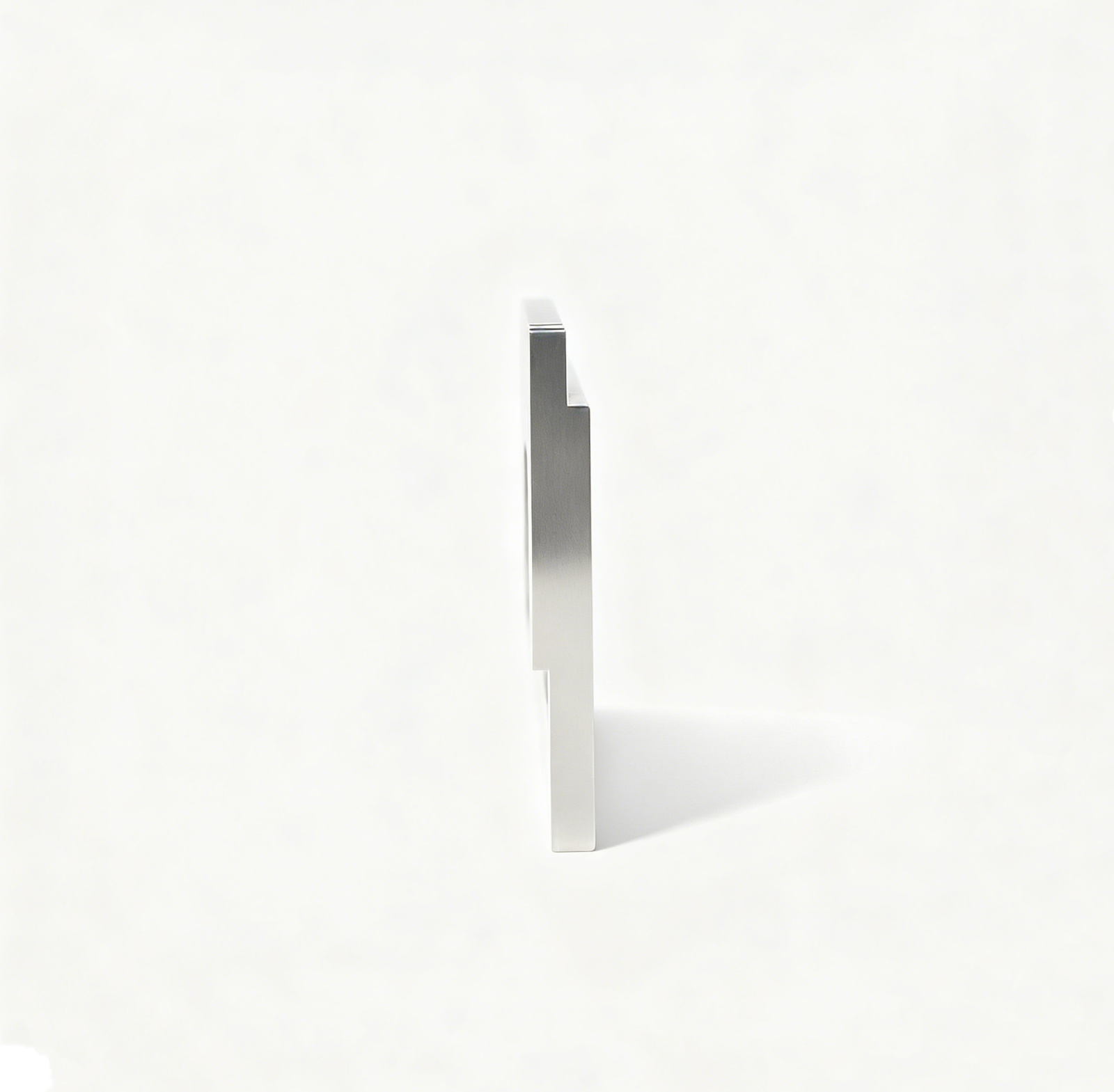
Precision CNC machining services support replacement inserts and related tooling parts when drawings define critical dimensions, material, heat treatment and inspection needs. A review should confirm datum strategy, machining access and mating features before production is scheduled.
Upload a Drawing
CNC Milling Services
Custom CNC milling services are suited to prismatic insert geometry, pockets, shutoff features and mounting interfaces. For replacement work, compare the supplied drawing with the mating mold condition, establish datums and identify areas requiring fitting or grinding stock.
Upload a Drawing
CNC Turning Services
Precision CNC turning services support round replacement components such as pins, bushings, sleeves and locating elements. Review diameter relationships, runout-sensitive features, heat-treatment sequence and mating clearances so the replacement part can be inspected against relevant functional requirements.
Upload a Drawing
5-Axis Machining
5-axis CNC machining can improve access to contoured insert features, angled details and compound geometry. Before selecting the route, assess tool reach, clamping strategy, datum transfer and whether EDM or finishing operations remain necessary for critical surfaces.
Upload a Drawing
Swiss & Micro Machining
Swiss machining and micro machining are relevant for small-diameter pins, sleeves, connector details and high-volume precision components. Replacement planning should define straightness, concentricity, edge condition and handling requirements, especially where small features interface with existing tooling.
Upload a Drawing
Wire EDM Services & Sinker EDM
Wire EDM and sinker EDM services support sharp internal geometry, narrow slots, hardened material features and complex cavity details. A replacement-insert review should define wire paths, electrode strategy, recast-layer considerations, finish requirements and downstream polishing or fitting needs.
Upload a Drawing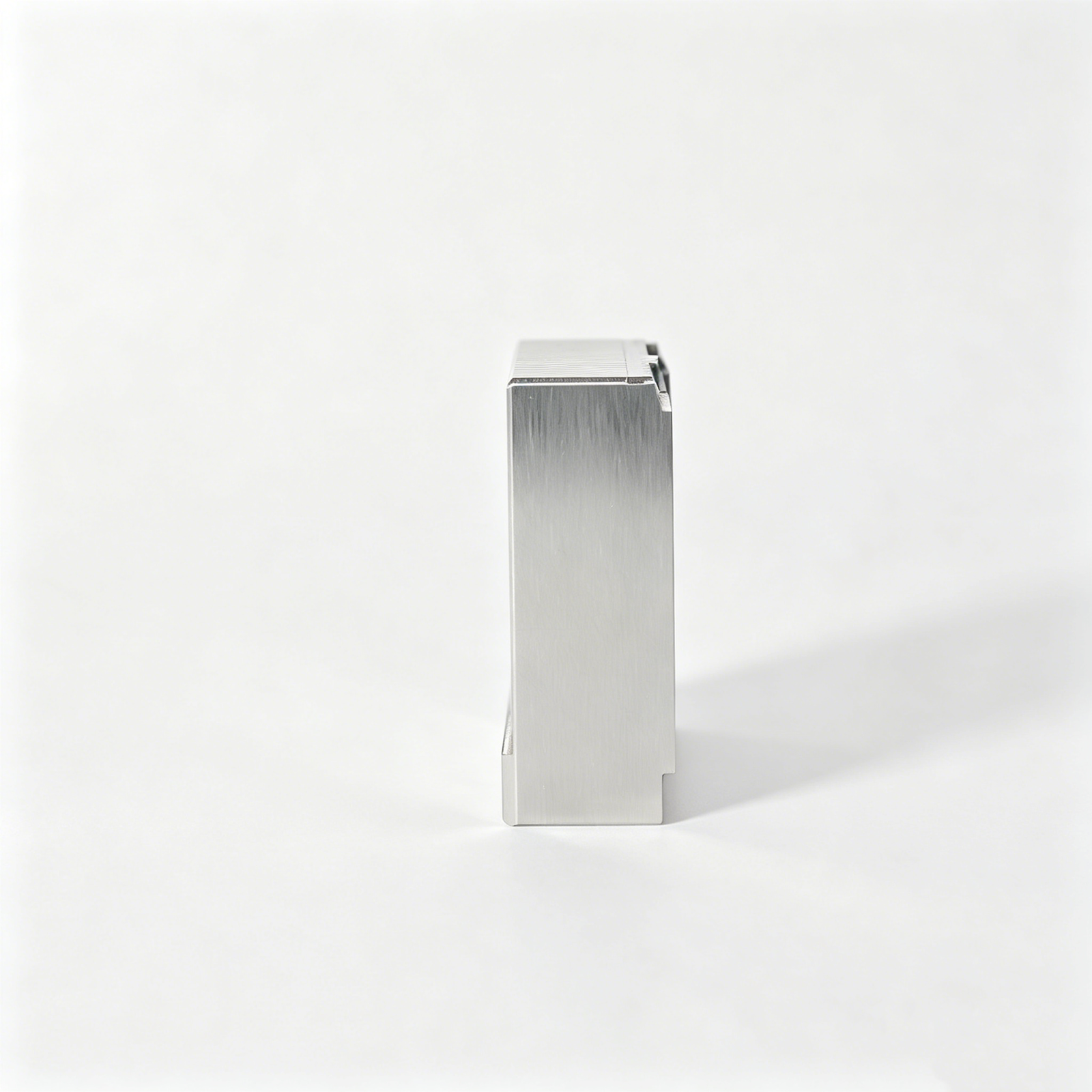
Precision Grinding
Precision surface and profile grinding establishes controlled faces, profiles and final stock removal on replacement components. Confirm grinding allowance, datum surfaces, flatness or profile priorities, and the inspection method before machining and heat treatment are released.
Upload a Drawing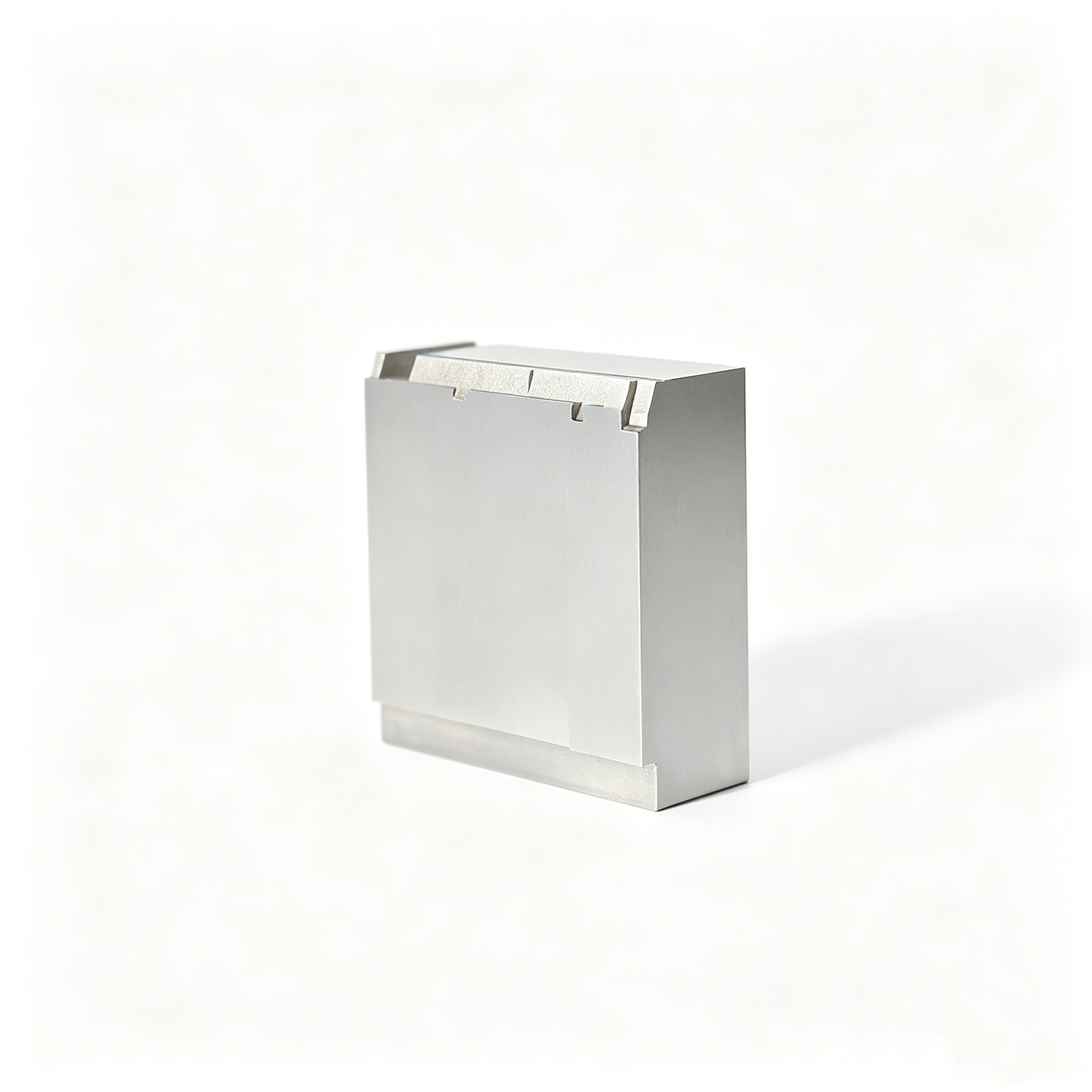
Precision Mold Components: Core & Cavity Inserts
Precision mold core and cavity inserts require careful review of parting surfaces, shutoffs, cooling interfaces, cavity geometry and mating dimensions. Comparing the replacement drawing with the installed tool helps identify revision differences and fitting risks before manufacture.
Upload a Drawing
Ejector & Ejection Components
Ejector pins, sleeves and ejection components must function within the existing ejection system. Define diameters, fits, travel-related interfaces, lubrication considerations, material condition and any wear evidence so replacement parts support reliable mold operation.
Upload a Drawing
Core Pins, Guide & Locating Components
Core pins, guide pins and locating components depend on accurate positional relationships with mating plates and inserts. Review engagement lengths, clearance or interference fits, datum references and replacement-part interchangeability before committing to a process route.
Upload a Drawing
Slides, Lifters, Gates & Mold Accessories
Mold slides, lifters, gates and accessories require review of motion interfaces, shutoff conditions, wear surfaces and assembly relationships. Replacement planning should identify whether the part is a direct duplicate or requires revision-controlled adaptation to the current tool state.
Upload a Drawing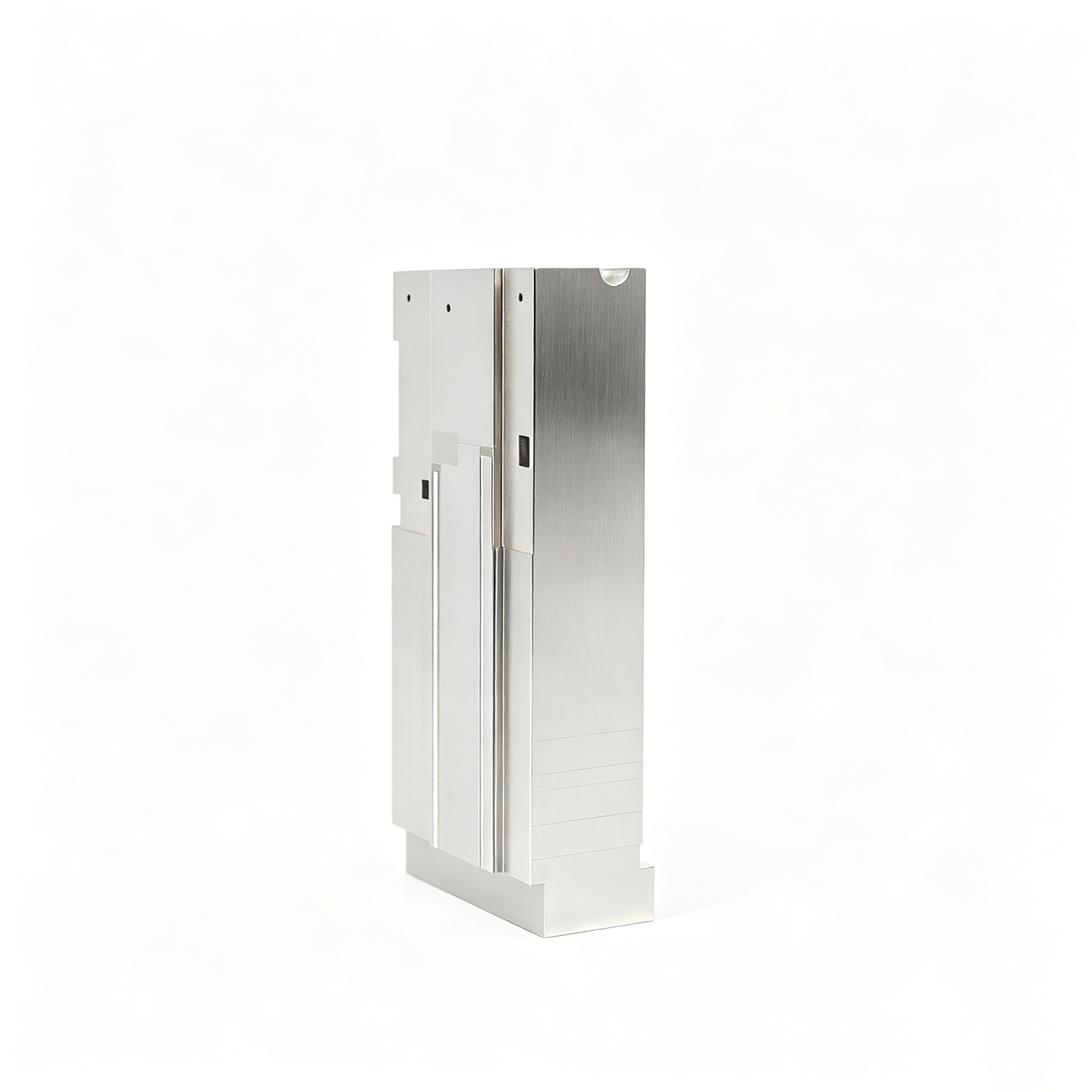
Connector Mold Components
Precision connector mold components often combine fine features, tight positional relationships and demanding mating geometry. Provide drawings, 3D data, material requirements and application context so pin, cavity, insert and alignment features can be evaluated for manufacturability and inspection.
Upload a Drawing
Stamping Die Components
Precision stamping die components require attention to cutting edges, guiding relationships, clearances, hardness and grinding sequence. For replacements, identify the mating die condition and functional dimensions to avoid introducing mismatch into an established die set.
Upload a Drawing
Injection Mold Components for MIM, CIM & Overmolding
Injection, MIM, CIM and overmolding tooling components may require different material, finish, venting and interface considerations. Review the specific molding application, component geometry and verified production scope before defining a replacement or new tooling-component route.
Upload a Drawing
Machining Materials
CNC machining materials should be selected against the application, required hardness, corrosion exposure, wear conditions and downstream processing. For replacement inserts, specify the approved material grade and condition rather than relying on visual similarity to the existing component.
Upload a Drawing
Surface Finishes & Heat Treatment
Surface finishing and heat treatment affect wear behavior, corrosion resistance, dimensional change and final fit. Identify required treatments, masking or finishing constraints, heat-treatment sequence and post-treatment grinding or inspection needs before replacement parts enter production.
Upload a Drawing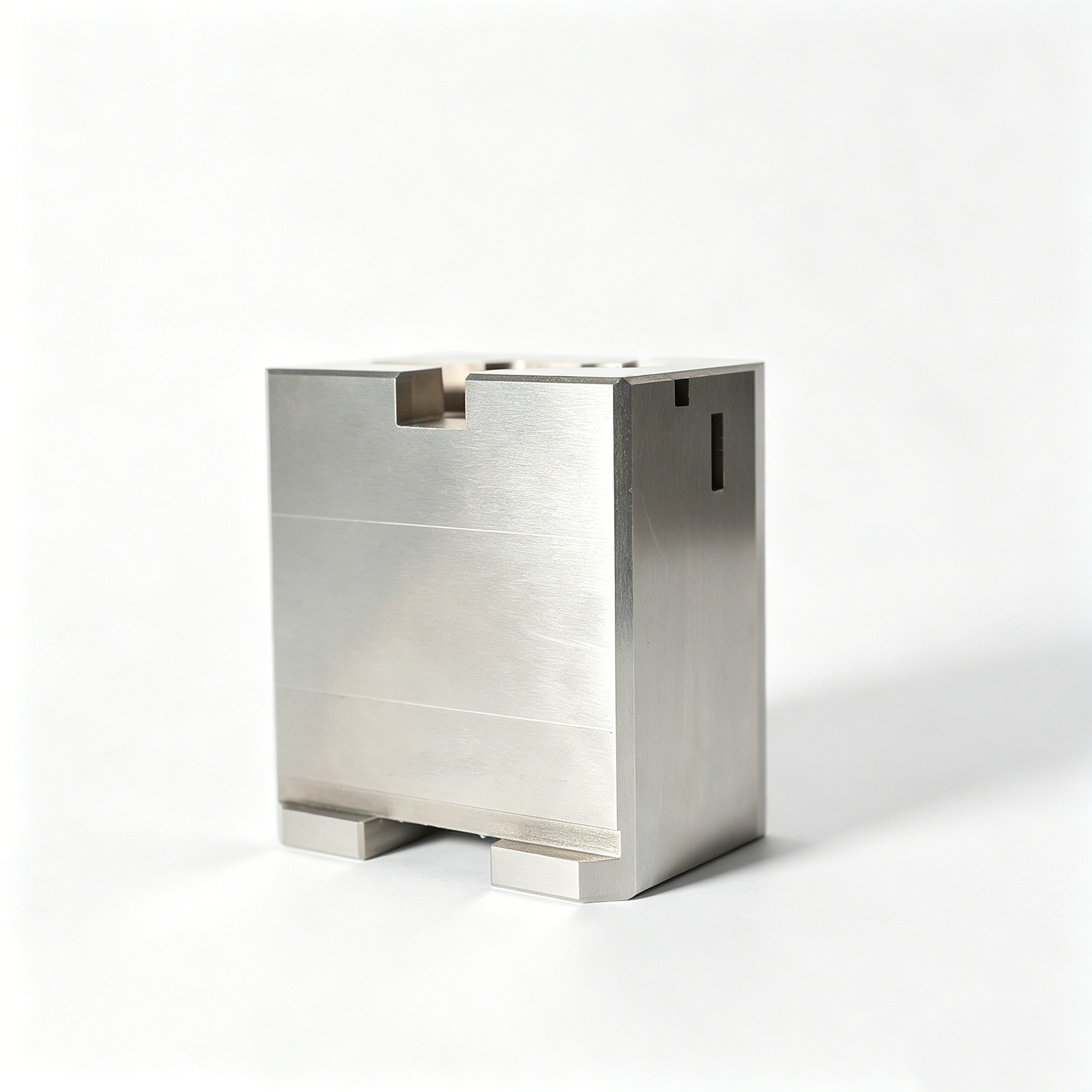
Quality, Metrology & Documentation
Precision inspection, metrology and quality documentation should be matched to the drawing’s critical dimensions and order requirements. Define datums, measurement methods, report format, revision status and traceability expectations early, particularly when replacing components in active tooling.
Upload a Drawing
Prototyping & Low-Volume Production
Rapid prototyping and low-volume manufacturing can support fit checks, design revisions and controlled replacement-part releases. Supply quantity, delivery target, material, critical dimensions and inspection needs so the manufacturing route can be evaluated before production continuity is affected.
Upload a DrawingA Controlled Review Workflow for Replacement Inserts
Align drawing data, process decisions, and inspection expectations before replacement-insert quotation or production commitments.
Submit Complete Drawing Data
Send the 2D drawing, 3D model when available, material, quantity, application context, delivery target, and existing-tool details needed to frame a responsible review.
Confirm Critical Requirements
Identify critical dimensions, datums, shutoff relationships, surface requirements, mating interfaces, and wear concerns; confirm revision status before any quotation or production commitment is made.
Plan the Process Route
Evaluate machining access, EDM or wire paths, heat-treatment sequence, grinding stock, and fitting needs to define a practical route for the replacement insert.
Align Inspection and Delivery
Align the inspection method, report requirements, traceability, and delivery coordination with the approved drawing so final documentation reflects the verified order plan.
Manufacturability Review Before Machining
Confirm Tool Access
Replacement mold insert planning starts by checking cutter reach, corner geometry, datum access, and clamping surfaces against the released drawing. This review identifies where multi-axis machining, smaller tools, EDM, or a design adjustment may be needed before a process route is committed.
- Review cavity depth, corner radii, and cutter reach
- Define datums that remain accessible during machining
- Check clamping surfaces and distortion-sensitive areas
- Flag geometry requiring EDM or alternate setups

Set the EDM Strategy
Deep ribs, sharp internal corners, fine details, and difficult line-of-sight features require an intentional EDM strategy. SUUXIANG reviews whether wire EDM or sinker EDM supports the specified geometry, then considers electrode access, wire path, finish expectations, and downstream fitting requirements.
- Separate wire-cut features from electrode-burn features
- Assess electrode design and spark-access constraints
- Review wire entry, exit, and path limitations
- Align EDM finish with fitting requirements

Protect Grinding Allowance
Grinding stock and heat-treatment sequence should be planned together, especially when replacement inserts have critical fits, shutoffs, or mating surfaces. A drawing review should define where material remains for finish grinding, which dimensions are verified after heat treatment, and how distortion risk is controlled.
- Identify surfaces requiring finish grinding
- Assign stock before heat treatment where appropriate
- Sequence hard machining and grinding deliberately
- Define post-treatment dimensions for inspection

Match Inspection to Function
An inspection plan should focus on the dimensions that govern fit, sealing, alignment, and product quality—not only general dimensions. For replacement mold insert planning, SUUXIANG aligns measurement methods, datum references, reporting needs, and revision status with the approved order before production begins.
- Classify critical-to-quality dimensions and datums
- Select measurement methods for each functional feature
- Confirm report format and required traceability
- Keep drawing revisions visible through final inspection

RFQ Readiness FAQs for Replacement Inserts
Clarify drawing, datum, material, inspection, and revision requirements before requesting a replacement insert.
What should I provide for replacement mold insert planning?
How do datums affect replacement mold insert planning?
Which material and heat-treatment details are needed for a replacement insert RFQ?
Can SUUXIANG review a drawing before quoting a replacement mold insert?
How should I define critical dimensions for replacement mold insert planning?
What inspection report should I request for a replacement mold insert?
How are drawing revisions controlled during replacement mold insert planning?
What information helps estimate the right replacement insert quantity and delivery priority?
Begin Replacement Insert Planning with Your Drawing
Send the current drawing, material, quantity, quality requirements, and target delivery date for a responsible review of critical dimensions and inspection needs.