
Thermal Effects on Precision Measurement: Control Dimensional Risk
Manage thermal effects on precision measurement through drawing review, datum strategy, process planning, and inspection requirements before precision-part production.
Thermal Effects on Precision Measurement in Drawing Review
Established in 2010 and based at Sanhe Industrial Park in Chang’an Town, Dongguan, Guangdong, China, SUUXIANG is the sole public-facing brand of Dongguan SuuXiang Precision Mold Co., Ltd. Founded and legally represented by XiaoCheng Huang, the company helps international engineering, sourcing, and quality teams turn drawings into inspected custom CNC parts, precision mold components, connector tooling, and stamping-die components.
Thermal effects on precision measurement should be considered alongside critical dimensions, datum strategy, material condition and inspection requirements. During drawing review, our project discussions identify where machining heat, heat-treatment sequence, grinding allowance, handling time or measurement conditions may affect a dimension’s interpretation.
Our difference is a disciplined, evidence-led workflow: DFM, process-route planning across CNC machining, EDM, grinding and fitting, followed by an inspection plan matched to the order. Feasibility, tolerances, materials and delivery commitments remain subject to the current drawing, application and verified project evidence.

Where Thermal Effects on Precision Measurement Enter the Process
Review these three sources before assigning inspection criteria, selecting a process route, or accepting dimensions from a temperature-changing part.
Part Expansion
Workpiece temperature can shift dimensions after machining or during inspection, especially when geometry, material behavior, and critical tolerances leave little margin.
Machine Thermal Drift
Spindle, axis, coolant, and ambient heat can change machine geometry over time, affecting position, depth, and feature relationships.
Measurement Variation
Gages, fixtures, probes, and reference standards may respond differently to changing temperature, complicating comparison with drawing requirements.
Uneven Temperature Fields
Localized cutting, EDM, or handling heat can create gradients that distort a part temporarily before its temperature becomes more uniform.
Datum Interpretation Risk
A temperature-shifting datum can change the apparent location of related features, requiring a defined inspection setup and measurement sequence.
Inspection Planning
Document the measurement method, condition, and critical dimensions so thermal effects on precision measurement are evaluated consistently across the project.
Thermal-Risk Decisions for Precision Part Programs
Evaluate heat input, material response, and process sequence before production so critical dimensions, datums, and mating relationships remain controllable.

CNC Machining Services
Precision CNC machining should account for material stability, machining heat, clamping distortion, and inspection temperature. Drawing review identifies critical dimensions and datum relationships that may require staged roughing, stress relief, finish machining, or controlled measurement conditions.
Upload a Drawing
CNC Milling
Custom CNC milling services require attention to heat buildup in thin walls, deep pockets, and large material removal. Tool access, workholding, cutter engagement, and finishing sequence should protect flatness, positional relationships, and datums used by downstream mold assembly.
Upload a Drawing
CNC Turning
Precision CNC turning services must consider heat generated at the cutting zone and its effect on slender diameters, concentric features, and mating fits. A drawing review should identify runout, datum, wall-thickness, and post-heat-treatment requirements before selecting the process route.
Upload a Drawing
5-Axis Machining
5-axis CNC machining can reduce refixturing and protect feature relationships, but multi-angle tool access also changes clamping and heat-management decisions. Review critical datums, cavity geometry, wall sections, and inspection access before committing to a machining strategy.
Upload a Drawing
Swiss & Micro Machining
Swiss machining and micro machining demand careful control of cutting heat, stock support, and handling for small-diameter features. For pins, contacts, and miniature components, identify critical diameters, concentricity, burr limits, material condition, and measurement method in the RFQ.
Upload a Drawing
Wire & Sinker EDM
Wire EDM services and sinker EDM services support hardened materials and intricate profiles, while requiring attention to recast layers, electrode wear, wire paths, and thermal effects. Define critical edges, corner conditions, datum references, finishing requirements, and any polishing or grinding sequence.
Upload a Drawing
Precision Grinding
Precision surface and profile grinding is often used to establish final size, flatness, and form after heat treatment or EDM. Grinding stock, thermal sensitivity, datum sequence, wheel access, and inspection criteria should be agreed before production of critical mold components.
Upload a Drawing
Mold Core & Cavity Inserts
Precision mold core inserts and mold cavity inserts require a process plan that protects shutoff surfaces, cavity geometry, and assembly datums through machining, heat treatment, EDM, and grinding. Provide resin, molding context, critical dimensions, surface requirements, and mating-component information for review.
Upload a Drawing
Ejector & Ejection Components
Ejector pins, sleeves, and ejection components rely on controlled clearance, straightness, surface condition, and heat-treatment sequence. Thermal-risk review helps prevent distortion that can affect sliding action, pin-to-hole fit, return alignment, and repeated molding-cycle performance.
Upload a Drawing
Core Pins, Guide & Locating Components
Core pins, guide pins, and locating components establish functional alignment across mold assemblies. Review material condition, heat treatment, grinding allowance, diameter tolerance, concentricity, and datum references so thermal processing does not compromise fit with bores, bushings, or mating inserts.
Upload a Drawing
Slides, Lifters, Gates & Mold Accessories
Mold slides, lifters, gates, and accessories combine moving interfaces with critical shutoffs and alignment features. Process planning should consider heat-treatment distortion, EDM access, grinding stock, lubrication-related geometry, and assembly datums before final finishing and inspection.
Upload a Drawing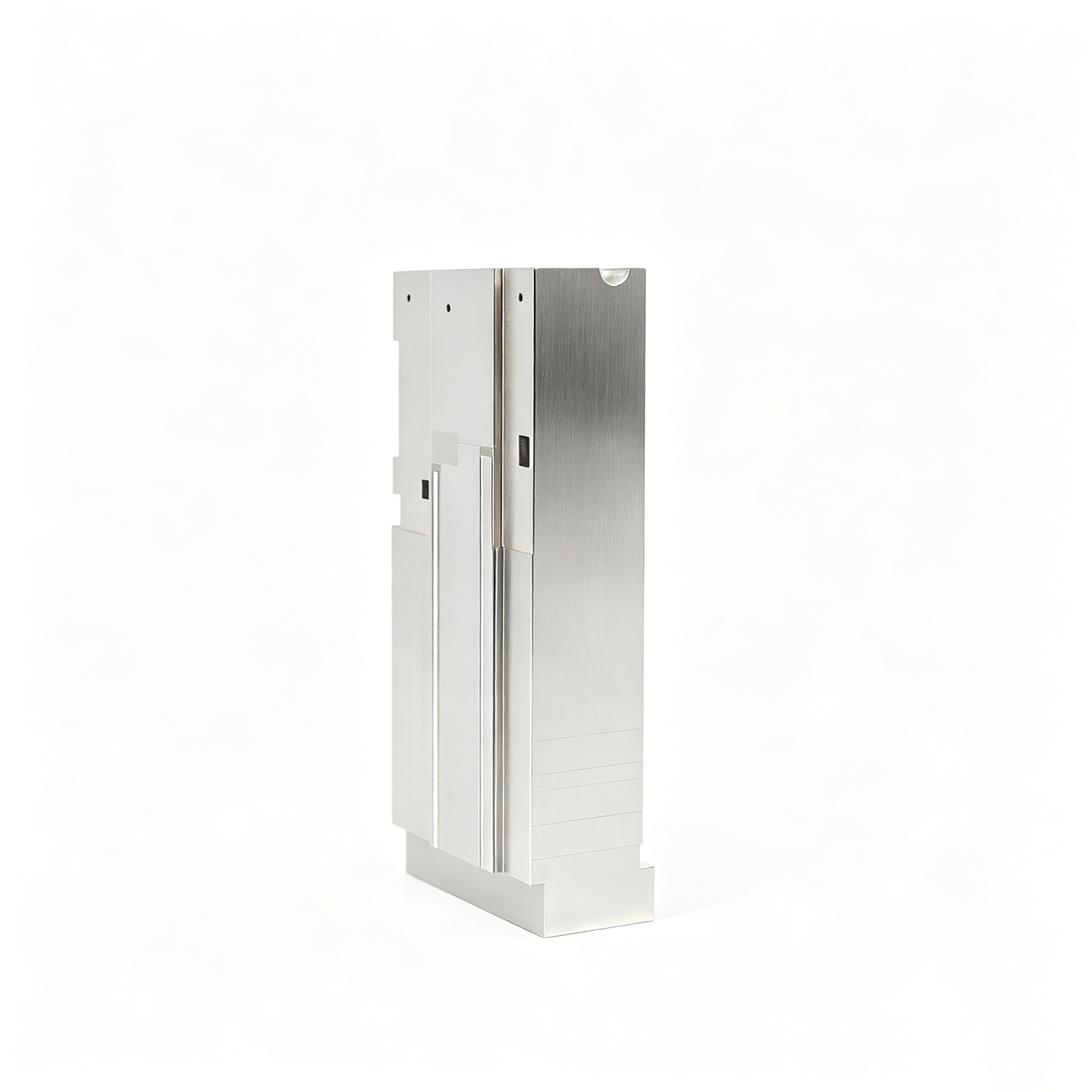
Connector Mold Components
Precision connector mold components often contain fine pitches, narrow ribs, small radii, and tightly related mating features. Thermal-risk decisions should address material response, EDM strategy, polishing needs, datum transfer, and inspection access before production of forming and alignment details.
Upload a Drawing
Stamping Die Components
Precision stamping die components require controlled relationships among cutting edges, guide features, and mating plates. Review material and hardness requirements, heat-treatment sequence, wire-EDM path, grinding allowance, clearance-critical dimensions, and inspection datums to manage distortion and assembly risk.
Upload a Drawing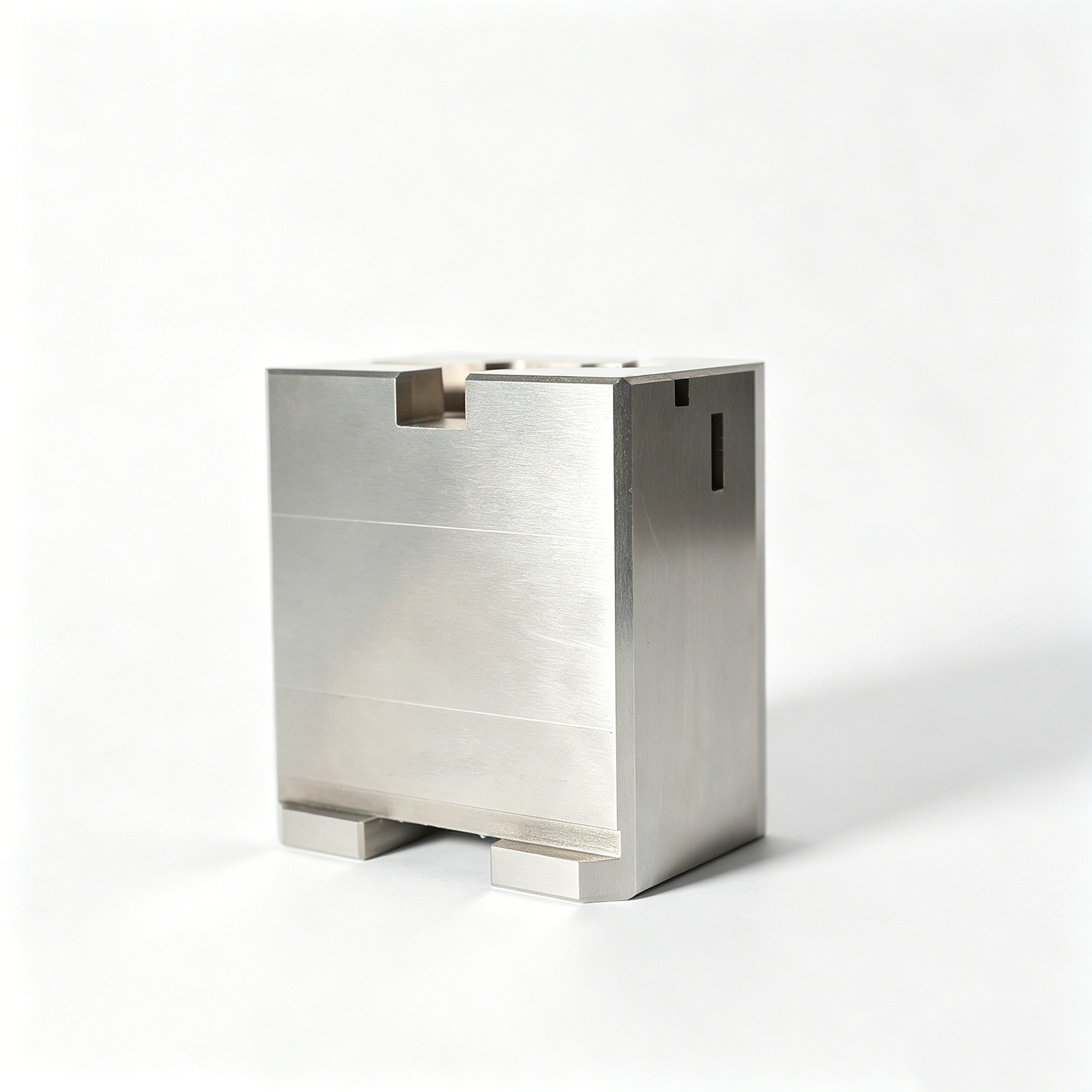
Injection Mold Components, MIM, CIM & Overmolding Tooling
Injection, MIM, CIM, and overmolding tooling components require process choices that preserve cavity geometry, shutoffs, gates, and material-flow features. Submit molding material, part geometry, surface requirements, critical dimensions, and expected tooling interfaces for manufacturability review.
Upload a Drawing
Machining Materials
CNC machining materials should be selected with thermal expansion, machinability, stress response, corrosion needs, hardness condition, and downstream finishing in mind. Confirm the specified grade, condition, material traceability expectations, and any heat-treatment requirement before quotation and process planning.
Upload a Drawing
Surface Finishes & Heat Treatment
Surface finishing and heat treatment can improve wear, corrosion resistance, or functional surface behavior, while changing size, hardness, or distortion risk. Define coating or treatment type, mask areas, stock allowances, post-process dimensions, surface criteria, and inspection requirements before release.
Upload a Drawing
Quality, Metrology & Documentation
Precision inspection, metrology, and quality documentation should be planned around critical dimensions, datums, temperature conditions, and the agreed drawing revision. Identify required reports, measurement methods, sampling expectations, material records, and traceability needs before production begins.
Upload a Drawing
Prototyping & Low-Volume Production
Rapid prototyping and low-volume manufacturing support design verification and controlled production changes when drawings, materials, and quality priorities are defined. Use early builds to review thermal sensitivity, machining sequence, assembly fit, inspection results, and revision-controlled improvements before scaling.
Upload a DrawingA Drawing-to-Inspection Workflow for Temperature-Sensitive Parts
Align thermal-risk decisions, process planning, and inspection evidence before production begins.
Share the Complete Package
Provide the 2D drawing, 3D model when available, material, heat treatment, quantity, application context, target date, and critical dimensions or surface requirements.
Review Thermal Risk
Confirm datums, tolerance stack, thermal effects on precision measurement, machining access, finishing sequence, and whether cooling or stabilization is needed before final measurement.
Plan the Process Route
Align CNC, EDM, grinding, fitting, and heat-treatment sequence with machining allowance, electrode or wire path, and the inspection method for critical features.
Approve Revisions and Evidence
Keep drawing revisions, agreed inspection expectations, and delivery information visible throughout production so final documentation corresponds to the released order and verified plan.
Thermal Effects on Precision Measurement: Engineering FAQs
Practical sourcing guidance for drawing review, stabilization, inspection planning, and RFQ preparation.
How does temperature affect measurement of a CNC-machined part?
What stabilization time is needed before final inspection?
How should temperature-sensitive measurement requirements be addressed on a drawing?
Which materials require the closest temperature control during measurement?
Can temperature variation change datum-based results?
Should machining and inspection use the same temperature?
What information should I include in an RFQ for a temperature-sensitive precision part?
Submit Your Drawing for a Thermal-Risk Review
Send drawings, material, quantity, quality priorities, and delivery targets for a practical review of thermal risk, process access, and inspection needs.