
Titanium Machining for Drawing-Based Precision Parts
SUUXIANG plans titanium machining around your drawing, critical dimensions, material requirements, and inspection expectations.
Titanium Machining Built Around Critical Dimensions
Decision-ready planning for drawing-based titanium parts, from DFM review through inspection documentation.
DFM Before Commitment
We review datums, critical dimensions, wall conditions, tool access, and tolerance stack before quotation so titanium machining risks are visible early.
Process Route Selection
CNC milling, turning, EDM, grinding, and fitting are evaluated against geometry, material condition, surface requirements, and downstream assembly needs.
Heat-Aware Planning
Titanium machining plans consider heat concentration, workholding rigidity, chip evacuation, and finishing allowance to protect surface integrity and dimensional control.
Inspection Plan Alignment
Inspection methods, report needs, measurement datums, and acceptance criteria are aligned with the drawing before production and final documentation.
Revision Control
Visible revision control links the approved drawing, manufacturing route, inspection plan, and delivery information, reducing ambiguity across engineering and sourcing teams.
Drawing-Driven Precision Manufacturing
Explore the process routes, tooling components and quality controls used to convert approved drawings into inspected production parts.
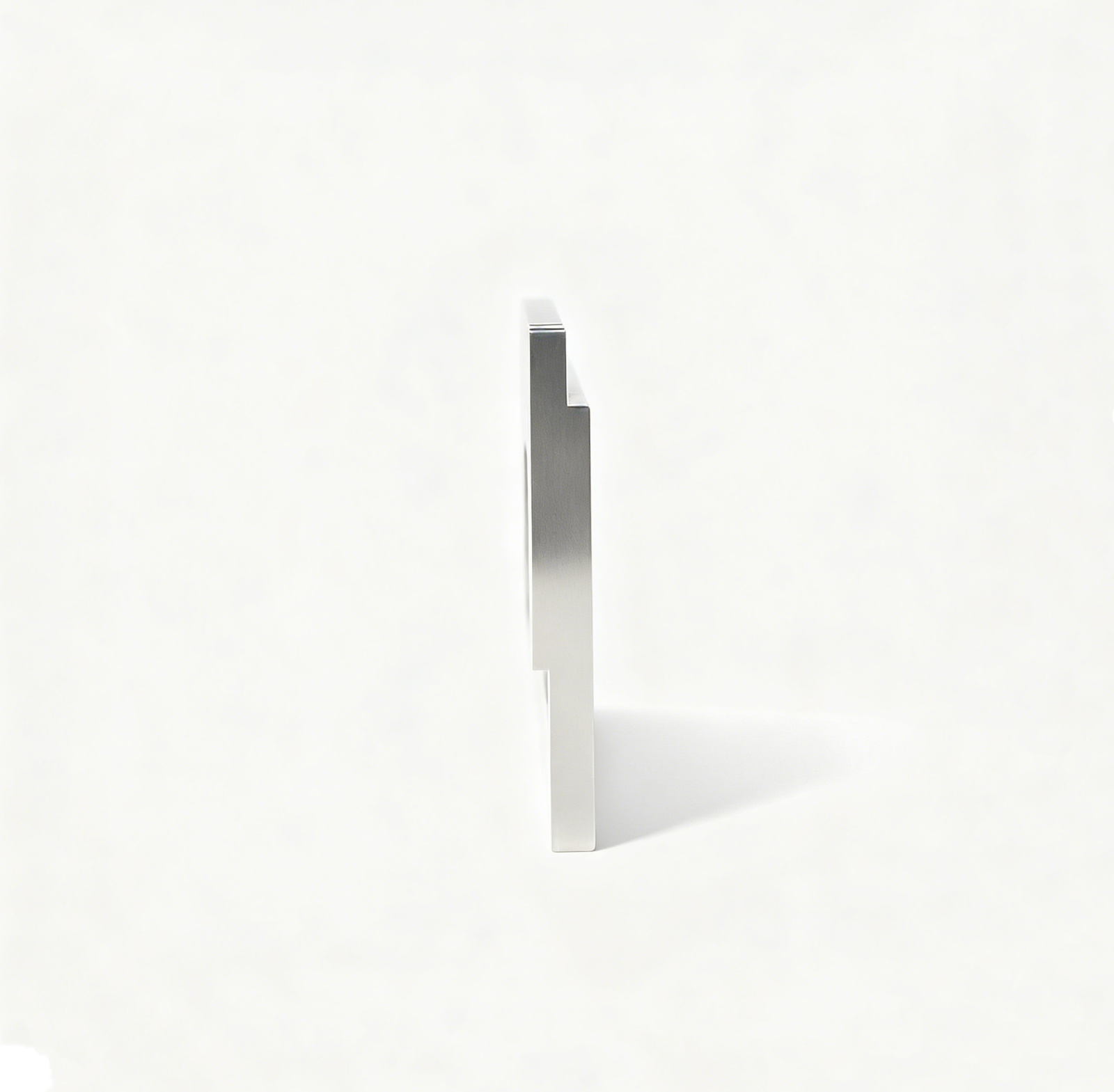
CNC Machining Services
Precision CNC machining services for drawing-based custom parts, using process planning that considers critical dimensions, datum strategy, material condition, tool access and inspection requirements before production commitments.
Upload a Drawing
CNC Milling
Custom CNC milling services for prismatic parts, plates, inserts and complex features. Toolpaths, machining allowance and fixturing are reviewed against drawing requirements, surface priorities and later EDM or grinding operations.
Upload a Drawing
CNC Turning
Precision CNC turning services for rotational features, shafts, pins, sleeves and related components. Production planning considers concentricity, runout, threaded details, material condition and the inspection method required by the order.
Upload a Drawing
5-Axis Machining
5-axis CNC machining for features requiring multi-angle access, reduced setups or controlled relationships between surfaces. Feasibility depends on part geometry, clamping strategy, cutter reach, tolerance requirements and verification planning.
Upload a Drawing
Swiss & Micro Machining
Swiss machining and micro machining for small, slender or detail-intensive components where support, tool access and handling affect results. Submit dimensions, material, quantity and critical features for a project-specific manufacturing review.
Upload a Drawing
Wire & Sinker EDM
Wire EDM and sinker EDM services for precise contours, hardened materials, internal forms and features unsuitable for conventional cutting. Electrode strategy, wire path, flushing, recast-layer considerations and finishing requirements are reviewed from the drawing.
Upload a Drawing
Precision Grinding
Precision surface and profile grinding for flatness, parallelism, profile control and final-size refinement. Grinding stock, heat-treatment sequence, datum references and surface requirements should be defined before the process route is confirmed.
Upload a Drawing
Mold Core & Cavity Inserts
Precision mold core and cavity inserts manufactured from customer drawings and material requirements. Machining, EDM, grinding, fitting and inspection are coordinated around shutoff details, cavity geometry, cooling interfaces and critical dimensions.
Upload a Drawing
Ejector & Ejection Components
Ejector pins, sleeves and ejection components produced to drawing-defined diameters, fits, lengths and surface requirements. Functional relationships with plates, cores and moving mechanisms should be included in the RFQ.
Upload a Drawing
Core Pins, Guide & Locating Components
Core pins, guide pins and locating components for controlled mold alignment and feature formation. Review should address datum relationships, mating fits, hardness requirements, wear conditions and the inspection points that govern assembly performance.
Upload a Drawing
Slides, Lifters, Gates & Mold Accessories
Mold slides, lifters, gates and accessories manufactured as configurable tooling components rather than assumed stock items. Drawings should identify travel, contact faces, clearance, locating features, material and any fitting requirements.
Upload a Drawing
Connector Mold Components
Precision connector mold components for detailed cavities, terminals, inserts and alignment features. Tooling review focuses on fine geometry, electrode access, EDM and grinding sequence, wear considerations and critical mating dimensions.
Upload a Drawing
Stamping Die Components
Precision stamping die components including punches, dies, guides, plates and custom wear parts. Process planning considers material, heat treatment, clearance relationships, profile control, surface condition and inspection needs.
Upload a Drawing
Injection, MIM, CIM & Overmolding Tooling
Tooling and component work associated with injection molding, metal injection molding, ceramic injection molding and overmolding, when within verified production scope. Provide resin or feedstock context, part geometry, interface details and quality requirements.
Upload a Drawing
Machining Materials
CNC machining materials selected against drawing requirements, function, machinability, heat-treatment sequence and inspection needs. Specify grade, condition, approved substitutes and any traceability or material-documentation expectations with the RFQ.
Upload a Drawing
Surface Finishes & Heat Treatment
Surface finishing and heat treatment planned around functional surfaces, dimensional change, corrosion or wear requirements and later grinding. Define finish callouts, hardness targets, masking needs and post-treatment inspection expectations clearly.
Upload a Drawing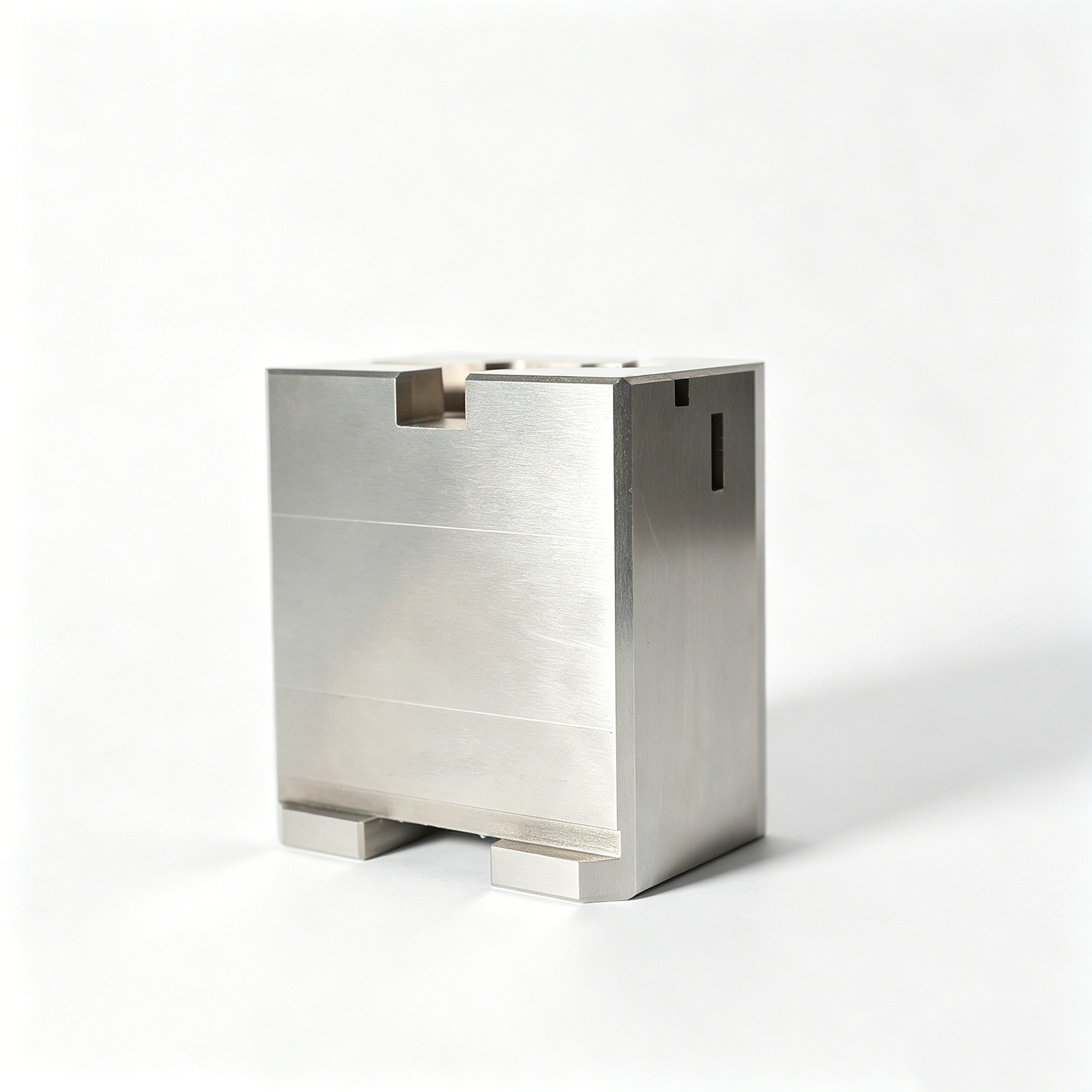
Quality, Metrology & Documentation
Precision inspection, metrology and quality documentation aligned with the order’s critical dimensions and approved inspection plan. Identify reporting format, sampling expectations, datum references, traceability needs and revision-controlled drawing requirements before production.
Upload a Drawing
Prototyping & Low-Volume Production
Rapid prototyping and low-volume manufacturing for drawing-based parts and tooling components that require controlled revision, process selection and inspection. Include quantity, target date, material, quality priorities and application context for an informed review.
Upload a DrawingTitanium Machining Process Routes Before Production
Start With Geometry
Titanium machining begins with the drawing, 3D model, datums, critical dimensions, material condition, and surface requirements. SUUXIANG reviews tool access, wall stability, feature depth, and clamping needs before selecting a route or making a production commitment.
- Confirm drawing revision and CTQ dimensions
- Review datums, access directions, and fixture locations
- Identify material, heat-treatment, and surface requirements
- Flag geometry that may require design clarification

Combine Processes Conditionally
A titanium component may need CNC milling or turning for primary geometry, EDM for inaccessible or sharp internal features, and grinding where controlled stock removal or surface requirements demand it. The route is determined by the part, not by a fixed process sequence.
- Use CNC machining for accessible prismatic and turned features
- Evaluate wire EDM paths and electrode strategy where needed
- Plan grinding allowance around material condition and finishing needs
- Coordinate operations to protect critical reference surfaces

Control Material Condition
For titanium machining, sequencing must account for material state, machining allowance, heat-treatment requirements, and deformation risk. SUUXIANG aligns roughing, finishing, EDM, grinding, and fitting decisions with the specified condition so inspection is meaningful against the final drawing.
- Define when critical features are machined
- Preserve stock for later grinding or finishing where required
- Review heat-treatment sequence before final dimensions
- Protect mating faces and functional edges during handling

Inspect the Finished Requirement
Inspection planning follows the agreed drawing revision and critical-feature priorities. SUUXIANG connects measurement methods to datums, tolerances, surface expectations, and reporting needs, then keeps revision and delivery information visible through the project rather than treating inspection as a final afterthought.
- Set inspection points for critical dimensions and datums
- Match reporting requirements to the verified inspection plan
- Record revision-controlled requirements before production
- Review quantity, delivery target, and documentation needs

Titanium Machining: From Drawing Review to Inspection
A controlled workflow for aligning manufacturability, revision status, critical dimensions, and inspection evidence before delivery.
Share Complete Manufacturing Inputs
Provide the 2D drawing, available 3D model, titanium grade, quantity, heat treatment, target date, and inspection requirements so the review begins with defined constraints.
Review DFM and Critical Dimensions
SUUXIANG reviews datums, tolerance stack, tool access, clamping, machining allowance, and surface priorities, then clarifies risks or open points before quotation and production planning.
Approve the Controlled Revision
Confirm the agreed drawing revision, material and process assumptions, critical dimensions, and inspection method. This creates a traceable basis for titanium machining execution.
Inspect and Document Delivery
Manufacture through the planned CNC, EDM, grinding, and fitting sequence where required, inspect to the agreed plan, and provide order-matched documentation before delivery.
Titanium Machining Questions for Engineering Buyers
Practical RFQ, process-planning and inspection considerations for drawing-based titanium parts.
What information do you need to quote titanium machining?
Can titanium machining hold my drawing tolerances?
Why does titanium machining need a DFM review before production?
Which titanium grade should I specify on an RFQ?
When are EDM or grinding used for titanium machining parts?
How should I specify grinding and EDM allowances?
What inspection documents can be requested for titanium parts?
Can you support prototypes and low-volume titanium machining orders?
Upload Your Drawing for a Titanium Machining Review
Include material grade, quantity, critical dimensions, inspection requirements, and target delivery date so SUUXIANG can assess the process route responsibly.