
What Is Precision CNC Machining?
What is precision CNC machining? A drawing-driven process that controls critical dimensions through DFM, machining strategy, and inspection.
How Precision CNC Machining Differs From Standard Machining
Precision work is defined by controlled references, process-aware tolerances, accessible geometry, and inspection planned from the drawing—not by a generic machining label.
Controlled Datums
Features are machined and measured from defined datums, reducing uncertainty when parts must locate, mate, seal, or repeat within an assembly.
Tolerance Strategy
Critical dimensions receive an appropriate process route, allowance, and measurement method so tolerances reflect function rather than unnecessary drawing burden.
Tool Access Review
DFM review checks cutter reach, corner radii, wall geometry, and clamping access before production, identifying where EDM or revised geometry may be needed.
Process Sequencing
CNC machining, heat treatment, EDM, grinding, and fitting are sequenced around distortion risk, datum preservation, surface requirements, and final stock removal.
Planned Inspection
Inspection follows identified critical dimensions, datum references, and reporting requirements, creating evidence that the finished part matches the agreed drawing revision.
Revision Traceability
Drawing changes, production instructions, and inspection documentation stay aligned, helping sourcing teams avoid producing parts to superseded specifications.
Which Processes Support Precision CNC Machining?
CNC Milling for Form Features
CNC milling establishes prismatic geometry, pockets, faces, radii and multi-axis contours on mold components, connector tooling and custom parts. The route is selected after reviewing datum relationships, tool access, clamping strategy and the stock required for later EDM or grinding operations.
- Review datums and critical dimensions before programming
- Confirm cutter reach, corner radii and fixture access
- Plan finishing stock for EDM or precision grinding
- Keep revision-controlled models aligned with drawings

Turning for Concentric Geometry
CNC turning is appropriate when diameters, bores, threads, shoulders or rotational alignment control the part function. For pins, sleeves, guide elements and custom cylindrical parts, the drawing review should define functional datums, runout expectations, material condition and any secondary milling or grinding sequence.
- Establish functional axial and radial datums
- Review runout, concentricity and thread requirements
- Coordinate turning with cross holes or milled flats
- Verify inspection methods for critical diameters

EDM for Restricted Access
Wire EDM and sinker EDM support precision features that cutters cannot reach efficiently, including narrow slots, sharp internal forms, deep ribs and hardened-tooling details. Electrode strategy, wire path, flushing conditions and recast-layer considerations must be reviewed against the drawing and component application.
- Choose wire EDM for profiles and through features
- Define electrode geometry for blind or detailed cavities
- Assess finish requirements and recast-layer risk
- Coordinate EDM allowances with preceding machining

Grinding for Final Control
Precision grinding is used to refine flatness, parallelism, squareness, diameter and surface condition where machining alone may not provide the required final relationship. Its value depends on controlled grinding stock, heat-treatment sequence, workholding stability and an inspection plan tied to critical features.
- Reserve consistent grinding stock in the process plan
- Sequence heat treatment before final grinding when required
- Control datum transfer and workholding distortion
- Match metrology to the drawing’s critical features

From Drawing Review to Inspected Precision Parts
This workflow turns drawing requirements into a controlled manufacturing and inspection plan.
Submit Complete RFQ
Provide the 2D drawing, 3D model when available, material, quantity, application context, target date, and inspection requirements so SUUXIANG can establish a responsible review basis.
Review Critical Features
Confirm critical dimensions, datums, tolerance stack, surface requirements, machining access, heat-treatment sequence, and revision status before quotation or production commitments are made.
Plan the Process Route
Select the appropriate CNC, EDM, grinding, fitting, and inspection sequence, including machining allowances, electrode strategy, wire paths, and control points for critical features.
Inspect and Release Parts
Machine to the approved revision, verify features against the inspection plan, and keep documentation, delivery coordination, and traceability aligned with the purchase order.
Precision Machining for Critical Tooling Parts
Explore process routes and configurable component families for mold, connector, die, and low-volume programs where dimensions, revisions, and inspection evidence matter.
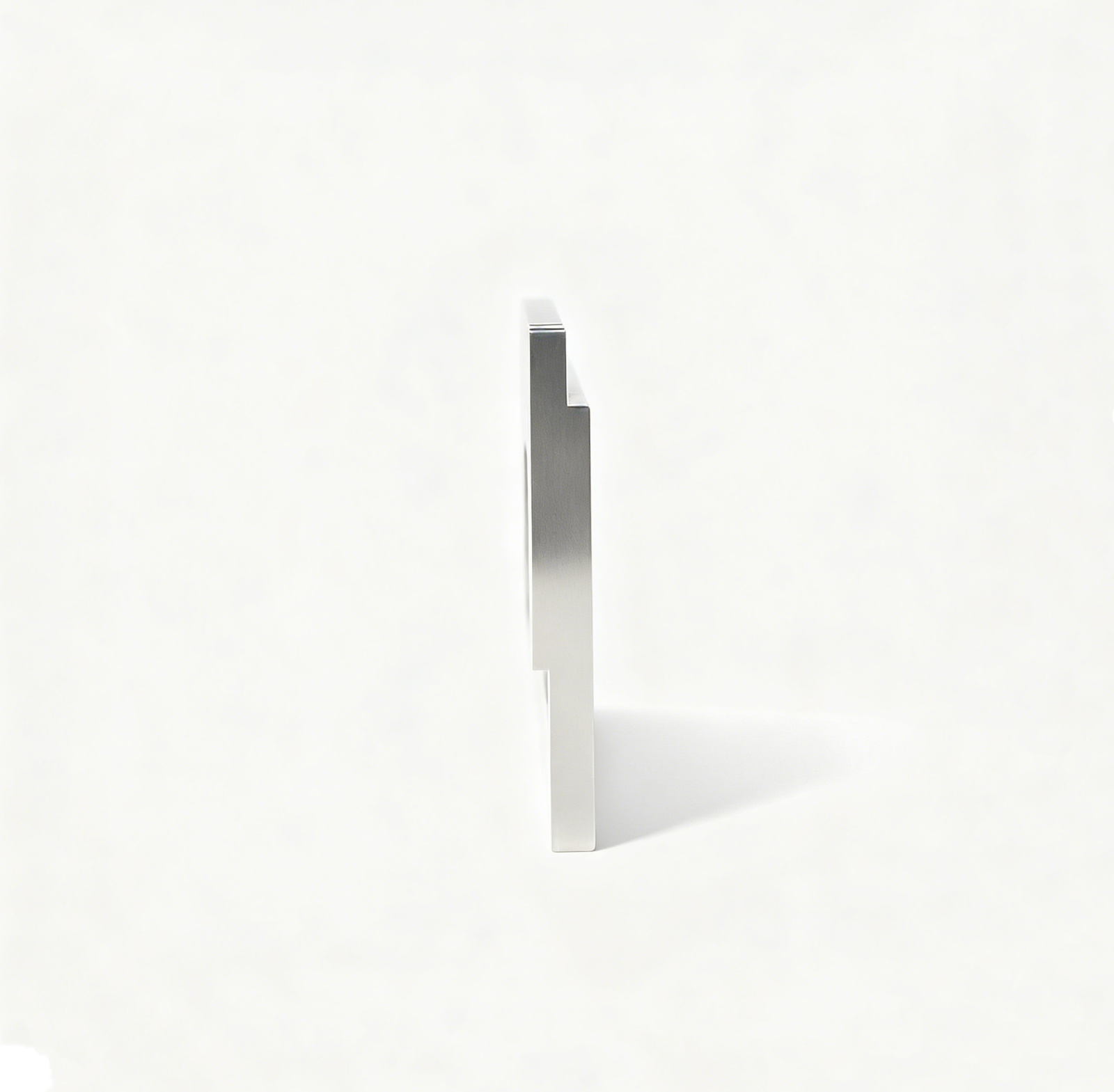
CNC Machining Services
Precision CNC machining services for drawing-based parts requiring defined datums, critical dimensions, material requirements, and inspection expectations. Process planning may combine milling, turning, EDM, grinding, fitting, and documented verification according to the approved drawing and project scope.
Upload a Drawing
CNC Milling
Custom CNC milling services for prismatic parts, plates, inserts, pockets, channels, and complex features. Drawing review addresses tool access, corner radii, datum selection, wall geometry, machining allowance, and the dimensions that require focused inspection before production begins.
Upload a Drawing
CNC Turning
Precision CNC turning services for shafts, pins, bushings, sleeves, collars, and rotational features. Provide diameter tolerances, concentricity or runout requirements, surface requirements, material condition, and mating-part context so the appropriate machining and inspection route can be assessed.
Upload a Drawing
5-Axis Machining
5-axis CNC machining supports multi-face features and geometries that benefit from fewer setups or improved tool approach. Feasibility depends on part geometry, workholding, cutter reach, tolerance relationships, material condition, and the inspection strategy defined during drawing review.
Upload a Drawing
Swiss & Micro Machining
Swiss machining and micro machining support small, slender, and detail-intensive components where feature access, material behavior, and handling affect results. Submit the drawing, smallest critical features, material, quantity, and dimensional priorities for a practical manufacturing review.
Upload a Drawing
Wire & Sinker EDM
Wire EDM and sinker EDM services address profiles, narrow slots, sharp internal geometry, hardened workpieces, and features inaccessible to conventional cutters. Electrode strategy, wire path, flushing, recast-layer considerations, finish requirements, and downstream grinding should be reviewed against the drawing.
Upload a Drawing
Precision Grinding
Precision surface and profile grinding supports flatness, parallelism, profile control, size finishing, and surface requirements on tooling components. Grinding stock, heat-treatment sequence, datum relationships, wheel access, and measurement method should be established before the process route is committed.
Upload a Drawing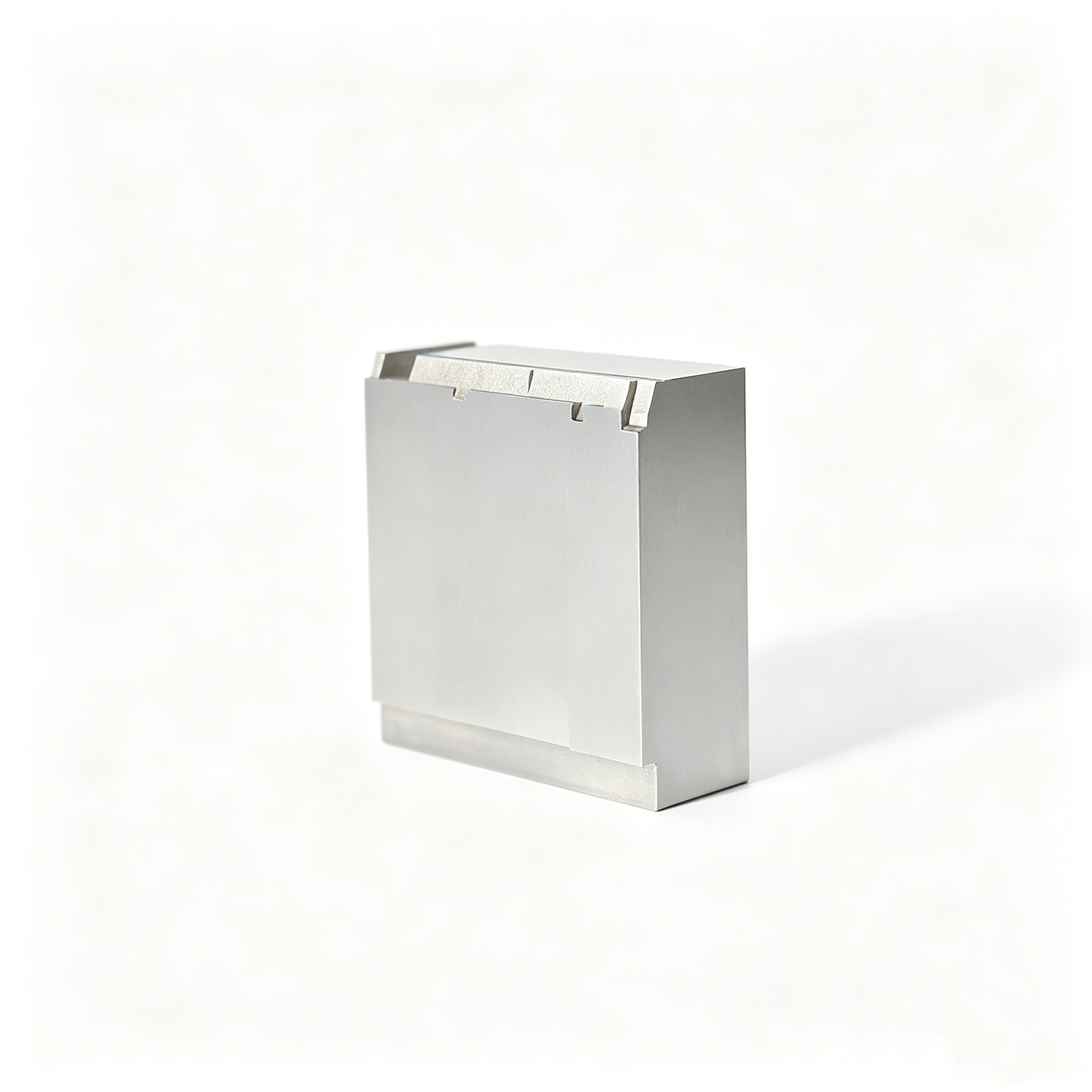
Mold Core & Cavity Inserts
Precision mold core and cavity inserts are manufactured from customer drawings and specifications for molding-tool assemblies. Review focuses on steel selection, heat-treatment condition, parting and shutoff geometry, cooling or feature access, EDM requirements, critical dimensions, and inspection documentation.
Upload a Drawing
Ejector & Ejection Components
Ejector pins, sleeves, and ejection components require attention to fit, straightness, surface condition, hardness requirements, and mating bores. Drawing review clarifies tolerance relationships, lubrication or sliding conditions, and whether grinding, EDM, or post-treatment inspection is needed.
Upload a Drawing
Core Pins, Guide & Locating Components
Core pins, guide pins, bushings, and locating components support repeatable alignment and feature formation in tooling. Manufacturing review considers functional fits, concentricity, lead geometry, hardness, surface finish, mating-component tolerances, and the appropriate dimensional verification plan.
Upload a Drawing
Slides, Lifters, Gates & Mold Accessories
Mold slides, lifters, gates, and accessories are configurable tooling components produced to drawing-defined interfaces and functions. Review the movement path, contact surfaces, wear areas, mold-space constraints, material and treatment requirements, and critical relationships with adjoining components.
Upload a Drawing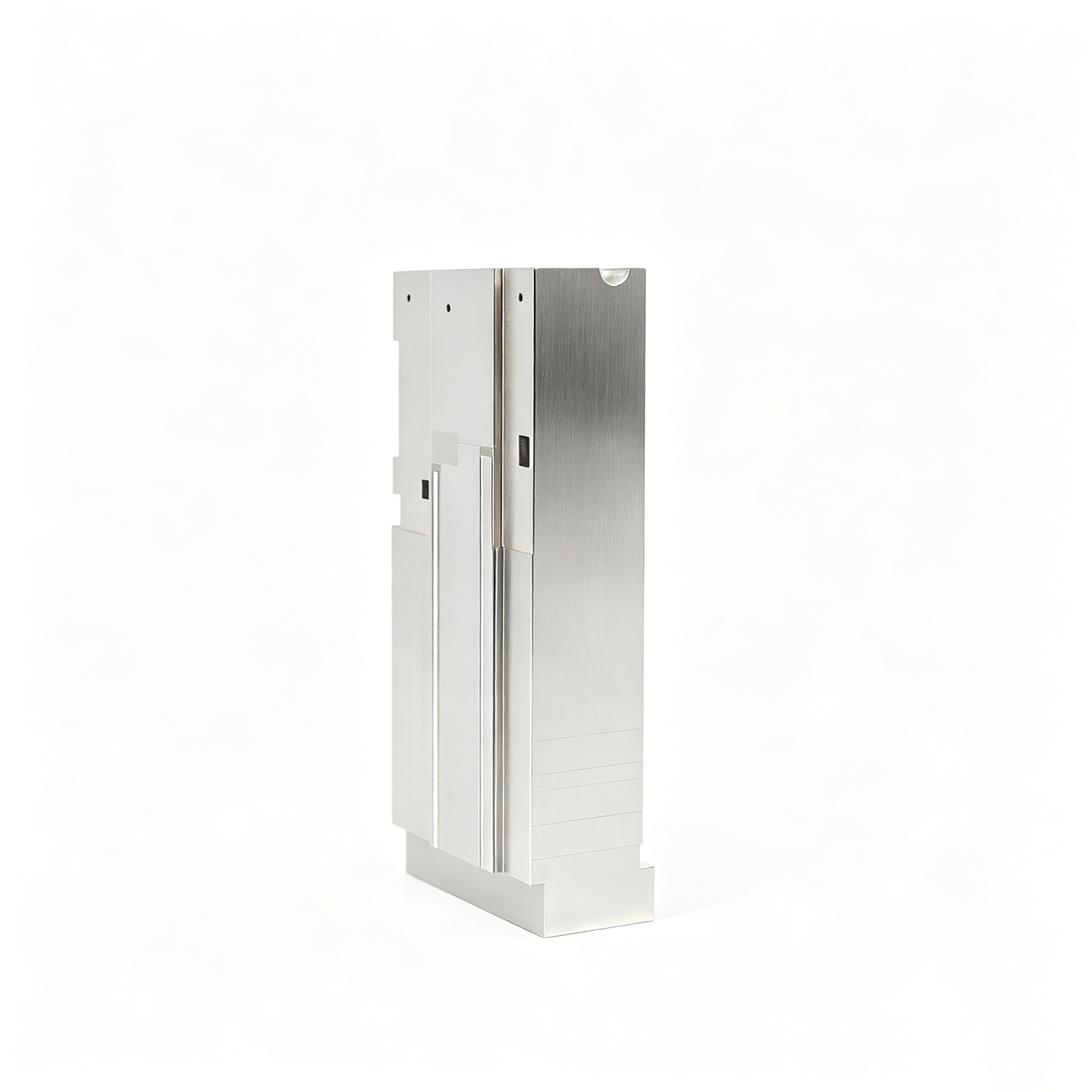
Connector Mold Components
Precision connector mold components support connector tooling where small features, repeated cavities, positional accuracy, and mating geometry are central. Supply product drawings, pin or terminal context, material requirements, critical dimensions, surface needs, and inspection priorities for manufacturability review.
Upload a Drawing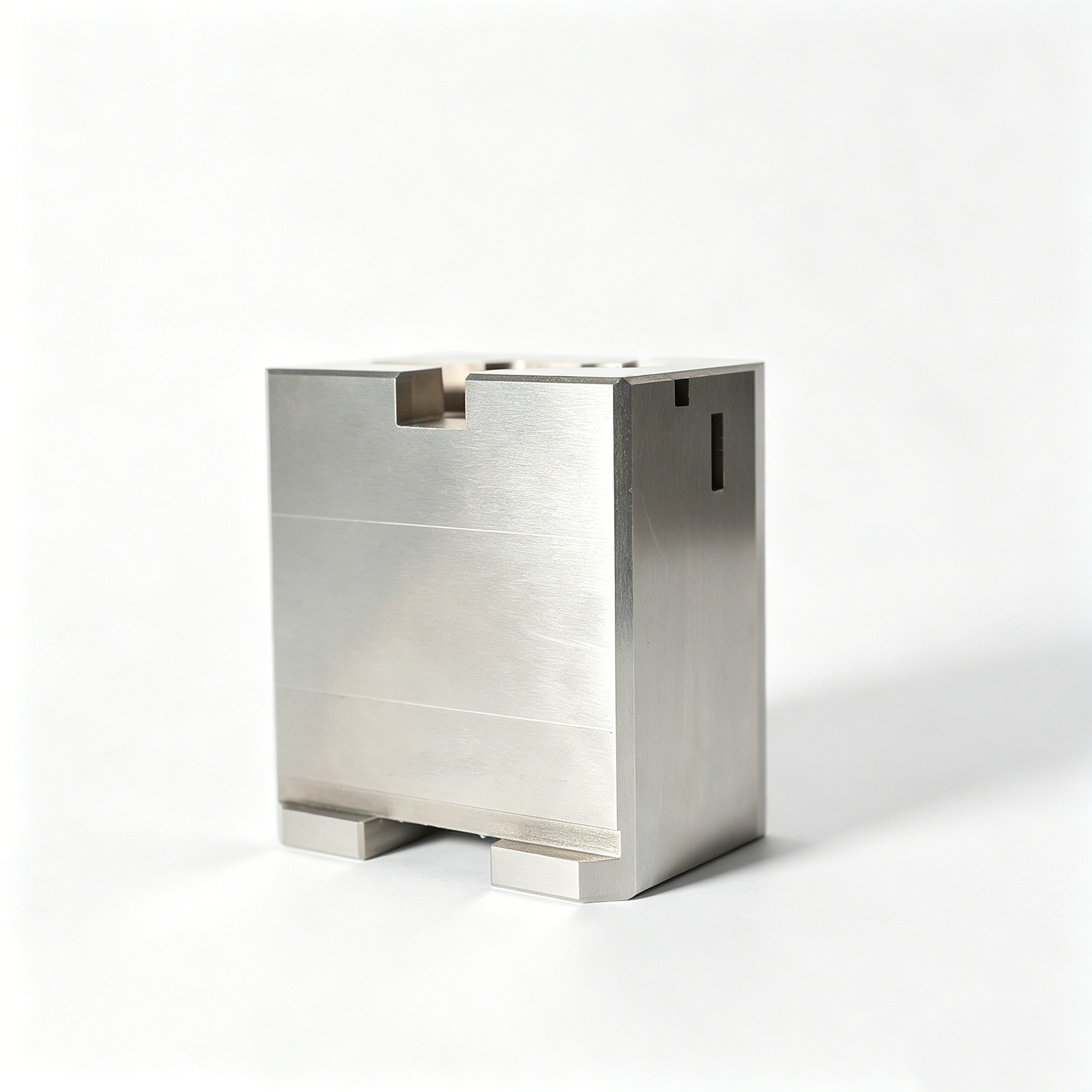
Stamping Die Components
Precision stamping die components are produced for drawing-defined forming, punching, guiding, and wear functions. The review should address material and hardness, clearance relationships, profile geometry, EDM needs, grinding allowance, surface condition, and dimensional evidence required for assembly.
Upload a Drawing
Injection, MIM, CIM & Overmolding Tooling
Injection, MIM, CIM, and overmolding tooling components are evaluated within verified production scope. Drawings should identify resin or feedstock context, molding interfaces, shrinkage assumptions supplied by the customer, surface requirements, critical geometry, material, and planned inspection needs.
Upload a Drawing
Machining Materials
CNC machining materials are selected from the drawing and application requirements, considering machinability, strength, wear, corrosion exposure, heat treatment, and finishing. Identify the specified grade, material condition, traceability needs, and any approved substitute rules before quotation.
Upload a Drawing
Surface Finishes & Heat Treatment
Surface finishing and heat treatment are planned around functional requirements such as wear resistance, corrosion resistance, hardness, appearance, friction, and dimensional stability. Specify the required process, target condition, masking or critical surfaces, sequence, and any certification or reporting requirements.
Upload a Drawing
Quality, Metrology & Documentation
Precision inspection, metrology, and quality documentation are aligned to drawing-defined critical dimensions and the agreed inspection plan. Establish datums, measurement methods, sampling or reporting expectations, revision status, material documentation needs, and acceptance criteria before production proceeds.
Upload a Drawing
Prototyping & Low-Volume Production
Rapid prototyping and low-volume manufacturing support drawing-driven validation, bridge quantities, tooling development, and controlled production needs. An effective RFQ includes the 2D drawing, 3D model where available, material, quantity, quality priorities, target delivery date, and revision-controlled requirements.
Upload a DrawingPrecision CNC Machining: Sourcing Questions Answered
Practical guidance on drawing review, process selection, inspection planning and RFQ preparation for precision parts.
What is precision CNC machining, and when is it needed?
How does precision CNC machining affect achievable tolerances?
What materials can be used for precision CNC-machined parts?
When should wire EDM or sinker EDM be used instead of CNC milling?
Why are grinding allowances important in precision CNC machining?
What inspection documentation should I request for precision parts?
What should I include in an RFQ for precision CNC machining?
Can SUUXIANG quote prototype and low-volume precision work?
What Is Precision CNC Machining? Start With Your Drawing
Upload your 2D drawing and 3D model with material, quantity, critical dimensions, inspection needs, and delivery target for a disciplined review.