
When to Approve a Material Substitution: 5 Checks
Use these five checks to verify function, tolerances, process impact, inspection needs, and revision control before release.
How to Assess When to Approve a Material Substitution
Approve only after the proposed material is shown to meet functional needs, support the planned process route, and enable the required inspection evidence.
Function and Application
Confirm strength, wear, corrosion, thermal, electrical, and mating requirements against the part’s actual application and drawing-defined performance needs.
Critical Dimension Risk
Review material behavior through machining, heat treatment, EDM, and grinding to protect datums, tolerance stacks, and critical dimensions.
Process Route Compatibility
Verify that tool access, machining allowance, electrode strategy, wire path, and finishing sequence remain practical for the substitute material and required tolerances.
Quality Verification Plan
Define material traceability, inspection methods, report requirements, and any test evidence needed before release to production.
Revision-Controlled Approval
Record the approved material, drawing revision, deviations, responsibilities, and production release conditions so procurement and manufacturing work from one decision.
Material Substitution Across Precision Part Programs
Evaluate process route, critical dimensions, heat treatment, finishing, inspection, and mating conditions before approving a material change.

CNC Machining Services
Precision CNC machining and CNC machining services support drawing-based custom machined parts where a proposed material change affects machinability, tool wear, dimensional stability, corrosion resistance, or inspection requirements. Review the drawing, application, quantity, and critical dimensions before selecting a substitute process route.
Upload a Drawing
CNC Milling
Custom CNC milling services are suited to prismatic parts, pockets, complex faces, and mold details. When substituting material, assess cutting access, clamping rigidity, residual stress, heat-treatment condition, and whether the revised stock changes achievable features or machining allowance.
Upload a Drawing
CNC Turning
Precision CNC turning services address rotational features such as shafts, bushings, pins, and threaded details. Material substitutions should be checked for chip control, concentricity, surface-finish response, hardness condition, and compatibility with mating parts before production planning is released.
Upload a Drawing
5-Axis Machining
5-axis CNC machining can reduce setups for contoured, angled, and difficult-to-reach features. A substitute material may alter tool deflection, cutting strategy, fixture requirements, and accessible tolerance zones, requiring renewed DFM review of critical surfaces and datums.
Upload a Drawing
Swiss & Micro Machining
Swiss machining and micro machining support small-diameter, slender, and high-feature-density components. For material substitutions, confirm straightness, burr behavior, work-hardening tendency, micro-feature integrity, and inspection method, particularly where tight fits or fine connector features are involved.
Upload a Drawing
Wire EDM Services & Sinker EDM Services
Wire EDM and sinker EDM services support hardened materials, internal profiles, sharp geometry, and complex mold details. Before substituting material, assess electrical conductivity, heat-treatment sequence, electrode strategy, wire path, recast-layer expectations, and subsequent polishing or fitting needs.
Upload a Drawing
Precision Grinding
Precision surface and profile grinding controls flatness, parallelism, profiles, and finish on hardened or precision components. A material substitution can change grinding stock, wheel selection, burn risk, thermal response, and inspection planning, especially for critical mating and sealing surfaces.
Upload a Drawing
Mold Core & Cavity Inserts
Precision mold components, including mold core inserts and mold cavity inserts, require controlled material selection, heat treatment, cooling considerations, surface condition, and dimensional stability. Substitute materials should be evaluated against resin behavior, wear, corrosion exposure, polishing requirements, and the insert’s relationship to the mold datum system.
Upload a Drawing
Ejector & Ejection Components
Ejector pins, sleeves, and ejection components must balance hardness, toughness, surface condition, and sliding performance. Any material substitution should account for fit, lubrication, operating temperature, wear mechanism, and potential galling against mating plates, pins, or molded-part geometry.
Upload a Drawing
Core Pins, Guide & Locating Components
Core pins, guide pins, and locating components establish repeatable alignment and formed geometry. Material changes require review of stiffness, wear resistance, heat-treatment response, diameter tolerance, surface finish, and the tolerance stack across associated mold plates and inserts.
Upload a Drawing
Slides, Lifters, Gates & Mold Accessories
Mold slides, lifters, gates, and accessories combine moving interfaces with molded-part requirements. Evaluate substitute materials for sliding wear, hardness balance, lubrication, thermal behavior, machining access, and whether the change affects gate condition, shutoff integrity, or fitting work.
Upload a Drawing
Connector Mold Components
Precision connector mold components often involve small pitches, fine features, repeated alignment, and demanding surface requirements. Material substitutions need confirmation against wear, polishability, EDM response, dimensional stability, and compatibility with the connector resin, terminals, and molding conditions.
Upload a Drawing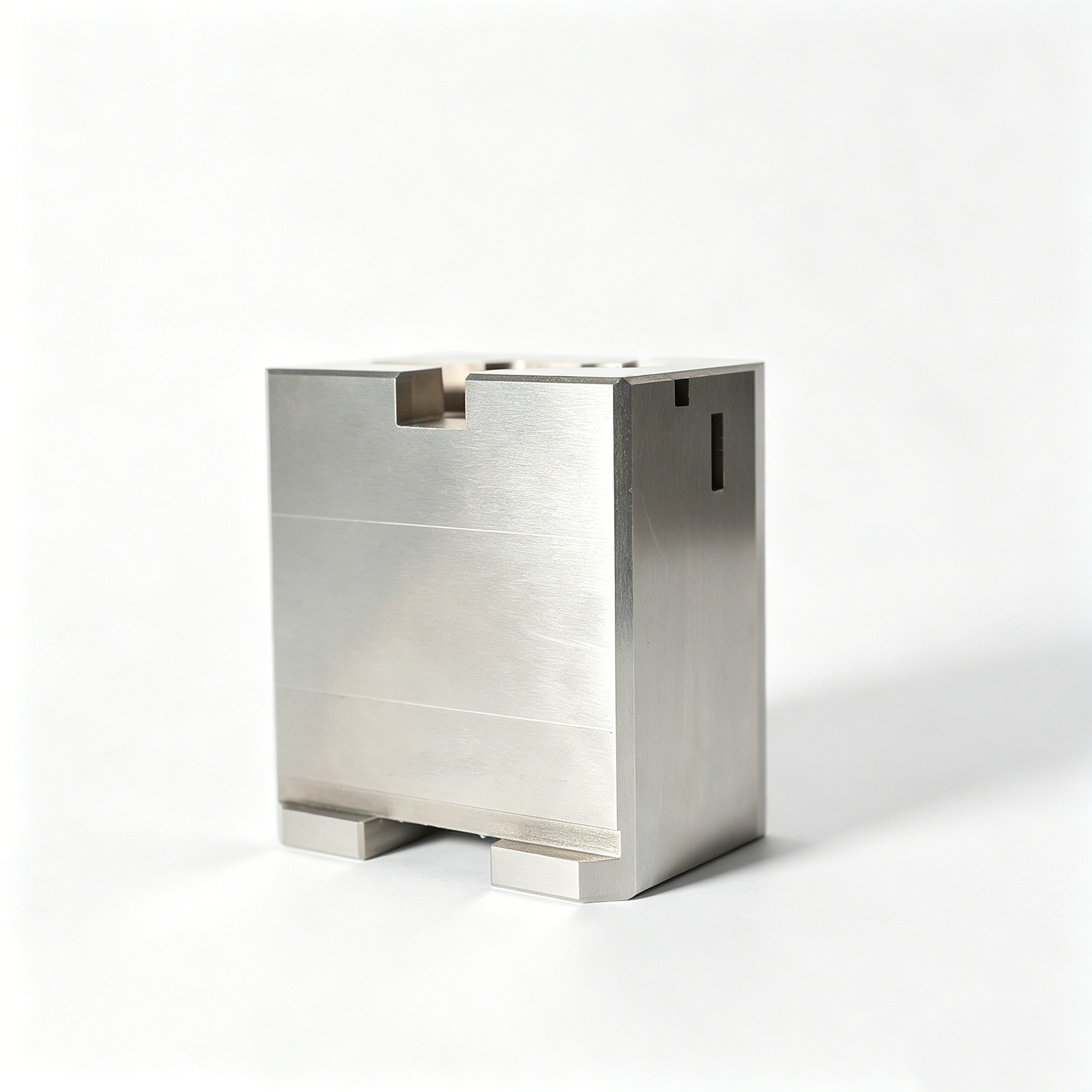
Stamping Die Components
Precision stamping die components must withstand contact loading, abrasion, impact, and repeated alignment. Before changing materials, review forming loads, strip material, edge condition, hardness, heat treatment, grinding allowance, coating compatibility, and the inspection criteria for functional die clearance.
Upload a Drawing
Injection, MIM, CIM & Overmolding Tooling
Injection mold components and tooling for MIM, CIM, and overmolding require material decisions tied to feedstock, temperature, pressure, shrinkage, corrosion, and surface requirements. Review the verified application scope, process route, insert interfaces, cooling needs, and finishing plan before approving substitution.
Upload a Drawing
Machining Materials
CNC machining materials should be selected against functional requirements rather than availability alone. Compare machinability, strength, hardness, corrosion resistance, thermal behavior, certification needs, stock form, and post-machining treatment, then document the approved grade and equivalent standard on the RFQ.
Upload a Drawing
Surface Finishes & Heat Treatment
Surface finishing and heat treatment can materially change hardness, corrosion resistance, friction, dimensions, and finish. A material substitute requires a coordinated review of treatment sequence, machining and grinding allowance, masking needs, distortion risk, and final inspection points.
Upload a Drawing
Quality, Metrology & Documentation
Precision inspection, metrology, and quality documentation should be defined around the revised drawing and critical-to-quality features. Confirm datums, measurement methods, report format, sampling expectations, material traceability, revision status, and any records required before the change is released.
Upload a Drawing
Prototyping & Low-Volume Production
Rapid prototyping and low-volume manufacturing allow material alternatives to be evaluated before broader release. Provide drawings, quantities, application context, target delivery, material requirements, critical dimensions, and inspection needs so the proposed substitute can be assessed with an appropriate process plan.
Upload a DrawingFive Checks Before Approving a Material Substitution
Approve a substitute only when drawing requirements, manufacturing effects, inspection evidence, and revision records are aligned.
← Swipe left or right to view →
From Material Change Request to Production Release
Use a drawing-driven workflow to evaluate material changes against part function, process route, critical dimensions, inspection needs and documented revision control. Learn more about SUUXIANG.
Submit the Change Data
Provide the current drawing, proposed material specification, quantity, application context, heat-treatment requirement and reason for change so the request can be evaluated against the released baseline.
Review Function and Risk
Compare mechanical, thermal, corrosion, electrical and mating requirements with the proposed material, identifying critical dimensions, datum relationships and any customer-controlled specification constraints before approval.
Confirm the Process Route
Assess machining behavior, EDM response, grinding stock, heat-treatment sequence, surface requirements and tool access to determine whether the substitution changes the planned manufacturing route or risk.
Define Inspection Evidence
Set the inspection method, sampling or reporting expectations, material documentation and traceability needed to verify the approved change and distinguish the revised part from earlier revisions.
Release the Documented Revision
Issue the approved material decision through controlled revision records before production, keeping drawing references, inspection requirements and delivery coordination visible to engineering, quality and procurement teams.
FAQ: When to Approve a Material Substitution
Review material equivalency against the drawing, application, process route, inspection plan, and controlled revision before releasing production.
What must be reviewed before approving a material substitution for a precision CNC part?
Is a material certificate enough to approve a substitution?
What if the substitution changes the heat-treatment route?
Can a substitute material be approved if its chemistry is similar?
What critical dimensions should be reviewed before approving a substitute material?
Is sample testing required before a material substitution is approved?
How should material substitutions be documented for traceability?
Can production begin while a material substitution is still under review?
Request a Material Substitution Review
Upload your drawing with proposed material, quantity, critical dimensions, inspection requirements, and delivery target for a project-specific manufacturability review.