
CNC Parts for Automated Dispensing Fixtures, Reviewed Before Production
Submit drawings for CNC parts for automated dispensing fixtures with DFM, critical-dimension review, process planning, and inspection requirements aligned before quotation.
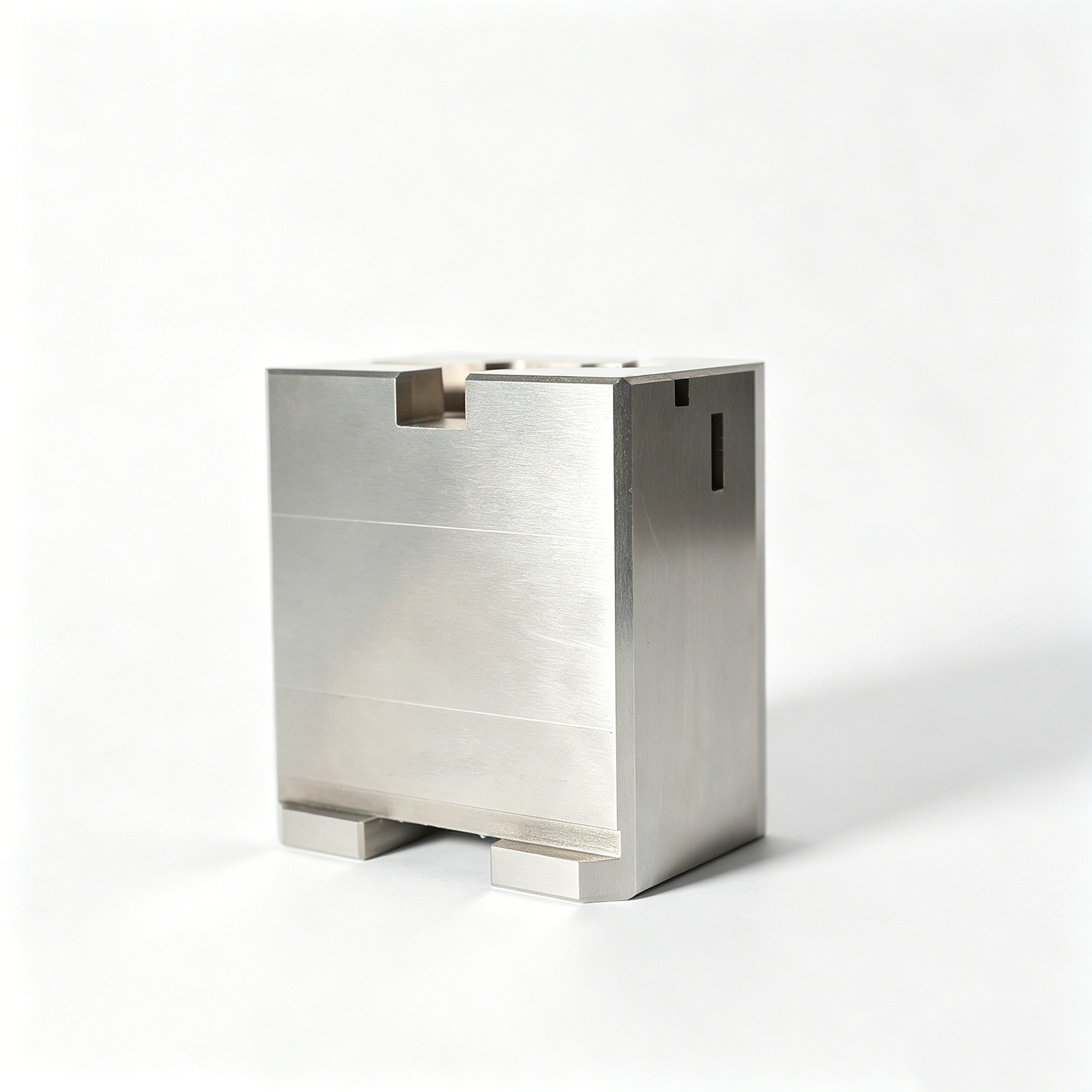
Representative Components for Automated Dispensing Fixture Development




Related Configurable Component Families and Quotation






Why Teams Source CNC Parts for Automated Dispensing Fixtures Through SUUXIANG
A drawing-led workflow that keeps machining decisions, critical features and inspection expectations visible before production begins.
Drawing Review First
We review drawings, models, material requirements and application context to clarify manufacturability before quotation or production commitments.
Critical Dimensions Planned
Datum relationships, tolerance stacks, functional interfaces and surface priorities are identified to focus process planning on the features that matter.
Coordinated Process Routes
CNC machining, EDM, grinding and fitting are sequenced around tool access, machining allowance, electrode strategy and required geometry.
Inspection Built In
Inspection methods and reporting expectations are discussed early, aligning critical dimensions and final documentation with the verified order requirements.
Revision Visibility
Drawing revisions, open technical questions and delivery information remain traceable throughout coordination, helping teams avoid preventable production ambiguity.
CNC Components for Automated Dispensing Fixtures
Configure drawing-driven component families for accurate positioning, controlled fluid interfaces, repeatable clamping, and maintainable automated dispensing stations.

Precision CNC Machining Services
Precision CNC machining services support drawing-based fixture bodies, mounting plates, adapters, brackets, and custom interfaces. Review critical dimensions, datums, material requirements, tool access, and inspection expectations before committing to a process route for dispensing equipment.
Upload a Drawing
CNC Milling Services
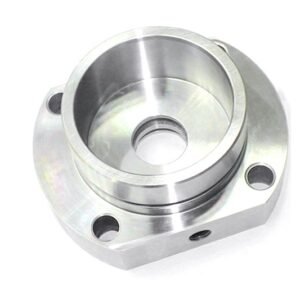
Custom CNC milling services produce prismatic fixture components such as base plates, manifold mounts, sensor brackets, locating nests, and clamp supports. Machining strategy should account for pocket access, flatness, threaded features, mounting patterns, and mating-part datums.
Upload a Drawing
CNC Turning Services
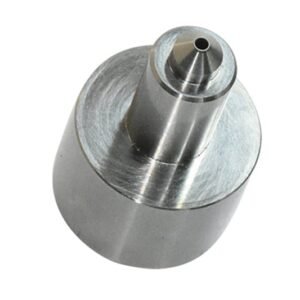
Precision CNC turning services suit cylindrical dispensing-fixture parts including nozzle adapters, bushings, spacers, collars, threaded retainers, and locating sleeves. Diameter relationships, runout, concentricity, bore finish, and sealing interfaces should be identified on the drawing.
Upload a Drawing
5-Axis Machining
5-axis CNC machining helps produce complex nozzle-interface blocks, angled mounting features, contoured nests, and multi-face components with fewer setups. The drawing review should confirm tool approach, inaccessible geometry, datum transfer, and inspection access for critical features.
Upload a Drawing
Swiss & Micro Machining
Swiss machining and micro machining support small, slender, or intricate parts used in dispensing assemblies, including miniature pins, fine-threaded adapters, micro bushings, and compact locating elements. Material condition, length-to-diameter ratio, handling, and measurement method require early review.
Upload a Drawing
Wire & Sinker EDM
Wire EDM and sinker EDM services address hardened, narrow, deep, or otherwise inaccessible fixture features. Use wire paths for precision profiles and slots; use electrodes for internal forms, sharp corners, or nozzle-related cavities where conventional cutting access is limited.
Upload a Drawing
Precision Grinding
Precision surface and profile grinding establishes controlled flatness, parallelism, squareness, and profile accuracy on fixture wear surfaces, rails, spacers, and locating elements. Grinding stock, heat-treatment sequence, datum surfaces, and final measurement requirements should be defined together.
Upload a Drawing
Mold Core & Cavity Inserts
Precision mold core and cavity inserts can support dispensing-related molded tooling where repeatable material flow, sealing geometry, or part-interface detail is critical. Material, heat treatment, EDM strategy, venting, polishing, and inspection requirements must follow the approved drawing.
Upload a Drawing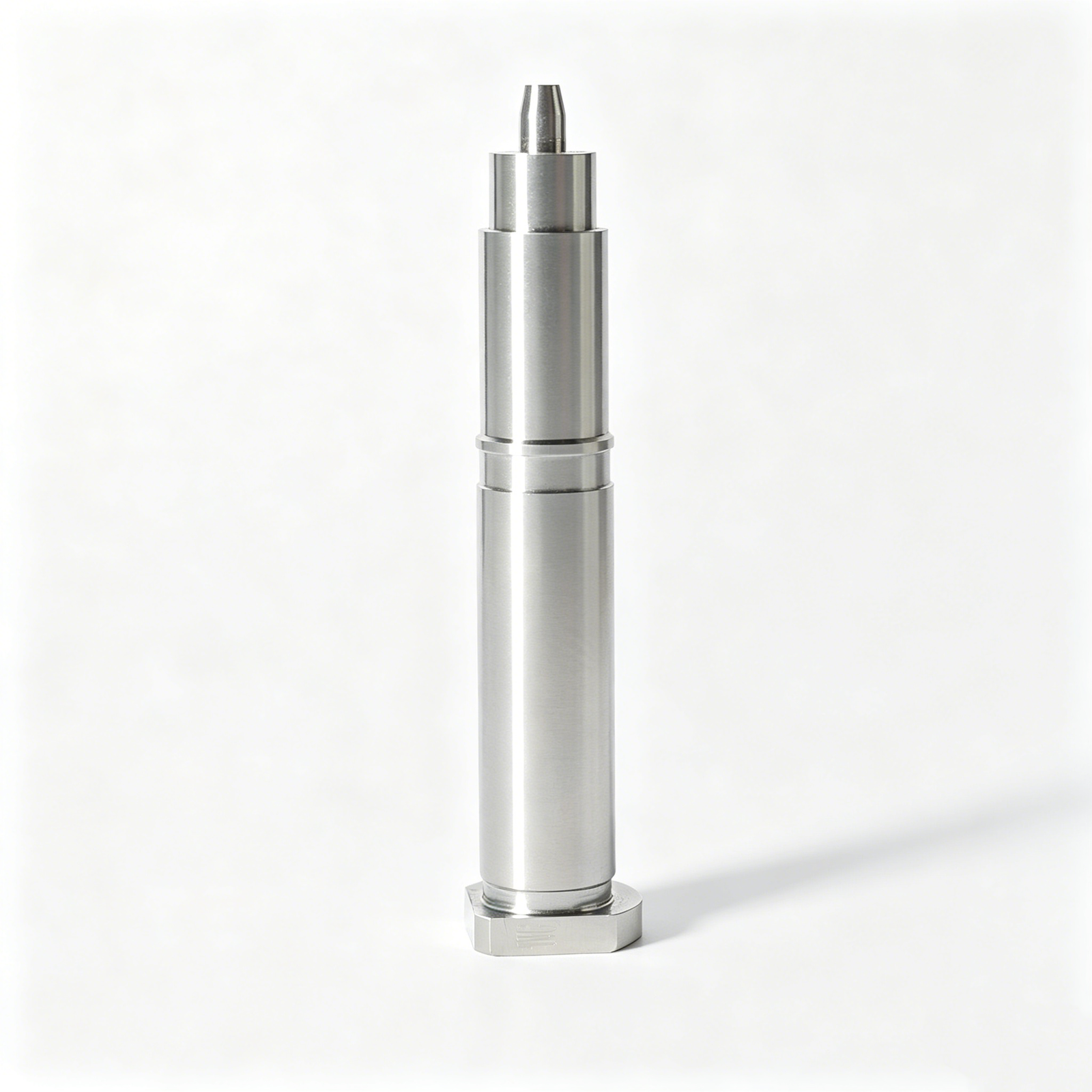
Ejector & Ejection Components
Ejector pins, sleeves, and ejection components support reliable release in molded parts used within dispensing systems or their consumable assemblies. Specify working fit, stroke context, hardness requirements, surface condition, and mating-component details to assess manufacturability.
Upload a Drawing
Core Pins, Guide & Locating Components
Core pins, guide pins, and locating components establish repeatable alignment between fixture plates, dispensing heads, nests, and mating tooling. Drawings should define datum relationships, fit class, engagement length, retention method, and any wear or replacement considerations.
Upload a Drawing
Slides, Lifters, Gates & Mold Accessories
Mold slides, lifters, gates, and accessories cover configurable tooling elements for molded dispensing-related components with undercuts, gating constraints, or guided movement. Evaluate travel, shutoff geometry, cooling or venting needs, wear surfaces, and maintenance access before production.
Upload a Drawing
Connector Mold Components
Precision connector mold components support tooling for connector and cable-related parts used in automated dispensing equipment. Critical pin geometry, cavity alignment, flash control, polishing, EDM detail, and inspection strategy should be matched to the approved component drawing.
Upload a Drawing
Stamping Die Components
Precision stamping die components support formed metal parts such as brackets, shields, clips, retainers, and contacts associated with dispensing fixtures. Process planning should address material thickness, die clearance, forming sequence, wear surfaces, and inspection of functional features.
Upload a Drawing
Injection, MIM, CIM & Overmolding Tooling
Injection, MIM, CIM, and overmolding tooling is evaluated as a drawing-driven service for applicable molded component requirements. Tooling decisions depend on material behavior, part geometry, inserts, gate location, shrinkage considerations, and the verified production scope.
Upload a Drawing
Machining Materials
CNC machining materials are selected against fixture loads, chemical exposure, stiffness, corrosion resistance, wear, thermal behavior, and surface-treatment needs. Provide the specified grade, material condition, traceability expectations, and application context with the RFQ.
Upload a Drawing
Surface Finishes & Heat Treatment
Surface finishing and heat treatment are planned around functional needs such as corrosion resistance, wear control, cleanability, conductivity, or appearance. Specify the required process, masked areas, hardness range where applicable, coating thickness concerns, and final dimensional priorities.
Upload a Drawing
Quality, Metrology & Documentation
Precision inspection, metrology, and quality documentation connect critical drawing requirements to an agreed inspection plan. Identify CTQ dimensions, datums, sampling expectations, report format, revision level, material records, and any fixture-specific functional checks before manufacture.
Upload a Drawing
Prototyping & Low-Volume Production
Rapid prototyping and low-volume manufacturing support design validation, fixture iteration, replacement parts, and controlled production quantities. Submit current drawings or models with quantity, material, critical interfaces, quality requirements, and target delivery date for a responsible review.
Upload a DrawingCNC Parts for Automated Dispensing Fixtures: Material Options

Aluminum Alloys
A lightweight, clean-machining choice for fixture plates, brackets, manifolds, and guarded automation structures. Its responsive cutting behavior supports complex pockets and mounting patterns; alloy selection and surface treatment depend on the operating environment.

Stainless Steel
Used where dispensing media, washdown conditions, or corrosion concerns influence component selection. Stainless steel suits nozzles, contact hardware, and robust fixture bodies, while grade, finish, and machining access require drawing-based review.

Tool Steel
A durable option for locating elements, wear blocks, guides, and repeatedly loaded contact features. Tool steel provides a firm, wear-conscious working surface; heat-treatment sequence, grinding stock, and critical dimensions must be planned together.

Carbon Steel
A practical material for general fixture bases, support structures, and non-corrosive industrial assemblies. It offers dependable rigidity and machinability for many machined forms, with coating, heat treatment, and corrosion exposure reviewed per application.

Engineering Plastics
Selected for low-friction contact pads, protective nests, and surfaces that must avoid marking sensitive parts. Materials such as POM or nylon provide a softer contact feel than metal, but stiffness, chemical compatibility, and fastening strategy require review.
CNC Parts for Automated Dispensing Fixtures: Process Routes

CNC Milling
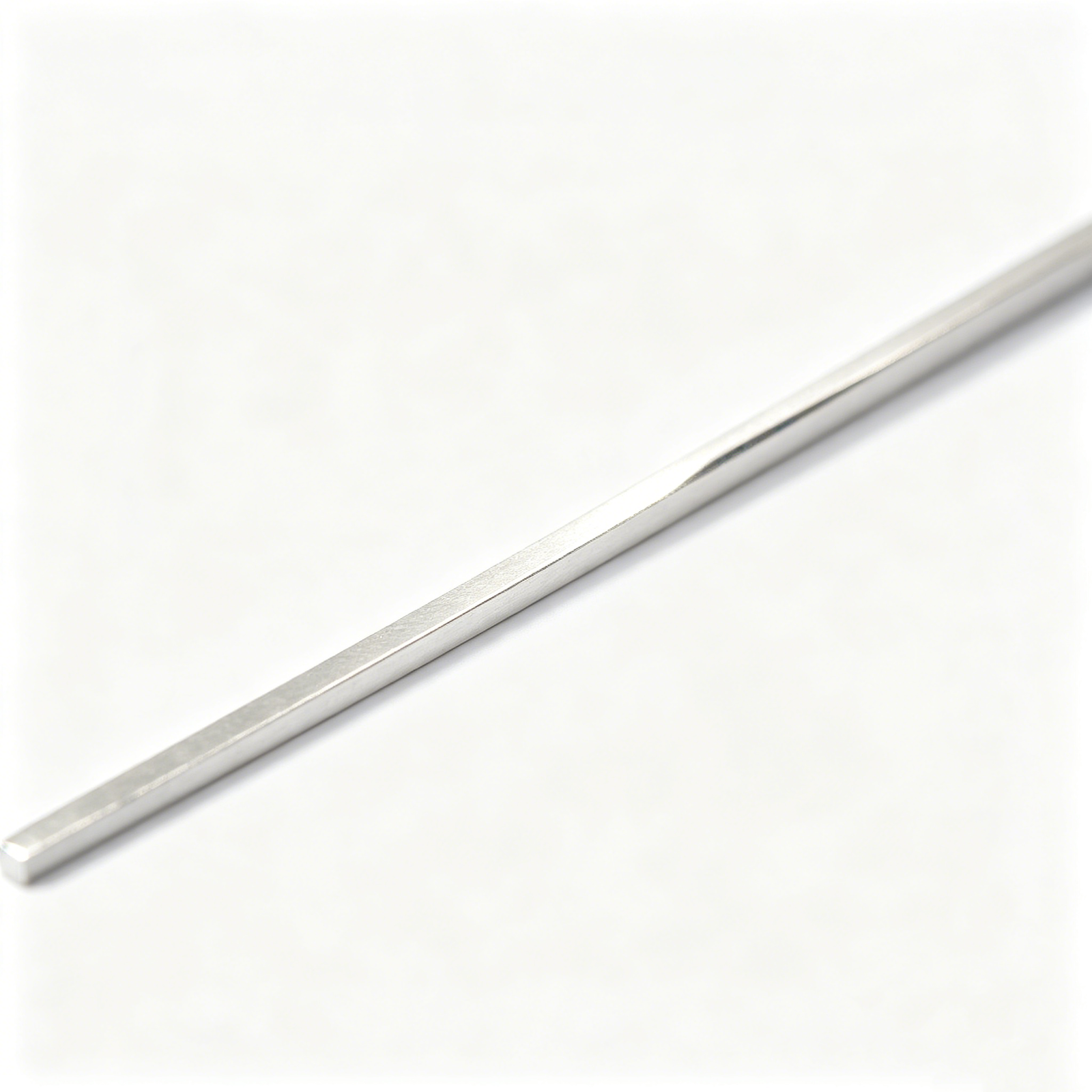
CNC milling produces plates, bases, brackets, nests, and manifold features from drawing-defined datums. Tool access, clamping direction, pocket geometry, and machining allowance are reviewed to support stable, repeatable fixture assembly.
Precision Turning
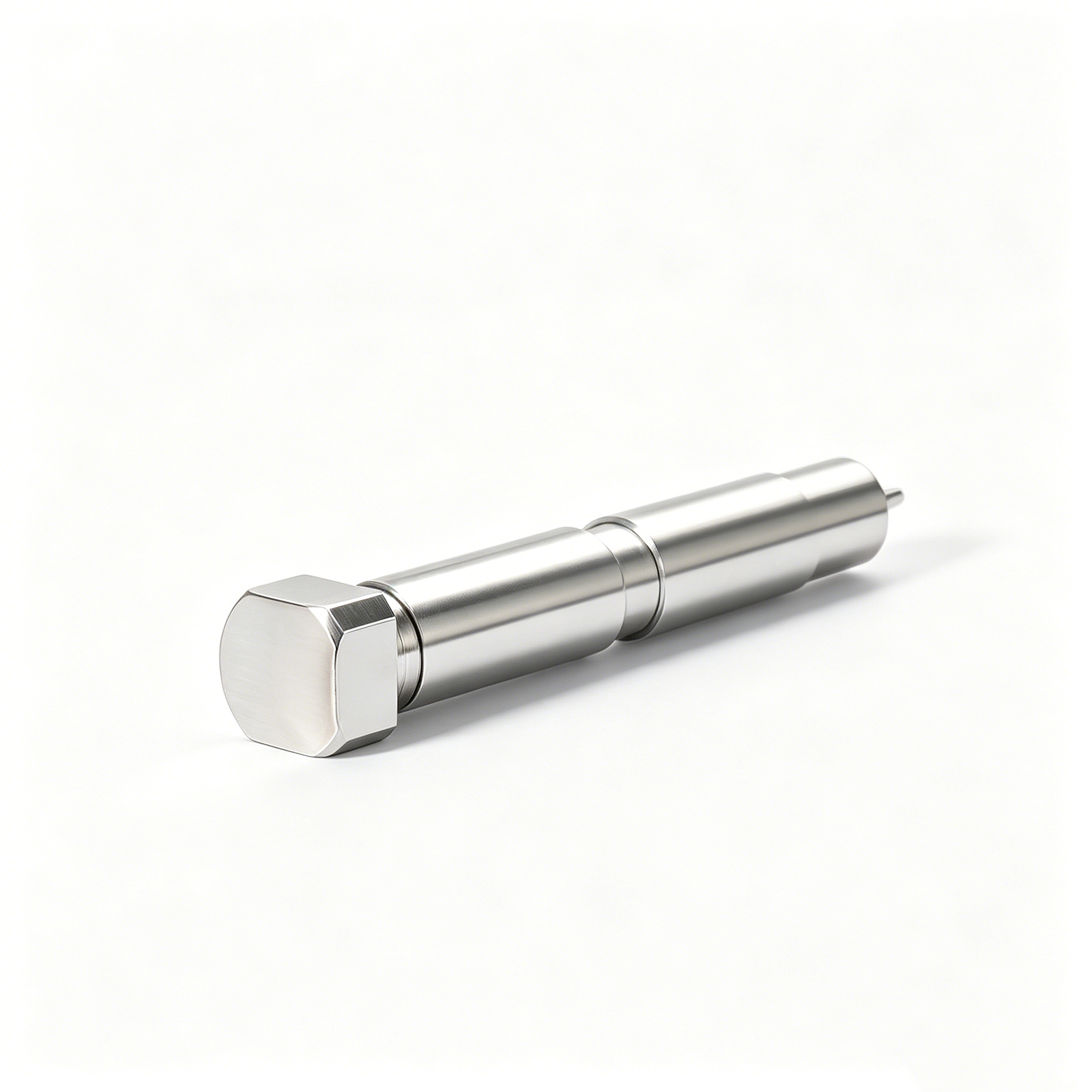
CNC turning supports cylindrical locating elements, bushings, sleeves, spacers, and nozzle-adjacent hardware. Concentric features, shoulder positions, thread requirements, and mating interfaces are planned from the drawing and applicable inspection criteria.

Wire EDM
Wire EDM creates precise slots, narrow profiles, internal contours, and hardened-material details where conventional cutter access is limited. Wire path, start-hole requirements, corner conditions, and subsequent inspection needs are confirmed during drawing review.

Sinker EDM
Sinker EDM forms deep cavities, fine internal geometry, and difficult-access features using planned electrode strategy. Electrode wear, finish expectations, spark allowance, and any downstream polishing or fitting requirements are considered before machining.

Grinding and Inspection
Precision grinding, fitting, and inspection complete selected CNC parts for automated dispensing fixtures where flatness, parallelism, locating relationships, or controlled mating require attention. Inspection methods and reporting expectations are aligned with the approved drawing revision.
Hardware Options for CNC Parts for Automated Dispensing Fixtures

Locating Pins
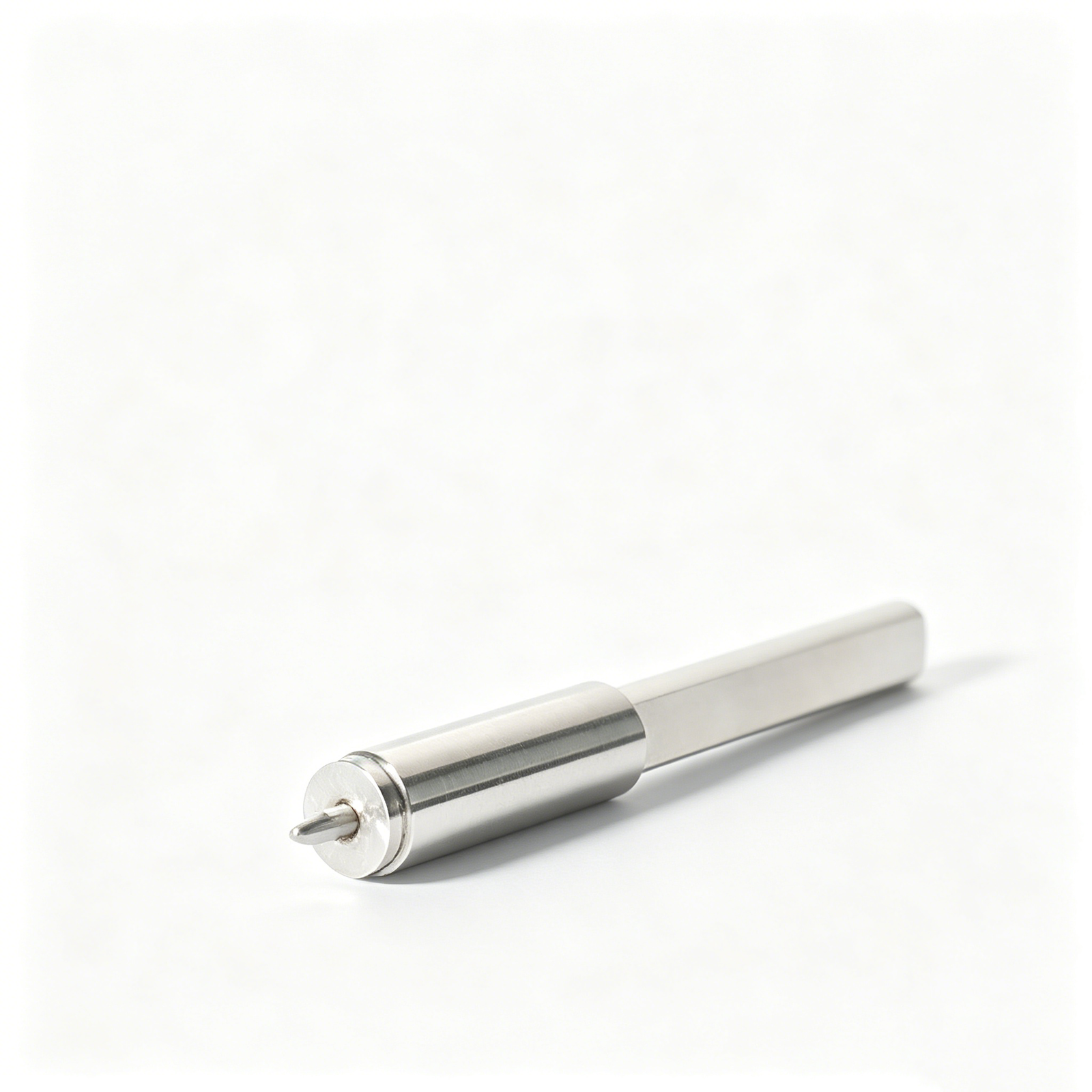
Dowel, shoulder, or custom locating pins establish repeatable part position at critical datums. Share fit requirements, mating-part details, insertion depth, and wear expectations so the pin interface can be evaluated during drawing review.
Guide Bushings
Guide bushings support repeatable movement and protect mating fixture bores in sliding or indexed assemblies. Define shaft diameter, clearance or press-fit intent, lubrication conditions, material preference, and replacement strategy before production planning.

Mounting Fasteners
Specified screws, studs, threaded inserts, and captive hardware help fixture plates and brackets assemble consistently. Provide thread standard, engagement depth, torque considerations, counterbore details, and access constraints for an engineering review of the interface.

Return Springs
Compression, extension, or custom spring elements can support repeatable return motion for clamps, slides, and dispensing-related mechanisms. State travel, installed height, load requirement, cycle expectations, and surrounding clearance for suitability assessment.
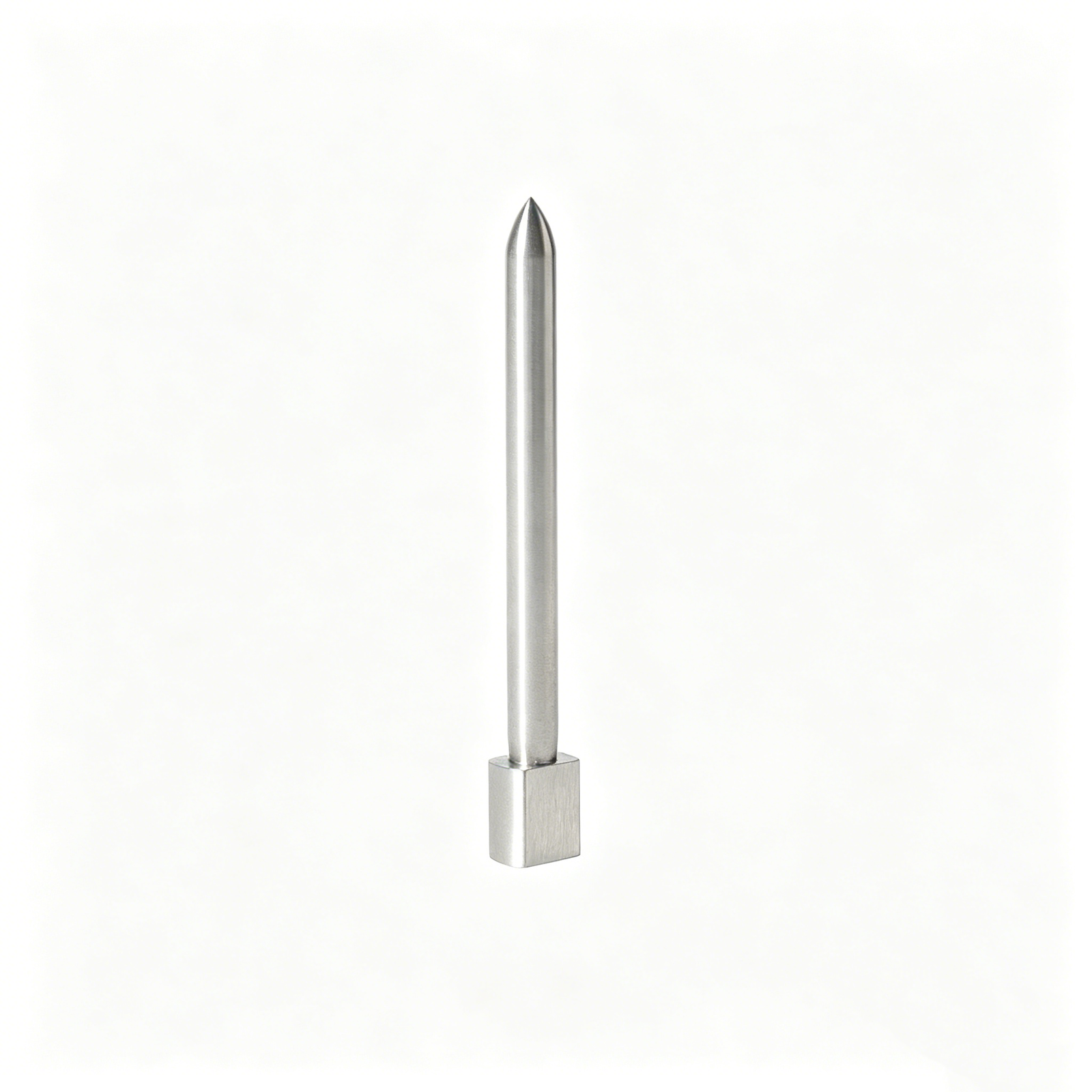
Part Identification
Engraved markings, laser-marked reference codes, and specified identification plates can help distinguish fixture stations, revisions, and orientation. Supply the required text, marking location, contrast expectations, and traceability purpose for review against the part design.
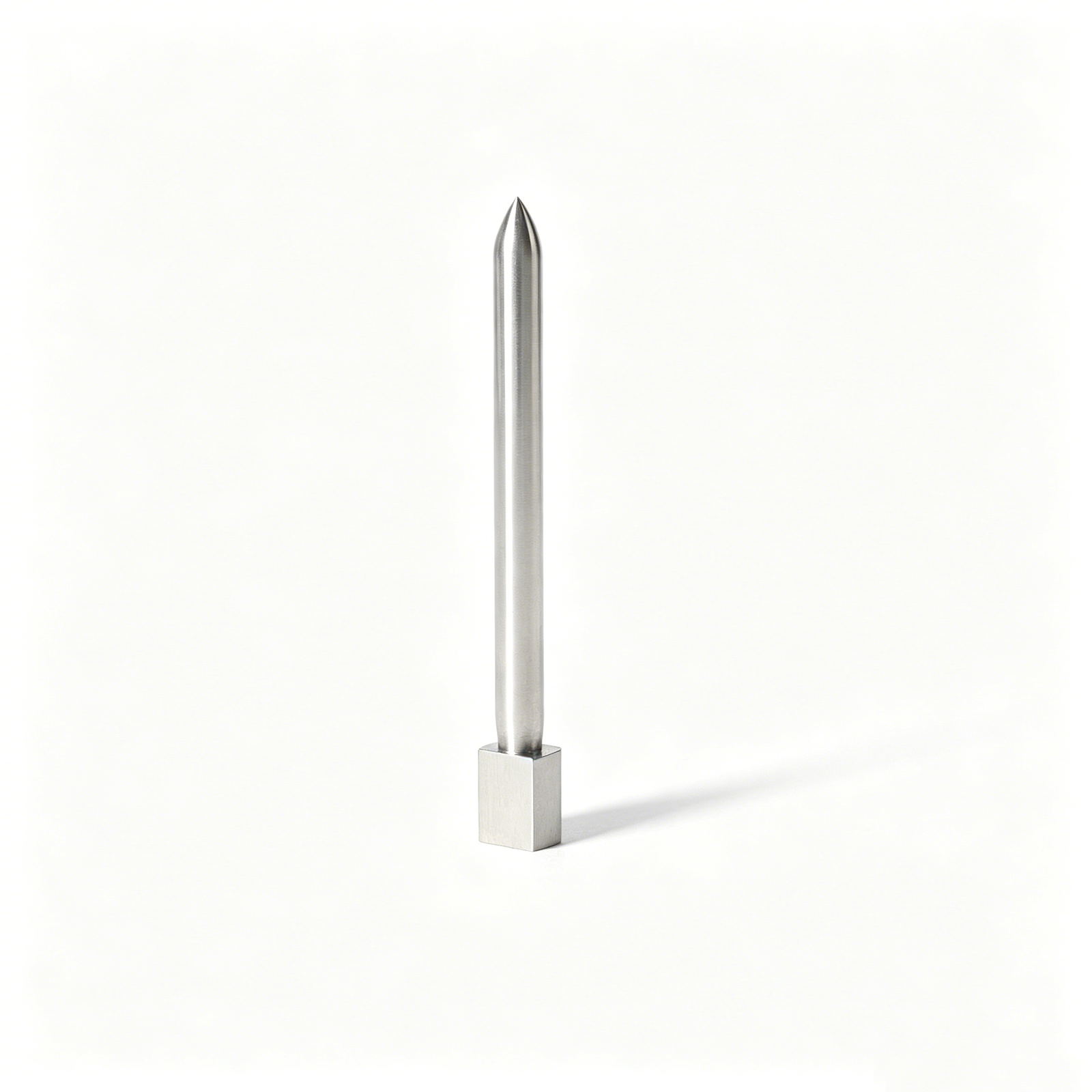
Protective Contact Pads
Specified polymer or soft-metal contact pads can reduce marking risk where fixture components meet cosmetic, coated, or delicate workpieces. Identify the contact area, material restrictions, clamping load, cleaning environment, and replacement needs before manufacture.
About SUUXIANG Precision Manufacturing
SUUXIANG is the sole public-facing brand of Dongguan SuuXiang Precision Mold Co., Ltd., established in 2010 and based in Chang’an Town, Dongguan, Guangdong, China. Founded by XiaoCheng Huang, the company helps international engineering, sourcing, and quality teams turn drawings into inspected custom CNC parts, precision mold components, connector-tooling components, and CNC parts for automated dispensing fixtures.
Our drawing-driven scope combines CNC milling and turning, multi-axis machining, EDM, precision grinding, fitting, and inspection. We support configurable component families and custom work where the drawing, material, application, quantity, and quality requirements can be responsibly reviewed before a production commitment.
What differentiates SUUXIANG is an engineering-led workflow: DFM and critical-dimension review, datum and machining-access discussion, appropriate EDM or grinding planning, documented inspection expectations, and visible revision control. Send the 2D drawing, 3D model when available, material, quantity, delivery target, and reporting needs for a focused review.

CNC Parts for Automated Dispensing Fixtures: Datum to Inspection
Start With Datum Strategy
For CNC parts for automated dispensing fixtures, SUUXIANG reviews drawing datums, critical interfaces, clamping direction, and tool access before quotation. This helps identify tolerance-stack and setup risks early, especially where locating features govern nozzle position, sensor alignment, or repeatable loading.
- Identify functional datums and mating references
- Separate critical dimensions from general tolerances
- Review clamp locations and machining access
- Flag revision questions before process commitment

Plan CNC and EDM Together
Complex pockets, narrow ribs, sharp internal geometry, and hardened features may require a combined machining route. SUUXIANG evaluates where CNC milling, wire EDM, sinker EDM, and intermediate operations fit the part geometry, material condition, surface requirements, and specified inspection priorities.
- Assess cutter reach and corner-radius constraints
- Define wire paths for enclosed or narrow profiles
- Review electrode needs for inaccessible geometry
- Sequence machining around heat-treatment requirements

Protect Grinding and Fitting Surfaces
Precision dispensing fixtures often depend on controlled fits between pins, nests, guide features, and mounted equipment. SUUXIANG reviews grinding stock, finish requirements, and assembly relationships so final surfaces are not compromised by earlier operations or by an unclear fitting strategy.
- Reserve grinding allowance on controlled surfaces
- Clarify sliding, locating, and clearance-fit relationships
- Protect reference faces during subsequent operations
- Confirm fitting needs against mating-part information

Match Inspection to Function
Inspection planning should reflect the dimensions that affect fixture performance, not simply a generic report format. SUUXIANG aligns inspection methods, reporting requirements, revision identification, and delivery documentation with the approved drawing and project-specific quality expectations before final release.
- Link critical dimensions to suitable measurement methods
- Confirm report format and sampling expectations
- Maintain drawing-revision visibility through production
- Match final records to the verified inspection plan

Why Choose SUUXIANG for CNC Parts for Automated Dispensing Fixtures
Compare a drawing-led, inspection-planned workflow with a typical quote-only sourcing approach.
← Swipe left or right to view →
Production Workflow for CNC Parts for Automated Dispensing Fixtures
A controlled path from drawing review through machining, inspection, packing, and delivery coordination for fixture components with defined critical requirements.
Review Drawings and Requirements
We review 2D drawings, models, material, quantity, application context, critical dimensions, datums, surface requirements, inspection needs, and requested delivery timing before quotation.
Plan Process and Controls
The team evaluates machining access, clamping, tolerance stack, heat-treatment sequence, EDM or grinding needs, machining allowance, and an inspection approach appropriate to the drawing.
Machine Critical Fixture Features
Production follows the approved process route using suitable CNC machining, EDM, grinding, and fitting operations, with revision information kept visible through the project.
Inspect Against Drawing Requirements
Inspection focuses on specified dimensions, datum relationships, surface priorities, and other critical features using the verification methods agreed for the order and inspection plan.
Pack and Coordinate Delivery
Parts are packed according to order requirements, identified for traceable handling where specified, and released with documentation matching the verified inspection and delivery plan.
How to Source CNC Parts for Automated Dispensing Fixtures
A controlled workflow for aligning drawings, critical dimensions, inspection needs, and delivery expectations before production begins.
Submit Your Drawing Package
Send 2D drawings, available 3D models, material, quantity, application context, target date, and dimensional or surface priorities for an initial manufacturability review.
Align Requirements and Quote
Review critical dimensions, datums, machining access, heat-treatment sequence, EDM or grinding needs, inspection documentation, pricing assumptions, and first-article or sampling expectations.
Approve Production Details
Confirm the agreed drawing revision, process route, quality plan, delivery requirements, and any controlled changes before CNC machining, EDM, grinding, fitting, and inspection proceed.
Track Delivery and Documentation
Receive coordinated production and delivery updates, with final inspection documentation matched to the approved order requirements and verified inspection plan.
Customer References Published Only With Approval
Customer Results for CNC Parts for Automated Dispensing Fixtures
Customer testimonial pending approval. SUUXIANG publishes project outcomes only after customer permission and order records confirm the component scope, inspection evidence, revision history, and any reported result.
Customer testimonial pending approval. A future case record will identify the fixture component, drawing revision, quantity, critical dimensions, inspection method, and verified production outcome before publication.
Customer testimonial pending approval. SUUXIANG will not assign a rating, customer name, delivery result, or dimensional claim without documented evidence and permission to publish the project reference.
FAQ: CNC Parts for Automated Dispensing Fixtures
Practical guidance for preparing a drawing-based RFQ, aligning inspection expectations, and managing changes before production.
What information should I include when requesting cnc parts for automated dispensing fixtures?
Is there a minimum order quantity for cnc parts for automated dispensing fixtures?
Can SUUXIANG provide samples before a production order for cnc parts for automated dispensing fixtures?
How is lead time determined for custom fixture components?
Which drawing and model formats can I submit for quotation?
Can I request inspection reports or first-article documentation?
How are drawing revisions controlled during production?
How are payment, shipping, and intellectual-property requirements handled?
Buyer’s Guide to cnc parts for automated dispensing fixtures
Use this decision framework to specify fixture components, compare materials and manufacturing partners, control cost and lead time, and avoid dimensional, cleanliness, and validation mistakes before production release.
1. What Are cnc parts for automated dispensing fixtures?
Three functional references—primary datum, secondary datum, and clamp direction—often define the machined parts that position a product beneath a dispensing nozzle. These drawing-based components include base plates, nests, locating pins, support pads, guide blocks, clamps, nozzle brackets, sealing interfaces, and mounting adapters.
0.1 mm of unintended product movement can shift a narrow bead path or alter nozzle stand-off, so fixture geometry must hold the workpiece, guide access, and preserve the intended dispensing relationship. The fixture supports repeatable bead placement, nozzle alignment, safe loading, and service access; it is not the robot, pump, valve, or the adhesive, sealant, or other consumable material.
2D drawings should define critical datums, locating features, clamp travel, nozzle clearance, mounting-hole patterns, sealing surfaces, material, finish, quantity, and inspection requirements. Include the product or mating-component model and the required dispensing path or keep-out zones so machining access, assembly fit, and revision control can be reviewed before production.
2. Evolution of Automated Dispensing Fixture Parts
Before automated cells, dispensing fixtures were often manual jigs: a base plate, stops, and hand-loaded clamps. Their assumptions—operator alignment, infrequent setup, and visual confirmation—were acceptable only when product variation and cycle pressure were limited.
In modern cells, CNC-machined nests, datum features, hardened locating elements, and controlled clearances support repeatable robot or gantry positioning. Sensor-ready pockets and cable-routing features can confirm part presence or clamp state, while modular interfaces shorten changeovers across related product variants.
Three controls now matter together: location, process access, and evidence. A legacy plate may hold a part but still obstruct the dispensing path, accumulate tolerance stack error after a revision, or provide no defined inspection reference; fixture drawings should therefore identify datums, critical interfaces, sensor logic, revision status, and the inspection method for cnc parts for automated dispensing fixtures.
3. Types of cnc parts for automated dispensing fixtures
Six part families determine whether cnc parts for automated dispensing fixtures place the product, control nozzle clearance, and permit reliable changeover. Classify them by their datum, mating interface, and expected product variation before choosing custom geometry.
Base Plates And Frames
Three-point support and mounting-hole patterns establish the fixture datum. Use custom plates for nonstandard footprints, offsets, or stiffness needs; standard extrusion and hardware suit adjustable frames.
Locating Nests
Nest pockets, pins, and datum pads constrain the product without masking dispense paths. Custom nests suit contoured or fragile parts; standard pins work when stable reference holes exist.
Nozzle Guides And Standoffs
A defined guide bore and standoff control nozzle approach and clearance. Custom guides are justified by angled paths or restricted access; standard spacers suit open, repeatable geometries.
Clamps And Actuated Interfaces
Clamp force must resist motion without distorting the product or blocking dispensing. Standard clamps fit accessible, low-force locations; custom jaws or actuator brackets address shaped contact areas and cycle automation.
Change Parts
One change-part set adapts the common fixture to a defined product variant. Custom parts are appropriate when datums shift; standard quick-release hardware supports frequent, simple swaps.
Inspection And Calibration Aids
Gauge pins, datum masters, and calibration blocks verify setup before production. Custom gauges suit profile or positional checks; standard pins and blocks cover accessible nominal features.
4. Materials for cnc parts for automated dispensing fixtures
Three exposure zones—structure, wetted area, and contact pads—often need different materials. Select cnc parts for automated dispensing fixtures from adhesive chemistry, cleaning solvent, humidity, contact load, and electrical function; lowest purchase price rarely means lowest lifecycle cost.
| Material | Typical Fixture Role | Main Tradeoff |
|---|---|---|
| Aluminum alloy | Light plates | Lower wear resistance |
| Stainless steel | Cleanable structures | Higher machining cost |
| Tool steel | Pins and guides | Weight and corrosion control |
| Engineering plastic | Nonmarring contacts | Creep or solvent risk |
| Brass | Electrical contacts | Lower structural stiffness |
| Anodizing or passivation | Surface protection | Verify adhesive and conductivity effects |
Structural And Wear Choices
Aluminum suits light base plates and brackets with moderate loads.
Tool steel suits pins, bushings, and repeated sliding contact.
Chemical And Cleaning Exposure
Stainless steel suits humid, corrosion-sensitive, frequently cleaned assemblies.
Engineering plastics can isolate contact surfaces, but solvent compatibility and creep require review.
Electrical Contact Requirements
Brass suits conductive terminals, grounding features, and low-friction contact details.
Anodizing, passivation, or coating must not compromise required electrical continuity.
5. Customization Options for Dispensing Fixture Components
Three interface decisions drive fixture customization: the datum scheme, the dispensing-path envelope, and the changeover method. Define them before machining so geometry, inspection, and revision control reference the same functional condition.
| Design choice | Best fit | Key input |
|---|---|---|
| Bespoke nest | Stable single product | Mating geometry and nozzle path |
| Modular base | Multiple variants | Changeover sequence and common datums |
| Wear insert | Repeated contact area | Replacement datum and retention method |
Datum And Nozzle Access
3-2-1 locating is a useful starting convention when the part permits it; identify primary, secondary, and tertiary datums on the drawing. Provide nozzle diameter, approach angle, standoff range, keep-out zones, and the full programmed dispensing path.
0.5 mm of undocumented clearance can matter at a tight dispense location; confirm clearance against the actual nozzle, tip, and mating assembly.
Utility And Error-Proofing Features
Vacuum and pneumatic passages need port thread, seal type, pressure or vacuum requirement, and cleaning access specified. Add sensor mounts, cable exits, poka-yoke pins, and engraved part or revision identification where operators must distinguish variants.
Replaceable wear inserts should have a defined retention method and datum relationship, so replacement does not alter the dispensing reference.
Bespoke Or Modular Design
One-off fixtures suit stable part geometry and dedicated dispensing paths. Modular bases, standardized locating features, and exchangeable nests better support planned product variants or frequent changeovers.
1 complete RFQ package includes the 2D drawing, 3D model, mating parts, material and finish requirements, dispense-path data, expected changeover frequency, and inspection priorities.
6. Key Quality Elements in Fixture Construction
Fixture repeatability starts with a datum scheme that reflects the dispensed feature, nozzle path, and mating interface. Assign tight controls only to dimensions that change position, height, sealing, or clamp behavior.
Datums And Stack-Up
Three mutually related datums should locate the part without ambiguous contact. Review the accumulated error from base plate, locating pin, nest, and clamp before tightening any individual callout.
- Relate critical bores to functional datums
- Separate locating surfaces from clamp surfaces
- Document the inspection datum alignment
Mating Features And Edges
Bore-to-pin fit, perpendicularity, and base flatness govern whether a fixture re-seats consistently. Specify thread class, engagement, edge breaks, and burr limits where fasteners, pins, seals, or operator handling make them functional.
- Check pin insertion without forcing
- Remove burrs from bores and threads
- Define surface finish where cleaning matters
Clean Assembly Evidence
First-article results should report the drawing revision, measured critical dimensions, inspection method, and acceptance status. Before release, verify assembly seating, fastener torque requirements, moving clearance, and cleanliness appropriate to the dispensing material and process.
- Match reports to the approved revision
- Record deviations and disposition
- Confirm assembled functional checks
7. How to Choose a CNC Fixture Manufacturer
Two supplier documents reveal more than a capability list: the drawing-review record and the quotation assumptions. For cnc parts for automated dispensing fixtures, evaluate evidence against the actual datum, material, inspection, and delivery risks.
| Evaluation Area | Request | Evidence To Compare |
|---|---|---|
| DFM | Annotated drawing review | Datum and access risks |
| Materials | Specified traceability | Certificate linkage |
| Inspection | Feature-based plan | Method and report |
| Delivery | Packaging proposal | Labels and protection |
Review Drawing Feedback
24-hour acknowledgement is useful only when technical questions follow. Request DFM comments on datum scheme, tool access, clamping distortion, thread engagement, and tolerance conflicts.
1 revision log should identify changed dimensions, model version, and disposition. Ask the supplier to state machining, EDM, grinding, or fitting assumptions before release.
Verify Process Evidence
3 evidence sets matter: material documentation when specified, an inspection plan, and sample reporting. Match measurement methods to critical dimensions, including position, flatness, bore size, and surface requirements.
2 production stages—prototype and low volume—need stated lead-time assumptions. Confirm escalation contacts, time-zone overlap, packing protection, labels, and revision identification.
Request Comparable Quotations
1 quotation should separate part price, setup or programming, inspection, finishing, packaging, and freight terms. Require exclusions and open technical questions so scope changes are visible.
100% inspection is not automatically appropriate. Define which critical features require recorded results, sampling basis, report format, and traceability level.
8. Common Buyer Mistakes with Dispensing Fixture Parts
Seven release errors repeatedly create rework in cnc parts for automated dispensing fixtures. Resolve each with drawing evidence and a functional check before machining starts.
Define Datums And Clearances
Three datum references should locate the product, nozzle, and fixture consistently. Prevention: provide nozzle envelope, approach path, and product-clearance model; this resolves: What surfaces control dispense position?
Prioritize Critical Dimensions
One tolerance class rarely suits every feature. Prevention: mark CTQ dimensions, datum-related positions, and inspection method; this resolves: Which dimensions affect bead placement, sealing, or interchangeability?
Plan For Adhesive Exposure
Two contamination paths—splash and cured buildup—can impair locating and motion. Prevention: specify cleanable geometry, protected interfaces, and finish compatibility; this resolves: Where can adhesive accumulate or damage the fixture?
Validate Wear And Function
One approved dimensional report cannot prove dispensing performance. Prevention: identify replaceable pins, seals, and guides, then run a representative product and nozzle trial; this resolves: Which wear parts and acceptance checks are required?
9. Launching cnc parts for automated dispensing fixtures
Three gated reviews turn an idea for cnc parts for automated dispensing fixtures into a repeatable purchase package. Each gate freezes the applicable inputs, evidence, and acceptance decision before the next build.
Capture Functional Requirements
Gate 1 records the assembly reference, dispensing medium, nozzle path, mounting interfaces, cycle target, and operating environment. Identify critical-to-function dimensions, datums, material, finish, quantity, and required reports.
One controlled requirement sheet should assign an owner and revision to every drawing, model, mating-part reference, and acceptance criterion.
Review DFM And Prototype
Gate 2 reviews tool access, clamp locations, tolerances, thread engagement, EDM needs, grinding stock, and inspection method. Resolve conflicts on the marked drawing before release.
Gate 3 produces labeled prototype samples and a build record. Fit-and-dispense trials should verify alignment, clearance, leak risk, accessibility, and actual dispensing performance against agreed criteria.
Approve Pilot And Revisions
Gate 4 approves inspection results against the critical-dimension list and sample acceptance criteria. The approval package should include the released drawing, revision history, inspection plan, sample decision, and packing requirements.
Gate 5 runs a pilot lot before recurring orders. Any change to material, datum, process route, or dimension requires a documented revision review and customer approval.
10. Pricing cnc parts for automated dispensing fixtures
1-off fixture components carry the highest unit cost because CAM programming, workholding design, first-article inspection, and any custom jaws or electrodes are spread across one part. For cnc parts for automated dispensing fixtures, tight positional tolerances, multi-face access, hardened material, EDM, grinding, special finishes, and expedited routing should be quoted as defined scope—not assumed inclusions.
3 quotation checks prevent false comparisons: match drawing revision and quantity, list every material and process assumption, and require the same inspection evidence. Repeat orders can reduce unit cost when the approved program, tooling strategy, and revision remain usable; a design change may reintroduce setup work.
| Illustrative tier | Typical unit-cost pattern | Primary pricing drivers |
|---|---|---|
| 1–5 pieces | Setup-dominant | Programming, custom workholding, first article |
| 10–50 pieces | Setup shared | Cycle time, material yield, inspection sampling |
| 100+ pieces | Cycle-dominant | Tool life, repeatability, packaging, delivery schedule |
Upload Your Drawing for CNC Parts for Automated Dispensing Fixtures
Send 2D or 3D files, material, quantity, critical dimensions, inspection requirements, and target delivery date for a drawing-based review.