
Mold Shut-Off Inserts, Built to Your Drawing
Submit mold shut-off inserts with critical dimensions, material, quantity and inspection requirements for disciplined DFM and process planning.
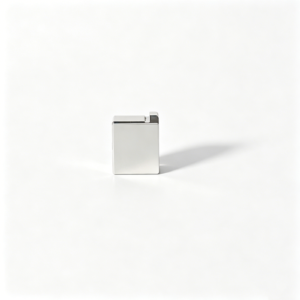
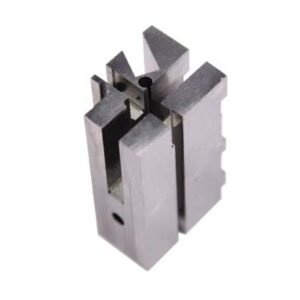
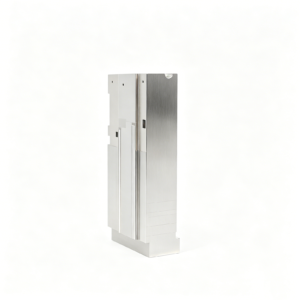
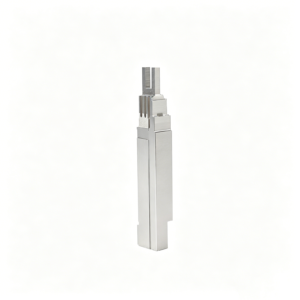
Representative Mold Shut-Off Insert Configurations


Related Configurable Component Families





Why Source Mold Shut-Off Inserts from SUUXIANG
Drawing-driven process planning for critical sealing features, controlled manufacturing routes and inspection evidence aligned to your order requirements.
DFM Before Quotation
Review shut-off geometry, datum strategy, tool access and critical dimensions before committing to a manufacturing route or quotation.
CNC and EDM Planning
Match milling, wire EDM, sinker EDM and fitting steps to inaccessible features, sealing faces and practical electrode strategy.
Grinding Stock Control
Plan grinding allowance and heat-treatment sequence around functional shut-off surfaces, helping protect fit requirements during final finishing.
Inspection Aligned to CTQs
Define inspection methods and reporting expectations around critical-to-quality dimensions, surface requirements and drawing-defined acceptance criteria.
Revision-Visible Communication
Keep drawing revisions, manufacturing questions and delivery information traceable so engineering, sourcing and quality teams can coordinate decisions.
Precision Tooling and Machined Part Families
Drawing-driven process routes for custom components, from DFM review through inspection documentation and controlled delivery.
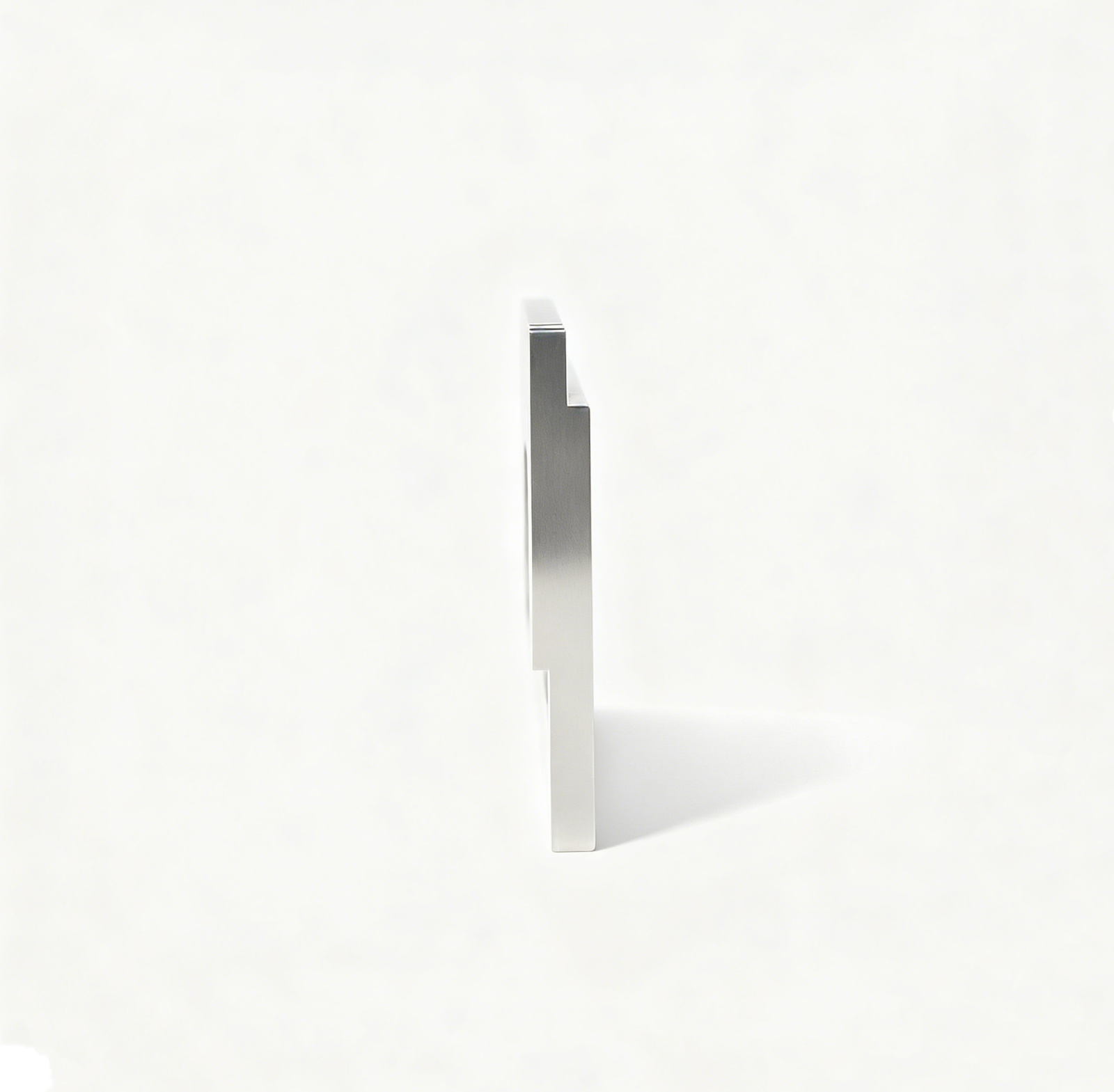
CNC Machining Services
Precision CNC machining services for drawing-based parts requiring defined datums, critical dimensions, material requirements, and inspection criteria. Process planning aligns milling, turning, EDM, grinding, and fitting with the functional features before production is committed.
Upload a Drawing
CNC Milling
Custom CNC milling services for prismatic components, pockets, contours, and multi-face features. Drawing review considers tool access, clamping strategy, corner conditions, machining allowance, and datum relationships so the route supports the required dimensions.
Upload a Drawing
CNC Turning
Precision CNC turning services for rotational parts with controlled diameters, shoulders, threads, bores, and concentric features. Requirements should identify functional datums, material condition, surface priorities, and any secondary milling, EDM, or grinding needs.
Upload a Drawing
5-Axis Machining
5-axis CNC machining supports complex multi-face geometries where setup reduction and tool approach affect accuracy. SUUXIANG reviews accessibility, fixture strategy, feature depth, internal radii, and inspection approach against the drawing before selecting the route.
Upload a Drawing
Swiss & Micro Machining
Swiss machining and micro machining support small, detail-intensive components where feature sequence, material behavior, and measurement method require careful review. Supply drawings with critical diameters, concentricity, thread details, surface requirements, and quantity for a practical assessment.
Upload a Drawing
Wire & Sinker EDM
Wire EDM and sinker EDM services address hardened materials, narrow slots, precise profiles, internal corners, and difficult-to-machine features. The process plan considers wire path or electrode strategy, flushing, recast-layer expectations, finishing passes, and downstream fitting or inspection.
Upload a Drawing
Precision Grinding
Precision surface and profile grinding supports flatness, parallelism, profile control, and finish requirements after machining or heat treatment. Grinding stock, datum preservation, hardness condition, part stability, and measurement method should be defined during review.
Upload a Drawing
Mold Core & Cavity Inserts
Precision mold core inserts and mold cavity inserts are configurable to the tool design, material, heat-treatment sequence, cooling or venting details, and shut-off geometry. Reviews focus on mating conditions, critical dimensions, EDM access, grinding allowance, and fitting requirements.
Upload a Drawing
Ejector & Ejection Components
Ejector pins, sleeves, and ejection components are produced against the specified movement, clearance, mating geometry, and material condition. Drawings should identify diameter priorities, shoulder details, surface requirements, heat treatment, and any assembled inspection needs.
Upload a Drawing
Core Pins, Guide & Locating Components
Core pins, guide pins, and locating components require clear functional relationships to mating inserts and plates. SUUXIANG evaluates datum strategy, wear surfaces, tolerance stack, material and hardness requirements, and whether grinding or EDM is needed for final geometry.
Upload a Drawing
Slides, Lifters, Gates & Mold Accessories
Mold slides, lifters, gates, and accessories are configured from the tooling design rather than offered as assumed stock items. Review addresses travel interfaces, shut-off faces, guiding features, wear conditions, machining access, heat treatment, and fitting expectations.
Upload a Drawing
Connector Mold Components
Precision connector mold components support detail-rich tooling features where pitch, cavity relationships, pin geometry, and mating interfaces matter. Drawing review identifies critical dimensions, micro-feature process needs, electrode or wire paths, finish priorities, and inspection evidence.
Upload a Drawing
Stamping Die Components
Precision stamping die components are planned around working profiles, guide relationships, clearance conditions, material state, and wear surfaces. CNC machining, EDM, grinding, and fitting can be combined according to the verified drawing and production requirements.
Upload a Drawing
Injection Mold Components, MIM, CIM & Overmolding Tooling
Injection, MIM, CIM, and overmolding tooling components are assessed within SUUXIANG’s verified production scope. Provide the part or tool drawing, material and heat-treatment requirements, molding context, critical features, quantity, and inspection expectations for review.
Upload a Drawing
Machining Materials
CNC machining materials are selected from the drawing, application, machining behavior, heat-treatment condition, and verification requirements. State the specified grade, material standard, required condition, traceability expectations, and any restrictions that affect process planning.
Upload a Drawing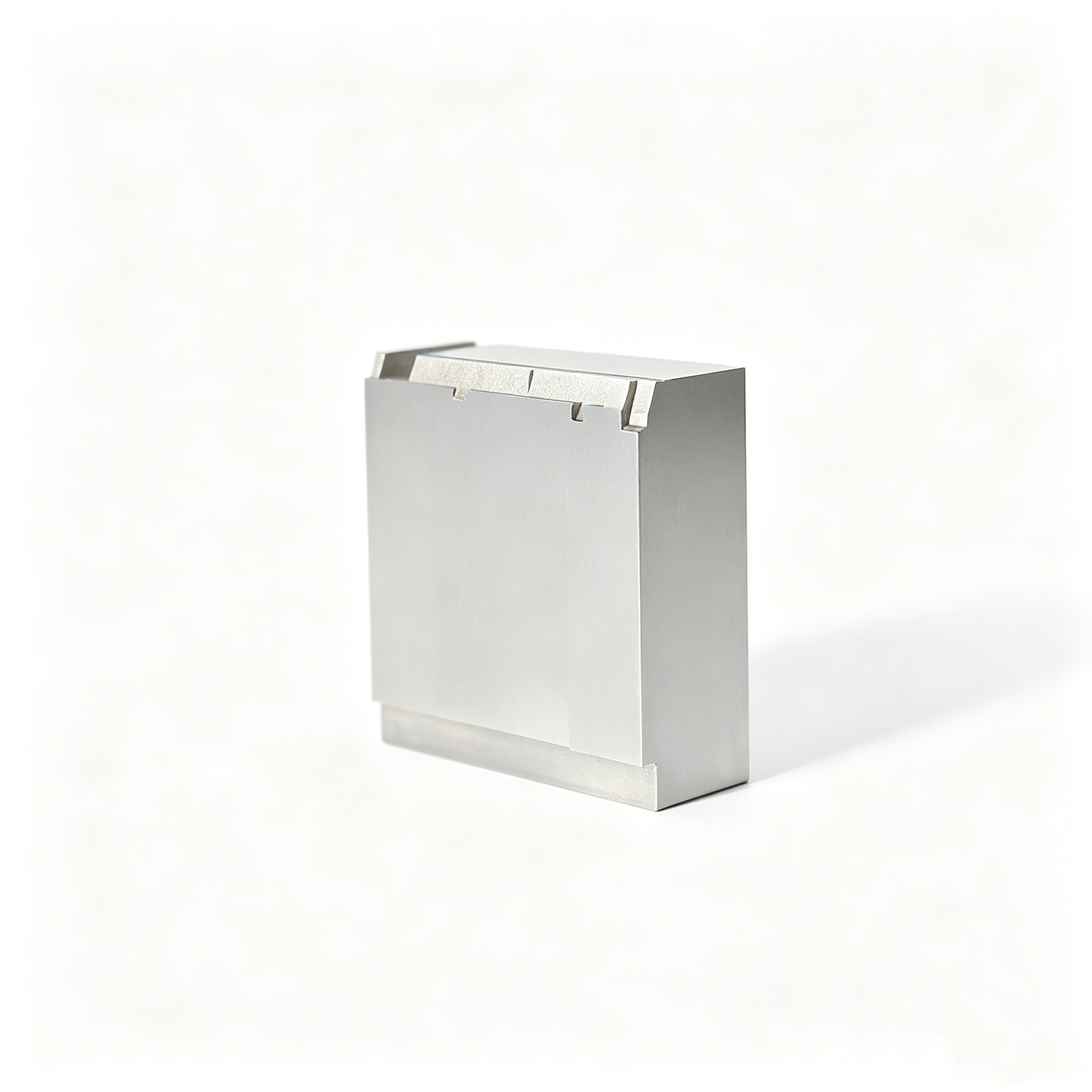
Surface Finishes & Heat Treatment
Surface finishing and heat treatment must be defined by functional need, material compatibility, dimensional risk, and verification method. Requirements should specify finish or treatment type, target condition, masking or selective areas, surface priority, and post-process inspection needs.
Upload a Drawing
Quality, Metrology & Documentation
Precision inspection, metrology, and quality documentation are planned around critical dimensions, datums, tolerances, and agreed reporting needs. The inspection plan should be confirmed before production so records match the drawing revision and purchase-order requirements.
Upload a Drawing
Prototyping & Low-Volume Production
Rapid prototyping and low-volume manufacturing support drawing-led validation, bridge quantities, and controlled component updates. Submit the drawing or model, material, quantity, critical dimensions, inspection needs, and target delivery date to establish a feasible route.
Upload a DrawingMaterials for Mold Shut-Off Inserts
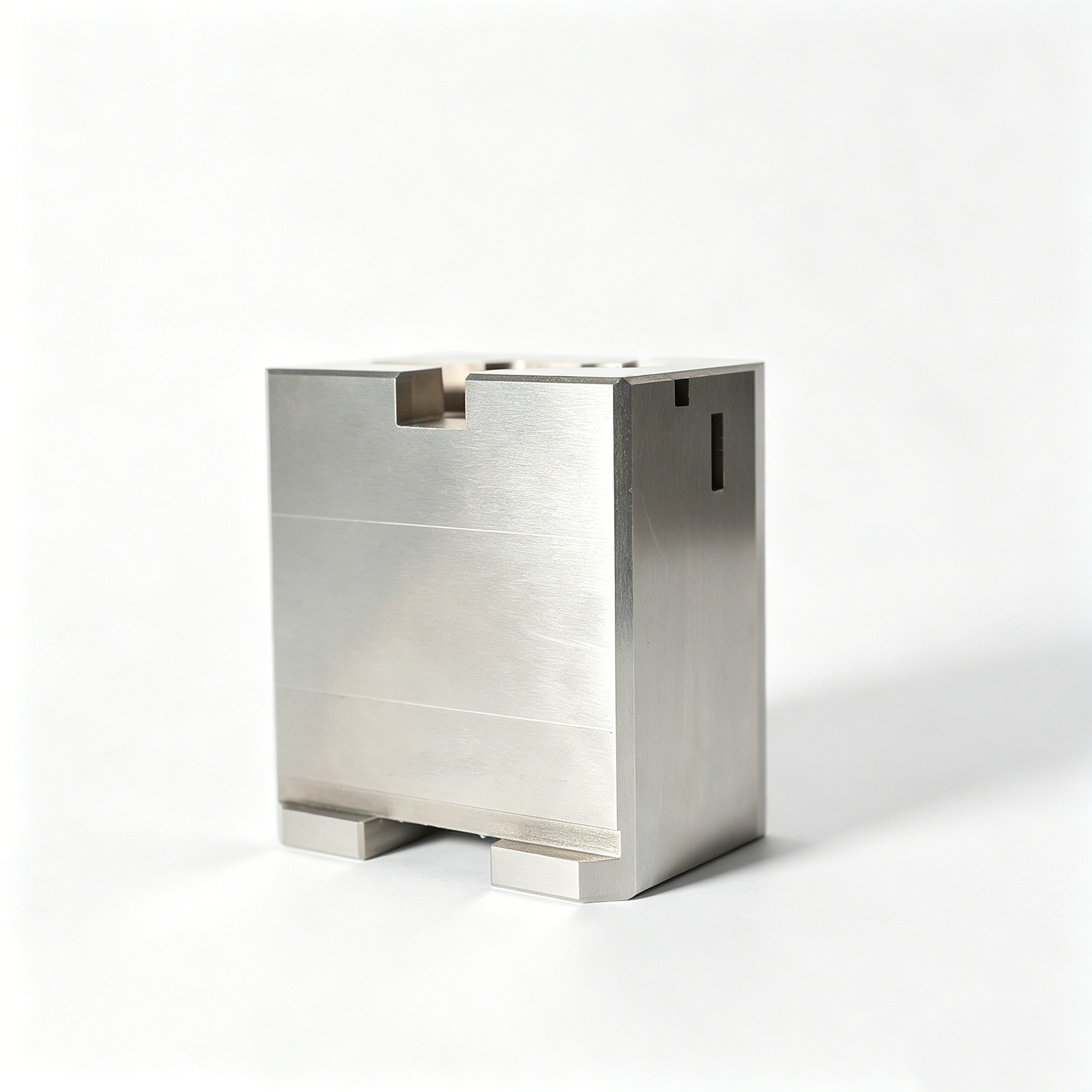
P20 Pre-Hardened Steel
A practical option for moderate-production shut-off inserts where stable machining and straightforward finishing are priorities. Pre-hardened condition can reduce post-machining heat-treatment distortion, subject to drawing-specified hardness, surface, and wear requirements.

H13 Hot-Work Steel
Often considered for inserts exposed to repeated thermal cycling or demanding molding conditions. Machining allowance, EDM strategy, heat-treatment sequence, and final grinding requirements should be confirmed against the part geometry and critical dimensions.

D2 Tool Steel
A wear-resistant steel option for shut-off surfaces where abrasion resistance may drive material selection. Its hardening route and grinding stock require review so final fit, datum relationships, and surface requirements remain verifiable.

S7 Shock-Resisting Steel
A material candidate for insert designs facing impact or chipping concerns during mold operation. Final suitability depends on the loading condition, shut-off angle, hardness target, mating component, and specified heat-treatment controls.

Beryllium Copper Alloy
Considered selectively where localized thermal conductivity is important alongside insert function. Material grade, safety handling expectations, machining approach, and any compatibility with the surrounding mold steel must be verified from project documentation.
Mold Shut-Off Inserts: CNC, EDM and Grinding Routes


Multi-Axis Finishing
Multi-axis machining reaches angled sealing features, pockets and contoured surfaces where practical. The process route is selected from the drawing, with cutter reach, collision risk and remaining finishing stock considered before commitment.

Wire EDM Cutting
Wire EDM creates precise profiles, narrow slots and difficult internal contours when a controlled wire path is appropriate. Entry conditions, corner relief, datum transfer and any downstream fitting or inspection requirements are defined during review.

Sinker EDM Details
Sinker EDM addresses deep, enclosed or sharp-cornered geometry beyond practical cutter access. Electrode strategy, burn allowance and finish expectations are planned with the part geometry so critical shut-off surfaces receive appropriate downstream treatment.

Functional Features for Mold Shut-Off Inserts

Locating Interfaces
Dowel bores, register steps, keys, or mating faces can establish repeatable insert position within the mold base. Define datums, fit intent, and mating-component details so SUUXIANG can plan machining and inspection accordingly.
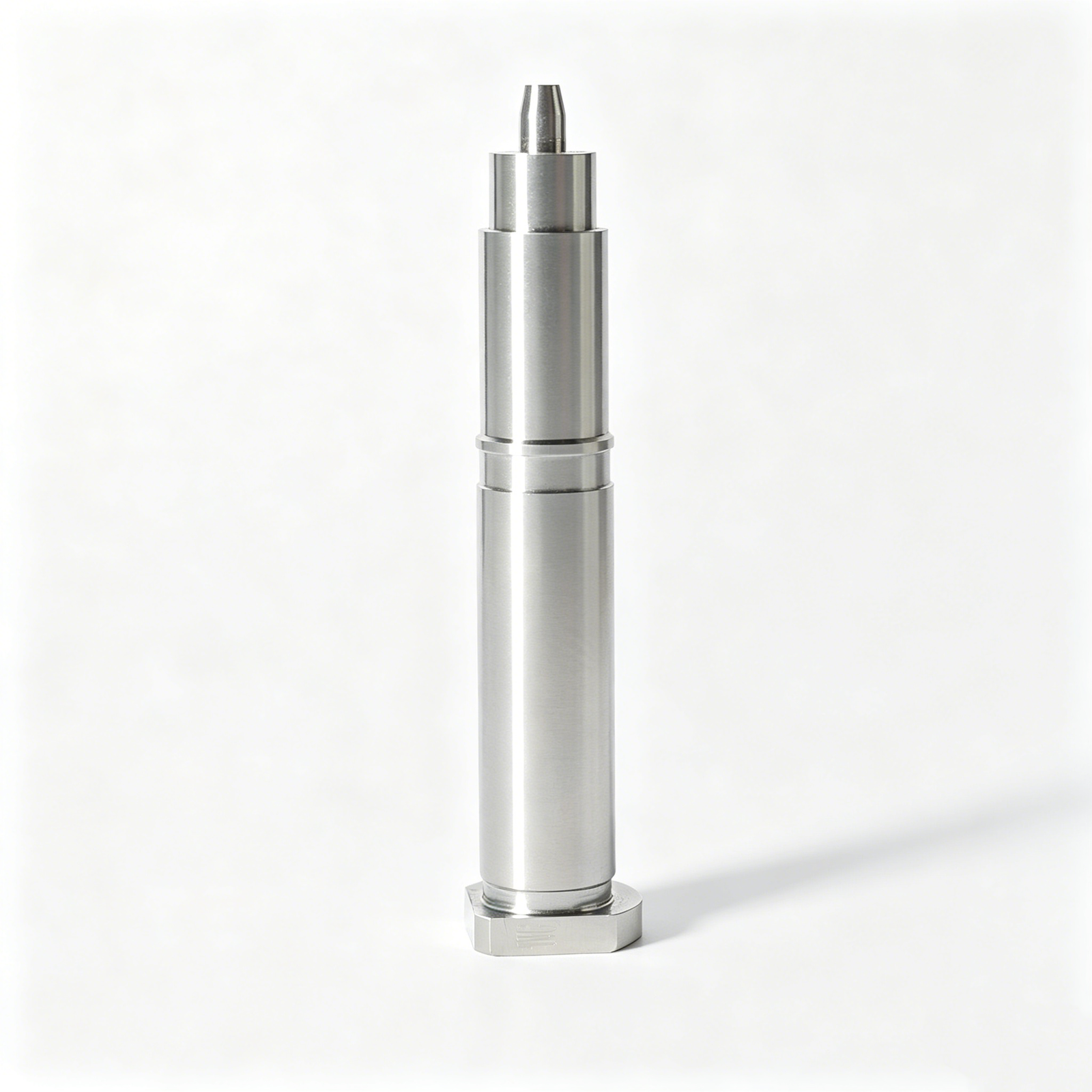
Threaded Features
Drawing-defined tapped holes, threaded inserts, and fastener clearances support retention, puller arrangements, or service access. Include thread standard, depth, engagement, and any heat-treatment sequence that may affect the selected process route.

Ejector Pin Seats
Pin bores, reliefs, and backing interfaces can be incorporated where an insert must work with an ejection system. Provide pin size, location datums, clearance intent, and assembly context for a practical machining review.

Wear Plate Interfaces
Sliding or bearing surfaces may require defined contact faces, lubrication provisions, or replaceable wear elements. Identify motion direction, material pairing, surface requirements, and expected loading conditions so critical interfaces receive focused review.

Identification Marking
Part numbers, cavity identifiers, revision marks, or orientation references can support assembly and traceability. State marking content, location, method preference, and cosmetic restrictions on the drawing or RFQ before manufacturing begins.
About SUUXIANG Mold Shut-Off Inserts
SUUXIANG is the sole public-facing brand name of Dongguan SuuXiang Precision Mold Co., Ltd., established in 2010 and based on the 2nd Floor of Sanhe Industrial Park, Chang’an Town, Dongguan, Guangdong, China. Founded by XiaoCheng Huang, the company helps engineering, sourcing and quality teams convert drawings and specifications into inspected mold shut-off inserts, precision mold components, connector tooling and custom CNC-machined parts.
Our process planning combines CNC milling and turning, multi-axis machining, wire and sinker EDM, precision grinding, fitting and inspection. Before quotation or production commitments, we review critical dimensions, datums, tolerance stack, machining access, EDM requirements, grinding allowance and documentation expectations with the project team.
What distinguishes SUUXIANG is disciplined, drawing-led coordination. We treat each component family as configurable rather than assumed stock, keep revision and inspection requirements visible, and align manufacturing evidence with the order’s verified quality plan. Submit your 2D drawing, available 3D model, material, quantity and delivery requirements for a practical review.

Mold Shut-Off Inserts: Capability in Detail
DFM and Datum Review
SUUXIANG reviews mold shut-off insert drawings before production planning to clarify critical dimensions, mating faces, datum strategy, tool access and surface requirements. This early review helps identify tolerance-stack and assembly risks while requirements can still be resolved efficiently.
- Confirm critical-to-quality dimensions and functional shut-off faces
- Review datum references for machining and inspection alignment
- Identify access limits, relief details and potential wear points
- Record drawing revisions before process commitments

CNC, EDM and Grinding Routes
Process routing is selected from the geometry and acceptance criteria, not from a generic template. CNC machining establishes accessible form; wire or sinker EDM can address constrained details; grinding is considered where controlled flatness, parallelism or finish requirements justify it.
- Match machining access to part geometry and datum scheme
- Plan wire paths, electrodes and EDM allowances where needed
- Preserve appropriate grinding stock through earlier operations
- Review heat-treatment sequence against final-dimension requirements

Fitting for Functional Contact
Mold shut-off inserts must be considered as mating functional components, not isolated machined blocks. SUUXIANG coordinates fitting expectations with the supplied drawing, counterpart information and agreed inspection plan so contact surfaces, relief areas and assembly interfaces receive appropriate attention.
- Request mating-component context when it affects fit
- Distinguish sealing contact from nonfunctional clearance areas
- Coordinate fitting requirements with final finishing steps
- Keep changes visible when assembly feedback drives revision

Inspection and Revision Control
Inspection planning should follow the order’s verified requirements and the part’s critical features. SUUXIANG aligns measurement methods, report expectations and revision status with the drawing package, helping procurement and quality teams maintain traceability from approved data through delivery.
- Align inspection methods with specified critical dimensions
- Confirm report and documentation requirements before production
- Use current drawing revisions for production and inspection records
- Share questions early when requirements need clarification

Mold Shut-Off Inserts: Beyond a Typical Machining Quote
Compare a drawing-led workflow with quotation paths that may provide less project-specific planning and documentation.
← Swipe left or right to view →
Mold Shut-Off Inserts: From Drawing Review to Delivery
A drawing-driven workflow that keeps critical dimensions, process decisions, inspection expectations and revision status visible before production commitments are made.
Review RFQ Package
Share the 2D drawing, 3D model when available, material, quantity, application context, quality requirements and target delivery date for an informed technical review.
Confirm DFM Priorities
SUUXIANG reviews critical dimensions, datums, shut-off geometry, tool access, tolerance stack, heat-treatment sequence and inspection needs before confirming a practical process route.
Machine Core Geometry
CNC milling, turning or multi-axis machining establishes the insert’s primary geometry, reference features and planned allowances for subsequent EDM, grinding or fitting operations.
Finish Critical Surfaces
Wire EDM, sinker EDM and precision grinding are applied where geometry, surface requirements or shut-off interfaces require controlled access and finishing strategy.
Inspect And Coordinate Delivery
Completed mold shut-off inserts are checked against the agreed inspection plan, with order-matched documentation, revision visibility, packing requirements and delivery coordination addressed before dispatch.
How to Source Mold Shut-Off Inserts
Align drawing requirements, process planning, and inspection expectations before controlled production begins.
Submit Your Drawing
Send the 2D drawing, available 3D model, material, quantity, application context, and required delivery date so SUUXIANG can assess the mold shut-off insert request.
Confirm Critical Requirements
Confirm critical dimensions, datum references, surface requirements, heat treatment, and inspection expectations with the project team before quotation or production commitments are made.
Review the Process Route
Review the proposed process route, including CNC machining, EDM, grinding, fitting, and inspection, then align on pricing, timing, and sample requirements.
Release Controlled Production
Release controlled production after revision approval. SUUXIANG coordinates machining, inspection documentation, and delivery information against the agreed drawing and quality plan.
Mold Shut-Off Inserts: Certifications and Quality Documentation
Customer Testimonials: Publication Pending Verification
Approved customer testimonial pending SUUXIANG verification and publication consent.
Approved customer testimonial pending SUUXIANG verification and publication consent.
Approved customer testimonial pending SUUXIANG verification and publication consent.
Mold Shut-Off Inserts FAQ
Practical answers for engineering and sourcing teams preparing a drawing-based shut-off insert inquiry.
What information should I send for a mold shut-off insert quote?
Can SUUXIANG manufacture custom mold shut-off inserts from our drawings?
What MOQ applies to mold shut-off inserts?
Can you provide samples before a production order?
Which materials and heat treatments should be specified?
How are shut-off insert dimensions inspected?
How long does it take to manufacture mold shut-off inserts?
How do you control drawing revisions, shipping, and IP-sensitive information?
The Complete Buyer’s Guide to mold shut-off inserts
Use this decision framework to specify mold shut-off inserts, evaluate materials and manufacturing partners, control cost and lead time, and avoid design, fit-up, durability, and sourcing mistakes before tool build.
1. What Are mold shut-off inserts?
Two opposing steel faces form the working seal of a mold shut-off insert: a replaceable precision component that blocks molten resin from entering a defined region when the tool closes.
A general mold insert may support local geometry, difficult machining access, cooling, or core construction, but it is not automatically a shut-off. A shut-off insert specifically carries a steel-to-steel sealing interface, so localized wear or fit loss may be addressed without remachining a larger core. A kiss-off creates a controlled light-contact or thin-separation feature, whereas a shut-off prevents resin flow across a mold interface. Insert molding places a separate finished item into a cavity for resin encapsulation; it is not a mold shut-off insert.
2. Evolution of Shut-Off Insert Design
CNC machining, wire or sinker EDM, precision grinding, and fitting make it practical to separate difficult shut-off geometry from a larger core or cavity block. A controlled insert can simplify service or replacement when wear, damage, or design changes would otherwise affect a hardened parent block.
Repeatable datum faces and positive orientation or anti-rotation control are central to reliable replacement. Pockets, shoulders, keys, dowels, and fasteners can return an insert to its intended position, while CNC establishes accessible geometry and EDM reaches narrow or enclosed profiles.
Specify a mold shut-off insert when a feature is likely to wear, change during sampling, require difficult machining, or make repair of the parent block disproportionately risky. The drawing should define the insert boundary, datum scheme, shut-off surfaces, fit strategy, heat-treatment sequence, grinding stock, and inspection points before release; excessive inserts can also complicate assembly, cooling, and core strength.
3. Types of mold shut-off inserts
Six configurations cover most mold shut-off insert decisions. Select them from the feature’s draw direction, available backing steel, closure motion, and expected service access—not from insert shape alone.
| Configuration | Geometry And Retention | Best Fit | Primary Risk |
|---|---|---|---|
| Straight | Planar; shoulder or pocket | Draw-parallel detail | Flash from weak backing |
| Taper | Angled perimeter fit | Irregular pocket | Difficult removal |
| Wipe | Sliding sealing face | Slide or lifter detail | Galling |
| Saddle | Bridged curved seal | Hooks or openings | Center deflection |
| Through | Rear-accessed insert | Serviceable plates | Seal mismatch |
| Blind | Pocketed, screw-retained | Restricted rear access | Difficult extraction |
Straight And Taper Inserts
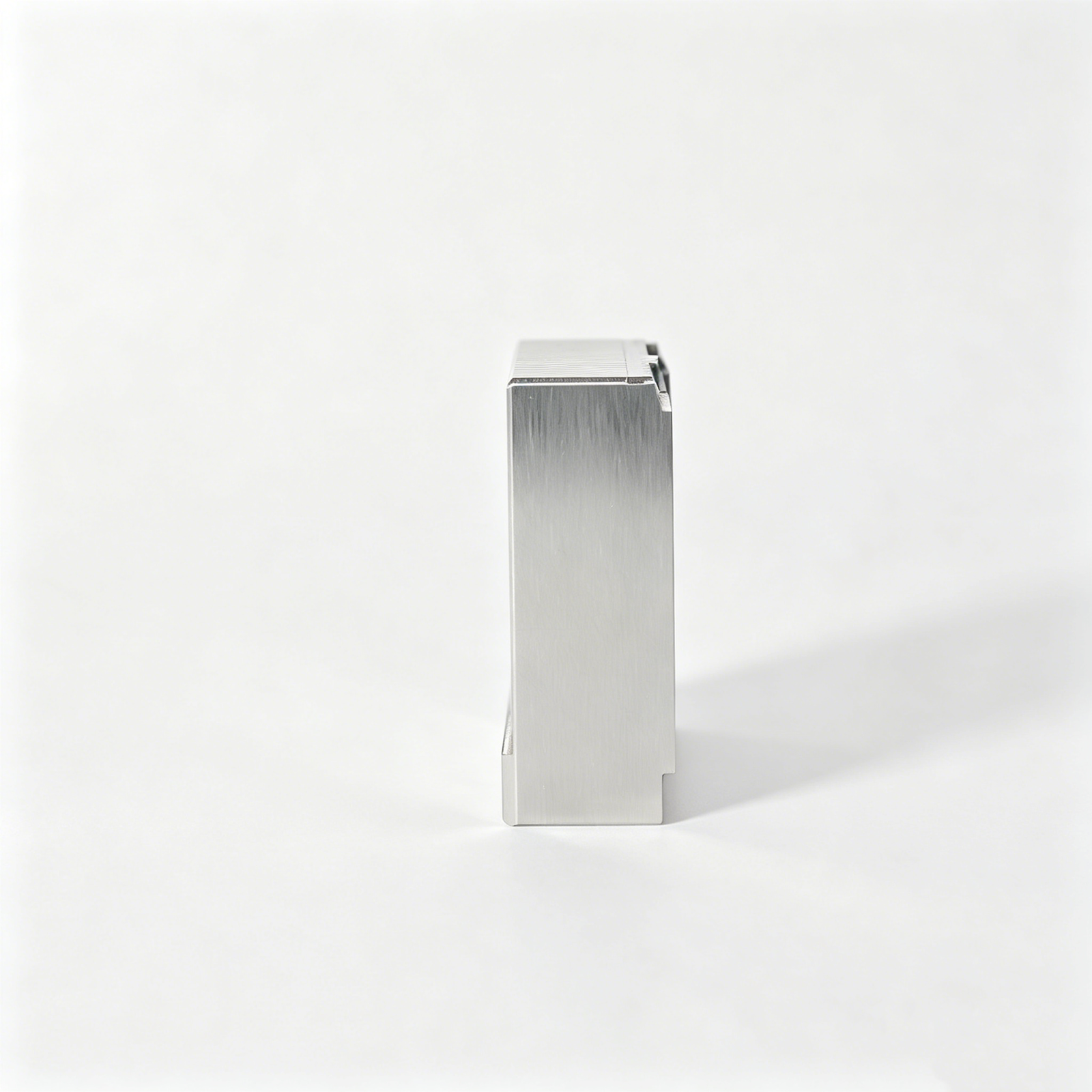
Straight shut-offs use planar sealing faces and a shoulder, dowel, or pocket for location; they suit features parallel to draw. Their simple machining is advantageous, but poor support can deflect and flash.
Taper inserts locate on angled perimeter faces for irregular pockets. Tapered retention improves seating, while excessive interference makes servicing difficult.
Wipe And Saddle Shut-Offs
Wipe shut-offs close with lateral sliding contact, typically on slides or lifters, to form undercut-adjacent detail. Long wipe travel increases galling risk unless contact, lubrication, and support are designed together.
Saddle shut-offs bridge curved or interrupted geometry such as hooks or openings. Their advantage is feature formation without a separate action; weak center support can cause flash.
Through And Retained Inserts
Through inserts pass through a plate and are commonly headed, clamped, or positively located from the rear. They simplify removal where back-side access exists.
Blind inserts seat in a pocket and are retained by screws, steps, or a tapered fit. They preserve exterior architecture but require planned extraction and service clearance.
4. Materials for mold shut-off inserts
P20-class pre-hardened steel is a practical baseline when machining speed and moderate production duty matter. Material selection for mold shut-off inserts must be validated against resin, molding temperature, contact load, cooling, and mating steel.
| Family | Strength | Use Caution |
|---|---|---|
| Pre-hardened tool steel | Machinable, balanced duty | Lower wear than hardened grades |
| Cold-work steel | High wear resistance | Heat treatment distortion |
| Hot-work steel | Thermal-fatigue resistance | Not universal for abrasion |
| Stainless tool steel | Corrosion resistance | Confirm polish and hardness |
| Copper alloy | High thermal conductivity | Protect from shut-off wear |
Material Family Comparison
D2-class cold-work steel favors abrasive-resin wear resistance after through-hardening. H13-class hot-work steel better tolerates thermal cycling; stainless tool steel addresses corrosive resin or humid storage.
Hardness And Surface Strategy
Hardened shut-off faces require a hardness range appropriate to the geometry, impact risk, mating steel, and specified duty. Polishability depends on steel cleanliness, heat treatment, EDM cleanup, and grinding sequence—not hardness alone.
Thermal And Mating Considerations
Beryllium-free high-conductivity copper alloys can remove heat where steel inserts cannot accommodate cooling, but need protected contact geometry. PVD coatings may reduce adhesion or wear only after substrate hardness, finish, and mating-steel compatibility are established.
5. Custom mold shut-off inserts Options
A custom shut-off insert should be specified as a functional sealing component, not a generic machined block. Submit the mating geometry and inspection priorities before selecting a process route.
| Geometry Or Requirement | Preferred Route | RFQ Detail |
|---|---|---|
| Accessible faces and pockets | CNC milling | Tool access and datum faces |
| Through profile or tight corner | Wire EDM | Wire start, path, and corner relief |
| Blind cavity detail | Sinker EDM | Electrode geometry and finish |
| Sealing face or fit | Precision grinding | Stock, flatness, and inspection |
Drawing And Datum Package
The 2D drawing should define datums, critical tolerances, shut-off angle, surface-finish callouts, hardness, coating, and identification marks.
The 3D model should show mating parts, vent locations, assembly orientation, and revision status.
- State required spare-part interchangeability.
- Identify anti-rotation flats, keys, or pins.
- Mark functional faces separately from noncritical stock.
Process Route By Geometry
CNC milling suits accessible prismatic faces and pockets; wire EDM suits through profiles and narrow internal contours. Sinker EDM is considered for blind detail, while grinding controls flatness and final stock on functional faces.
The drawing should state EDM and grinding allowance rather than leaving finishing stock to assumption.
Inspection Planning
The inspection plan should tie each critical dimension to its datum scheme, measurement method, and report requirement. SUUXIANG can review access, electrode strategy, wire path, and fitting risks against the submitted drawing package.
6. Quality Elements in mold shut-off inserts
Reliable mold shut-off inserts depend on the contact pair and its surrounding structure, not a finish callout alone. Drawing review should define datums, closure direction, inspection points, and the assembly condition to be checked.
Contact Geometry And Support

Steel-to-steel contact needs a continuous, accessible land and adequate material behind thin edges. Unsupported tips can deflect, chip, or open a flash path under clamp and injection loading.
- Check contact continuity against the closure direction.
- Specify support ribs or backing for vulnerable features.
- Avoid radiused sealing edges unless they are intentionally designed and validated for the molding function.
Angle, Finish, And Hardness
A defined shut-off angle and controlled edge break reduce scraping during closure. Surface finish, compatible hardness balance, and suitable lubrication reduce galling and premature wear; excessive sharpness can promote chipping.
- Inspect angle, edge condition, and finish before fitting.
- Confirm heat-treatment requirements against mating steel.
- Record any approved lubricant and application point.
Location, Venting, And Assembly
Positive location through keys, dowels, or guided features must repeat the intended contact position. Check fit at assembly, vent paths near the seal, and witness marks after closure; misalignment causes flash, deformation, and resin burn.
- Measure locating-feature position from stated datums.
- Use blueing or witness checks to reveal incomplete contact.
- Verify vents remain open and clean after fitting.
7. How to Choose a Manufacturer
Choose against the released drawing, not a generic capability list. Ask each supplier to identify critical datums, shut-off faces, access limits, and the proposed CNC, EDM, grinding, and fitting route before quoting.
| Evaluation Area | Ask For | Compare |
|---|---|---|
| Process fit | Route and risks | EDM and grinding plan |
| Quality | CTQ inspection plan | CMM report scope |
| Control | Revision and packing | Lead-time dependencies |
Compare Technical Responses
Three RFQ questions expose DFM quality: Which features require wire EDM or electrodes? What tolerance, surface, and hardness assumptions remain open?
One written response should state material traceability, heat-treatment or coating coordination, machining allowance, and any process risk needing customer approval.
Define Verification Evidence
One inspection plan should link CTQ dimensions to datums, instruments, sampling, and report format. Request CMM reporting only where geometry and acceptance criteria make it meaningful.
First-article approval should establish the revision, sample quantity, inspection record, and disposition path before production release.
Control Delivery And Changes
Each quotation should separate manufacturing lead time from material, heat-treatment, coating, and inspection dependencies. Confirm protected packaging, identification, spare-part requirements, and escalation contacts.
Every revision needs a drawing identifier, effective date, acknowledgement, and traceable record of affected work.
8. Common Buyer Mistakes to Avoid
Release errors in mold shut-off inserts often appear only as flash, galling, or assembly rework. Resolve the datum scheme, sealing geometry, and verification evidence before machining begins.
Define Datums And Geometry
Datum A, B, and C should locate the insert and mating steel; unspecified datums create stack-up error. Provide section views, shut-off angle, contact land, radii, and wire-path access.
Tight tolerances without functional justification increase grinding and inspection effort. Tie each tolerance to sealing, location, or interchangeability, then agree the measurement method before release.
Match Materials And Venting
Hardness selection must consider both mating components; a harder insert against unsuitable opposing steel can gall or wear unevenly. Specify material, heat treatment, surface treatment, and the mating condition together.
Small vent-depth changes can affect gas escape and flash behavior. Show vent locations, depth limits, cleaning access, and any resin-specific molding concern on the drawing.
Plan Release And Service
Post-heat-treatment distortion can consume finish-grinding stock and shift shut-off alignment. Define heat-treatment sequence, grinding allowance, and final inspection condition before production.
One cosmetic polish grade does not prove a sealing finish, and one bench-fit approval does not prove mold function. Request spare inserts where downtime matters and approve assembly-level contact, closure, venting, and trial evidence.
9. From Drawing to Production Release
A controlled release begins with the molded-part function, mating geometry, resin, and mold duty—not merely an insert profile. SUUXIANG can review the drawing package against machining access, datum strategy, and the intended mold architecture.
Freeze The Design Package
One released package should identify revision level, 2D drawing, 3D model, datums, shut-off surfaces, and any mating components. Resolve conflicts between model and drawing before material is cut.
- Molded-part requirement and resin
- Insert location and closure direction
- Controlled revision and approval owner
Agree Route And Inspection
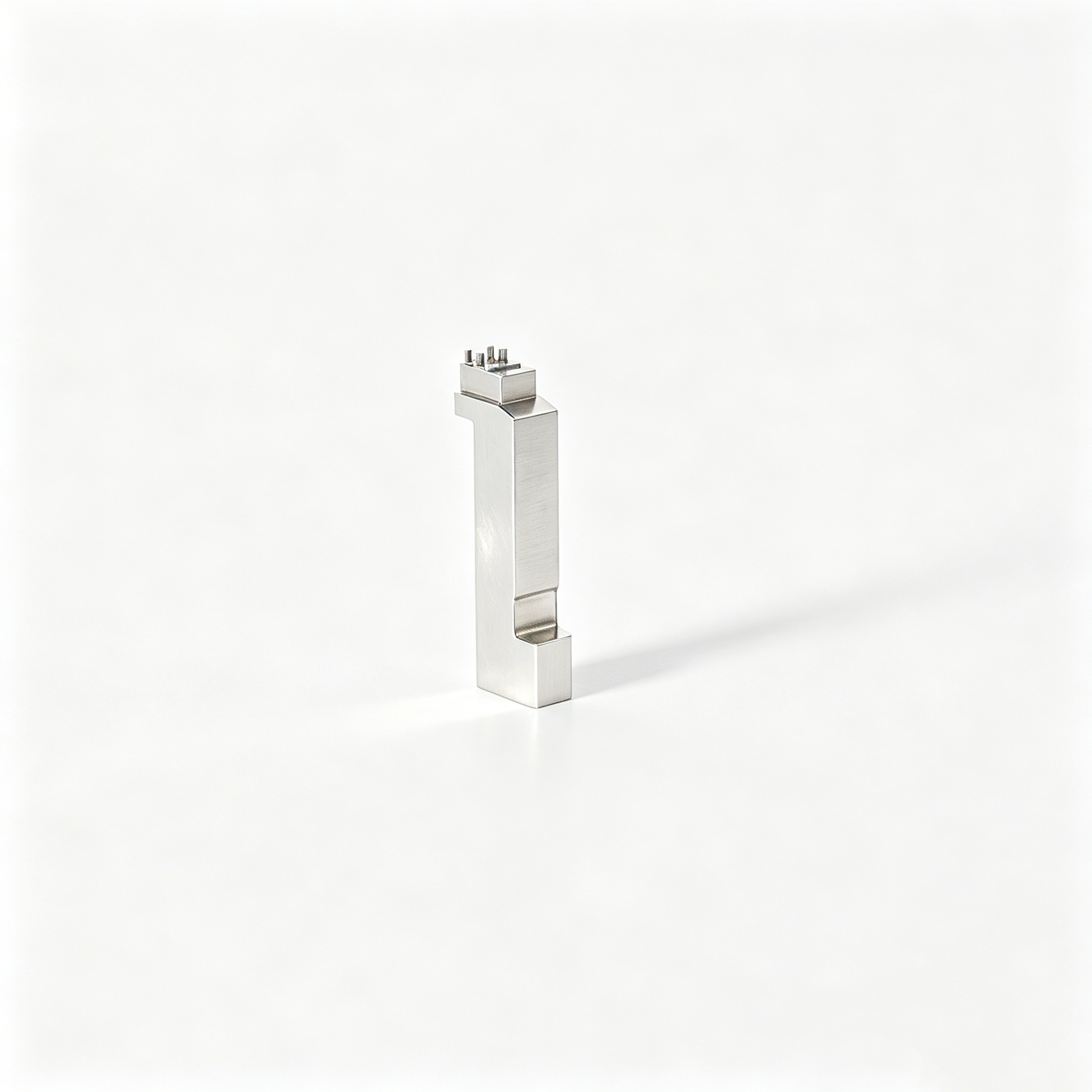
Three decisions define the route: material and heat treatment, CNC/EDM/grinding sequence, and critical-dimension inspection method. Mark sealing faces, locating features, and fit dimensions as CTQ characteristics with acceptance criteria.
- EDM or wire-path requirements
- Grinding stock after heat treatment
- Inspection report and datum setup
Prove Fit And Sustain
First-article approval should precede a mold-fit trial, where contact, flash risk, assembly clearance, and service access are checked in the actual tool. Prototype programs may prioritize learning speed; low-volume and production tools need revision records and a defined spare or replacement strategy.
- Record trial observations by revision
- Retain approved inspection evidence
- Define spare quantity and interchangeability
10. mold shut-off inserts Pricing and Cost
A preliminary estimate may be followed by a controlled release price after drawing review confirms datums, material, heat treatment, and inspection scope. SUUXIANG should not publish fixed prices for mold shut-off inserts because geometry and risk drive the route.
A reviewed package should state revision, quantity, critical dimensions, surface requirements, report format, and required date. Expedited delivery can change sequencing, inspection capacity, and freight planning; it should be quoted separately.
| Quote condition | Main cost drivers | Typical pricing effect | Evidence needed |
|---|---|---|---|
| Prototype, 1–5 pieces | Programming, setup, EDM electrodes, first-article inspection | Highest unit cost; setup dominates | 2D drawing, 3D model, revision |
| Repeat, 20–100 pieces | Fixture reuse, machining cycle, batch inspection | Lower unit cost if process is stable | Quantity forecast, revision control |
| Simple milled geometry | Tool access, material removal, tolerance band | CNC and grinding route may be sufficient | Datums, surfaces, material |
| Complex shut-off geometry | Wire EDM, sinker EDM, fitting, electrode strategy | Higher process and fitting cost | Shut-off details, mating context |
| Tight tolerance or documented inspection | Grinding stock, measurement time, report requirements | Adds controlled manufacturing and inspection effort | CTQs, inspection plan, report type |
| Heat treatment, coating, or urgent date | Outside processing, distortion allowance, scheduling | Quoted as defined line items | Specification, target delivery date |
Upload Your Mold Shut-Off Inserts Drawing for Review
Include material, quantity, delivery target, dimensional priorities, and reporting needs so SUUXIANG can assess the appropriate manufacturing and inspection route.