
Material Certification for Drawing-Based Precision Parts
Upload your drawing to align material certification, critical dimensions, inspection requirements, and revision control before production.
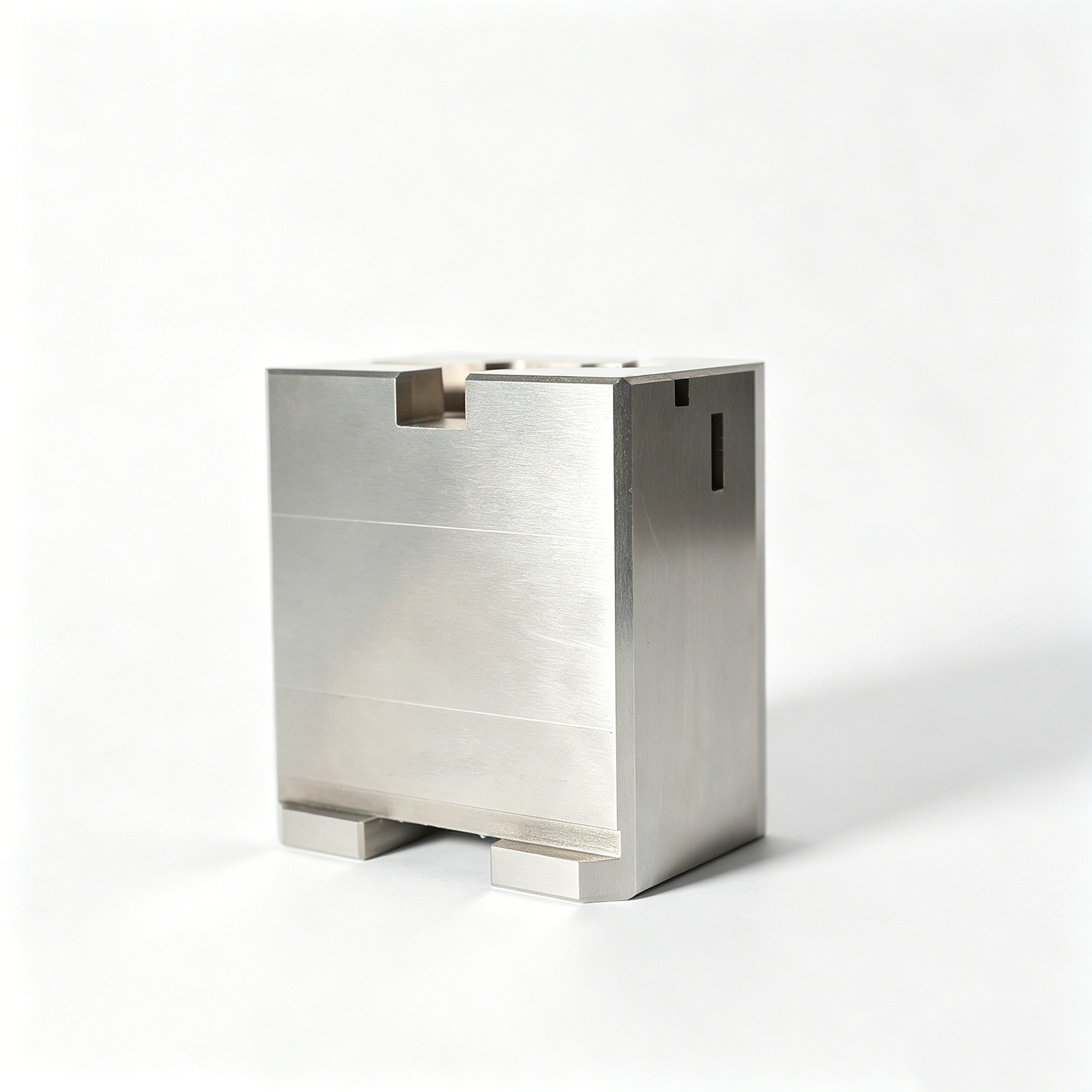
Representative Precision Components Requiring Material Traceability




Related Product Catalogue and Quotation




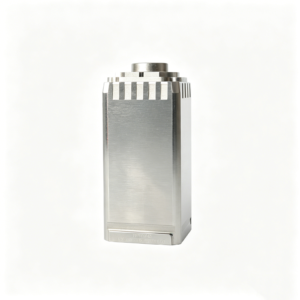

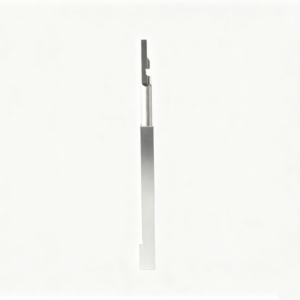

Material Certification Evidence for Confident Sourcing
A drawing-led review aligns material requirements, critical features, process planning, and inspection expectations before production commitments are made.
Drawing Requirement Review
We review drawings, models, quantities, and application context to identify material requirements and clarify missing manufacturing information before quotation.
Critical Dimension Planning
Critical-to-quality dimensions, datums, surface requirements, and tolerance relationships are discussed early to support an appropriate machining and inspection route.
Material Certification Alignment
Material certification requirements can be defined with the RFQ, including required grade, condition, traceability expectations, and supporting documentation.
Process Route Visibility
CNC machining, EDM, grinding, fitting, and heat-treatment sequence are evaluated against geometry, access, allowance, and material-condition requirements.
Inspection Plan Definition
Inspection methods and reporting needs are aligned to the drawing, critical features, and agreed quality expectations before final documentation is prepared.
Revision-Controlled Communication
Visible revision information helps keep drawings, specifications, inspection expectations, and delivery coordination aligned throughout the manufacturing workflow.
Precision Parts and Tooling Families
Drawing-driven process routes for custom components, mold tooling and low-volume work, planned around critical dimensions, material requirements and inspection needs.

CNC Machining Services
Precision CNC machining services for drawing-based parts requiring coordinated milling, turning, EDM, grinding and inspection. Reviews focus on critical dimensions, datums, material condition, surface requirements and the process route needed before quotation or production planning.
Upload a Drawing
CNC Milling
Custom CNC milling services for prismatic, contoured and fixture-sensitive components. Tool access, setup orientation, internal features, machining allowance and datum relationships are reviewed to establish a practical route for precision mold parts and custom machined work.
Upload a Drawing
CNC Turning
Precision CNC turning services for rotational parts, threaded features, stepped diameters and concentric relationships. Drawing review considers workholding, datum selection, runout-sensitive features, material condition and inspection methods appropriate to the specified geometry.
Upload a Drawing
5-Axis Machining
5-axis CNC machining supports complex surfaces, angled features and multi-face parts where fewer setups may protect positional relationships. Process planning evaluates tool reach, clamping strategy, surface access, collision risk and the dimensions requiring controlled verification.
Upload a Drawing
Swiss & Micro Machining
Swiss machining and micro machining support small, slender or detail-intensive components where part support and tool geometry affect repeatability. Review includes diameter-to-length relationships, cross features, deburring needs, material behavior and inspection access for critical dimensions.
Upload a Drawing
Wire & Sinker EDM
Wire EDM and sinker EDM services address hardened materials, narrow slots, intricate profiles, sharp internal details and features inaccessible by conventional cutting. Electrode strategy, wire path, flushing, EDM allowance, recast-layer considerations and finishing requirements are defined from the drawing.
Upload a Drawing
Precision Grinding
Precision surface and profile grinding supports controlled flatness, parallelism, profile accuracy and finished dimensions after machining or heat treatment. Planning considers grinding stock, datum stability, wheel access, heat-treatment sequence and the inspection method for critical surfaces.
Upload a Drawing
Mold Core & Cavity Inserts
Precision mold core and cavity inserts are manufactured from customer drawings with attention to shutoff areas, cooling interfaces, EDM features, surface requirements and fitting relationships. DFM review helps establish machining, heat-treatment, grinding and inspection sequences before release.
Upload a Drawing
Ejector & Ejection Components
Ejector pins, sleeves and ejection components are evaluated for fit, stroke-related geometry, guidance and wear-sensitive surfaces. The production route considers material and heat treatment, concentricity, clearance relationships, surface condition and mating-component information where supplied.
Upload a Drawing
Core Pins, Guide & Locating Components
Core pins, guide pins and locating components require controlled functional relationships with mating tooling. Reviews address datum strategy, engagement geometry, clearance, hardness requirements, wear surfaces and the inspection approach needed to verify location and alignment features.
Upload a Drawing
Slides, Lifters, Gates & Mold Accessories
Mold slides, lifters, gates and accessories are planned around movement, shutoff geometry, guidance and assembly interfaces. Drawings are assessed for machining access, EDM needs, fitting allowance, sliding surfaces, material condition and dimensional relationships with associated mold components.
Upload a Drawing
Connector Mold Components
Precision connector mold components support fine-pitch, alignment-critical and repeat-use tooling applications. Process discussions consider cavity and core geometry, pin or insert relationships, EDM and grinding requirements, wear-sensitive areas, material specifications and documented inspection priorities.
Upload a Drawing
Stamping Die Components
Precision stamping die components are produced for drawing-defined cutting, forming, guiding and locating functions. Manufacturing review addresses material and heat-treatment requirements, profile and clearance relationships, grinding stock, wire-EDM strategy and inspection of functional interfaces.
Upload a Drawing
Injection Mold Components, MIM, CIM & Overmolding Tooling
Injection, MIM, CIM and overmolding tooling work is supported when requirements fall within verified production scope. Reviews focus on component geometry, material selection, cavity and core details, inserts, gates, parting relationships and process-specific manufacturability information.
Upload a Drawing
Machining Materials
CNC machining materials are selected from the customer’s drawing and application requirements, including specified metal or engineering material grades where verified. Quotation review confirms material condition, traceability needs, heat-treatment sequence, machinability considerations and any required documentation.
Upload a Drawing
Surface Finishes & Heat Treatment
Surface finishing and heat treatment are planned as controlled requirements, not assumed defaults. Drawing review clarifies finish type, surface priority, hardness or treatment specification, masking or critical interfaces, dimensional allowance and post-process inspection expectations.
Upload a Drawing
Quality, Metrology & Documentation
Precision inspection, metrology and quality documentation are aligned with the order and verified inspection plan. Critical dimensions, datums, measurement methods, reporting requirements, material records and revision status are identified early so evidence matches the manufactured parts.
Upload a Drawing
Prototyping & Low-Volume Production
Rapid prototyping and low-volume manufacturing support drawing-based validation, tooling development and controlled production quantities. Reviews define the material, functional dimensions, surface priorities, revision status, inspection needs and delivery target needed to choose a suitable process route.
Upload a DrawingMaterial Certification Begins With Drawing Review

Tool Steels
Considered for mold cores, cavity inserts, slides and wear-sensitive tooling where hardness, heat-treatment sequence, EDM strategy and grinding stock must be aligned with drawing requirements.

Stainless Steels
Reviewed for corrosion resistance, mechanical requirements and machining access in precision components. Grade, material condition, surface requirement and certificate expectations should be specified in the RFQ.

Alloy Steels
Used in many structural, locating and tooling-component applications when strength, toughness or heat-treatment response matters. Drawing review should confirm grade, condition, hardness target and inspection requirements.

Aluminum Alloys
Considered for lightweight machined parts, prototypes and selected tooling applications. Alloy designation, temper, surface finish, dimensional priorities and any required material certification should accompany the drawing.

Copper Alloys
Reviewed for components requiring electrical or thermal performance, including selected connector-tooling work. Material grade, conductivity needs, machinability, surface condition and documentation requirements need early confirmation.
Material Certification Process Routes for Precision Parts


Wire EDM
Wire EDM creates precise profiles, slots, and internal features where conventional cutting access is limited. Wire path, start-hole location, corner requirements, and finish expectations are evaluated against the drawing before process selection.

Sinker EDM
Sinker EDM supports cavity details, deep features, and complex internal geometry requiring an electrode-based approach. Electrode strategy, spark allowance, surface requirements, and subsequent finishing needs must be confirmed during drawing review.

Precision Grinding
Precision grinding refines functional surfaces, diameters, and datum-related features after an appropriate machining or heat-treatment sequence. Grinding stock, workholding, surface finish, and inspection requirements guide feasibility and process planning.

Fitting Inspection
Fitting and inspection verify that controlled features align with the agreed drawing revision and inspection plan. Measurement methods, reporting needs, mating context, and required material certification documentation should be defined before production.
Component Features and Supporting Hardware for Material Certification
Guide Components
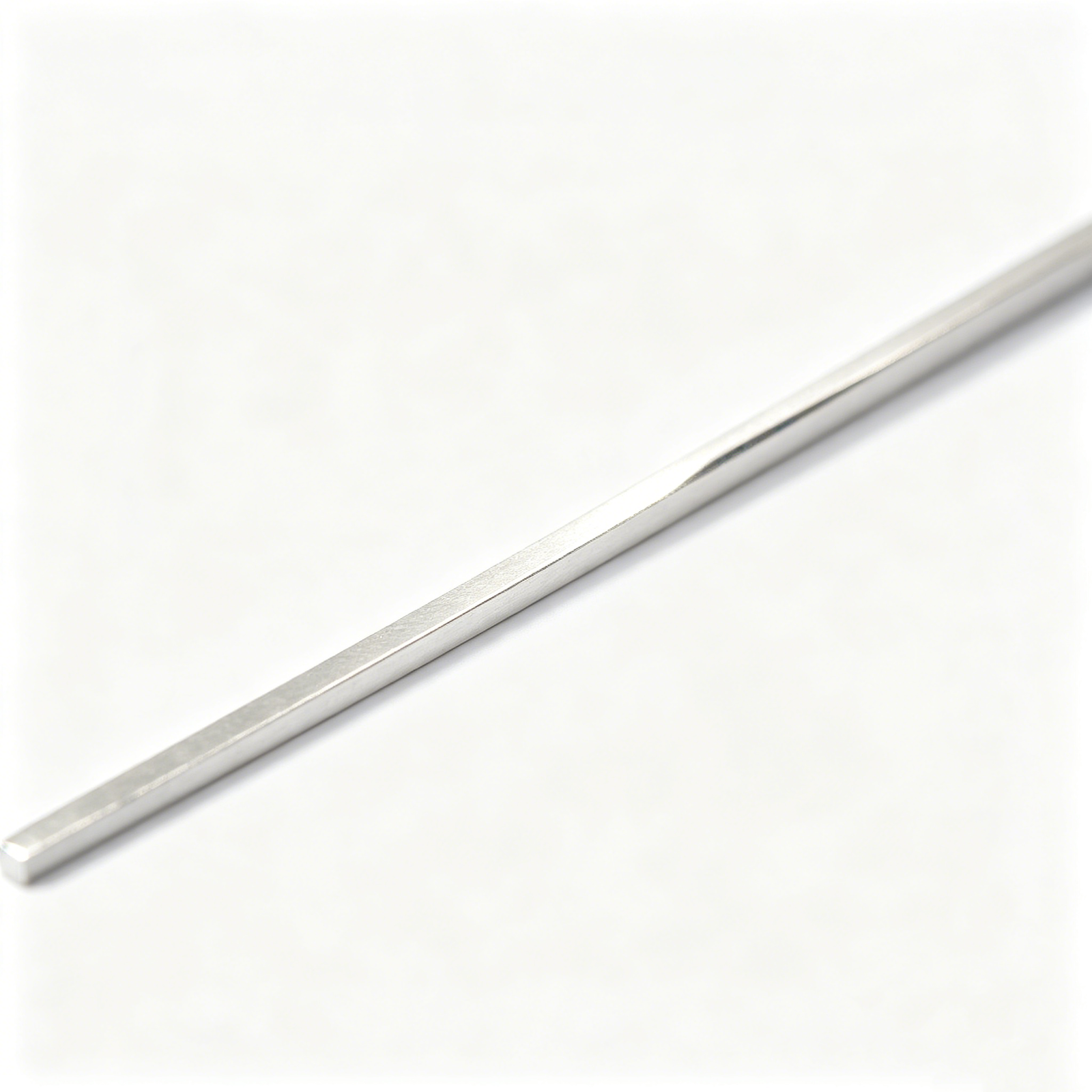
Guide pins, bushes, and locating elements are reviewed for fit, wear conditions, mating geometry, and material requirements so the selected configuration supports repeatable mold or die alignment.

Ejection Hardware
Ejector pins, sleeves, return components, and related hardware are assessed against stroke, clearance, load path, and surface requirements to identify material, heat-treatment, and inspection evidence needed for the assembly.
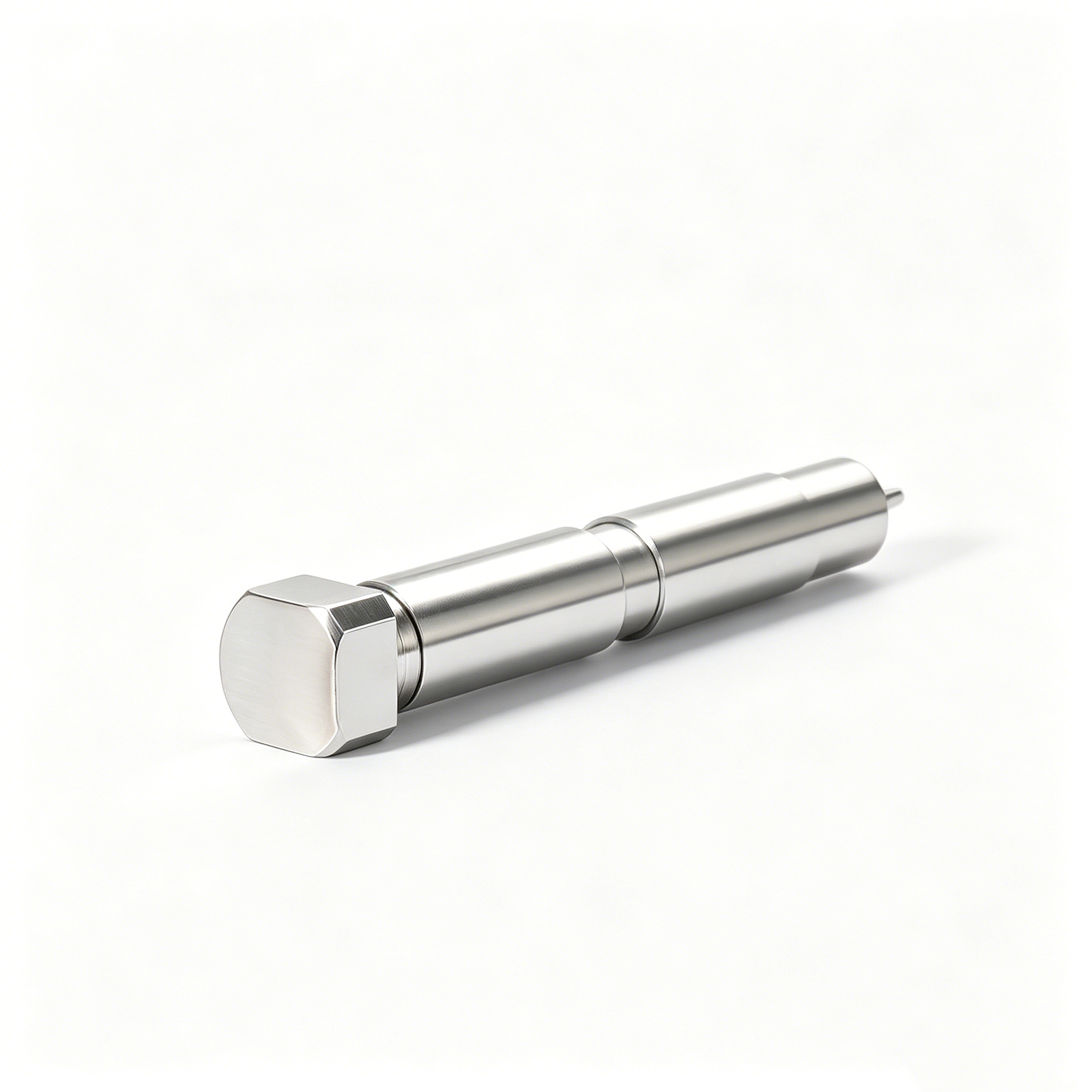
Fastening Elements
Screws, dowels, inserts, and retention features are checked for thread engagement, access, serviceability, and interface material compatibility, helping prevent assembly conflicts or incomplete documentation requirements.

Connector Inserts
Connector-tooling inserts and locating features are evaluated for cavity interface, pin alignment, wear exposure, and critical dimensions, with material certification requirements defined according to the approved drawing and project specification.

Wear Components
Replaceable wear plates, slides, lifters, and contact features are reviewed for load, friction, lubrication, grinding allowance, and heat-treatment sequence before the required material traceability and inspection plan are confirmed.
Material Certification, Drawing-Driven
SUUXIANG is the international-facing brand of Dongguan SuuXiang Precision Mold Co., Ltd., established in 2010 in Chang’an Town, Dongguan, Guangdong, China. We help global engineering, sourcing, and quality teams turn controlled drawings and specifications into inspected CNC-machined parts, precision mold components, connector tooling, and die components.
Our work begins with drawing review: material requirements, critical dimensions, datum strategy, surface needs, heat-treatment sequence, and inspection expectations are clarified before production commitments. Process planning combines CNC machining, EDM, precision grinding, fitting, and inspection according to the verified requirements of each job.
For material certification requests, documentation must align with the order, material requirement, and agreed inspection plan. SUUXIANG treats traceability, revision control, and clear project communication as engineering disciplines—not assumptions—so buyers can define the evidence needed before a part enters production.

Material Certification Starts With a Controlled Engineering Workflow
Review Before Material Release
Material certification begins with a drawing-led review of grade, condition, heat treatment, quantity and application requirements. Before material is released, SUUXIANG can clarify critical dimensions, datum strategy, machining access and the documentation expected for the specific order.
- Provide the 2D drawing and 3D model when available
- Identify required grade, condition and heat-treatment sequence
- Flag critical-to-quality features and mating interfaces
- State certificate, report and delivery requirements early
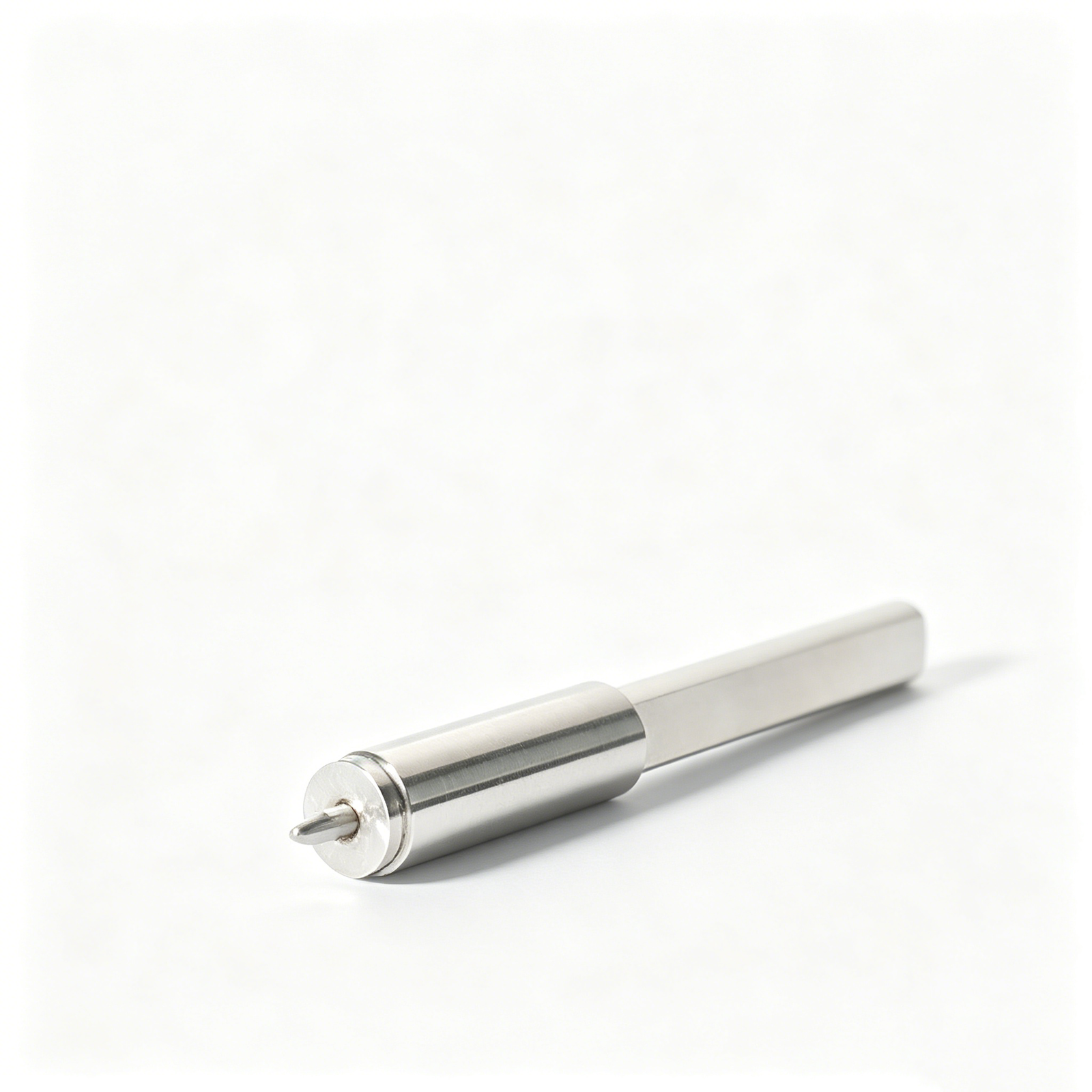
Plan the Process Route
The process route should reflect geometry and risk, not a generic machining sequence. SUUXIANG evaluates the appropriate combination of CNC machining, EDM, grinding and fitting, including stock allowances and access constraints that can affect finished dimensions and material condition.
- Assess CNC, wire EDM and sinker EDM requirements
- Confirm grinding stock and finishing allowances
- Review electrode strategy, wire path and tool access
- Align heat treatment with machining and inspection stages

Inspect Critical Dimensions
Inspection planning focuses on the dimensions and relationships that determine fit, function and downstream assembly. The drawing, agreed datums and applicable measurement method should be reviewed together so inspection evidence is appropriate to the part and order requirements.
- Define critical dimensions and datum references
- Match measurement methods to feature geometry
- Review surface and form requirements before production
- Request inspection reporting requirements with the RFQ

Control Revisions and Records
Traceable material certification depends on keeping the approved drawing revision, material evidence and inspection records aligned with the job. SUUXIANG coordinates documentation against the confirmed order and inspection plan; the available records and format should be verified during project review.
- Identify the approved drawing and revision level
- Confirm required material and heat-treatment evidence
- Link inspection records to agreed part requirements
- Keep delivery documentation aligned with the order
Material Certification Needs More Than a Generic Quote
Compare SUUXIANG’s drawing-driven workflow with common quotation-stage gaps. Named companies are research references only.
← Swipe left or right to view →
Material Certification: From Drawing Review to Final Inspection
A drawing-driven workflow that aligns material requirements, process planning, inspection evidence, and shipment coordination before commitments are finalized.
Review RFQ Requirements
We review drawings, models, quantity, application context, material specification, heat-treatment needs, critical dimensions, surface requirements, and requested documentation before quoting.
Confirm Material Evidence
Material certification requirements are clarified against the drawing or purchase order, including grade, standard, traceability expectations, and any required mill documentation.
Plan Process Route
The team evaluates DFM, datum strategy, machining access, machining allowance, EDM electrode or wire path needs, grinding stock, and inspection approach.
Machine Critical Features
Approved work proceeds through the applicable CNC machining, EDM, grinding, fitting, and controlled handling steps, with revision information maintained throughout production.
Inspect Pack Coordinate
Finished parts are inspected against the agreed plan, documentation is matched to the order, and packing and shipment coordination follow verified release requirements.
Material Certification Workflow From Drawing to Delivery
Align technical requirements, traceability expectations, and inspection documentation before production commitments are made.
Submit Your Requirements
Provide the 2D drawing, 3D model when available, material specification, quantity, delivery target, critical dimensions, surface requirements, and requested material certification documentation.
Review Feasibility Together
SUUXIANG reviews DFM, datums, tolerances, machining access, heat-treatment sequence, EDM or grinding needs, inspection methods, and traceability requirements before confirming a process route.
Confirm Quote and Evidence
Align the quotation with the approved revision, material requirements, production quantity, quality plan, delivery coordination, and documentation needed for the order before release.
Produce and Coordinate Delivery
Production follows the agreed machining, EDM, grinding, fitting, and inspection workflow. Final records are checked against the order and verified inspection plan before delivery coordination.
Documentation Requirements for Material Certification and Quality Records
Customer Testimonials Are Published Only With Approval
Verified customer feedback is pending publication. This card is reserved for an approved case study documenting the part scope, inspection evidence, material certification requirements, and measurable sourcing outcome.
Verified customer feedback is pending publication. This card will be populated only after SUUXIANG receives approval to share the customer’s role, project context, documented delivery result, and relevant quality evidence.
Verified customer feedback is pending publication. This card is reserved for a customer-approved account of drawing review, traceability expectations, final inspection documentation, and a measurable result supported by project records.
Material Certification FAQ for CNC Part Buyers
Practical answers for teams evaluating material documentation, inspection evidence, drawing review, and controlled delivery for custom precision parts.
What is material certification for CNC-machined parts?
What should a material certification include?
Can you provide material certification with my order?
How do I request material certification and an inspection report together?
Will material certification increase CNC-part lead time or cost?
What files should I send for a material certification RFQ?
Can you review whether my specified material is practical to machine?
How are IP-sensitive drawings and revisions handled during an RFQ?
The Complete Buyer’s Guide to material certification
Use this decision framework to define documentation requirements, assess traceability and supplier controls, compare certification routes, and avoid costly sourcing mistakes for drawing-based CNC, mold, connector, and low-volume production parts.
1. What Is material certification?
A material certification package links the raw stock specified for a manufactured part to recorded chemical composition, mechanical test results, delivery condition, governing material standard, and a unique heat or lot identifier. A mill test report, also called an MTR or mill certificate, normally records mill-level results and the applicable specification. The buyer receives evidence of incoming material—not a blanket statement about every finished-part characteristic.
Several documents are often confused. A supplier certificate of conformity states that supplied material or work meets stated requirements, while a finished-part inspection report records measured dimensions or agreed tests on the machined part. A quality-system certificate addresses an organization’s management system, not the chemistry or heat number of a particular bar, plate, or billet; the purchase order should state which document, standard, heat/lot linkage, and report format are required.
2. How material certification Evolved
Shared material specifications and test methods evolved from industry and standards-body practice, making it easier to compare supplied stock with a stated grade. Aerospace, medical, energy, automotive, and regulated connector programs often require a nonconformance investigation to connect a finished part to its material lot, applicable condition, and released drawing revision.
Current sourcing practice increasingly requires controlled digital records, not a detached PDF sent after shipment. Specify the certificate standard, heat- or lot-linkage requirement, required test data, document format, retention period, and whether cut pieces must retain identification before SUUXIANG starts procurement or machining.
3. Types of material certification
Five evidence routes appear in precision-part RFQs, but they do not provide equal proof. The purchase order must name the document, governing specification, traceability level, and acceptance criteria.
| Route | Proof Level | Typical Fields | Best Use | Limit |
|---|---|---|---|---|
| MTR/MTC | Mill test data | Heat, chemistry, properties | Critical alloys | Needs custody link |
| CoC | Supplier statement | PO, part, conformity | Routine release | Usually no raw results |
| Lab report | Independent results | Method, result, sample ID | Disputes or verification | Sample scope matters |
| Declaration | Requirement-specific statement | Standard, revision, signer | Regulated applications | Define evidence required |
Mill Test Reports
MTRs or material test certificates record the producing mill’s results. Typical fields include grade, heat number, chemistry, mechanical values, product form, condition, and referenced standard.
Conformity Certificates
A certificate of conformity states that supplied material or parts meet stated requirements. It is useful for routine releases, but does not replace test data unless the PO explicitly accepts that proof level.
Traceable And Independent Evidence
Heat- or lot-traceable records connect stock, cut pieces, and final documentation through controlled identifiers. Independent laboratory reports add third-party test evidence; require the method, specimen basis, and report-to-lot link.
Customer Declarations
Customer or industry declarations address defined needs such as restricted substances, origin, or application-specific standards. Their validity depends on the exact declaration text, revision, signer, and supporting evidence specified in the order.
4. Materials Requiring material certification
Seven material families commonly appear in precision molds, dies, connectors, and CNC parts. Material certification should identify the ordered grade, supplied condition, product form, and traceable heat or lot before stock is released.
| Material Family | Record Key | Performance Focus |
|---|---|---|
| Carbon or alloy steel | Grade, form, heat, condition | Strength, hardness, machinability |
| Stainless steel | Grade, heat, annealed condition | Corrosion resistance, hardness |
| Aluminum alloy | Grade, temper, lot | Strength, conductivity, stability |
| Titanium alloy | Grade, lot, annealed condition | Strength, corrosion resistance |
| Copper alloy | Alloy, temper, lot | Conductivity, spring behavior |
| Engineering plastic | Resin, filler, lot | Moisture, chemical, dielectric behavior |
| Tool steel | Grade, heat, heat-treatment condition | Hardness, toughness, distortion |
Metals And Supplied Condition
Alloy and carbon steels need grade, bar or plate form, heat number, chemistry, and mechanical results; hardened or tempered condition affects machining strategy and final strength.
Stainless, aluminum, titanium, and copper alloys require the specified temper or annealed condition because corrosion behavior, conductivity, strength, and formability can change with condition.
Tooling Material Risks
Tool steels for cores, inserts, punches, and die components need the mill condition plus the required heat-treatment route. Chemistry, hardness range, toughness, and dimensional change risk should be tied to the drawing and inspection plan.
Plastics And Application Risk
Engineering plastics need resin grade, filler content, color or additive restrictions, and lot identity. Moisture sensitivity, chemical exposure, dielectric performance, and mating-part requirements determine whether supplier documentation alone is sufficient.
5. Custom material certification Requirements
One RFQ should state the evidence required for the ordered material before quotation. SUUXIANG can then review the drawing, specification, quantity, and inspection plan for a defined, traceable request.
Define The Standard
One line should name the material grade, governing standard, revision, product form, and delivery condition.
Each drawing note should identify whether chemistry, mechanical results, or both must be reported.
Set Traceability And Testing
One purchase order should require heat or lot identification to remain linked to the supplied certificate and finished-part documentation.
Third-party testing should specify the laboratory requirement, test method, sample source, and acceptance criteria; ISO 17025 accreditation may be required where applicable.
Control Delivery And Retention
One document schedule should state whether certificates are needed before machining, with shipment, or within a defined number of days after shipment.
One retention requirement should define the record period, language, file format, part number, revision, and PO number required on each document.
6. Construction Quality and Traceability Controls
A traceable job preserves the material-certificate link after stock reaches the shop floor. For drawing-based CNC parts, the control point is each handoff between receiving, cutting, machining, heat treatment, and final release.
Receiving And Storage
At receipt, match grade, condition, size, quantity, and heat or lot identifier against the purchase record and certificate.
Before release, retain the supplier label and segregate accepted stock from unidentified, nonconforming, or pending-review material.
Cutting And Traveler Control
After cutting, transfer the heat or lot identifier to each cut piece, container, or linked traveler before remnants are separated.
During CNC, EDM, grinding, fitting, and rework, the traveler should identify the work order, revision, operation, and material status.
External Process And Release
For heat treatment or outsourced processing, send the job with a traceable identifier and reconnect the returned record to the same traveler.
Before shipment, review certificate linkage, approved substitutions, inspection results, part revision, and required documents; mixed bins or unmarked rework must be resolved first.
7. How to Choose a Certified Manufacturer
A qualified manufacturer proves the specific order route, rather than relying on a generic certification logo. For CNC, mold components, connector tooling, and stamping-die parts, award decisions should follow drawing review and evidence review together.
Verify Material And Condition
Each RFQ should state grade, product form, condition, heat treatment, and acceptable equivalents. Ask whether the supplier can preserve the heat or lot identifier from traceable stock through cutting and machining.
- Request a sample MTR or MTC
- Confirm grade and delivery condition
- Ask how cut blanks remain identified
Audit Controlled Workflows
Each subcontracted heat-treatment, coating, or test operation needs an identified handoff, revision-controlled requirement, and returned record. Ask for a redacted inspection report, document-retention method, and the procedure used when a result is nonconforming.
- Who approves subcontractor records?
- How are drawing revisions released?
- Who decides nonconformance disposition?
Compare Quotations Transparently
Every quotation should separate verified scope from assumptions about material availability, certification level, inspection, and lead time. Ask whether the quoted documentation is linked to the purchase order, part revision, and shipment—not merely available on request.
- Identify included certificates and reports
- List excluded tests or processing
- Confirm revision and shipment linkage
8. Common material certification Mistakes
One incomplete requirement can leave a finished precision part without defensible material traceability. Put document type, standard, condition, heat linkage, and acceptance review into the RFQ before stock is purchased.
Grade-Only Specifications
One grade callout is insufficient when condition, product form, and standard revision affect chemistry, hardness, or machinability. Require the exact grade, governing standard and revision, condition, approved forms, and any heat-treatment sequence in the RFQ.
Document And Heat Mismatches
Two documents serve different purposes: a CoC states conformance, while a mill report records the originating heat and test results. Require a readable mill report, matching heat or lot number on receiving records, and review of chemistry, mechanical results, specification, and test methods.
Broken Chain Of Custody
Each cut bar or blank can lose its identity when offcuts are separated, labels fail, or materials are commingled. Require heat transfer marking, traveler or container linkage, segregation controls, and a documented disposition for any substitution or traceability break.
Late Documentation Requests
Zero retrospective documents can recreate missing heat linkage after machining is complete. Require certificates at order release, define submission timing and acceptance responsibility in the control plan, and prohibit substitutions without written customer approval.
9. Steps to Launch a Traceable Part Program
A new traceable-part program should be defined before raw stock is ordered. The release package must link application risk, material certification, inspection evidence, and revision control to one part number.
Classify Application Risk
Critical safety, sealing, electrical-contact, or high-cycle parts require tighter evidence than noncritical prototype fixtures.
Prototype quantities may use an agreed reduced documentation plan; production release should restore the required records before repeat orders.
Specify Material And Evidence
The drawing should state material grade, governing standard, condition, heat treatment, critical properties, and acceptable material certification level.
The PO should require heat or lot identification, report content, document format, and notification before any approved substitution.
Approve And Retain Records
First-article approval should compare certificate identifiers, dimensional results, and revision against the released drawing before production authorization.
Receiving checks should verify part number, revision, quantity, markings, and document linkage; retain the package with change and nonconformance records for audit.
10. Material Certification Pricing and Lead Time
Five documentation routes can change a quotation before any machining begins: stock grade, available lot size, certificate handling, review effort, and required testing all create separate cost and schedule drivers. Material certification should therefore be specified with the drawing rather than added after stock has been purchased.
Two RFQ details prevent avoidable rework: identify the governing material standard and state whether the certificate must follow the delivered part number, heat, or lot. Include quantity, required material condition, testing method or laboratory requirement, report format, language, and target delivery date so SUUXIANG can confirm the feasible process route against current supplier evidence.
| Documentation route | Relative cost driver | Relative lead-time driver |
|---|---|---|
| Standard stock documentation | Low; normal record retrieval | Stock availability and document release |
| Heat or lot traceability | Moderate; segregation and record linkage | Receiving, identification, and document matching |
| Enhanced certificate review | Moderate to higher; technical review | Specification comparison and discrepancy resolution |
| Independent testing | Higher; sampling and laboratory scope | Sample preparation, laboratory queue, and report issue |
| Special material sourcing | Variable to high; grade and minimum purchase | Mill or distributor availability, transport, and certification package |
Material Certification Starts With Your Drawing
Upload your 2D drawing and available 3D model with material, quantity, quality documentation, and target-delivery requirements for a quote-ready review.