
CNC Machined Retaining Rings for OEM Drawings
SUUXIANG reviews CNC machined retaining-ring drawings for critical dimensions, process access, inspection requirements, and controlled production planning.
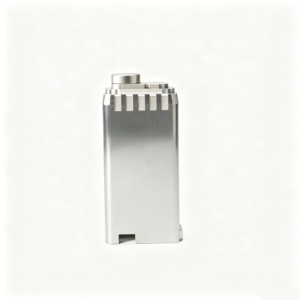
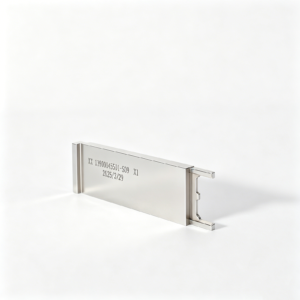
Representative Precision Components and Tooling Work




Related Configurable Component Families and Quotation
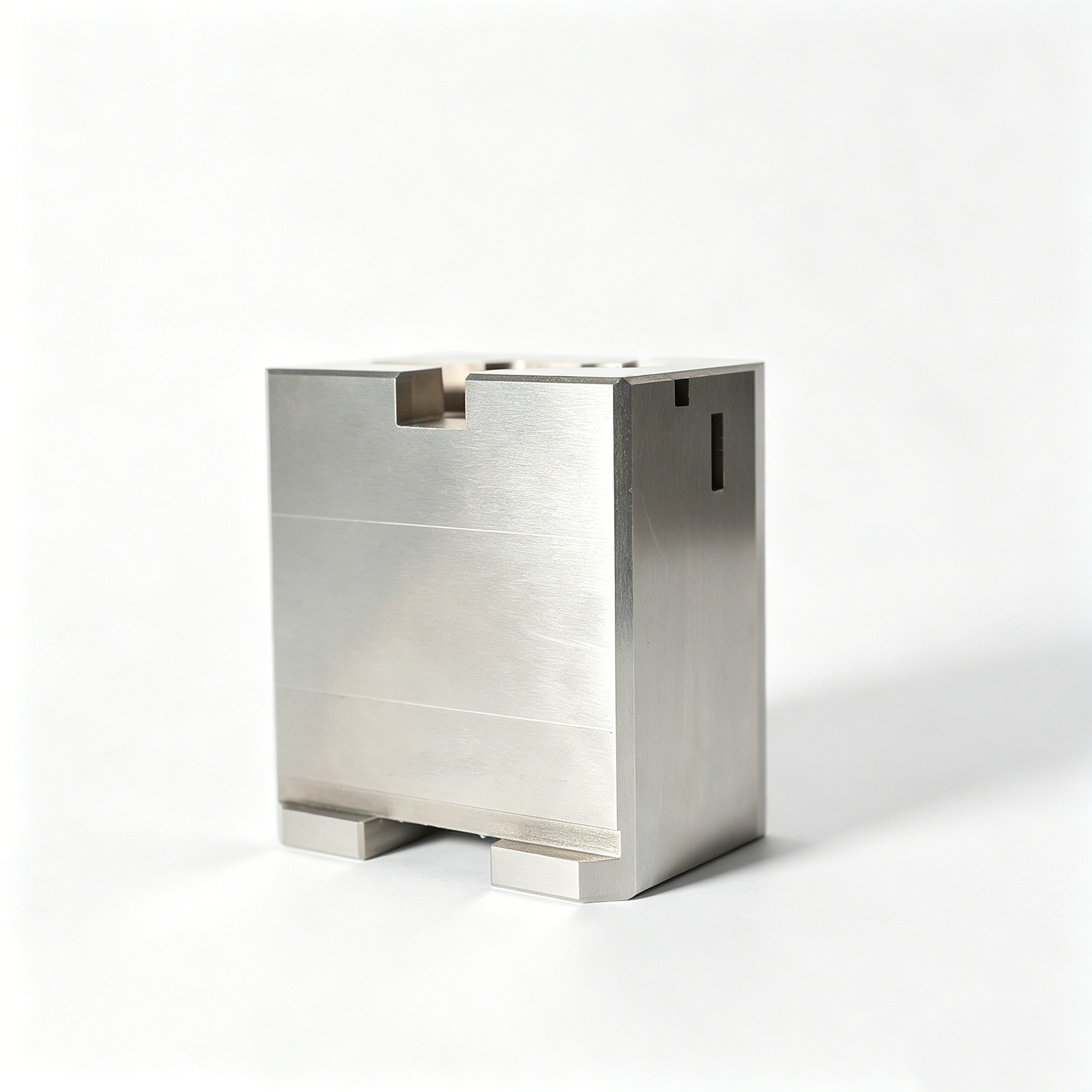
These drawing-based component families are configurable; final geometry, material, process route, inspection scope, and quotation depend on the approved project requirements.





Why Engineering Teams Source CNC Machined Retaining Rings with SUUXIANG
Drawing-led review aligns geometry, process routes, critical features, inspection expectations, and revision control before production commitments.
Drawing-Led DFM
We review geometry, datums, tool access, and tolerances early to identify manufacturability questions before quotation and production planning.
Critical Feature Planning
Critical diameters, grooves, faces, and mating interfaces are discussed against application requirements, datum strategy, and practical machining access.
Process Route Coordination
CNC machining, EDM, grinding, fitting, and finishing are considered as an integrated route based on drawing requirements and material condition.
Inspection Plan Alignment
Inspection methods and reporting needs are defined around critical dimensions, surface requirements, and the documentation expected for the order.
Revision Visibility
Drawing revisions, agreed requirements, and delivery information remain visible through project coordination, helping reduce avoidable interpretation gaps.
RFQ-Ready Communication
Submit drawings, models, material, quantity, quality expectations, and target dates so CNC machined retaining rings can be reviewed with context.
Retaining Rings and Related Precision Component Families
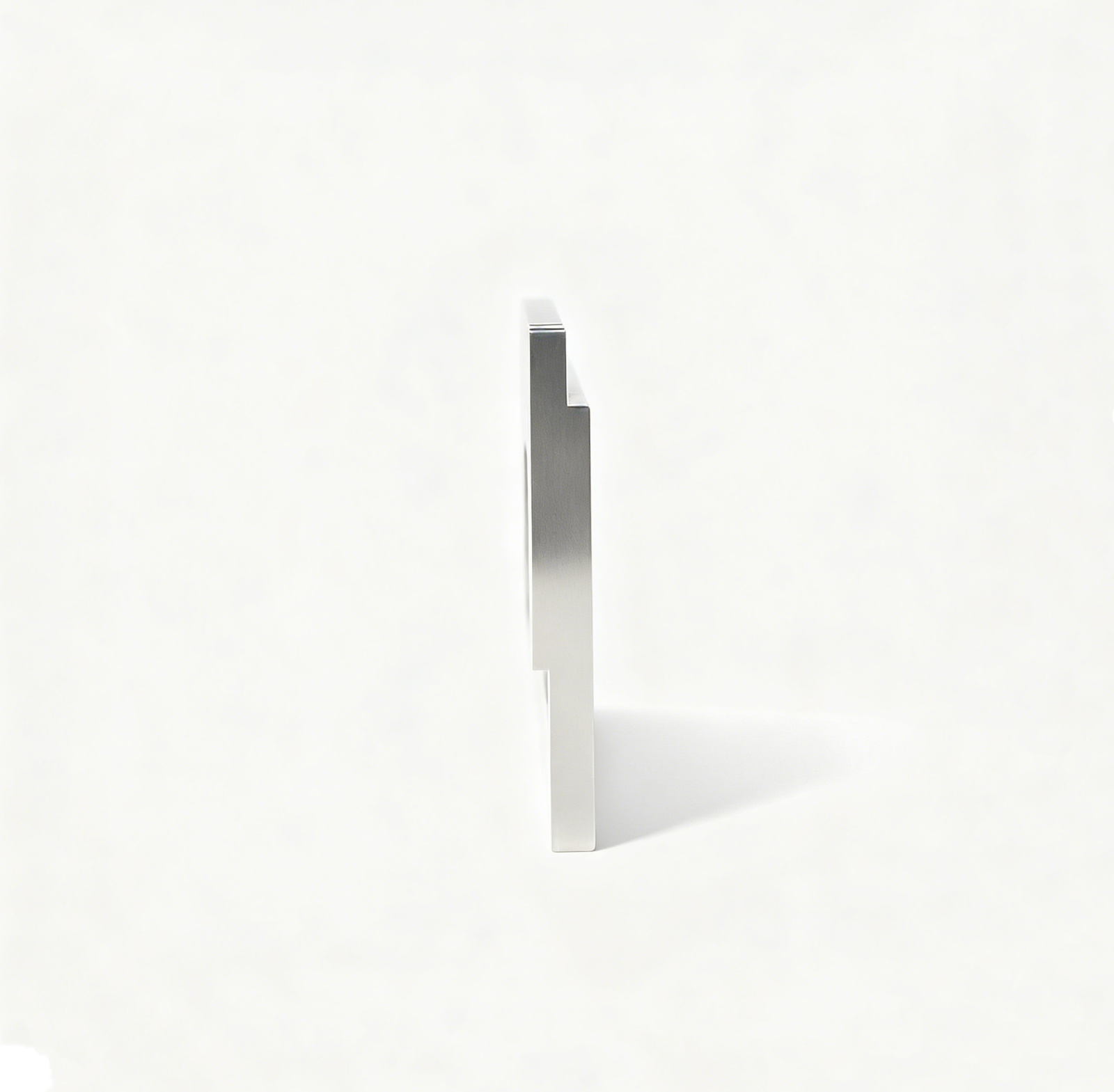
Drawing-driven process routes for retaining rings, tooling components, and supporting parts where geometry, tolerances, material condition, and inspection requirements must align.
CNC Machining Services
Precision CNC machining services for custom retaining rings and related components begin with drawing review, critical dimensions, datum strategy, material requirements, and inspection expectations. Milling, turning, EDM, grinding, and fitting are selected according to the part geometry and verified project needs.
Upload a Drawing
CNC Milling
Custom CNC milling services support retaining-ring features that require flats, slots, pockets, holes, or controlled profiles. Tool access, workholding, burr control, and dimensional relationships are reviewed before machining so the selected route supports the drawing’s functional requirements.
Upload a Drawing
CNC Turning
Precision CNC turning services are suited to ring-shaped parts and rotational features requiring controlled diameters, widths, grooves, bores, and concentricity. The process review considers material condition, section thickness, gripping strategy, and downstream finishing or inspection requirements.
Upload a Drawing
5-Axis Machining
5-axis CNC machining supports retaining-ring and tooling geometries with angled features, compound profiles, and restricted tool access. Multi-axis positioning can reduce setups, but fixture design, cutter reach, tolerance stack, and inspection access must be assessed from the drawing.
Upload a Drawing
Swiss & Micro Machining
Swiss machining and micro machining support small retaining features, pins, sleeves, and connector-related components where diameter control and delicate geometry matter. Feasibility depends on material, feature scale, length-to-diameter ratio, tolerance requirements, and the required inspection method.
Upload a Drawing
Wire & Sinker EDM
Wire EDM services and sinker EDM services address hardened materials, narrow slots, internal profiles, sharp internal geometry, and difficult-to-machine features. Wire path, electrode strategy, recast-layer considerations, finish requirements, and subsequent grinding or fitting are defined during process planning.
Upload a Drawing
Precision Grinding
Precision surface and profile grinding supports flatness, parallelism, profile accuracy, and controlled finishing allowances on retaining-ring and tooling components. Grinding stock, heat-treatment sequence, datum references, and measurement access should be established before final operations.
Upload a Drawing
Mold Core & Cavity Inserts
Precision mold core inserts and mold cavity inserts are produced from drawings and models with attention to shutoff conditions, cooling interfaces, mating relationships, material condition, and finish requirements. CNC, EDM, grinding, fitting, and inspection are combined according to the verified tooling design.
Upload a Drawing
Ejector & Ejection Components
Ejector pins, sleeves, and ejection components require controlled fit, straightness, surface condition, and compatibility with mating plates or inserts. Drawing review should identify running clearances, hardness requirements, lubrication considerations, and any inspection points affecting ejection performance.
Upload a Drawing
Core Pins, Guide & Locating Components
Core pins, guide pins, and locating components are configured around functional datums, mating conditions, wear expectations, and assembly sequence. Material, heat treatment, diameter control, concentricity, and surface requirements are reviewed to support repeatable fit within the tooling assembly.
Upload a Drawing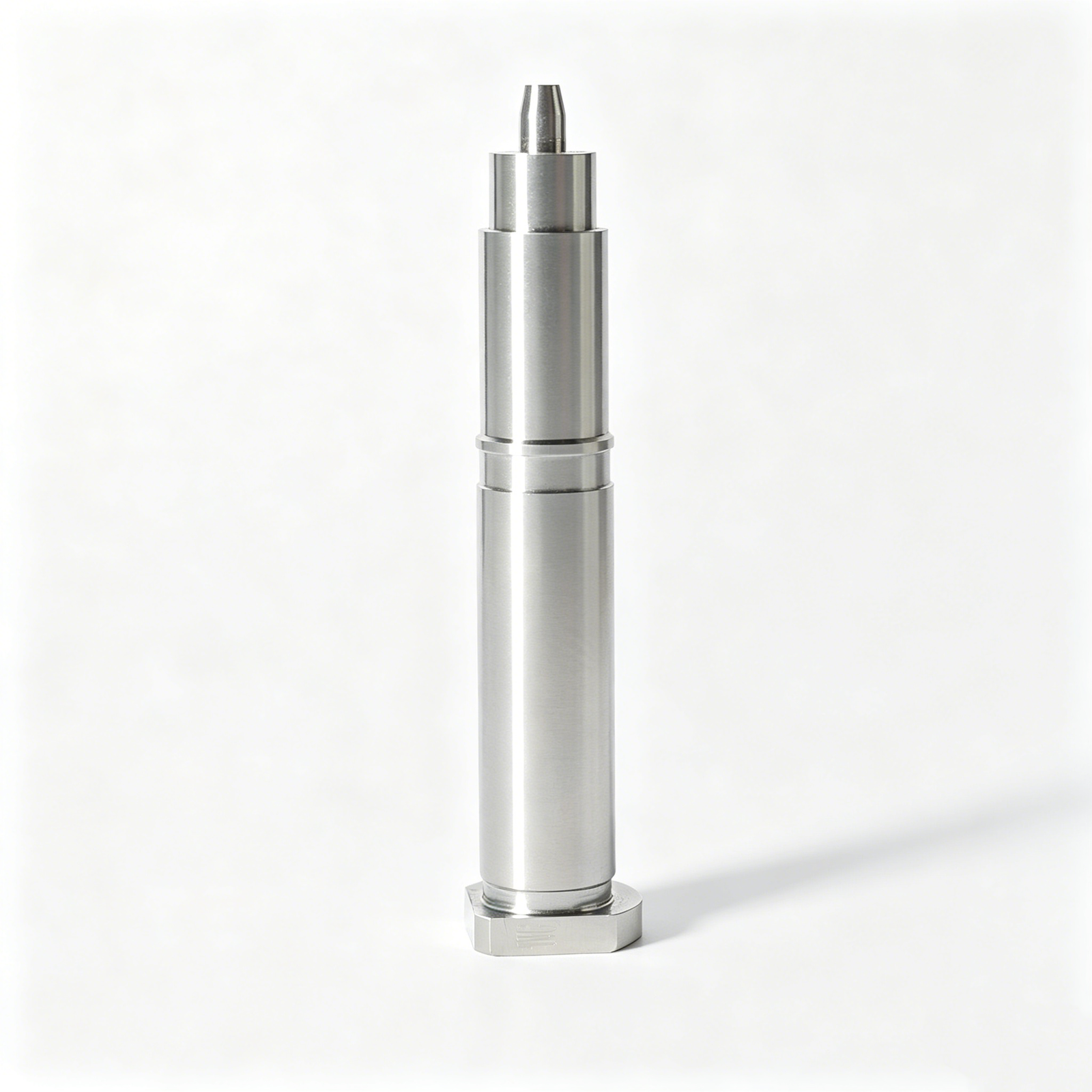
Slides, Lifters, Gates & Mold Accessories
Mold slides, lifters, gates, and accessories are drawing-driven components requiring coordinated travel, shutoff, locating, and wear interfaces. Process planning evaluates tool access, EDM requirements, grinding allowances, assembly references, and the critical dimensions that affect mold function.
Upload a Drawing
Connector Mold Components
Precision connector mold components support fine-pitch, multi-cavity, and mating-sensitive connector tooling. Component planning addresses pin and cavity geometry, locating references, material and heat-treatment requirements, EDM strategy, finishing needs, and inspection criteria tied to the connector design.
Upload a Drawing
Stamping Die Components
Precision stamping die components are manufactured for drawing-defined cutting, forming, guiding, and locating functions. Punch and die relationships, clearance, material condition, heat-treatment sequence, grinding stock, surface requirements, and inspection points are reviewed before production commitments.
Upload a Drawing
Injection, MIM, CIM & Overmolding Tooling
Injection mold components and tooling for MIM, CIM, and overmolding are assessed within SUUXIANG’s verified production scope. The review considers cavity and core geometry, material behavior, gate or flow-related interfaces, ejection, molding conditions, and the component tolerances required by the tooling design.
Upload a Drawing
Machining Materials
CNC machining materials are selected against the drawing, application, mechanical requirements, corrosion environment, heat treatment, and finishing route. Buyers should identify the required grade or approved equivalent, material condition, traceability needs, and any restrictions before quotation.
Upload a Drawing
Surface Finishes & Heat Treatment
Surface finishing and heat treatment are planned around wear, corrosion resistance, friction, appearance, and dimensional stability. Requirements should specify applicable process, target condition, masked or functional surfaces, post-treatment grinding allowance, and any required verification documentation.
Upload a Drawing
Quality, Metrology & Documentation
Precision inspection, metrology, and quality documentation are aligned to the order’s critical dimensions, datums, tolerances, and reporting requirements. A practical plan identifies measurement methods, sampling expectations, revision status, material records where required, and deliverables before production begins.
Upload a Drawing
Prototyping & Low-Volume Production
Rapid prototyping and low-volume manufacturing support evaluation, tooling development, engineering changes, and controlled production quantities. A complete RFQ should provide drawings, models, material, quantity, critical dimensions, finish or heat-treatment requirements, delivery target, and inspection needs.
Upload a DrawingMaterials for CNC Machined Retaining Rings

Stainless Steel
A corrosion-conscious choice for retaining rings used around moisture, cleaning exposure, or exposed assemblies. Grade, hardness condition, groove engagement, and burr-control requirements should be reviewed against the drawing before machining.

Alloy Steel
Often considered where strength, wear resistance, or a heat-treatment route matters in loaded mechanical assemblies. Machining allowance, distortion risk, final hardness, and inspection datums require coordination before the process plan is confirmed.

Carbon Steel
A practical material family for controlled-environment industrial mechanisms and cost-sensitive OEM parts. Surface protection, edge condition, heat-treatment needs, and mating-component compatibility should be defined so the selected route supports functional retention.

Aluminum Alloy
A lightweight option for housings, fixtures, optical assemblies, and nonferrous equipment where mass and corrosion behavior matter. Alloy temper, thread or groove geometry, contact loading, and surface-finish expectations should guide DFM review.

Brass Bronze
Useful for selected electrical, low-friction, or corrosion-sensitive component environments where nonmagnetic behavior may be relevant. The specified alloy, wear interface, deformation risk, and dimensional priorities should be assessed from application evidence.
CNC Machined Retaining Rings: Machining and Finishing Routes

CNC Turning
CNC turning establishes concentric diameters, faces, grooves, and thread-related features on rotational retaining-ring geometries. It supports controlled datum relationships before secondary milling, EDM, or grinding is evaluated for the drawing requirements.

CNC Milling
CNC milling machines flats, tabs, slots, holes, and non-round external details that cannot be produced by turning alone. Tool access, wall geometry, and clamping strategy should be reviewed against critical dimensions and surface requirements.

Wire EDM
Wire EDM cuts precise internal profiles, narrow slots, and hardened-material features where conventional tool access is limited. The wire path, start-hole location, corner condition, and finishing passes are planned against the specified profile and inspection method.
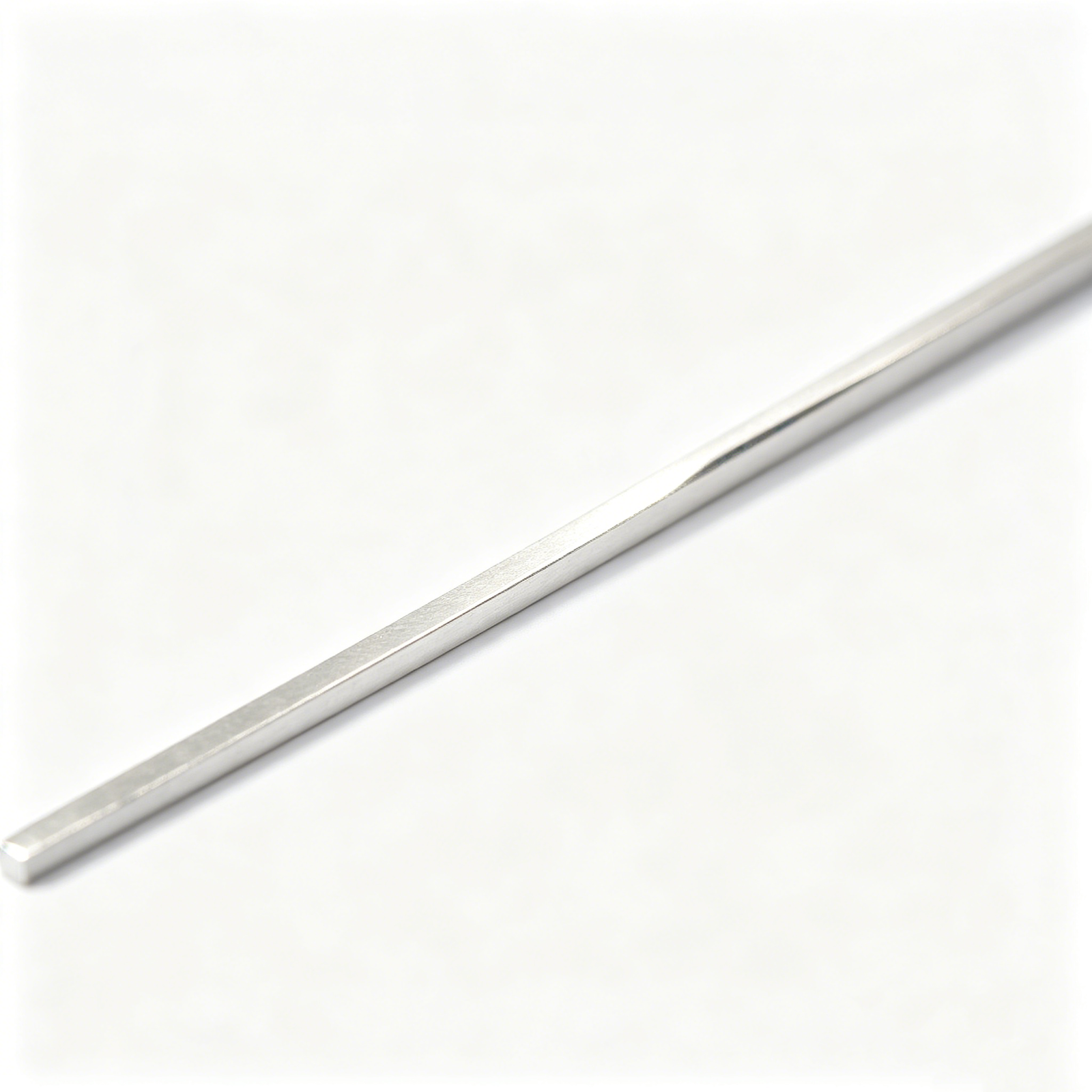
Sinker EDM
Sinker EDM forms localized cavities, sharp internal details, or feature geometry requiring a dedicated electrode approach. Electrode strategy, spark allowance, surface expectations, and downstream finishing are reviewed in relation to the drawing and material condition.

Precision Grinding
Precision grinding refines functional faces, thickness-related dimensions, and selected diameter or contact features after the appropriate machining and heat-treatment sequence. Grinding stock, datum setup, and measurement access require agreement before the route is released.
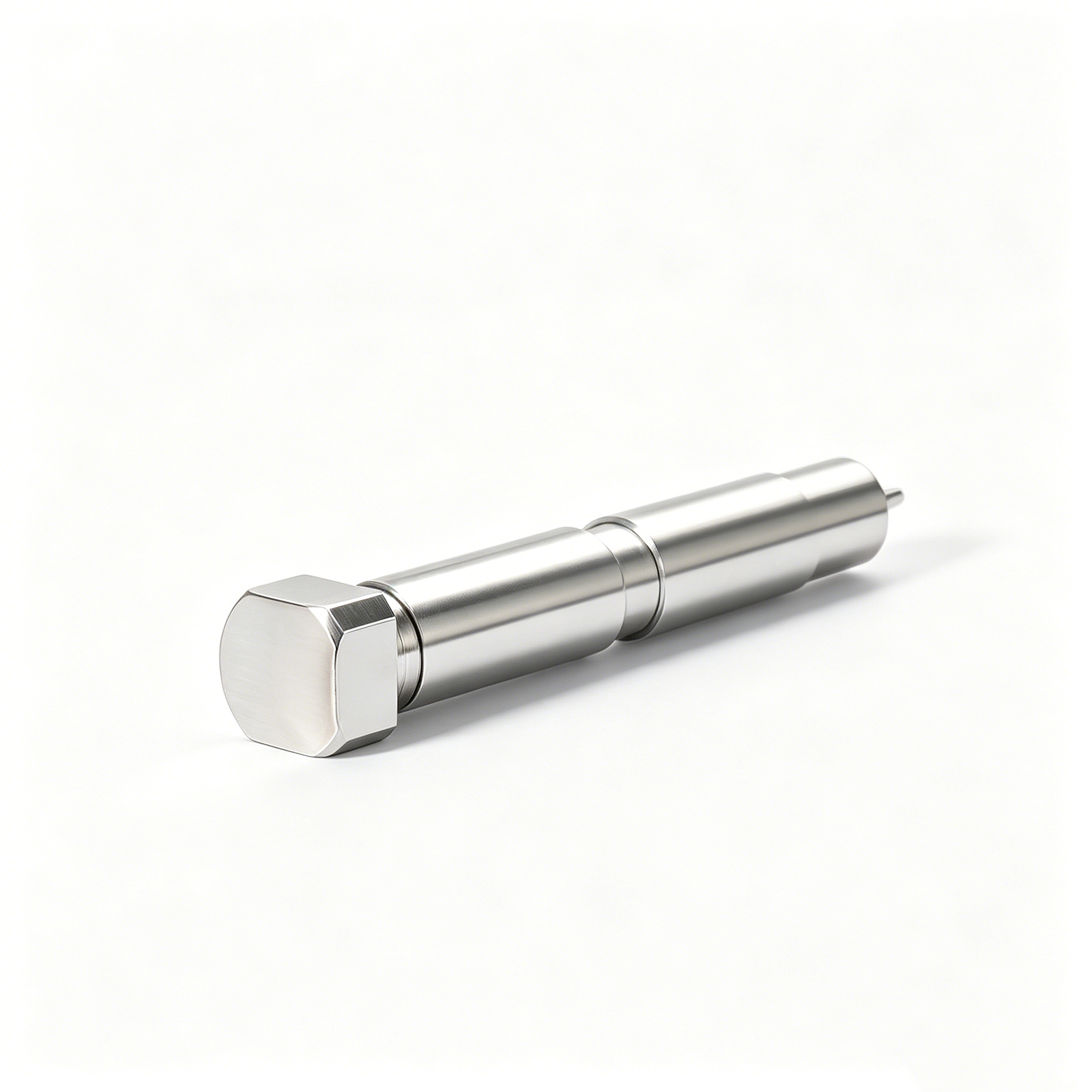
Fitting Inspection
Fitting and inspection verify assembly-relevant relationships, critical dimensions, and agreed reporting requirements before shipment. SUUXIANG aligns the inspection plan with drawing revisions, datum references, and any mating-component context provided with the RFQ.
CNC Machined Retaining Rings: Supporting Features

Retention Grooves
Internal or external groove geometry can be machined to support mating parts, seals or assembly retention. Define datum references, width, depth, edge condition and inspection priorities on the drawing for review.

Functional Threads
Threaded features can add adjustment, fastening or mating capability to a retaining-ring design. Provide thread standard, class, engagement length, runout expectations and any coating or heat-treatment sequence affecting fit.
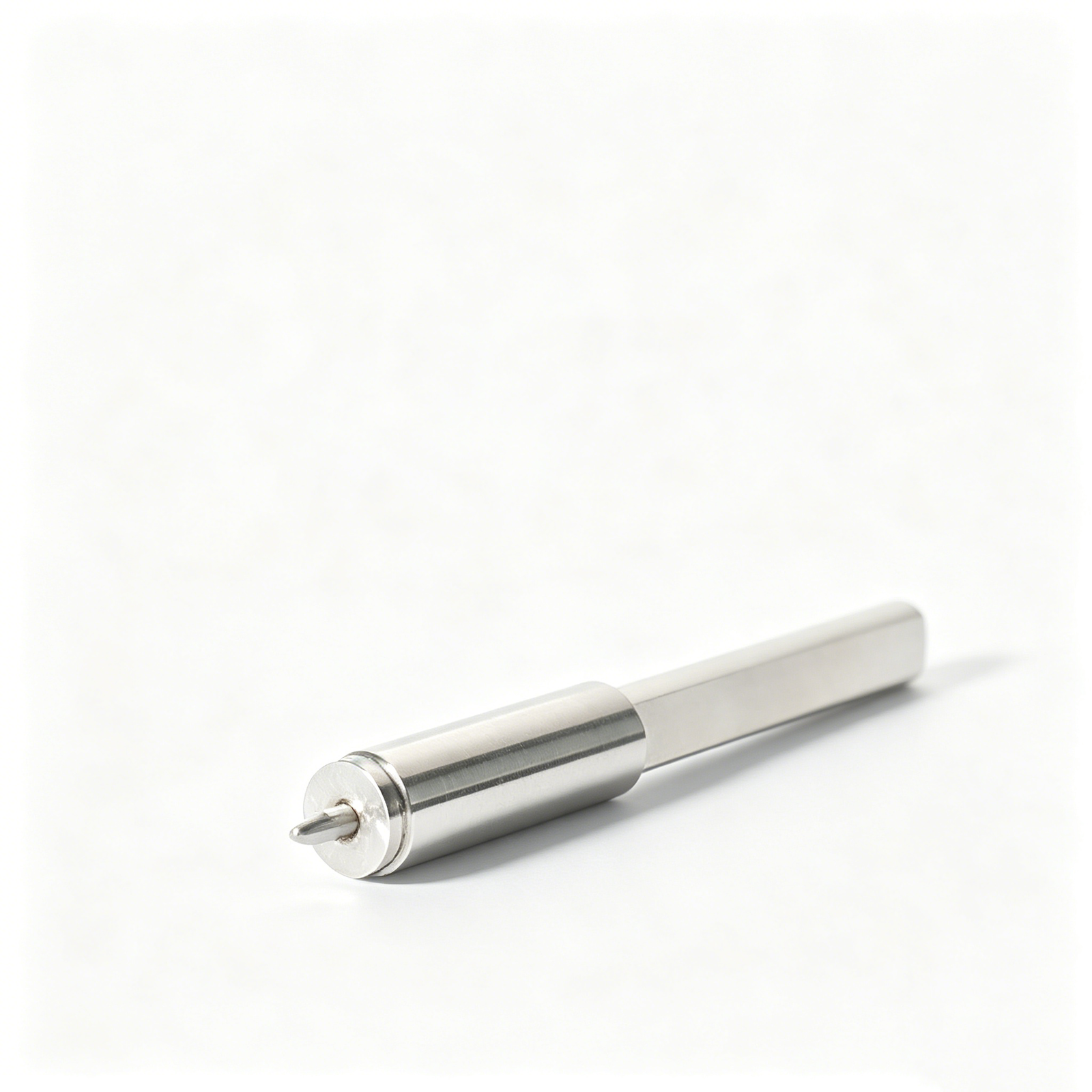
Locating Features
Holes, flats, slots, keys and datum faces help orient the ring during assembly or fixture it for downstream operations. Their position should be controlled from functional datums and reviewed for tool access.

Laser Marking
Part numbers, revision identifiers, lot references or orientation marks may be considered when the drawing and surface condition support marking. Confirm character size, location, contrast expectations and whether marks affect functional surfaces.

Protective Packaging
Packaging can be planned around part geometry, finish sensitivity and transport handling. Identify separation requirements, corrosion protection, quantity per pack and any restrictions that protect critical edges or cosmetic surfaces.
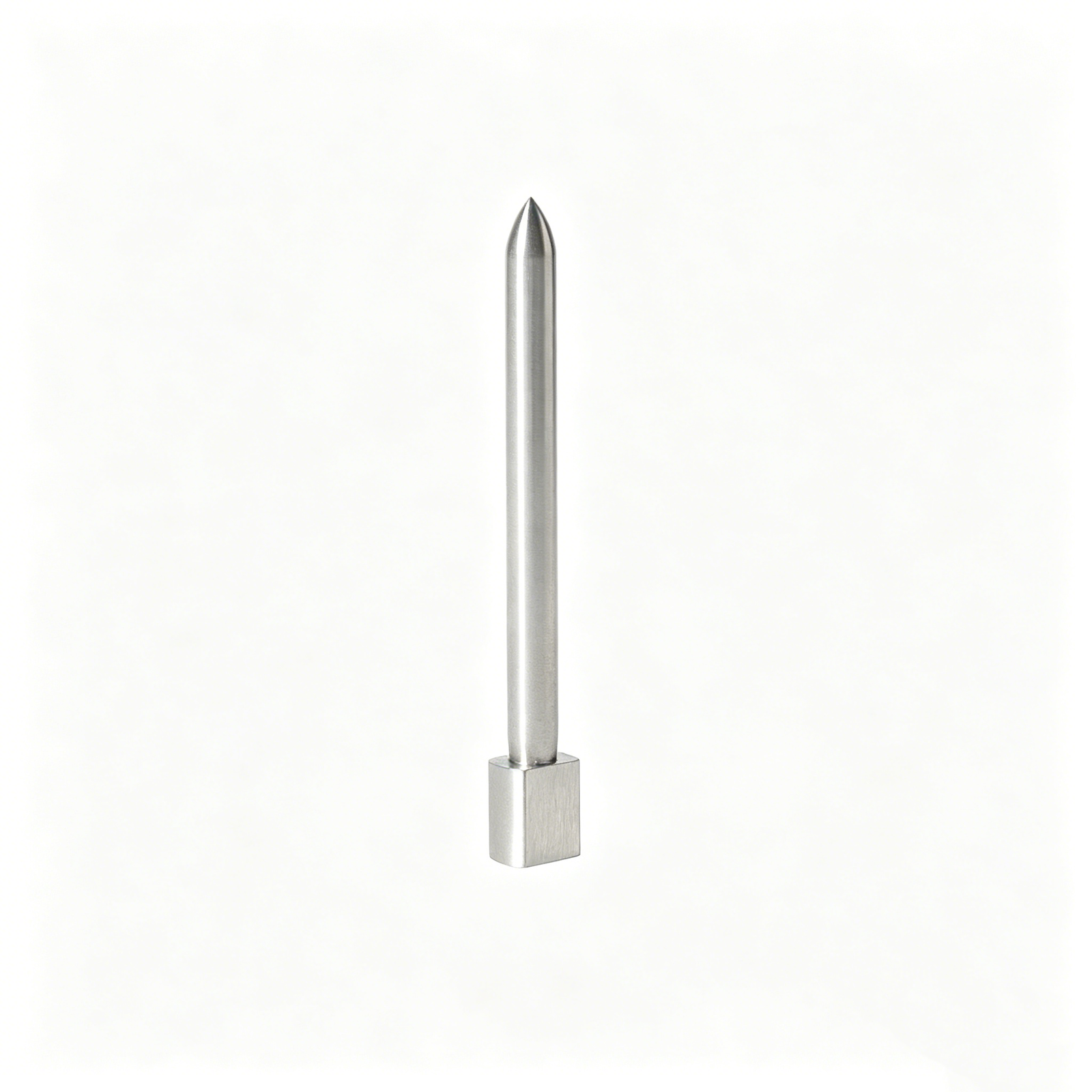
Traceability Labels
Carton, tray or bag labels can carry the agreed part number, revision, quantity and lot information. Align label content with the purchase order, inspection plan and receiving process before production release.
About SUUXIANG’s Drawing-Driven Manufacturing
SUUXIANG is the sole public-facing brand of Dongguan SuuXiang Precision Mold Co., Ltd., established in 2010 in Chang’an Town, Dongguan, Guangdong, China. Founder and legal representative XiaoCheng Huang leads the company. We help international engineering and sourcing teams translate drawings and specifications into inspected custom machined parts, including CNC machined retaining rings, precision mold components, connector tooling, and stamping-die components.
Our work begins with disciplined drawing review and DFM discussion. Before quotation or production commitments, we examine critical dimensions, datums, tolerance stack, material and heat-treatment requirements, machining access, surface priorities, and inspection expectations so the proposed process route reflects the actual application.
SUUXIANG coordinates CNC milling and turning, multi-axis machining, EDM, precision grinding, fitting, and inspection as appropriate to the verified project scope. What differentiates our approach is visible revision control, practical manufacturing communication, and inspection planning aligned with the order rather than generic capability claims.
Engineering Review for CNC Machined Retaining Rings
DFM and Datum Review
Before quotation, SUUXIANG reviews cnc machined retaining rings against the drawing’s functional datums, mating features, tolerance stack, tool access, and surface requirements. This identifies manufacturability questions early and aligns the production route with the dimensions that control assembly performance.
- Confirm functional datums and critical-to-quality dimensions
- Review groove, shoulder, bore, and feature accessibility
- Identify tolerance-stack risks with mating components
- Clarify revision, material, and surface requirements

CNC or EDM Selection
Process selection depends on geometry, material condition, internal detail, corner definition, and tolerance requirements. SUUXIANG evaluates whether CNC milling or turning provides suitable access, and whether wire EDM or sinker EDM is appropriate for features that require a controlled electrical-discharge route.
- Match machine access to ring geometry and setup strategy
- Assess wire paths for narrow or enclosed profiles
- Plan electrodes where sinker EDM is justified
- Consider heat-treatment sequence before final machining

Grinding Stock Strategy
Where flatness, parallelism, bearing surfaces, or controlled thickness are critical, grinding should be planned as part of the process route rather than added after machining. SUUXIANG reviews machining allowance, heat-treatment movement, datum protection, and final surface requirements before committing the sequence.
- Reserve appropriate stock for finish grinding
- Protect reference surfaces through each operation
- Account for distortion after heat treatment
- Define final grinding targets from functional requirements

Inspection Plan Alignment
Inspection planning for cnc machined retaining rings begins with the approved drawing and its critical features. SUUXIANG aligns measurement methods, reporting expectations, material documentation, and revision status with the order so delivered records correspond to the agreed inspection plan and part configuration.
- Identify dimensions requiring recorded verification
- Select practical measurement methods by feature
- Align inspection reports with the purchase order
- Maintain traceable revision and delivery information

Why Choose SUUXIANG for CNC Machined Retaining Rings
A sourcing comparison focused on the project controls buyers should request before production commitments.
← Swipe left or right to view →
CNC Machined Retaining Rings: From Drawing to Inspection
A drawing-led workflow that keeps critical dimensions, process decisions, inspection expectations, and delivery coordination visible before production proceeds.
Review RFQ Inputs
We review the 2D drawing, model, material, quantity, application context, delivery target, and requested documentation to define the project discussion.
Confirm DFM Priorities
Critical dimensions, datums, tolerance stack, surface requirements, tool access, and heat-treatment sequence are reviewed before quotation and production commitments.
Plan Process Route
The team selects the appropriate CNC machining route and identifies where EDM, grinding, fitting, or controlled finishing may support the specified features.
Machine Critical Features
Production follows the approved drawing revision, with machining allowances, electrode strategy, wire paths, and grinding stock managed according to the component requirements.
Inspect Pack Coordinate
Completed parts are inspected against the agreed plan, then packed with relevant documentation and coordinated for delivery using the confirmed order requirements.
How to Source CNC Machined Retaining Rings
Move from drawing review to inspected production with a clear, drawing-driven process for custom retaining ring requirements.
Submit Your Drawing Package
Send the 2D drawing, 3D model when available, quantity, application context, target delivery date, and any mating-component information relevant to the retaining ring design.
Confirm Critical Requirements
Identify material, heat treatment, surface requirements, critical dimensions, datums, tolerance priorities, inspection needs, and revision status before SUUXIANG evaluates the manufacturing route.
Review DFM and Quotation
Review the proposed process, including machining access, workholding, finishing considerations, inspection approach, commercial quotation, and sampling requirements before production commitments are made.
Coordinate Production and Inspection
Confirm the approved revision and delivery plan while CNC machining, any required secondary processes, and final inspection are coordinated against the verified order requirements.
CNC Machined Retaining Rings: Certification and Quality Documentation Review
Customer Project Feedback and Application Outcomes
[PLACEHOLDER] Present three approved customer testimonials or cases only when verified, focusing on measurable outcomes such as revision clarity, inspecti
The Complete Buyer’s Guide to CNC Machined Retaining Rings
Practical answers for drawing-driven sourcing, from RFQ preparation through inspection and delivery coordination.
What is the minimum order quantity for cnc machined retaining rings?
What files do you need to quote cnc machined retaining rings?
Can you provide prototype samples of cnc machined retaining rings before production?
How should I plan lead time for a custom retaining ring order?
Can SUUXIANG work with specified materials and heat treatments?
What inspection reports can be supplied with cnc machined retaining rings?
How are cnc machined retaining rings shipped internationally?
How do you protect drawings and intellectual property during an RFQ?
The Complete Buyer’s Guide to cnc machined retaining rings
Use this decision framework to specify fit, material, tolerances, and inspection needs, evaluate drawing-based CNC suppliers, compare cost drivers, and avoid sourcing mistakes that delay tooling, prototypes, and production programs.
1. What Are cnc machined retaining rings?
360-degree cnc machined retaining rings are drawing-based precision components that hold, locate, preload, shield, or provide an interface around an adjacent part. Their geometry may include shoulders, threads, holes, flats, reliefs, controlled wall sections, or datum-related features beyond a simple groove retainer.
2 common alternatives are stamped or wire-formed rings, including catalog snap rings, which are efficient when their standard cross-section, groove relationship, and load function fit the assembly. A machined ring is not automatically superior; it is selected when the drawing requires features or dimensional relationships those formed parts cannot economically provide.
1 practical decision test is whether custom geometry, tighter concentricity or runout control, a specified surface condition, special material state, or a low prototype quantity is critical to function. Buyers should define the mating components, datums, retention direction, critical dimensions, finish, quantity, and inspection need before requesting a process route.
2. Why cnc machined retaining rings Evolved
Two broad retention choices remain common: standardized spring rings for conventional grooves, and machined rings when the surrounding assembly defines the geometry. cnc machined retaining rings became relevant where packaging leaves insufficient room for standard ears, section profiles, or installation clearances.
Three feature groups often drive the change: nonstandard groove engagement, functional additions, and visible external surfaces. Threads, spanner holes, wrench flats, anti-rotation details, or controlled cosmetic faces can consolidate functions that would otherwise require separate retainers or secondary components.
One-off prototypes through low-volume programs can also favor machining because dimensions may change with mating parts, tolerance-stack findings, or assembly trials. The selection should begin with the drawing’s datum scheme, groove geometry, load path, installation method, surface requirement, and inspection plan—not with the assumption that a catalog ring will fit.
3. Types of cnc machined retaining rings
Two retention layouts dominate: internal rings locate in a bore, while external rings locate on a shaft. Drawing the mating groove, datum, and assembly direction is more useful than naming the ring alone.
| Geometry | Functional Role | Interface Features | Drawing Must Define |
|---|---|---|---|
| Internal | Retains in bore | Groove, shoulder | Bore and groove dimensions |
| External | Retains on shaft | Shaft groove | Shaft and groove dimensions |
| Threaded lock | Clamps mating part | Thread, face | Thread and engagement |
| Split or slotted | Allows radial compliance | Gap, slot | Free and installed condition |
| Flanged | Adds axial bearing | Flange face | Face runout and seat |
| Spanner-drive | Enables installation | Holes or notches | Tool geometry and access |
| Profiled | Matches application contour | Reliefs, clocking | Section view and datums |
Retention Ring Interfaces
Internal and external forms transfer axial load through a groove shoulder. Specify groove diameter, width, corner condition, ring section, free state, installed state, and axial loading direction.
Locking And Drive Forms
Threaded lock rings secure against a mating thread; spanner-drive versions add holes, slots, or notches for installation. Call out thread designation, handedness, engagement length, drive geometry, tool clearance, and tightening direction.
Split Flanged And Profiled Rings
Split or slotted rings provide controlled radial compliance, and flanged rings add a locating face or greater bearing area. Profiled rings require a section view defining radii, reliefs, mating contours, and any clocking feature.
4. Materials for cnc machined retaining rings
Two material questions govern retaining-ring performance: what the ring sees, and what it contacts. The drawing must define grade, temper or heat-treatment condition, and required material certification.
| Material Family | Primary Advantage | Key Risk |
|---|---|---|
| Aluminum alloys | Low weight; good machinability | Lower wear resistance |
| Stainless steels | Corrosion resistance | Galling risk |
| Carbon/alloy steels | Strength and wear potential | Corrosion protection needed |
| Brass | Conductivity; machinability | Lower strength |
| Bronze | Bearing compatibility | Grade-dependent machinability |
| Engineering plastics | Low scratching; insulation | Creep and temperature limits |
Match The Service Environment
Stainless steel suits corrosion exposure; carbon or alloy steel suits higher strength and wear after an appropriate heat-treatment route.
Aluminum reduces mass, while brass or bronze can address conductivity or bearing contact when the mating design supports it.
Protect The Mating Parts
Hardness differences affect fretting, galling, and groove damage. Evaluate ring material against the shaft or housing finish, lubrication, assembly method, and expected removal cycles.
Engineering plastics can reduce scratching and electrical conduction, but temperature, creep, chemical exposure, and dimensional stability require application-specific review.
Specify Purchasable Material
A material name alone is insufficient for an RFQ. State the exact grade, product form, temper or condition, heat-treatment requirement, finish compatibility, and certification standard.
A traceable certificate request should identify the order lot and drawing revision. This prevents substituting a similar alloy with different corrosion, hardness, or machinability behavior.
5. Custom Features and Surface Finishes
Two interface decisions govern a custom ring: the mating groove and installation method. Specify ID, OD, section, groove datum, thread class, holes, slots, spanner features, chamfers, and radii on the controlled drawing.
| Finish | Corrosion | Appearance | Dimensional Impact |
|---|---|---|---|
| Anodizing | Good | Colored oxide | Thickness changes fit |
| Passivation | Improves stainless | Natural | Minimal dimensional change |
| Plating | Material-dependent | Metallic | Thickness needs allowance |
| Black oxide | Limited without oil | Black | Small coating buildup |
| Bead blasting | No inherent protection | Matte | May soften edges |
| Polishing | No inherent protection | Bright | Can round edges |
Functional Feature Definition
3D models define geometry, but the 2D drawing must identify datums and critical interfaces. Add laser marking or traceability marks only on noncontact areas; define character height, location, and permitted depth.
Finish And Tolerance Control
6 finish families affect fit differently. Anodizing, plating, and black oxide require a stated post-finish size or masking plan; passivation, bead blasting, and polishing can also alter edge condition and surface texture.
6. Construction and Quality Requirements
Two diameters usually control retention: the ring’s locating diameter and the mating groove diameter. Their relationship must be defined with the assembly datum scheme, not isolated size limits.
Datums And GD&T
Datum A commonly establishes the seating face; datum B locates the bore or outside diameter. Apply position, concentricity where justified, flatness, and face runout to functional features rather than every surface.
Edges And Surface
A 0.05 mm edge break may be functionally significant on a small ring, but the drawing should state its permitted form. Specify burr direction, deburring limits, thread class where applicable, and roughness on seating or sliding faces.
Assembly Verification
100% inspection is appropriate only for characteristics identified as critical by the drawing or control plan. Use calibrated functional gauges to confirm groove engagement and mating fit; request sample quantities, measurement results, datum references, and revision-controlled inspection reports.
7. How to Choose a CNC Manufacturer
Two comparable quotations start with the same controlled RFQ package, not a part photograph or nominal diameter alone. Evaluate the manufacturer’s response quality before comparing unit prices for cnc machined retaining rings.
Review DFM Responsiveness
Before award, require a drawing-review response identifying datums, tool access, burr-control method, and the proposed machining and finishing sequence. The supplier should resolve unclear tolerances or surface requirements before route release.
Verify Production Evidence
One material lot should be traceable to the ordered specification where the application requires it. Request the inspection plan, measurement methods, prototype approach, sample communication cadence, packaging proposal, and revision-change procedure.
Standardize The RFQ
Each bidder should receive identical technical and commercial inputs so assumptions remain visible. Ask for exclusions, lead-time basis, inspection documentation, and delivery terms in the quotation.
- 2D drawing with datums and critical dimensions
- 3D model, quantity, material, and finish requirement
- Target destination and required packaging protection
- Prototype, reporting, and revision-control expectations
8. Common Retaining Ring Sourcing Mistakes
Three drawing-review errors repeatedly turn a straightforward custom ring into a quality escape: catalog assumptions, incomplete interface data, and requirements that cannot be verified. Resolve them before quotation so process planning, inspection, and supplier comparisons use the same basis.
Catalog Assumptions
1. Do not source a drawing-based ring as though it were a catalog snap ring; custom geometry, tool access, and loading conditions may differ. Provide the mating shaft or bore, groove profile, assembly direction, and functional clearance.
2. This correction reduces fit-up disputes, redesign loops, and acceptance of a dimensionally compliant part that cannot assemble.
Undefined Requirements
3. Avoid tolerancing every feature tightly while leaving material condition, hardness, finish, and coating undefined. Identify critical dimensions and datums, then state material state and finish requirements.
4. Include coating thickness or buildup in the interface stack. This reduces unnecessary cost, coating-related interference, and inconsistent corrosion or wear performance.
Unverifiable Approval
5. Do not apply GD&T without a functional datum scheme or inspection method. Define measurable datums, gage access, reporting requirements, and any agreed measurement approach before release.
6. Do not approve a first article on dimensions alone; check installation, retention, mating clearance, and service loading in the intended assembly. This reduces late escapes, rework, and supplier-quality disagreement.
9. Launching a Custom Ring Program
At Gate 1, a custom ring program converts the released drawing into a controlled manufacturing plan. Each gate should have an owner, acceptance evidence, and an explicit decision to proceed, revise, or stop.
Drawing And DFM Gate
Gate 1 freezes the 2D drawing, 3D model, revision, material, critical dimensions, datum scheme, and mating-part context.
SUUXIANG returns quote assumptions and DFM feedback covering tool access, tolerances, heat-treatment sequence, machining allowance, and inspection method before purchase release.
Prototype And First Article
One prototype lot verifies fit, function, burr condition, surface requirement, and measurement approach against the released revision.
FAI approval should link sample measurements, material records when specified, photos where useful, nonconformance disposition, and the inspection report to the same revision.
Pilot And Repeat Production
A pilot build confirms process stability, packaging protection, lot identification, and the delivery handoff before repeat production.
Revision 02 must not enter production until engineering, quality, and procurement share the updated drawing, effectivity point, inspection changes, and disposition of existing stock.
- Engineering owns design release and technical decisions
- Quality approves verification evidence and deviations
- Procurement confirms quantities, delivery, and packaging requirements
10. cnc machined retaining rings Pricing
Two cost forces dominate a drawing-based ring quotation: fixed setup and variable production effort. Programming, workholding, first-article verification, material, geometry, secondary operations, finish, and the specified inspection record must be evaluated against the approved drawing.
One RFQ should state quantity, material and condition, critical dimensions and datums, surface requirements, mating context, revision, target date, and reporting needs. For cnc machined retaining rings, SUUXIANG should confirm the feasible route and documented requirements before issuing pricing; a published unit price would not be reliable.
| Cost driver | Lower-cost direction | Higher-cost direction | Lead-time direction |
|---|---|---|---|
| Quantity tier | Repeat quantity amortizes setup | Prototype or small batch | Shorter with released repeat work |
| Geometry and material | Simple access; common specified stock | Thin sections, tight features, difficult stock | Longer when routing needs review |
| Secondary work | Machined condition; standard check | EDM, grinding, heat treatment, finish | Adds operations and coordination |
| Inspection level | Agreed dimensional checks | First article, full records, special gauges | Adds planning and verification time |
Upload Your CNC Machined Retaining Rings Drawing
Send your drawing or model, material, quantity, critical dimensions, quality requirements, and target date for a disciplined manufacturability review.