
Mold Tunnel Gate Inserts, Built From Your Drawing
SUUXIANG reviews mold tunnel gate inserts for critical dimensions, machining access, EDM strategy, and inspection requirements before production.
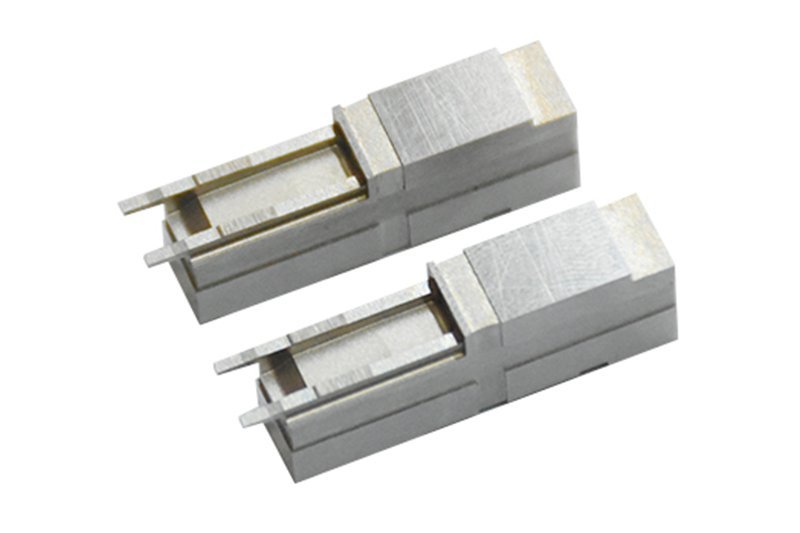
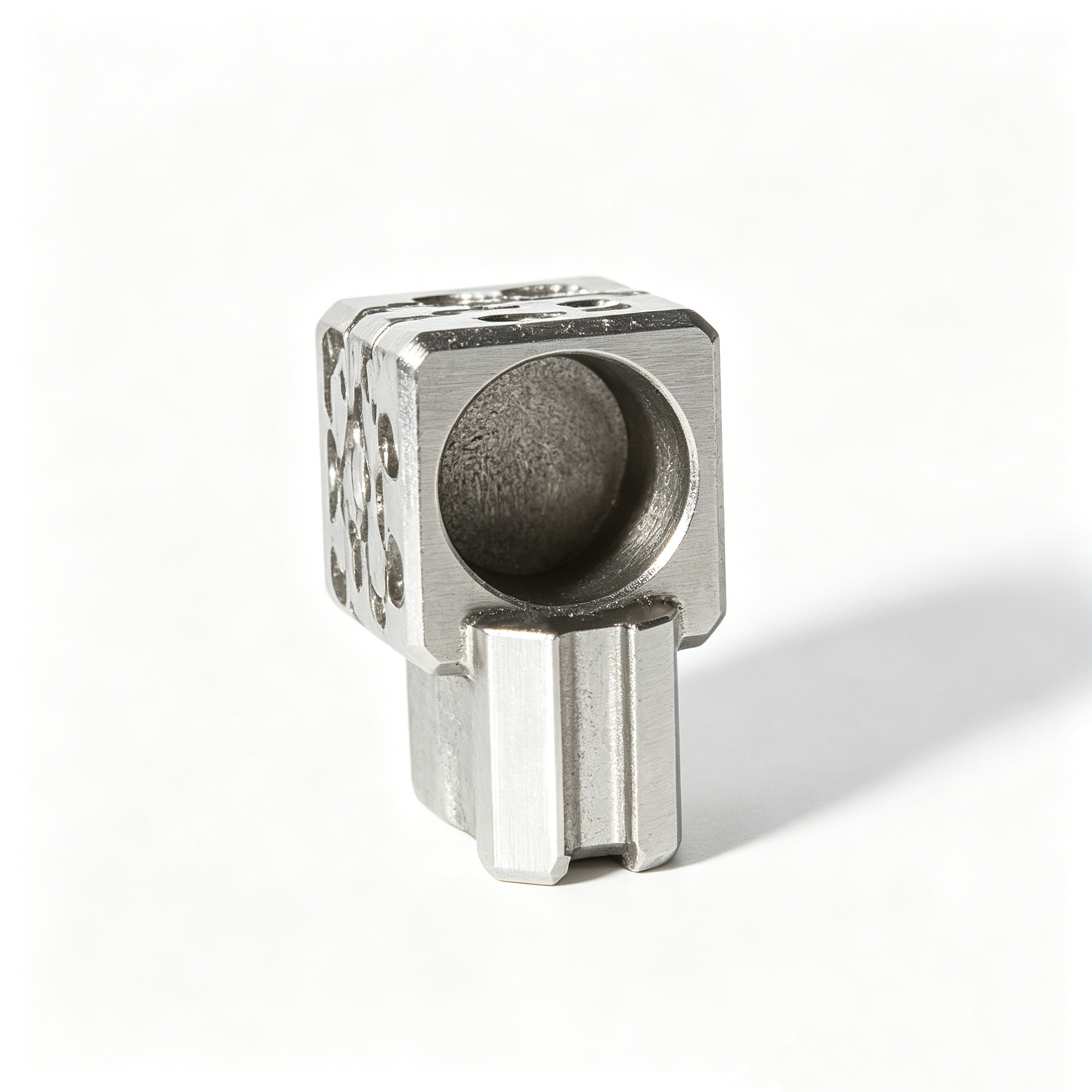
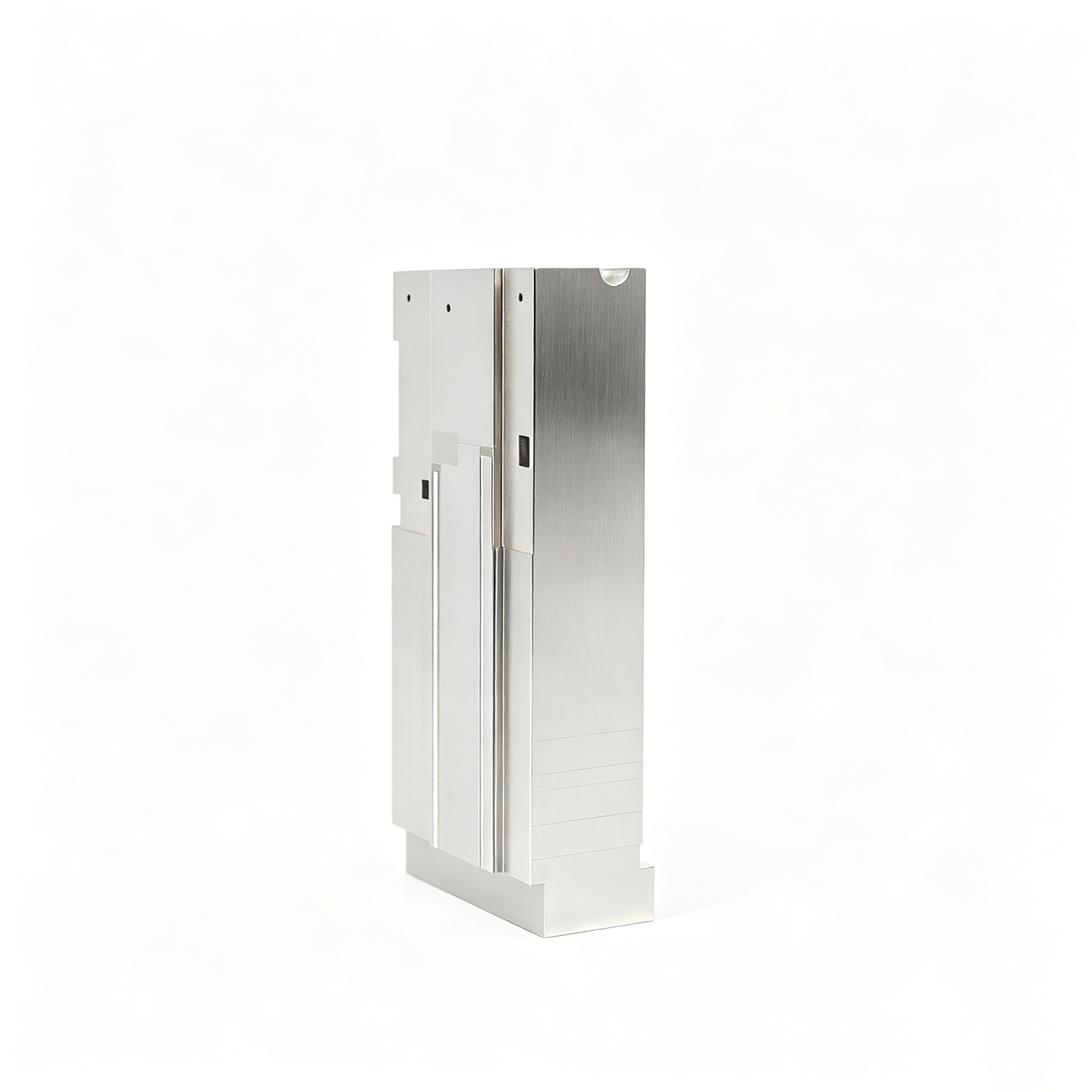
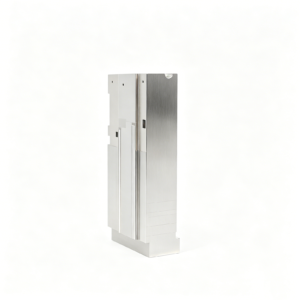
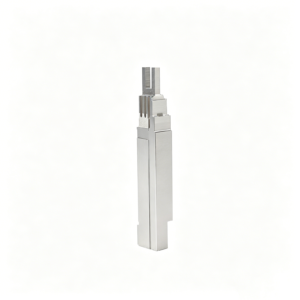
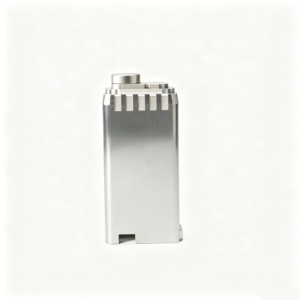
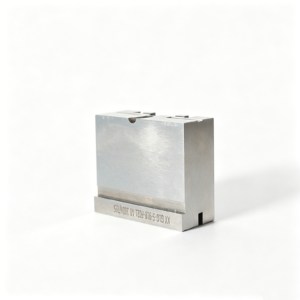
Representative Mold Tunnel Gate Insert Components




Related Product Catalogue and Quotation





Why Source Mold Tunnel Gate Inserts Through SUUXIANG
Engineering decisions stay anchored to drawing requirements, critical dimensions, process access, inspection evidence, and controlled revisions.
DFM Before Quotation
We review gate geometry, mold interface, tool access, and manufacturing risks before aligning the quotation with your drawing requirements.
Critical Dimension Focus
Discuss datums, tolerance stacks, surface priorities, and functional interfaces early so machining and inspection plans address the dimensions that matter.
Process Route Planning
CNC machining, EDM, grinding, fitting, and finishing are evaluated as a coordinated route based on geometry, material, and quality expectations.
Revision-Controlled Communication
Drawing updates, clarification points, and production information remain visible, helping teams prevent outdated requirements from reaching the manufacturing floor.
Inspection Plan Alignment
Inspection methods and reporting needs are defined against the order, supporting traceable evidence for agreed critical features and acceptance criteria.
Technical RFQ Dialogue
Send drawings, models, material, quantity, delivery targets, and mating context for a focused discussion of mold tunnel gate inserts.
Tunnel Gate Tooling and Precision Component Families
Configure the process route and component family around gate geometry, critical dimensions, material condition, inspection requirements, and the intended molding or assembly outcome.
CNC Machining Services
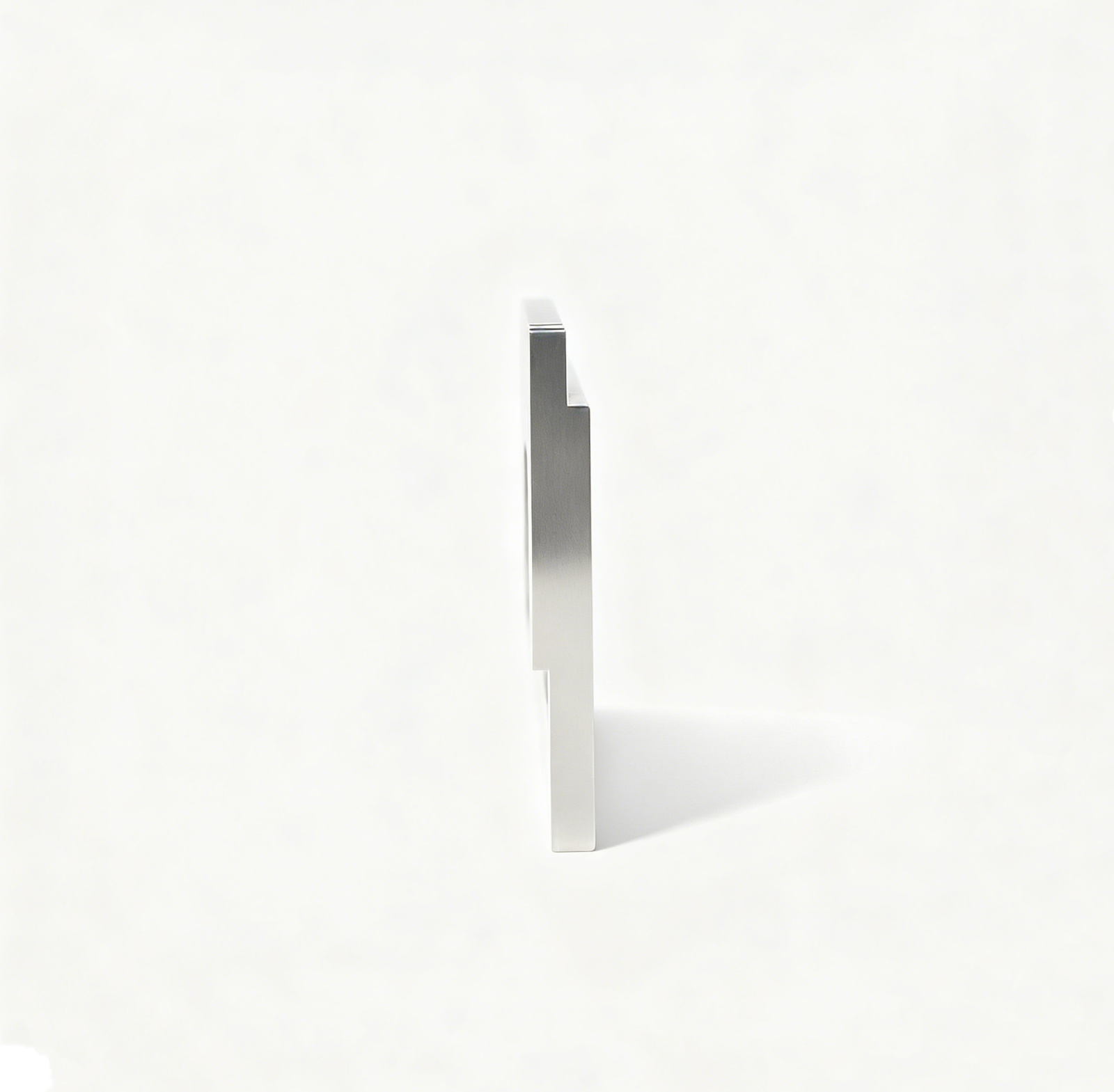
Precision CNC machining services for drawing-based tunnel-gate inserts and supporting mold components. Process planning considers material condition, datum structure, tool access, critical dimensions, machining allowance, and inspection requirements before production commitments are made.
Upload a Drawing
CNC Milling
Custom CNC milling services for inserts, gate features, pockets, runners, and mold plates. The machining route is reviewed against cutter access, corner geometry, wall stability, remaining stock for EDM or grinding, and specified surface requirements.
Upload a Drawing
CNC Turning
Precision CNC turning services for cylindrical mold details such as pins, sleeves, bushings, and locating features. Quotations should identify diameters, concentricity requirements, datum references, material and heat-treatment condition, and any downstream grinding or EDM work.
Upload a Drawing
5-Axis Machining
5-axis CNC machining supports complex insert geometry where multi-face access, angled features, or reduced setups affect accuracy and lead time. A drawing review should confirm clamping strategy, cutter reach, datum transfer, stock condition, and inspection access.
Upload a Drawing
Swiss & Micro Machining
Swiss machining and micro machining are relevant for small, slender, or detail-intensive components such as fine pins and connector tooling elements. The process route depends on feature size, length-to-diameter ratio, tolerances, material behavior, and measurement method.
Upload a Drawing
Wire EDM Services & Sinker EDM Services
Wire EDM and sinker EDM services address narrow slots, sharp internal features, hardened materials, and difficult-to-machine gate geometry. Electrode strategy, wire path, flushing access, recast-layer considerations, and finishing requirements should be defined during review.
Upload a Drawing
Precision Grinding
Precision surface and profile grinding establishes controlled flatness, parallelism, profile form, and finished dimensions on mold components. Grinding stock, heat-treatment sequence, datum strategy, wheel access, and inspection method should be agreed before machining begins.
Upload a Drawing
Mold Core & Cavity Inserts
Precision mold core and cavity inserts are configured from part geometry, resin behavior, gate placement, cooling constraints, and wear requirements. Critical interfaces, shutoffs, material condition, EDM details, and inspection points require drawing-based review.
Upload a Drawing
Ejector & Ejection Components
Ejector pins, sleeves, and ejection components are evaluated for fit, guidance, stroke-related wear, surface condition, and mating relationships. Drawings should identify critical diameters, clearance expectations, material and heat treatment, and any polishing or grinding needs.
Upload a Drawing
Core Pins, Guide & Locating Components
Core pins, guide pins, and locating components establish repeatable alignment and molded-feature accuracy. Requirements should define the functional datum, fit condition, concentricity or positional controls, material state, surface finish, and mating-component context.
Upload a Drawing
Slides, Lifters, Gates & Mold Accessories
Mold slides, lifters, gates, and accessories support part release, undercut management, flow control, and tool assembly. Manufacturing planning considers travel interfaces, shutoff geometry, gate shape, lubrication or wear conditions, and the dimensions that affect tool function.
Upload a Drawing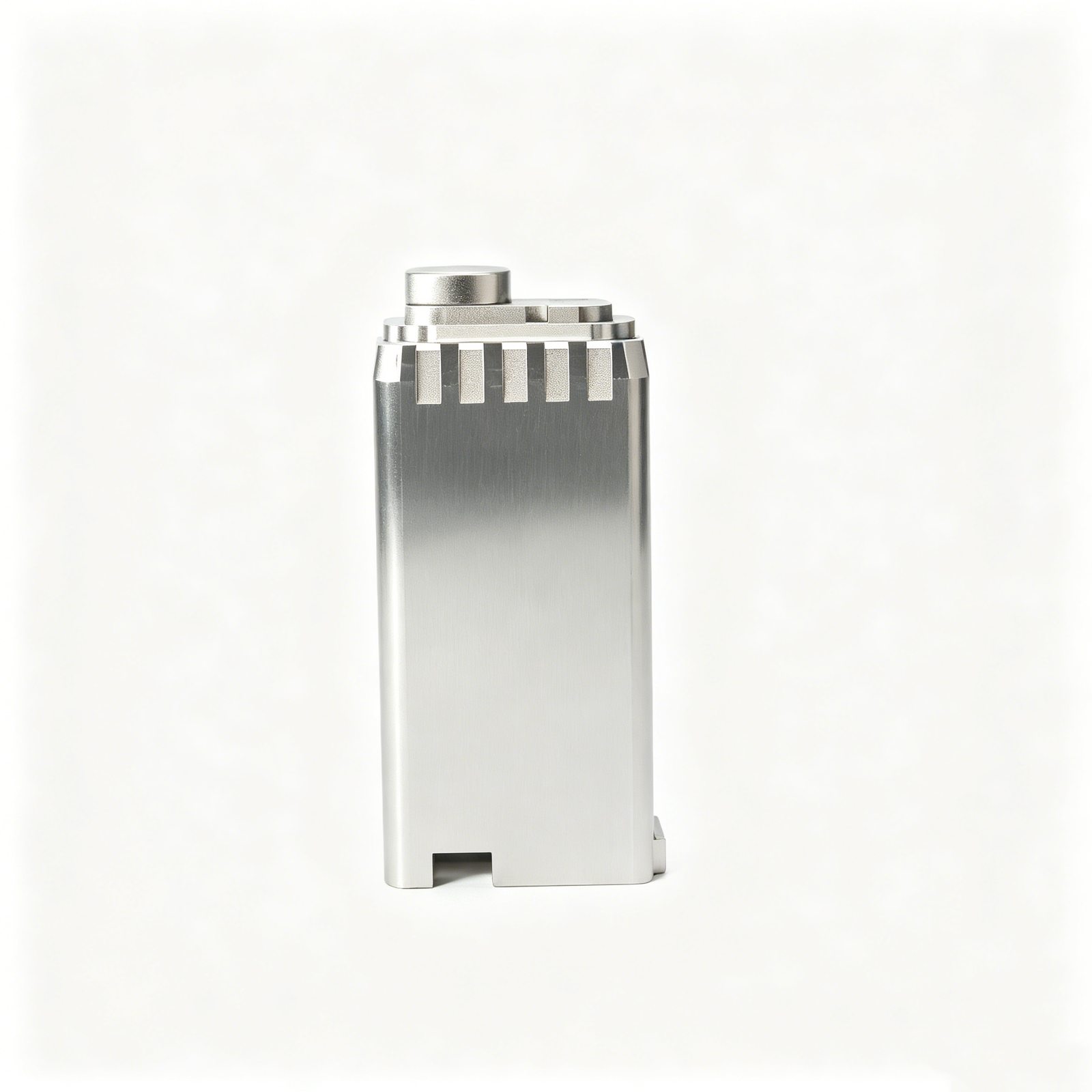
Connector Mold Components
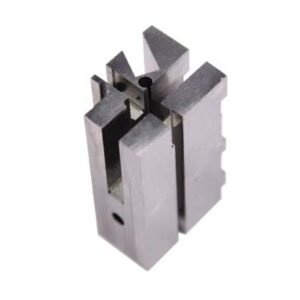
Precision connector mold components support fine-pitch features, terminal-related geometry, and repeatable alignment in connector tooling. A practical review covers cavity details, pin geometry, feature spacing, material selection, EDM strategy, grinding needs, and inspection evidence.
Upload a Drawing
Stamping Die Components
Precision stamping die components are produced around cutting, forming, guiding, and locating requirements. Buyers should provide strip or mating-part context where relevant, along with material condition, edge requirements, clearance relationships, heat treatment, and inspection priorities.
Upload a Drawing
Injection Mold Components, MIM, CIM & Overmolding Tooling
Injection, MIM, CIM, and overmolding tooling components are assessed within verified production scope. Drawings should clarify molded material, part geometry, gate or feed requirements, insert interfaces, expected wear conditions, dimensional priorities, and documentation needs.
Upload a Drawing
Machining Materials
CNC machining materials are selected against strength, wear, corrosion, thermal behavior, machinability, and downstream treatment requirements. Quote packages should state the material designation, source requirements where applicable, condition, substitutes policy, and application context.
Upload a Drawing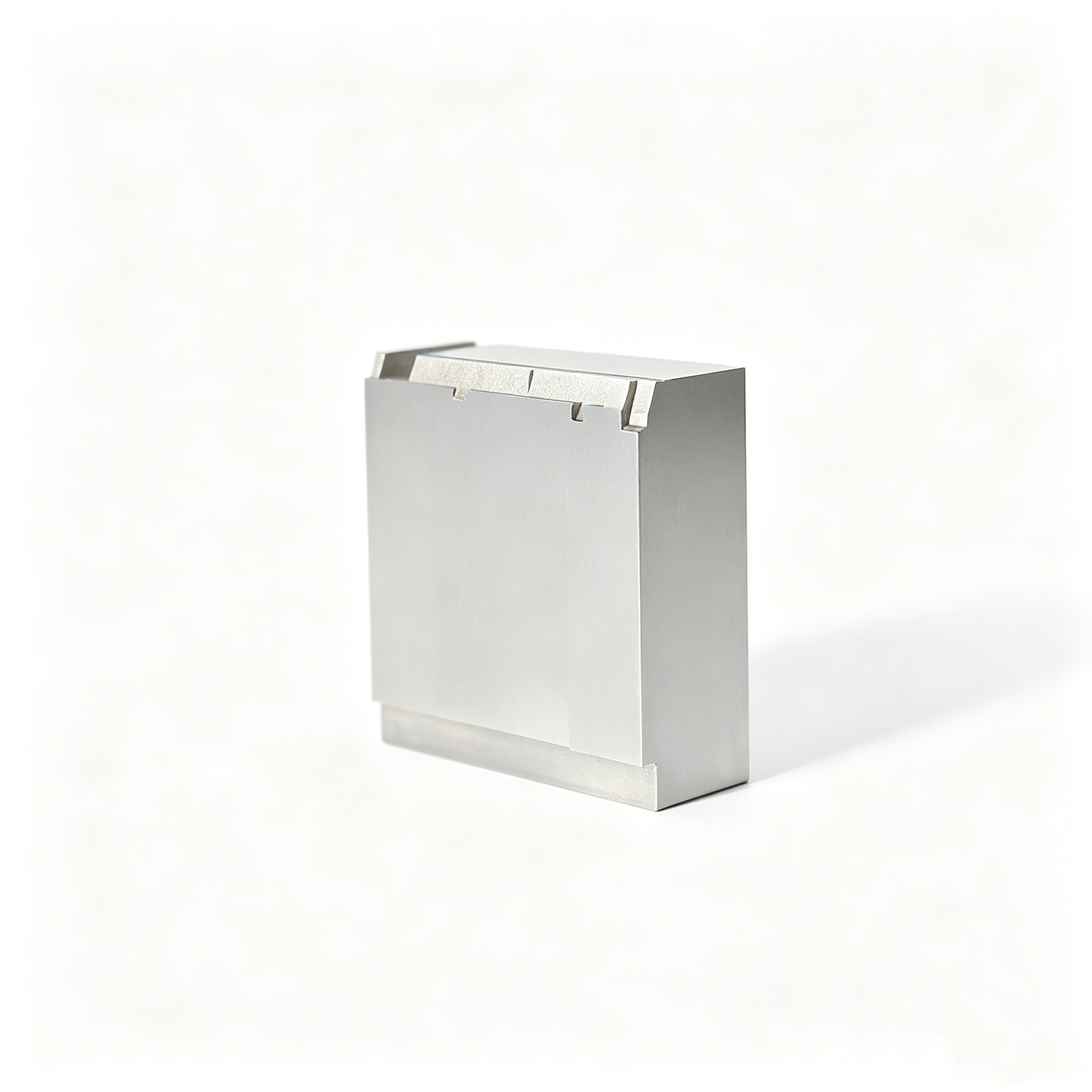
Surface Finishes & Heat Treatment
Surface finishing and heat treatment are planned as part of the dimensional process route, not an afterthought. Specify hardness or treatment condition, finish objective, masking needs, grinding allowance, cosmetic restrictions, and dimensions requiring post-treatment verification.
Upload a Drawing
Quality, Metrology & Documentation
Precision inspection, metrology, and quality documentation are aligned to the drawing and agreed inspection plan. Define critical dimensions, datums, sampling or full-inspection expectations, report format, revision status, material records, and any traceability required for the order.
Upload a Drawing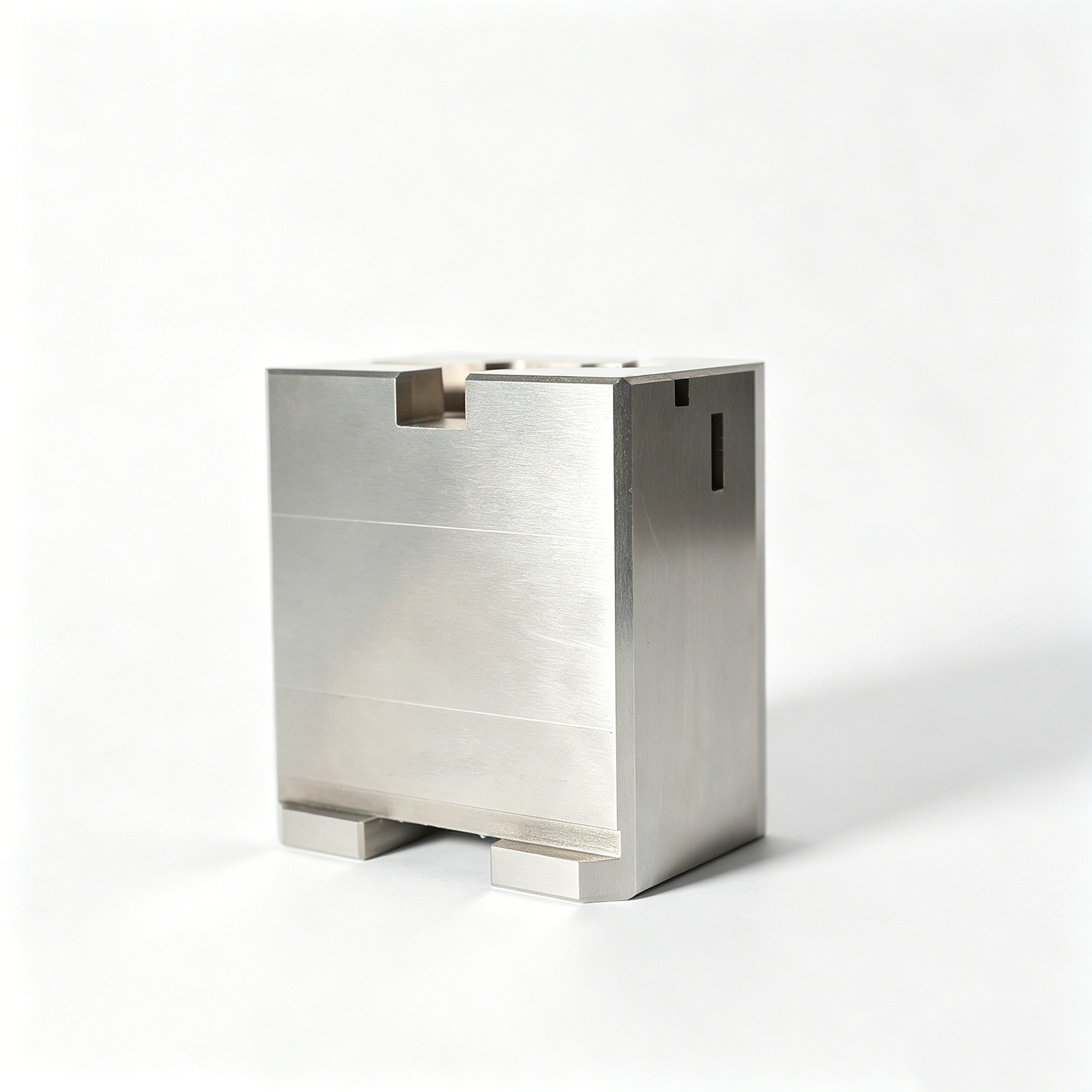
Prototyping & Low-Volume Production
Rapid prototyping and low-volume manufacturing support design validation, tooling trials, bridge quantities, and controlled engineering changes. A useful RFQ includes drawings, models, quantity, material, dimensional priorities, application context, inspection needs, and target delivery date.
Upload a DrawingMaterials for Mold Tunnel Gate Inserts

M2 Tool Steel
A high-speed tool steel considered for demanding wear paths and compact gate features. Its hardness potential and abrasion resistance can support filled-resin applications, subject to heat-treatment route, geometry and drawing review.

H13 Tool Steel
A hot-work tool steel often evaluated where toughness, thermal cycling and EDM finishing must be balanced. It suits many mold-component applications when hardness, polish requirements and service conditions are defined on the drawing.

D2 Tool Steel
A high-carbon, high-chromium tool steel considered for wear-resistant insert features and cutting edges. Its wear performance must be weighed against toughness, heat-treatment distortion and the required gate-profile finishing strategy.

420 Stainless Steel
A hardenable stainless grade evaluated when corrosion resistance and a clean surface condition are important. Material condition, hardness target and polishing or EDM requirements should be confirmed against the molded resin and environment.

P20 Prehard Steel
A prehardened mold steel option for components where machining efficiency and stable dimensional control are priorities. Suitability depends on expected production duty, local wear concentration, gate geometry and any required surface treatment.
Mold Tunnel Gate Inserts: Machining, EDM and Finishing

CNC Milling
CNC milling establishes insert profiles, mounting features, runner interfaces and accessible tunnel geometry. Tool access, datum locations and machining allowance are reviewed early to support stable setup, clean transitions and controlled downstream EDM work.

Wire EDM
Wire EDM produces precise through-features, narrow profiles and difficult contours where milling access is limited. The planned wire path, start-hole location and finishing strategy are aligned with critical dimensions and mating conditions on the drawing.

Sinker EDM
Sinker EDM forms enclosed gate details, shaped cavities and geometry that cannot be reached reliably by cutting tools. Electrode design, wear allowance and surface requirements are evaluated with the required insert function and finishing route.


Fitting Assembly
Fitting confirms the relationship between the insert, surrounding mold components and specified locating features. Contact areas, clearance conditions and handling requirements are reviewed from the assembly context rather than treated as isolated dimensions.

Dimensional Inspection
Inspection follows the agreed critical-dimension plan, including datums, gate geometry, fit features and surface priorities. Measurement records and final documentation are matched to the order requirements, revision status and verified inspection scope.
Mold Tunnel Gate Inserts: Supported Hardware and Identification Features
Locating Features
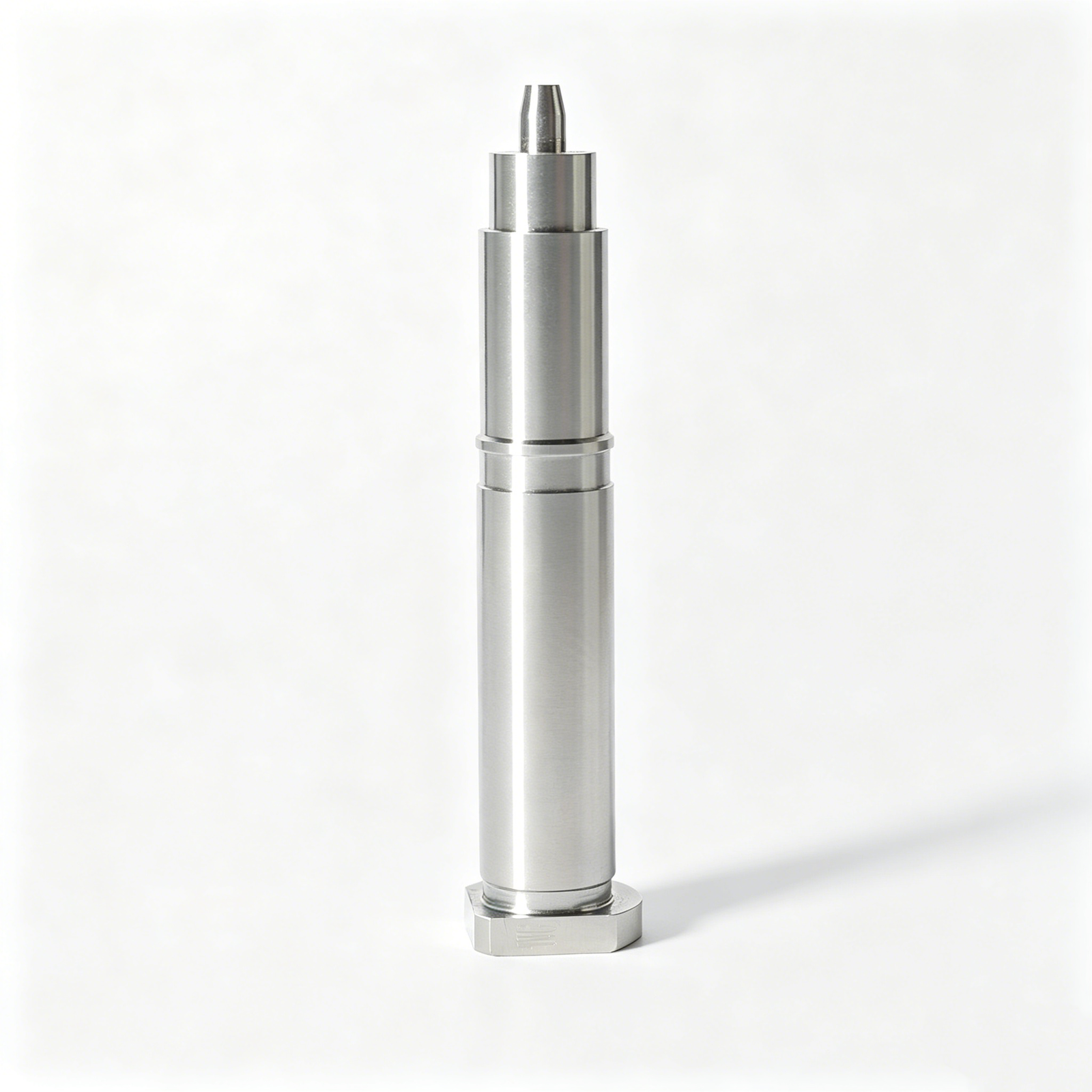
Dowel bores, locating flats, alignment shoulders and datum features can be machined into mold tunnel gate inserts where the drawing defines mating relationships, positional tolerances and assembly reference surfaces.

Guide Elements
Guide pins, bushings or complementary guiding details may be considered for related mold assemblies when the design identifies travel, clearance, material and wear requirements for the intended molding operation.

Part Identification
Laser marking, engraved part numbers, revision identifiers and cavity references can support controlled assembly and traceability when character size, location, depth and surface-condition requirements are specified.

Surface Treatments
Surface finishing, polishing, coating or heat-treatment requirements are reviewed against material, functional surface, gate-path geometry and inspection needs before SUUXIANG confirms a feasible process route.

Protective Packaging
Protective wrapping, corrosion prevention, compartmented packing and labeling can be planned for precision components when shipment method, storage duration, quantity grouping and documentation requirements are provided.
About SUUXIANG Precision Manufacturing
SUUXIANG is the sole public-facing brand of Dongguan SuuXiang Precision Mold Co., Ltd., established in 2010 in Chang’an Town, Dongguan, Guangdong, China. XiaoCheng Huang is the founder and legal representative. We help international engineering, sourcing and quality teams turn drawings and specifications into inspected precision mold components, connector tooling, die components and custom CNC-machined parts.
Our work is planned around the requirements that govern mold tunnel gate inserts and other critical components: datum strategy, machining access, material and heat-treatment requirements, EDM or grinding needs, surface priorities and inspection expectations. CNC machining, EDM, grinding, fitting and inspection are coordinated as a controlled manufacturing route rather than treated as isolated operations.
What distinguishes SUUXIANG is disciplined project communication before commitments are made. We review drawings and critical dimensions, identify manufacturability questions, keep revisions visible, and align final documentation with the agreed inspection plan. Submit the drawing, quantity, application context and quality requirements for a scoped production discussion.

Mold Tunnel Gate Inserts: Geometry to Inspection Evidence
DFM and Datum Review
Before quotation, SUUXIANG reviews mold tunnel gate insert geometry against the drawing, mating surfaces, gate location, critical dimensions and datum scheme. This identifies access limits, tolerance-stack risks and required customer decisions before a process route or delivery commitment is proposed.
- Confirm 2D drawing and available 3D model alignment
- Identify critical-to-quality dimensions and functional datums
- Review gate path, parting-line relationships and machining access
- Clarify material, heat treatment and surface requirements

CNC and EDM Planning
Tunnel-gate geometry may require more than conventional milling. SUUXIANG plans the CNC, wire EDM and sinker EDM sequence around internal profiles, electrode access, wire paths and remaining stock, so each process supports the required feature rather than creating avoidable rework.
- Match process selection to feature geometry and access
- Define electrode strategy for inaccessible or complex details
- Plan wire paths around corners, openings and datum references
- Retain appropriate stock for later grinding or fitting

Grinding and Controlled Fitting
Where shutoff, locating or mating performance depends on finished surfaces, grinding and fitting are planned as controlled operations. The sequence considers heat-treatment movement, grinding allowance and contact relationships, with finished dimensions evaluated against the drawing and agreed functional priorities.
- Account for heat-treatment sequence and potential movement
- Set grinding allowance before finishing operations
- Review shutoff, seating and mating-component relationships
- Protect datum surfaces during handling and fitting

Inspection and Revision Traceability
Inspection planning begins with the dimensions that control fit, gate performance and interface function. SUUXIANG aligns measurement methods and requested reporting with the order, then keeps revision status visible so manufactured mold tunnel gate inserts can be assessed against the applicable drawing issue.
- Define inspection methods for critical dimensions
- Align reports and documentation with order requirements
- Maintain drawing revision visibility through production
- Flag questions that require customer confirmation before release

Mold Tunnel Gate Inserts: Drawing-Driven Review
Compare an evidence-led manufacturing workflow with a typical quote-only sourcing path before production commitments.
← Swipe left or right to view →
Mold Tunnel Gate Inserts Production Workflow
A controlled path from drawing review to inspection evidence and delivery coordination.
Review Drawings and Requirements
We review 2D drawings, 3D models, material, quantity, critical dimensions, surface needs, delivery target, and inspection requirements before defining a workable quotation scope.
Confirm DFM and Datums
The project discussion addresses datum strategy, tolerance stack, gate geometry, machining access, heat-treatment sequence, and any risks requiring design clarification before production release.
Plan Manufacturing Route
SUUXIANG assigns the appropriate CNC milling, turning, multi-axis machining, EDM, grinding, and fitting sequence based on geometry, material condition, and critical feature requirements.
Machine Critical Features
Production follows the approved revision, with machining allowances, electrode strategy, wire paths, grinding stock, and feature access managed according to the planned process route.
Inspect Pack and Coordinate
Finished mold tunnel gate inserts are checked against the agreed inspection plan, documented as required, protected for shipment, and coordinated with the confirmed delivery schedule.
Work With SUUXIANG on Mold Tunnel Gate Inserts
Move from drawing review to controlled production with requirements, technical decisions, and inspection expectations kept visible throughout the project.
Submit Your Drawing Package
Provide 2D drawings, 3D models when available, material, quantity, application context, quality requirements, target date, and any mating-part or gate-location constraints.
Review DFM and Quote
Align critical dimensions, datums, machining access, EDM or grinding needs, heat-treatment sequence, inspection method, revision status, and a scoped manufacturing quotation.
Approve Samples When Needed
For projects requiring validation, review agreed sample or first-article evidence against the drawing, critical features, surface requirements, and documented inspection plan.
Release Controlled Production
After requirements are confirmed, SUUXIANG coordinates CNC machining, EDM, grinding, fitting, inspection, and delivery updates according to the approved revision and order requirements.
Mold Tunnel Gate Inserts: Quality Documentation and Certification Review
Mold Tunnel Gate Inserts: Verified Project Evidence
No customer testimonial is currently approved for publication for this mold tunnel gate insert project scope.
Documented project outcomes, inspection results, and customer feedback are published only after customer authorization and scope review.
Submit a drawing and requirements to discuss a project-specific manufacturing and inspection plan.
Mold Tunnel Gate Inserts FAQ
Practical answers for engineering and sourcing teams preparing a drawing-led inquiry.
What information do you need to quote mold tunnel gate inserts?
Can SUUXIANG quote prototype or low-volume mold tunnel gate inserts?
Can I order samples of mold tunnel gate inserts before production?
How should I plan lead time for a tunnel gate insert project?
What inspection documentation can be requested?
How are payment and shipping handled for international orders?
How does SUUXIANG handle drawings and IP for custom mold components?
The Complete Buyer’s Guide to Mold Tunnel Gate Inserts
Use this practical framework to specify mold tunnel gate inserts, compare configurations and materials, qualify capable suppliers, control total tooling cost, and avoid gate-design mistakes that compromise molding reliability, finish, or cycle efficiency.
1. What Are Mold Tunnel Gate Inserts?
Tunnel, submarine, cashew, and banana gate inserts describe mold inserts that carry melt through an angled, enclosed channel into the cavity. The geometry can place the gate below, behind, or away from a cosmetic surface, helping locate the vestige where it is less visible or more acceptable.
During ejection, the tunnel’s defined edge may separate the runner from the molded part. This can reduce downstream trimming, but gate location, molded material, wall section, and ejection path must be reviewed for reliable break-off.
Use a tunnel gate when automatic runner separation and a concealed vestige justify the angled feed path. Use edge or direct gating when access, part geometry, or molding control favors a simpler route. Show the desired vestige zone and cosmetic faces on the drawing before insert design begins.
2. How mold tunnel gate inserts Evolved
Insert-based tunnel-gate construction provides a replaceable interface for the feed channel and gate geometry, allowing mold designers to work from defined interface requirements rather than recreating a curved gate path in the surrounding cavity steel.
This approach can separate the wear-prone gate path from the larger mold structure. When the gate erodes, chips, or requires a dimensional revision, service may focus on the insert and its fit rather than reworking a larger mold plate.
Filled resins can increase abrasion and process sensitivity. Even where an insert concept is standardized, gate size, tunnel angle, part release, molding conditions, steel selection, and inspection requirements need application-specific review.
3. Types of mold tunnel gate inserts
Five practical families organize mold tunnel gate inserts by molding geometry and installation envelope. Names such as cashew, banana, and submarine gate describe concepts, not interchangeable specifications.
| Insert Form | Suitable Geometry | Gate Flexibility | Key Limitation | Drawing Question |
|---|---|---|---|---|
| Round body | Simple plate bores | Fixed orientation | Anti-rotation may be limited | Is rotation control needed? |
| Square body | Keyed installation | Controlled orientation | Needs matching pocket | Does the plate support a square pocket? |
| Open gate | Defined accessible surface | Moderate | Gate land is exposed | Is vestige location acceptable? |
| Closed gate | Thin-wall or concealed area | Lower after machining | Geometry restricts access | Can the gate be finished and vented? |
| Contourable | Curved or rib-adjacent surface | High locally | Contour depth is finite | How much steel may be removed? |
| Larger variant | Medium-to-large part | More routing latitude | Requires space and support | What insert envelope is available? |
Body And Gate Format
Two body formats—round and square—mainly answer how the insert locates and resists rotation in the mold plate. Open and closed gate faces then determine whether the gate land is predefined or must be established in the insert.
Contoured Gate Zones
Contourable inserts answer whether the gate can follow an inclined, curved, or rib-adjacent surface. Their available contour depth and remaining steel must be confirmed against the part surface, tool access, and runner layout.
Part Size And Wall Limits
Small thin-wall variants prioritize a compact gate zone and limited local steel. Medium-to-large variants provide more routing and gate-location freedom, but require enough insert volume, support, and ejection clearance.
4. Materials and Heat Treatment Selection
Two material decisions drive gate-edge maintenance: resin abrasiveness and polymer chemistry. Select steel and heat treatment against the molded compound, expected service duty, polishing requirement, and repair strategy—not catalog claims.
| Application | Material Priority | Drawing Or Record Request |
|---|---|---|
| Unfilled resin | Polishability, toughness | Steel grade; polish requirement |
| Filled compound | Wear resistance, support | Filler type and percentage |
| Corrosive polymer | Corrosion resistance | Material; treatment condition |
| Prototype tooling | Machinability, revisability | Material and hardness target |
| Production mold | Wear and maintenance balance | Traceability; hardness record |
Match Steel To Resin
Unfilled resins usually prioritize polishability and adequate toughness; confirm the gate land and flow path can be finished as specified.
Glass- or mineral-filled compounds raise abrasive wear risk at the gate edge. Specify the compound, filler type, percentage, and any recycled-content condition in the RFQ.
Address Corrosion And Toughness
Corrosive polymers require corrosion-resistant material selection and a documented heat-treatment route; hardness alone does not establish suitability.
Prototype tooling may favor machinability and revision speed. Production molds require a maintenance-access decision before selecting a harder, more wear-resistant grade.
Control The Heat-Treatment Record
Two records should accompany release: material traceability and actual hardness after heat treatment. Request the hardness test method, test location, heat-treatment condition, and any surface-treatment requirement.
One drawing note should define protected gate-edge geometry, polish class, and permissible post-treatment stock removal. Inspection results must identify the drawing revision and measured critical dimensions.
5. Customizing mold tunnel gate inserts
Customization starts with the controlled drawing package, not a catalog size. SUUXIANG reviews the gate insert as an interface among runner, cavity surface, molded part, and ejection motion before confirming a process route.
Define The Insert Envelope
2D dimensions and a 3D model should define body size, tunnel angle and path, gate diameter, land geometry, contour depth, cavity-side interface, and runner connection. Wall thickness, cosmetic gate-mark limits, resin flow behavior, and ejection direction may restrict each choice.
Specify Serviceable Fits

0.01 mm-level fit requirements should be tied to identified datums rather than assumed from nominal geometry. State locating faces, retention method, replacement clearance, finish requirement, and any polishing boundary so machining, EDM, grinding, and inspection can be planned.
Send A Complete RFQ
1 RFQ should include the released 2D drawing, available 3D model, resin and filler, quantity, heat treatment, critical dimensions, surface requirements, target date, and inspection needs. SUUXIANG can review feasible routes; incomplete drawings require documented assumptions before production.
- Part wall section and cosmetic-side definition
- Runner layout and cavity interface details
- Ejection direction and interference envelope
- Revision level and mating-component context
6. Critical Construction and Quality Elements
2D and 3D CAD review should establish the tunnel path, cavity interface, datum scheme, and retention geometry before machining. Acceptance criteria belong on the drawing, not in a generic quality statement.
Feed Path And Gate Edge

Feed-channel continuity should be checked for steps, blend transitions, and tool-access limits that can trap resin or complicate cleaning.
Gate-edge geometry should define size, location, and allowable burr condition relative to the molded surface. A controlled separating edge supports repeatable degating without uncontrolled flash.
Cavity Fit And Alignment

Cavity-interface dimensions should reference functional datums so the insert locates consistently within its pocket. Specify the fit, retention method, and any sealing or support surfaces.
Concentricity or positional requirements apply where the feed path must meet a cavity feature or mating runner. Record the measurement method and datum setup with the tolerance callout.
Inspection And Trial Feedback
Material verification should match the purchase requirement before release, including applicable heat-treatment evidence. First-article inspection should report critical dimensions, surface condition, and deburring status against the approved revision.
Trial-molding feedback should assess gate vestige, separation behavior, filling, and wear after defined shots or cycles. SUUXIANG can align inspection records and revision control to the approved drawing and project plan.
7. Selecting a Mold Tunnel Gate Insert Supplier
A first-article release should follow a documented drawing review, not a quotation alone. For mold tunnel gate inserts, qualify the supplier’s ability to control the curved gate path, datum scheme, and revision record.
| Qualification Area | Ask | Evidence Before Release |
|---|---|---|
| DFM | Can geometry be manufactured and inspected? | Marked-up drawing |
| Process Fit | Which CNC, EDM, and grinding steps apply? | Process route |
| Traceability | How are material and revisions controlled? | Records and change procedure |
Engineering Review
Within the RFQ review, ask who owns DFM feedback and how critical gate geometry, EDM access, and grinding stock are resolved. Request marked-up drawings, a process-route proposal, and response timing for technical questions.
Quality Evidence
Before production release, require material identification, heat-treatment records when specified, and an inspection plan tied to drawing datums. Approve a first article with measured critical dimensions, surface requirements, and any agreed functional checks.
Production Control
At purchase-order release, confirm capacity assumptions, realistic lead-time milestones, packaging requirements, and the named communication route. Require written approval before any material, process, dimension, or revision change.
8. Common Buyer Mistakes to Avoid
Three pre-purchase checks prevent most tunnel-gate rework: validate the part-side gate location, the ejection path, and the inspection plan. A drawing review should resolve these before any insert is selected.
Validate Gate Location First
1 gate location must be reviewed against wall thickness, cosmetic surface, flow path, and weld-line risk. Selecting an insert first can cause poor fill, visible vestige, or an unreachable tunnel; confirm the molded-part section and runner route in 2D and 3D.
Account For Wear And Fit
2 filled-resin applications require a documented wear assessment, material route, and replacement strategy. Ignoring abrasion can enlarge the gate and destabilize separation; treating catalog dimensions as drop-in fits can create datum, clearance, or assembly conflicts.
Define Measurable Requirements
3 requirements should identify critical gate dimensions, surface condition, mating datums, and inspection method. Missing tolerances or finish criteria invites inconsistent flow and delayed approval; specify ejection and runner clearances, inspection records, revision level, and acceptance criteria before purchase.
Compare Total Program Risk
4 unit price alone excludes rework, downtime, and qualification cost. A low quotation without drawing comprehension or traceable inspection can delay launch; compare process route, evidence, revision control, delivery assumptions, and corrective-action responsiveness.
9. From Drawing Review to Production Launch
A controlled launch converts a custom insert drawing into a repeatable manufacturing record. Before machining, the team should align the gate concept, resin behavior, inspection evidence, and release authority.
| Decision | Primary Owner | Repeat-Order Record |
|---|---|---|
| Gate function | Molding and design | Trial report |
| Commercial release | Procurement | Approved quotation |
| Dimensional acceptance | Quality | Inspection report |
| Build control | Supplier project team | Revision-controlled drawing |
Package The RFQ
2D drawings, 3D models, resin grade, filler level, expected annual quantity, and mating-part geometry define the starting package.
1 revision-controlled RFQ should identify CTQ dimensions, datum scheme, gate location, surface requirement, heat treatment, and requested report.
Freeze The Process
A DFM review should confirm tunnel path, tool access, EDM or grinding strategy, and clearance for ejection and runner separation.
1 frozen specification links the approved quotation, material, process route, sample quantity, acceptance criteria, and target date; procurement owns commercial approval.
Qualify And Release
First-article inspection compares critical dimensions and surfaces with the approved drawing before mold trial. Quality owns report acceptance; design owns functional deviations.
Mold-trial results should record resin, machine conditions, gate separation, vestige, and corrective revisions. Release production only after molding and quality sign-off.
10. mold tunnel gate inserts Pricing
Six pricing inputs determine a defensible quotation: insert geometry, specified material, tolerance and datum requirements, finish, inspection scope, and order volume. SUUXIANG reviews the drawing and 3D model before confirming a process route or final price.
Three order bands expose the cost trade-off without publishing invented prices. Prototype orders carry the highest unit-cost direction because programming, workholding, EDM planning, and first-article inspection are spread across fewer parts; repeat orders may benefit when the approved revision and inspection plan remain unchanged.
| Order band | Unit-cost direction | Setup or engineering contribution | Lead-time factors | Information reducing uncertainty |
|---|---|---|---|---|
| Prototype, 1–5 pieces | Highest | High per part | Material availability; complex EDM or grinding; first article | 2D drawing, 3D model, material, CTQs |
| Low volume, 6–50 pieces | Moderate | Shared across quantity | Heat treatment, finishing, inspection reporting | Revision level, datum scheme, surface callouts |
| Repeat production, 51+ pieces | Lower direction | Amortized when scope is stable | Capacity, release schedule, repeat inspection | Forecast, approved sample, packaging and delivery terms |
Scope Your Mold Tunnel Gate Inserts From the Drawing
Send your 2D drawing, 3D model where available, material, quantity, quality priorities, and requested delivery date for a review.