
Pengerjaan CNC Presisi untuk Komponen Suku Cadang dan Cetakan
Rencanakan dari gambar Anda untuk pengerjaan CNC presisi dengan tinjauan CTQ, perencanaan proses, dan persyaratan inspeksi yang ditentukan sebelum produksi.
Sampel Komponen Kustom Pilihan
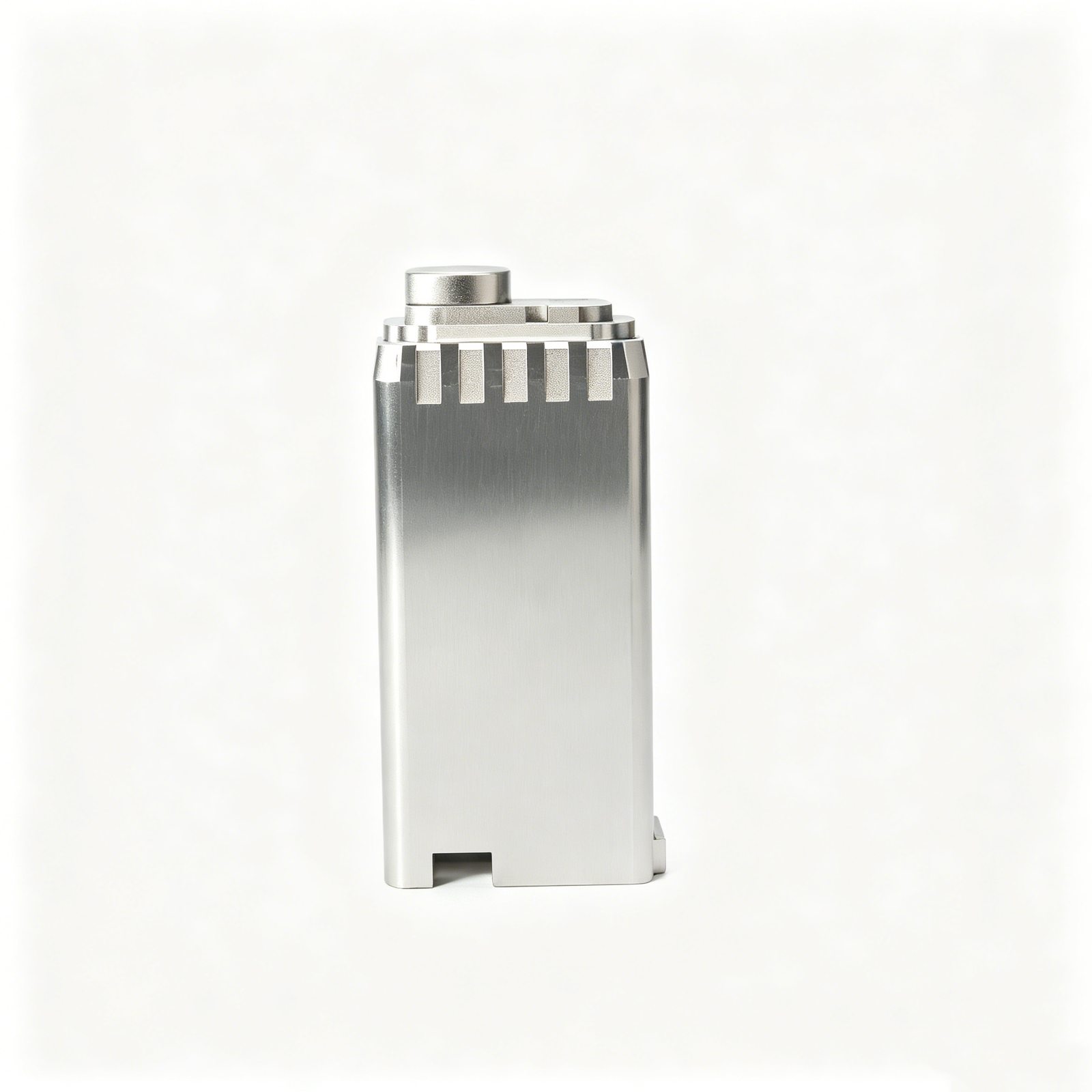
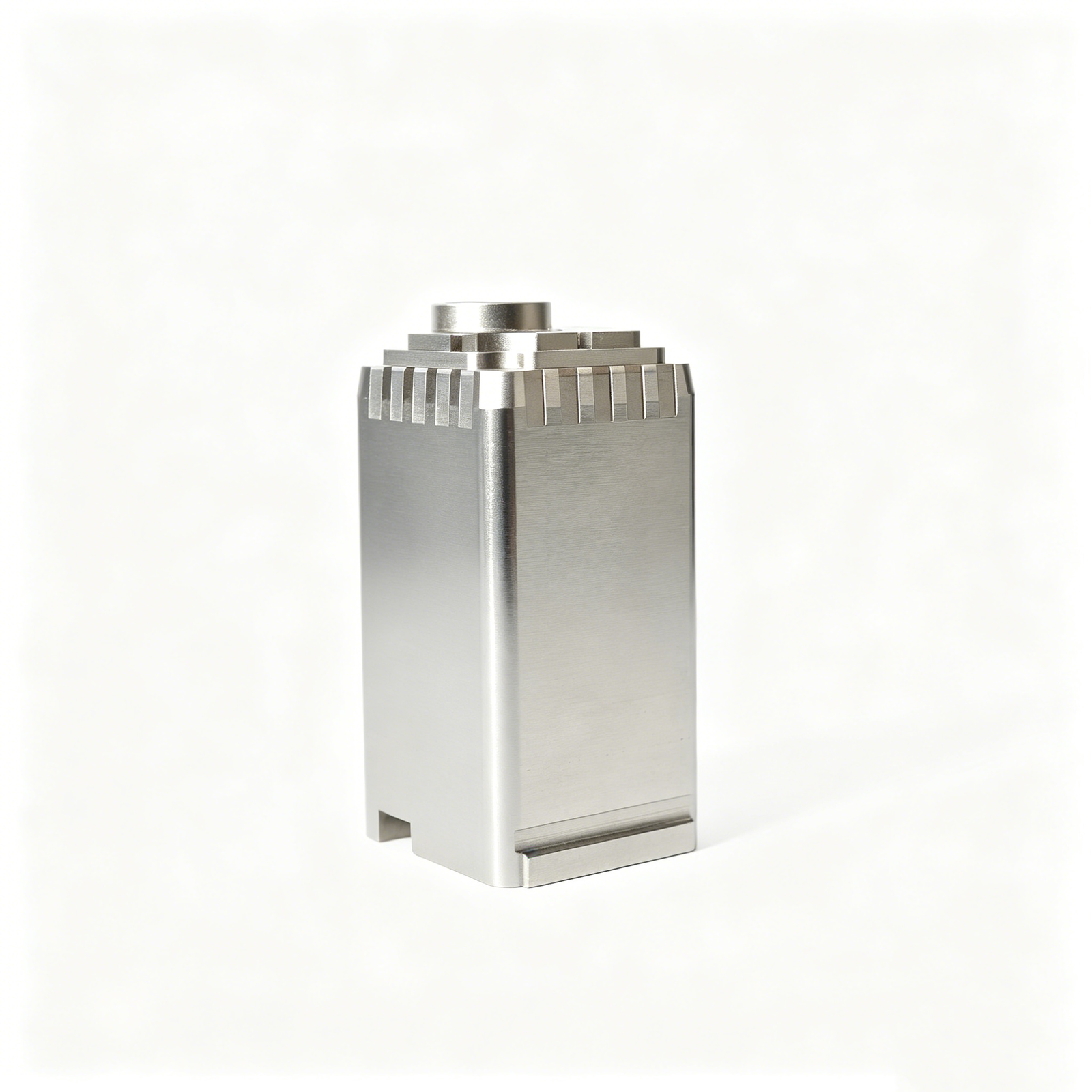
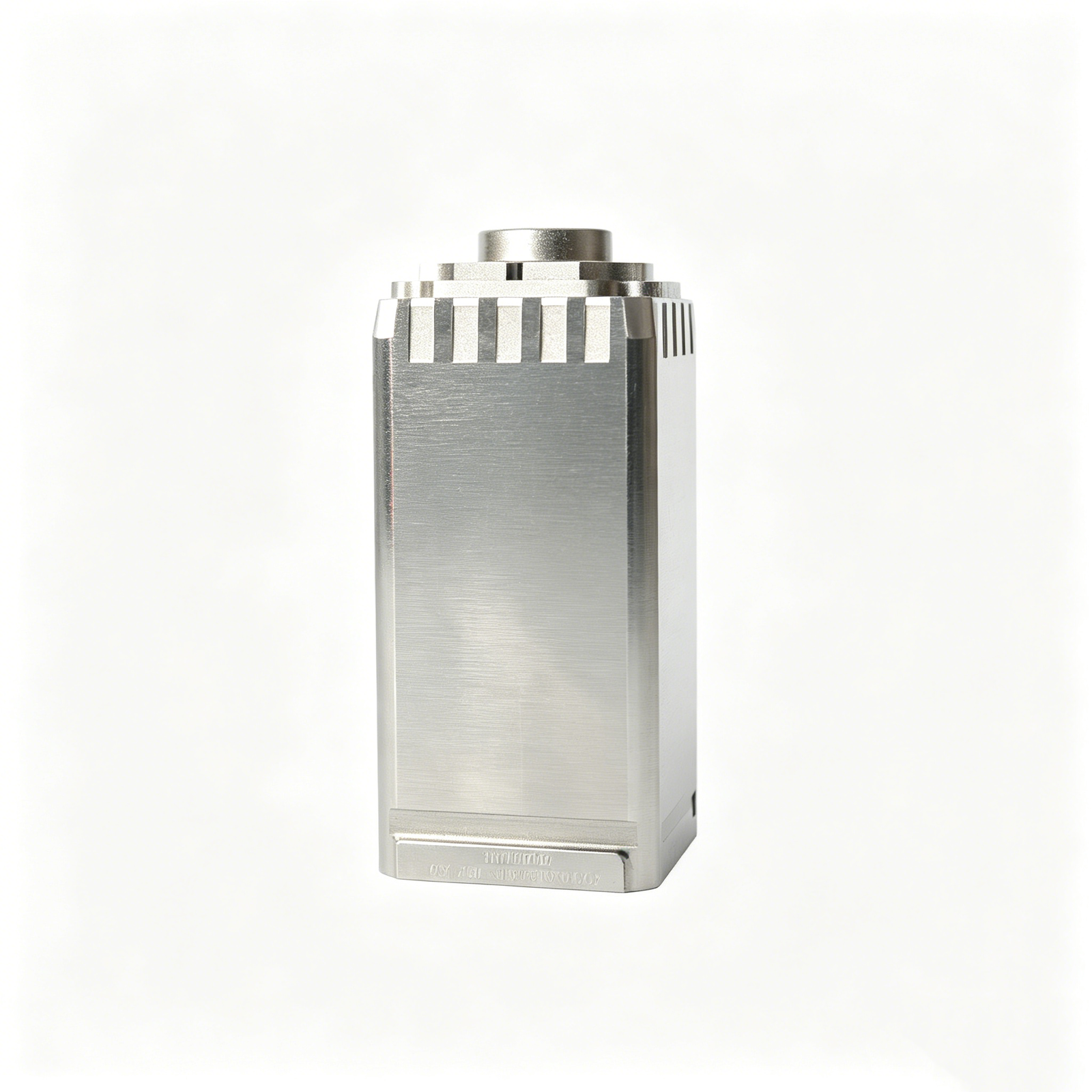
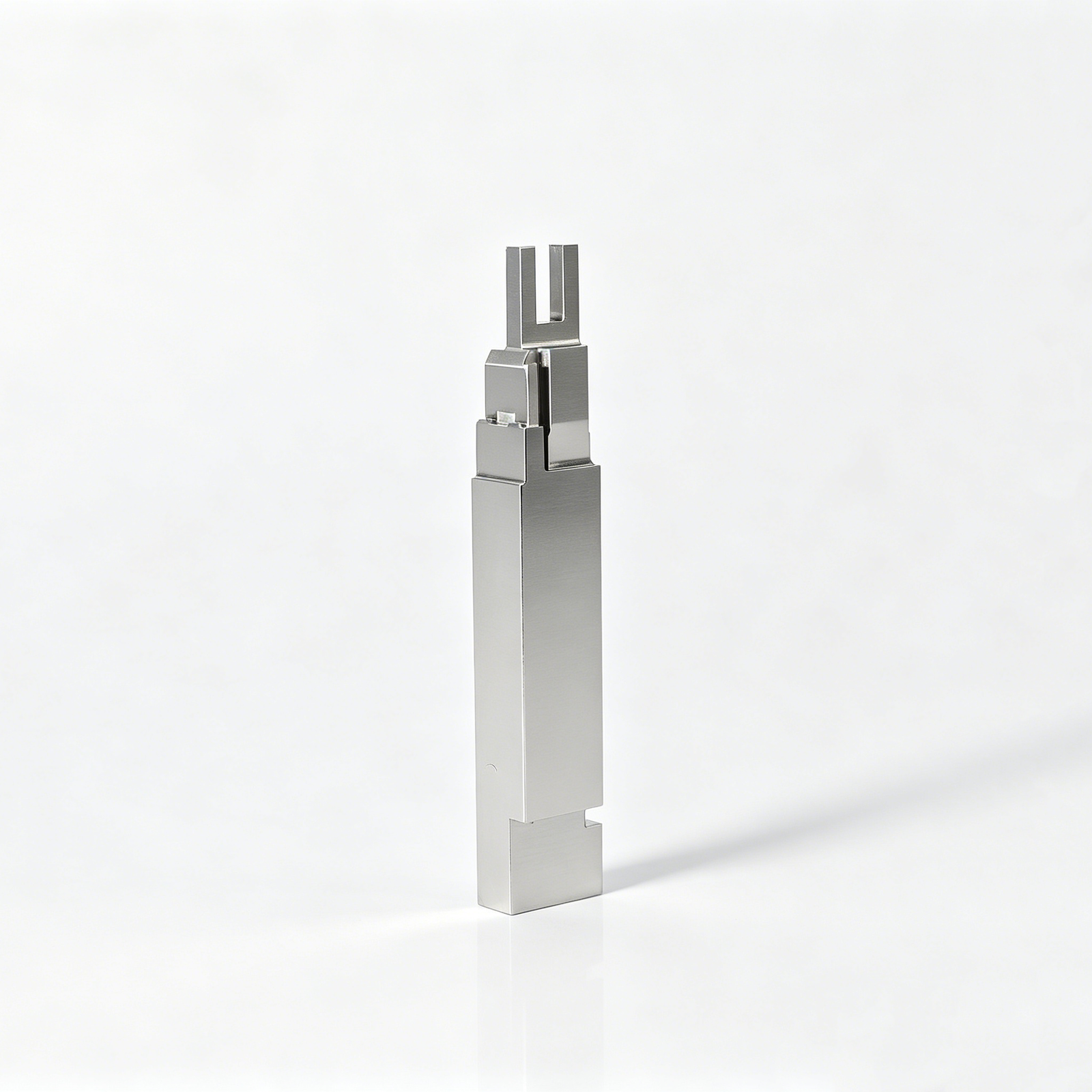
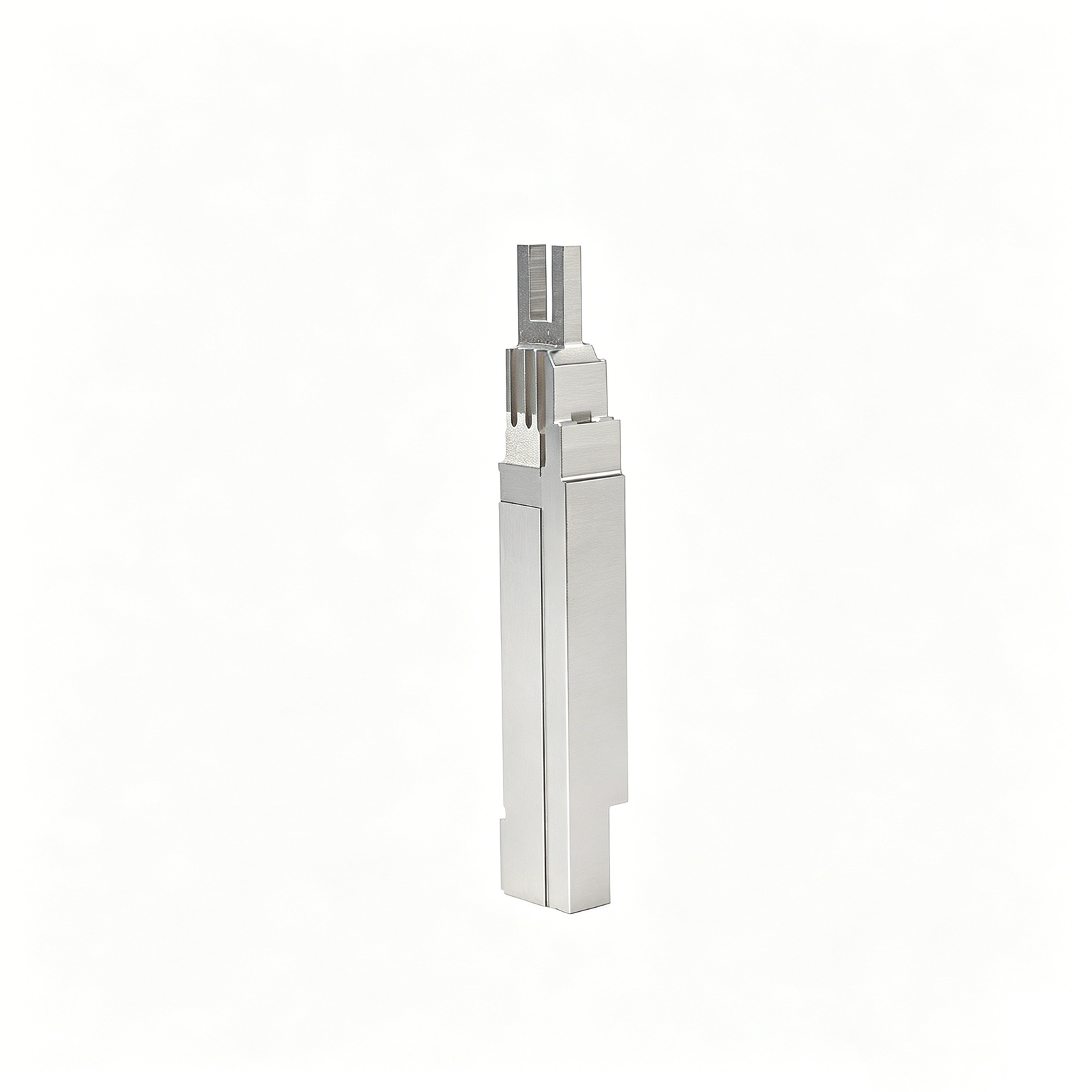
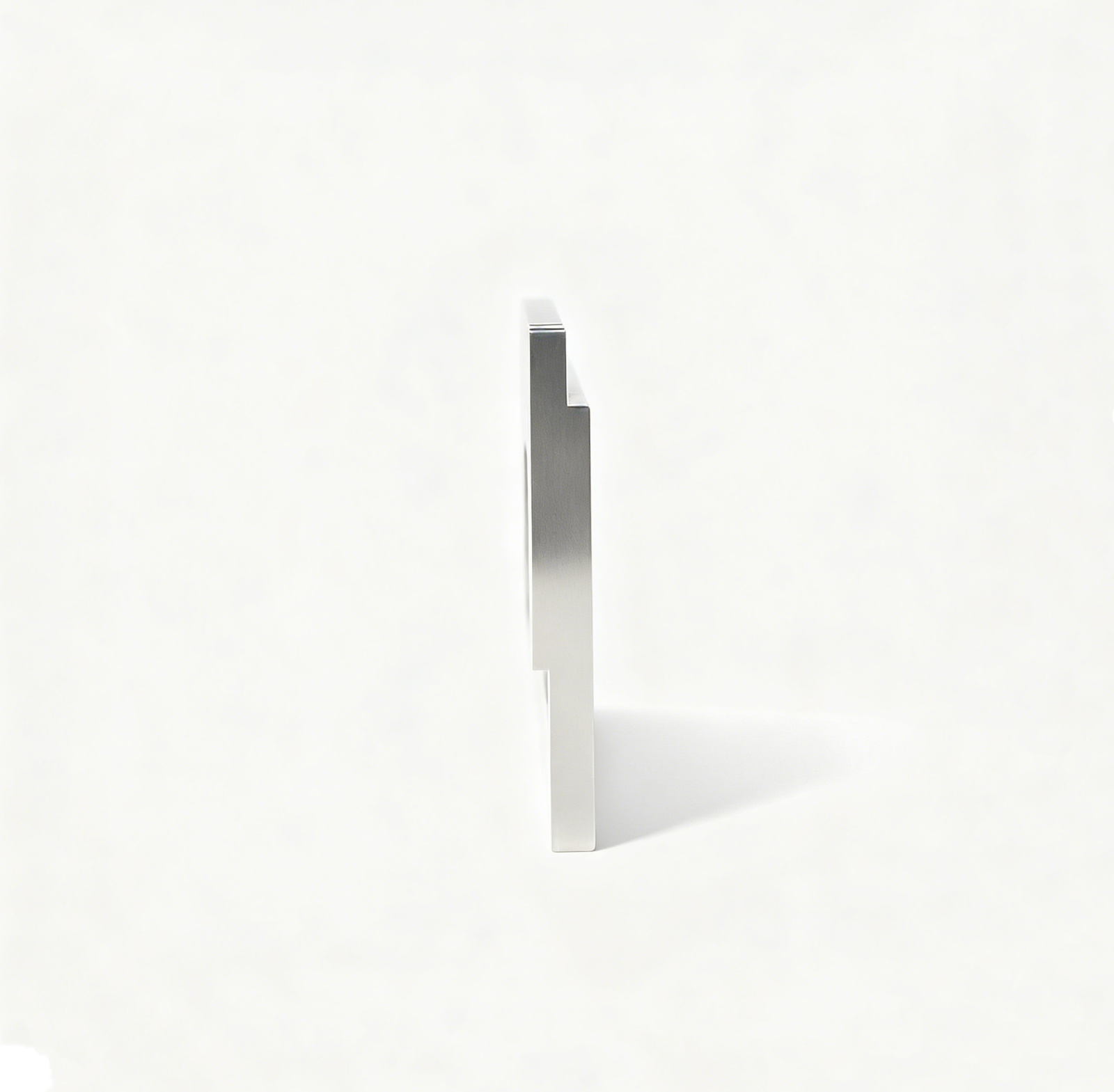
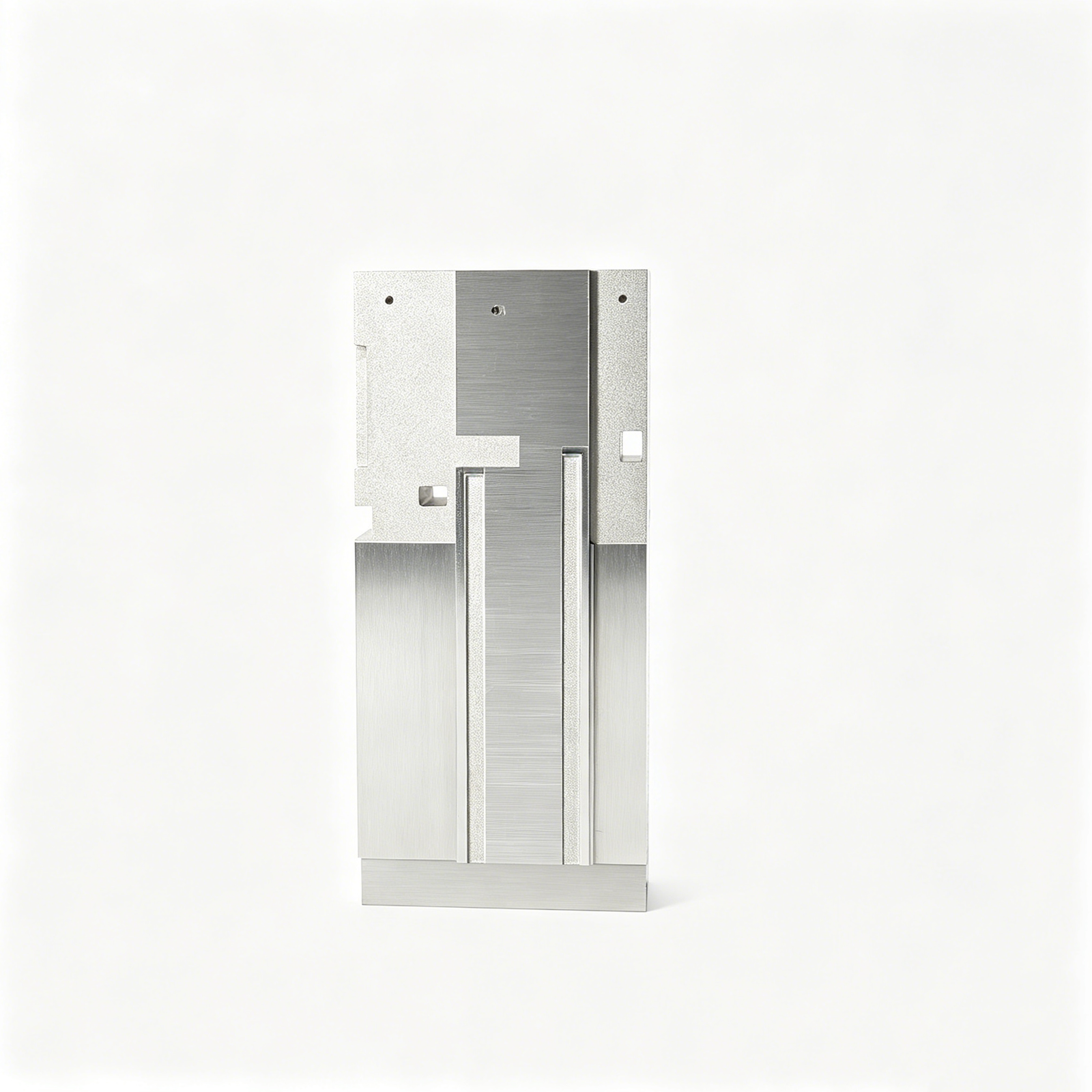
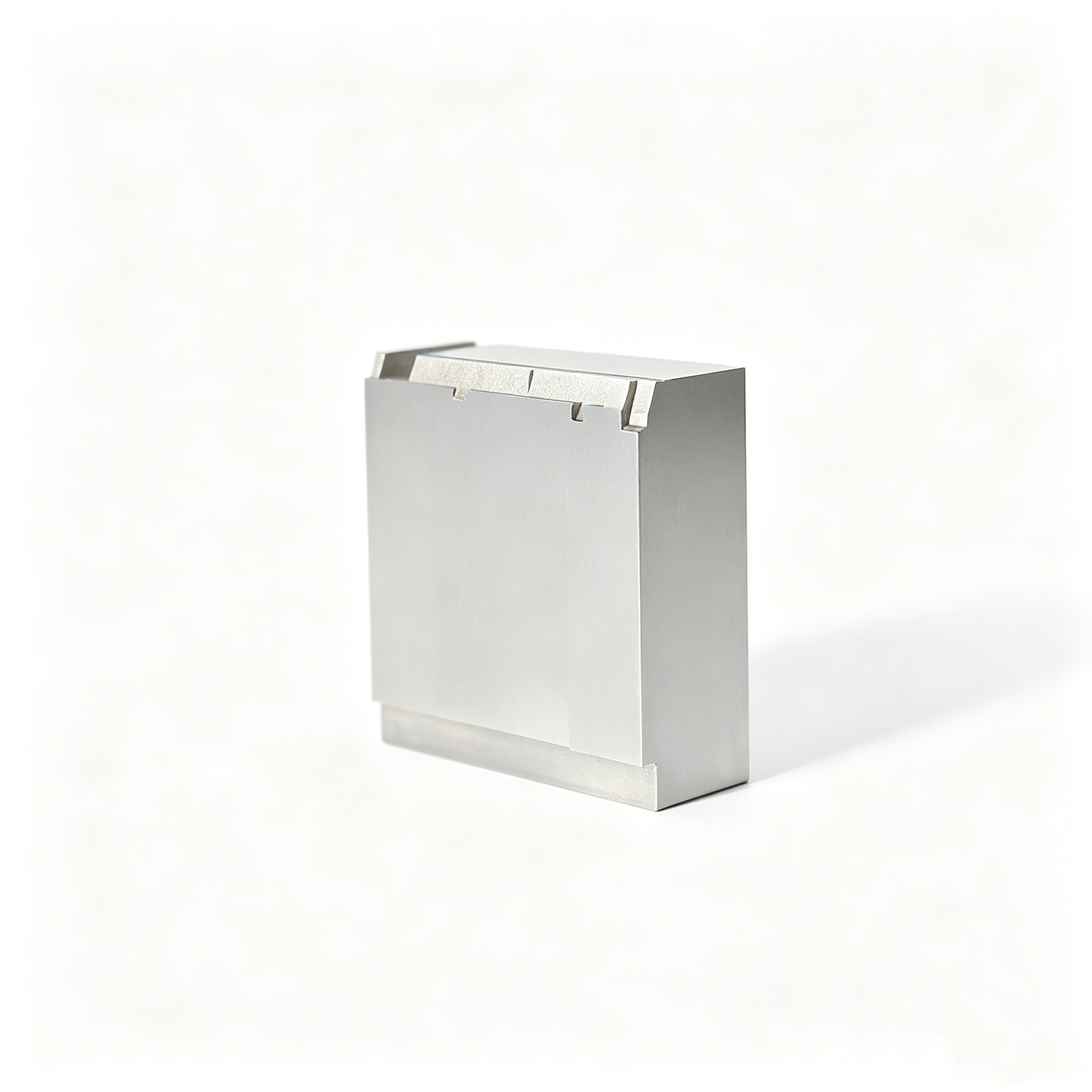
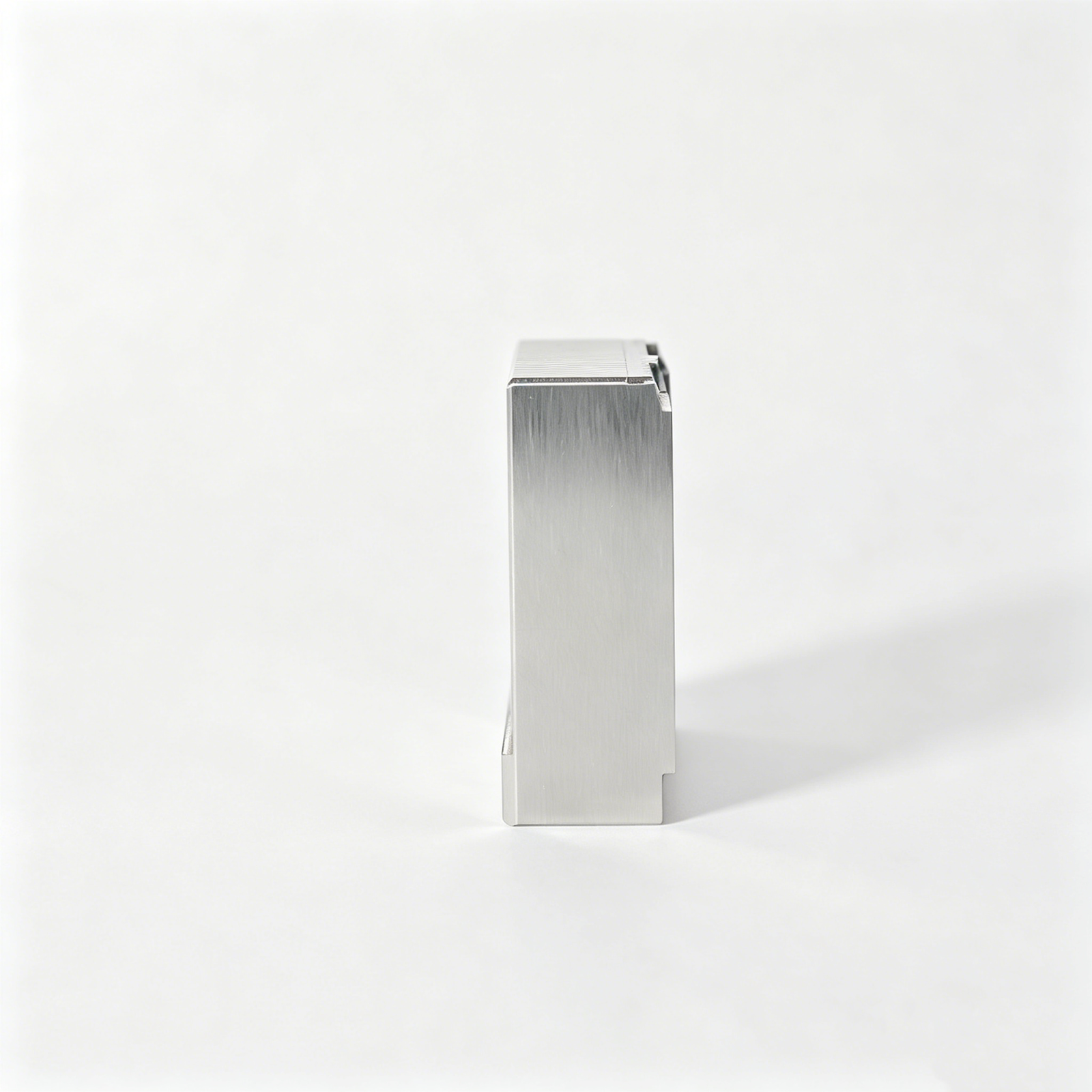
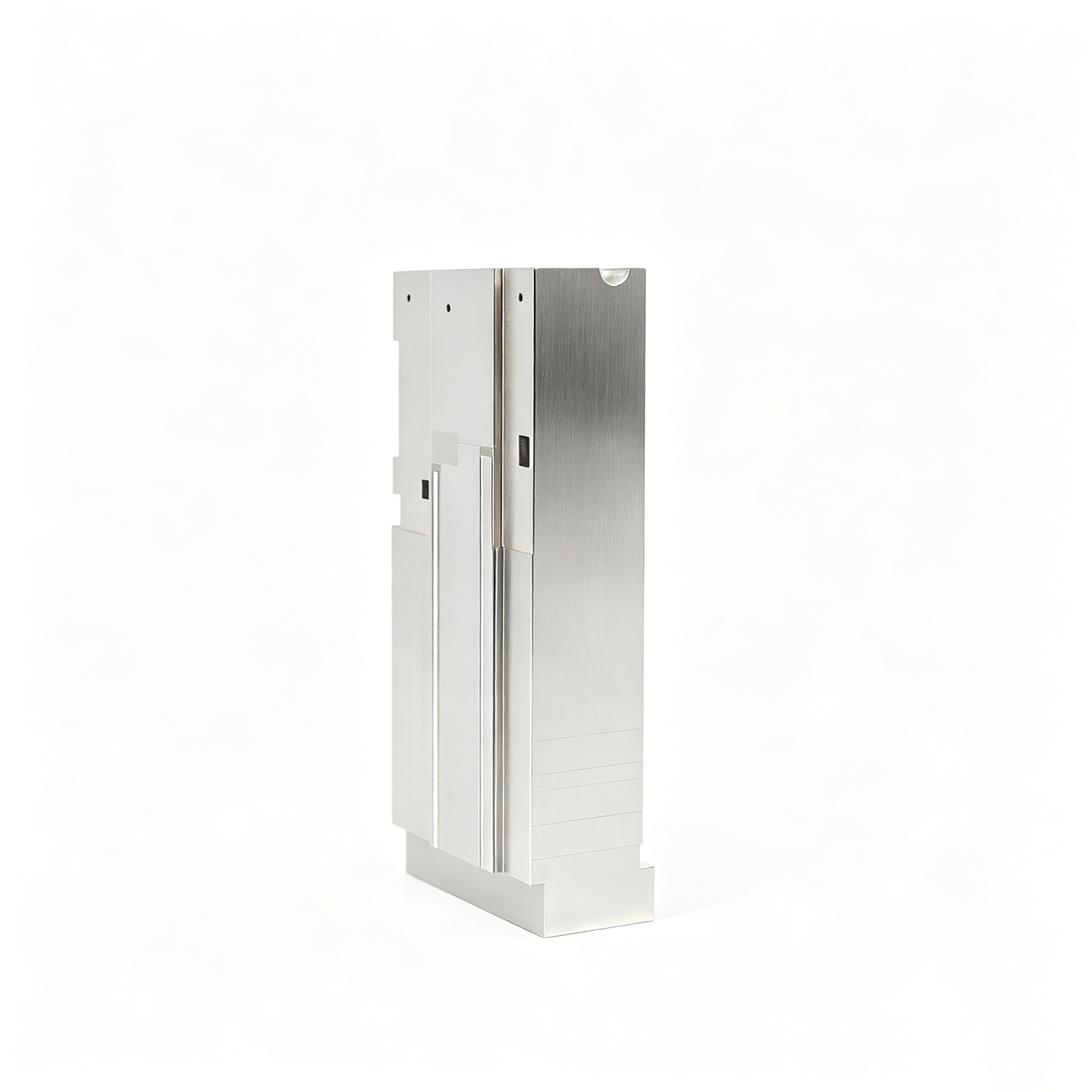
Sample Components for Drawing-Driven Precision Manufacturing
Ten drawing-based component examples; open a part to review its engineering context.




Kontrol RFQ untuk Manufaktur Berbasis Gambar
SUUXIANG menyelaraskan tinjauan gambar, perencanaan proses, ekspektasi inspeksi, dan kontrol revisi sebelum produksi dimulai.
Tinjauan Berbasis Gambar
Setiap RFQ dimulai dengan gambar 2D Anda, model, material, kuantitas, persyaratan finishing, dan dokumentasi inspeksi yang diperlukan.
Diskusi DFM
Kami meninjau akses pengerjaan, strategi datum, tumpukan toleransi, dan interaksi fitur sebelum memilih rute proses yang dapat diproduksi.
Perencanaan CTQ
Dimensi, permukaan, dan hubungan pasangan kritis diidentifikasi sejak dini sehingga metode pengukuran dan prioritas inspeksi selaras dengan gambar.
Pemilihan Rute Proses
Pengerjaan CNC, EDM, gerinda, dan penyetelan dipertimbangkan bersama ketika geometri, kondisi material, dan persyaratan permukaan mendorong keputusan proses.
Penyelarasan Inspeksi
Persyaratan inspeksi diklarifikasi sebelum produksi, termasuk kebutuhan laporan, datum, fitur kritis, dan dokumentasi yang diharapkan bersama pesanan.
Visibilitas Revisi
Perubahan revisi tetap terlihat melalui komunikasi terkontrol, membantu pesanan berulang mengikuti gambar saat ini, persyaratan, dan rencana inspeksi yang disepakati.
Jalur Terkait untuk Manufaktur Presisi Berbasis Gambar
Mulai dengan gambar, dimensi CTQ, material, finishing, dan persyaratan dokumentasi untuk menentukan rute manufaktur dan inspeksi yang praktis.
Layanan Pengerjaan CNC
Pengerjaan yang ditentukan gambar untuk suku cadang kustom, dengan perencanaan proses seputar geometri, kondisi material, datum, dan akses inspeksi.
Explore CNCKomponen Cetakan Presisi
Pengerjaan inti, rongga, dan sisipan yang direncanakan seputar fitur pasangan, kondisi material, EDM, gerinda, dan persyaratan penyetelan.
Explore Mold PartsKualitas dan Dokumentasi
Bahas fitur CTQ, metode pengukuran, kontrol revisi, dan dokumen rilis yang diperlukan untuk pesanan Anda.
Review QualityContoh Komponen
Buka sepuluh contoh komponen berbasis gambar dan tinjau konteks rekayasa di balik setiap keluarga komponen.
View PartsTentang SUUXIANG
Pelajari bagaimana tim Dongguan kami meninjau gambar pelanggan, alur proses, dan persyaratan inspeksi.
About UsMaterial Pengerjaan CNC Presisi untuk Fungsi dan Kontrol
Baja Perkakas
Dipilih untuk inti cetakan, sisipan rongga, komponen cetakan stamping, dan perkakas kritis aus. Tingkat, kondisi perlakuan panas, kelonggaran pemesinan, dan alur penyelesaian harus dikonfirmasi dari gambar dan persyaratan aplikasi.
Baja Tahan Karat
Digunakan di mana ketahanan korosi, kekuatan, atau kinerja layanan bersih penting dalam komponen kustom dan komponen perkakas. Tingkat material, kondisi kekerasan, persyaratan permukaan, dan prioritas inspeksi memandu rencana pemesinan dan penyelesaian.
Paduan Aluminium
Pilihan praktis untuk perlengkapan ringan, komponen prototipe, dan aplikasi perkakas tertentu. Pilihan paduan memengaruhi kemampuan mesin, stabilitas, kompatibilitas anodisasi, dan kekuatan ulir, jadi beban fungsional dan persyaratan permukaan harus menyertai RFQ.
Paduan Tembaga
Dipertimbangkan untuk komponen yang menghantarkan listrik atau responsif secara termal, termasuk detail perkakas khusus. Pemilihan paduan harus memperhitungkan kebutuhan konduktivitas, perilaku pemesinan, prioritas dimensi, dan komponen pasangan atau batasan penyelesaian apa pun.
Plastik Rekayasa
Berlaku untuk komponen tertentu dengan gesekan rendah, insulasi, atau tahan bahan kimia di mana perilaku dimensi mendukung aplikasi. Tingkat, paparan kelembaban, kondisi termal, toleransi, dan metode inspeksi memerlukan peninjauan sebelum pemesinan direncanakan.
Pengerjaan CNC Presisi, EDM, Gerinda, dan Pemasangan
Layanan Milling CNC
Milling CNC menghilangkan material dari komponen prismatik, saku, kontur, dan sisipan cetakan. Akses perkakas, lokasi datum, dan kelonggaran pemesinan ditinjau lebih awal untuk mendukung fitur yang stabil, permukaan yang terkontrol, dan EDM atau gerinda hilir yang efisien.
Layanan Bubut CNC
Bubut CNC menghasilkan diameter konsentris, lubang, ulir, dan profil rotasi untuk pin, selongsong, dan komponen kustom. Alurnya mempertimbangkan hubungan datum, ketebalan dinding, dan persyaratan penyelesaian selanjutnya sehingga antarmuka fungsional tetap praktis untuk diperiksa.
Pengerjaan 5 Sumbu
Pengerjaan multi-sumbu menjangkau fitur bersudut, senyawa, dan berkontur dengan lebih sedikit pengaturan di mana geometri mendukungnya. Strategi pengaturan dan pendekatan perkakas direncanakan di sekitar dimensi kritis, membantu mengurangi risiko penempatan ulang pada komponen cetakan dan perkakas konektor yang kompleks.
Layanan Wire EDM
Wire EDM memotong profil presisi, celah sempit, dan fitur yang dikeraskan di mana akses perkakas konvensional terbatas. Jalur kawat, lubang awal, kondisi sudut, dan persyaratan penyelesaian ditinjau bersama gambar untuk melindungi geometri fungsional dan hubungan pasangan.
Layanan Sinker EDM
Sinker EDM membentuk detail internal, rongga dalam, dan geometri fitur tajam menggunakan elektroda yang direncanakan. Strategi elektroda, kelonggaran percikan, dan harapan penyelesaian diselaraskan sebelum pemesinan, terutama di mana bentuk rongga atau material yang dikeraskan membatasi akses milling.
Fitur dan Identifikasi Komponen Pengerjaan CNC Presisi
Pengaturan Pengencang
Lubang berulir, lokasi pin dowel, celah sekrup, dan fitur pengencang captive dapat dikerjakan sesuai gambar yang disetujui, dengan hubungan datum dan akses perakitan ditinjau sebelum produksi dimulai.
Elemen Pemandu
Pin pemandu, bushing, fitur penentu posisi, dan permukaan aus dapat disediakan atau diakomodasi jika pesanan mendefinisikan kondisi pasangan, persyaratan material, ekspektasi pemasangan, dan prioritas inspeksi.
Sisipan Presisi
Inti yang dapat diganti, sisipan rongga, dan antarmuka sisipan khusus mendukung perawatan cetakan dan perubahan desain. SUUXIANG meninjau permukaan dudukan, metode retensi, kelonggaran pengerjaan, dan dimensi kritis dari gambar.
Identifikasi Komponen
Nomor komponen, tanda revisi, identifikasi rongga, dan label terkontrol dapat dipertimbangkan jika diminta. Metode penandaan, lokasi, dan persyaratan keterbacaan harus ditentukan dengan dokumentasi gambar yang berlaku.
Pengemasan Pelindung
Pengemasan pelindung dapat direncanakan berdasarkan permukaan jadi, tepi tajam, risiko korosi, set yang cocok, dan dokumentasi pengiriman. Sediakan persyaratan penanganan, pemisahan, dan pelabelan dengan RFQ untuk ditinjau.
Tentang Manufaktur Presisi SUUXIANG
SUUXIANG adalah merek publik dari Dongguan SuuXiang Precision Mold Co., Ltd., didirikan pada tahun 2010 di Chang’an, Dongguan. XiaoCheng Huang adalah pendiri dan perwakilan hukum. Perusahaan bekerja dengan tim teknik, perkakas, pengadaan, dan kualitas pada komponen presisi yang ditentukan oleh gambar.
Pekerjaan ini menggabungkan pengerjaan CNC dengan komponen cetakan presisi, perkakas konektor, EDM, penggilingan, pemasangan, dan perencanaan inspeksi. Rute proses dipilih berdasarkan geometri aktual, kondisi material, skema datum, fitur kritis, dan dokumen yang disyaratkan oleh pesanan.
Pengunjung harus menggunakan foto komponen perwakilan untuk memahami keluarga komponen, bukan untuk menyimpulkan tingkatan, toleransi, atau hasil pengukuran yang tepat. Untuk diskusi teknis, siapkan gambar dan model saat ini, kuantitas, material, finishing, CTQ, ruang lingkup inspeksi, dan tanggal target.
Kendali Pengerjaan CNC Presisi di Balik Setiap Gambar
Tinjauan Gambar dan CTQ
Setiap proyek pengerjaan CNC presisi dimulai dengan gambar, model, material, finishing, kuantitas, dan persyaratan dokumentasi. SUUXIANG meninjau dimensi kritis terhadap kualitas, hubungan datum, tumpukan toleransi, konteks pasangan, dan prioritas inspeksi sebelum rute proses diusulkan.
- Konfirmasi status revisi dan catatan gambar yang berlaku
- Identifikasi dimensi CTQ dan datum fungsional
- Tinjau persyaratan material, perlakuan panas, dan permukaan
- Tandai pertanyaan kemudahan manufaktur sebelum perencanaan produksi
Perencanaan Rute Proses
Pengerjaan CNC milling, turning, EDM, grinding, dan fitting dipilih sebagai urutan terkontrol, bukan sekadar menu permesinan umum. Rute mempertimbangkan akses alat, toleransi pemesinan, urutan kekerasan, strategi elektroda, jalur kawat, dan permukaan yang memerlukan grinding akhir.
- Sesuaikan milling dan turning dengan geometri komponen
- Rencanakan EDM untuk detail internal dan fitur yang sulit dijangkau
- Sisakan material untuk grinding pada permukaan akhir yang kritis
- Koordinasikan perlakuan panas dengan pengendalian risiko dimensi
Inspeksi Terintegrasi dalam Perencanaan
Kebutuhan inspeksi dipertimbangkan saat komponen direncanakan, bukan ditambahkan setelah permesinan. SUUXIANG menyelaraskan metode pengukuran, pengaturan datum, dimensi kritis, ekspektasi permukaan, dan pelaporan yang diperlukan dengan pesanan, sehingga dokumentasi mencerminkan rencana inspeksi yang terverifikasi.
- Tentukan titik inspeksi dari persyaratan gambar
- Selaraskan pengaturan pengukuran dengan datum fungsional
- Tinjau kebutuhan pelaporan dan ketertelusuran sejak dini
- Jaga catatan akhir agar sesuai dengan revisi pesanan
Koordinasi Terkendali Revisi
Pekerjaan berbasis gambar sangat bergantung pada kontrol revisi yang jelas di seluruh rekayasa, permesinan, inspeksi, dan pengiriman. SUUXIANG menjaga komunikasi proyek tetap fokus pada spesifikasi aktif, pertanyaan teknis yang belum terjawab, perubahan yang disetujui, dan persyaratan pesanan berulang untuk mengurangi variasi yang dapat dihindari antar produksi.
- Lacak revisi gambar dan model yang aktif
- Dokumentasikan klarifikasi dan keputusan perubahan
- Koordinasikan informasi pengiriman dengan status proyek
- Dukung pesanan berulang berdasarkan persyaratan yang dikonfirmasi
Daftar Periksa Keputusan RFQ Manufaktur Presisi Berbasis Gambar
Bandingkan penawaran berdasarkan revisi gambar yang sama dan cakupan teknis yang dinyatakan, bukan berdasarkan harga satuan yang tidak memenuhi syarat.
← Swipe left or right to view →
Pengerjaan CNC Presisi: Dari Tinjauan Gambar hingga Pengiriman
Alur kerja berbasis gambar yang menyelaraskan kemudahan manufaktur, dimensi kritis, rute proses, persyaratan inspeksi, dan koordinasi pengiriman sebelum produksi dimulai.
Tinjau Paket RFQ
Kami meninjau gambar, model, kuantitas, material, finishing, konteks aplikasi, tanggal target, dan dokumentasi inspeksi yang diminta untuk menetapkan titik awal yang lengkap secara teknis.
Konfirmasi DFM dan CTQ
Tim mengklarifikasi datum, dimensi kritis terhadap kualitas, tumpukan toleransi, akses pengerjaan mesin, persyaratan permukaan, dan status revisi sebelum berkomitmen pada rute proses.
Rencanakan Material dan Proses
Kondisi material, urutan perlakuan panas, kelonggaran pengerjaan mesin, strategi EDM, stok gerinda, kebutuhan perkakas, dan persyaratan pemasangan diatur berdasarkan gambar yang disetujui.
Fitur Komponen Kritis Mesin
Milling CNC, turning, machining multi-sumbu, EDM, grinding, dan fitting dikombinasikan sesuai kebutuhan untuk menghasilkan geometri komponen atau cetakan yang ditentukan.
Inspeksi Sesuai Persyaratan
Metode inspeksi dan pelaporan mengikuti rencana yang terverifikasi, berfokus pada dimensi yang ditentukan, datum, prioritas permukaan, dan dokumentasi yang diperlukan untuk pesanan.
Koordinasi Pengemasan dan Pengiriman
Komponen dikemas sesuai persyaratan proyek, sementara informasi revisi akhir, catatan inspeksi, dan koordinasi pengiriman tetap terlihat untuk kontrol pesanan berulang.
Cara Memulai Machining CNC Presisi dengan SUUXIANG
Move from drawing review to controlled production with requirements, decisions and delivery details kept visible.
Kirim Paket Gambar Anda
Sediakan gambar 2D, model 3D jika tersedia, material, kuantitas, konteks aplikasi, dimensi CTQ, persyaratan finishing, dan dokumentasi inspeksi atau pelaporan yang diperlukan.
Proses Tinjauan dan Penawaran
Selaraskan kelayakan manufaktur, strategi datum, akses machining, kebutuhan EDM atau grinding, urutan perlakuan panas, pendekatan inspeksi, cakupan penawaran, dan persyaratan sampling sebelum rilis.
Setujui Detail Produksi
Konfirmasikan revisi gambar, dimensi kritis, persyaratan material dan permukaan, rute proses yang disepakati, rencana inspeksi, ekspektasi sampel, dan prioritas pengiriman untuk pesanan.
Lacak Manufaktur dan Pengiriman
SUUXIANG mengoordinasikan machining, EDM, grinding, fitting, dan inspeksi sambil mempertahankan visibilitas revisi, dokumentasi, dan informasi pengiriman untuk mendukung kontrol pesanan berulang.
Dokumentasi Proyek untuk Ditetapkan Sebelum Produksi
Pertanyaan yang Sebaiknya Ditanyakan Pembeli Saat Tinjauan Teknis
Revisi gambar mana dan skema datum yang akan mengatur komponen, dan bagaimana penyimpangan yang diajukan akan disetujui?
Fitur mana yang penting untuk fungsi, dan metode pengukuran apa yang akan menunjukkan kesesuaian?
Apakah kutipan mencakup kondisi material, proses sekunder, dokumen inspeksi, dan asumsi pengemasan?
FAQ Pengerjaan CNC Presisi untuk Persiapan RFQ
Practical answers for buyers preparing drawing-based parts, mold components and tooling inquiries.
File apa yang harus saya berikan untuk RFQ pengerjaan CNC presisi?
Apakah ada jumlah pesanan minimum untuk komponen pengerjaan CNC presisi?
Bisakah SUUXIANG membuat sampel sebelum pesanan produksi?
Apa yang menentukan apakah komponen pengerjaan CNC presisi layak dibuat?
Bisakah Anda memberikan laporan inspeksi dengan pesanan?
Bagaimana revisi gambar dikontrol setelah saya mengirimkan RFQ?
Bagaimana SUUXIANG menangani perlindungan IP untuk proyek pengerjaan CNC presisi?
Informasi pembayaran dan pengiriman apa yang harus saya sertakan dalam RFQ saya?
Permintaan Penawaran (RFQ) Komponen Presisi
Kerangka kerja pengambilan keputusan yang praktis untuk komponen presisi yang didefinisikan oleh gambar, mulai dari tinjauan gambar pertama hingga penerimaan yang terdokumentasi.
1. Tentukan komponen dan fungsinya
Record the part family, assembly role and functional interfaces before choosing a machining method; the same visible shape may serve very different loads or fits. When specifying a drawing-defined precision part, this decision should be recorded against the latest controlled drawing. Note the quantity, production stage and functional interface so the discussion remains about the actual component rather than a visually similar example. A photograph can identify a part family, but it cannot establish material, tolerance or inspection results.nnFor this stage, focus on the part function, critical dimensions, material state and required inspection. Ask how the proposed process will preserve datum relationships and how the completed feature can be measured. If a tolerance, finish, hardness or document is essential, include its acceptance method in the RFQ rather than leaving it to interpretation.nnBefore approving production, record the drawing revision, any clarification or agreed deviation, and the documents expected with the order. Compare quotations by the same technical scope: material condition, operations, sampling, inspection, finishing, packing and delivery assumptions. If an item is not yet verified, treat it as an open engineering question. A clear decision record makes a prototype review and a later repeat order easier to reconcile without silently changing the specification.
2. Kendalikan revisi gambar saat ini
Identify which PDF, CAD model and revision note form the controlling package; conflicting callouts must be resolved before a quote becomes a production instruction. When specifying a drawing-defined precision part, this decision should be recorded against the latest controlled drawing. Note the quantity, production stage and functional interface so the discussion remains about the actual component rather than a visually similar example. A photograph can identify a part family, but it cannot establish material, tolerance or inspection results.nnFor this stage, focus on the part function, critical dimensions, material state and required inspection. Ask how the proposed process will preserve datum relationships and how the completed feature can be measured. If a tolerance, finish, hardness or document is essential, include its acceptance method in the RFQ rather than leaving it to interpretation.nnBefore approving production, record the drawing revision, any clarification or agreed deviation, and the documents expected with the order. Compare quotations by the same technical scope: material condition, operations, sampling, inspection, finishing, packing and delivery assumptions. If an item is not yet verified, treat it as an open engineering question. A clear decision record makes a prototype review and a later repeat order easier to reconcile without silently changing the specification.
3. Pisahkan dimensi kritis dari yang tidak kritis
Highlight fits, true positions, flatness and surfaces that change assembly behavior, then separate them from general dimensions that can use a different inspection frequency. When specifying a drawing-defined precision part, this decision should be recorded against the latest controlled drawing. Note the quantity, production stage and functional interface so the discussion remains about the actual component rather than a visually similar example. A photograph can identify a part family, but it cannot establish material, tolerance or inspection results.nnFor this stage, focus on the part function, critical dimensions, material state and required inspection. Ask how the proposed process will preserve datum relationships and how the completed feature can be measured. If a tolerance, finish, hardness or document is essential, include its acceptance method in the RFQ rather than leaving it to interpretation.nnBefore approving production, record the drawing revision, any clarification or agreed deviation, and the documents expected with the order. Compare quotations by the same technical scope: material condition, operations, sampling, inspection, finishing, packing and delivery assumptions. If an item is not yet verified, treat it as an open engineering question. A clear decision record makes a prototype review and a later repeat order easier to reconcile without silently changing the specification.
4. Pilih jalur proses yang realistis
A pocket, fine rib or deep bore may call for CNC, EDM or grinding in sequence; tool reach and heat-treatment state can change both cost and achievable finish. When specifying a drawing-defined precision part, this decision should be recorded against the latest controlled drawing. Note the quantity, production stage and functional interface so the discussion remains about the actual component rather than a visually similar example. A photograph can identify a part family, but it cannot establish material, tolerance or inspection results.nnFor this stage, focus on the part function, critical dimensions, material state and required inspection. Ask how the proposed process will preserve datum relationships and how the completed feature can be measured. If a tolerance, finish, hardness or document is essential, include its acceptance method in the RFQ rather than leaving it to interpretation.nnBefore approving production, record the drawing revision, any clarification or agreed deviation, and the documents expected with the order. Compare quotations by the same technical scope: material condition, operations, sampling, inspection, finishing, packing and delivery assumptions. If an item is not yet verified, treat it as an open engineering question. A clear decision record makes a prototype review and a later repeat order easier to reconcile without silently changing the specification.
5. Tentukan material dan perlakuan panas
State the exact grade and supply condition rather than naming only steel or aluminum; certificates and hardness requirements belong in the same specification package. When specifying a drawing-defined precision part, this decision should be recorded against the latest controlled drawing. Note the quantity, production stage and functional interface so the discussion remains about the actual component rather than a visually similar example. A photograph can identify a part family, but it cannot establish material, tolerance or inspection results.nnFor this stage, focus on the part function, critical dimensions, material state and required inspection. Ask how the proposed process will preserve datum relationships and how the completed feature can be measured. If a tolerance, finish, hardness or document is essential, include its acceptance method in the RFQ rather than leaving it to interpretation.nnBefore approving production, record the drawing revision, any clarification or agreed deviation, and the documents expected with the order. Compare quotations by the same technical scope: material condition, operations, sampling, inspection, finishing, packing and delivery assumptions. If an item is not yet verified, treat it as an open engineering question. A clear decision record makes a prototype review and a later repeat order easier to reconcile without silently changing the specification.
6. Rencanakan pengukuran sebelum produksi
Select CMM, optical or manual methods according to feature geometry and access; a numerical tolerance is incomplete without a realistic way to verify it. When specifying a drawing-defined precision part, this decision should be recorded against the latest controlled drawing. Note the quantity, production stage and functional interface so the discussion remains about the actual component rather than a visually similar example. A photograph can identify a part family, but it cannot establish material, tolerance or inspection results.nnFor this stage, focus on the part function, critical dimensions, material state and required inspection. Ask how the proposed process will preserve datum relationships and how the completed feature can be measured. If a tolerance, finish, hardness or document is essential, include its acceptance method in the RFQ rather than leaving it to interpretation.nnBefore approving production, record the drawing revision, any clarification or agreed deviation, and the documents expected with the order. Compare quotations by the same technical scope: material condition, operations, sampling, inspection, finishing, packing and delivery assumptions. If an item is not yet verified, treat it as an open engineering question. A clear decision record makes a prototype review and a later repeat order easier to reconcile without silently changing the specification.
7. Bandingkan penawaran dengan cakupan yang sama
Compare suppliers on included operations, secondary treatment, inspection evidence, sample approval, packing and revision ownership rather than unit price alone. When specifying a drawing-defined precision part, this decision should be recorded against the latest controlled drawing. Note the quantity, production stage and functional interface so the discussion remains about the actual component rather than a visually similar example. A photograph can identify a part family, but it cannot establish material, tolerance or inspection results.nnFor this stage, focus on the part function, critical dimensions, material state and required inspection. Ask how the proposed process will preserve datum relationships and how the completed feature can be measured. If a tolerance, finish, hardness or document is essential, include its acceptance method in the RFQ rather than leaving it to interpretation.nnBefore approving production, record the drawing revision, any clarification or agreed deviation, and the documents expected with the order. Compare quotations by the same technical scope: material condition, operations, sampling, inspection, finishing, packing and delivery assumptions. If an item is not yet verified, treat it as an open engineering question. A clear decision record makes a prototype review and a later repeat order easier to reconcile without silently changing the specification.
8. Siapkan RFQ berikutnya
A useful RFQ includes 2D and 3D files, quantities, material, treatment, CTQs, finish, documentation needs, target date and destination. When specifying a drawing-defined precision part, this decision should be recorded against the latest controlled drawing. Note the quantity, production stage and functional interface so the discussion remains about the actual component rather than a visually similar example. A photograph can identify a part family, but it cannot establish material, tolerance or inspection results.nnFor this stage, focus on the part function, critical dimensions, material state and required inspection. Ask how the proposed process will preserve datum relationships and how the completed feature can be measured. If a tolerance, finish, hardness or document is essential, include its acceptance method in the RFQ rather than leaving it to interpretation.nnBefore approving production, record the drawing revision, any clarification or agreed deviation, and the documents expected with the order. Compare quotations by the same technical scope: material condition, operations, sampling, inspection, finishing, packing and delivery assumptions. If an item is not yet verified, treat it as an open engineering question. A clear decision record makes a prototype review and a later repeat order easier to reconcile without silently changing the specification.
Tinjau Komponen dan Siapkan Paket Gambar Anda
Bandingkan komponen perwakilan, lalu kumpulkan revisi gambar saat ini, material, kuantitas, CTQ (Critical To Quality), finishing, cakupan inspeksi, dan tanggal target untuk diskusi proyek.