
Gia công CNC chính xác cho linh kiện và bộ phận khuôn mẫu
Lập kế hoạch từ bản vẽ của bạn để gia công CNC chính xác, với quy trình xem xét CTQ, lập kế hoạch quy trình và yêu cầu kiểm tra được xác định trước khi sản xuất.
Các mẫu linh kiện tùy chỉnh đã chọn
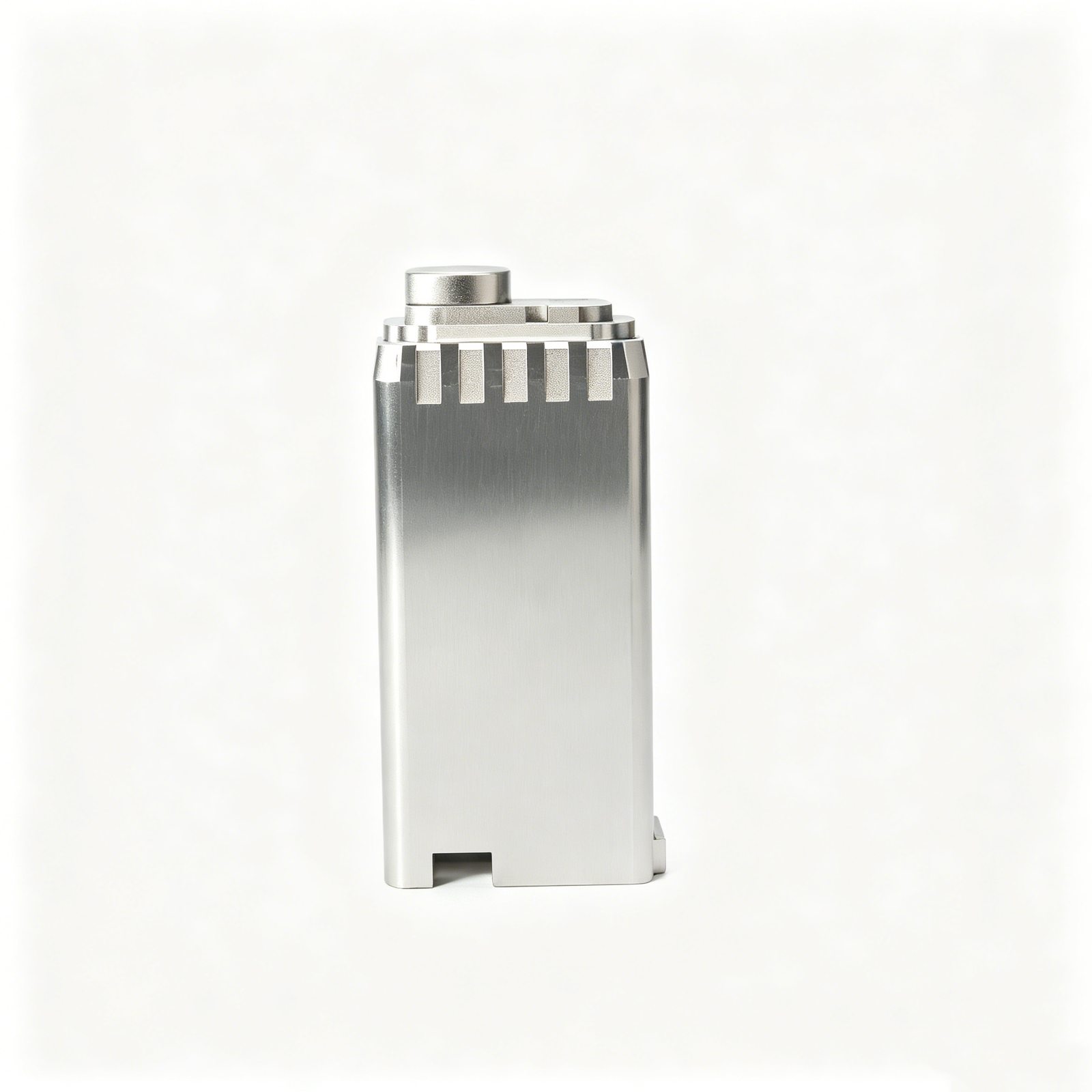
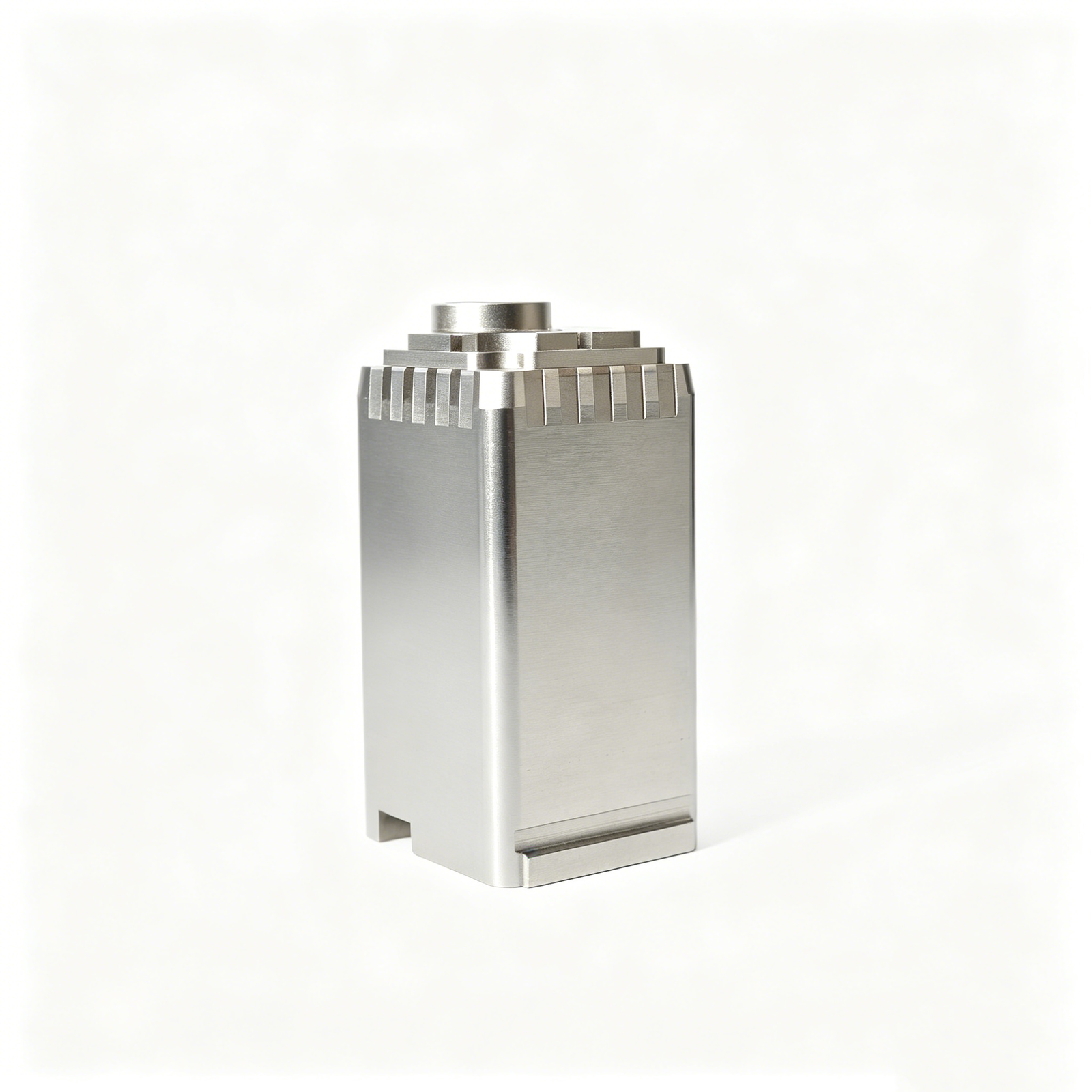
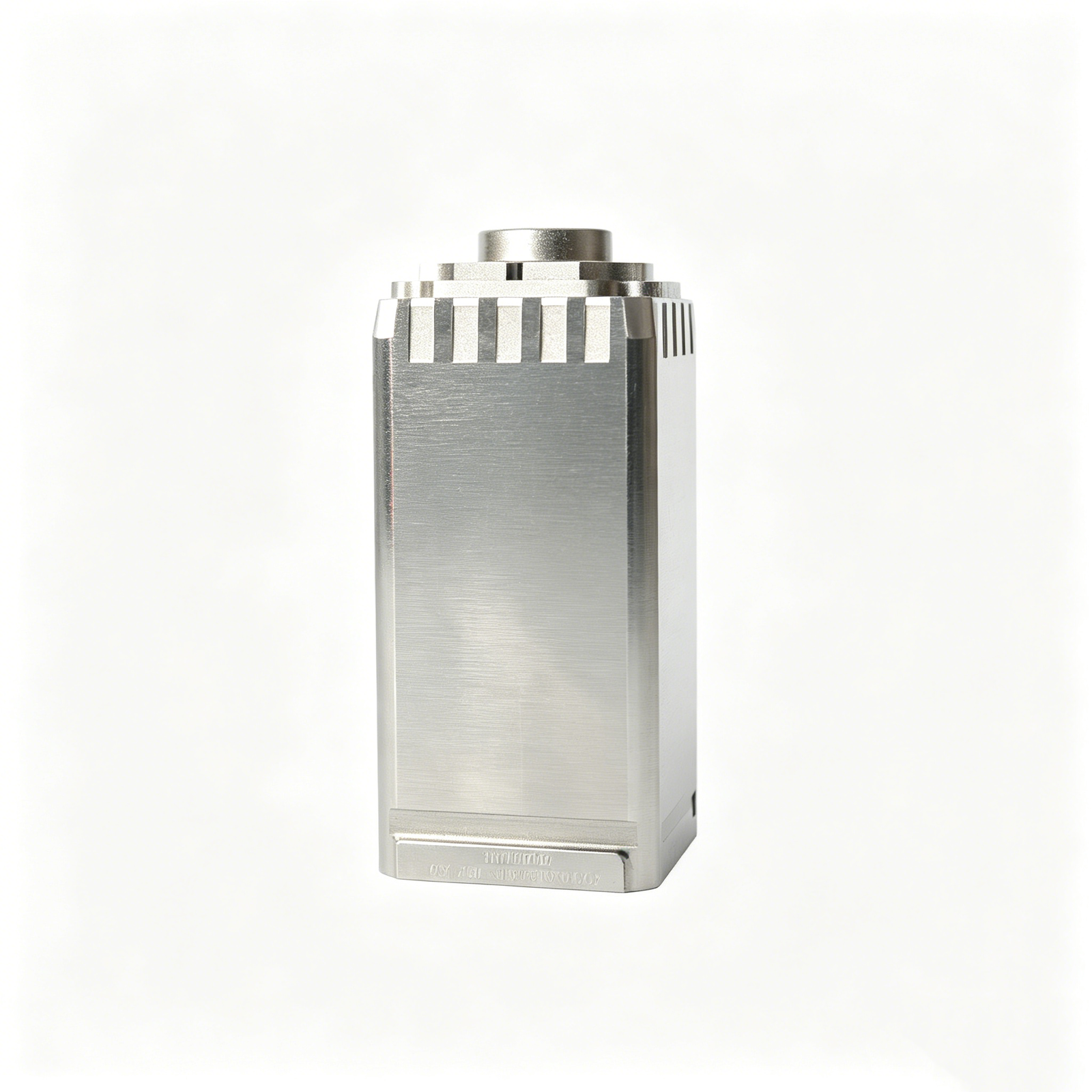
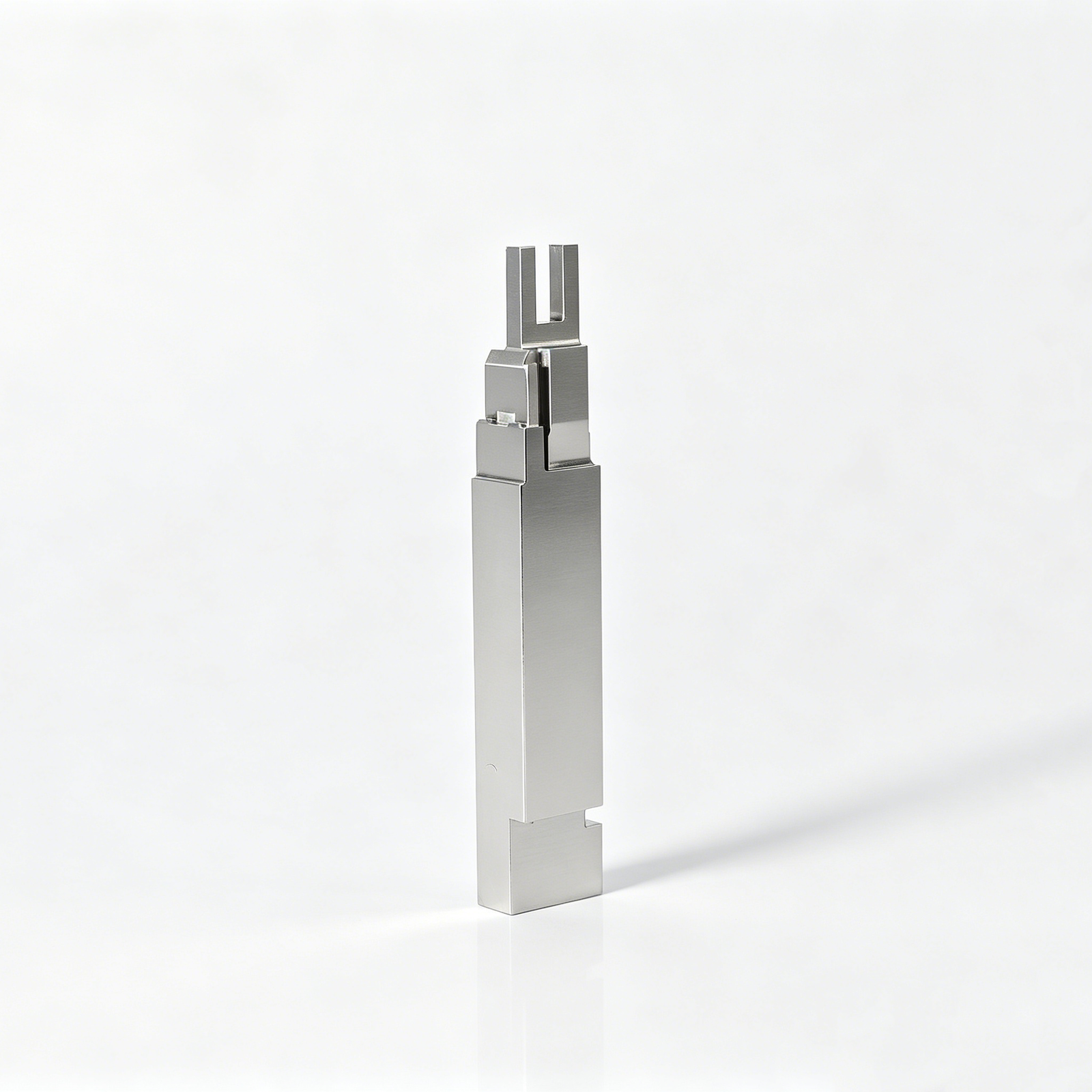
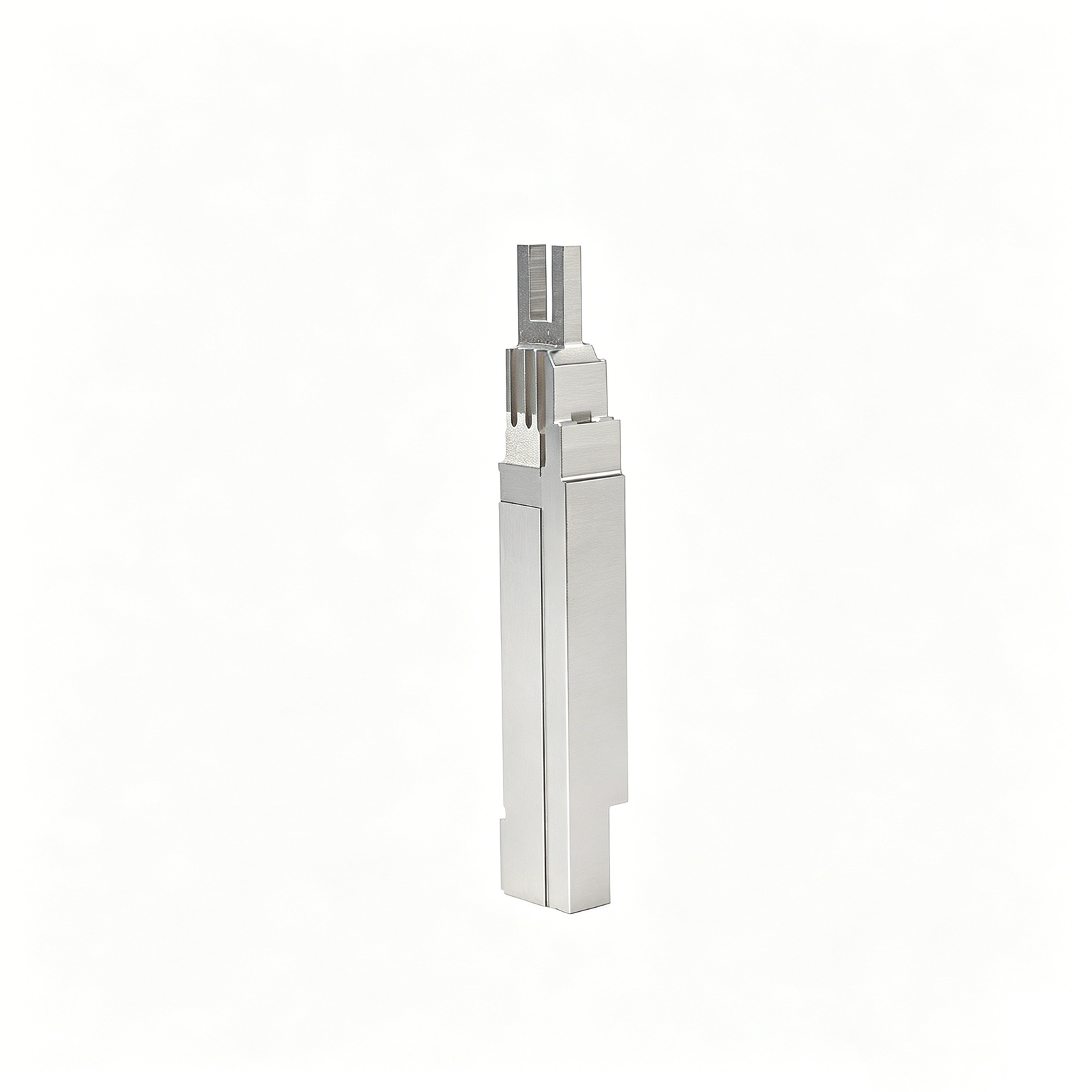

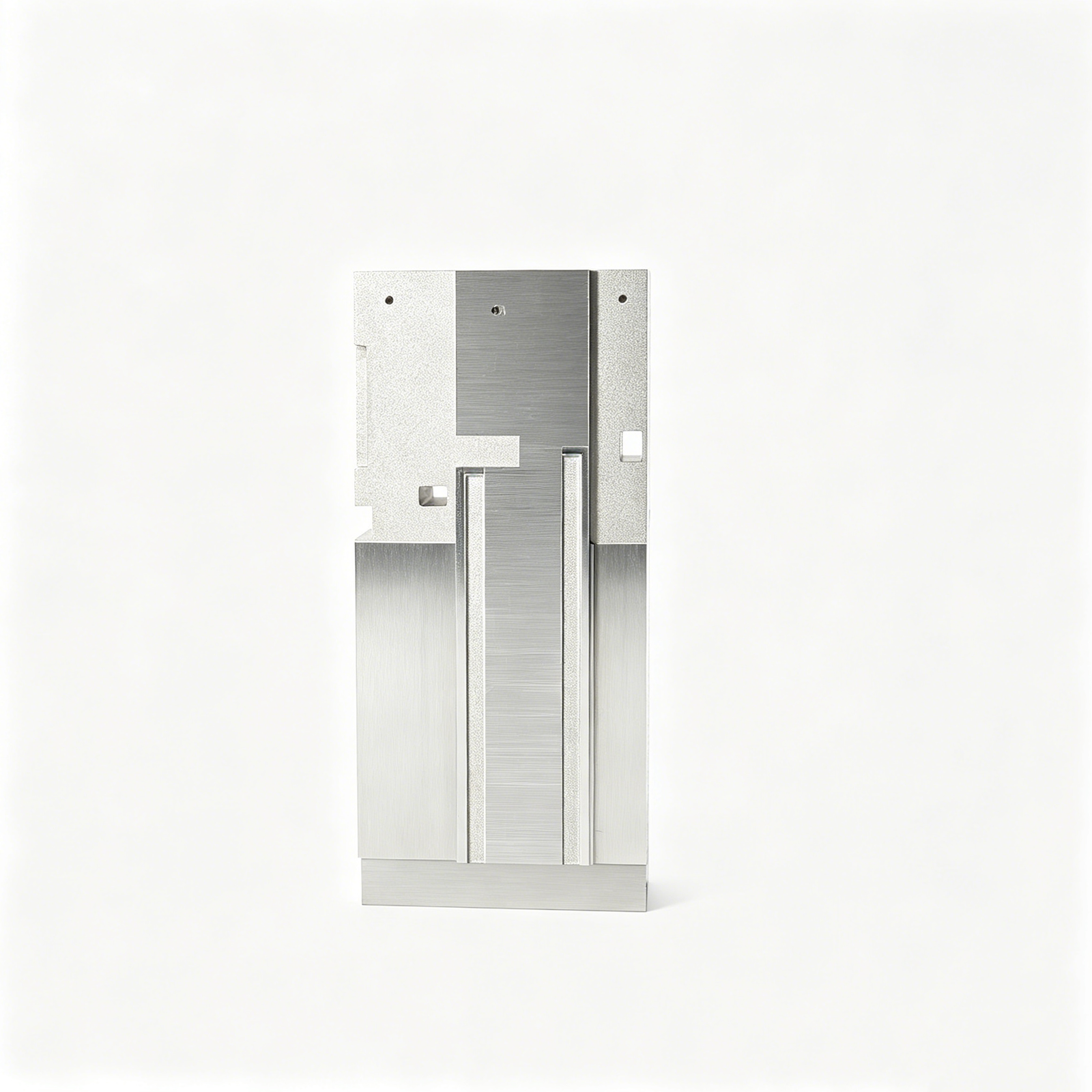
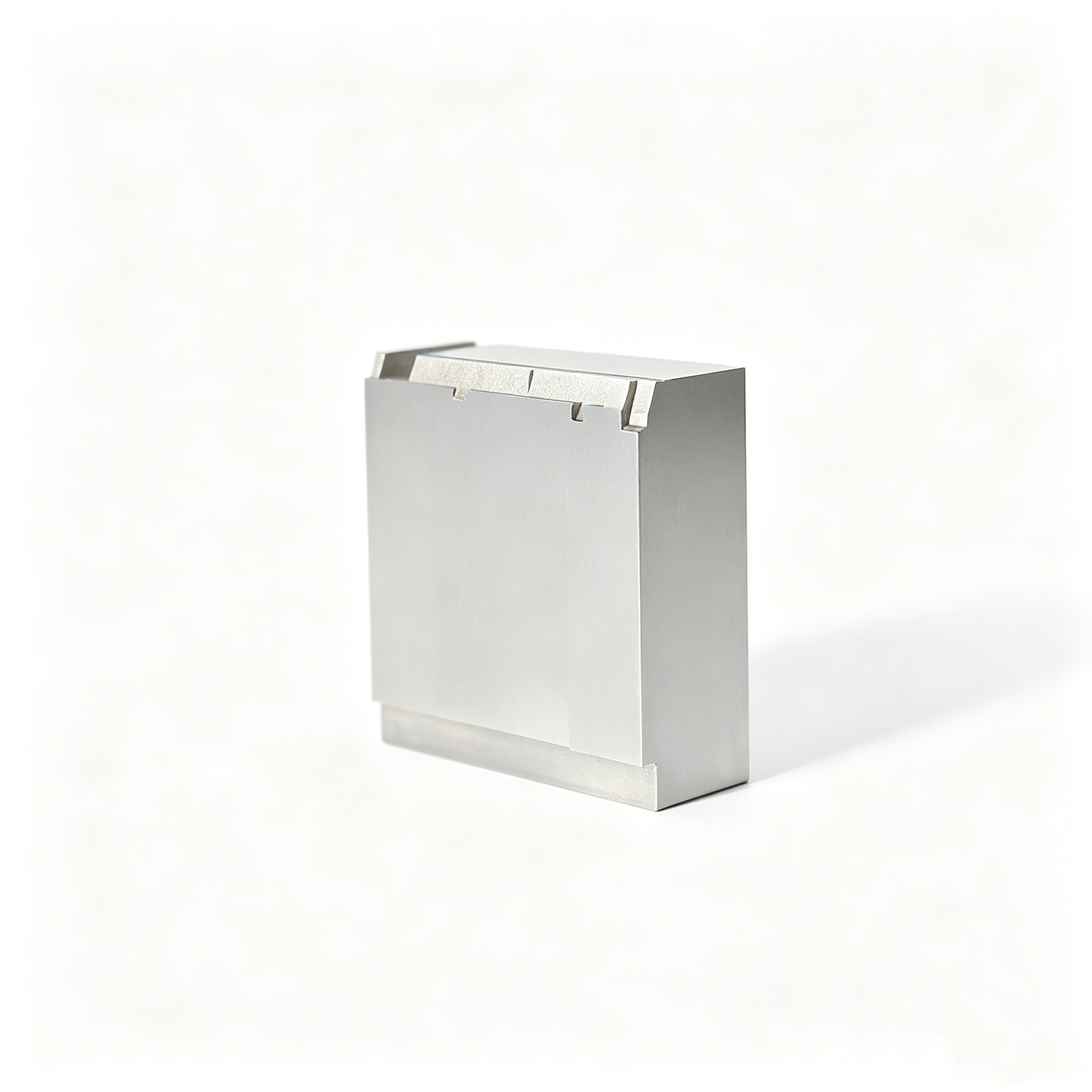
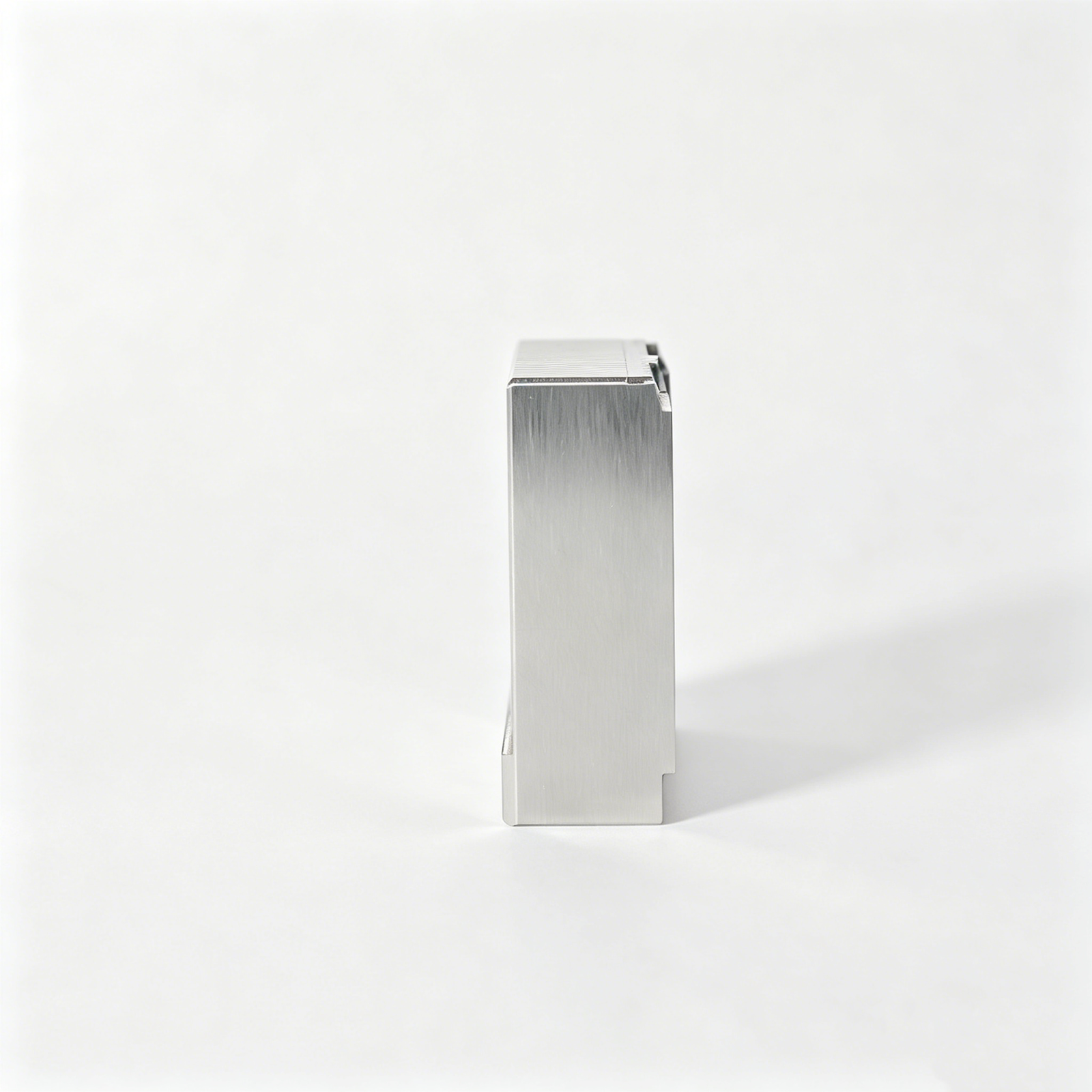
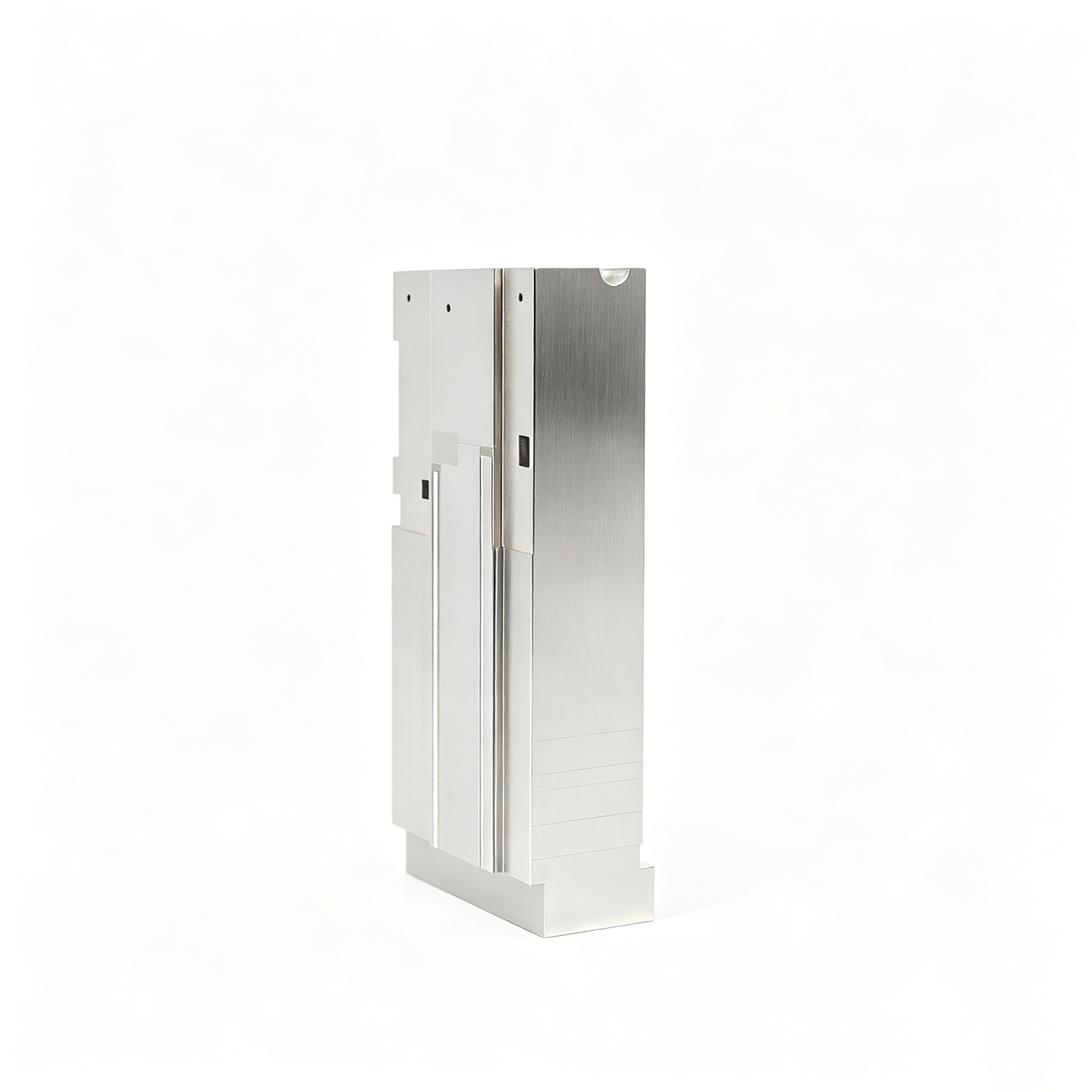
Sample Components for Drawing-Driven Precision Manufacturing
Ten drawing-based component examples; open a part to review its engineering context.





Các kiểm soát RFQ cho sản xuất dựa trên bản vẽ
SUUXIANG điều chỉnh việc xem xét bản vẽ, lập kế hoạch quy trình, kỳ vọng kiểm tra và kiểm soát sửa đổi trước khi bắt đầu sản xuất.
Xem xét dựa trên bản vẽ
Mỗi RFQ bắt đầu với bản vẽ 2D, mô hình, vật liệu, số lượng, yêu cầu hoàn thiện và tài liệu kiểm tra cần thiết của bạn.
Thảo luận DFM
Chúng tôi xem xét khả năng tiếp cận gia công, chiến lược datum, xếp chồng dung sai và tương tác các tính năng trước khi chọn lộ trình quy trình sản xuất phù hợp.
Lập kế hoạch CTQ
Các kích thước, bề mặt và mối quan hệ ghép nối quan trọng được xác định sớm để các phương pháp đo lường và ưu tiên kiểm tra phù hợp với bản vẽ.
Lựa chọn lộ trình quy trình
Gia công CNC, EDM, mài và lắp ráp được xem xét cùng nhau khi hình dạng, tình trạng vật liệu và yêu cầu bề mặt định hướng các quyết định quy trình.
Phối hợp kiểm tra
Các yêu cầu kiểm tra được làm rõ trước khi sản xuất, bao gồm các nhu cầu báo cáo, datum, các tính năng quan trọng và tài liệu mong đợi kèm theo đơn hàng.
Khả năng hiển thị sửa đổi
Các thay đổi sửa đổi luôn được hiển thị thông qua giao tiếp có kiểm soát, giúp các đơn hàng lặp lại tuân theo bản vẽ hiện tại, yêu cầu và kế hoạch kiểm tra đã thỏa thuận.
Các lộ trình liên quan cho Sản xuất chính xác dựa trên bản vẽ
Bắt đầu với bản vẽ, các kích thước CTQ, vật liệu, hoàn thiện và yêu cầu tài liệu để xác định một lộ trình sản xuất và kiểm tra thực tế.
Dịch vụ gia công CNC
Gia công theo bản vẽ cho các linh kiện tùy chỉnh, với kế hoạch quy trình dựa trên hình dạng, tình trạng vật liệu, datum và khả năng tiếp cận kiểm tra.
Explore CNCCác bộ phận khuôn mẫu chính xác
Công việc lõi, khoang và chèn được lập kế hoạch dựa trên các tính năng ghép nối, trạng thái vật liệu, các yêu cầu EDM, mài và lắp ráp.
Explore Mold PartsChất lượng và Tài liệu
Thảo luận về các tính năng CTQ, phương pháp đo lường, kiểm soát sửa đổi và các tài liệu phát hành cần thiết cho đơn hàng của bạn.
Review QualityCác bộ phận tiêu biểu
Mở mười ví dụ về các bộ phận dựa trên bản vẽ và xem xét bối cảnh kỹ thuật đằng sau mỗi họ bộ phận.
View PartsVề SUUXIANG
Tìm hiểu cách đội ngũ Dongguan của chúng tôi xem xét bản vẽ của khách hàng, quy trình sản xuất và yêu cầu kiểm tra.
About UsVật liệu gia công CNC chính xác cho chức năng và kiểm soát
Thép làm khuôn
Được lựa chọn cho lõi khuôn, insert lòng khuôn, bộ phận khuôn dập và các chi tiết chịu mài mòn. Mác thép, tình trạng nhiệt luyện, dung sai gia công và quy trình hoàn thiện cần được xác nhận từ bản vẽ và yêu cầu ứng dụng.
Thép không gỉ
Được sử dụng khi khả năng chống ăn mòn, độ bền hoặc hiệu suất trong môi trường sạch là quan trọng đối với các bộ phận tùy chỉnh và chi tiết khuôn. Mác thép, độ cứng, yêu cầu bề mặt và mức độ ưu tiên kiểm tra sẽ định hướng kế hoạch gia công và hoàn thiện.
Hợp kim nhôm
Một lựa chọn thiết thực cho các đồ gá nhẹ, bộ phận tạo mẫu và các ứng dụng khuôn nhất định. Lựa chọn hợp kim ảnh hưởng đến khả năng gia công, độ ổn định, khả năng anot hóa và độ bền ren, vì vậy tải trọng chức năng và yêu cầu bề mặt nên đi kèm với báo giá.
Hợp kim đồng
Được xem xét cho các bộ phận dẫn điện hoặc nhạy cảm nhiệt, bao gồm cả các chi tiết khuôn đặc biệt. Lựa chọn hợp kim phải tính đến nhu cầu dẫn điện, hành vi gia công, yêu cầu dung sai và bất kỳ ràng buộc nào về bộ phận ghép nối hoặc hoàn thiện.
Nhựa kỹ thuật
Áp dụng cho các bộ phận có ma sát thấp, cách điện hoặc kháng hóa chất được lựa chọn, nơi hành vi dung sai hỗ trợ ứng dụng. Mác nhựa, mức độ ẩm, điều kiện nhiệt độ, dung sai và phương pháp kiểm tra cần được xem xét trước khi lên kế hoạch gia công.
Gia công CNC chính xác, EDM, mài và lắp ráp
Dịch vụ phay CNC
Phay CNC loại bỏ vật liệu từ các bộ phận dạng khối, các hốc, đường viền và insert khuôn. Khả năng tiếp cận dụng cụ, vị trí gốc và dung sai gia công được xem xét sớm để hỗ trợ các chi tiết ổn định, bề mặt được kiểm soát và quy trình EDM hoặc mài sau này hiệu quả.
Dịch vụ tiện CNC
Tiện CNC tạo ra các đường kính đồng tâm, lỗ khoan, ren và các biên dạng quay cho các chốt, ống lót và các bộ phận tùy chỉnh. Quy trình xem xét mối quan hệ gốc, độ dày thành và các yêu cầu hoàn thiện tiếp theo để các giao diện chức năng vẫn thực tế để kiểm tra.
Gia công 5 trục
Gia công đa trục tiếp cận các chi tiết góc, phức hợp và có đường cong với ít lần gá đặt hơn nếu hình học cho phép. Chiến lược gá đặt và đường đi của dụng cụ được lên kế hoạch dựa trên các kích thước quan trọng, giúp giảm thiểu rủi ro định vị lại trên các bộ phận khuôn phức tạp và chi tiết khuôn kết nối.
Dịch vụ cắt dây EDM
Cắt dây EDM tạo ra các biên dạng chính xác, rãnh hẹp và các chi tiết đã tôi cứng nơi khả năng tiếp cận dụng cụ thông thường bị hạn chế. Đường đi của dây, lỗ bắt đầu, điều kiện góc và yêu cầu hoàn thiện được xem xét cùng với bản vẽ để bảo vệ hình học chức năng và mối quan hệ ghép nối.
Dịch vụ EDM chìm
EDM chìm tạo hình các chi tiết bên trong, các hốc sâu và hình học có cạnh sắc nét bằng cách sử dụng các điện cực được lên kế hoạch. Chiến lược điện cực, dung sai ăn mòn và kỳ vọng hoàn thiện được thống nhất trước khi gia công, đặc biệt là nơi hình dạng hốc hoặc vật liệu cứng hạn chế khả năng tiếp cận của máy phay.
Các tính năng và nhận diện chi tiết gia công CNC chính xác
Cung cấp phụ kiện lắp ghép
Lỗ ren, vị trí chốt định vị, khoảng hở vít và các chi tiết giữ ốc có thể được gia công theo bản vẽ đã duyệt, với các mối quan hệ chuẩn và khả năng tiếp cận lắp ráp được xem xét trước khi sản xuất bắt đầu.
Các bộ phận dẫn hướng
Chốt dẫn hướng, bạc dẫn hướng, các tính năng định vị và bề mặt chịu mài mòn có thể được cung cấp hoặc đáp ứng khi đơn đặt hàng xác định điều kiện ghép nối, yêu cầu vật liệu, mong đợi về lắp ráp và ưu tiên kiểm tra.
Các bộ phận chèn chính xác
Lõi có thể thay thế, bộ phận chèn lòng khuôn và các giao diện chèn tùy chỉnh hỗ trợ bảo trì khuôn và thay đổi thiết kế. SUUXIANG xem xét bề mặt lắp ghép, phương pháp giữ, dung sai gia công và các kích thước quan trọng từ bản vẽ.
Nhận diện chi tiết
Mã số chi tiết, ký hiệu phiên bản, nhận diện lòng khuôn và nhãn được kiểm soát có thể được xem xét khi có yêu cầu. Phương pháp đánh dấu, vị trí và yêu cầu về độ rõ nét cần được xác định cùng với tài liệu bản vẽ áp dụng.
Đóng gói bảo vệ
Đóng gói bảo vệ có thể được lên kế hoạch dựa trên bề mặt hoàn thiện, cạnh sắc, nguy cơ ăn mòn, bộ phận ghép và tài liệu vận chuyển. Cung cấp yêu cầu về xử lý, phân tách và ghi nhãn cùng với RFQ để xem xét.
Về SUUXIANG Chế tạo chính xác
SUUXIANG là thương hiệu công khai của Công ty TNHH Khuôn mẫu Chính xác Dongguan SuuXiang, được thành lập vào năm 2010 tại Trường An, Đông Quan. Ông Hoàng Tiểu Thành là người sáng lập và đại diện pháp luật. Công ty hợp tác với các đội kỹ thuật, chế tạo khuôn, mua sắm và chất lượng về các bộ phận chính xác theo bản vẽ.
Công việc kết hợp gia công CNC với các bộ phận khuôn chính xác, khuôn đấu nối, EDM, mài, lắp ráp và lập kế hoạch kiểm tra. Lộ trình quy trình được lựa chọn dựa trên hình học thực tế, trạng thái vật liệu, sơ đồ chuẩn, các tính năng quan trọng và các tài liệu được yêu cầu theo đơn đặt hàng.
Khách tham quan nên sử dụng hình ảnh mẫu chi tiết để hiểu các dòng sản phẩm, không suy luận về cấp độ chính xác, dung sai hoặc kết quả đo lường. Để thảo luận kỹ thuật, vui lòng chuẩn bị bản vẽ và mô hình hiện tại, số lượng, vật liệu, hoàn thiện, CTQ, phạm vi kiểm tra và ngày mong muốn.
Kiểm soát gia công CNC chính xác đằng sau mỗi bản vẽ
Xem xét bản vẽ và CTQ
Mỗi dự án gia công CNC chính xác bắt đầu bằng bản vẽ, mô hình, vật liệu, hoàn thiện, số lượng và các yêu cầu tài liệu. SUUXIANG xem xét các kích thước quan trọng đối với chất lượng (CTQ), mối quan hệ chuẩn, chồng chéo dung sai, ngữ cảnh ghép nối và ưu tiên kiểm tra trước khi đề xuất lộ trình quy trình.
- Xác nhận trạng thái sửa đổi và các ghi chú áp dụng trên bản vẽ
- Xác định các kích thước CTQ và các chuẩn chức năng
- Xem xét yêu cầu về vật liệu, xử lý nhiệt và bề mặt
- Đánh dấu các câu hỏi về khả năng chế tạo trước khi lập kế hoạch sản xuất
Lập kế hoạch Quy trình Sản xuất
Phay CNC, tiện, EDM, mài và lắp ráp được chọn theo một trình tự có kiểm soát thay vì một danh mục gia công chung chung. Quy trình xem xét khả năng tiếp cận dao cụ, dung sai gia công, trình tự độ cứng, chiến lược điện cực, đường đi dây và các bề mặt cần mài cuối cùng.
- Kết hợp phay và tiện với hình dạng chi tiết
- Lập kế hoạch EDM cho các chi tiết bên trong và các bộ phận khó tiếp cận
- Duy trì lượng dư mài cho các bề mặt hoàn thiện quan trọng
- Điều phối xử lý nhiệt với kiểm soát rủi ro kích thước
Kiểm tra được Tích hợp vào Lập kế hoạch
Các yêu cầu kiểm tra được xem xét trong quá trình lập kế hoạch chi tiết, không phải bổ sung sau khi gia công. SUUXIANG căn chỉnh các phương pháp đo lường, thiết lập gốc đo, kích thước quan trọng, yêu cầu bề mặt và báo cáo cần thiết với đơn hàng để tài liệu phản ánh kế hoạch kiểm tra đã xác minh.
- Xác định các điểm kiểm tra từ yêu cầu bản vẽ
- Căn chỉnh thiết lập đo lường với các gốc chức năng
- Xem xét sớm các nhu cầu báo cáo và truy xuất nguồn gốc
- Giữ hồ sơ cuối cùng khớp với phiên bản sửa đổi của đơn hàng
Phối hợp có Kiểm soát Sửa đổi
Công việc dựa trên bản vẽ đòi hỏi sự kiểm soát sửa đổi rõ ràng giữa các bộ phận kỹ thuật, gia công, kiểm tra và giao hàng. SUUXIANG giữ cho giao tiếp dự án tập trung vào thông số kỹ thuật hiện tại, các câu hỏi kỹ thuật mở, các thay đổi đã được phê duyệt và các yêu cầu đặt hàng lặp lại để giảm thiểu sai lệch có thể tránh được giữa các lần sản xuất.
- Theo dõi phiên bản sửa đổi hiện tại của bản vẽ và mô hình
- Tài liệu hóa làm rõ và các quyết định thay đổi
- Phối hợp thông tin giao hàng với tình trạng dự án
- Hỗ trợ các đơn hàng lặp lại dựa trên các yêu cầu đã xác nhận
Bảng kiểm tra Quyết định Yêu cầu Báo giá Sản xuất Chính xác Theo Bản vẽ
So sánh các báo giá theo cùng một phiên bản sửa đổi bản vẽ và phạm vi kỹ thuật đã nêu, không phải theo đơn giá chưa được đánh giá.
← Swipe left or right to view →
Gia công CNC chính xác: Từ xem bản vẽ đến giao hàng
Một quy trình làm việc dựa trên bản vẽ, liên kết khả năng sản xuất, các kích thước quan trọng, lộ trình quy trình, yêu cầu kiểm tra và điều phối giao hàng trước khi bắt đầu sản xuất.
Xem xét bộ hồ sơ RFQ
Chúng tôi xem xét bản vẽ, mô hình, số lượng, vật liệu, hoàn thiện, ngữ cảnh ứng dụng, ngày mục tiêu và tài liệu kiểm tra được yêu cầu để thiết lập một điểm bắt đầu hoàn chỉnh về mặt kỹ thuật.
Xác nhận DFM và CTQ
Nhóm làm rõ các điểm chuẩn, các kích thước quan trọng đối với chất lượng, các chồng dung sai, khả năng tiếp cận gia công, yêu cầu bề mặt và tình trạng sửa đổi trước khi cam kết với một lộ trình quy trình.
Lập kế hoạch vật liệu và quy trình
Tình trạng vật liệu, trình tự xử lý nhiệt, dung sai gia công, chiến lược EDM, vật liệu mài, nhu cầu dụng cụ và yêu cầu lắp ghép được sắp xếp xung quanh bản vẽ đã phê duyệt.
Các bộ phận quan trọng của máy
Gia công CNC, tiện, gia công đa trục, EDM, mài và lắp ráp được kết hợp khi cần thiết để tạo ra hình dạng chi tiết hoặc khuôn mẫu theo yêu cầu.
Kiểm tra theo yêu cầu
Các phương pháp kiểm tra và báo cáo tuân theo kế hoạch đã xác minh, tập trung vào các kích thước, điểm chuẩn, ưu tiên bề mặt và tài liệu cần thiết cho đơn hàng.
Phối hợp đóng gói và giao hàng
Các bộ phận được đóng gói theo yêu cầu của dự án, đồng thời thông tin sửa đổi cuối cùng, hồ sơ kiểm tra và phối hợp giao hàng vẫn được hiển thị để kiểm soát đơn hàng lặp lại.
Bắt đầu gia công CNC chính xác với SUUXIANG như thế nào
Move from drawing review to controlled production with requirements, decisions and delivery details kept visible.
Gửi bộ bản vẽ của bạn
Cung cấp bản vẽ 2D, mô hình 3D (nếu có), vật liệu, số lượng, ngữ cảnh ứng dụng, kích thước CTQ, yêu cầu hoàn thiện và tài liệu kiểm tra hoặc báo cáo cần thiết.
Quy trình xem xét và báo giá
Thống nhất về khả năng gia công, chiến lược điểm chuẩn, khả năng tiếp cận gia công, nhu cầu EDM hoặc mài, trình tự xử lý nhiệt, phương pháp kiểm tra, phạm vi báo giá và yêu cầu lấy mẫu trước khi thực hiện.
Phê duyệt chi tiết sản xuất
Xác nhận bản sửa đổi bản vẽ, kích thước quan trọng, yêu cầu vật liệu và bề mặt, quy trình đã thống nhất, kế hoạch kiểm tra, kỳ vọng về mẫu và ưu tiên giao hàng cho đơn hàng.
Theo dõi sản xuất và giao hàng
SUUXIANG điều phối gia công, EDM, mài, lắp ráp và kiểm tra, đồng thời duy trì thông tin sửa đổi, tài liệu và giao hàng có thể nhìn thấy để hỗ trợ kiểm soát đơn hàng lặp lại.
Tài liệu dự án cần xác định trước khi sản xuất
Các câu hỏi người mua nên hỏi trong quá trình đánh giá kỹ thuật
Bản vẽ sửa đổi và hệ thống tọa độ nào sẽ được áp dụng cho bộ phận, và làm thế nào để phê duyệt một sai lệch được đề xuất?
Những đặc điểm nào là quan trọng đối với chức năng, và phương pháp đo lường nào sẽ chứng minh sự phù hợp?
Báo giá có bao gồm điều kiện vật liệu, các quy trình phụ, tài liệu kiểm tra và các giả định về đóng gói không?
Câu hỏi thường gặp về gia công CNC chính xác để chuẩn bị RFQ
Practical answers for buyers preparing drawing-based parts, mold components and tooling inquiries.
Tôi nên cung cấp những tệp nào cho yêu cầu báo giá gia công CNC chính xác?
Có số lượng đặt hàng tối thiểu cho các bộ phận gia công CNC chính xác không?
SUUXIANG có thể làm mẫu trước khi đặt hàng sản xuất không?
Điều gì xác định liệu một bộ phận gia công CNC chính xác có khả thi không?
Bạn có thể cung cấp báo cáo kiểm tra cùng với đơn hàng không?
Các bản sửa đổi bản vẽ được kiểm soát như thế nào sau khi tôi gửi RFQ?
SUUXIANG xử lý bảo vệ IP cho các dự án gia công CNC chính xác như thế nào?
Tôi nên bao gồm thông tin thanh toán và vận chuyển nào trong RFQ của mình?
Yêu cầu báo giá bộ phận chính xác
Một khuôn khổ quyết định thực tế cho bộ phận chính xác được xác định bằng bản vẽ, từ lần xem xét bản vẽ đầu tiên đến việc chấp nhận có tài liệu.
1. Xác định bộ phận và chức năng của nó
Record the part family, assembly role and functional interfaces before choosing a machining method; the same visible shape may serve very different loads or fits. When specifying a drawing-defined precision part, this decision should be recorded against the latest controlled drawing. Note the quantity, production stage and functional interface so the discussion remains about the actual component rather than a visually similar example. A photograph can identify a part family, but it cannot establish material, tolerance or inspection results.nnFor this stage, focus on the part function, critical dimensions, material state and required inspection. Ask how the proposed process will preserve datum relationships and how the completed feature can be measured. If a tolerance, finish, hardness or document is essential, include its acceptance method in the RFQ rather than leaving it to interpretation.nnBefore approving production, record the drawing revision, any clarification or agreed deviation, and the documents expected with the order. Compare quotations by the same technical scope: material condition, operations, sampling, inspection, finishing, packing and delivery assumptions. If an item is not yet verified, treat it as an open engineering question. A clear decision record makes a prototype review and a later repeat order easier to reconcile without silently changing the specification.
2. Kiểm soát bản sửa đổi bản vẽ hiện tại
Identify which PDF, CAD model and revision note form the controlling package; conflicting callouts must be resolved before a quote becomes a production instruction. When specifying a drawing-defined precision part, this decision should be recorded against the latest controlled drawing. Note the quantity, production stage and functional interface so the discussion remains about the actual component rather than a visually similar example. A photograph can identify a part family, but it cannot establish material, tolerance or inspection results.nnFor this stage, focus on the part function, critical dimensions, material state and required inspection. Ask how the proposed process will preserve datum relationships and how the completed feature can be measured. If a tolerance, finish, hardness or document is essential, include its acceptance method in the RFQ rather than leaving it to interpretation.nnBefore approving production, record the drawing revision, any clarification or agreed deviation, and the documents expected with the order. Compare quotations by the same technical scope: material condition, operations, sampling, inspection, finishing, packing and delivery assumptions. If an item is not yet verified, treat it as an open engineering question. A clear decision record makes a prototype review and a later repeat order easier to reconcile without silently changing the specification.
3. Phân biệt các kích thước quan trọng và không quan trọng
Highlight fits, true positions, flatness and surfaces that change assembly behavior, then separate them from general dimensions that can use a different inspection frequency. When specifying a drawing-defined precision part, this decision should be recorded against the latest controlled drawing. Note the quantity, production stage and functional interface so the discussion remains about the actual component rather than a visually similar example. A photograph can identify a part family, but it cannot establish material, tolerance or inspection results.nnFor this stage, focus on the part function, critical dimensions, material state and required inspection. Ask how the proposed process will preserve datum relationships and how the completed feature can be measured. If a tolerance, finish, hardness or document is essential, include its acceptance method in the RFQ rather than leaving it to interpretation.nnBefore approving production, record the drawing revision, any clarification or agreed deviation, and the documents expected with the order. Compare quotations by the same technical scope: material condition, operations, sampling, inspection, finishing, packing and delivery assumptions. If an item is not yet verified, treat it as an open engineering question. A clear decision record makes a prototype review and a later repeat order easier to reconcile without silently changing the specification.
4. Chọn lộ trình quy trình thực tế
A pocket, fine rib or deep bore may call for CNC, EDM or grinding in sequence; tool reach and heat-treatment state can change both cost and achievable finish. When specifying a drawing-defined precision part, this decision should be recorded against the latest controlled drawing. Note the quantity, production stage and functional interface so the discussion remains about the actual component rather than a visually similar example. A photograph can identify a part family, but it cannot establish material, tolerance or inspection results.nnFor this stage, focus on the part function, critical dimensions, material state and required inspection. Ask how the proposed process will preserve datum relationships and how the completed feature can be measured. If a tolerance, finish, hardness or document is essential, include its acceptance method in the RFQ rather than leaving it to interpretation.nnBefore approving production, record the drawing revision, any clarification or agreed deviation, and the documents expected with the order. Compare quotations by the same technical scope: material condition, operations, sampling, inspection, finishing, packing and delivery assumptions. If an item is not yet verified, treat it as an open engineering question. A clear decision record makes a prototype review and a later repeat order easier to reconcile without silently changing the specification.
5. Chỉ định vật liệu và xử lý nhiệt
State the exact grade and supply condition rather than naming only steel or aluminum; certificates and hardness requirements belong in the same specification package. When specifying a drawing-defined precision part, this decision should be recorded against the latest controlled drawing. Note the quantity, production stage and functional interface so the discussion remains about the actual component rather than a visually similar example. A photograph can identify a part family, but it cannot establish material, tolerance or inspection results.nnFor this stage, focus on the part function, critical dimensions, material state and required inspection. Ask how the proposed process will preserve datum relationships and how the completed feature can be measured. If a tolerance, finish, hardness or document is essential, include its acceptance method in the RFQ rather than leaving it to interpretation.nnBefore approving production, record the drawing revision, any clarification or agreed deviation, and the documents expected with the order. Compare quotations by the same technical scope: material condition, operations, sampling, inspection, finishing, packing and delivery assumptions. If an item is not yet verified, treat it as an open engineering question. A clear decision record makes a prototype review and a later repeat order easier to reconcile without silently changing the specification.
6. Lập kế hoạch đo lường trước khi sản xuất
Select CMM, optical or manual methods according to feature geometry and access; a numerical tolerance is incomplete without a realistic way to verify it. When specifying a drawing-defined precision part, this decision should be recorded against the latest controlled drawing. Note the quantity, production stage and functional interface so the discussion remains about the actual component rather than a visually similar example. A photograph can identify a part family, but it cannot establish material, tolerance or inspection results.nnFor this stage, focus on the part function, critical dimensions, material state and required inspection. Ask how the proposed process will preserve datum relationships and how the completed feature can be measured. If a tolerance, finish, hardness or document is essential, include its acceptance method in the RFQ rather than leaving it to interpretation.nnBefore approving production, record the drawing revision, any clarification or agreed deviation, and the documents expected with the order. Compare quotations by the same technical scope: material condition, operations, sampling, inspection, finishing, packing and delivery assumptions. If an item is not yet verified, treat it as an open engineering question. A clear decision record makes a prototype review and a later repeat order easier to reconcile without silently changing the specification.
7. So sánh báo giá trên phạm vi tương đương
Compare suppliers on included operations, secondary treatment, inspection evidence, sample approval, packing and revision ownership rather than unit price alone. When specifying a drawing-defined precision part, this decision should be recorded against the latest controlled drawing. Note the quantity, production stage and functional interface so the discussion remains about the actual component rather than a visually similar example. A photograph can identify a part family, but it cannot establish material, tolerance or inspection results.nnFor this stage, focus on the part function, critical dimensions, material state and required inspection. Ask how the proposed process will preserve datum relationships and how the completed feature can be measured. If a tolerance, finish, hardness or document is essential, include its acceptance method in the RFQ rather than leaving it to interpretation.nnBefore approving production, record the drawing revision, any clarification or agreed deviation, and the documents expected with the order. Compare quotations by the same technical scope: material condition, operations, sampling, inspection, finishing, packing and delivery assumptions. If an item is not yet verified, treat it as an open engineering question. A clear decision record makes a prototype review and a later repeat order easier to reconcile without silently changing the specification.
8. Chuẩn bị yêu cầu báo giá tiếp theo
A useful RFQ includes 2D and 3D files, quantities, material, treatment, CTQs, finish, documentation needs, target date and destination. When specifying a drawing-defined precision part, this decision should be recorded against the latest controlled drawing. Note the quantity, production stage and functional interface so the discussion remains about the actual component rather than a visually similar example. A photograph can identify a part family, but it cannot establish material, tolerance or inspection results.nnFor this stage, focus on the part function, critical dimensions, material state and required inspection. Ask how the proposed process will preserve datum relationships and how the completed feature can be measured. If a tolerance, finish, hardness or document is essential, include its acceptance method in the RFQ rather than leaving it to interpretation.nnBefore approving production, record the drawing revision, any clarification or agreed deviation, and the documents expected with the order. Compare quotations by the same technical scope: material condition, operations, sampling, inspection, finishing, packing and delivery assumptions. If an item is not yet verified, treat it as an open engineering question. A clear decision record makes a prototype review and a later repeat order easier to reconcile without silently changing the specification.
Xem xét các bộ phận và chuẩn bị gói bản vẽ của bạn
So sánh các thành phần đại diện, sau đó thu thập bản sửa đổi bản vẽ hiện tại, vật liệu, số lượng, CTQ, hoàn thiện, phạm vi kiểm tra và ngày mục tiêu cho một cuộc thảo luận dự án.