
Materials for Drawing-Based CNC Parts and Tooling
Submit your drawing, materials requirements, and quality priorities for DFM-led planning through machining, EDM, grinding, and inspection.
Representative Components for Material and Process Review


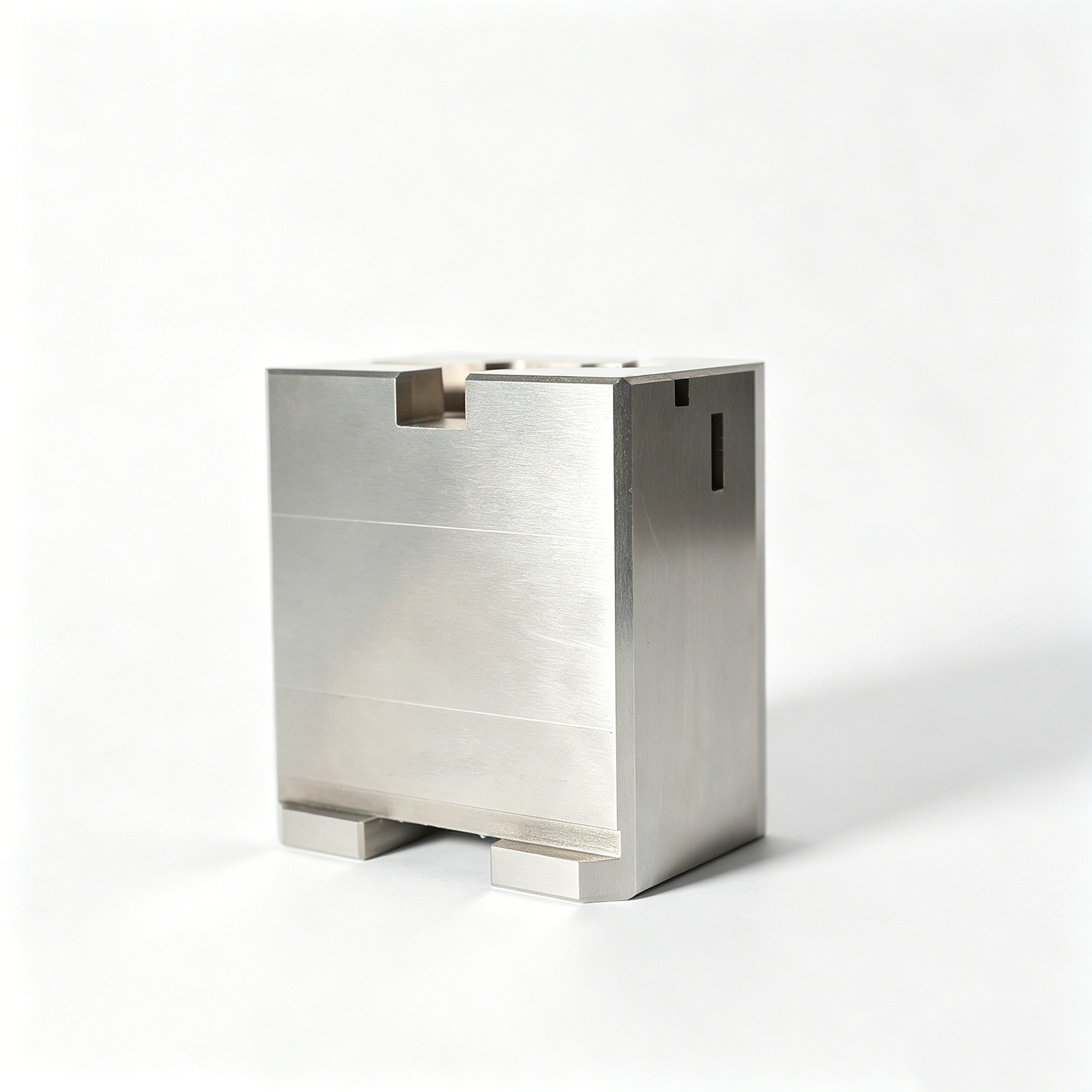


Related Materials and Drawing-Based RFQs




Materials Planning for Controlled Part Production
Drawing-led decisions align material requirements, process routes, critical dimensions and inspection expectations before production commitments.
Drawing-Led Material Review
Review drawings, models, materials, heat-treatment requirements and application context to identify manufacturability questions before quotation and production planning.
DFM Before Commitment
Assess datum strategy, tool access, tolerance stack and machining allowances early, so the proposed route reflects the part’s critical features.
Integrated Process Routes
Coordinate CNC machining, EDM, precision grinding and fitting around geometry, access limitations and sequence-dependent requirements for custom precision components.
Critical Dimension Planning
Define critical-to-quality dimensions, relevant datums and suitable inspection methods with the drawing review, rather than treating every feature identically.
Revision Visibility
Keep drawing revisions, inspection expectations and delivery coordination visible throughout the project to support traceable communication and controlled handoffs.
Order-Matched Inspection
Align final inspection documentation with the agreed order requirements and verified inspection plan for clearer quality review at delivery.
Materials and Process Routes for Precision Parts
Match material behavior, critical dimensions, and downstream finishing requirements with a drawing-reviewed machining, EDM, grinding, and inspection plan.

Tool Steels
Tool steels are selected for wear resistance, toughness, and heat-treatment response in punches, cores, inserts, and die components. Review hardness condition, machining allowance, EDM requirements, and final grinding datums before defining the production route.
Upload a Drawing
Mold Steels
Mold steels support cores, cavity inserts, slides, lifters, and other precision mold components. Material selection should account for polishability, corrosion exposure, heat treatment, cooling design, and the dimensional control required after machining and fitting.
Upload a Drawing
Stainless Steels
Stainless steels combine corrosion resistance with varying machinability, strength, and hardening behavior. For drawing-based parts, specify grade, condition, surface requirements, passivation needs, and critical dimensions so tooling, machining sequence, and inspection methods can be planned appropriately.
Upload a Drawing
Carbon and Alloy Steels
Carbon and alloy steels provide practical options for structural parts, shafts, fixtures, die components, and wear-related features. The drawing review should establish material condition, heat treatment, thread strategy, machining stock, and dimensional changes expected after thermal processing.
Upload a Drawing
Aluminum Alloys
Aluminum alloys are often used for lightweight fixtures, housings, prototypes, and components requiring efficient CNC machining. Specify alloy, temper, surface treatment, thin-wall constraints, and datum-critical features to determine clamping strategy and inspection requirements.
Upload a Drawing
Copper Alloys
Copper alloys are used where electrical conductivity, thermal transfer, lubricity, or forming performance matters. Material grade affects machining behavior and dimensional stability, so drawings should identify functional surfaces, plating requirements, mating interfaces, and any post-machining forming or heat-treatment steps.
Upload a Drawing
Engineering Plastics
Engineering plastics serve prototypes, insulating components, guides, wear parts, and low-volume functional assemblies. Material choice should consider moisture absorption, thermal expansion, creep, wall thickness, surface finish, and inspection conditions relative to the part’s operating environment.
Upload a Drawing
Titanium Alloys
Titanium alloys combine high strength, corrosion resistance, and low weight, but require controlled machining parameters and tool access. Provide material condition, critical threads, thin sections, surface requirements, and application context for a realistic process and inspection plan.
Upload a Drawing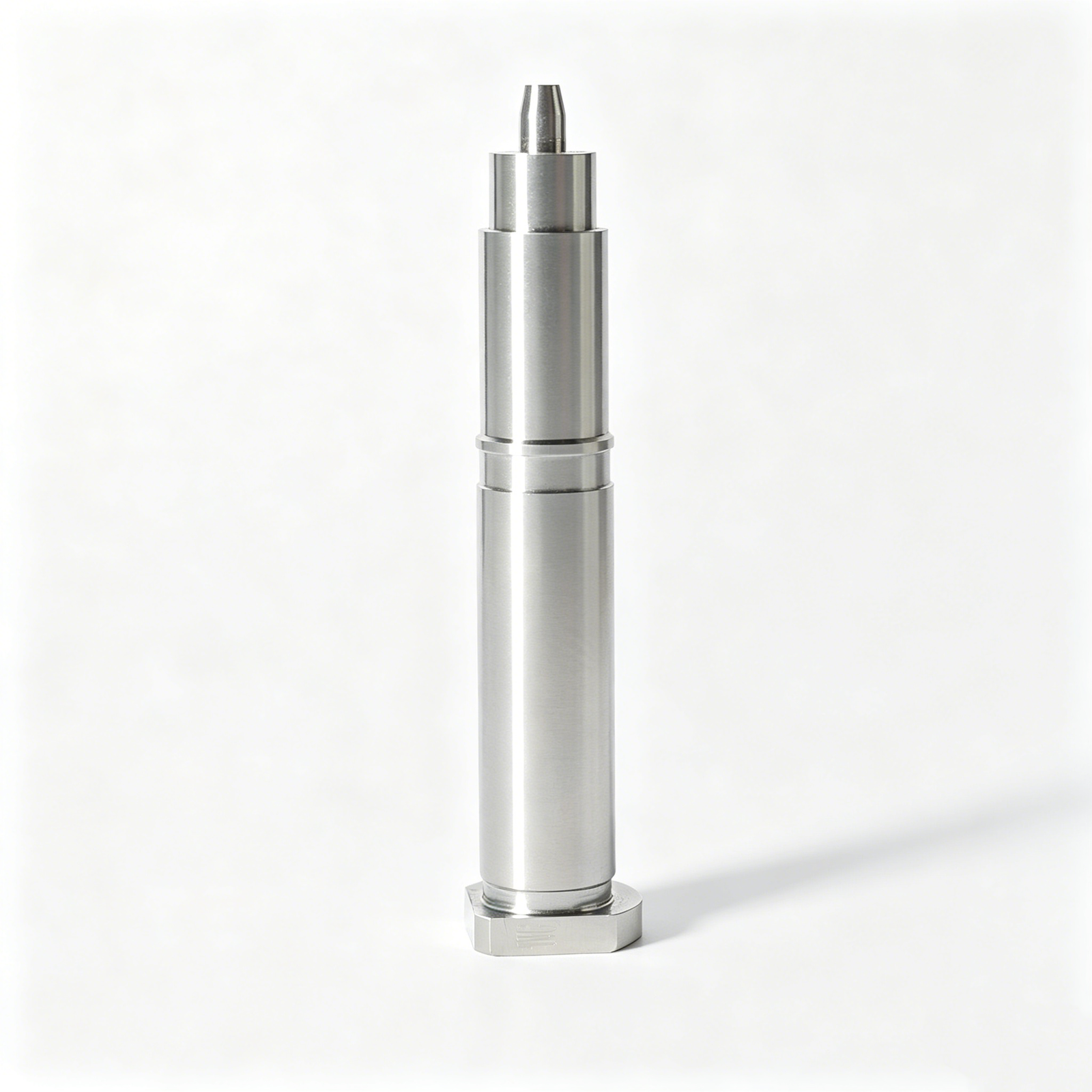
Nickel Alloys
Nickel alloys are considered for high-temperature, corrosion-resistant, and demanding chemical-service components. Their machining behavior requires careful cycle planning, rigid fixturing, and tool access review, especially where tight tolerances, deep features, or heat-affected downstream processes apply.
Upload a Drawing
Technical Ceramics and Carbides
Technical ceramics and carbides address severe wear, electrical, thermal, or stiffness requirements. Their brittleness and finishing constraints make geometry, edge condition, feature size, and inspection criteria essential inputs before confirming a machining, grinding, or EDM approach.
Upload a Drawing
CNC Machining D2 (SKD11) Tool Steel
CNC machining D2, also known as SKD11, supports wear-resistant punches, dies, and cutting components. Confirm supplied condition, heat-treatment sequence, wire-EDM profiles, relief geometry, and grinding stock because final hardness materially affects process routing and inspection.
Upload a Drawing
CNC Machining H13 (SKD61) Tool Steel
CNC machining H13, also known as SKD61, is suited to hot-work tooling, inserts, cores, and components exposed to thermal cycling. Review hardness targets, cooling features, EDM access, and post-heat-treatment grinding requirements before manufacturing commitments are made.
Upload a Drawing
CNC Machining S7 Tool Steel
CNC machining S7 tool steel is considered for shock-resistant tooling and impact-loaded components. Drawing review should focus on heat-treatment condition, notch-sensitive geometry, radii, critical holes, and whether grinding or EDM is required after hardening to control functional dimensions.
Upload a Drawing
CNC Machining A2 Tool Steel
CNC machining A2 tool steel supports dimensionally stable, air-hardening tool components where moderate wear resistance is needed. Establish stock condition, hardening sequence, hole and thread requirements, wire paths, and final grinding datums before production planning.
Upload a Drawing
CNC Machining O1 Tool Steel
CNC machining O1 tool steel suits smaller tooling components requiring straightforward oil hardening and good machinability before treatment. The RFQ should clarify required hardness, distortion-sensitive dimensions, surface finish, and any allowances needed for post-hardening grinding or fitting.
Upload a Drawing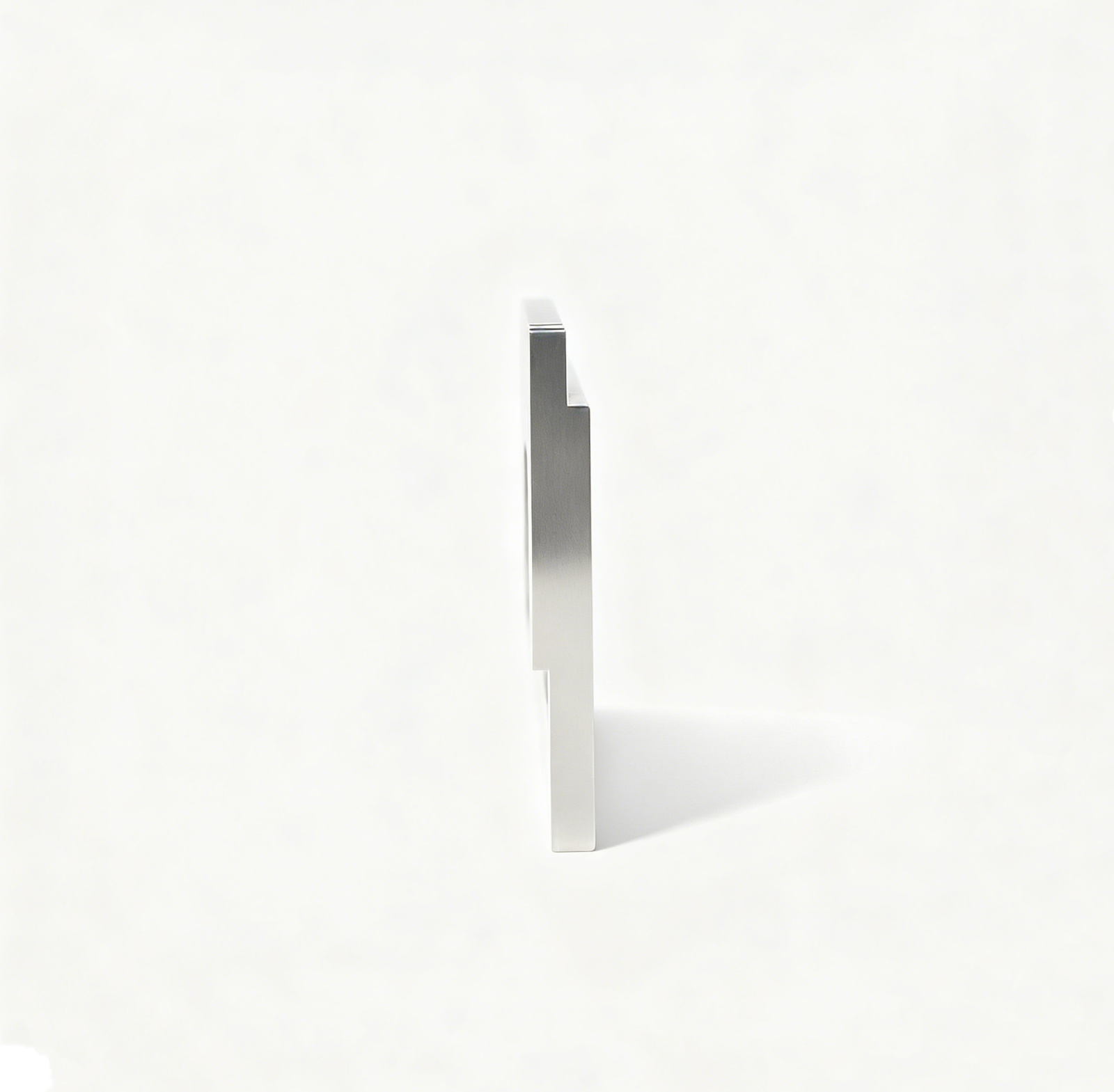
CNC Machining P20 Mold Steel
CNC machining P20 mold steel is commonly specified for pre-hardened mold bases, cavity blocks, and larger inserts. Define hardness condition, polishing expectations, cooling-channel geometry, and any later texturing or coating requirements to guide machining and inspection.
Upload a Drawing
CNC Machining NAK80 Mold Steel
CNC machining NAK80 mold steel supports pre-hardened components where polishability and stable machining are relevant. Buyers should identify optical or cosmetic surface areas, gate details, cooling features, and critical shutoff dimensions requiring controlled fitting and inspection.
Upload a Drawing
CNC Machining S136 Mold Steel
CNC machining S136 mold steel is used for corrosion-resistant mold components and applications requiring high polish potential. Material condition, corrosion environment, hardening expectations, surface finish, and post-treatment dimensional control should be reviewed before the route is confirmed.
Upload a Drawing
CNC Machining 420 Stainless Mold Steel
CNC machining 420 stainless mold steel supports corrosion-resistant mold inserts and tooling components. Because grade designation and heat-treatment condition affect hardness and polishability, provide the exact material specification, surface requirement, and final inspection priorities with the drawing.
Upload a Drawing
CNC Machining HPM38 Mold Steel
CNC machining HPM38 mold steel is selected for precision mold components where corrosion resistance and polishing performance may be relevant. Confirm equivalent-grade requirements, supplied condition, cavity surface expectations, and finishing sequence before quoting the work.
Upload a Drawing
CNC Machining 1.2344 Tool Steel
CNC machining 1.2344 tool steel is generally associated with hot-work tooling requirements. A drawing review should establish the material condition, target hardness, cooling or vent details, electrode needs, and finishing allowances required to preserve critical dimensions after treatment.
Upload a Drawing
CNC Machining 1.2379 Tool Steel
CNC machining 1.2379 tool steel supports high-wear tooling, punches, and die inserts. Specify whether material is annealed or hardened, along with cutting edges, wire-EDM contours, surface requirements, and grinding stock so the manufacturing sequence reflects functional risk.
Upload a Drawing
CNC Machining 1.2083 Mold Steel
CNC machining 1.2083 mold steel is used for corrosion-resistant mold components with polishing requirements. Review the exact material condition, cavity surface quality, cooling passages, heat treatment, and dimensions that require verification after final finishing or assembly fitting.
Upload a Drawing
CNC Machining Viking Tool Steel
CNC machining Viking tool steel is considered for demanding cold-work tooling where toughness and wear performance must be balanced. Confirm the material specification, heat-treatment target, edge geometry, EDM requirement, and final grinding plan before production.
Upload a Drawing
CNC Machining 303 Stainless Steel
CNC machining 303 stainless steel is suited to parts with substantial turning, threading, or machined fittings because of its free-machining behavior. Identify corrosion exposure, thread quality, surface finish, and any welding or forming restrictions before selecting the grade.
Upload a Drawing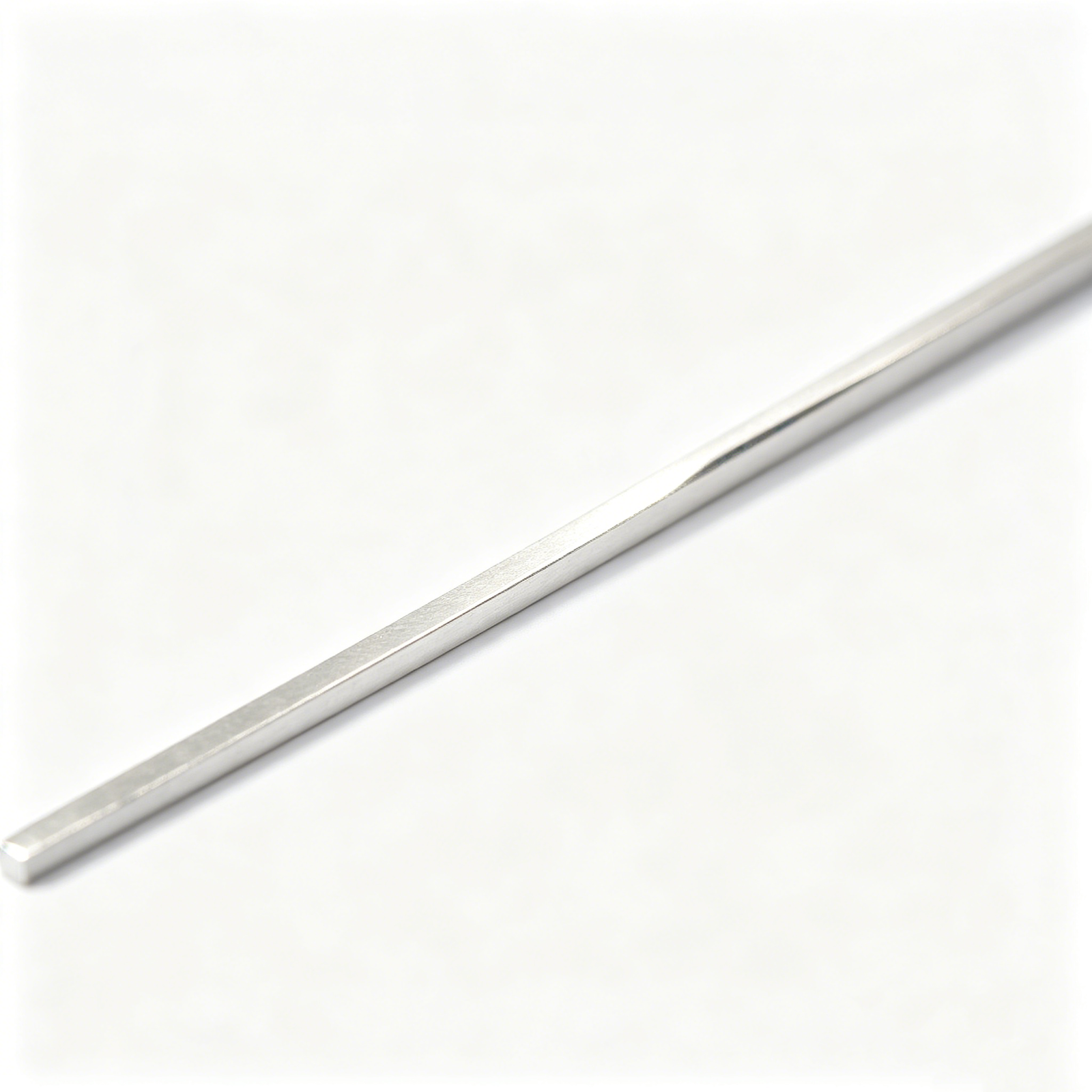
CNC Machining 304 Stainless Steel
CNC machining 304 stainless steel supports corrosion-resistant custom parts, housings, brackets, and fittings. Material form, work-hardening effects, thin-wall geometry, surface finish, and passivation expectations should be included in the drawing package and RFQ.
Upload a Drawing
CNC Machining 316 Stainless Steel
CNC machining 316 stainless steel is used where enhanced corrosion resistance is important, including chloride-exposed applications. Review material certification needs, machining accessibility, thread features, weld-adjacent requirements, surface finish, and inspection points that affect functional sealing or assembly.
Upload a Drawing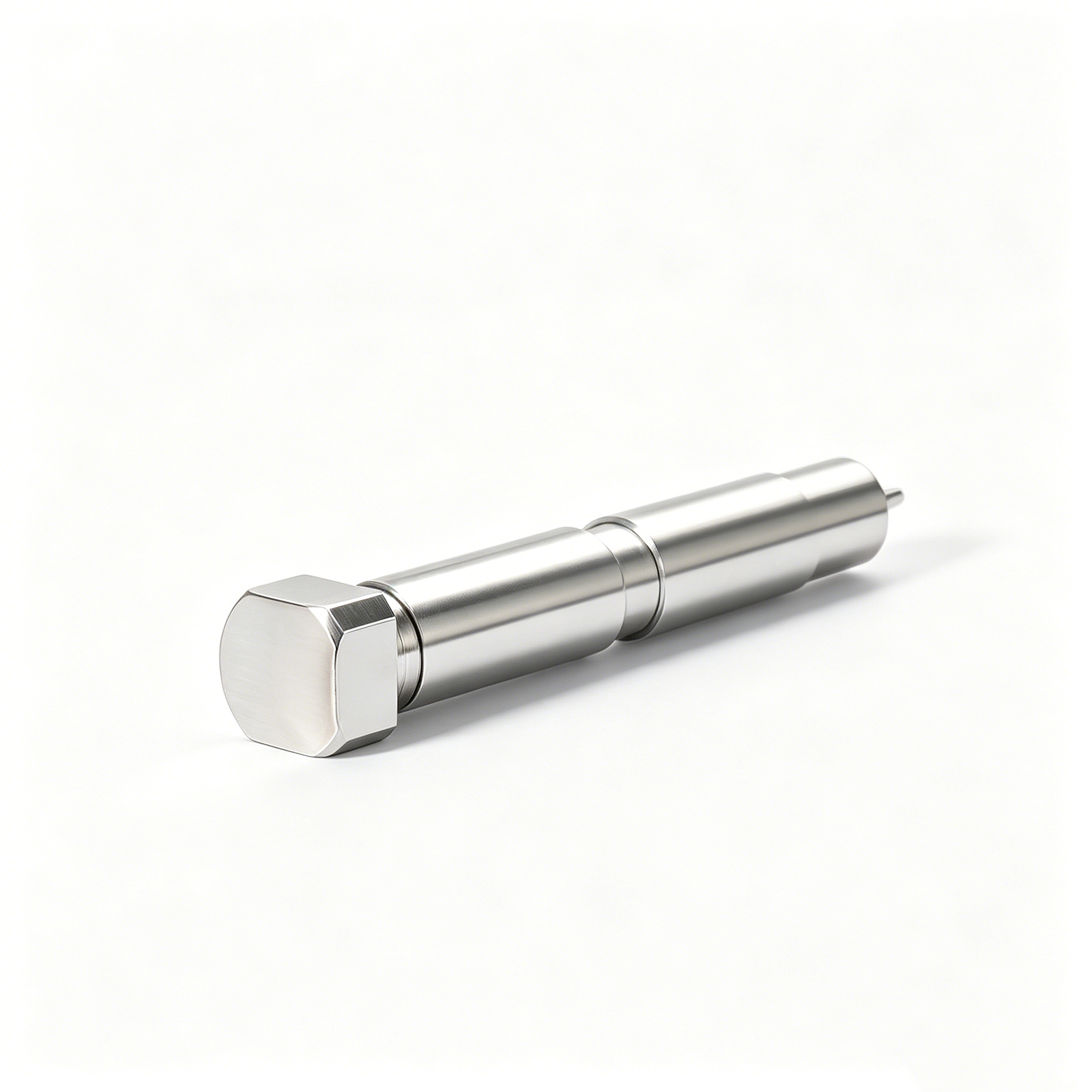
CNC Machining 17-4 PH Stainless Steel
CNC machining 17-4 PH stainless steel provides a route for corrosion-resistant parts requiring higher strength after precipitation hardening. Define condition, aging requirement, distortion-sensitive dimensions, and post-treatment inspection expectations before establishing machining and finishing operations.
Upload a Drawing
CNC Machining 420 Stainless Steel
CNC machining 420 stainless steel can serve hardened, corrosion-resistant components requiring wear performance. Grade condition and heat-treatment route must be clear, particularly for sharp edges, polished surfaces, and dimensions that may need grinding after hardening.
Upload a Drawing
CNC Machining 440C Stainless Steel
CNC machining 440C stainless steel is used for high-hardness, wear-resistant stainless components such as precision wear parts. Confirm the required heat-treatment condition, corrosion expectations, grinding or EDM needs, and inspection method for critical diameters and profiles.
Upload a Drawing
CNC Machining 6061 Aluminum
CNC machining 6061 aluminum supports fixtures, enclosures, brackets, structural components, and prototypes. Specify temper, anodizing or conversion-coating needs, flatness-critical faces, threaded features, and thin-wall areas so clamping, machining sequence, and final measurement can be aligned.
Upload a Drawing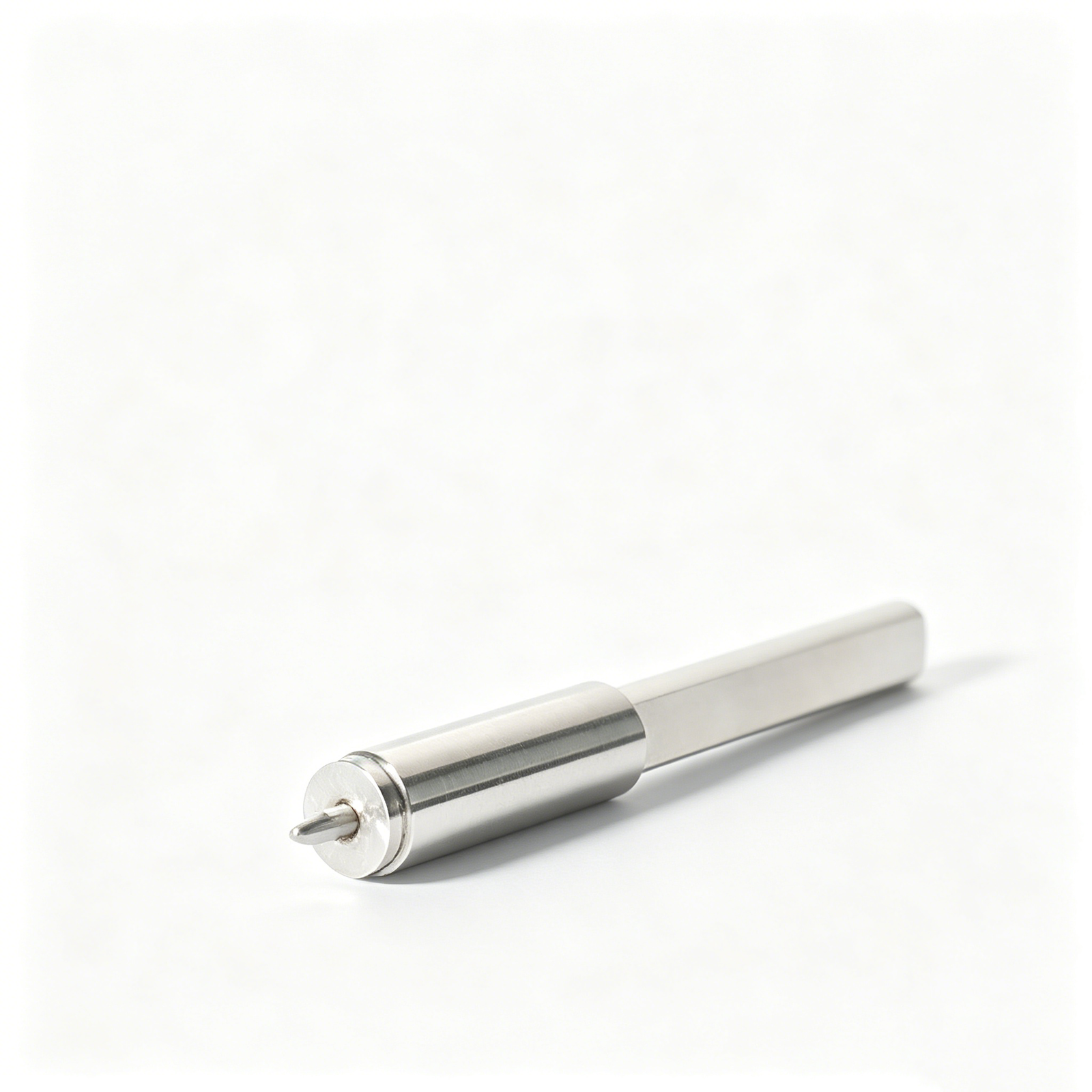
CNC Machining 7075 Aluminum
CNC machining 7075 aluminum is selected for high-strength lightweight components where geometry and loading justify the alloy. The RFQ should state temper, corrosion-protection requirements, critical bores, thin sections, and any stress-relief or dimensional-stability concerns.
Upload a Drawing
CNC Machining 2024 Aluminum
CNC machining 2024 aluminum provides high strength for aerospace-style or performance-oriented components, subject to application requirements. Review temper, corrosion protection, machining access, hole tolerances, and whether formed or fatigue-sensitive features require special handling or documentation.
Upload a Drawing
CNC Machining 5052 Aluminum
CNC machining 5052 aluminum is appropriate for corrosion-resistant sheet-derived or machined components with forming relevance. Clarify material form, temper, bend-related features, cosmetic surfaces, and coating needs so the process route suits both geometry and end use.
Upload a Drawing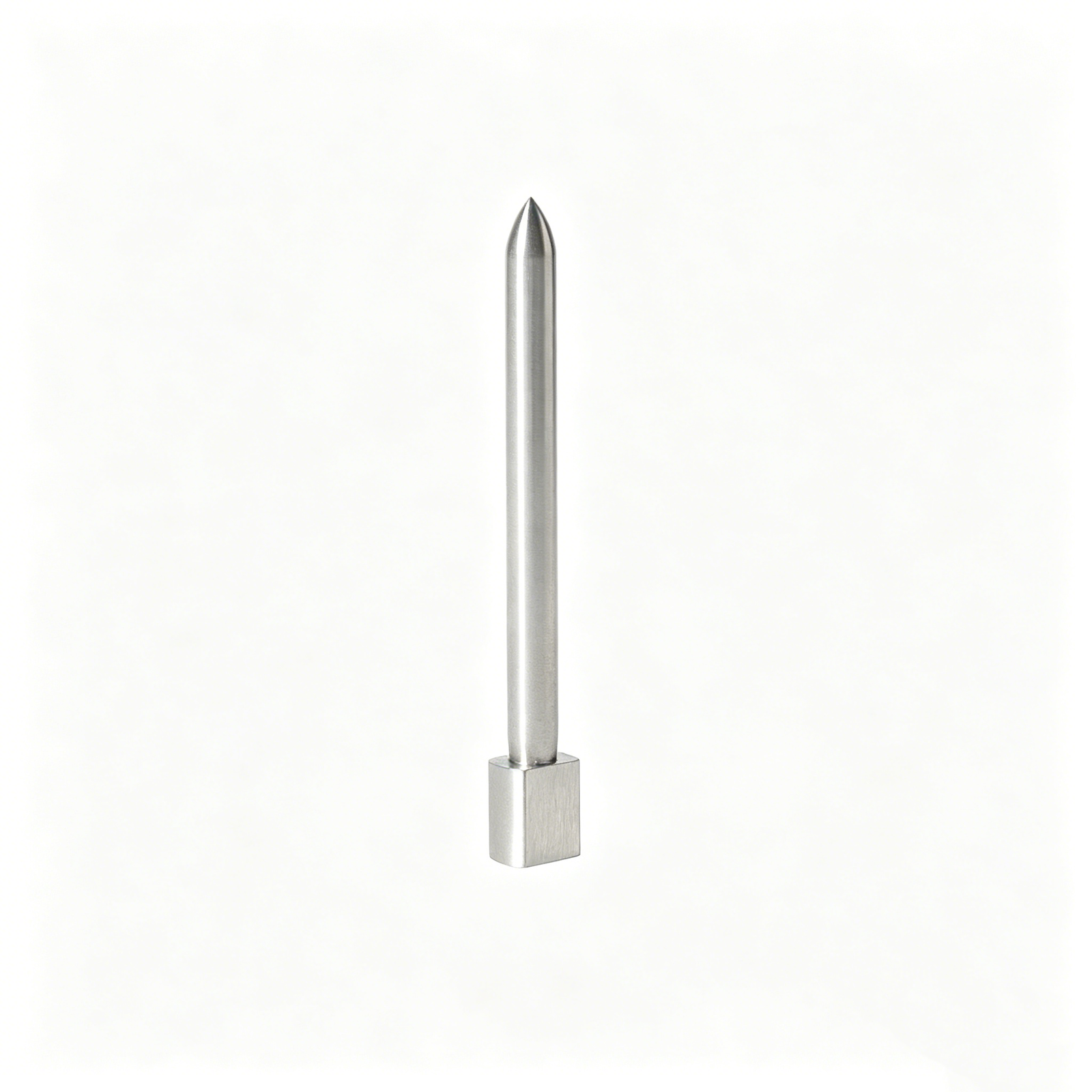
CNC Machining 5083 Aluminum
CNC machining 5083 aluminum is used where corrosion resistance and weld-related performance are relevant. Buyers should specify material condition, marine or chemical exposure, flatness requirements, machined sealing faces, and inspection criteria for distortion-sensitive geometries.
Upload a Drawing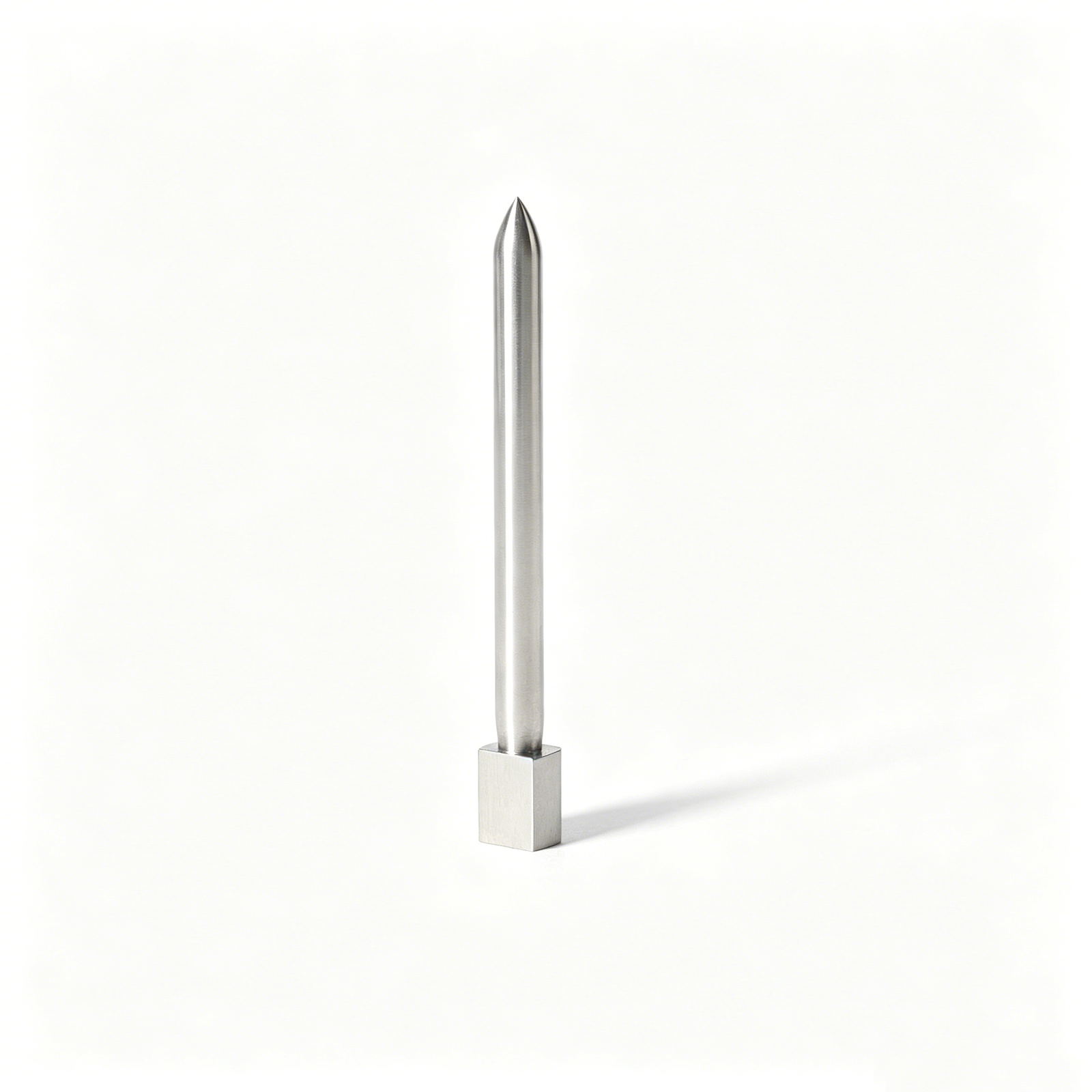
CNC Machining C110 Copper
CNC machining C110 copper supports electrical and thermal components where conductivity is a key requirement. Confirm purity designation, plating needs, contact surfaces, burr limits, thin-wall features, and handling requirements to protect functional surfaces through machining and inspection.
Upload a Drawing
CNC Machining C17200 Beryllium Copper
CNC machining C17200 beryllium copper is used for high-strength conductive tooling, springs, and connector-related components. Material handling, supplied condition, heat-treatment requirements, and applicable safety controls should be defined before machining, finishing, and inspection are planned.
Upload a Drawing
CNC Machining C360 Brass
CNC machining C360 brass is a practical choice for turned fittings, terminals, and precision threaded components. Define lead-content compliance needs, plating, thread gauges, sealing surfaces, and cosmetic finish expectations to match material selection with the production route.
Upload a Drawing
CNC Machining C932 Bearing Bronze
CNC machining C932 bearing bronze supports bushings, bearing surfaces, and wear-related components. Review lubrication conditions, interference or running-clearance dimensions, groove geometry, mating-shaft material, and inspection method to ensure functional fit after machining.
Upload a Drawing
CNC Machining 1018 Carbon Steel
CNC machining 1018 carbon steel suits general-purpose custom parts, fixtures, pins, and structural components. State supplied form, case-hardening or coating requirements, thread features, corrosion protection, and critical dimensions so machining and any downstream treatment are coordinated.
Upload a Drawing
CNC Machining 1045 Carbon Steel
CNC machining 1045 carbon steel provides a stronger option for shafts, pins, tooling supports, and mechanical components. Clarify hardness condition, induction-hardening requirements, key dimensional datums, surface finish, and grinding allowance where final journals or fits are critical.
Upload a Drawing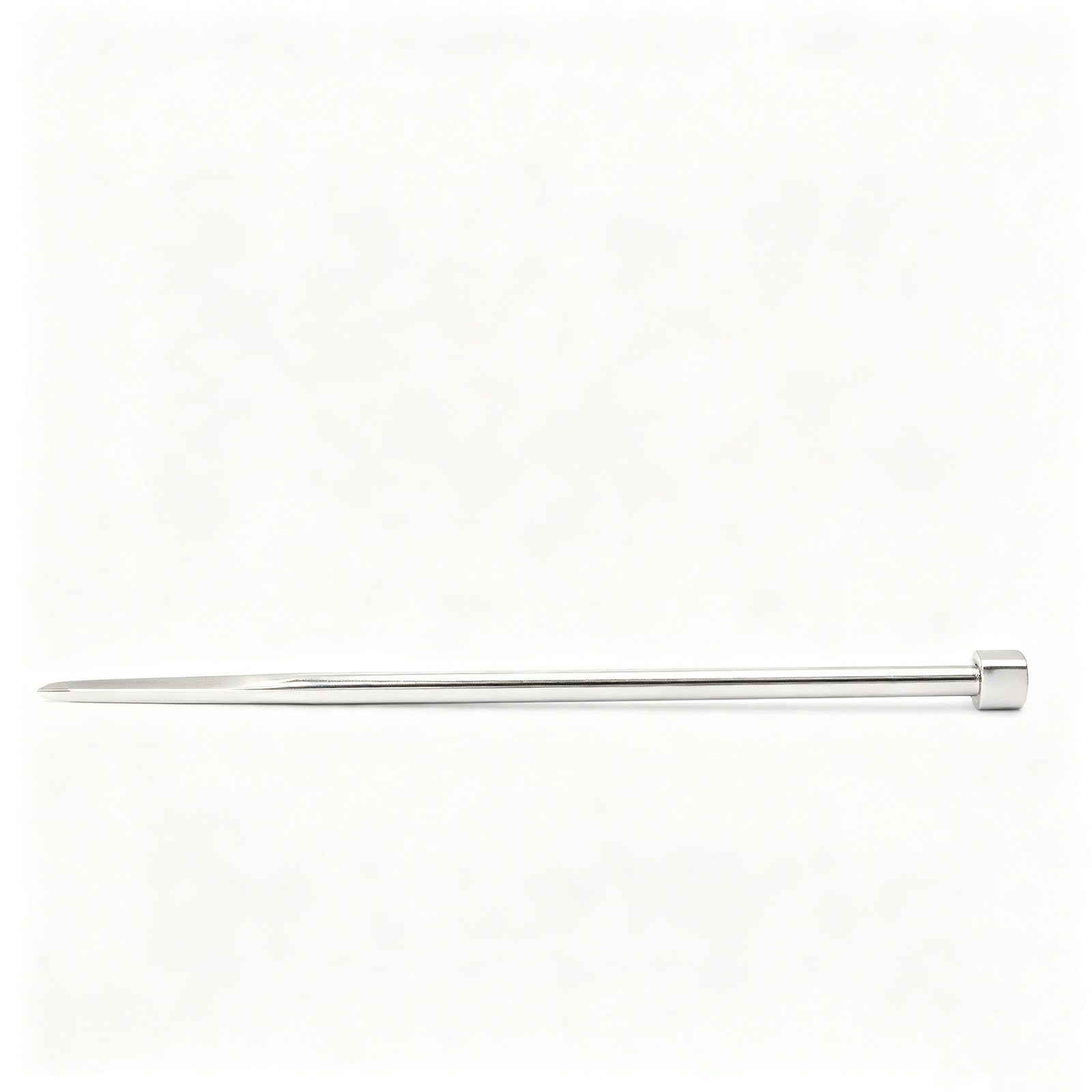
CNC Machining 4140 Alloy Steel
CNC machining 4140 alloy steel supports high-strength shafts, fixtures, die components, and mechanical parts. Material condition, heat treatment, thread locations, fatigue-sensitive transitions, and final grinding requirements should be reviewed before the process plan is established.
Upload a Drawing
CNC Machining 4340 Alloy Steel
CNC machining 4340 alloy steel is considered for highly stressed components requiring strength and toughness. Provide the required heat-treatment condition, section thickness, critical radii, distortion-sensitive features, and inspection requirements to assess a suitable machining sequence.
Upload a Drawing
CNC Machining 8620 Alloy Steel
CNC machining 8620 alloy steel supports carburized gears, shafts, and wear-related components with a tough core. The RFQ should identify case-depth requirements, heat-treatment source, finish-grinding allowance, datum strategy, and functional tooth or bearing dimensions.
Upload a Drawing
CNC Machining 52100 Bearing Steel
CNC machining 52100 bearing steel is selected for high-hardness wear components, races, and precision rolling-contact features. Define supplied condition, hardening route, grinding requirements, surface roughness, and measurement method for diameter, roundness, or profile-critical features.
Upload a Drawing
CNC Machining PEEK
CNC machining PEEK supports high-temperature, chemically resistant, and electrically insulating custom parts. Specify grade, filler content, operating environment, tight-tolerance features, moisture and thermal considerations, and inspection temperature where dimensional stability affects assembly performance.
Upload a Drawing
CNC Machining POM (Delrin)
CNC machining POM, also known as Delrin, is useful for low-friction guides, gears, fixtures, and insulating components. Review grade, wall thickness, snap features, humidity exposure, press fits, and realistic tolerance expectations based on the component’s operating conditions.
Upload a Drawing
CNC Machining Nylon
CNC machining nylon supports wear components, guides, bushings, and impact-resistant functional prototypes. Moisture absorption can affect dimensions, so specify grade, conditioning state, environmental exposure, critical fits, and inspection conditions before finalizing tolerances.
Upload a Drawing
CNC Machining Polycarbonate
CNC machining polycarbonate supports transparent guards, housings, and impact-resistant prototypes. Identify optical surfaces, scratch sensitivity, internal corners, wall thickness, stress-cracking exposure, and fastening method so tool paths and protective handling match the functional requirement.
Upload a Drawing
CNC Machining ABS
CNC machining ABS is suited to prototype housings, fixtures, and low-load custom components. Include grade, cosmetic requirements, wall thickness, fastening features, solvent exposure, and intended assembly method to evaluate machining strategy and practical dimensional control.
Upload a Drawing
CNC Machining PTFE
CNC machining PTFE supports chemically resistant, low-friction seals, insulators, and fluid-handling components. Its softness and creep behavior require clear functional dimensions, clamping constraints, surface requirements, and operating temperature information before tolerance commitments are considered.
Upload a Drawing
CNC Machining UHMW-PE
CNC machining UHMW-PE is used for wear strips, guides, liners, and low-friction handling components. Because the material can deflect and expand, provide thickness, mounting pattern, flatness needs, operating temperature, and interface details for process planning.
Upload a Drawing
CNC Machining PPS
CNC machining PPS supports chemically resistant, temperature-capable components requiring good dimensional stability. Specify filled or unfilled grade, electrical requirements, wall thickness, sealing features, and operating environment so machining and inspection conditions reflect the intended application.
Upload a Drawing
CNC Machining PEI (Ultem)
CNC machining PEI, commonly known as Ultem, supports high-temperature, electrically insulating components and functional prototypes. Confirm the exact grade, flame or compliance requirements, thin-wall features, stress-sensitive geometry, and application temperature before reviewing manufacturability.
Upload a Drawing
CNC Machining PMMA (Acrylic)
CNC machining PMMA, or acrylic, is used for transparent covers, fluidic components, and display-oriented prototypes. Identify optical surfaces, edge finish, solvent exposure, crack-sensitive features, and protective-film requirements to manage machining and handling risks.
Upload a Drawing
CNC Machining Titanium Grade 2
CNC machining titanium Grade 2 supports corrosion-resistant parts requiring commercially pure titanium properties. Review material certification, thin-wall geometry, threads, galling risks, surface finish, and application exposure so machining parameters and inspection priorities are appropriate.
Upload a Drawing
CNC Machining Titanium Grade 5
CNC machining titanium Grade 5 supports high-strength, lightweight components with demanding mechanical requirements. Provide material condition, fatigue-sensitive geometry, thread or bearing interfaces, surface treatment needs, and critical dimensions for a controlled process review.
Upload a Drawing
CNC Machining Inconel 625
CNC machining Inconel 625 supports corrosion- and heat-resistant components for demanding service environments. Its work-hardening behavior requires careful tool access and fixturing review; specify material condition, surface requirements, critical features, and any post-machining treatment needs.
Upload a Drawing
CNC Machining Inconel 718
CNC machining Inconel 718 is used for high-strength, high-temperature components where heat treatment may influence final dimensions. Define supplied condition, aging requirement, difficult-to-access features, critical threads, and inspection requirements before confirming the process route.
Upload a Drawing
CNC Machining Tungsten
CNC machining tungsten addresses dense, high-temperature, radiation-related, or wear-focused component requirements. Brittleness and machining constraints make feature geometry, edge condition, joining details, and inspection limits essential inputs before accepting a drawing-based manufacturing plan.
Upload a Drawing
CNC Machining Molybdenum
CNC machining molybdenum supports high-temperature, vacuum, and thermal-management components. Material brittleness, oxidation sensitivity, and thin-section risk require review of stock form, feature geometry, handling, surface finish, and inspection approach before production is planned.
Upload a Drawing
CNC Machining Tungsten Carbide
CNC machining tungsten carbide is typically approached through grinding, EDM, or specialized methods rather than conventional milling alone. Provide grade, binder content, geometry, edge specification, surface finish, and functional tolerances for a realistic manufacturability review.
Upload a Drawing
CNC Machining Alumina Ceramic
CNC machining alumina ceramic requires specialized methods because the material is hard and brittle. Review composition, feature dimensions, corner radii, edge-chipping limits, surface requirements, and inspection criteria to determine whether a suitable manufacturing route is available.
Upload a Drawing
CNC Machining Zirconia Ceramic
CNC machining zirconia ceramic supports wear-resistant and electrically insulating components with higher fracture toughness than some ceramics. The drawing review should address grade, wall thickness, sharp features, surface finish, and dimensional inspection requirements before process confirmation.
Upload a Drawing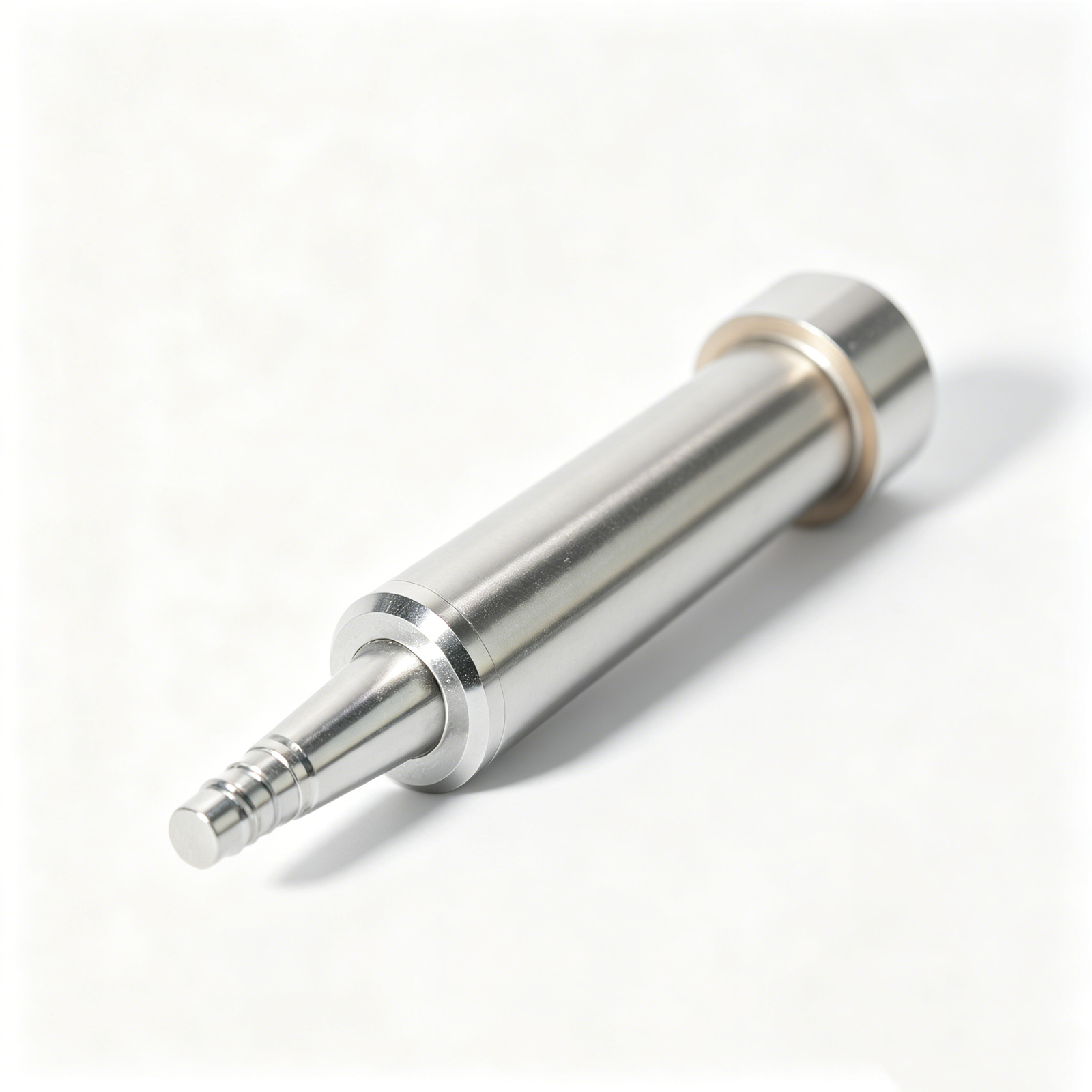
CNC Machining Magnesium AZ31
CNC machining magnesium AZ31 supports lightweight components where material selection and safe processing are verified for the project. Specify temper, corrosion protection, wall thickness, chip-management considerations, and surface treatment requirements during the initial technical review.
Upload a Drawing
CNC Machining Magnesium AZ91
CNC machining magnesium AZ91 is considered for lightweight cast or machined components requiring appropriate corrosion protection. Confirm material form, application environment, coating system, thin-wall geometry, and machining safety requirements before determining production feasibility.
Upload a Drawing
CNC Machining Kovar
CNC machining Kovar supports controlled-expansion components, often where glass or ceramic mating interfaces matter. Provide the specified alloy, thermal-expansion requirement, joining context, surface preparation, and critical sealing or alignment dimensions for engineering review.
Upload a Drawing
CNC Machining Invar 36
CNC machining Invar 36 is used where low thermal expansion is essential for fixtures, metrology-related parts, or precision assemblies. Its machining behavior and dimensional stability should be evaluated against section thickness, stress relief, operating temperature, and inspection conditions.
Upload a Drawing
CNC Machining M2 High-Speed Steel
CNC machining M2 high-speed steel supports cutting tools, punches, and wear-intensive components requiring high hardness. Confirm supplied condition, heat-treatment route, flute or edge geometry, EDM needs, and final grinding requirements before planning manufacture.
Upload a Drawing
CNC Machining M42 High-Speed Steel
CNC machining M42 high-speed steel is selected for demanding cutting and wear applications requiring high red hardness. A drawing review should establish cobalt-grade specification, heat-treatment target, complex geometry, EDM or grinding needs, and final inspection criteria.
Upload a DrawingSupported Materials for Project Review
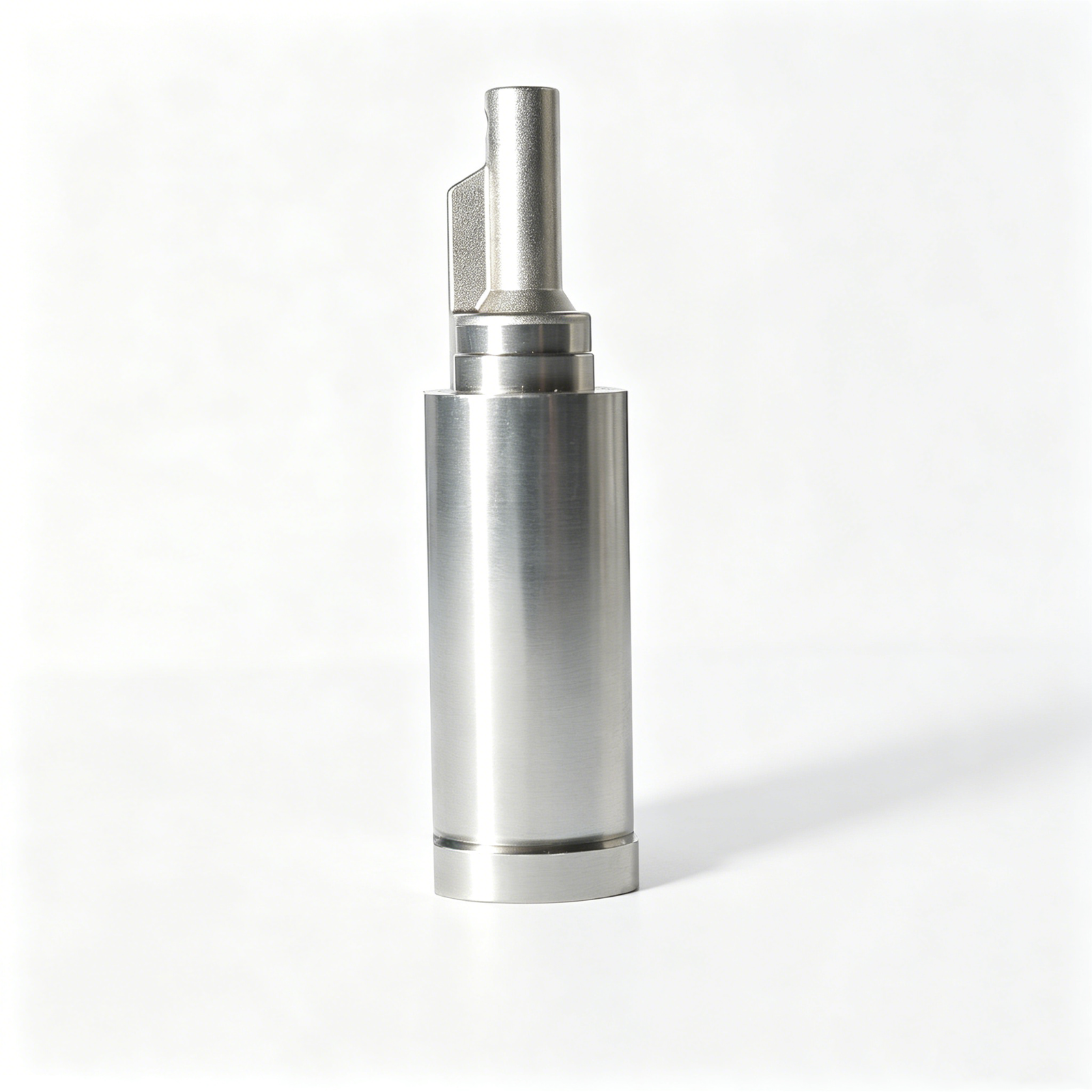


Material-Specific Process Routes for Precision Parts
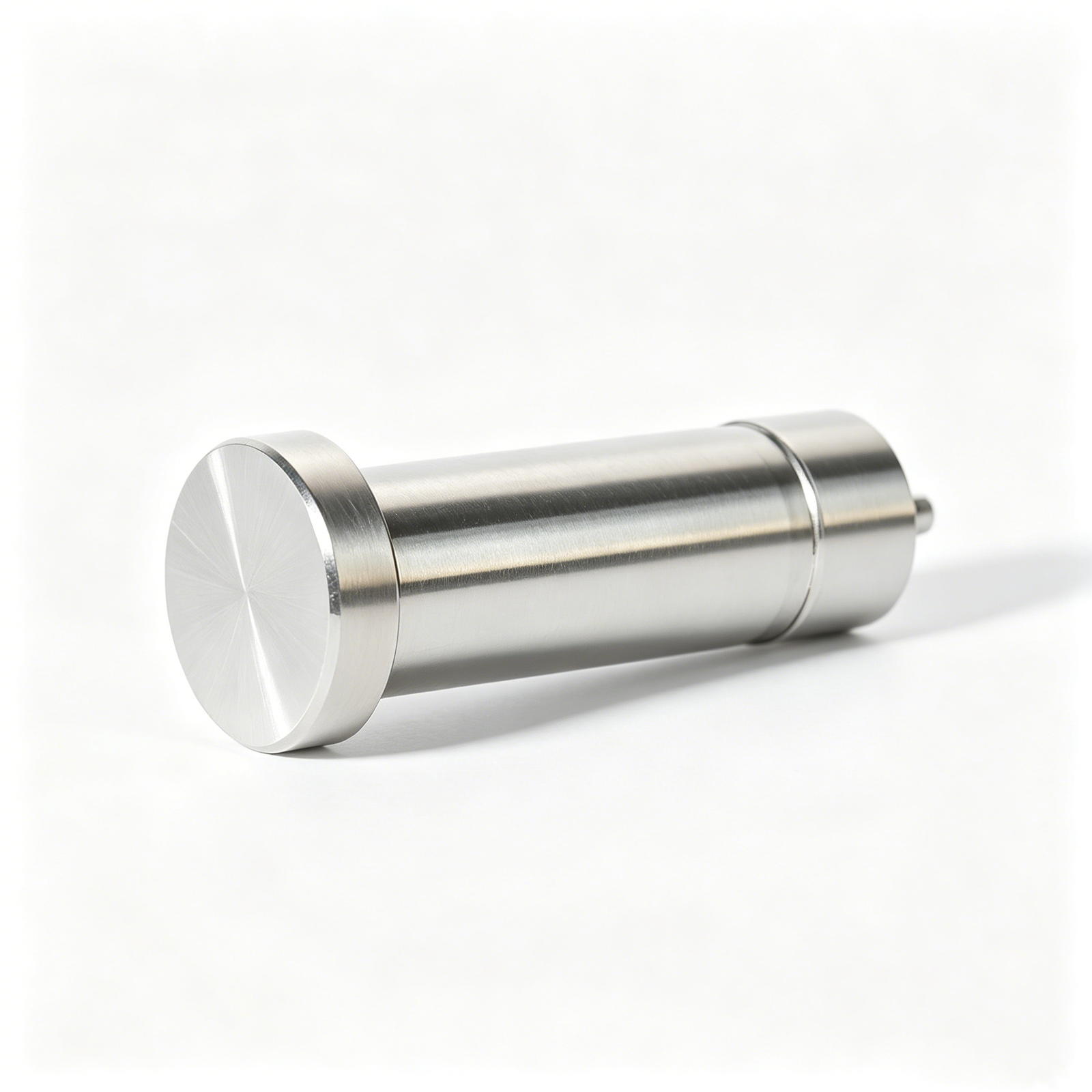
CNC Machining
Precision CNC machining services, including CNC milling services and CNC turning services, establish primary forms, bores, profiles and reference surfaces. Process planning considers material condition, tool access, datum strategy and machining allowance before downstream finishing or inspection.

5-Axis, Swiss and Micro Machining
Multi-axis machining supports complex angled features and interconnected geometry where fewer setups can protect datum relationships. The route is reviewed against tool reach, clamping access, surface priorities and critical-feature control.

Wire EDM
Wire EDM services are considered for precise profiles, narrow slots, internal corners and hardened workpieces when a suitable wire path is available. The process route accounts for start holes, cut strategy, allowable geometry and inspection needs.
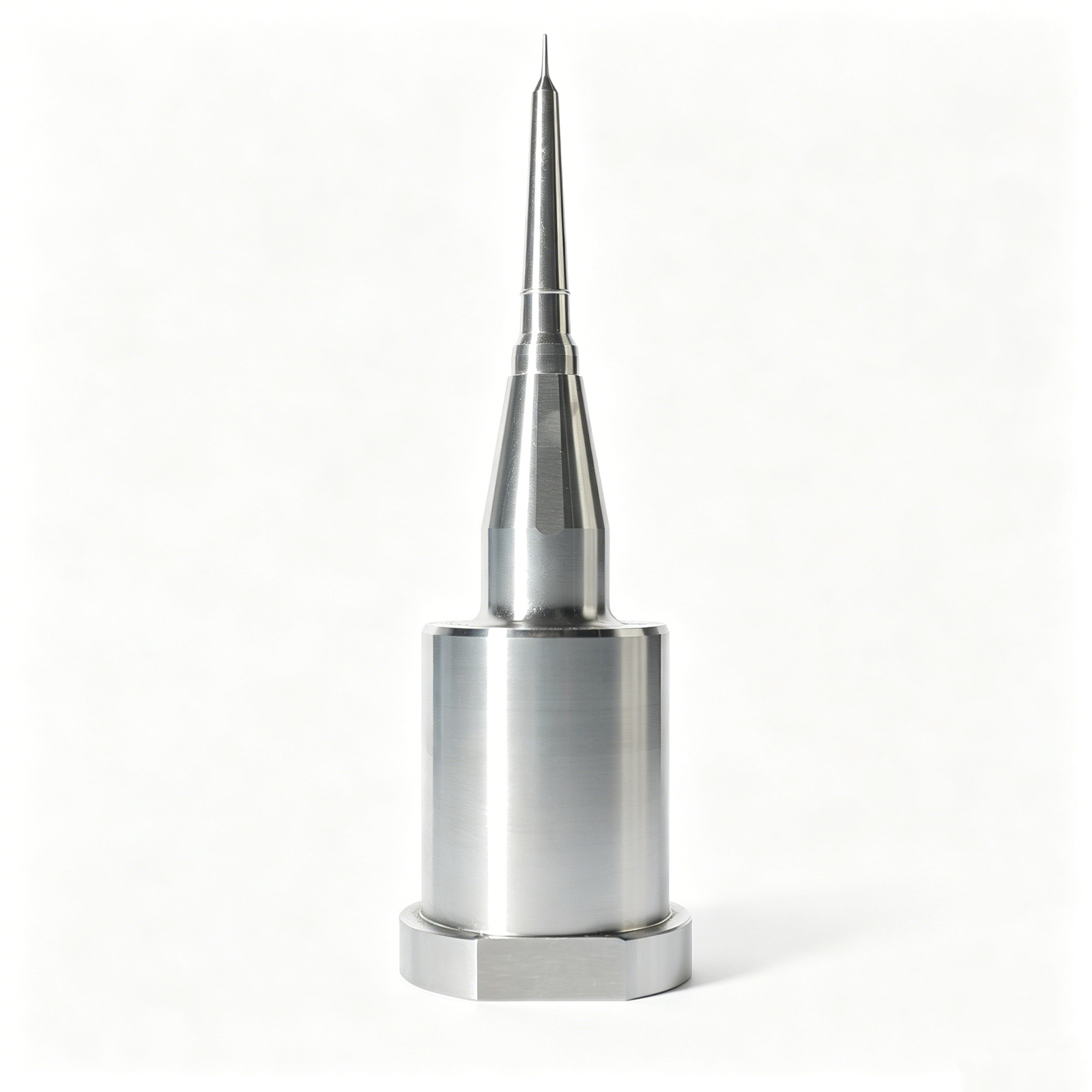
Sinker EDM
Sinker EDM services form detailed cavities and features that are difficult to reach with conventional cutters. Electrode design, spark access, surface requirements and subsequent finishing are reviewed against the drawing before production planning.

Precision Grinding
Precision grinding refines critical flat, cylindrical and mating surfaces after machining or heat treatment where appropriate. Grinding stock, datum control, surface requirement and inspection method must be defined before the route is confirmed.

Fitting Inspection
Fitting and inspection verify functional relationships, critical dimensions and drawing-defined quality requirements before delivery. The inspection plan should identify measurement methods, reporting expectations, revision status and any mating-component context supplied with the RFQ.
Tooling Accessories for Drawing-Based Projects

Core Pins
Core pins can be configured for mold features requiring controlled geometry, fit and surface condition. Review should confirm material, heat treatment, working length, datum references and inspection priorities before machining begins.

Guide Components
Guide pins, bushes and related guidance features support repeatable alignment within mold or tooling assemblies. SUUXIANG reviews mating conditions, locating strategy, clearance requirements and specified materials from the approved drawing package.

Locating Features
Locating pins, blocks and reference features establish assembly position between precision components. Their design should define functional datums, engagement depth, tolerance relationships and the inspection method needed to verify the finished interface.

Slides And Lifters
Slides and lifters support moving mold actions where geometry, travel and mating surfaces require coordinated manufacture. Drawing review considers machining access, EDM requirements, grinding stock, material condition and fitting expectations.

Gate Components
Gate-related inserts and tooling features can be produced to approved geometry for molding applications. The project review should clarify flow-critical surfaces, material requirements, heat-treatment sequence, finish needs and relevant mating components.
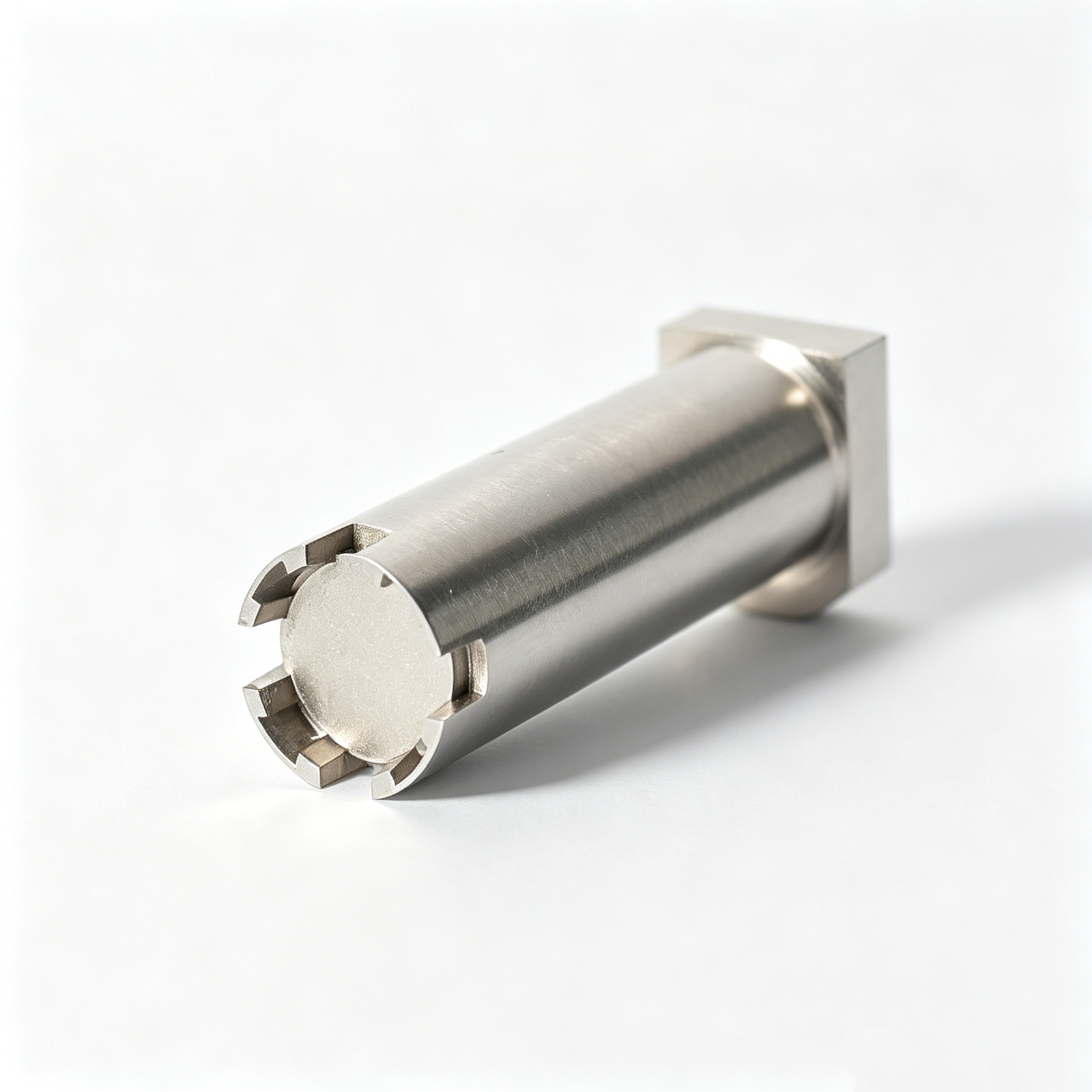
Ejection Parts
Ejector pins, sleeves and supporting ejection components are evaluated as configurable drawing-based parts. Key inputs include material, hardness requirements, running fit, surface condition, critical dimensions and inspection or traceability expectations.
Materials, Precision, and Drawing Control
SUUXIANG is the sole international-facing public brand of Dongguan SuuXiang Precision Mold Co., Ltd., established in 2010 and based at 2nd Floor, Sanhe Industrial Park, Chang’an Town, Dongguan City, Guangdong, China. Founder and legal representative XiaoCheng Huang leads a team that helps engineering, sourcing and quality teams convert drawings, models and material requirements into inspected CNC parts, precision mold components, connector mold components, injection mold components and stamping die components.
Our work is drawing-driven from the start. DFM review, critical dimensions, datums, machining access, heat-treatment sequence, EDM strategy, grinding allowance, and inspection needs are clarified before production commitments. Process planning can combine CNC milling and turning, multi-axis machining, wire and sinker EDM, precision grinding, fitting, and inspection.
What distinguishes SUUXIANG is controlled technical communication throughout the project. We treat material requirements, revisions, inspection methods, and delivery coordination as manufacturing inputs—not quotation footnotes—so buyers can assess decisions, exchange the right evidence, and maintain traceability from drawing review through final inspection.

Drawing-Based Review Compared With Quote-First Workflows
DFM and Datum Review
Before quotation, SUUXIANG reviews drawing intent, specified materials, datums, critical dimensions, tool access, and surface requirements. The discussion identifies manufacturability risks early so the proposed route reflects the component’s functional relationships rather than only its nominal geometry.
- Confirm drawing and model revision
- Identify functional datums and CTQ features
- Review access, wall conditions, and allowances
- Align material and heat-treatment requirements
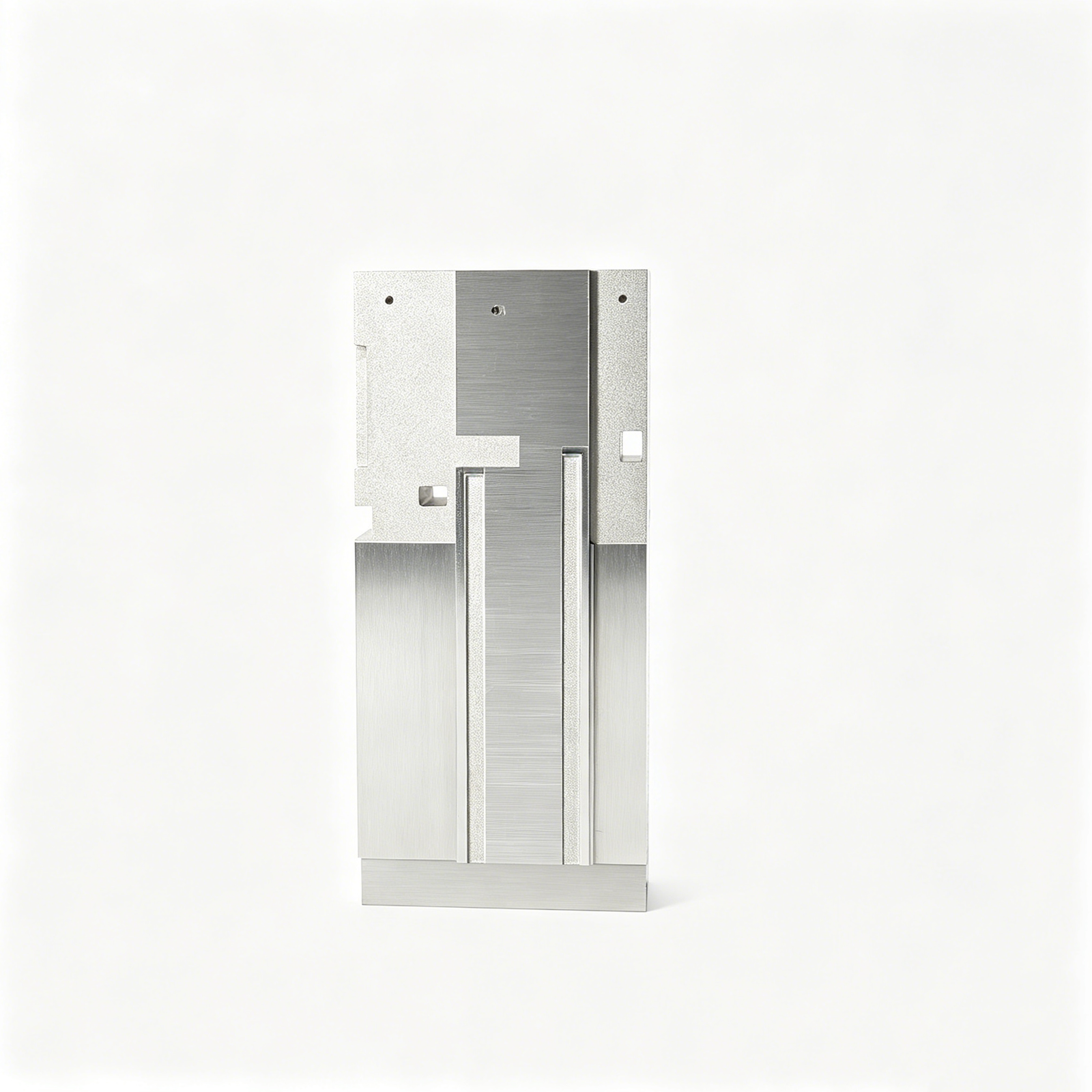
Planned Process Routes
CNC machining, EDM, precision grinding, and fitting are planned as connected operations. SUUXIANG evaluates where machining stock, electrode strategy, wire paths, heat-treatment sequence, and grinding stages affect accuracy, finish, and the practical control of materials throughout production.
- Match processes to feature geometry
- Plan EDM and electrode requirements
- Reserve grinding stock where needed
- Review heat-treatment sequence

Inspection Around Critical Features
Inspection planning follows the drawing and agreed quality expectations, with attention to dimensions, datums, surface requirements, and mating relationships that determine part function. Measurement methods and reporting needs should be defined before production, so final documentation corresponds to the verified inspection plan.
- Define critical dimensions before release
- Connect measurements to drawing datums
- Clarify reporting and traceability needs
- Review surface and fit requirements

Visible Revision Coordination
Drawing-driven work depends on disciplined change control. SUUXIANG keeps revision, production, inspection, and delivery information visible during project coordination, helping engineering and sourcing teams confirm which requirement set governs the order before parts move through final inspection and shipment preparation.
- Record the approved drawing revision
- Confirm changes before production
- Coordinate inspection and delivery expectations
- Keep order documentation aligned

Why Engineering Teams Choose SUUXIANG for Materials Decisions
A drawing-led approach for reviewing material requirements, critical dimensions, process routes, inspection needs, and revision communication before production commitments.
← Swipe left or right to view →
Materials Planning From Drawing to Inspection
Each project moves through documented review, process planning, controlled manufacture and inspection aligned with the drawing, order requirements and agreed quality plan.
RFQ and Drawing Review
Review 2D drawings, available 3D models, quantities, application context, critical dimensions, surface requirements, delivery target and requested inspection documentation before quotation.
Materials and Process Planning
Confirm specified materials, heat-treatment sequence, datum strategy, machining access, allowance, CNC route, EDM requirements and inspection approach against the project evidence.
Machining and EDM Execution
Produce features through the planned combination of CNC milling, turning, multi-axis machining, wire EDM or sinker EDM, while maintaining revision visibility.
Grinding and Fitting Control
Apply precision grinding and fitting where required, managing grinding stock, functional interfaces, mating relationships and dimensional priorities established during drawing review.
Inspection and Delivery Coordination
Inspect parts to the verified plan, align final documentation with order requirements, then coordinate packing and delivery information with the customer.
How to Start a Materials Project With SUUXIANG
Align drawings, materials, critical dimensions, inspection needs and delivery expectations before production begins.
Submit Drawings and Requirements
Provide 2D drawings, available 3D models, material and heat-treatment requirements, quantity, target date, critical dimensions, surface priorities and required inspection documentation.
Review Materials and DFM
Align material selection, datum strategy, machining access, EDM or grinding needs, tolerance risks and inspection methods before SUUXIANG prepares a production-focused quotation.
Approve the Production Plan
Confirm the quotation, revision level, quality expectations and, where appropriate, sample or first-article requirements before releasing the order for controlled manufacturing.
Coordinate Production and Delivery
SUUXIANG coordinates machining, EDM, grinding, fitting and inspection against the agreed plan, keeping revision status and delivery information visible through completion.
Materials Certification & Quality Documentation Review
Customer Evidence Publication Policy
Approved customer testimonial pending. SUUXIANG publishes customer names, project outcomes, and measurable results only after the customer has approved the evidence for public use.
Approved case evidence pending. Project-specific materials, critical dimensions, inspection requirements, and delivery outcomes will be published only when verified against the relevant order documentation.
Approved engineering feedback pending. SUUXIANG will not attribute performance, quality, or sourcing results to a customer without documented permission and a verifiable project record.
Materials, RFQs & Precision-Part FAQs
Practical answers for teams preparing drawing-based CNC parts, mold components, connector tooling and die-component inquiries.
Which materials can SUUXIANG review for CNC parts and tooling components?
What materials information should I include in a drawing-based RFQ?
Can you recommend alternative materials if our specified grade is difficult to source or machine?
Is there a minimum order quantity for custom precision parts?
Can I order samples before a production run?
How long will materials procurement and production take?
What inspection reports can be supplied with an order?
How do you protect drawings, IP and revision-controlled requirements?
What should I send to request a quote for precision CNC parts?
The Complete Buyer’s Guide to Materials
Use a DFM-led framework to select materials for CNC parts and precision tooling, compare supplier capabilities and documentation, control total cost, and avoid specification mistakes that cause delays, failures, or costly redesigns.
1. What Are materials?
2010 marks SUUXIANG’s founding, but the engineering meaning of materials is broader than a bar-stock or resin designation. For drawing-based CNC parts, mold components, and connector tooling, material is the specified substance and condition whose behavior must suit the part’s function, geometry, and production route.
2D drawings should connect the material callout to hardness, wear, corrosion, heat, electrical needs, and dimensional stability. A steel grade alone does not settle the decision when heat treatment, EDM, grinding allowance, machining access, surface finish, and mating surfaces can change both risk and achievable result.
1 practical buyer question frames the review: what must this part withstand and prove in service and inspection? The answer guides DFM, process sequencing, inspection planning, traceability, and cost evaluation before production begins.
2. How materials Evolved in Manufacturing
The Stone Age, Bronze Age, and Iron Age mark the early sequence in which available materials shaped tools, forming methods, and product performance. The 19th-century steel age, followed by the mid-20th-century polymer age and later silicon age, is a useful historical framing for manufacturing development: https://en.wikipedia.org/wiki/Material.
Steel transformed industrial tooling because alloy composition, heat treatment, and controlled machining could be matched to load, wear, and dimensional needs. As tolerances tightened, manufacturers increasingly separated rough machining, heat treatment, EDM, grinding, fitting, and inspection rather than treating a part as a single cutting operation.
Modern engineered alloys, technical ceramics, and composites extend selection beyond strength alone. A sourcing team should connect the material to hardness, thermal behavior, corrosion exposure, electrical requirements, mating surfaces, manufacturable geometry, and the inspection method required by the drawing.
Precision manufacturing therefore makes material selection a process-route decision. For CNC parts and tooling, confirm the specified grade or equivalent, condition, heat-treatment sequence, finishing allowance, and critical dimensions before release.
3. Types of materials for Precision Parts
Four broad engineering families—metals, polymers, ceramics, and composites—provide a useful starting classification (https://aprcomposites.com.au/materials-science/materials-engineering/types-of-materials). Drawing function, tolerances, environment, and process route determine the practical choice.
| Family | Typical Role | Key Limitation |
|---|---|---|
| Metals | Structural precision parts | Weight or corrosion |
| Polymers | Fixtures and insulators | Creep or expansion |
| Ceramics | Wear and heat interfaces | Brittleness |
| Composites | Lightweight plates | Delamination |
| Tool materials | Molds and dies | Heat-treatment control |
Metals And Alloys
Steel, stainless steel, aluminum, copper alloys, and titanium cover many machined-part roles. Metals suit structural parts, inserts, and conductive components.
High hardness can raise cutting forces and finishing time. Avoid a metal where mass, corrosion, or electrical isolation conflicts with the application.
Engineering Plastics
POM, PA, PEEK, and PTFE offer low mass, insulation, or chemical resistance. CNC plastic parts often serve fixtures, guides, prototypes, and nonmetallic interfaces.
Moisture uptake, creep, and thermal expansion affect dimensions. Avoid plastics for heavily loaded, hot, or tightly toleranced long-term contacts without validation.
Ceramics
Alumina, zirconia, and silicon carbide provide hardness, wear resistance, and heat stability. Ceramic components suit insulating, abrasive, or high-temperature interfaces.
Brittleness governs design and handling. Avoid ceramics where impact resistance, threads, or late-stage adjustment is required.
Composites
Carbon-fiber and glass-fiber composites combine fibers with a matrix for directional stiffness. They suit lightweight structural plates and specialized fixtures.
Fiber direction, delamination, and dust control complicate machining. Avoid composites for isotropic precision features or conductive contact surfaces unless specified.
Tool Material Families
Tool steels, carbide, and copper alloys support mold cores, EDM electrodes, punches, and wear parts. Heat treatment and grinding allowance must be defined with the drawing.
Carbide resists wear but is brittle; tool steel needs controlled heat treatment. Avoid selecting by grade name alone without hardness and service conditions.
4. Comparing materials for CNC and Tooling
Seven representative materials show why application load, environment, and process route must be compared together. A drawing review should rank critical dimensions before selecting stock and heat-treatment condition.
| Material | Use | Tradeoff | Manufacturing Note |
|---|---|---|---|
| Aluminum | Fixtures, housings | Low wear | Control thin-wall distortion |
| Stainless steel | Corrosion-exposed parts | Slow cutting | Manage heat |
| Tool steel | Cores, dies | Heat-treatment movement | Grind after hardening |
| Brass | Electrical inserts | Low strength | Control burrs |
| POM | Low-friction guides | Creep | Support thin walls |
| PEEK | Hot insulating parts | High cost | Use sharp tools |
| Nylon | Wear pads | Moisture movement | Condition before inspection |
Strength And Hardness
Tool steel suits cores and dies when compressive load and wear dominate. Aluminum reduces mass but is rarely the first choice for abrasive tooling.
Environment And Function
Stainless steel addresses corrosive service, while brass supports conductive inserts. POM, PEEK, and nylon require allowance for polymer creep, temperature, or moisture behavior.
Machining And Stability
Heat treatment can move tool-steel dimensions, so leave grinding stock and inspect after final processing. Thin aluminum walls and moisture-sensitive nylon also need datum-aware fixturing and inspection.
5. Material Specifications and Customization
1 complete RFQ separates appearance requests from performance-critical materials requirements. Identify grade, condition, heat treatment, hardness, finish, and permitted substitutions before a supplier commits to a process route.
| Requirement | Customization Type | Required Evidence |
|---|---|---|
| Color or marking | Cosmetic | Location and reference sample |
| Hardness or coating | Performance-critical | Range, method, and acceptance criteria |
| Material substitution | Controlled change | Approved equivalent and written authorization |
Drawing Requirements
2D drawings should state grade, standard, condition or temper, and acceptable hardness range.
3D models define geometry; drawing notes govern requirements and datum-linked critical features.
Finish Callouts
1 finish callout should name roughness, coating system, masked areas, and marking location.
Color or resin can be cosmetic; conductivity, friction, adhesion, and corrosion resistance are functional requirements.
Traceability Expectations
1 lot identifier should connect stock, treatment certificates, inspection records, and shipped parts.
Required records, report format, retention expectations, and certificate needs belong in the RFQ.
Change Control
0 substitutions should be assumed; list approved equivalents, revision level, and approval route.
Any grade, temper, heat-treatment, coating, or source change needs written acceptance before production release.
6. Quality Elements for materials Selection
A material designation alone does not establish fitness for a precision part. Grade identity, condition, process history, geometry, and inspection evidence must align with the drawing’s critical dimensions and service demands.
Grade And Certificate Control
Each purchase order should state the required grade, delivery condition, heat-treatment requirement, and any approved substitution rule.
Each mill certificate should be matched to the received lot before release; a grade name without heat or lot identification is incomplete evidence.
Incoming And Heat Treatment Checks
Incoming inspection should confirm identification, stock form, visible condition, and dimensions that affect machining allowance or datum planning.
Heat treatment must follow the specified sequence because distortion, scale, and hardness variation can change grinding stock and final geometry.
Surface Integrity And Traceability
Hardness testing should use the drawing or agreed control plan to define method, location, and acceptance criteria.
Final edges require burr control, while EDM, grinding, and finishing require review for surface condition that could affect fit, fatigue, sealing, or mating behavior. Lot traceability should connect material evidence, process records, inspection results, and revision level.
7. Choosing a materials Manufacturing Partner
A drawing-based supplier should be assessed against the actual part route, not a generic materials list. Ask for evidence that links DFM decisions, inspection, revisions, and delivery responsibilities before release.
DFM Response And Process Fit
Critical dimensions should trigger questions on datums, tool access, EDM or grinding allowance, and heat-treatment sequence. Ask which operations are proposed and which risks remain conditional.
Multi-axis, wire EDM, sinker EDM, and grinding serve different geometries. Request a route matched to mold, connector, or stamping-die features.
Material Sourcing And Records
Material specifications should identify grade, condition, heat treatment, and required traceability. Ask what incoming evidence accompanies the lot and how substitutions require approval.
Inspection records should align with the drawing revision and agreed critical features. Confirm report format, measurement method, and nonconformance communication before purchase.
Scale And Communication
Prototype quantities and low-volume repeats require revision discipline rather than assumed capacity. Ask how the supplier preserves approved process knowledge when quantities change.
A 2D drawing and 3D model reduce interpretation gaps. Confirm one technical contact, response expectations, and escalation steps for design changes.
Samples And First Articles
First articles should verify the agreed datums, critical dimensions, surface requirements, and documentation set. Ask whether inspection occurs before shipment and what evidence accompanies samples.
A sample approval should define the production baseline. Record open deviations, material status, and revision number before authorizing further parts.
8. Common materials Sourcing Mistakes
A material callout controls more than a purchase line: it fixes the process route, inspection plan, and failure risk. Resolve the following decisions before releasing a drawing or RFQ.
Specify Grade And Condition
A generic ‘stainless steel’ note can permit alloys with different machinability, hardness response, and corrosion behavior.
One drawing should name the recognized grade, delivery condition, heat treatment, and required evidence.
Evaluate Total Manufacturing Risk
A low unit price can omit grinding stock, distortion control, traceability, or inspection needed for critical dimensions.
One RFQ comparison should align material form, process route, reporting, yield risk, and delivery assumptions.
Control Interfaces And Finishes
Two dissimilar metals in a wet or conductive assembly can create corrosion risk at the mating interface.
One release package should define mating materials, coating or passivation, surface finish, and inspection method.
Formalize Changes Early
An informal substitution or late DFM review can invalidate datum strategy, EDM access, heat-treatment sequence, or qualification evidence.
One controlled approval should document the revised grade, drawing revision, deviation scope, and acceptance checks before production.
9. Launching a Drawing-Based Parts Program
One controlled launch begins with function: mating conditions, load, wear, environment, quantity, and critical dimensions. Freeze the drawing package before quotation, then use DFM feedback to confirm manufacturable materials and process sequence.
Build The Release Package
Two files form the baseline: a revision-controlled 2D drawing and matching 3D CAD model. Specify datums, GD&T, material grade, heat treatment, finish, quantity, and inspection-report requirements; identify critical features rather than applying blanket tolerances.
Separate Prototype From Production
Prototype orders should test fit, machining access, heat-treatment distortion, and inspection approach before final release. Production-ready release follows approved first articles, closed deviations, stable material documentation, and a confirmed revision; repeat orders must reference that released package.
Retain Procurement Evidence
Three document groups protect repeatability: the released technical package, supplier correspondence, and acceptance records. Retain RFQ assumptions, DFM comments, material and heat-treatment evidence when required, inspection reports, first-article approval, deviation disposition, packing details, and purchase-order revision history.
10. materials Pricing and Cost Drivers
1 RFQ should separate raw-material cost from conversion cost. Grade availability, certified stock form, buy-to-fly scrap, and heat-treatment sequence can change the route before the first cut.
2 drawing revisions can increase cost when tight tolerances require slower machining, EDM, grinding, special finish, or expanded inspection. SUUXIANG should quote only after the drawing, quantities, quality plan, and target date are reviewed.
| Quantity tier | Primary cost drivers | Relative unit-cost trend | Planning lead-time considerations |
|---|---|---|---|
| 1–5 pieces | Programming, setup, material minimums, complex features | Highest | Confirm stock, process route, and inspection scope first |
| 6–25 pieces | Setup spread, scrap risk, EDM or grinding time | Decreases | Batch similar revisions where possible |
| 26–100 pieces | Cycle time, fixture needs, heat treatment, finish | Lower | Plan material procurement and outside processes |
| 100+ pieces | Repeatability, inspection sampling, capacity, delivery cadence | Lowest when stable | Agree releases, revision control, and supply schedule |
Submit Materials and Drawings for DFM Review
Include material requirements, quantity, critical dimensions, quality documentation, and target delivery date so SUUXIANG can prepare a disciplined manufacturing review.