
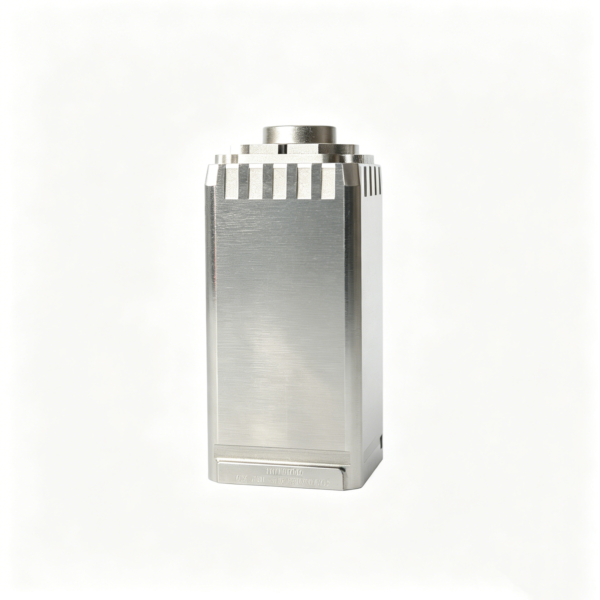
Drawing-Based Micro-Feature Core Insert for Connector Mold Work
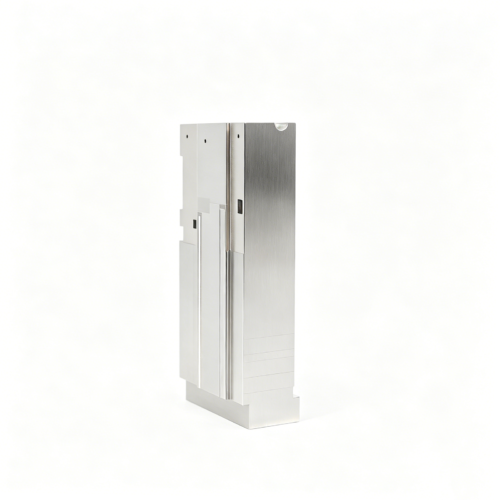
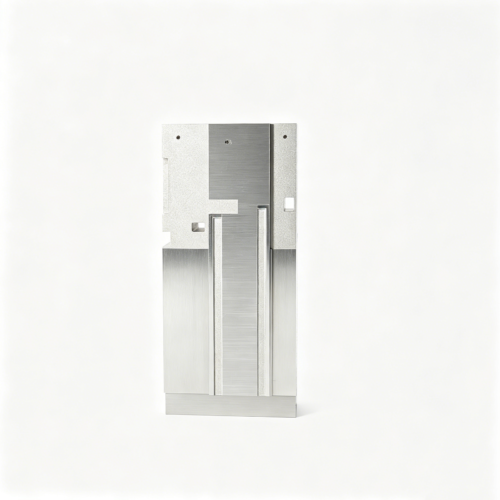
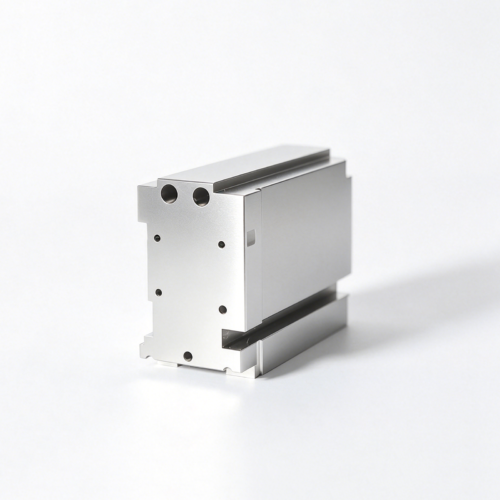
This custom insert is intended for projects where a small working feature, tip, transition, or corner must be manufactured and checked from an approved customer drawing. The visible geometry in the product image is only a visual reference. It does not establish material, dimensions, tolerance, surface condition, application, or manufacturing history. The engineering route should begin with the feature scale, the required datum structure, the intended fit, and the edge condition that the drawing actually defines.
Micro-feature core insert planning with conditional EDM, micro-machining, grinding, and scale-appropriate inspection.
Start with the Drawing Package
A useful RFQ package should show every micro-feature that affects function, not only the overall envelope. Please include the latest controlled drawing, three-dimensional data where available, revision identifier, units, material requirement if already selected, heat-treatment instruction if applicable, surface-finish notes, and any inspection report format requested by your team. Enlarged detail views are valuable when a tip, notch, radius, relief, or narrow land is difficult to read at the main scale. Mark functional surfaces, assembly datums, non-contact areas, and features that must remain protected during handling.
Micro-Feature Process Selection
The central manufacturing decision is whether each feature is better created by micro-machining, EDM, or finish grinding. Micro-machining may be appropriate for accessible profiles, controlled shoulders, and features where tool access and burr management can be maintained. EDM may become attractive for narrow slots, hard-to-reach cavities, delicate internal forms, or material conditions that make cutting force undesirable. Finish grinding can provide a controlled edge or planar relationship when the geometry is accessible and the remaining stock is stable enough to remove without disturbing adjacent detail.
These methods are not interchangeable labels. EDM can introduce a recast or altered edge condition that must be discussed when a sharp transition, radius, or polished working surface matters. Micro-machining can leave tool marks, burr risk, or local deflection at a fragile tip. Grinding can improve a plane or edge but may create heat, pull a small feature, or remove more stock than the drawing allows. The RFQ should identify which surfaces are functional and whether a specific process result is acceptable.
Protect the Tip-to-Shank Relationship
Small projecting tips may deflect under cutting force, clamping, probing, cleaning, or ordinary handling. A feature can pass a simple length check while its tip-to-shank relationship is displaced, tilted, or damaged. For that reason, a conditional route may separate robust body work from delicate tip creation. The body and mounting references can be roughed and stabilized first, while protective stock remains around the sensitive feature. The micro-feature is then finished only after the specified material condition and reference surfaces are stable.
Protective stock is not a substitute for a controlled drawing decision. Its thickness, removal sequence, and final access should be reviewed against tool clearance and inspection needs. If the customer requires a defined corner radius, edge break, or sharpness condition, that requirement should be stated directly. A handling plan may also specify soft fixtures, protected trays, limited contact zones, and visual checks before final measurement.
Datums, Fit, and Assembly Intent
Before process release, the engineering review should confirm how the insert will be located and what establishes fit. A drawing-defined datum may be a mounting face, shoulder, bore, side plane, or another stable reference. The micro-feature must be related to that datum through position, orientation, depth, and tip condition. If the feature is expected to enter, guide, seal, support, or clear another part, the relevant mating geometry should be supplied or clearly described.
Material Condition and Finish Strategy
Material, hardness, thermal history, and surface requirements should be confirmed before selecting the final sequence. This page does not assign a fixed material or heat treatment. If a customer-approved condition includes thermal processing, stress relief, or another stabilization step, the sequence should leave suitable stock and reference surfaces for later correction. A delicate feature should not be finished before the condition that may move it has been established.
Surface finish should be attached to named surfaces rather than applied broadly by assumption. A working face, sliding surface, optical edge, or non-contact relief may need different treatment. Finishing can affect edge sharpness, burr state, corner radius, and measurement confidence. Where the drawing leaves the edge condition open, the RFQ should record the intended result in words, marked details, or an acceptance sample agreed during engineering review.
Inspection at the Actual Feature Scale
Inspection should match the size and risk of the geometry. A suitable plan may combine magnified visual review, optical measurement, and datum-based dimensional checks. Magnified review can identify chips, burrs, drag marks, overburn, edge rounding, or handling damage that a general dimensional report may miss. Optical measurement can evaluate small profiles, tip position, angular relationships, and feature form without applying force that would deflect the part.
Datum-based checks should confirm the micro-feature relative to the mounting and assembly references, not merely measure isolated dimensions. Depending on the drawing, this may include tip length, corner form, feature width, depth, angular orientation, position from shank datum, and relationship to a shoulder. The inspection condition should state whether the part is free-state, supported, or held in a defined fixture. Any measurement limitation caused by feature access should be recorded before acceptance.
RFQ and Revision Control
For quotation, send the approved drawing, revision, three-dimensional model if available, quantity, preferred delivery context, material direction, and required inspection documents. Also identify whether EDM marks, grinding direction, edge breaks, polishing, or protective handling are controlled requirements. If several revisions exist, name the version that governs the quotation and separate reference images from contractual product data.
Frequently Asked Questions
Can the image define the micro-feature size?
No. The image supports visual orientation only; approved drawing data governs dimensions and acceptance.
Which process is best for a tiny tip?
That depends on access, material condition, form, edge requirement, and stability. EDM, micro-machining, and grinding may each be suitable for different features.
How should fragile geometry be inspected?
Use a non-deflecting, scale-appropriate combination of magnified review, optical measurement, and datum-based checks.
Submit the Micro-Feature Drawing
Share the controlled drawing and marked functional details for a process and inspection review.
Reviews
There are no reviews yet.