
CNC Parts for Leak Test Fixtures, Built from Drawings
SUUXIANG reviews critical dimensions, process routes, and inspection requirements for CNC parts for leak-test fixtures before production.
Representative Components for Leak-Test Fixture Development


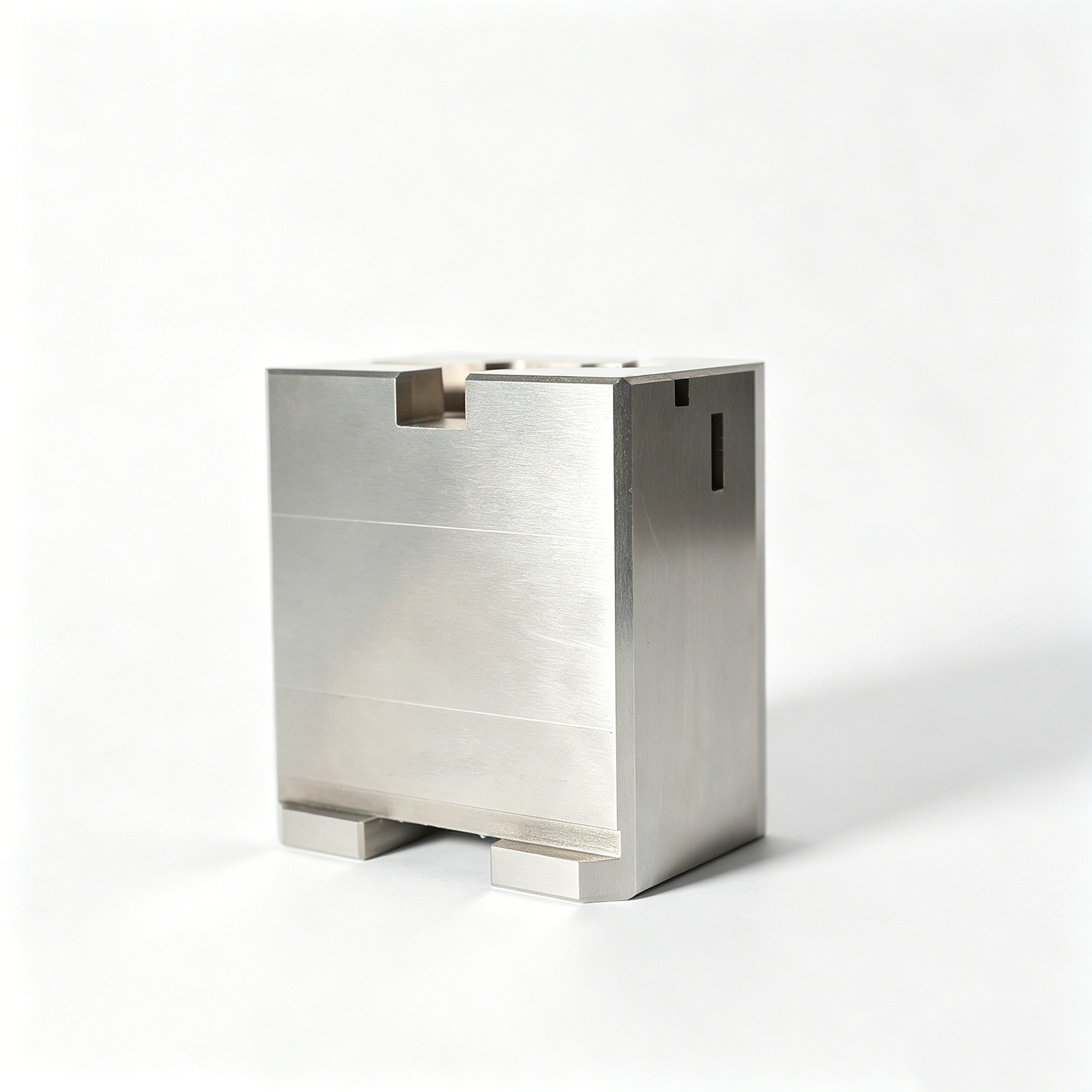


Related Components and Drawing-Based Quotation


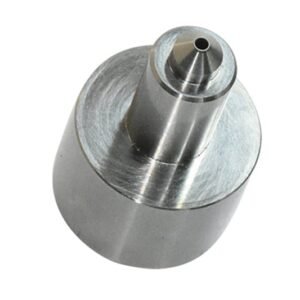

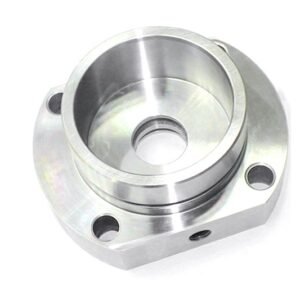


Why Engineers Source CNC Parts for Leak Test Fixtures from SUUXIANG
A disciplined workflow connects drawing review, process planning, inspection expectations, and revision-controlled communication.
Drawing-Led DFM Review
Before quotation, we review drawing intent, datums, tool access, sealing interfaces, and manufacturability questions that can affect the selected process route.
Critical Dimensions First
We identify critical dimensions, tolerance relationships, surface requirements, and inspection priorities so the manufacturing plan aligns with the fixture’s functional interfaces.
CNC, EDM, Grinding Planning
CNC machining, EDM, and precision grinding are coordinated where appropriate to address internal details, hardened features, profile requirements, and final stock removal.
Inspection Planning
Inspection expectations are discussed with the drawing, helping define relevant measurement methods, documentation needs, and checks for critical fixture-component features.
Revision Visibility
Drawing revisions and project information remain visible throughout coordination, helping teams confirm the applicable requirements before production and final inspection.
Traceable Communication
Clear exchanges around materials, quantities, quality requirements, delivery targets, and application context help keep technical decisions connected to the RFQ.
Core Component Families for Leak-Test Fixtures
Drawing-based machining and related manufacturing capabilities for fixture and test-station projects, evaluated against project requirements.

CNC Machining Services
Precision CNC machining services produce drawing-based fixture bodies, adapter plates, nests, manifolds and custom interfaces. Review of datums, critical sealing features, material, access and inspection requirements helps establish a practical process route before production commitment.
Upload a Drawing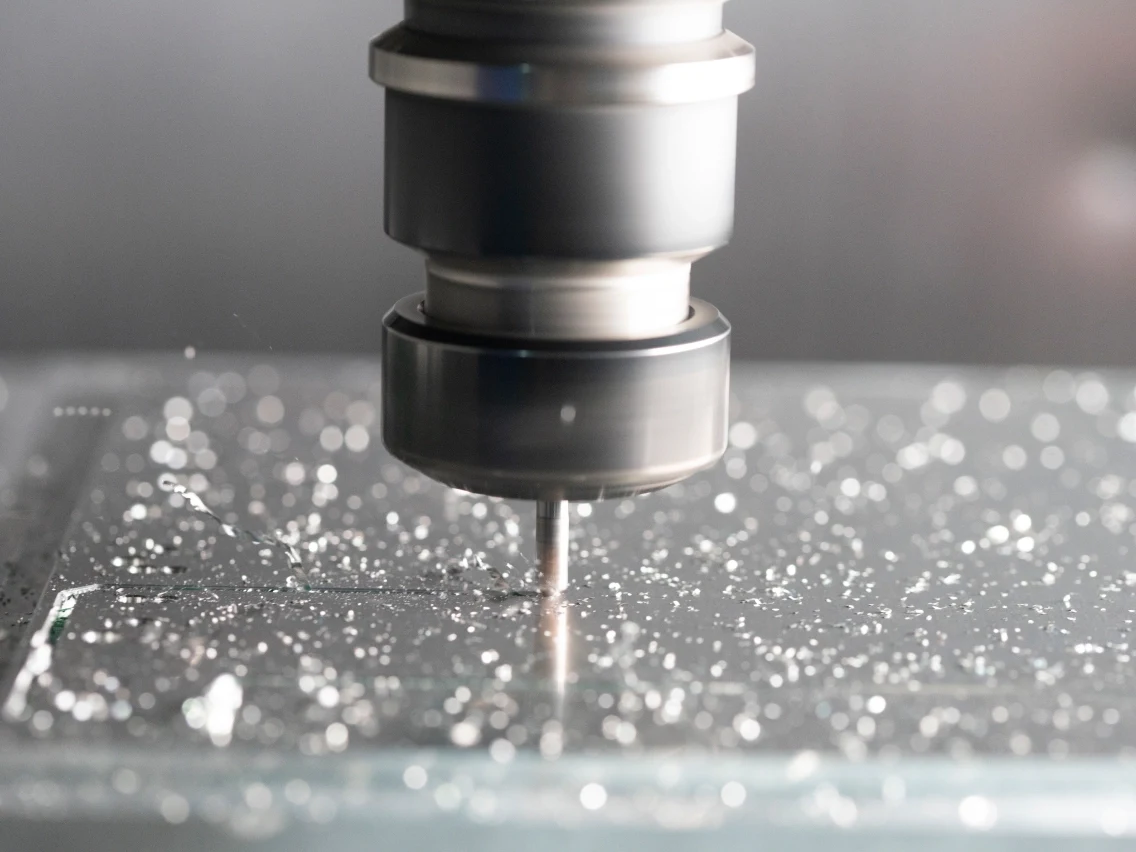
CNC Milling
Custom CNC milling services support prismatic fixture components, mounting plates, locating nests and ported blocks. Tool access, clamping strategy, pocket geometry and datum relationships are reviewed so machined features support repeatable assembly and test-station alignment.
Upload a Drawing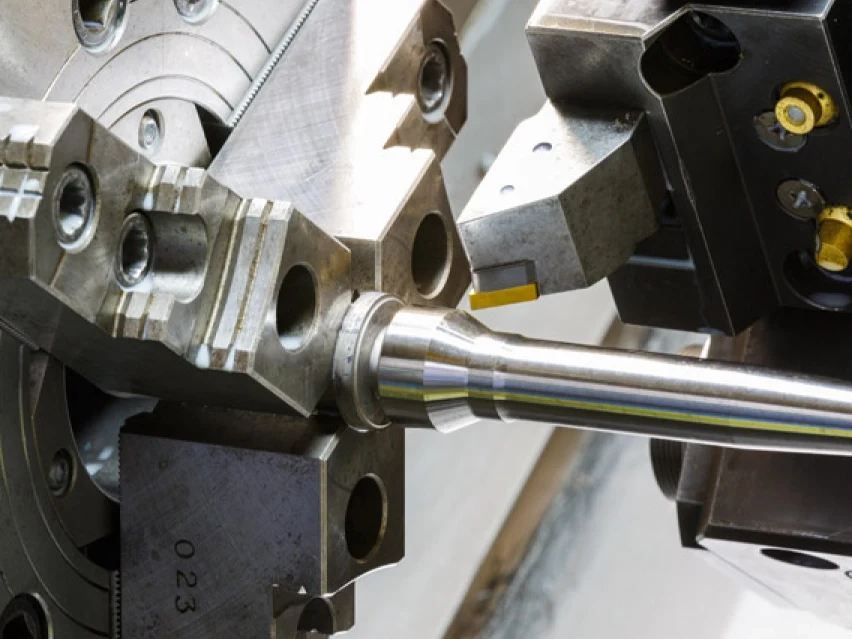
CNC Turning
Precision CNC turning services are suited to cylindrical adapters, bushings, threaded ports, sleeves and concentric interfaces used in leak-test fixtures. Diameter tolerances, runout, sealing surfaces, thread requirements and inspection references should be identified on the drawing.
Upload a Drawing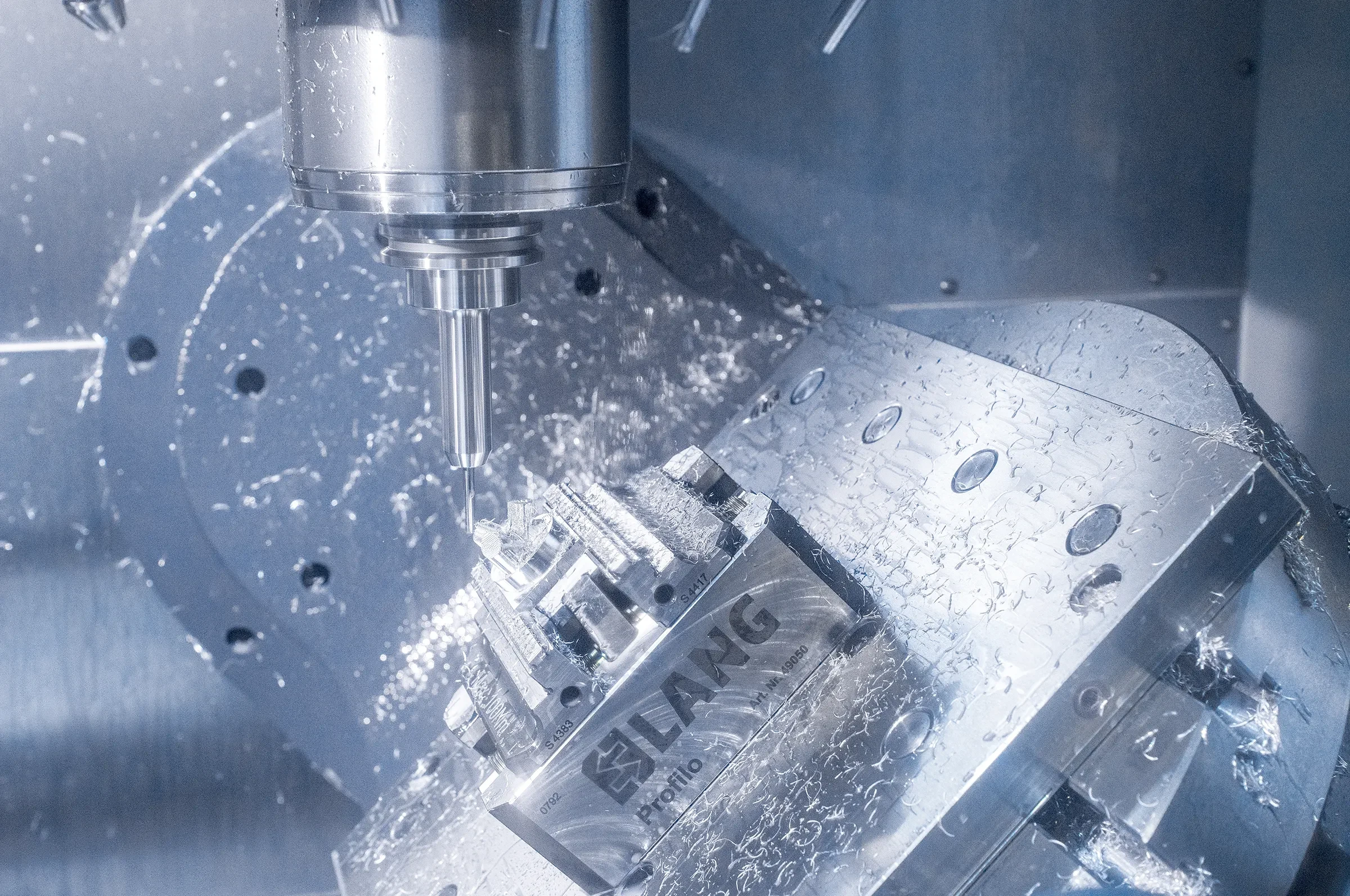
5-Axis Machining
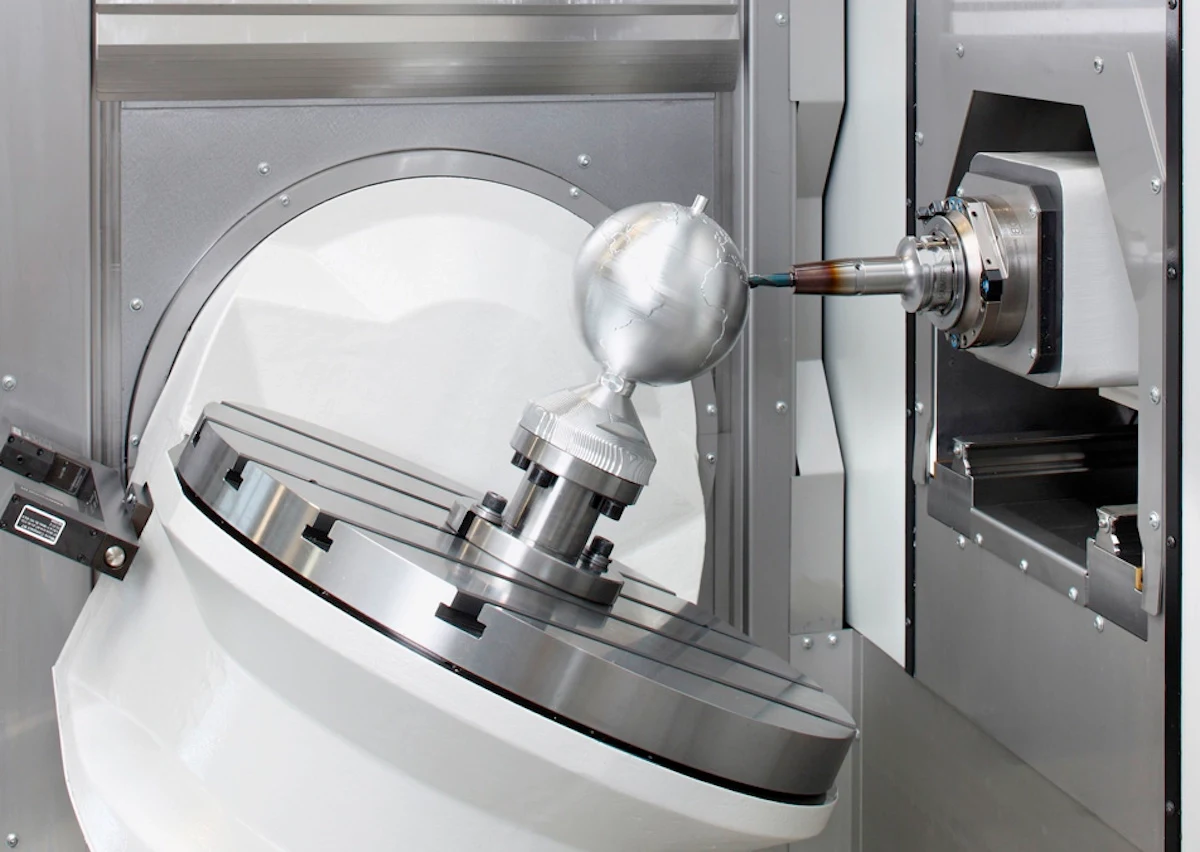
5-axis CNC machining supports complex fixture interfaces, angled ports, contoured nests and multi-face parts where repeated setups could affect positional relationships. The machining approach depends on tool access, workholding, datum strategy, tolerance requirements and inspection plan.
Upload a Drawing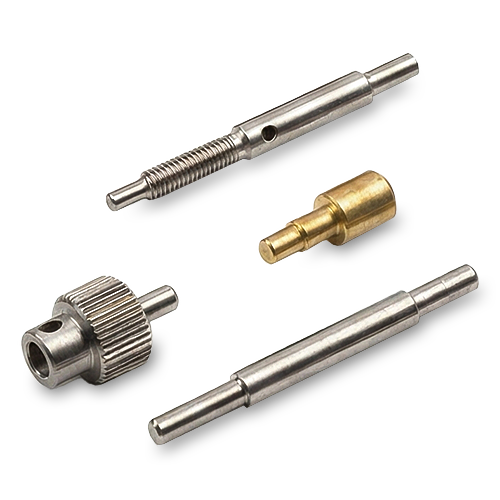
Swiss & Micro Machining
Swiss machining and micro machining support small pins, probes, sleeves, precision shafts and miniature connector-related parts. Diameter control, concentric features, deburring expectations, material condition and handling requirements should be defined for reliable assembly and functional testing.
Upload a Drawing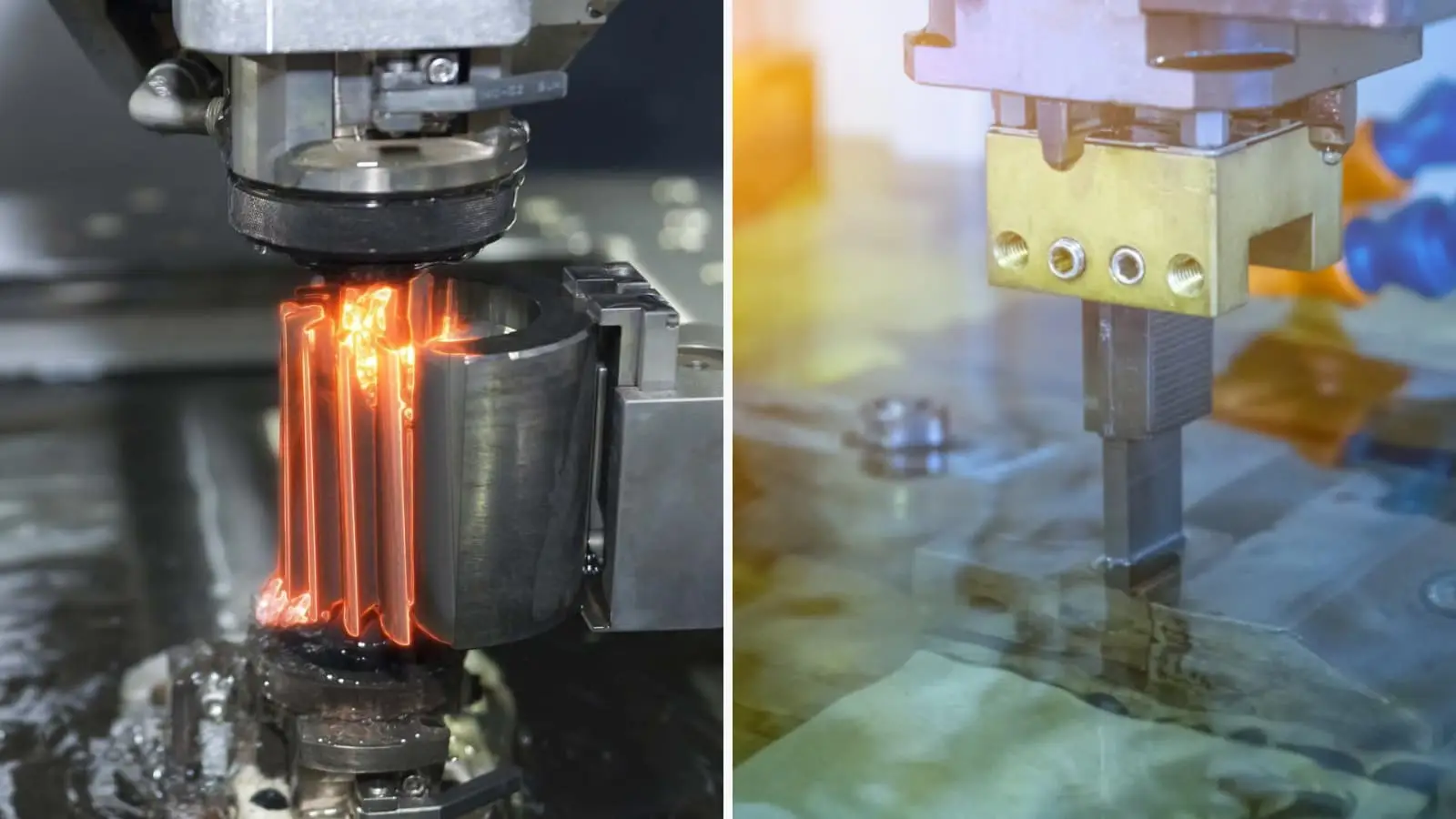
Wire & Sinker EDM
Wire EDM and sinker EDM services create sharp internal profiles, narrow slots, intricate cavities and hardened-tool features that conventional cutters cannot reach efficiently. Electrode strategy, wire path, corner conditions, recast-layer considerations and finishing requirements are reviewed by feature.
Upload a Drawing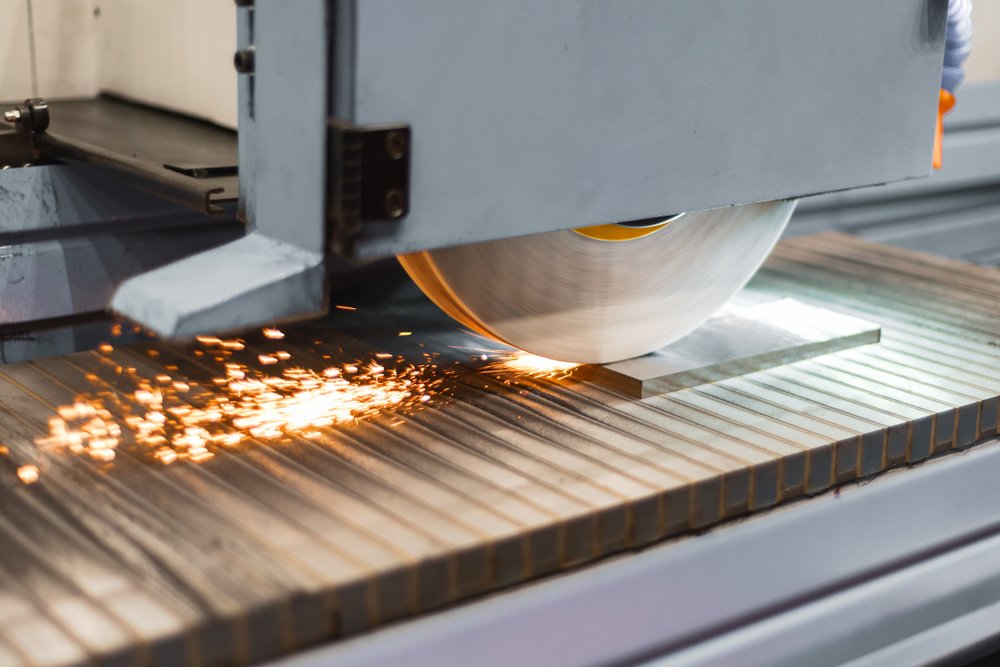
Precision Grinding
Precision surface and profile grinding establishes controlled flatness, parallelism, thickness and form on fixture interfaces, mold components and hardened wear parts. Grinding stock, heat-treatment sequence, datum surfaces and measurement method must be aligned before final finishing.
Upload a Drawing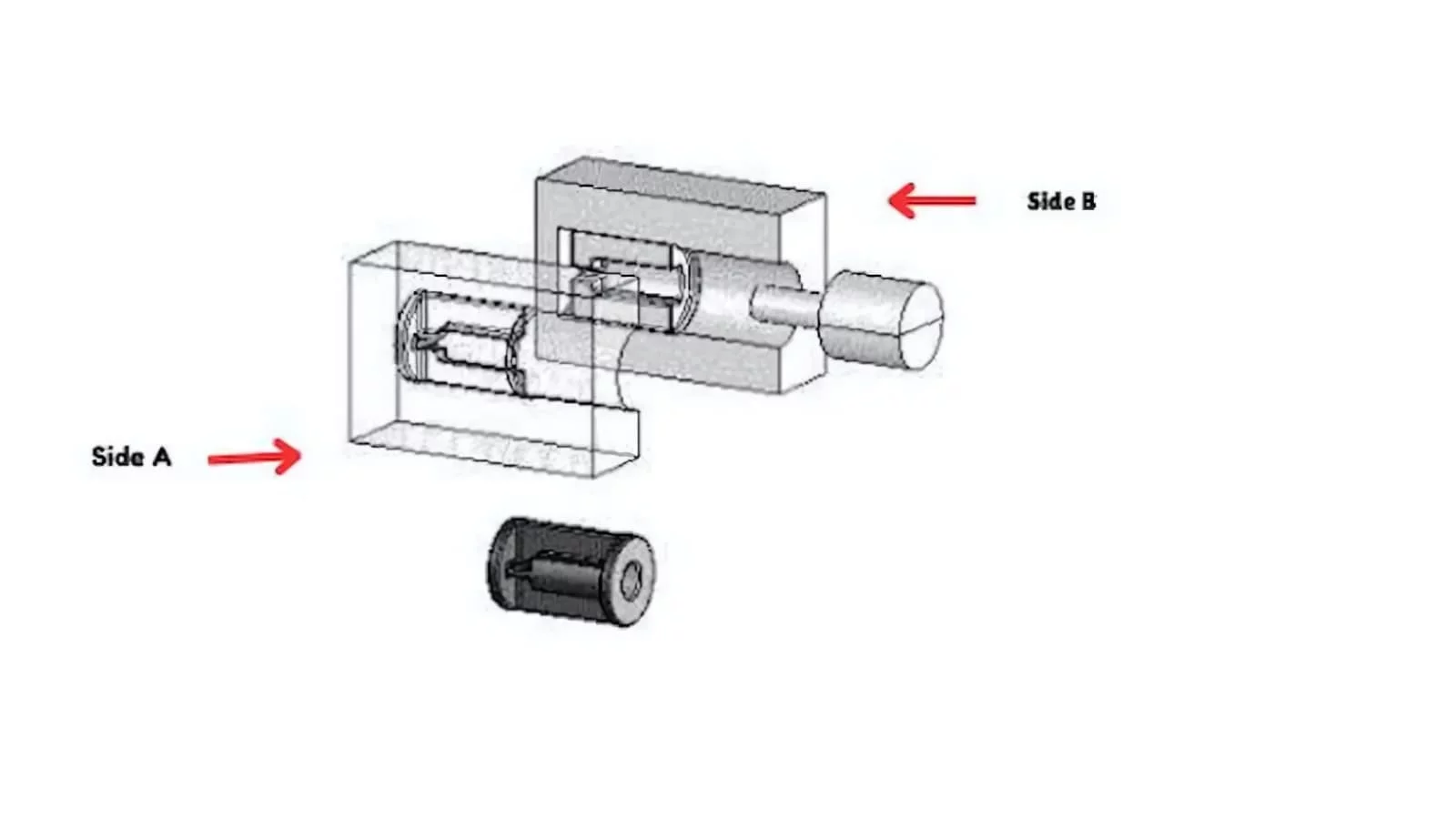
Mold Core Inserts and Mold Cavity Inserts
Precision mold core and cavity inserts are produced from drawings with attention to shutoff geometry, cooling or vent details, steel condition, EDM access, grinding allowances and critical dimensions. Each insert is treated as a configurable component family, not a stock item.
Upload a Drawing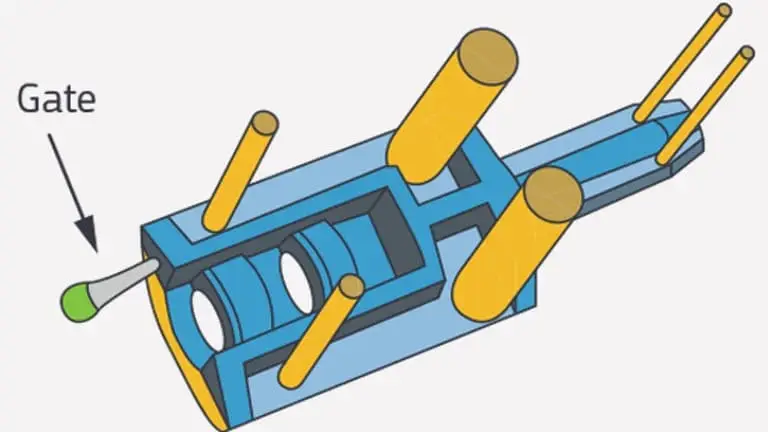
Ejector & Ejection Components
Ejector pins, sleeves and ejection components support controlled movement and wear management in mold tooling. Fit relationships, hardness requirements, bearing lengths, lubrication considerations and mating-component dimensions should be supplied to guide machining, grinding and inspection.
Upload a Drawing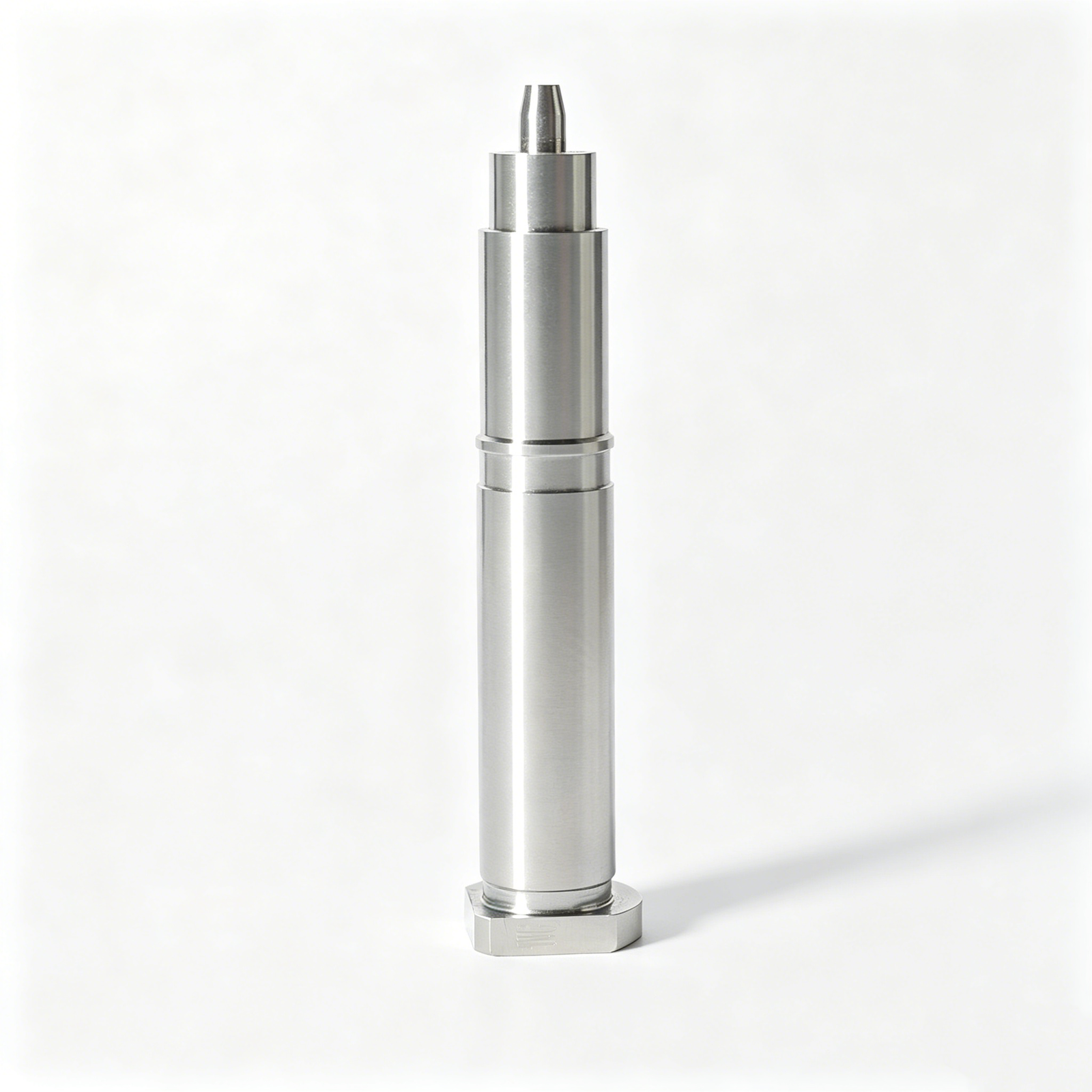
Core Pins, Guide & Locating Components
Core pins, guide pins and locating components establish alignment between tooling elements and fixture assemblies. Design review focuses on diameters, fits, lead-ins, bearing surfaces, datum relationships and replaceability so mating parts can be manufactured and verified together.
Upload a Drawing
Slides, Lifters, Gates & Mold Accessories
Mold slides, lifters, gates and accessories address moving, guiding and material-flow functions within configurable tooling assemblies. Their manufacture requires clear interfaces, travel or clearance information, wear surfaces, heat-treatment sequence and assembly references, especially where multiple components interact.
Upload a Drawing
Connector Mold Components
Precision connector mold components support high-density, fine-feature tooling where pin geometry, pitch, alignment and surface condition affect molded connector performance. Drawings should identify critical mating features, steel or treatment requirements, EDM needs and inspection priorities.
Upload a Drawing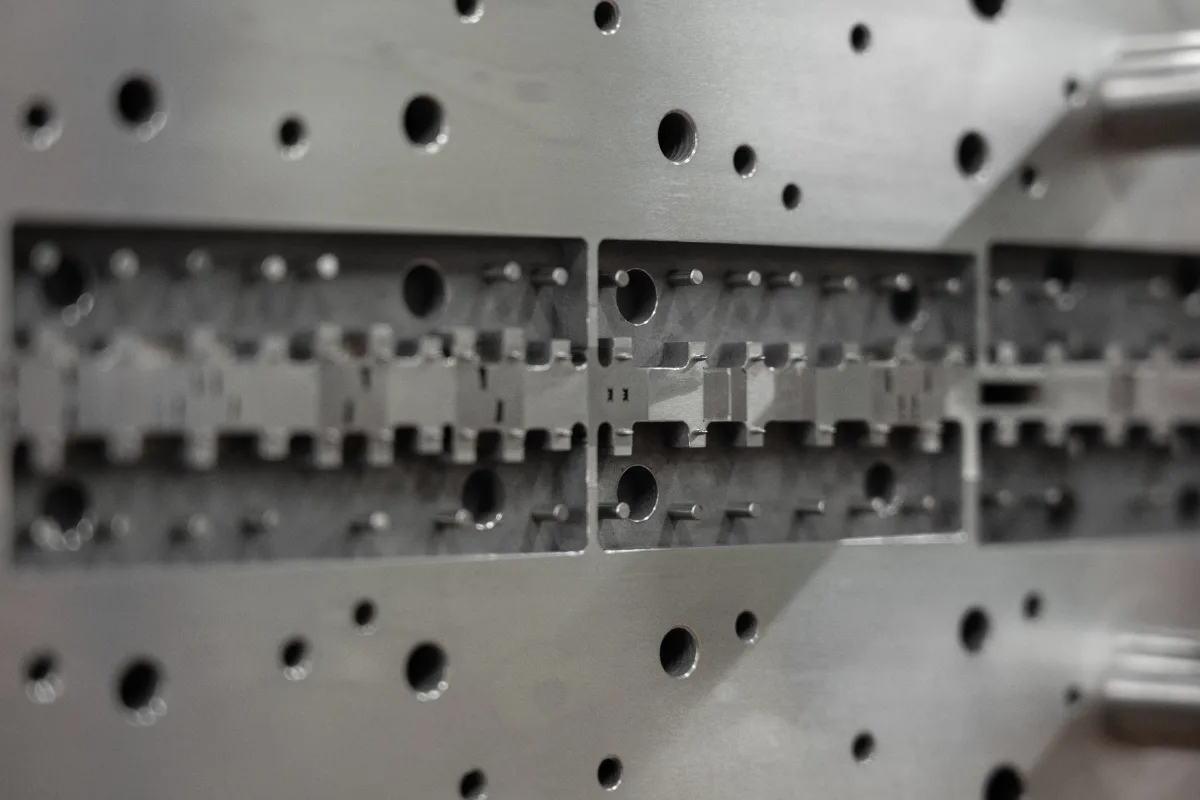
Stamping Die Components
Precision stamping die components include punches, dies, guides, plates and wear elements for drawing-based die builds. Material condition, clearance relationships, cutting-edge requirements, heat-treatment sequence, grinding stock and mating-part data are needed to select the appropriate process route.
Upload a Drawing
Injection Mold Components and MIM, CIM & Overmolding Tooling
Injection, MIM, CIM and overmolding tooling components are evaluated within verified production scope. Parting lines, insert interfaces, feature access, material behavior, ejection requirements and dimensional priorities should be reviewed early to identify manufacturing risks before quotation.
Upload a Drawing
Machining Materials
CNC machining materials are selected according to fixture loads, corrosion exposure, sealing compatibility, wear conditions, conductivity and required treatment. Specify the material grade, condition, substitute restrictions and any material-certification or traceability requirements with the RFQ.
Upload a Drawing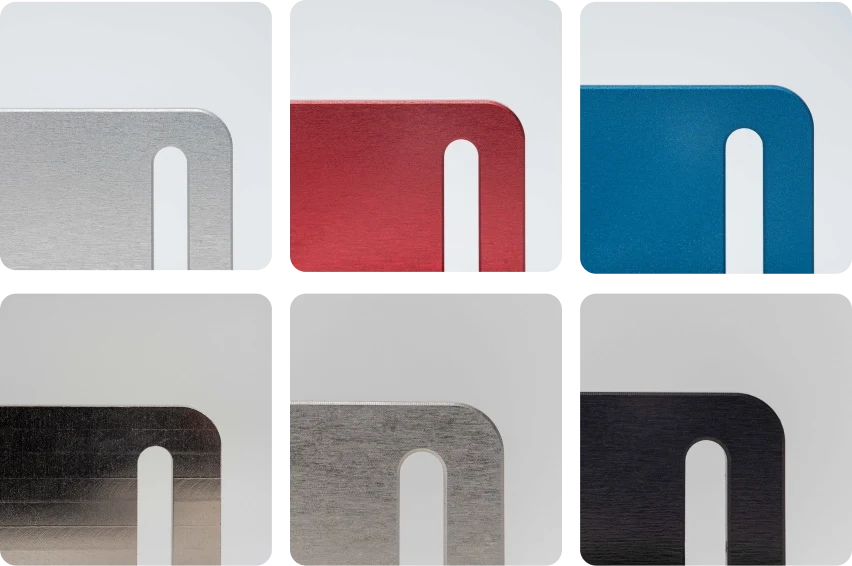
Surface Finishes & Heat Treatment
Surface finishing and heat treatment are planned around function rather than appearance alone. Coating, passivation, polishing, nitriding or hardening requirements should state the target surface, masking needs, dimensional impact, corrosion or wear objective and post-process inspection expectations.
Upload a Drawing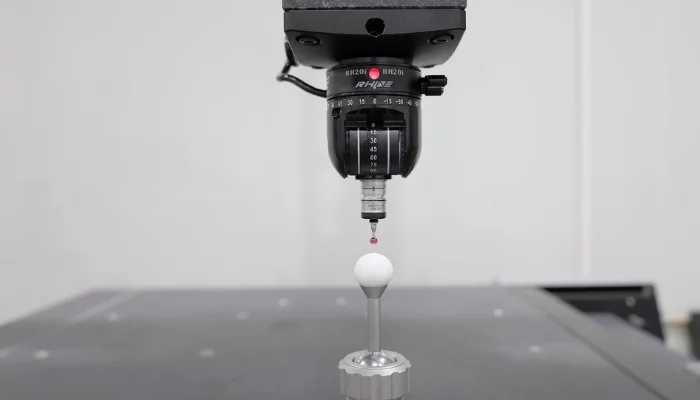
Quality, Metrology & Documentation
Precision inspection, metrology and quality documentation are matched to the drawing and agreed inspection plan. Identify critical dimensions, datum scheme, reporting format, sampling expectations, material records and revision status so delivered evidence corresponds to the ordered configuration.
Upload a Drawing
Prototyping & Low-Volume Production
Rapid prototyping and low-volume manufacturing support fixture trials, design validation, replacement components and controlled production runs. A useful RFQ includes drawings or models, quantity, material, functional requirements, critical dimensions, inspection needs and the target delivery date.
Upload a DrawingMaterials for CNC Parts for Leak Test Fixtures
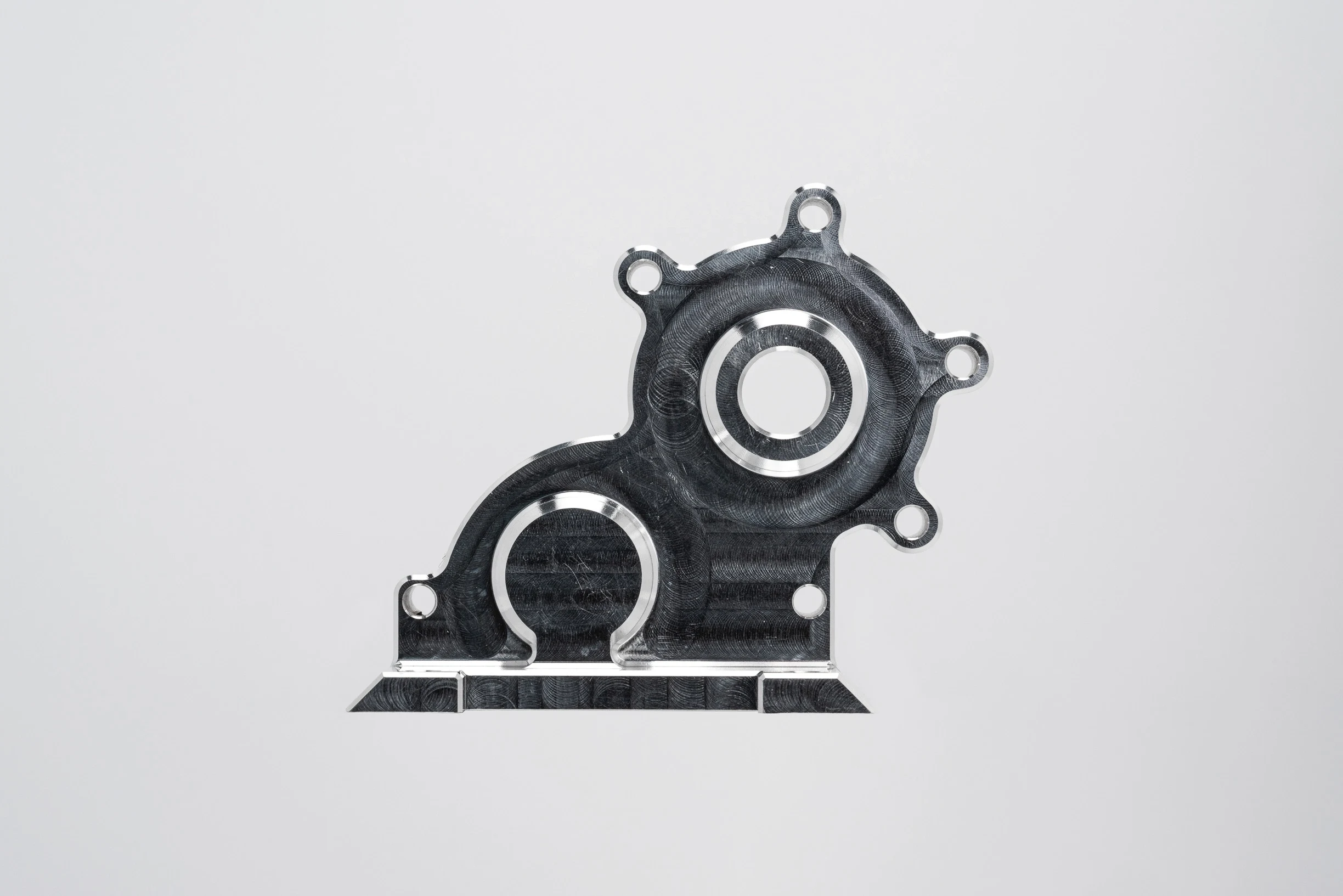
Aluminum Alloys
Lightweight, clean-machining choice for fixture bases, nests, valve blocks, and operator-handled tooling. Aluminum supports complex milled passages and reduces handling weight; alloy and surface treatment should follow the drawing and test environment.
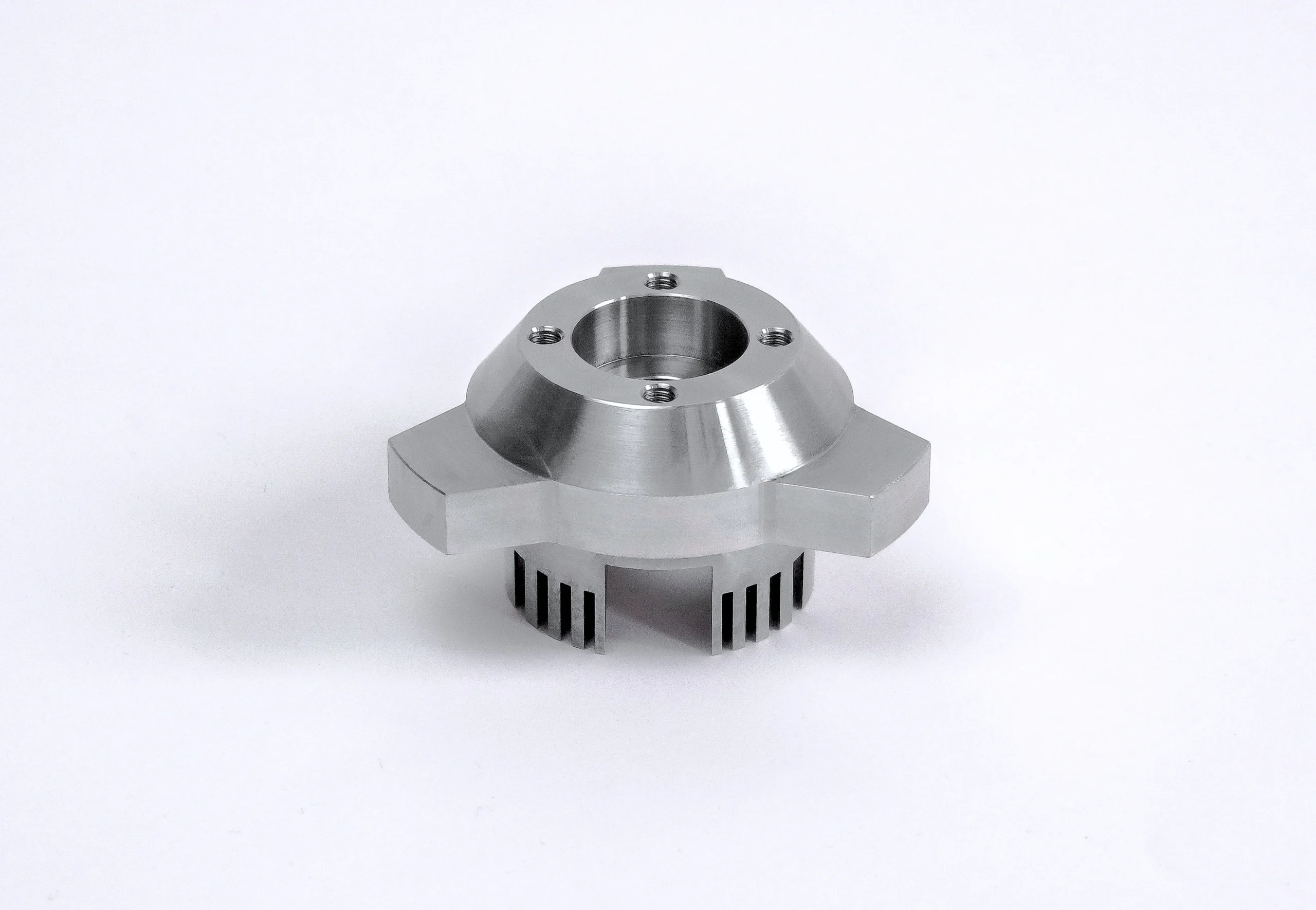
Stainless Steels
A durable, corrosion-conscious option for wetted interfaces, sealing hardware, connectors, and fixtures exposed to demanding media. Grade selection, hardness condition, and finish must be reviewed against the specified environment, sealing strategy, and cleanability needs.
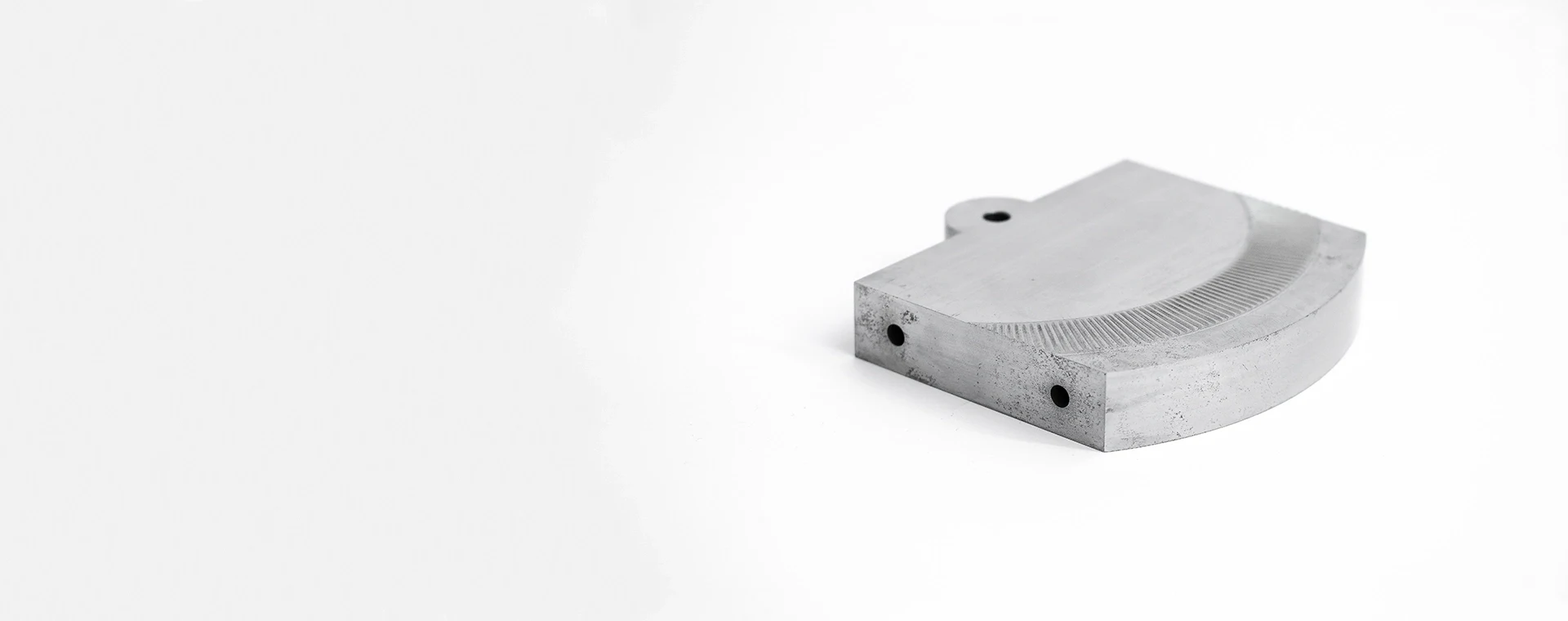
Tool Steels
Rigid material family for wear-prone locating features, clamping elements, guide components, and repeat-use contact surfaces. Heat-treatment sequence, grinding stock, and final hardness require drawing-based planning to protect critical dimensions and fit.
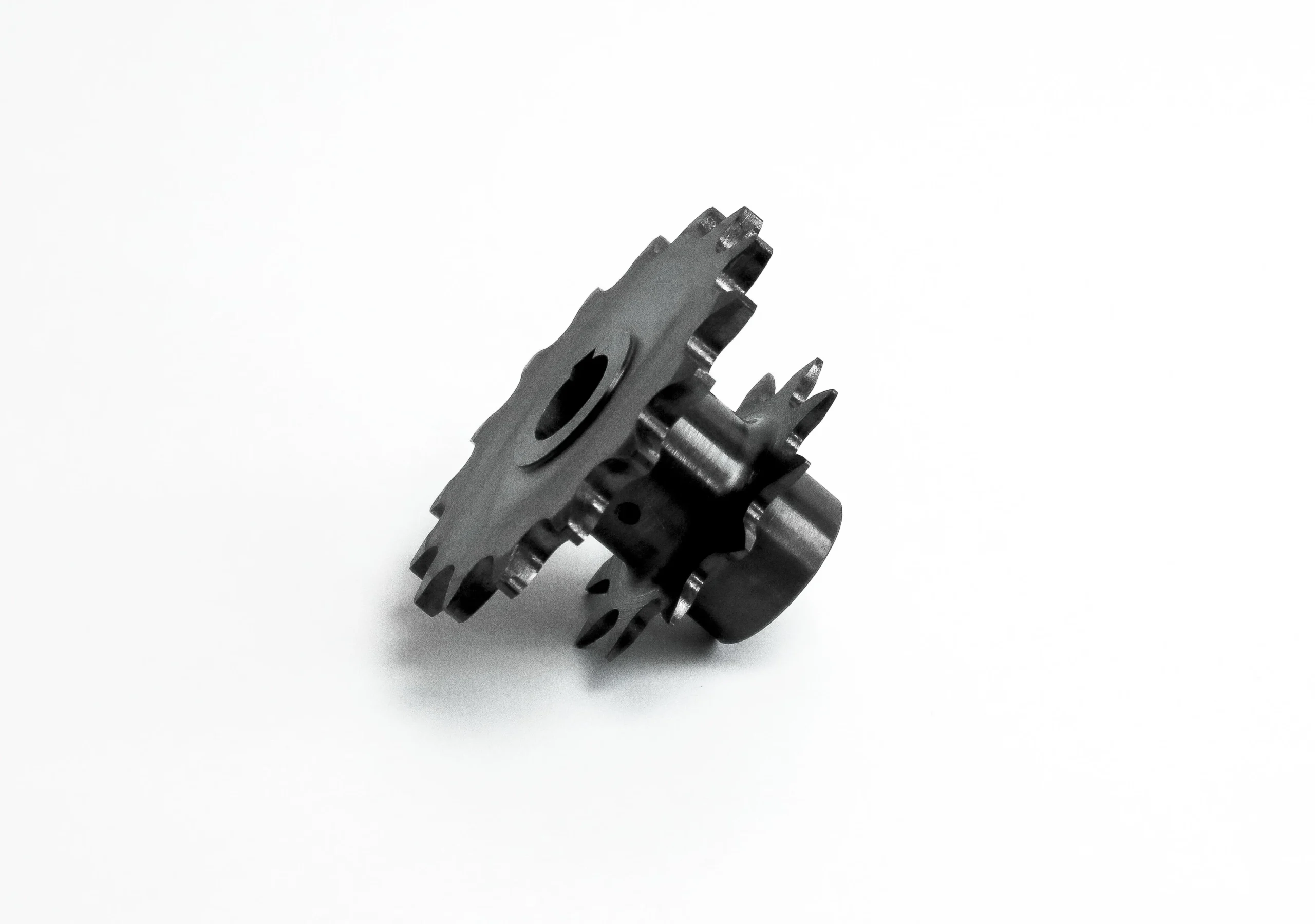
Carbon Steels
Practical choice for structural fixture plates, supports, brackets, and non-wetted machine elements where stiffness and cost control matter. Machining allowance, protective finish, and corrosion exposure should be defined before production planning.
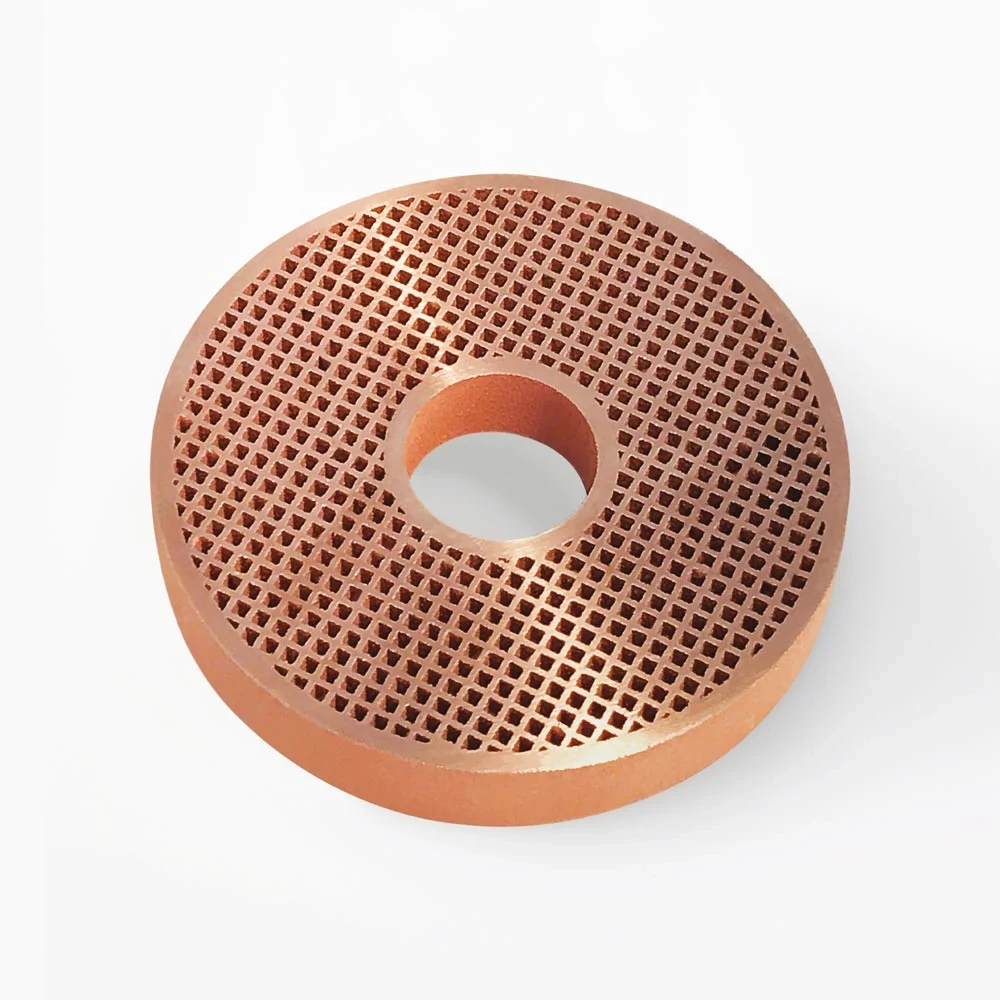
Copper Alloys
Useful for selected electrical-contact, sensing, or soft-sealing-adjacent components where conductivity or controlled conformability is relevant. Alloy choice depends on strength, wear, mating materials, and the drawing-defined performance requirements of the fixture.
CNC Parts for Leak Test Fixtures: Process Routes
CNC Milling
CNC milling forms fixture plates, nests, manifolds, and mounting features from the drawing. It supports controlled datum relationships, pockets, seal lands, and drilled interfaces where tool access and inspection planning are defined early.
CNC Turning
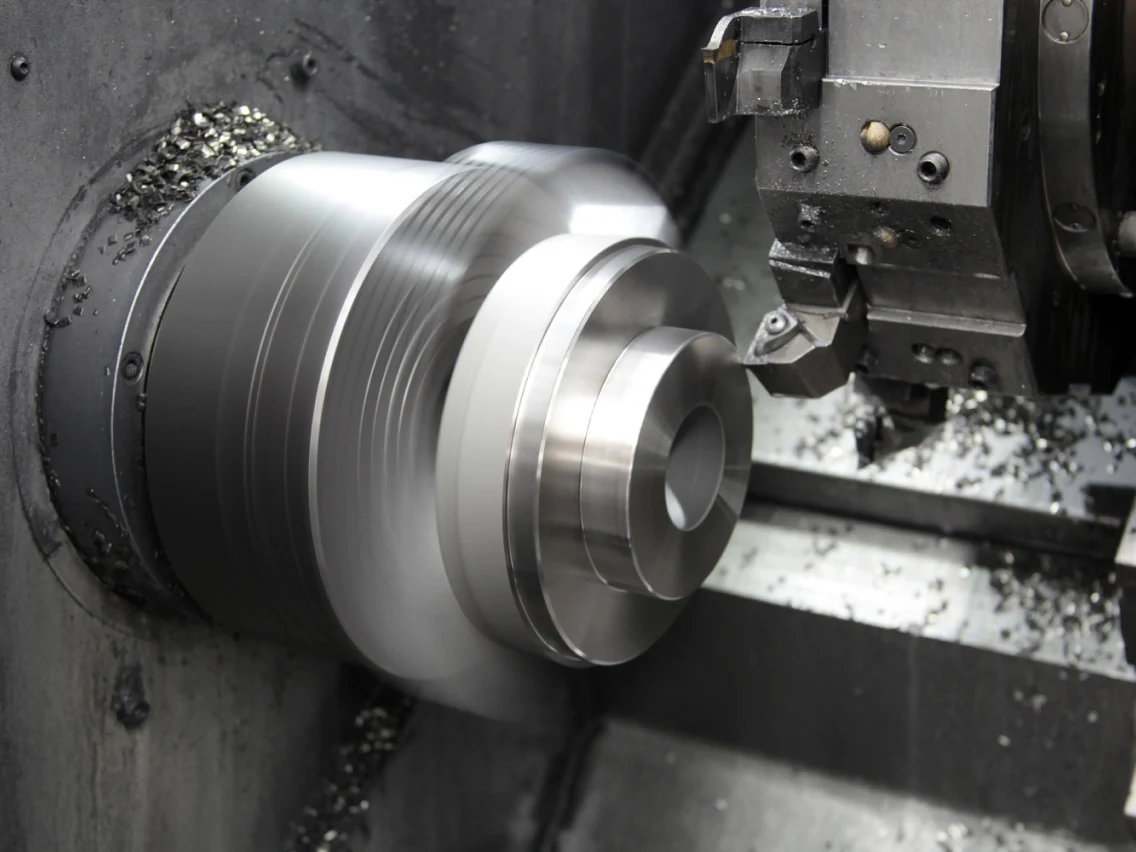
CNC turning produces rotational parts such as adapters, bushings, sleeves, and threaded interfaces. It supports concentric diameters and controlled seating features when the mating relationship, material condition, and critical dimensions are specified.
Wire EDM
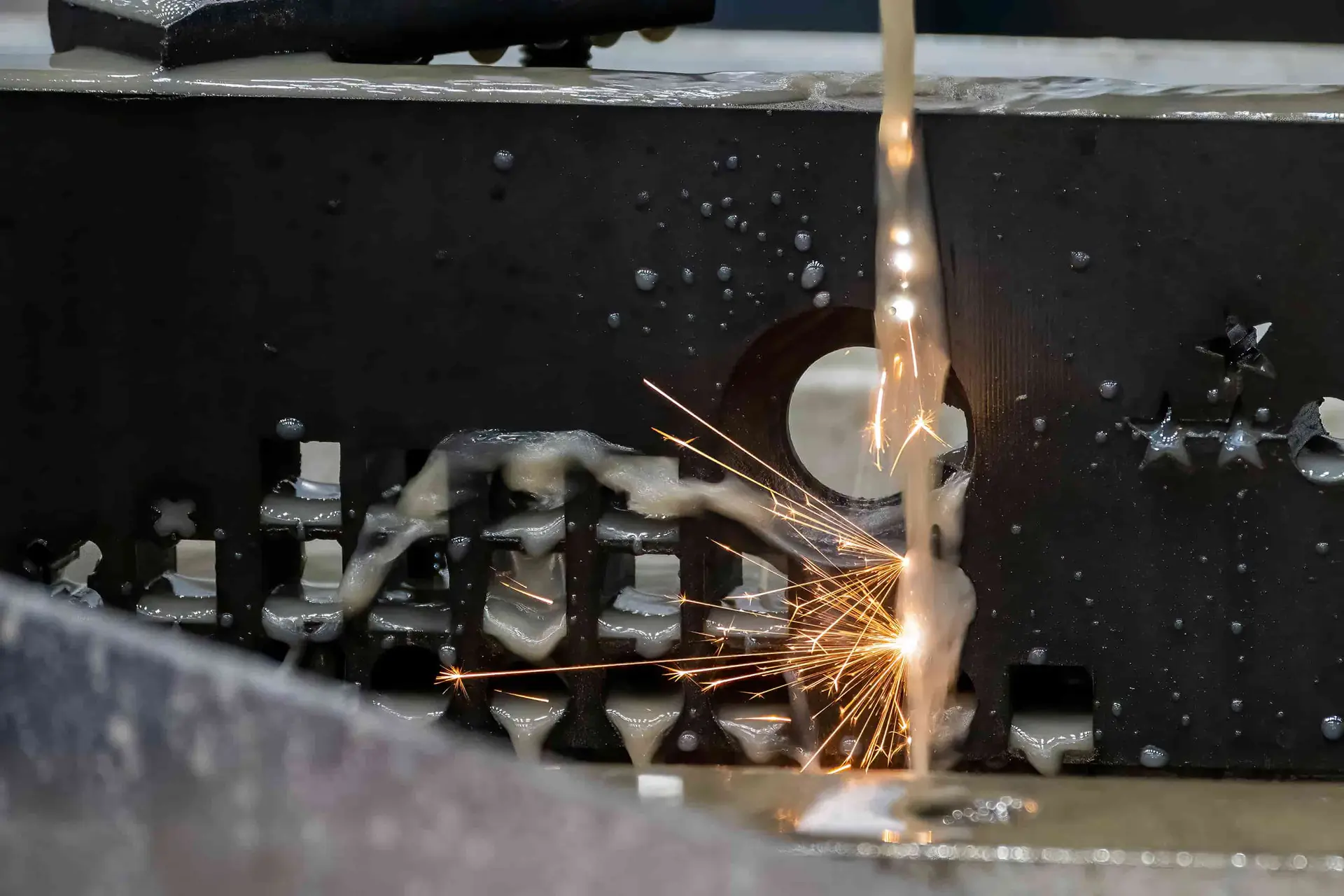
Wire EDM cuts precise profiles, narrow slots, and hardened features where conventional cutter access is limited. The wire path, start-hole location, corner requirements, and finishing allowance should be reviewed against the drawing.
Sinker EDM
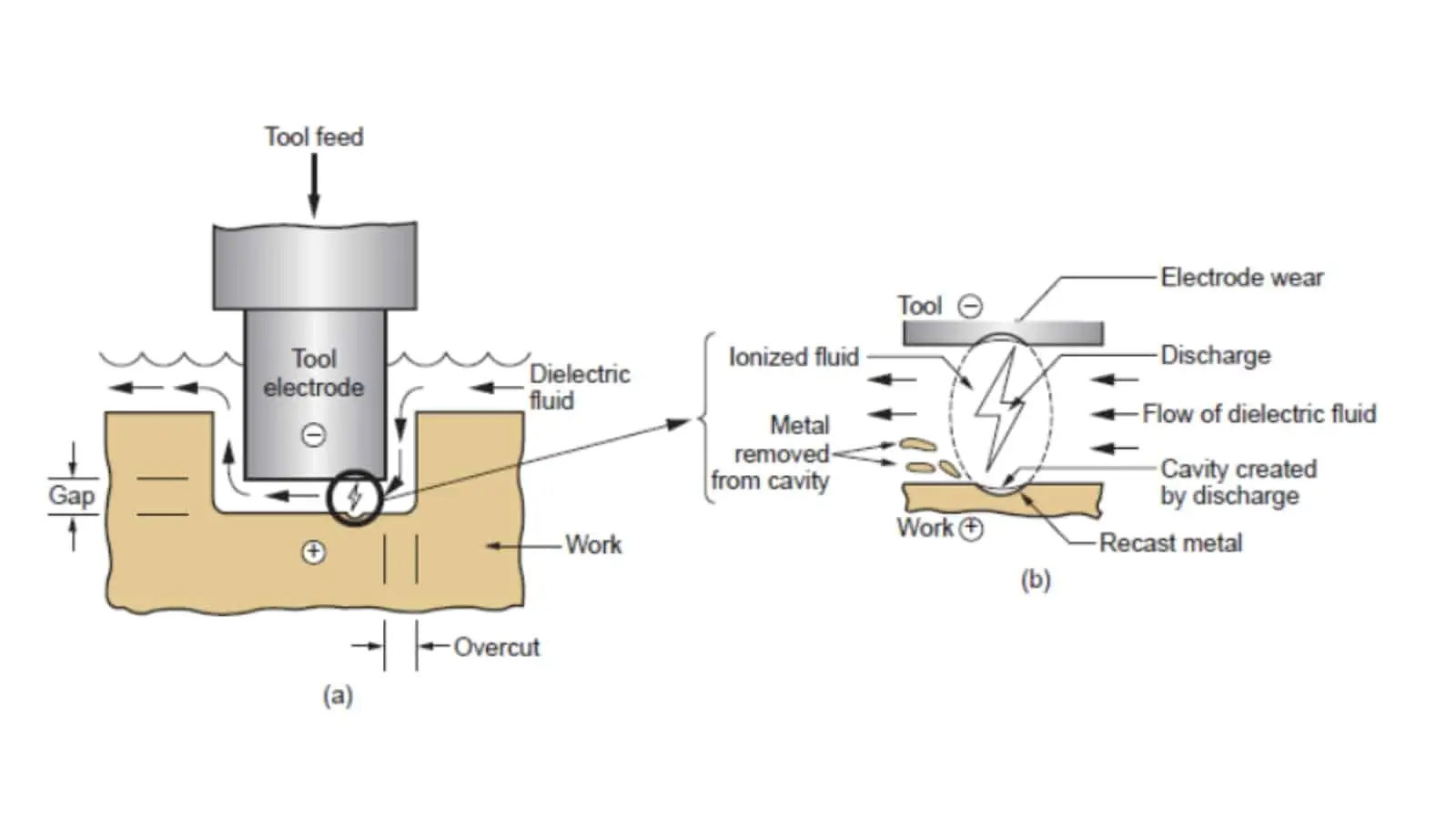
Sinker EDM forms deep cavities, sharp internal details, and complex sealing-related geometry using a planned electrode strategy. Electrode wear, spark allowance, surface requirements, and subsequent inspection need agreement before machining.
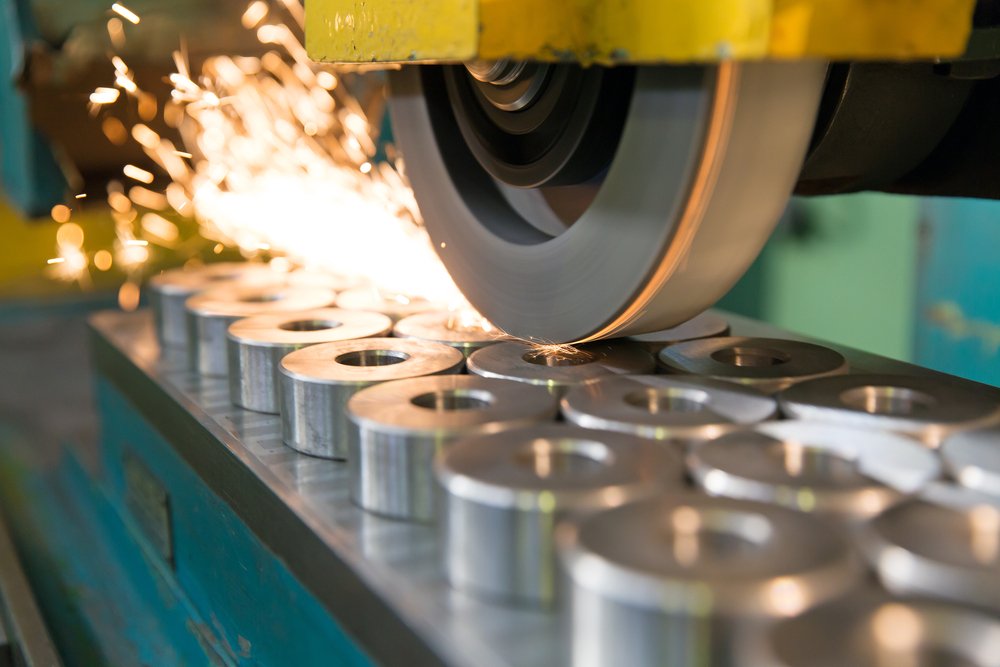
Precision Grinding
Precision grinding finishes critical flatness, parallelism, diameter, and fit surfaces after suitable machining or heat-treatment steps. Grinding stock, datum sequence, surface requirement, and inspection method should be established during DFM review.
CNC Parts for Leak Test Fixtures: Hardware and Identification Accessories

Locating Pins
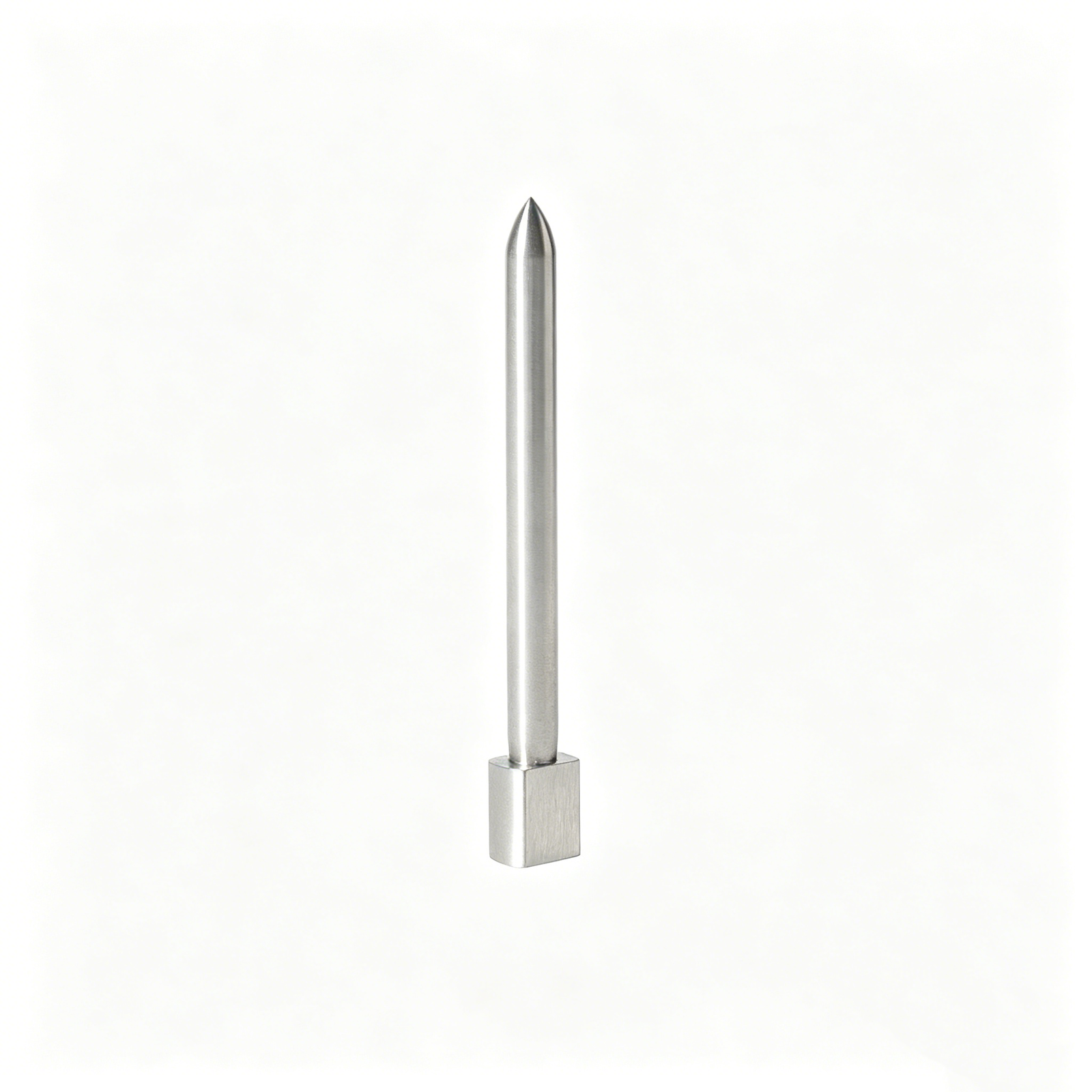
Locating pins establish repeatable part position against defined datums during loading and testing. Diameter, fit, lead-in geometry, wear expectations, and mating-part tolerance should be reviewed with the approved fixture drawing.

Guide Bushings
Guide bushings support controlled motion and alignment where fixture plates, clamps, or moving nests require guided travel. Material, clearance, lubrication approach, and replacement access depend on the operating environment and application context.
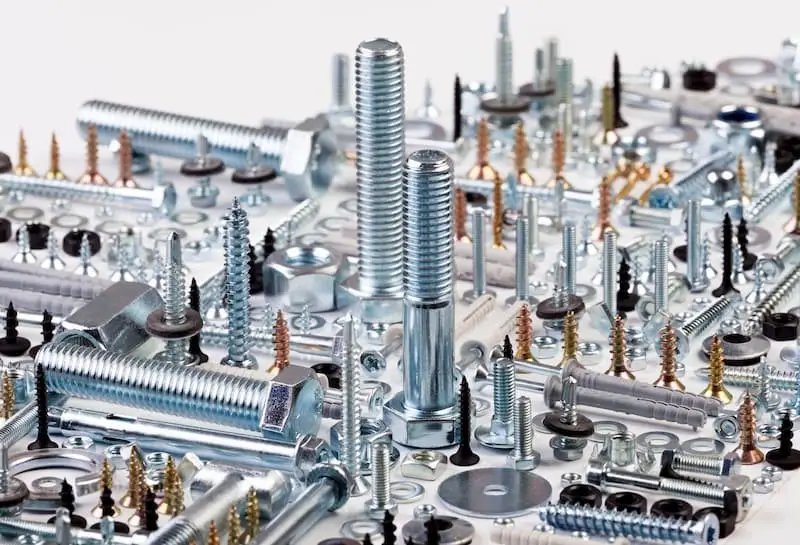
Captive Fasteners
Captive screws, shoulder bolts, and related fasteners help retain removable fixture elements during changeovers and maintenance. Thread engagement, access direction, tightening requirements, and corrosion exposure should be specified in the drawing package.
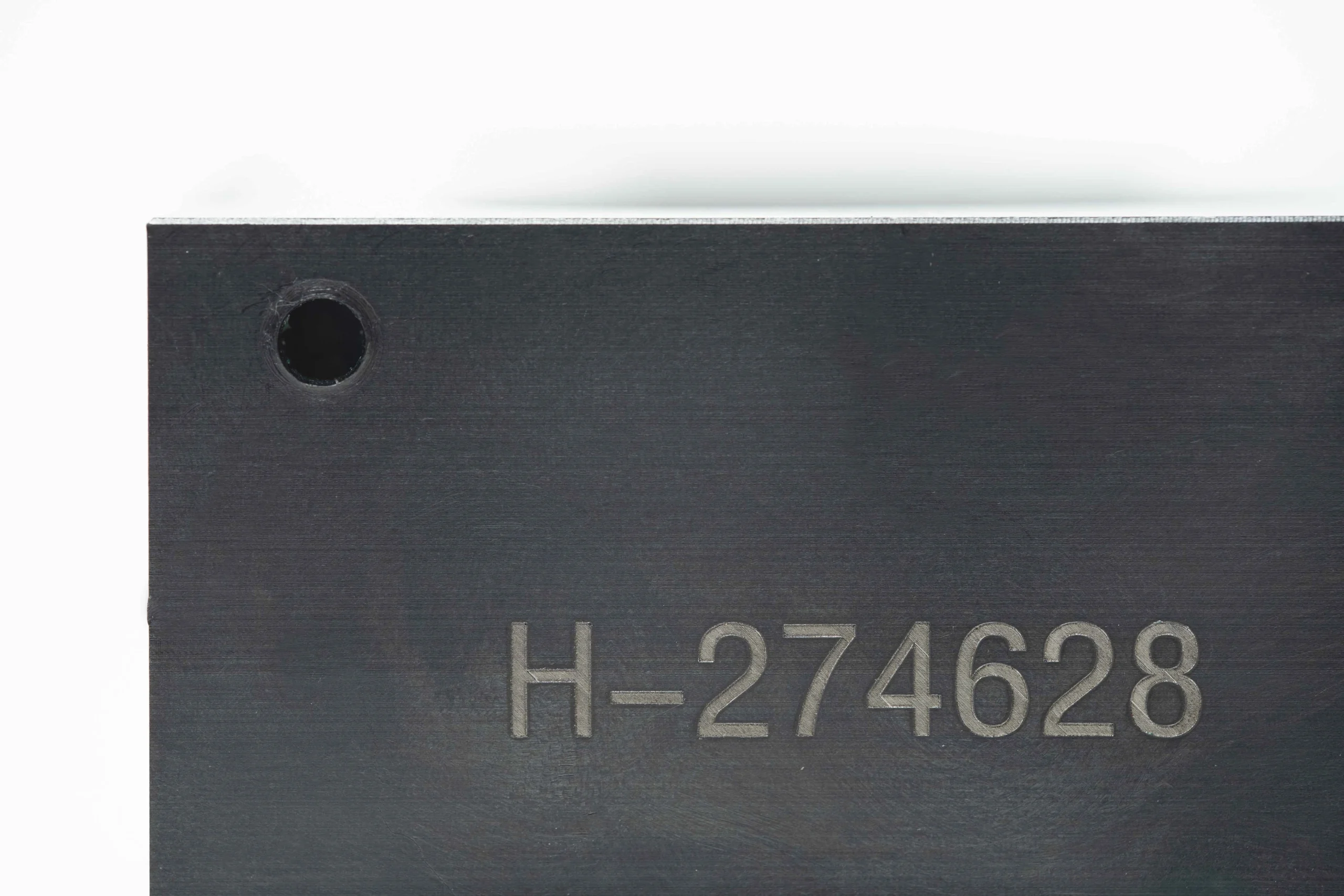
Identification Plates
Engraved or marked identification plates can link a fixture component to part number, revision, orientation, or inspection status. Confirm marking content, placement, attachment method, and durability expectations before machining and final assembly.

Protective Covers
Protective covers and edge guards help shield sealing faces, sensors, and machined surfaces from handling damage or shop contamination. Their geometry should preserve operator access, part loading clearance, and the fixture’s intended inspection workflow.
About SUUXIANG CNC Parts for Leak Test Fixtures
SUUXIANG is the sole public-facing brand of Dongguan SuuXiang Precision Mold Co., Ltd., established in 2010 and based at Sanhe Industrial Park in Chang’an Town, Dongguan, Guangdong, China. Founder and legal representative XiaoCheng Huang leads the company’s support for global engineering and sourcing teams seeking drawing-driven precision manufacturing for custom CNC parts, precision mold components, connector tooling, and die components.
For CNC parts for leak test fixtures, project review begins with the drawing, 3D model when available, material, quantity, sealing or mating context, and inspection requirements. Our process planning can combine CNC milling and turning, multi-axis machining, EDM, precision grinding, fitting, and inspection according to the verified needs of the part.
What differentiates SUUXIANG is disciplined communication before production commitments. We review critical dimensions, datums, tolerance stack considerations, machining access, surface requirements, heat-treatment sequence, and inspection methods so buyers can align the manufacturing route, documentation, revision control, and delivery expectations before work proceeds.
CNC Parts for Leak Test Fixtures: Critical Capabilities
DFM and Datum Review
Before quotation, SUUXIANG reviews drawings for functional datums, sealing interfaces, tolerance relationships, tool access, and inspection feasibility. This early review helps align CNC parts for leak test fixtures with the intended locating, clamping, and test-sealing strategy before production commitments are made.
- Identify critical dimensions and functional datum relationships
- Review sealing-face geometry and accessible machining directions
- Flag tolerance-stack, burr-control, and probing considerations
- Confirm material, heat-treatment, and reporting requirements
Planned CNC, EDM, and Grinding
Fixture components often combine milled pockets, drilled passages, precision bores, narrow features, and controlled sealing surfaces. SUUXIANG plans the appropriate CNC machining, wire or sinker EDM, and grinding sequence around geometry, material condition, machining allowance, and the dimensions that require the closest process control.
- Select process routes from drawing geometry and tolerance needs
- Plan EDM access, electrode strategy, or wire paths where needed
- Maintain grinding stock through heat-treatment-sensitive sequences
- Consider internal passages, threads, and intersecting feature access
Fitting at Functional Interfaces
Where fixture performance depends on mating parts, individual dimensions alone may not describe the full requirement. SUUXIANG can coordinate fitting work for applicable component interfaces, using the approved drawing, mating context, and revision information to clarify what must assemble, locate, seal, or move as intended.
- Review mating-component context before fitting is defined
- Clarify clearance, engagement, and locating expectations
- Control revision status for paired or related components
- Keep fitting scope tied to agreed project evidence

Inspection and Revision Control
Inspection planning should reflect the features that influence fixture function, not only a general dimensional check. SUUXIANG aligns measurement and documentation with the agreed drawing revision, critical dimensions, surface requirements, and order-specific reporting needs so delivered parts can be evaluated against the defined acceptance basis.
- Link inspection points to critical drawing requirements
- Confirm measurement methods before production where needed
- Maintain visible drawing and revision-control information
- Match final documentation to the agreed inspection plan
CNC Parts for Leak-Test Fixtures: Drawing-Driven Production Controls
Compare the production inputs and controls that help align fixture components with drawing, inspection, and revision requirements.
← Swipe left or right to view →
CNC Parts for Leak Test Fixtures: From Drawing to Delivery
A documented workflow that aligns critical dimensions, process choices, inspection requirements, and delivery details before production commitments are made.
Review the RFQ Package
We review drawings, models, quantities, materials, application context, target dates, and reporting needs to identify missing information before quotation or production planning.
Confirm DFM and Requirements
Critical dimensions, datums, sealing interfaces, surface requirements, tool access, tolerance stack, heat-treatment sequence, and inspection methods are clarified with documented revision control.
Plan the Process Route
The manufacturing route is matched to the part geometry, combining CNC machining, EDM, grinding, fitting, and appropriate machining allowances for critical functional features.
Machine and Verify Parts
Production follows the approved requirements, with inspection focused on agreed critical features, material documentation, surface priorities, and the order-specific verification plan.
Coordinate Packing and Delivery
Finished parts are prepared with the required documentation, protective packing approach, revision identification, and delivery coordination so receiving teams can verify the order.
How to Work with SUUXIANG on CNC Parts for Leak Test Fixtures
Move from drawing review to inspected parts through a controlled, drawing-driven workflow.
Submit Your Drawing Package
Upload 2D drawings, 3D models, material requirements, quantity, delivery target, inspection needs, and fixture application context, including sealing or mating-interface priorities.
Review Manufacturability Together
Confirm critical dimensions, datums, tolerance stack, tool access, internal passages, EDM or grinding needs, heat-treatment sequence, and inspection approach before quotation.
Approve Production Details
Review the proposed process route, quotation, revision status, sampling requirements, and agreed quality documentation so production expectations are clear before release.
Receive Inspected Parts
SUUXIANG coordinates CNC machining, EDM, grinding, fitting, and inspection according to the approved plan, with final documentation aligned to the verified inspection requirements.
Quality Documentation for CNC Parts for Leak Test Fixtures
Customer Feedback on CNC Parts for Leak Test Fixtures
Approved customer feedback will be added after project release authorization. This slot will document the drawing revision, critical dimensions, inspection evidence, and measurable production outcome relevant to the completed fixture-component order.
Approved customer feedback will be added after the customer confirms publication. This slot will describe the agreed machining route, material or heat-treatment requirements, dimensional priorities, and documented outcome from an identified leak-test fixture project.
Approved customer feedback will be added with verified project evidence. This slot will summarize the drawing-review findings, revision-control process, inspection requirements, and measurable delivery or fit-up result for the supplied custom CNC components.
CNC Parts for Leak Test Fixtures FAQ
Practical RFQ, manufacturability, inspection, and revision-control questions for drawing-driven fixture components.
Is there a minimum order quantity for CNC parts for leak-test fixtures?
What files should I provide for cnc parts for leak test fixtures?
Can SUUXIANG review DFM before making cnc parts for leak test fixtures?
Can I order a sample before low-volume production?
What inspection reports are available for fixture components?
How should material and heat-treatment requirements be specified?
How are shipping, payment, and delivery terms confirmed?
How does SUUXIANG control drawing revisions and protect project information?
Complete Buyer’s Guide to cnc parts for leak test fixtures
Use this decision framework to specify fixture components, compare materials and suppliers, control cost and lead time, and avoid sealing, tolerance, documentation, and validation mistakes before production.
1. What Are cnc parts for leak test fixtures?
Five functional roles define cnc parts for leak test fixtures: locating the workpiece, applying clamp force, creating a seal, routing test media, and supporting the assembly. Typical parts include machined nests, locator pins, clamp arms, seal retainers, manifolds, adapters, and base plates.
One CNC component is not a complete leak-test fixture or test station. The finished system also requires specified seals, valves, hoses, sensors, controls, guarding, and a test method; a drawing-based machining order should clearly state which interfaces and supplied items are in scope.
Six inputs drive the component specification: part geometry, test medium, pressure, permitted leakage, cycle time, and operator loading method. These inputs determine datum surfaces, port geometry, sealing contact, clamping access, machining tolerances, surface requirements, and inspection features before production begins.
2. Evolution of cnc parts for leak test fixtures
Two-piece manual tooling commonly relied on an operator to position the part, close a clamp, and judge a gauge or pressure-decay result. That approach could prove a design, but wear, loading variation, and undocumented settings made repeatability difficult to maintain across shifts.
By the 2000s, production fixtures increasingly separated the base from the part-specific nest, allowing a replacement nest to preserve shared locating, clamping, and test interfaces. Pneumatic actuation, pressure sensors, and interlocks shifted the result from operator interpretation toward defined pass/fail logic.
Today, cnc parts for leak test fixtures must support changeovers and service as deliberately as initial assembly. Buyers should specify nest interchangeability, datum-controlled interfaces, seal-access clearance, spare-part strategy, sensor and valve mounting provisions, and the inspection records required to connect each result to a revision, station, and tested part.
3. Types of cnc parts for leak test fixtures
Six component families determine whether a fixture locates, seals, actuates, changes over, connects, and protects consistently. For cnc parts for leak test fixtures, drawings should identify the part datum scheme and every mating interface before machining.
Locating Nests And Datum Plates
Two datum planes and one locating feature commonly constrain a test part without over-location. Provide the part model, contact zones, datum callouts, clamp direction, and replaceable wear-pad requirements.
Critical interfaces include pin bores, nest contours, and the sealing-face relationship. High-cycle nests should use renewable inserts or pads where contact wear would alter position.
Manifolds, Clamps And Adapters
One valve body can route fill, test, and exhaust passages between controlled ports. Specify port threads, passage diameters, O-ring glands, pressure medium, sensor fittings, and manifold mounting datums.
Pneumatic clamps and actuator adapters convert cylinder travel into controlled loading. Include stroke, force direction, closed position, clevis or rod-end interface, and clearance through the full motion.
Changeover Connectors And Guards
Quick-change plates reduce setup work by separating a common base from product-specific tooling. Define locating pins, bolt pattern, keying, lift points, and the permitted changeover sequence.
Test connectors transfer air or gas across the fixture-to-part boundary; guards and support hardware protect hoses, operators, and alignment. Call out connector sealing geometry, mating-part envelope, bracket loads, and replaceable connection elements.
4. Materials for cnc parts for leak test fixtures
Material choice for cnc parts for leak test fixtures begins with the test medium, pressure, temperature, exposure time, and mating seal. A low-mass valve block and a hardened clamp jaw have different failure modes, so specify each component rather than one fixture-wide material.
| Material Family | Best-Fit Role | Key Advantage | Key Limitation |
|---|---|---|---|
| Aluminum alloys | Bases, valve blocks | Light; machinable | Needs surface protection |
| Stainless steels | Wetted passages, seals | Corrosion resistance | Higher machining cost |
| Tool steels | Wear jaws, locators | Hardness; stiffness | Heat-treatment planning |
| Carbon steels | Protected bases | Strength; lower cost | Corrosion risk |
| Engineering plastics | Nests, guards | Light; non-marring | Lower stiffness; creep |
| Copper alloys | Contacts, sensing | Electrical conductivity | Cost; media review |
Match Material To Function
6061-T6 aluminum suits light fixture bases and readily machined pneumatic blocks; anodizing can improve surface protection. Stainless is usually preferred where the actual medium or washdown environment demands corrosion resistance.
Tool steel supports hardened wear components, while carbon steel can reduce base cost when protected from corrosion. Engineering plastics reduce weight and protect cosmetic parts, but their stiffness and creep require review.
Control Interfaces And Wear
304 or 316 stainless passages require compatibility review against the actual gas, liquid, condensate, and cleaning chemistry. Copper alloys suit electrical contacts or sensing-related interfaces, not universal wetted service.
Hardened steel-to-steel sliding pairs can gall without appropriate surface finish, lubrication, or dissimilar mating materials. Final selection should document pressure, environment, seal elastomer, mating material, and inspection-critical surfaces.
5. Customization and interface options
3D CAD should define the fixture interface before machining begins. For cnc parts for leak test fixtures, customization follows part geometry, seal behavior, plumbing, loading method, and expected service cycles.
Nest And Seal Interfaces
2D sections through each sealing interface should show nest geometry, O-ring groove, seal-land width, port breakout, and surface requirements. Supply the mating part, seal cross-section and compound, permitted compression, and forbidden witness areas.
Locating And Connections
3-2-1 locating logic can separate primary datum support, secondary stops, and clocking features. Specify clamp mounting, threaded-fitting standard, tubing OD, pneumatic pressure, actuator stroke, and loading clearance.
Wear And Identification
1 replaceable insert can protect a high-cycle contact surface without remachining the base plate. Define insert retention, modular-plate interfaces, engraving or Data Matrix location, revision mark, test cycles, and changeover requirements.
6. Construction quality elements that affect repeatability
Repeatability begins with a datum scheme that locates the part the same way during machining, inspection, and sealing. For cnc parts for leak test fixtures, dimensional acceptance alone does not establish functional leak performance.
Datums And Sealing Faces
A primary datum should control the sealing face, locating bores, and clamp direction so tolerance stack-up is visible. Flatness and surface-finish limits at each seal land need to match the seal type and compression window.
Passages And Interfaces
Every bore, thread, and internal passage needs a specified gauge, deburring condition, and cleanliness requirement. Coating or passivation selection must preserve fit, thread engagement, and media compatibility; fasteners also require practical tool access.
Seals And Validation
Replaceable seals should have controlled grooves, retention features, and a defined replacement method. Inspection criteria and functional leak-test validation should be agreed separately, including test medium, pressure, stabilization time, allowable loss, and test-fixture condition.
7. How to choose a CNC fixture manufacturer
Two qualified suppliers can quote the same drawing yet deliver different fit-up risk. Evaluate the evidence exchanged before machining, not a capability list or an optimistic delivery promise.
| Evaluation Area | Ask For | Warning Sign |
|---|---|---|
| DFM review | Written risks and assumptions | Quote without questions |
| Inspection | CTQ report and method | Generic quality statement |
| Schedule | Material and approval milestones | Unqualified rush promise |
| Revision control | Released drawing identifier | Email-only change history |
Review The Drawing
100% of quoted features need not be critical, but sealing faces, datums, threads, and port geometry should be identified. Ask for DFM feedback on tool access, tolerances, burr control, and process route.
Verify Quality Evidence
1 first article should confirm the approved revision before a low-volume repeat order. Specify material traceability when required and agree measurement methods, report format, sampling, and nonconformance handling.
Test Project Control
2 controlled revisions can prevent an obsolete model or drawing reaching the shop floor. Confirm named communication ownership, packaging protection for sealing surfaces, realistic lead-time milestones, and prototype-to-repeat-order support.
8. Common buyer mistakes with leak-test fixture parts
Eight drawing-release errors repeatedly turn otherwise capable fixture machining into test instability, rework, or disputed acceptance. Treat every interface as a functional requirement, not merely a nominal geometry callout.
Nominal Dimensions And Pressure
1. Nominal dimensions alone do not define a seal or flow interface; omit test medium, pressure, temperature, and cycle conditions, and material choices become guesswork. Ask: What media and operating envelope must this interface withstand?
Seal Stack And Materials
2. Seal compression depends on groove geometry, mating flatness, surface finish, and clamp travel; incompatible metals, elastomers, or fluids can degrade the interface. Ask: What seal, compression range, mating material, and exposure compatibility are required?
Flow Paths And Tolerances
3. Cross-drilled passages can retain burrs that obstruct flow or damage seals, while tolerances without datum access may be impractical to machine or inspect. Ask: Which passages require deburring verification, and what datum-based measurement method proves each critical tolerance?
Acceptance And Spares
4. A pass/fail result without leak rate, stabilization time, pressure-decay method, and reporting rules invites disagreement; seals, probes, and guide elements also wear. Ask: What acceptance criteria apply, and which wear components need approved spare quantities?
9. Steps to launch a fixture-part project
A controlled launch turns a fixture-part RFQ into a traceable build decision. For cnc parts for leak test fixtures, the buyer should define the test method, workpiece condition, interfaces, and acceptance evidence before machining begins.
Define Test Conditions
Step 1: The buyer supplies the workpiece, test medium, pressure or vacuum range, cycle target, and allowable leak criterion. The project owner identifies loading orientation, sealing locations, mating hardware, and safety constraints.
Release Controlled Data
Step 2: Engineering releases the current 2D drawing, 3D model, revision identifier, and datum scheme. Quality marks critical-to-function dimensions, sealing surfaces, thread callouts, and required inspection methods.
Close DFM And Commercial Gates
Step 3: SUUXIANG reviews tool access, machining allowances, EDM or grinding needs, material, heat treatment, and finish requirements. Procurement approves the quoted scope, lead time, deliverables, and any exceptions before release.
Validate And Lock Reorders
Step 4: The buyer reviews first-article measurements, then completes functional assembly or leak testing with the intended workpiece. After acceptance, both parties lock the approved revision, inspection plan, packaging needs, and reorder reference.
10. Pricing cnc parts for leak test fixtures
1 controlled drawing is the starting point for an illustrative price, not a fixed catalog rate. For cnc parts for leak test fixtures, cost changes with geometry, material condition, critical features, inspection evidence, and delivery commitment.
3 cost groups usually dominate: non-recurring setup and programming, cycle time across CNC, EDM, and grinding operations, and verification of critical sealing or locating features. Deep internal passages, multiple sealing faces, tight positional relationships, and expedited scheduling can raise both unit cost and lead-time risk.
10 pieces may carry more setup cost per unit than 100 pieces, while larger lots can reduce that share only after process repeatability is confirmed. Request an itemized quote tied to the released drawing revision, quantity, material and heat treatment, acceptance criteria, inspection report, finish, and required ship date.
| Quantity tier | Typical cost effect | Delivery consideration |
|---|---|---|
| 1–10 pieces | Highest setup share; complexity drives unit cost | Programming, first-article review, and material availability matter |
| 11–100 pieces | Setup is spread across more parts | Repeatable clamping and inspection can stabilize delivery |
| 100+ pieces | Lower setup share if design and acceptance criteria are frozen | Capacity, inspection sampling, and release schedule require confirmation |
Upload Your Drawing for CNC Parts for Leak Test Fixtures
Include material, quantity, critical dimensions, delivery target, and inspection needs so SUUXIANG can review manufacturability and plan an appropriate process route.