
CNC Machined Precision Plates Built From Your Drawing
SUUXIANG reviews critical dimensions, process routes, EDM and grinding needs before producing inspected CNC machined precision plates to your specifications.
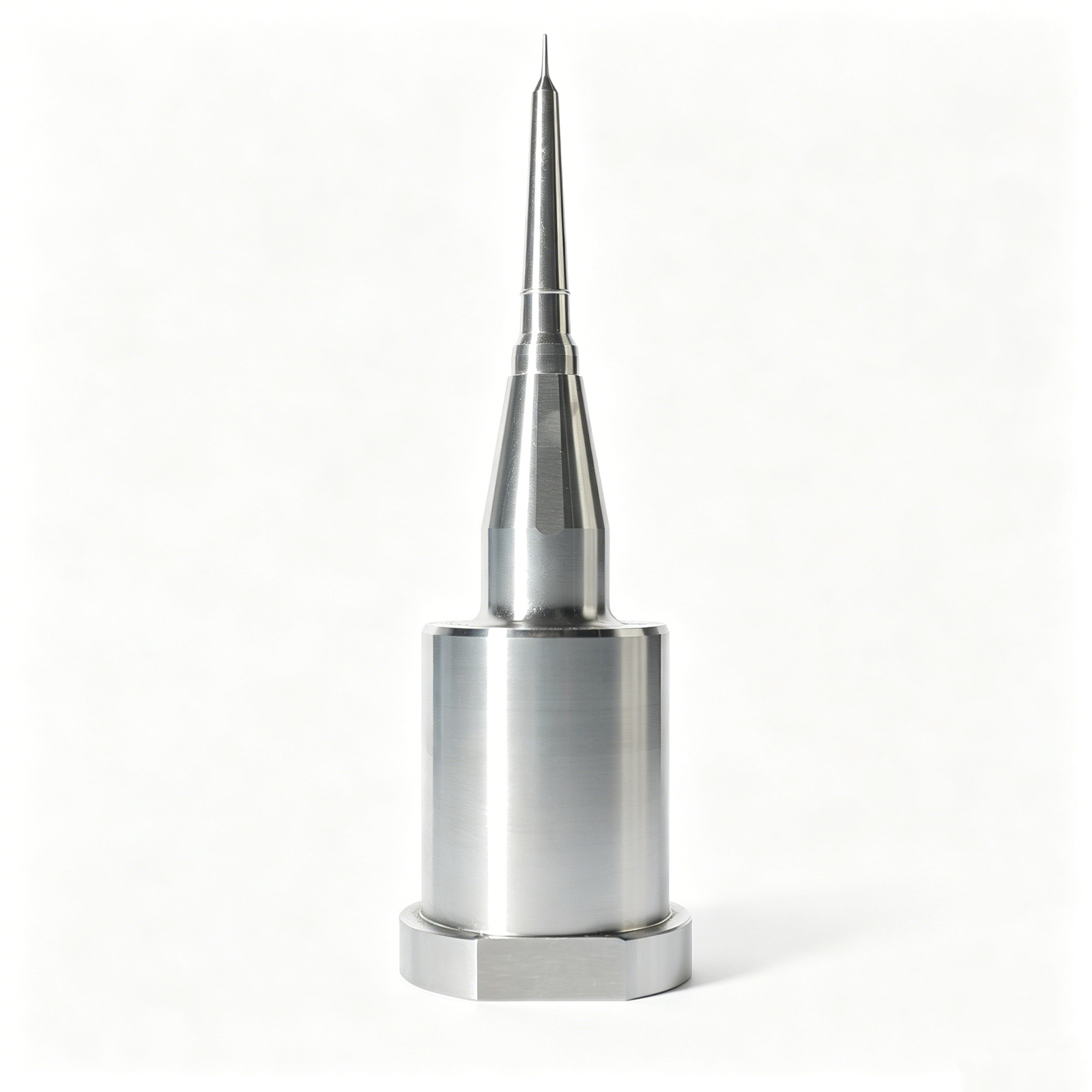
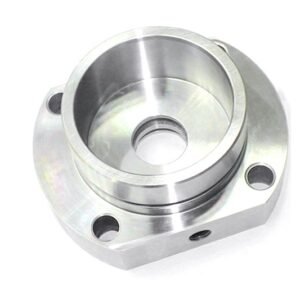
Representative Components for CNC Machined Precision Plate Projects


Related Configurable Component Families and RFQ Options





Why Teams Choose SUUXIANG for CNC Machined Precision Plates
A drawing-driven workflow that keeps critical requirements visible from review through inspection and delivery coordination.
Drawing-Led DFM Review
Review drawings, models, material requirements, and application context before quotation to identify manufacturability questions, tool access, and avoidable revision risk.
Critical Dimension Planning
Align datums, tolerance priorities, surface requirements, and mating features so machining and inspection focus on the dimensions that govern function.
Coordinated Process Routes
Plan CNC milling, turning, EDM, grinding, fitting, and secondary work around geometry, material condition, machining allowance, and finish requirements.
Inspection Plan Alignment
Define appropriate inspection methods and reporting expectations before production, linking verified results to the order’s critical dimensional and quality requirements.
Revision Visibility
Maintain clear communication around drawing revisions, production questions, inspection expectations, and delivery coordination to support traceable project decisions.
Precision Machined Parts and Tooling Families
Explore drawing-driven process routes and configurable component families for mold, connector, die, and custom-part requirements.

CNC Machining Services
Precision CNC machining services for drawing-based parts requiring a defined process route, critical-dimension review, material confirmation, and inspection planning before production.
Upload a Drawing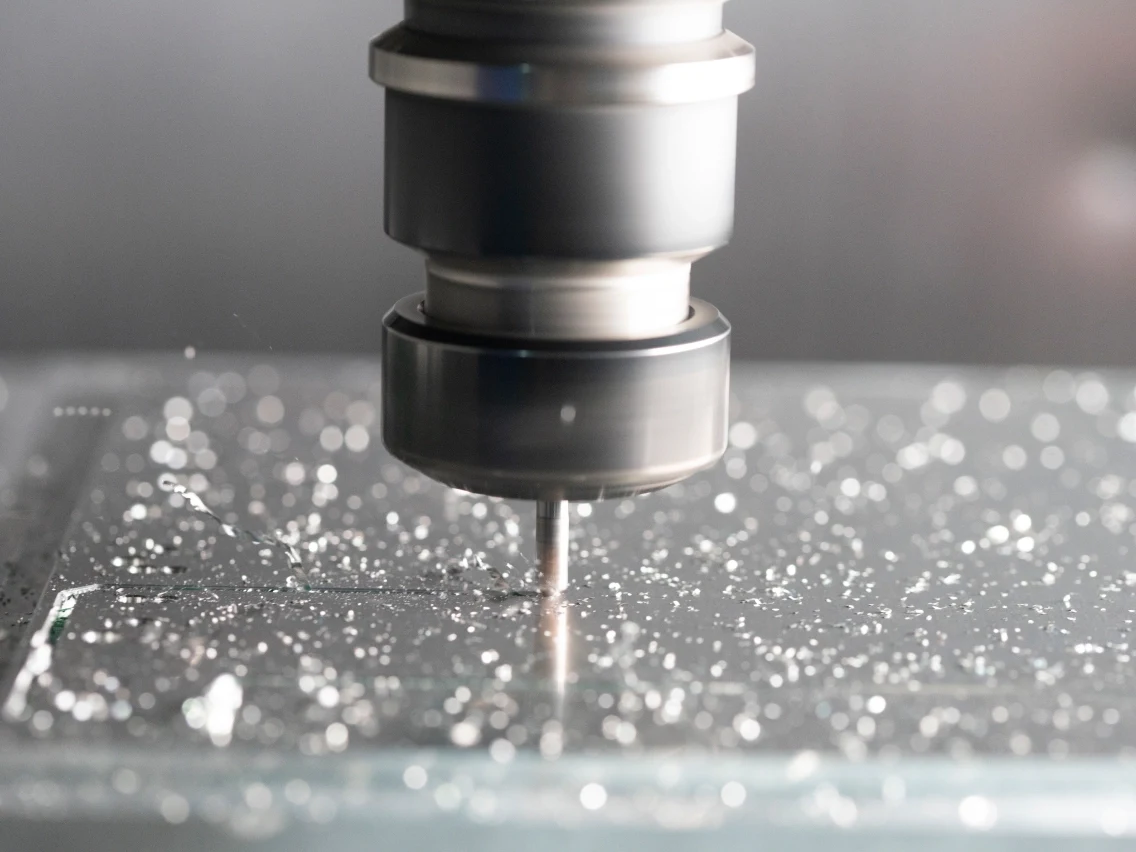
CNC Milling
Custom CNC milling services for plates, inserts, housings, and prismatic features where tool access, datum selection, machining sequence, and finish requirements must be reviewed from the drawing.
Upload a Drawing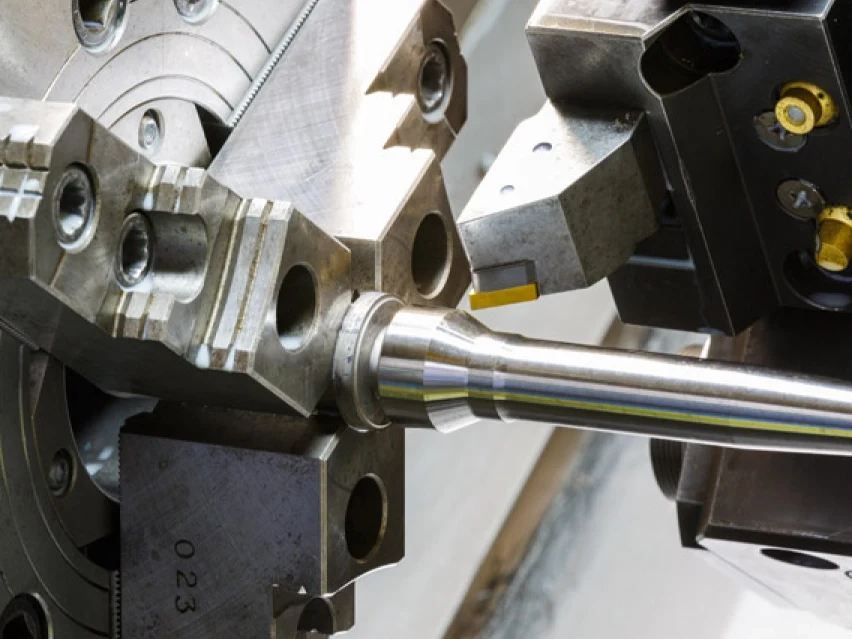
CNC Turning
Precision CNC turning services for shafts, sleeves, pins, bushings, and other rotational parts. Quotations should clarify diameters, concentric features, threads, surface requirements, material condition, and inspection priorities.
Upload a Drawing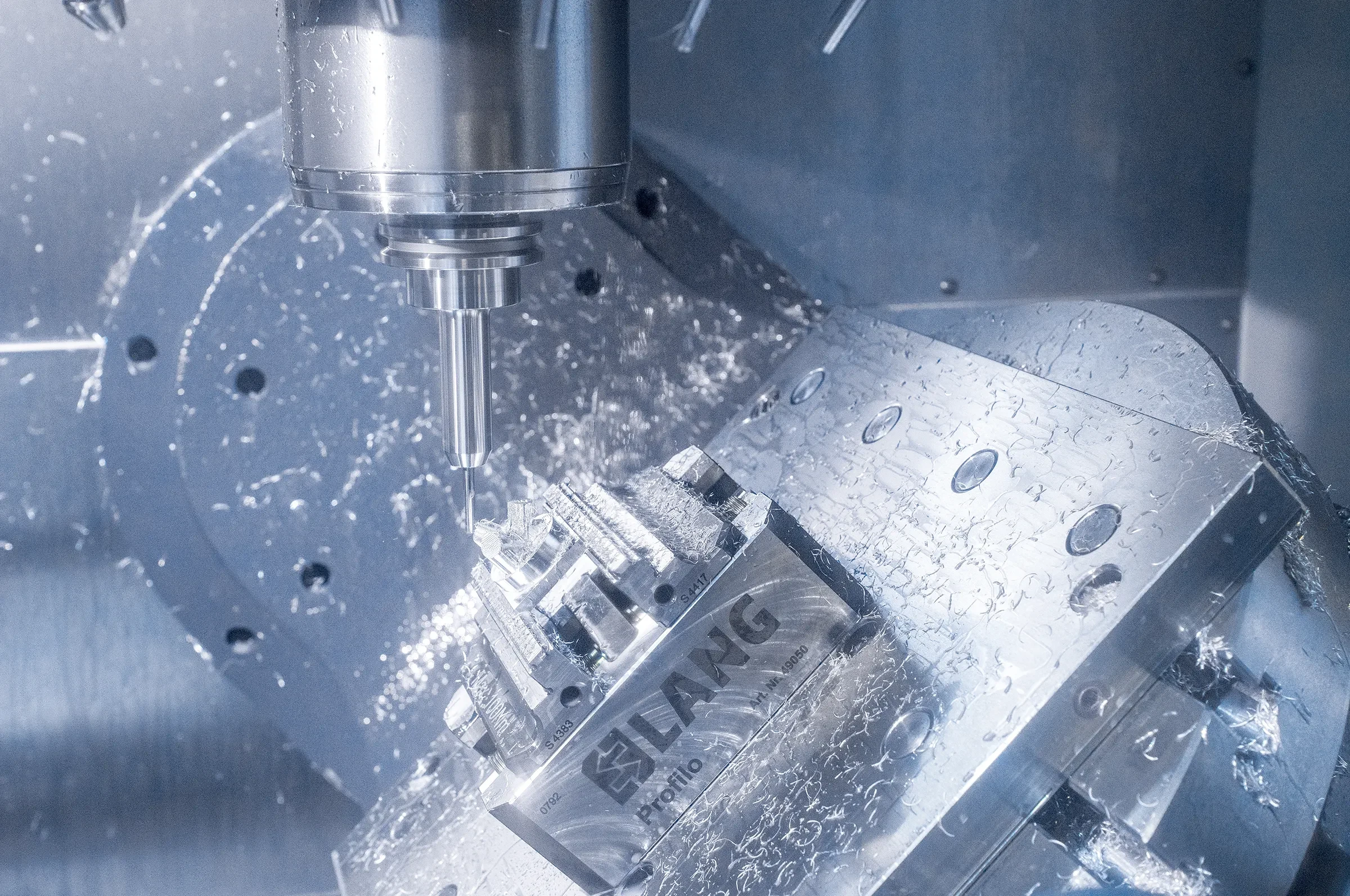
5-Axis Machining
5-axis CNC machining for parts with compound angles, multi-face features, or restricted tool access. The appropriate setup strategy depends on geometry, tolerances, surface requirements, material, and inspection datums.
Upload a Drawing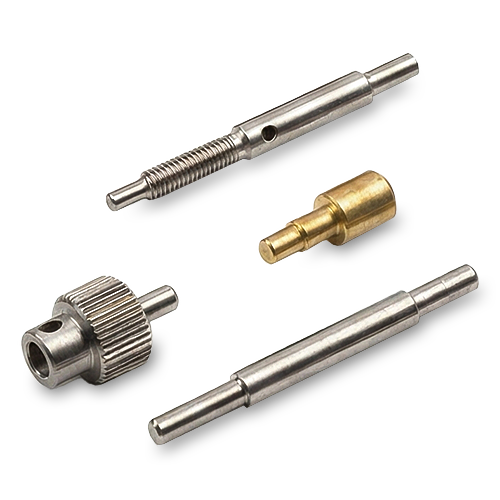
Swiss & Micro Machining
Swiss machining and micro machining for small-diameter, slender, or detail-intensive components. Review part handling, feature accessibility, material behavior, tolerances, and measurement method before committing to a route.
Upload a Drawing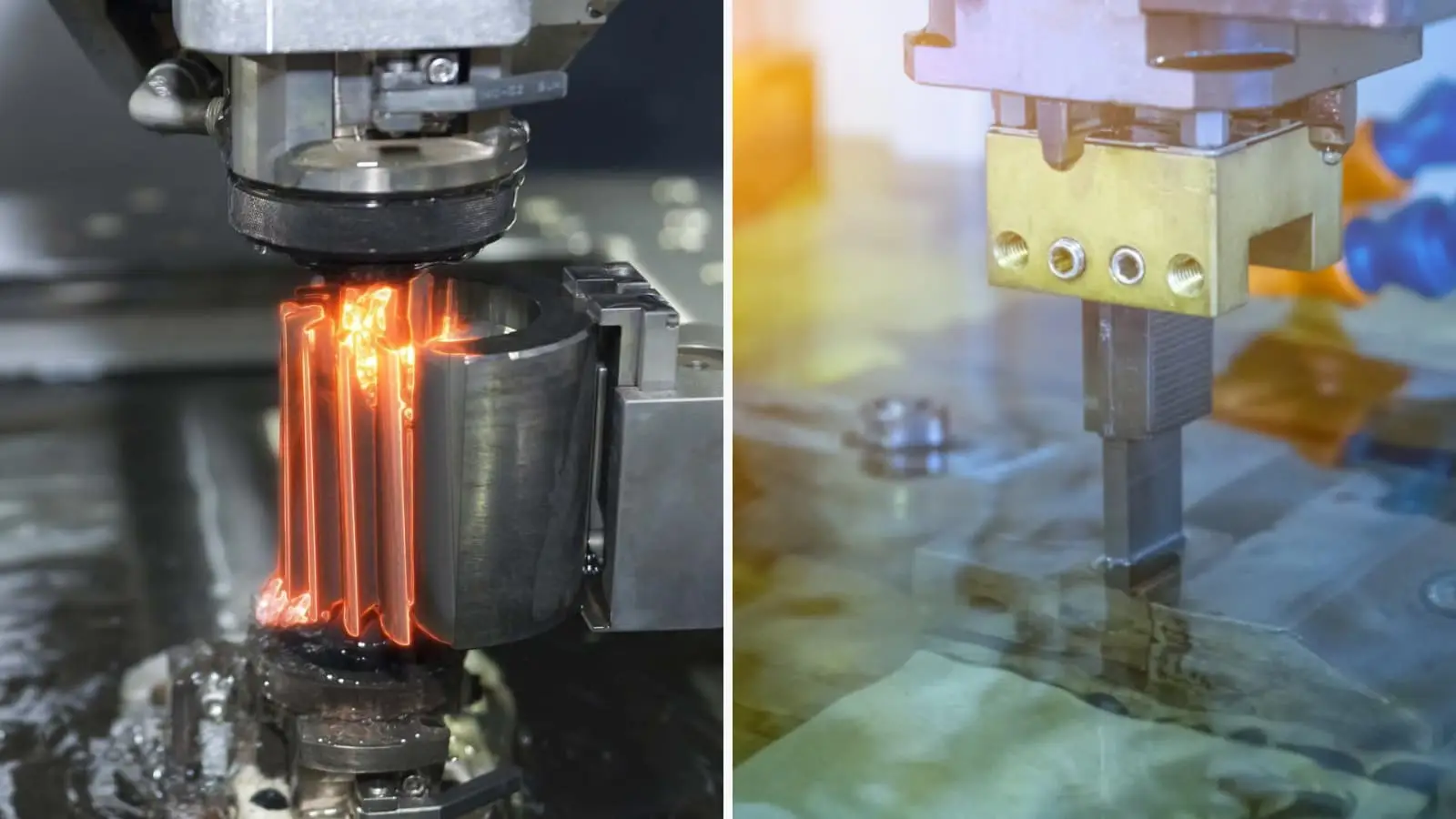
Wire & Sinker EDM
Wire EDM and sinker EDM services for precise profiles, internal corners, deep features, hardened materials, and geometry not suited to conventional cutting. Electrode strategy, wire path, recast considerations, and finishing requirements are reviewed per drawing.
Upload a Drawing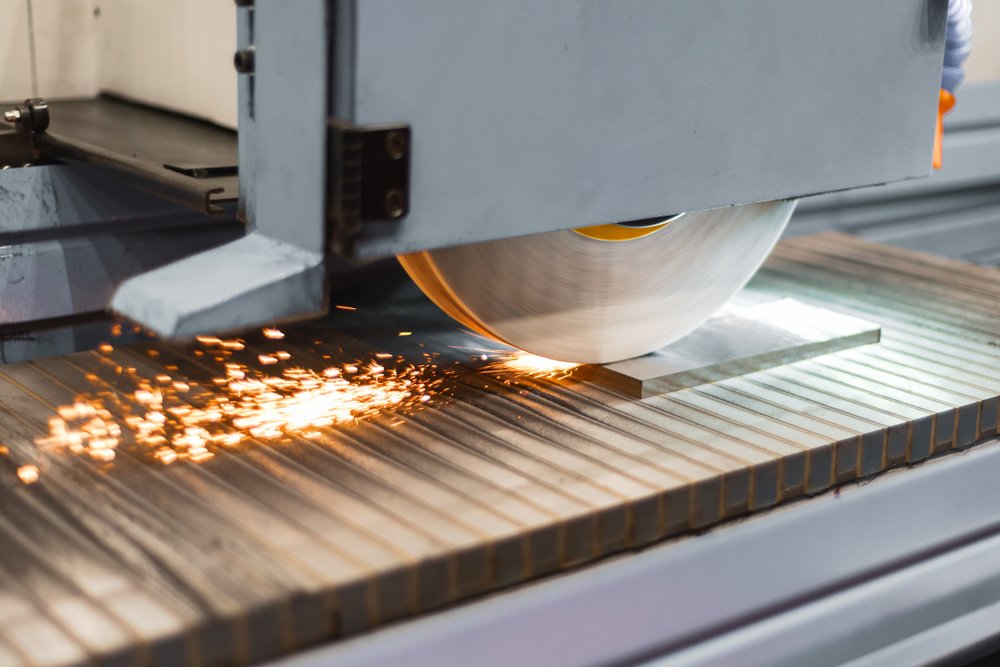
Precision Grinding
Precision surface and profile grinding for controlled flatness, parallelism, thickness, profiles, and finished dimensions. Grinding stock, heat-treatment sequence, datum strategy, and inspection method should be defined before machining.
Upload a Drawing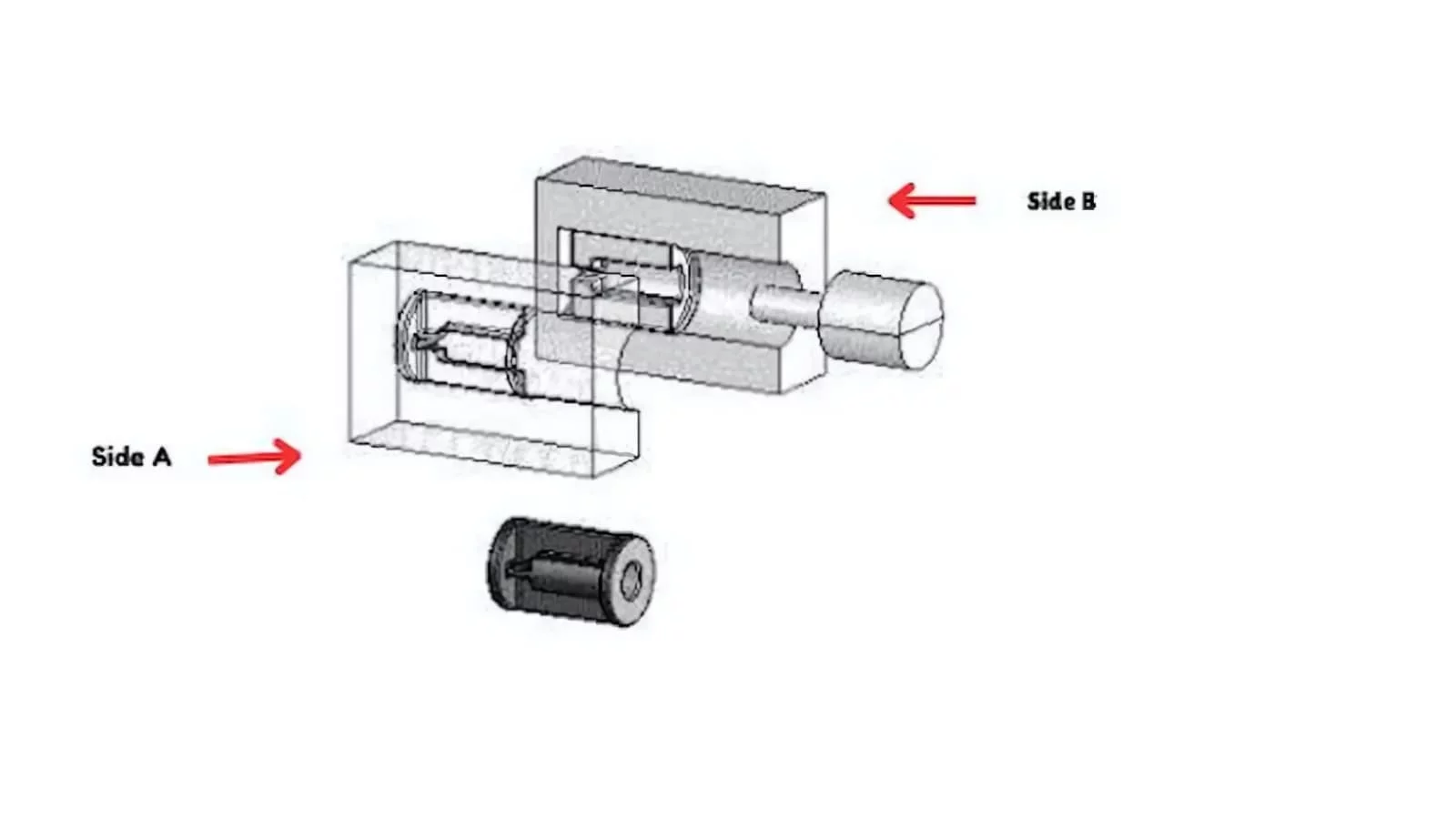
Mold Core & Cavity Inserts
Precision mold core and cavity inserts produced from customer drawings and mold requirements. Manufacturing planning considers steel grade, heat treatment, cooling or detail features, EDM access, grinding allowance, fitting interfaces, and critical dimensions.
Upload a Drawing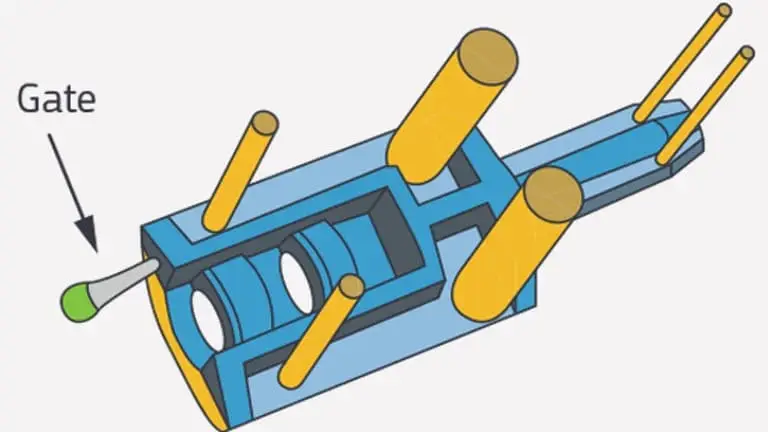
Ejector & Ejection Components
Ejector pins, sleeves, and ejection components for mold assemblies where movement, fit, wear surfaces, and mating geometry matter. Drawings should identify material, hardness, finish, dimensional priorities, and application conditions.
Upload a Drawing
Core Pins, Guide & Locating Components
Core pins, guide pins, and locating components made to support repeatable alignment and controlled mold function. Review mating dimensions, fit class, hardness, wear expectations, datum references, and inspection requirements.
Upload a Drawing
Slides, Lifters, Gates & Mold Accessories
Mold slides, lifters, gates, and accessories configured for the relevant tool design. Manufacturing review addresses travel or interface geometry, wear areas, material treatment, machining access, EDM requirements, and fitting expectations.
Upload a Drawing
Connector Mold Components
Precision connector mold components for geometry where pin spacing, insert alignment, cavity detail, and repeatable mating features require disciplined drawing review, EDM or grinding planning, and documented inspection priorities.
Upload a Drawing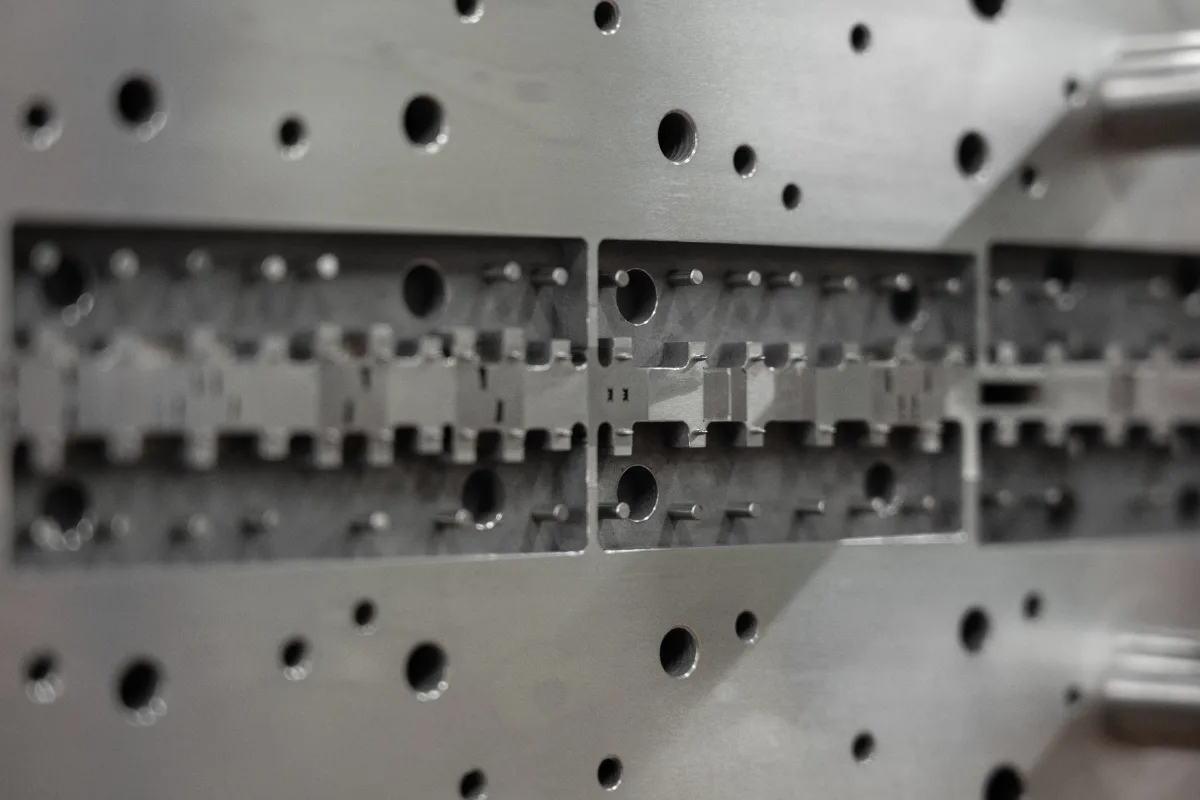
Stamping Die Components
Precision stamping die components for forming, cutting, guiding, and locating functions. Material, heat treatment, clearance-related features, wear surfaces, grinding sequence, and mating-part context should be supplied with the RFQ.
Upload a Drawing
Injection Mold Components for MIM, CIM & Overmolding
Tooling components associated with injection molding, metal injection molding, ceramic injection molding, and overmolding, when requirements fit verified production scope. Drawings should define material, interfaces, critical features, and quality expectations.
Upload a Drawing
Machining Materials
CNC machining materials selected against the drawing, application, dimensional requirements, processing route, and any specified heat-treatment or corrosion-resistance needs. Material grade and condition require confirmation before production.
Upload a Drawing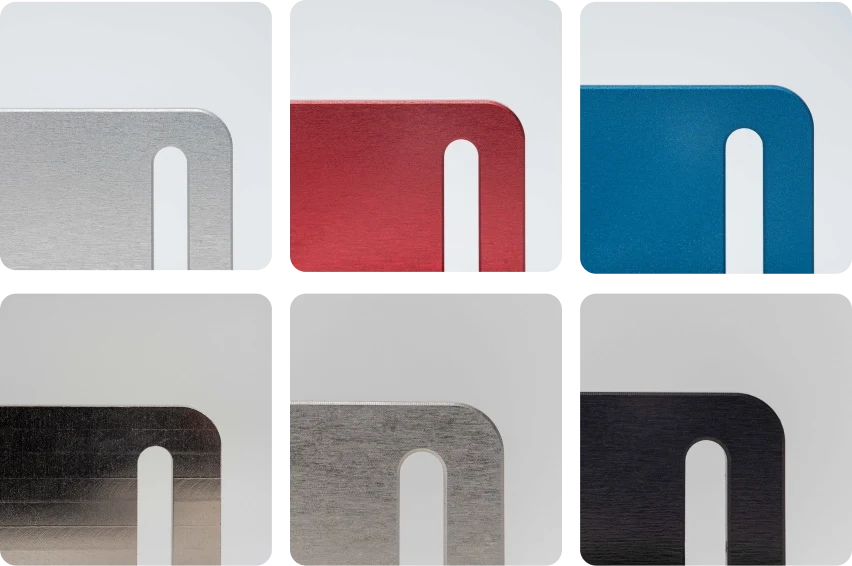
Surface Finishes & Heat Treatment
Surface finishing and heat treatment considered as part of the manufacturing sequence, not an afterthought. Specify required finish, hardness or treatment condition, critical surfaces, masking needs, dimensional sensitivity, and inspection criteria.
Upload a Drawing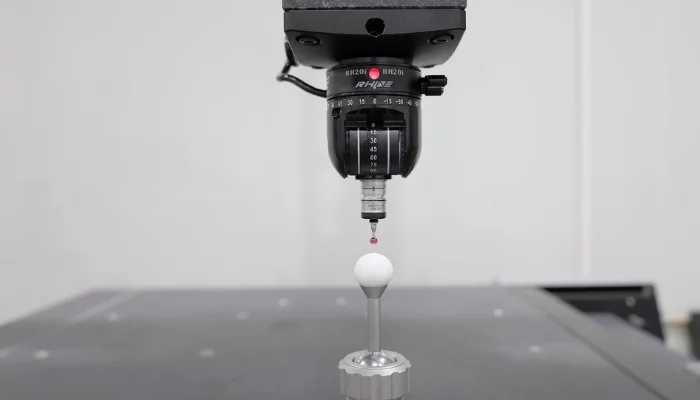
Quality, Metrology & Documentation
Precision inspection, metrology, and quality documentation aligned to the drawing and agreed inspection plan. Identify critical dimensions, datums, reporting expectations, revision status, traceability needs, and any customer-specific documentation requirements.
Upload a Drawing
Prototyping & Low-Volume Production
Rapid prototyping and low-volume manufacturing for drawing-based parts requiring controlled review before release. Provide quantity, material, critical dimensions, surface needs, inspection expectations, revision information, and target delivery requirements.
Upload a DrawingMaterials for CNC Machined Precision Plates
Tool Steels
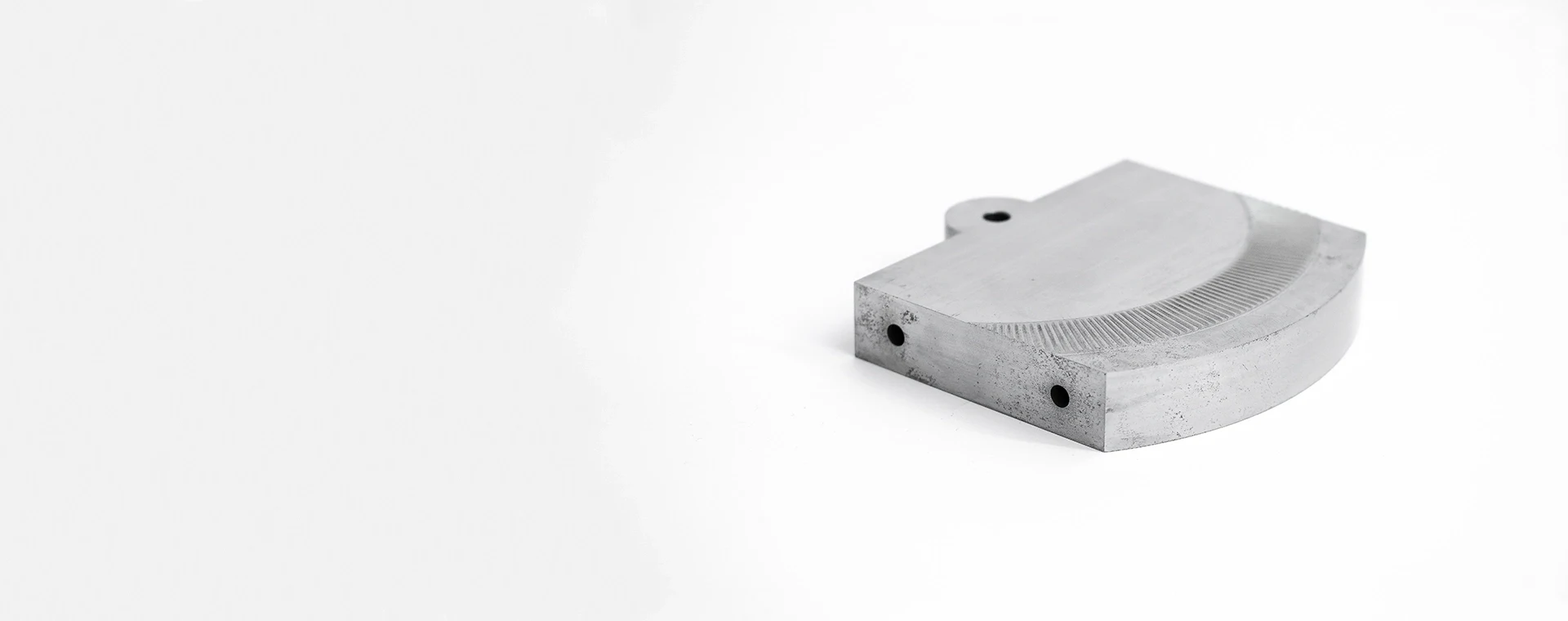
Tool steel plate stock is considered for mold, die, and wear-critical applications requiring hardness or heat-treatment planning. Machining allowance, EDM strategy, grinding stock, and distortion risk should be reviewed against the drawing.
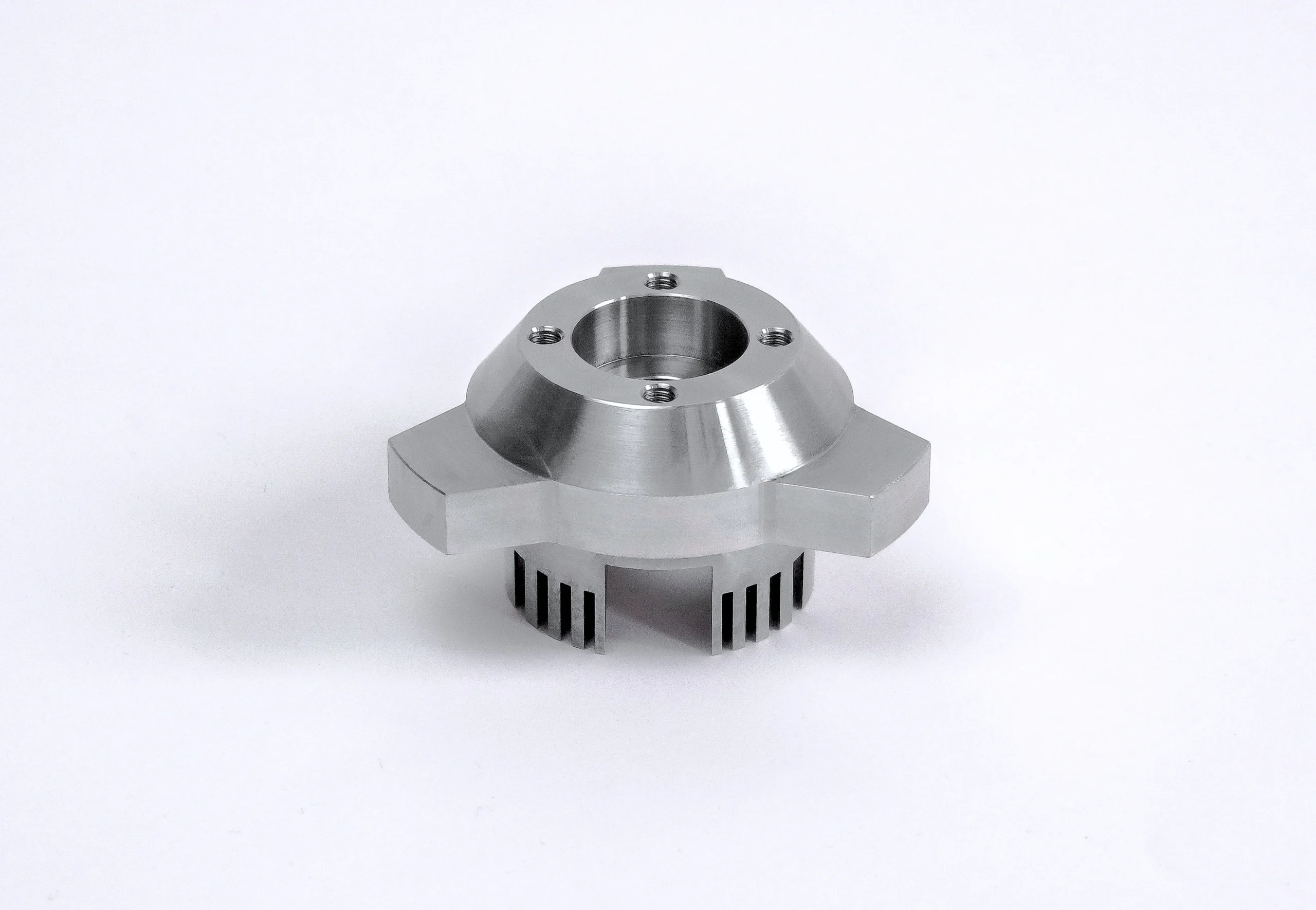
Stainless Steels
Stainless steel is considered where corrosion resistance, strength, or clean-service conditions influence plate performance. Grade selection should account for machinability, surface finish, thread requirements, mating materials, and the specified inspection method.
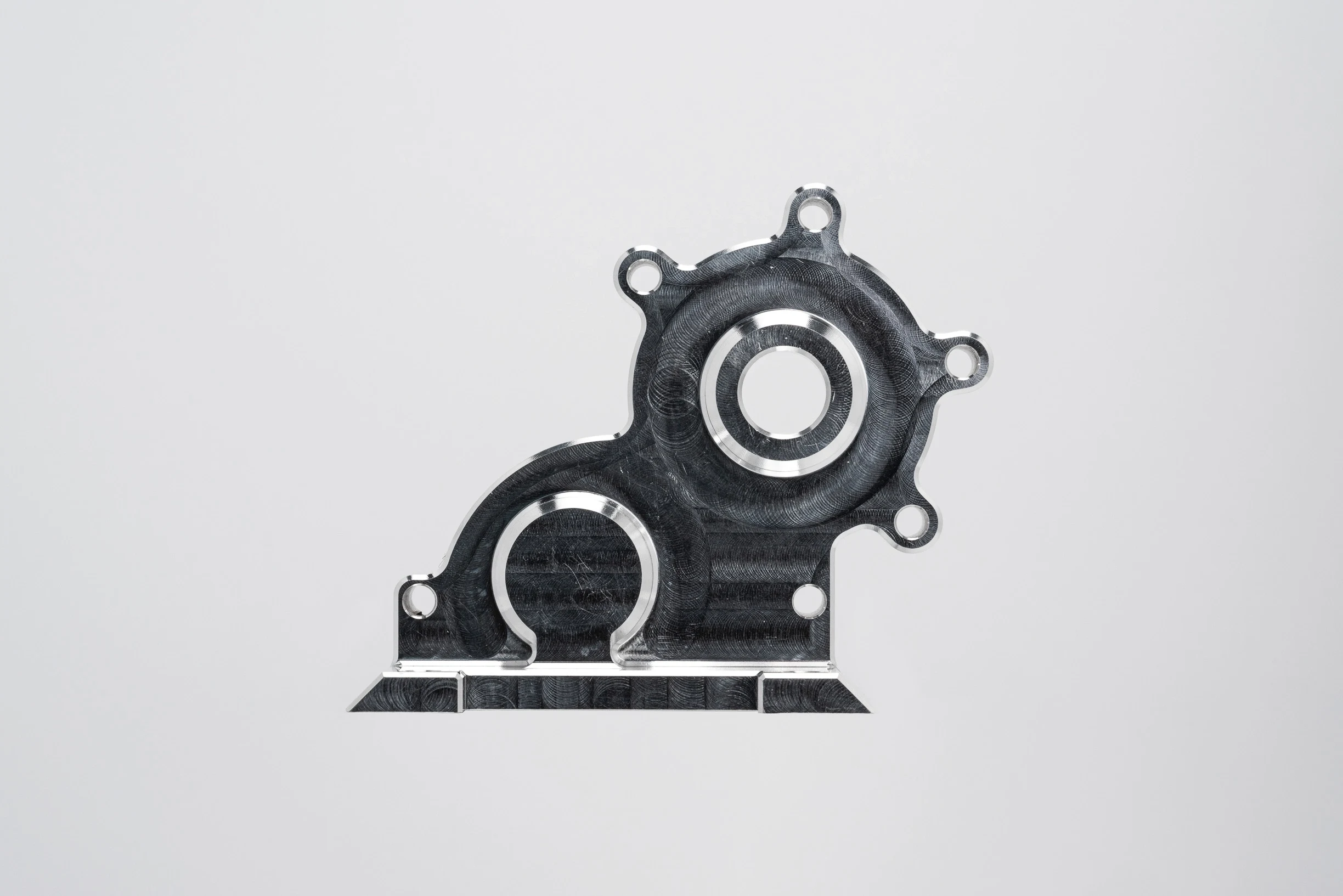
Aluminum Alloys
Aluminum alloys suit lightweight fixture plates, housings, and machining prototypes where efficient milling is beneficial. Alloy and temper selection should be matched to stiffness needs, corrosion exposure, flatness requirements, and finishing specifications.
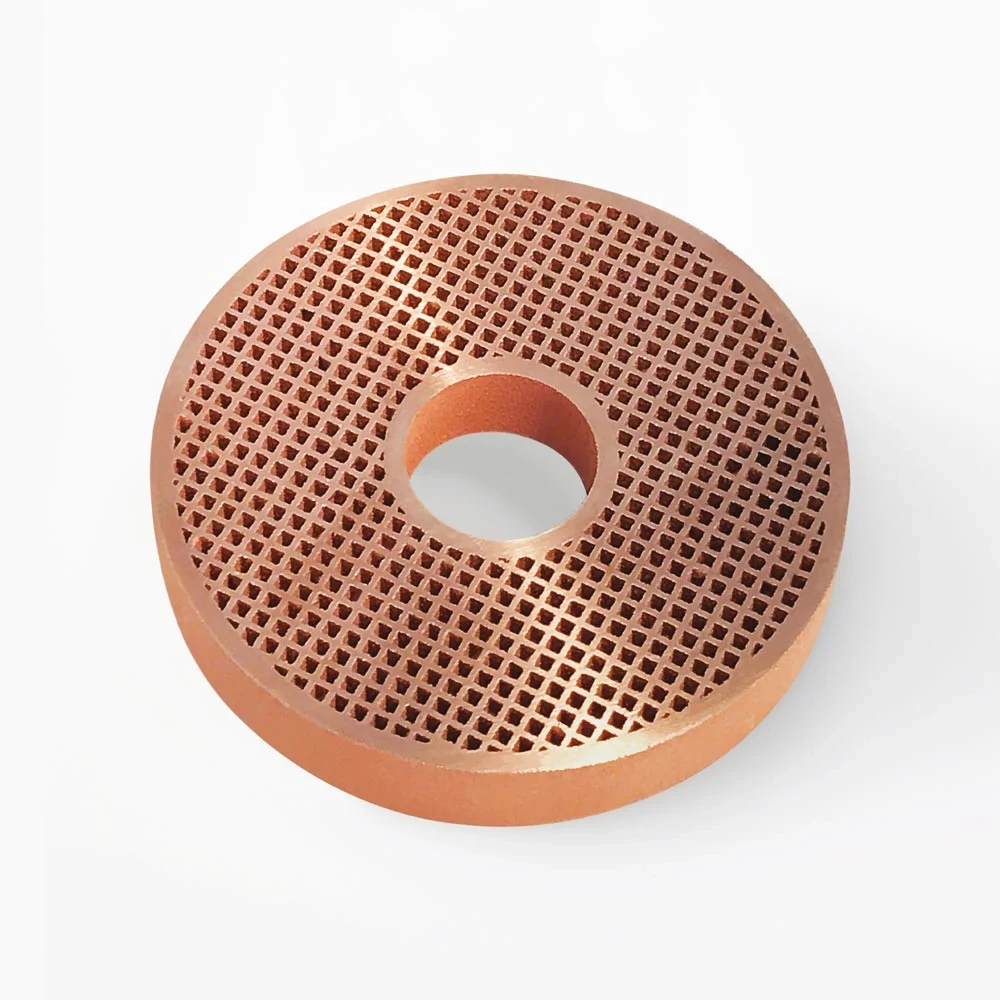
Copper Alloys
Copper alloys are considered for plates needing thermal or electrical conductivity, including specialized tooling contexts. The selected grade should reflect wear behavior, machinability, electrode needs, surface requirements, and interfaces with adjacent components.
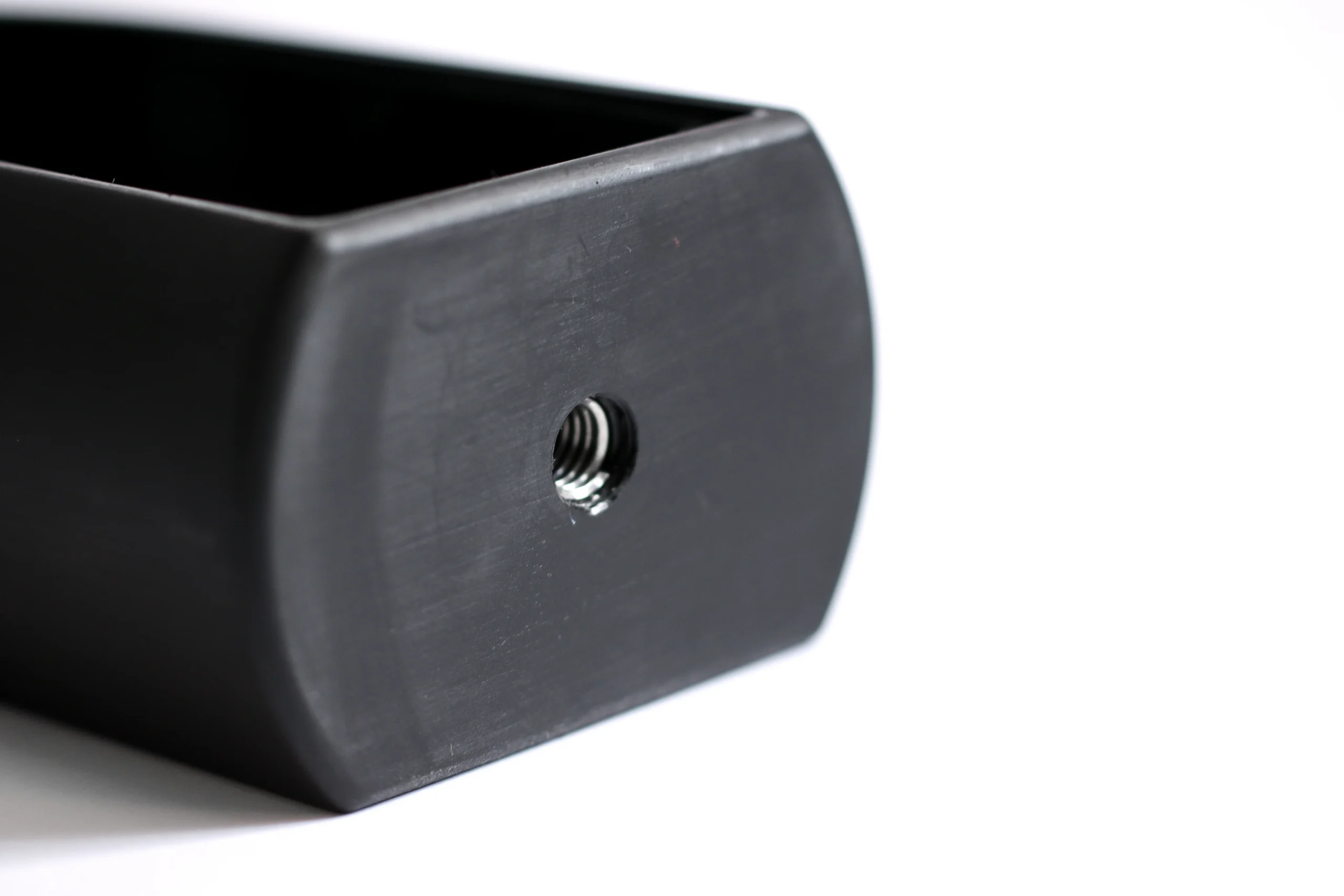
Engineering Plastics
Engineering plastics may be appropriate for insulation, low-friction interfaces, protective fixtures, or nonmetallic plate applications. Material choice depends on operating temperature, load, moisture exposure, dimensional stability, and tolerance priorities.
CNC Machined Precision Plates: Process Routes
CNC Milling
Milling produces plate faces, pockets, slots, hole patterns and accessible contours from the approved model and drawing. Tool access, datum strategy and machining allowance are reviewed before the route is committed.
CNC Turning
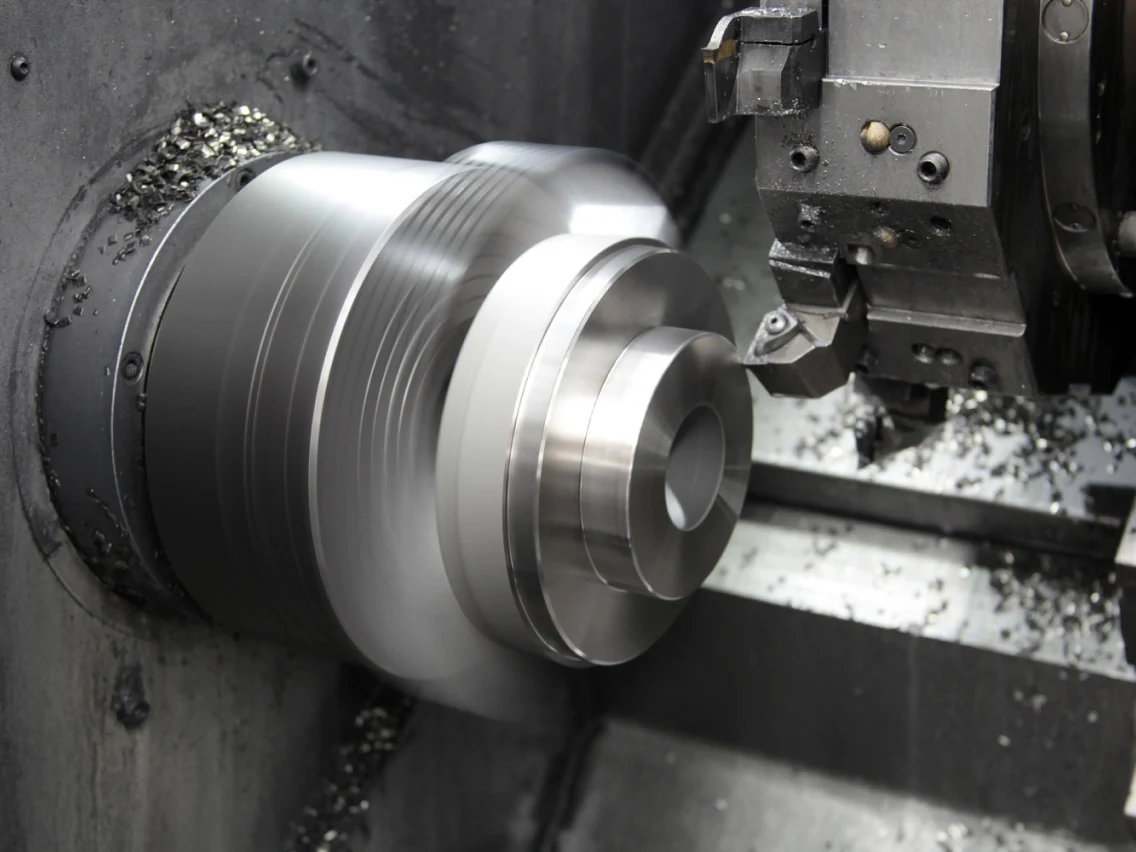
Turning supports cylindrical features such as precision bores, stepped diameters, threaded details and locating elements where the plate design includes rotational geometry. The process route is confirmed against drawing requirements and part setup.
Wire EDM
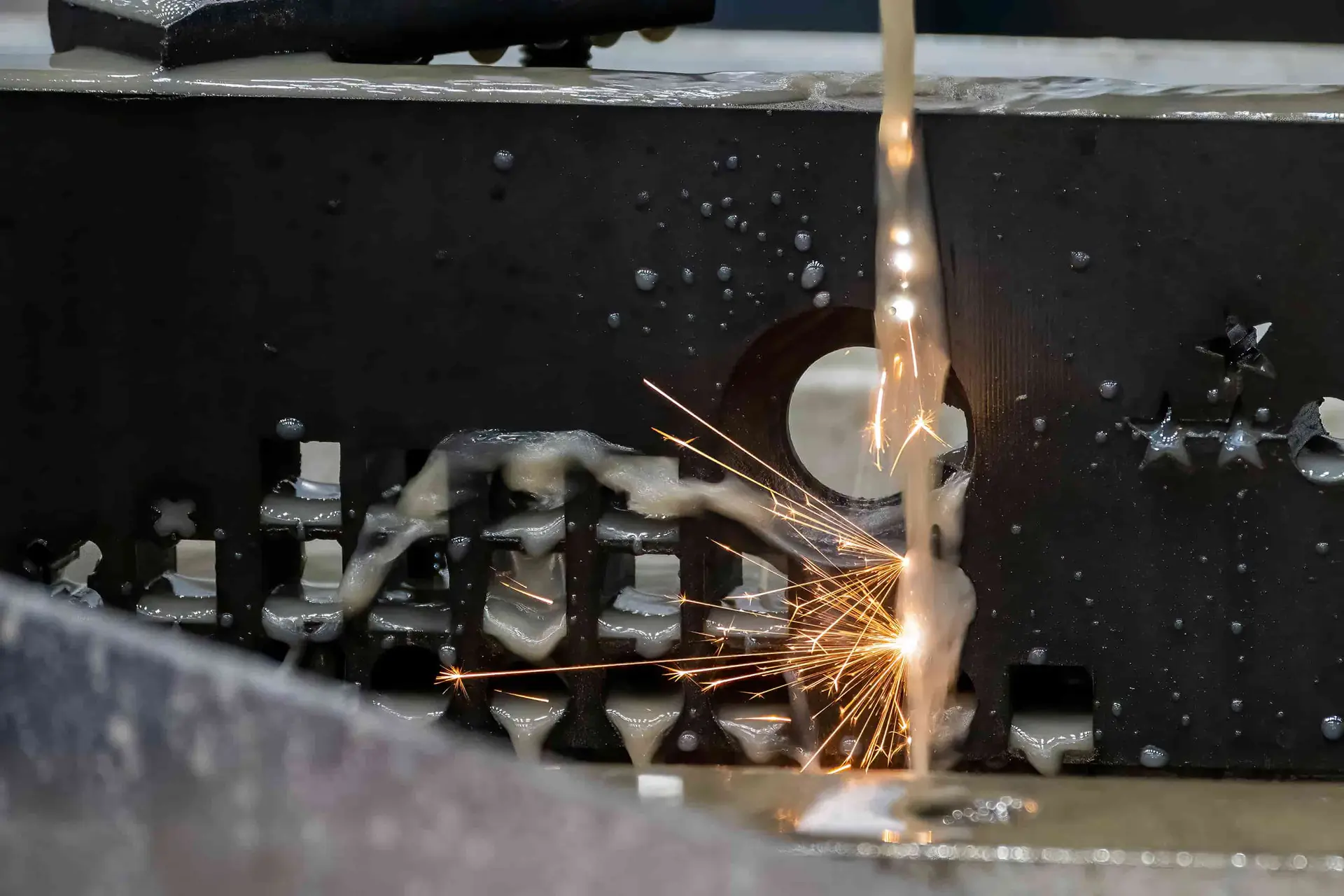
Wire EDM is considered for precise through profiles, narrow slots and hardened-material features that require a controlled wire path. The approach is planned around geometry, datum relationships, stock condition and inspection needs.
Sinker EDM
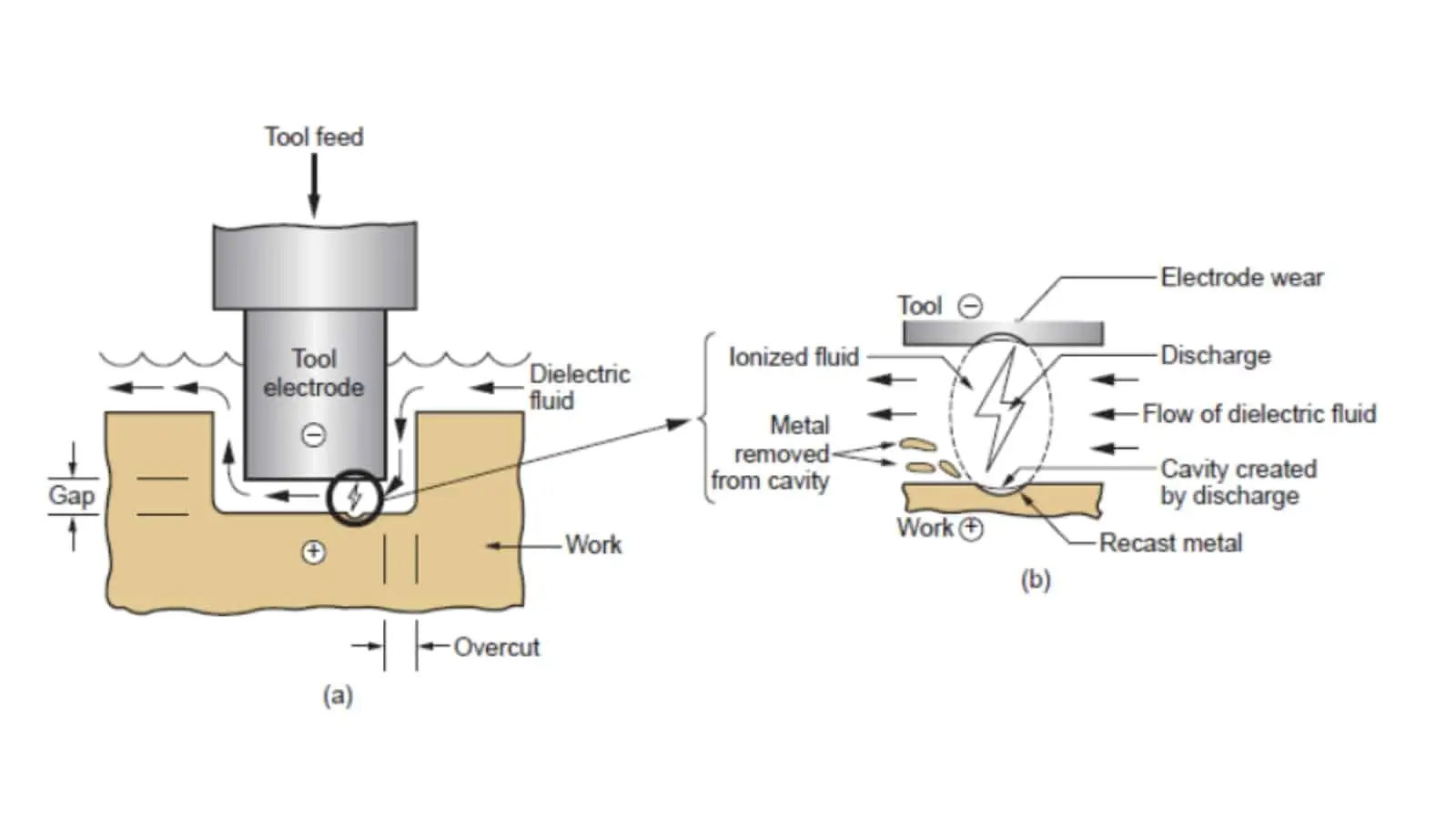
Sinker EDM can form deep cavities, internal details and difficult-to-access features using a planned electrode strategy. Electrode design, surface requirements and subsequent finishing needs are reviewed with the project drawing.
Precision Grinding
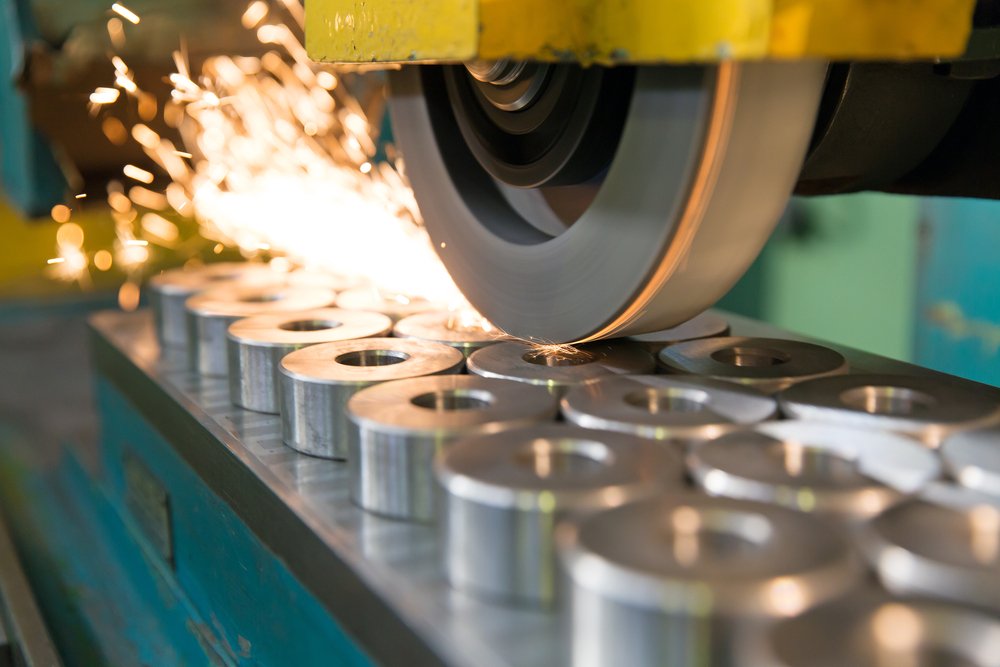
Precision grinding refines critical flatness, parallelism and dimensional relationships after machining or heat-treatment stages when applicable. Grinding stock, datum control and the inspection method should be defined before production.
Fitting and Inspection
Fitting and inspection verify functional interfaces, critical dimensions and documented requirements against the approved revision. Measurement planning is aligned with the order, including any requested report, mating context or traceability expectations.
Supporting Requirements for CNC Machined Precision Plates

Guide Elements
Guide pins, bushings, and locating components can be specified alongside plate work when assembly alignment depends on a defined datum relationship, fit requirement, material, and inspection method.

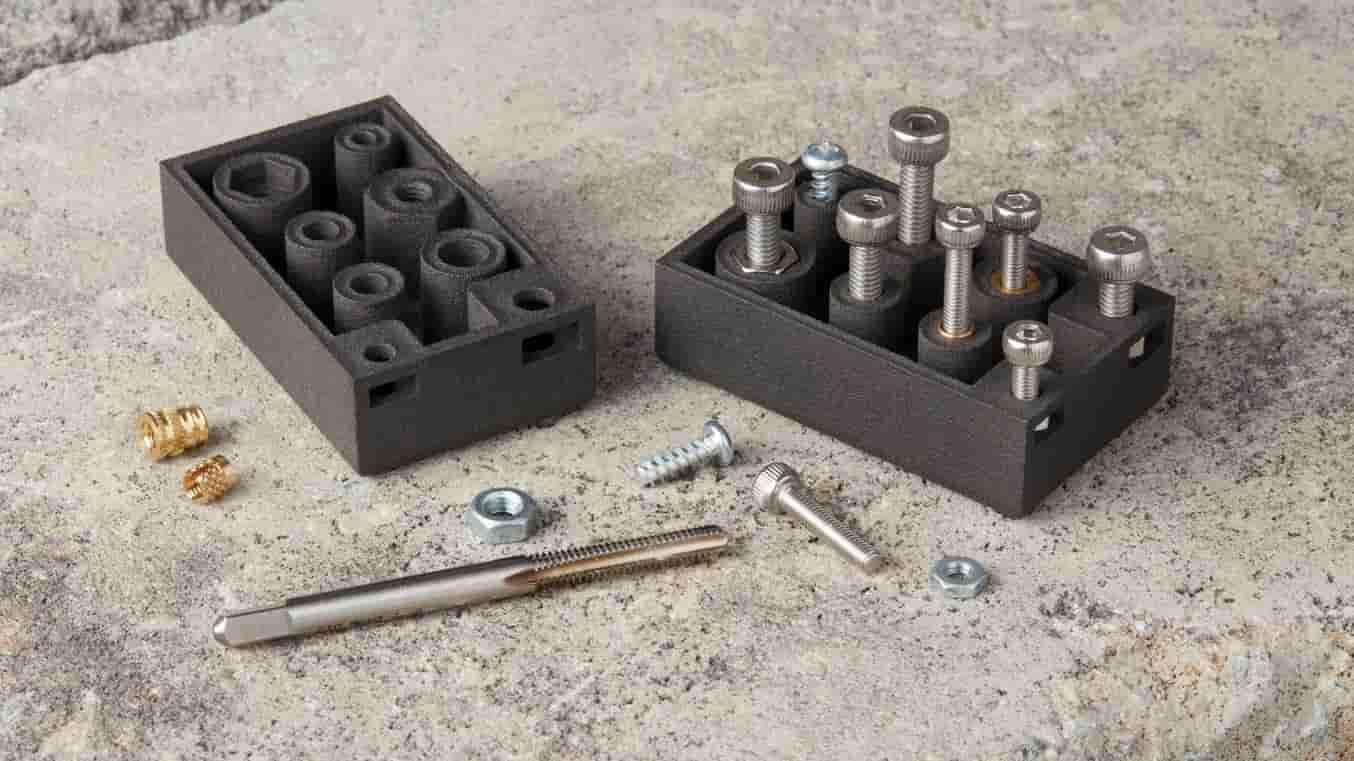
Threaded Features
Tapped holes, threaded inserts, helicoils, and related fastening details require clear thread callouts, engagement depth, access constraints, and any post-treatment sequence needed to protect assembly fit.
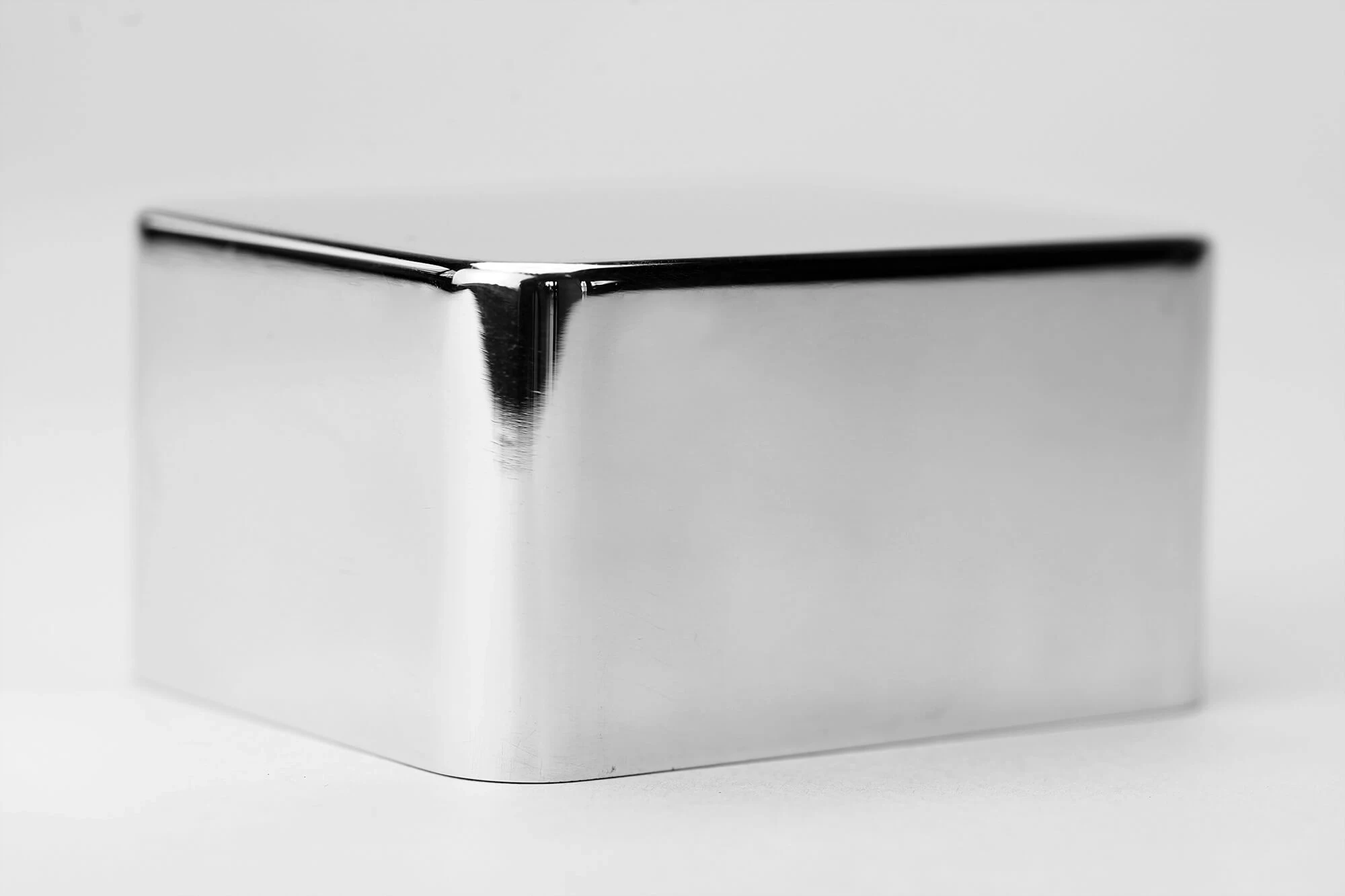
Surface Treatments
Coatings, plating, passivation, polishing, or surface-texture requirements should be reviewed against material, masking needs, dimensional priorities, and the sequence of machining, grinding, and inspection.
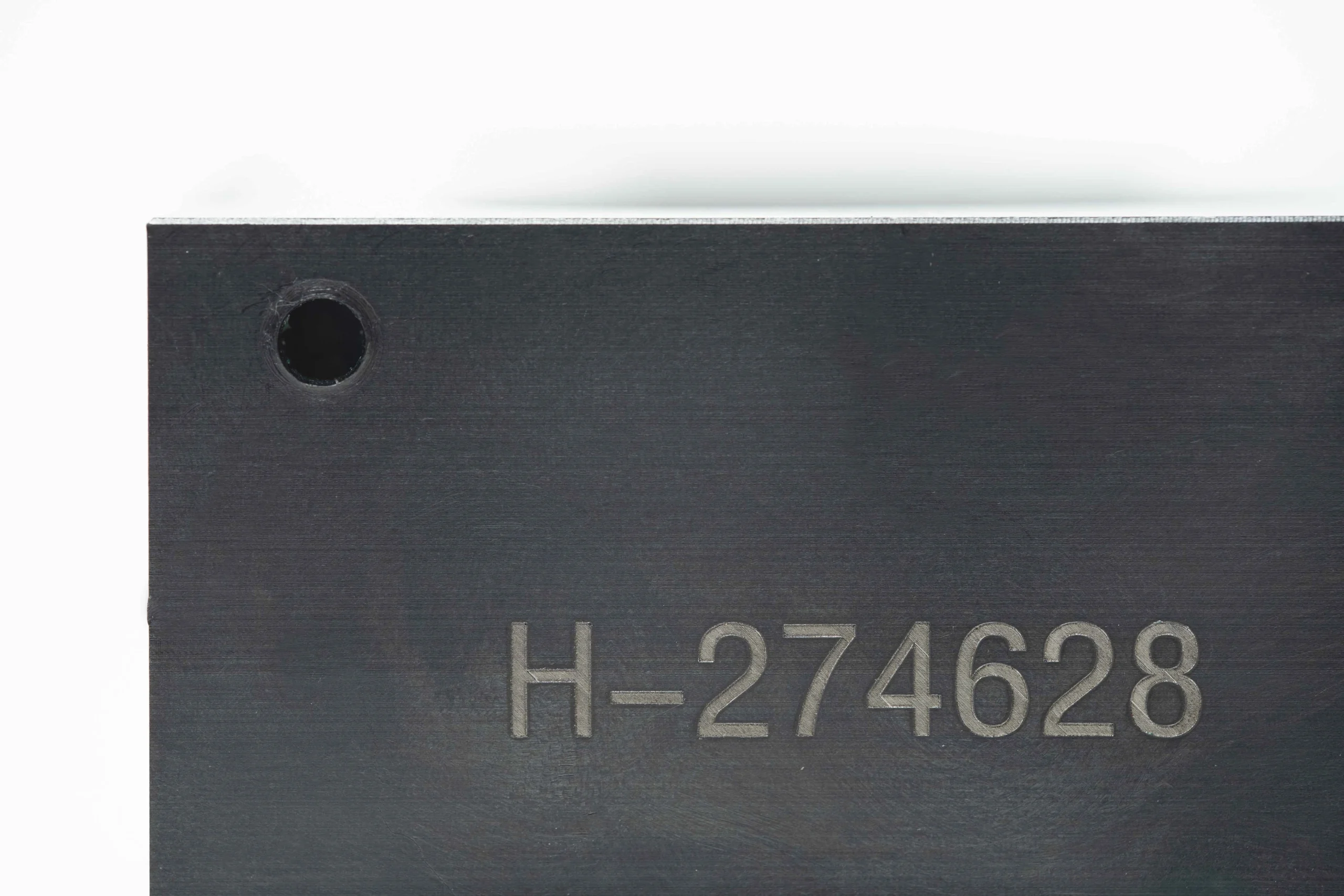
Part Marking
Laser marking, identification codes, revision labels, and orientation marks can support traceability when location, content, contrast, and cosmetic acceptance criteria are defined on the drawing or order.
CNC Machined Precision Plates, Drawing to Inspection
SUUXIANG is the sole public-facing brand of Dongguan SuuXiang Precision Mold Co., Ltd., established in 2010 in Chang’an Town, Dongguan, Guangdong, China. Founded by XiaoCheng Huang, the company helps international engineering and sourcing teams translate drawings, models, and specifications into inspected custom parts and precision manufacturing work.
For cnc machined precision plates, the work begins with drawing review: critical dimensions, datums, material, surface requirements, machining access, and inspection expectations. CNC milling, turning, EDM, grinding, fitting, and measurement are planned as a controlled route rather than treated as disconnected operations.
What distinguishes SUUXIANG is disciplined project communication before production commitments. We review manufacturability and revision requirements with the customer, align inspection documentation to the order, and keep delivery coordination visible. Submit an RFQ with your drawing, quantity, material, quality requirements, and target date for a project-specific discussion.
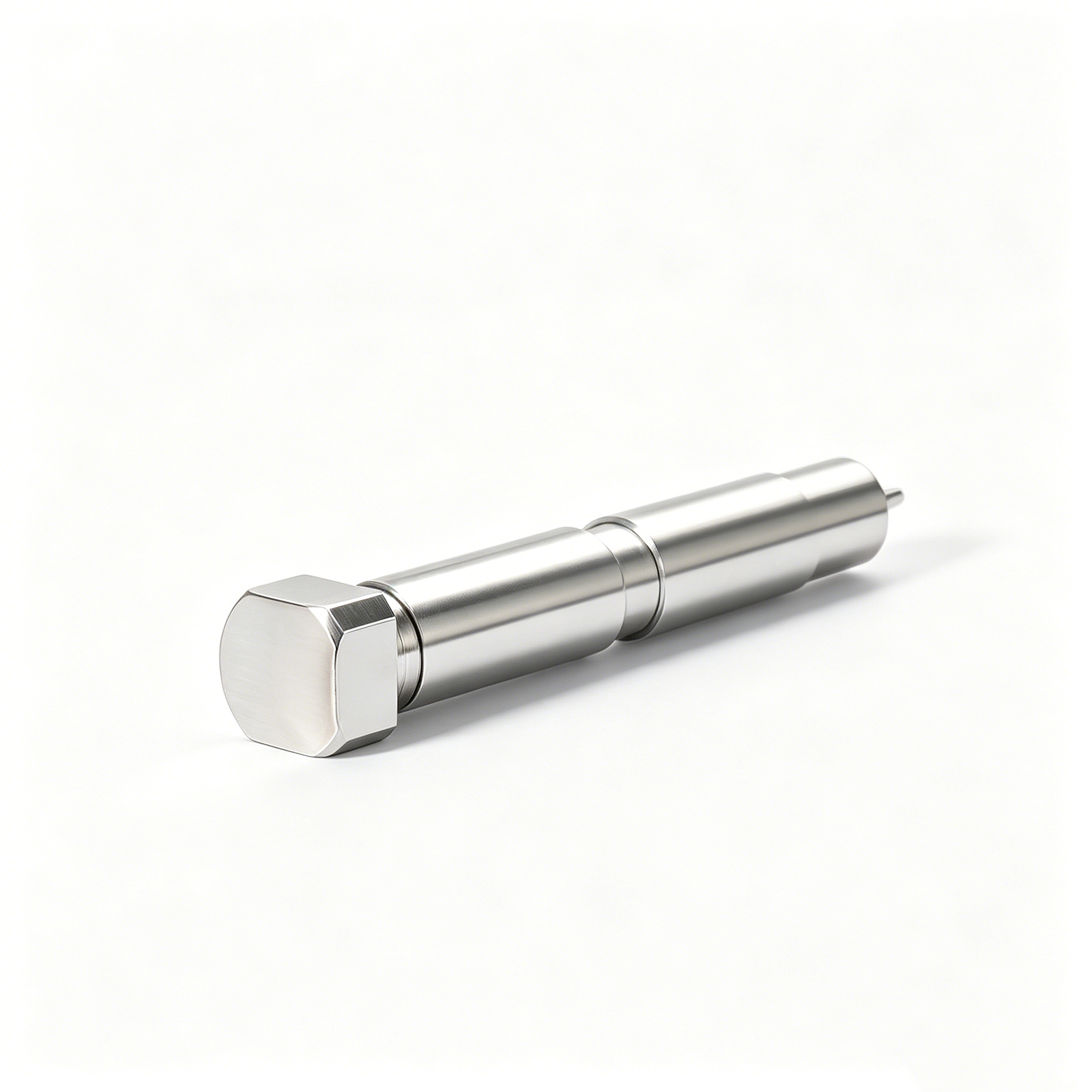
CNC Machined Precision Plates: From Drawing Review to Controlled Inspection
DFM and Datum Review
Before quoting cnc machined precision plates, SUUXIANG reviews the drawing, model, material, quantity, and application context. The discussion identifies critical dimensions, functional datums, tolerance-stack risks, tool access, and surface requirements so the production route reflects the part’s actual function.
- Confirm drawing revision and available 3D model
- Identify critical-to-quality dimensions and datum scheme
- Review pockets, holes, threads, and tool-clearance constraints
- Flag material, heat-treatment, and surface-finish dependencies

CNC and EDM Planning
Plate geometry may require more than a milling-only approach. SUUXIANG plans the appropriate sequence across CNC machining, wire EDM, sinker EDM, and secondary operations, considering internal corners, narrow features, electrode access, wire paths, and allowances needed before final finishing.
- Match process choice to feature geometry
- Assess EDM need for inaccessible or sharp internal features
- Define machining stock before downstream finishing
- Keep process decisions aligned with drawing requirements
Grinding and Fitting Strategy
Where flatness, parallelism, controlled thickness, or mating performance matter, grinding stock and fitting requirements should be planned early. SUUXIANG evaluates finishing sequence against heat treatment, datum preservation, contact surfaces, and the practical relationship between machined features and assembled components.
- Allocate stock for grinding where required
- Protect functional datums through finishing operations
- Review mating surfaces and assembly contact conditions
- Clarify heat-treatment sequence before final dimensions
Inspection and Revision Control
Inspection planning connects the order requirements to measurable evidence. SUUXIANG aligns measurement methods, reporting needs, and delivery information with the approved drawing revision, helping procurement and quality teams maintain visibility of critical features, changes, and documentation expectations before shipment.
- Confirm inspection priorities and report requirements
- Link measurements to approved drawing revisions
- Record critical-feature verification against the plan
- Maintain visible communication on revisions and delivery
CNC Machined Precision Plates: Drawing Review Before Quotation
Compare the engineering checkpoints that help align plate requirements before production begins.
← Swipe left or right to view →
CNC Machined Precision Plates: Production Flow
A controlled path from RFQ review through machining, inspection, and shipment coordination, with requirements and revision status kept visible throughout the project.
Review RFQ Package
SUUXIANG reviews the drawing, model, material, quantity, application, delivery target, and inspection requirements to identify missing information before quotation or production planning.
Define Process Route
Critical dimensions, datums, machining access, heat-treatment sequence, EDM requirements, grinding stock, and measurement methods are aligned into a practical manufacturing and inspection plan.
Machine Plate Features
CNC milling, turning, or multi-axis machining establishes plate profiles, pockets, holes, threads, and accessible functional features according to the approved drawing revision.
Apply EDM and Grinding
Where geometry or finish requires it, wire EDM, sinker EDM, precision grinding, and fitting are sequenced with allowances and electrode or wire-path considerations.
Inspect Critical Characteristics
Inspection follows the agreed plan, checking critical dimensions, datum-related relationships, surfaces, and specified reporting needs before final acceptance and documentation preparation.
Coordinate Packing and Shipment
Accepted CNC machined precision plates are packed according to project needs, while delivery coordination, order documentation, and revision traceability remain aligned with the approved requirements.
Start Your CNC Machined Precision Plates RFQ
Provide the technical inputs needed for a focused drawing review, process discussion, and inspection-aware quotation.
Send Drawings and Models
Provide a 2D drawing and, when available, a 3D model, including revision status, application context, mating interfaces, and any dimensions that govern assembly performance.
Define Material and Quantity
State material, heat-treatment, surface finish, quantity, and target delivery date so SUUXIANG can assess the appropriate machining sequence, grinding allowance, and production planning.
Identify Critical Requirements
Mark CTQ dimensions, datum references, tolerances, surface requirements, hole features, and inspection expectations, including report format, measurement methods, and traceability needs.
Review DFM Before Quotation
Review DFM feedback covering tool access, tolerance stack, EDM or wire paths, and inspection approach before confirming a quotation, sample plan, or production commitment.
CNC Machined Precision Plates: Certifications and Quality Documentation
CNC Machined Precision Plates: Customer Feedback
Customer-approved project feedback will be published here only after SUUXIANG has written permission to share the outcome and supporting project context.
SUUXIANG does not publish unverified claims about DFM decisions, inspection results, or delivery coordination. Request a drawing review to discuss evidence relevant to your project.
Project-specific results depend on the drawing, material, critical dimensions, inspection requirements, quantity, and delivery schedule. Submit these details for a technically grounded review.
Project Evidence Shared With Permission
Practical RFQ, manufacturing, quality, and delivery questions for drawing-based plate projects.
What is the minimum order quantity for cnc machined precision plates?
What files should I send for a CNC machined precision plates quotation?
Can SUUXIANG make samples before production of cnc machined precision plates?
How should I plan lead time for a custom precision plate project?
Which materials can be considered for custom machined plates?
What tolerances can you hold on CNC machined precision plates?
What inspection documentation can be requested with a plate order?
How are IP, drawing revisions, payment, and shipping handled?
Complete Buyer’s Guide to cnc machined precision plates
Use this decision framework to define functional requirements, compare materials and processes, evaluate supplier controls, understand cost drivers, and avoid drawing, tolerance, inspection, and sourcing mistakes before ordering precision plates.
1. What Are cnc machined precision plates?
2D drawings and, where available, 3D models define cnc machined precision plates: flat, drawing-based components made from solid plate stock by CNC milling, drilling, tapping, boring, and related finishing operations. Their value is controlled geometry—faces, hole locations, pockets, datums, and mating features—not simply a rectangular outline.
6 common roles include fixture bases, mold backing or insert-support plates, connector-tooling plates, stamping-die members, automation interfaces, and prototype assemblies. The drawing should identify the features that govern fit, repeatability, load transfer, or alignment so the process route and inspection plan follow the functional requirement.
1 laser-cut blank or generic sheet is appropriate when profile and basic holes are the only requirements; a fabricated plate suits welded or formed structures with noncritical interfaces. CNC machining is justified when positional relationships, perpendicularity, flatness, threaded or bored features, finished pockets, controlled datums, or repeatable assembly location matter; a drawing review should confirm machining access, stock allowance, and measurement method before release.
2. How Precision Plate Machining Evolved
1950s machine shops often relied on manual milling, layout work, and drill jigs; results depended heavily on operator setup and local records. Repeating a plate with several related holes could require fresh coordinate transfer, increasing the chance that a later revision drifted from the original intent.
Three-axis CNC milling moved programmed coordinates into a reusable control system, while multi-axis positioning reduced refixturing for angled or compound features. For cnc machined precision plates, repeatability now depends on controlled datums, tool paths, workholding, and inspection—not merely on a skilled operator reproducing a setup.
2D drawings and 3D models let global buyers discuss hole patterns, GD&T, revision identifiers, and critical dimensions before material is cut. A practical prototype-to-production workflow preserves approved programs and inspection methods, then confirms any drawing change through revision control before release.
3. Types of cnc machined precision plates
Four common cnc machined precision plates are defined by the assembly interface they control. Classifying the plate first sets the datum scheme, feature sequence, and inspection focus.
Base And Mounting Plates
Base plates carry machine, mold, or fixture loads through mounting faces, bores, and fastener patterns. Drawings should identify the primary mounting datum, flatness requirement, thread specification, and mating-component envelope.
Fixture Plates
Fixture plates locate workpieces with dowel holes, clamping threads, pockets, and repeatable reference edges. Specify dowel-fit class, hole position relative to functional datums, clamp access, and whether replaceable wear elements are required.
Mold Plates
Mold plates integrate guide bores, ejector clearances, cooling passages, insert pockets, and parting-line relationships. Define cavity or core datums, heat-treatment sequence, grinding stock, and the interfaces shared with inserts, slides, and guide components.
Connector Tooling Plates

Connector-tooling plates often control dense pin, cavity, and locating-feature arrays where positional error affects mating. Provide the pin map, datum origin, pitch-critical dimensions, electrode or wire-path access, and inspection method for the pattern.
Die And Interface Plates
Die and interface plates combine punch openings, relief pockets, stripper interfaces, ports, or protective cover geometry. Identify load direction, burr-sensitive edges, sealing or clearance requirements, and any surface-finish zones that contact another component.
4. Materials for cnc machined precision plates
Two material questions govern plate selection: what loads and environment the plate sees, and which features establish function. For cnc machined precision plates, select material before fixing tolerances, finish, and heat-treatment sequence.
| Material | Best-Fit Applications | Key Tradeoff |
|---|---|---|
| Aluminum alloy | Lightweight fixtures, covers | Lower wear resistance |
| Stainless steel | Corrosive environments | Harder machining |
| Carbon or tool steel | Wear-critical plates | Heat-treatment distortion |
| Brass | Conductive details | Lower structural stiffness |
| Engineering plastics | Insulating or chemical-duty plates | Limited heat and load resistance |
Match Material To Function
Aluminum reduces mass and machines efficiently, making it practical for fixtures, covers, and non-wearing structural plates. Confirm alloy, temper, thread-loading needs, and corrosion exposure on the drawing.
Tool steel supports wear-critical locating or forming interfaces, but heat treatment can change distortion risk and grinding allowance. Stainless steel suits corrosive or washdown environments when its grade and finish match the exposure.
Review Process Tradeoffs
Brass provides useful electrical conductivity and machinability for contact-adjacent or low-friction details, while engineering plastics can provide electrical isolation or chemical resistance. Neither should replace a metal plate where stiffness, temperature, or wear demand is higher.
One RFQ should state material standard, starting condition, required heat treatment, coating, and mating environment. SUUXIANG can review the specified route against tool access, EDM needs, grinding stock, and inspection requirements.
5. Specify Features and Surface Finishes
A controlled drawing defines plate size, thickness, functional faces, and measurable finish requirements. For cnc machined precision plates, feature order and finishing sequence must preserve datums and mating fits.
| Finish | Primary Effect | Drawing Note |
|---|---|---|
| Grinding | Fit and flatness | Identify finished faces |
| Anodizing | Corrosion and appearance | State type, color, masking |
| Plating | Wear or corrosion | State process and thickness |
| Passivation | Stainless corrosion resistance | Specify applicable standard |
| Bead Blasting | Uniform appearance | Exclude critical mating faces |
Define Functional Geometry
2D drawings should identify overall dimensions, thickness, pockets, slots, and their controlling datums.
3D models help clarify geometry, but the released drawing must define tolerances, depths, corner radii, and permissible edge breaks.
- Dimension hole patterns from named datums
- State pocket depth and floor requirement
- Mark functional faces separately
Call Out Assembly Features
Thread callouts should state size, pitch, class where applicable, depth, and through or blind condition.
Dowel holes, counterbores, countersinks, and engravings need diameter, depth, positional tolerance, and face-side identification.
- Specify dowel-hole reaming requirement
- Show counterbore and countersink angles
- Locate engraving from a datum
Choose Finish By Function
Grinding can establish flatness or a controlled mating surface; reserve it for faces where the requirement justifies added handling.
Heat treatment, anodizing, plating, passivation, and bead blasting must be sequenced against critical dimensions, masking needs, corrosion exposure, wear, and appearance.
6. Quality Elements in Precision Plates
Two primary datums should locate a plate before secondary features are toleranced. Functional requirements—not a blanket tight tolerance—should define which relationships control assembly.
Datums And Geometric Control
Three datum references can establish a repeatable inspection frame: a primary face, a secondary edge, and a tertiary edge. Specify flatness on the seating face, parallelism between mating faces, and perpendicularity only where the assembly depends on them.
Holes Threads And Edges
Hole position should be controlled from functional datums, especially for dowels, fasteners, and mating patterns. Thread acceptance needs the specified size, class, depth, and a suitable gauge or verification method.
One defined edge break prevents handling cuts and loose burrs from affecting seating or assembly. Burr limits and finish callouts should identify protected faces, not apply indiscriminately to every edge.
Distortion And Inspection Planning
Two-sided machining, heat treatment, or material stress can change flatness after an intermediate operation. The drawing review should set machining allowance, sequence, and any post-process inspection point before production release.
100% inspection is most useful for CTQ dimensions that govern fit, location, sealing, or motion. Other dimensions can use an agreed sampling plan, provided the report identifies revision, datums, instruments, and actual results.
- Identify CTQs with function and mating context
- Link every reported result to drawing revision
- Define inspection method before machining begins
7. Choosing a cnc machined precision plates Supplier
A purchase order for cnc machined precision plates should follow a documented drawing review, not only a price comparison. Ask each supplier to identify critical dimensions, datums, tool access, process risks, and open assumptions before release.
Verify Process Fit
The drawing should be matched to actual milling, EDM, grinding, and inspection routes rather than a generic equipment list. Ask which operations establish each critical datum and where material or heat-treatment traceability is required.
- Which features require EDM or grinding?
- What machine travel and workholding apply?
- Who approves the process plan?
Review Inspection Evidence
A first-article plan should define measured features, instruments, sampling, and report format before cutting begins. Ask for the inspection record, calibration status where relevant, and the method for handling nonconforming results.
- Which dimensions appear on the report?
- What gauge measures each critical feature?
- How are deviations communicated?
Control Delivery Changes
Revision-controlled drawings, models, and inspection requirements must carry the same revision identifier through production. Ask how packaging protects edges and faces, how lead time is built from actual process steps, and how repeat orders retain approved records.
- What revision is released to the shop?
- What packaging prevents transit damage?
- What changes trigger re-approval?
8. Common Precision Plate Sourcing Mistakes
One missing datum can turn a conforming plate into an assembly mismatch. Before release, convert every commercial assumption into a drawing note, inspection requirement, or agreed manufacturing record.
Drawing And Datum Gaps
Two common omissions are incomplete hole-callouts and ambiguous primary, secondary, and tertiary datums. They force supplier interpretation; issue a revision-controlled 2D drawing, 3D model, and datum scheme before machining.
Specifications That Mislead
Three avoidable errors are blanket tight tolerances, unspecified material or finish, and no burr-direction note. They raise cost or create unsafe assembly edges; identify CTQ features, material grade, heat treatment, finish, and allowable edge break.
Scope And Release Controls
Four release failures are omitted inspection expectations, unrealistic delivery requests, untested samples, and quote comparisons with unequal scope. Define report format, functional checks, quantity, process assumptions, packaging, and delivery target before purchase approval.
9. From Drawing Review to Production Release
A controlled release begins with one agreed drawing revision and its matching 3D model. For cnc machined precision plates, engineering, procurement, and quality should approve the same requirement record before machining starts.
Prepare The Release Package
Two files are the minimum baseline: a dimensioned 2D drawing and native or neutral 3D CAD. Include part quantity, application context, mating interfaces, and the revision identifier.
One controlled file set prevents a shop from quoting one revision and producing another.
Flag Critical Requirements
Critical dimensions need datums, tolerances, and a stated inspection method, not only a highlighted callout. Identify hole position, flatness, surface condition, threads, and features affected by heat treatment.
A short DFM review should confirm tool access, workholding, machining allowance, EDM needs, and grinding sequence.
Align Scope Before Release
One quotation should state material grade, condition, finish, quantity, exclusions, inspection deliverables, and packaging expectations. Resolve substitutions and acceptance criteria in writing before purchase-order release.
First-article review should compare measured results with the approved drawing and inspection plan.
Control Repeat Orders
Each repeat order should reference the approved revision, first-article disposition, and any deviation record. Change requests require impact review for material, process route, dimensions, documentation, and delivery.
SUUXIANG can use this package to coordinate machining, EDM, grinding, inspection, and traceable delivery communication within verified scope.
10. cnc machined precision plates Pricing
1-piece prototype orders usually carry the highest unit cost because programming, workholding, first-piece verification, and material preparation are spread over few parts. The table is illustrative—not a SUUXIANG price list—and actual lead time depends on the released drawing and production route.
10–50-piece orders can dilute setup cost, while 100+ pieces may justify more efficient fixturing or nesting when geometry is stable. Material grade, stock size, machining time, tolerance, feature count, finishing, inspection scope, expected yield, quantity, and shipping method all change a quotation.
2 files—a controlled 2D drawing and, when available, a 3D model—make comparisons more reliable. State revision, material and heat treatment, critical datums, surface requirements, quantity, target date, destination, and required inspection report before requesting cnc machined precision plates pricing.
| Illustrative tier | Unit-cost direction | Setup-cost impact | Typical lead-time driver |
|---|---|---|---|
| 1–5 pieces | Highest | Dominant | Programming and first-piece approval |
| 10–50 pieces | Lower | Shared across batch | Fixturing and inspection sampling |
| 100+ pieces | Potentially lower | More fully absorbed | Material availability and capacity |
Complete Buyer’s Guide to CNC Machined Precision Plates
Upload your 2D drawing and 3D model with material, quantity, quality requirements, and target delivery date for an informed RFQ.