
Precision Parts Quality Assurance Starts With Your Drawing
SUUXIANG aligns CTQs, revision status, datums, and practical measurement methods before production for traceable precision parts quality assurance.
Representative Parts for Quality Assurance for Precision Parts
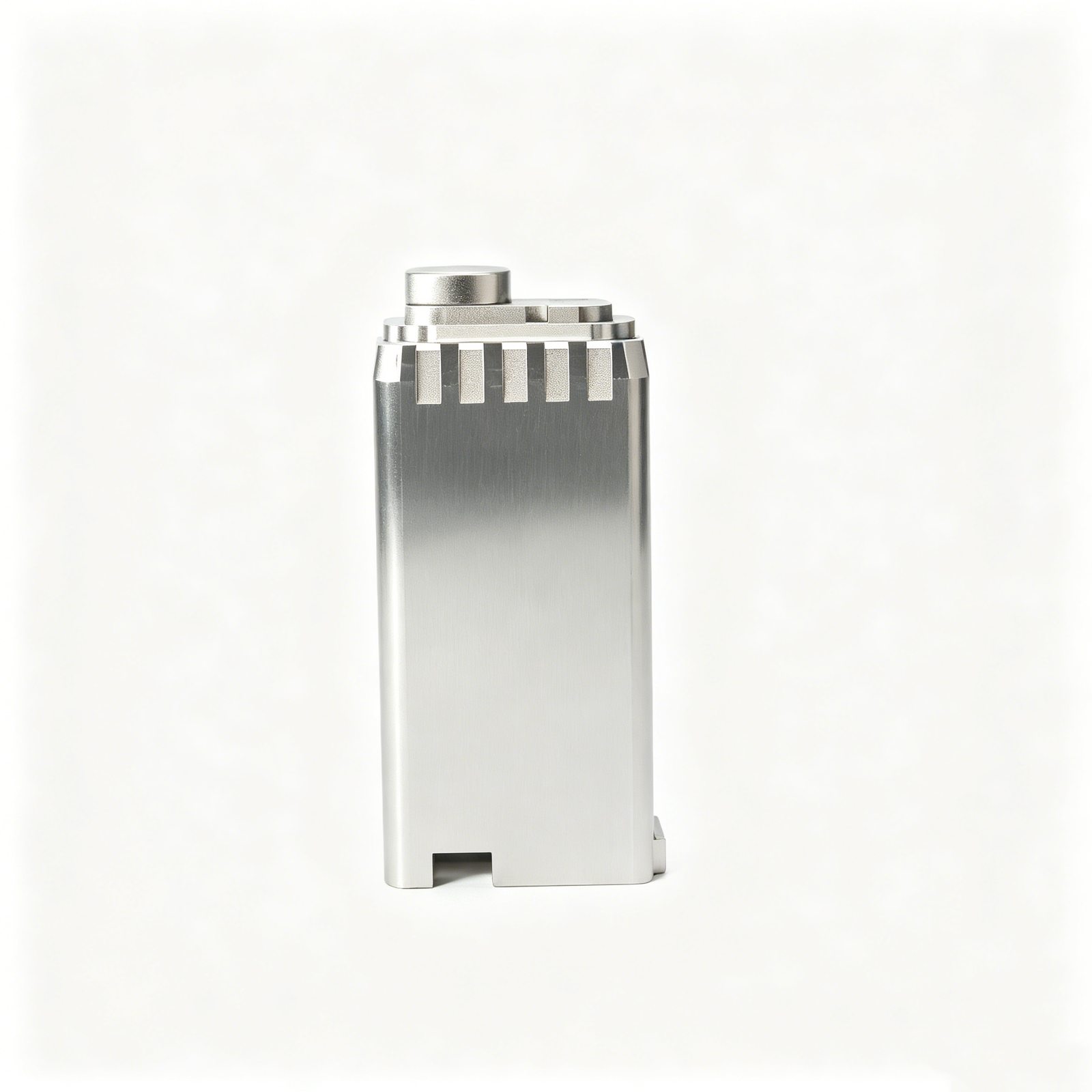
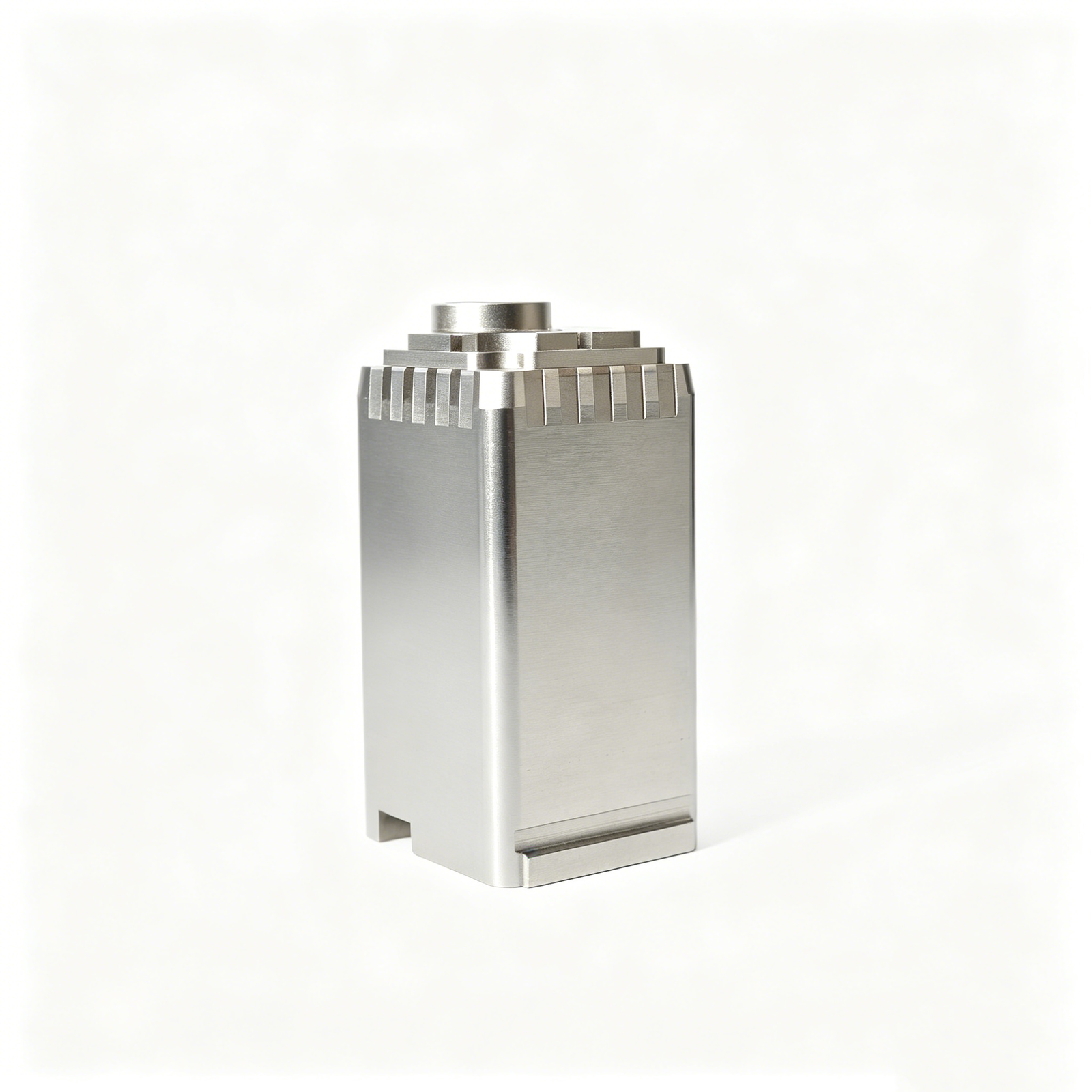
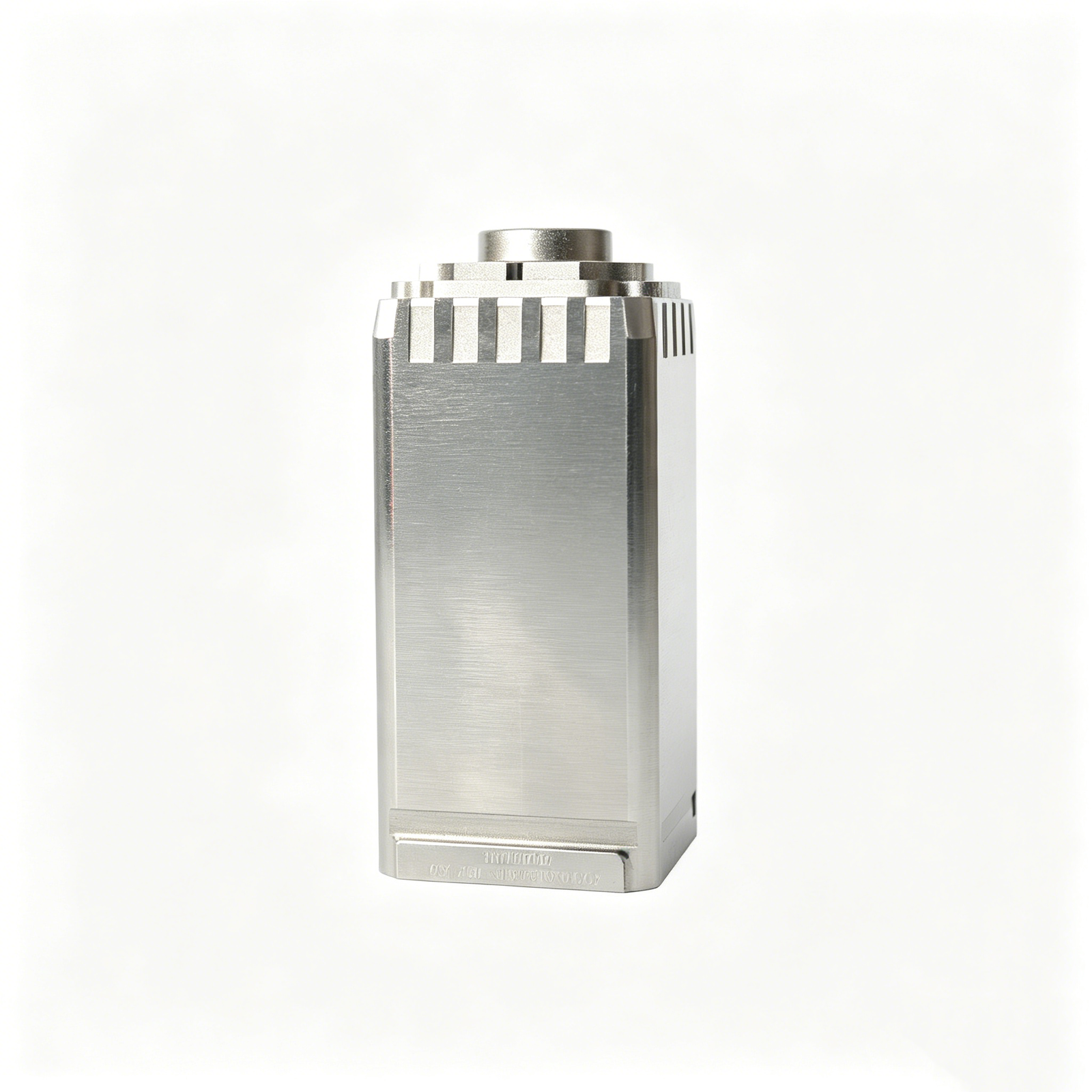
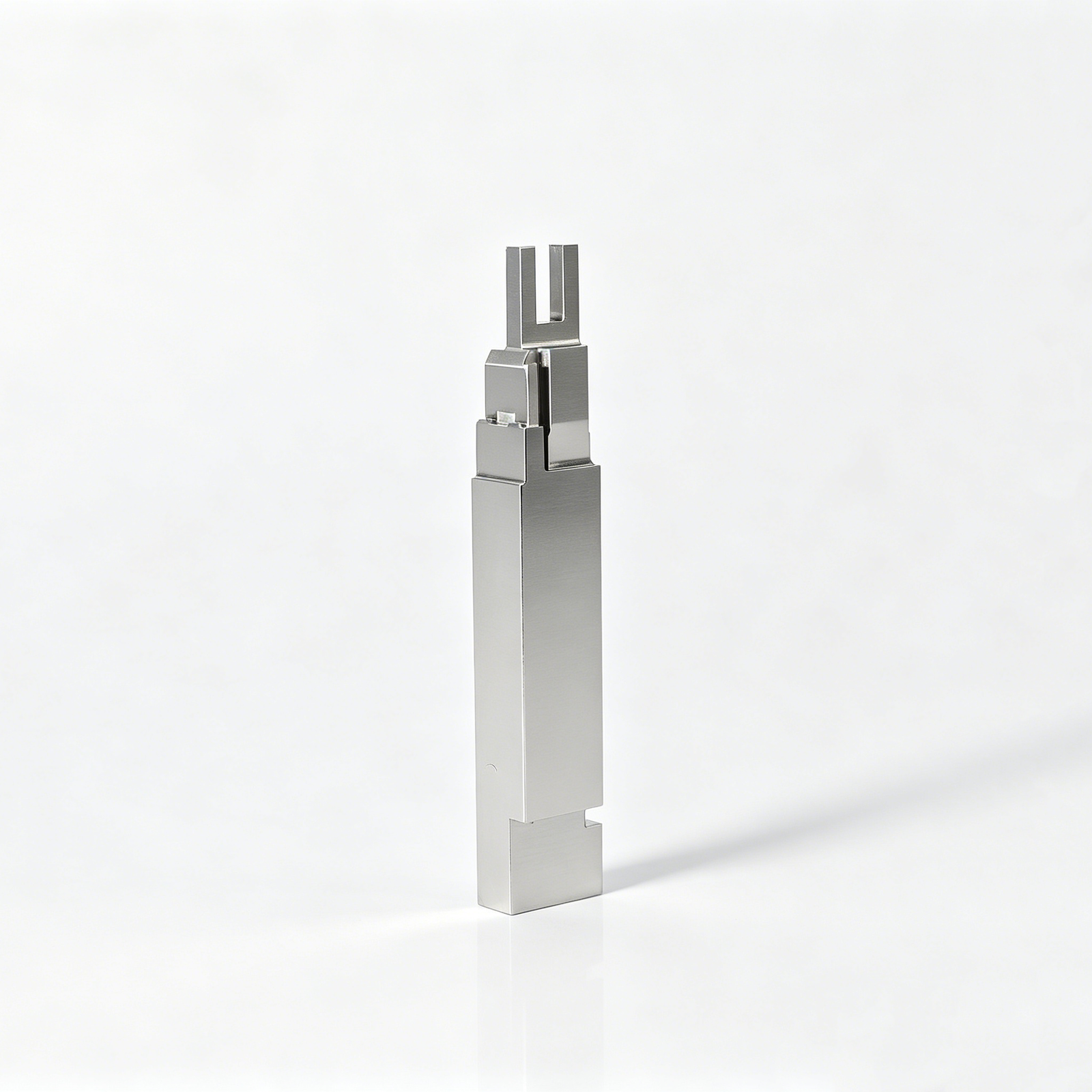
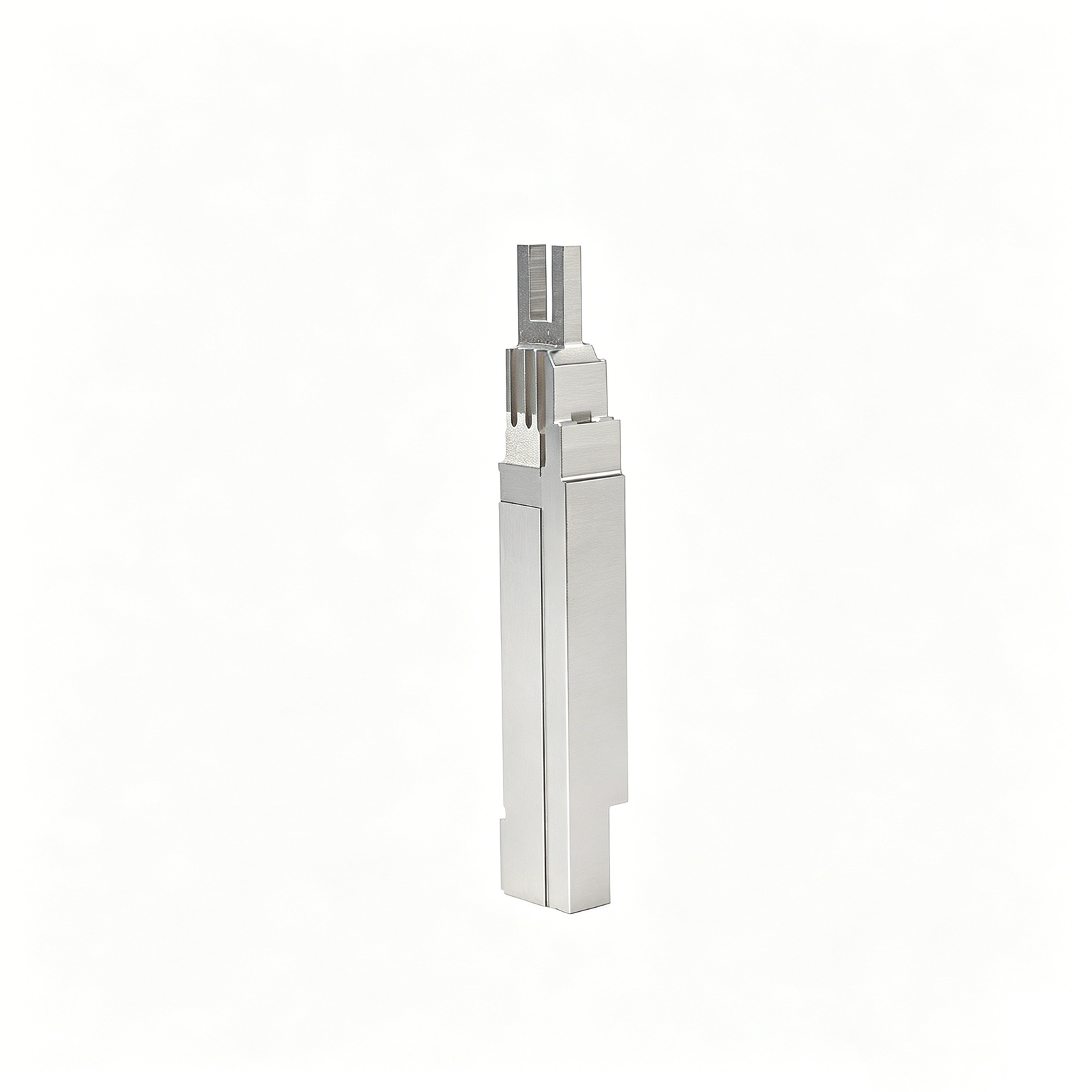
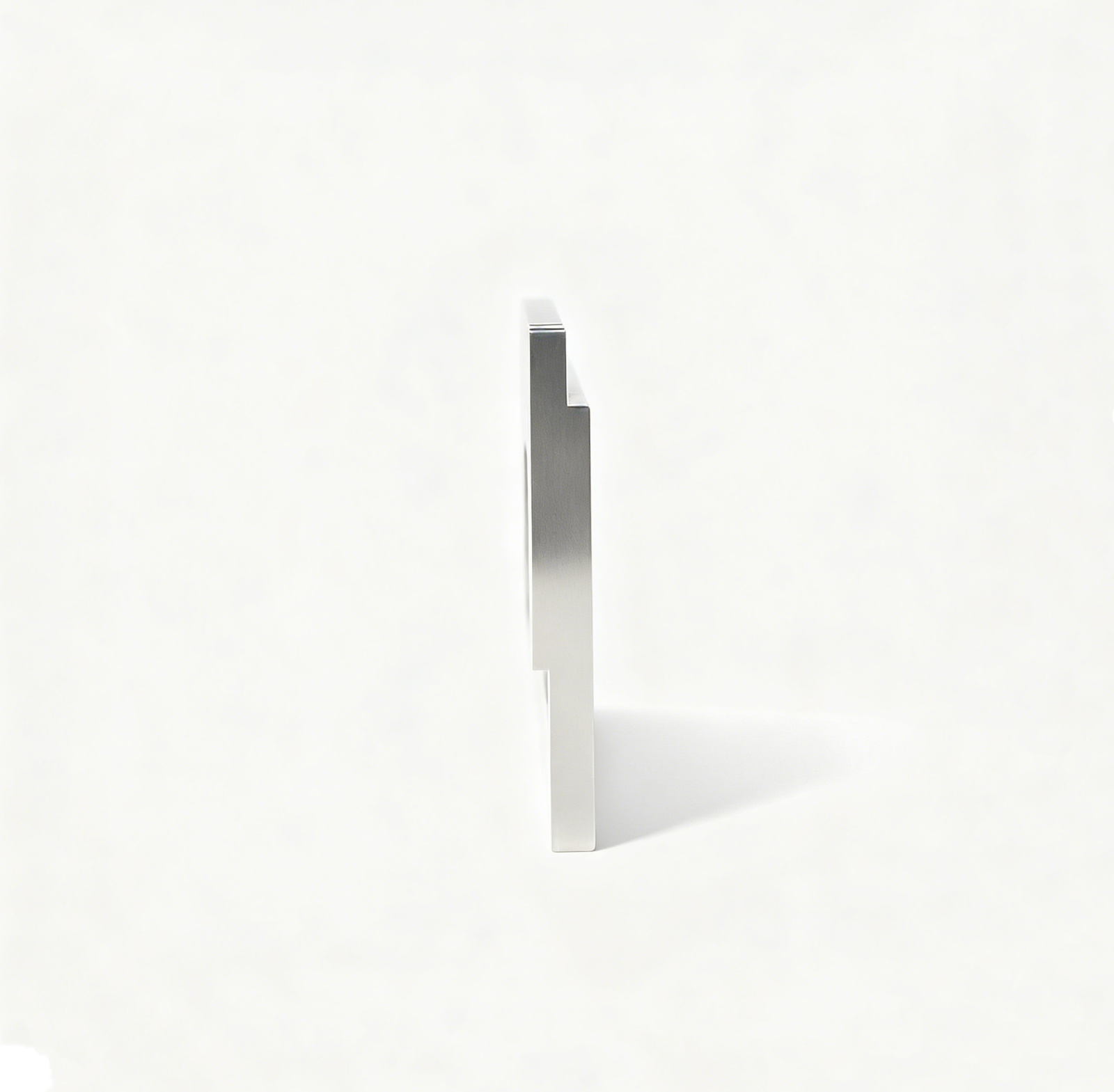
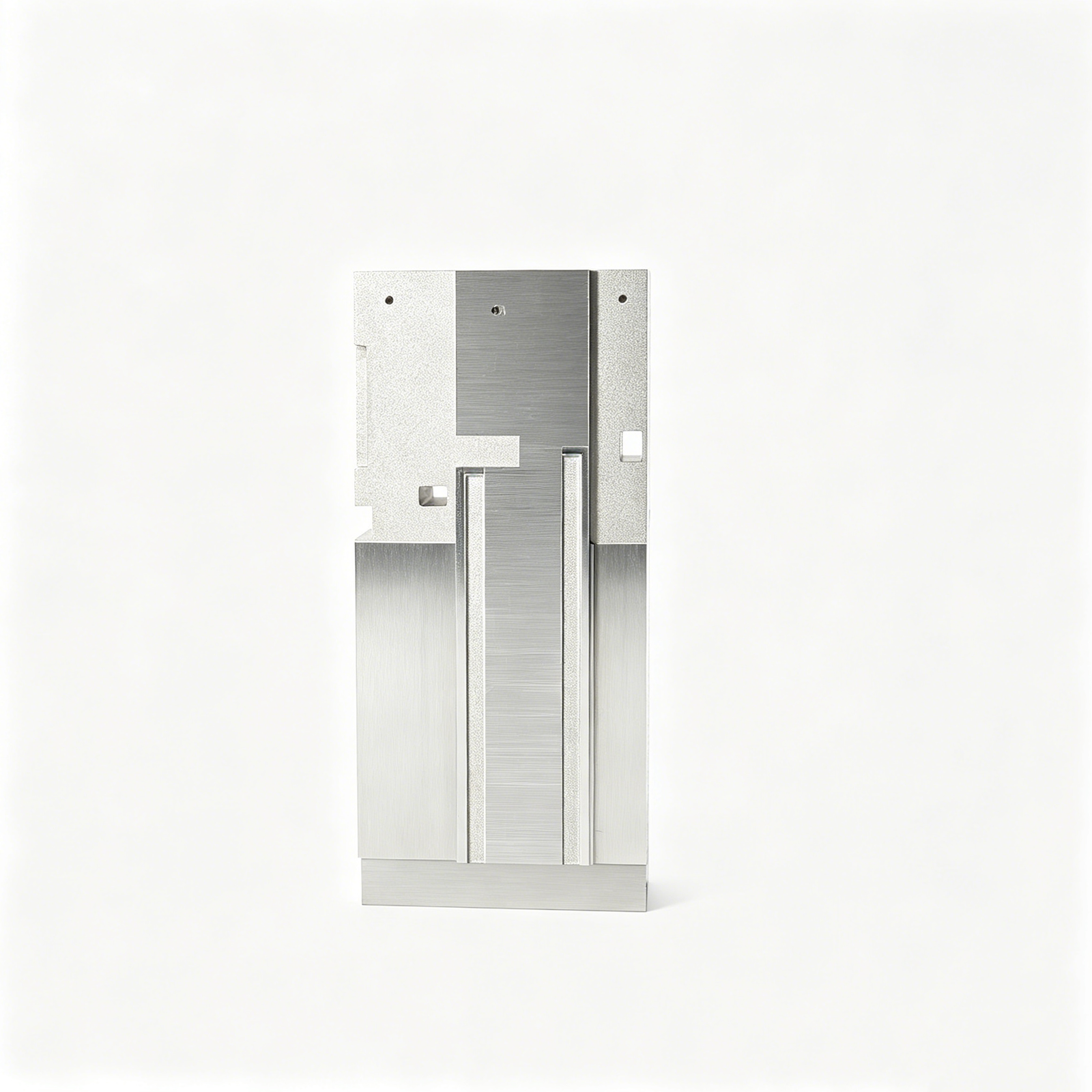
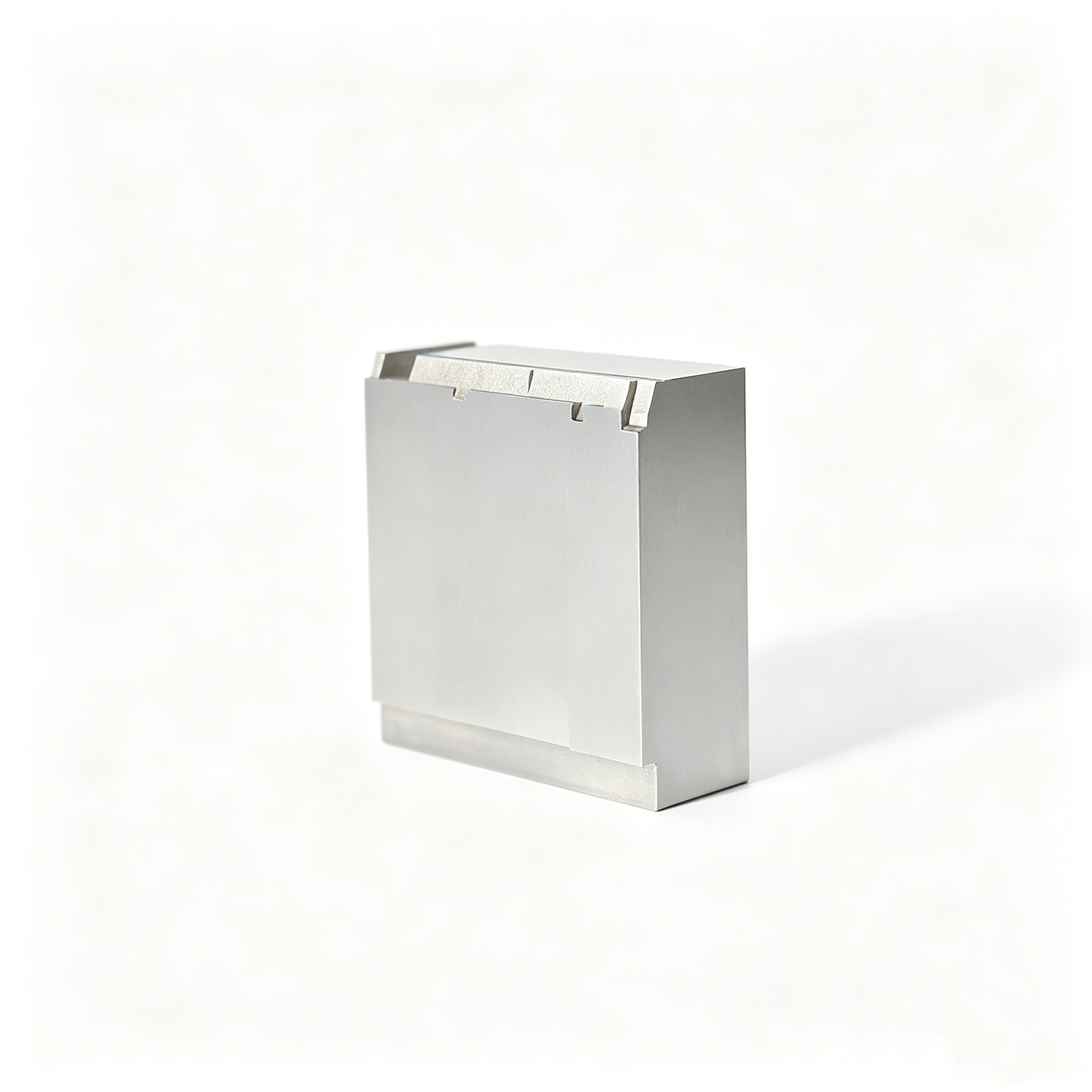
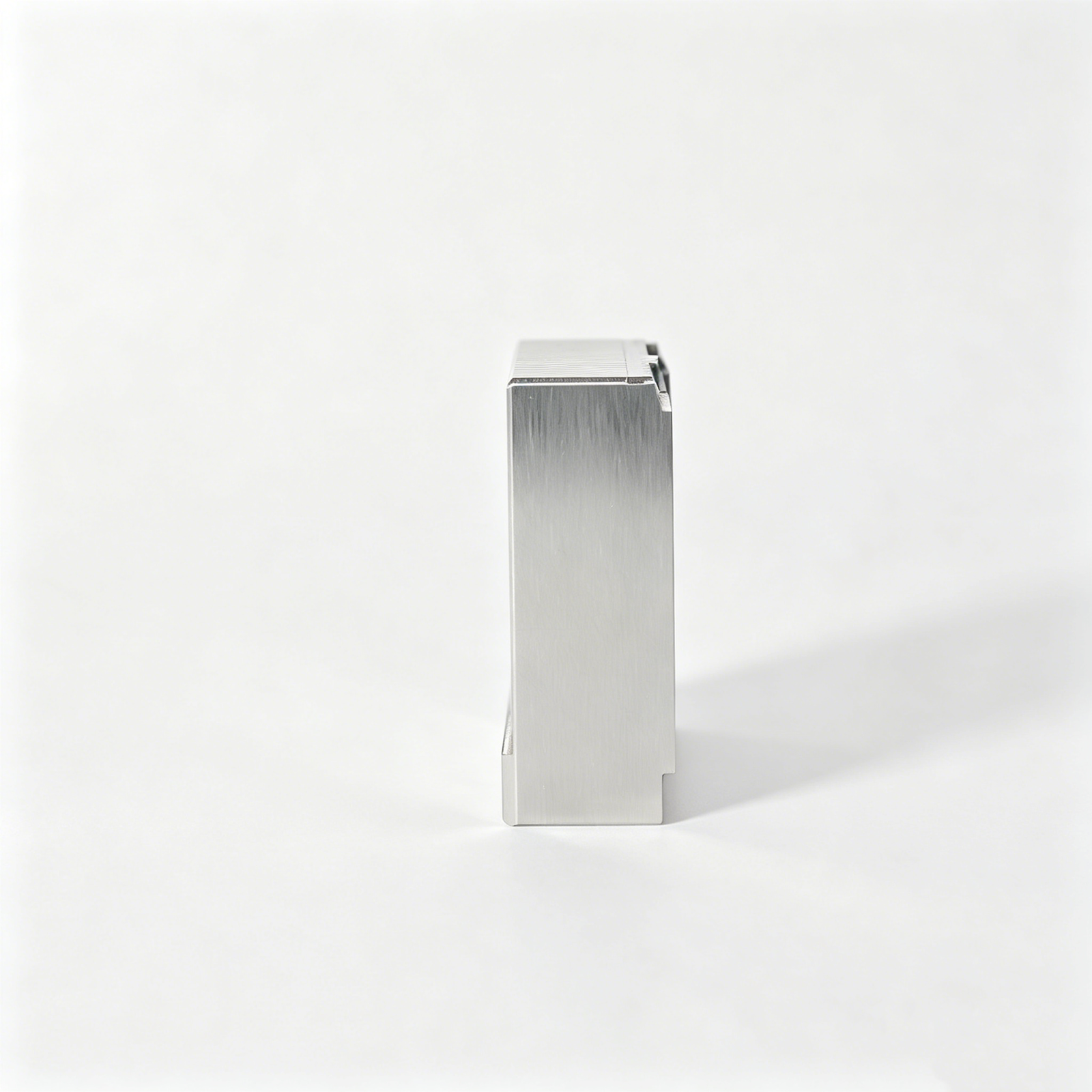
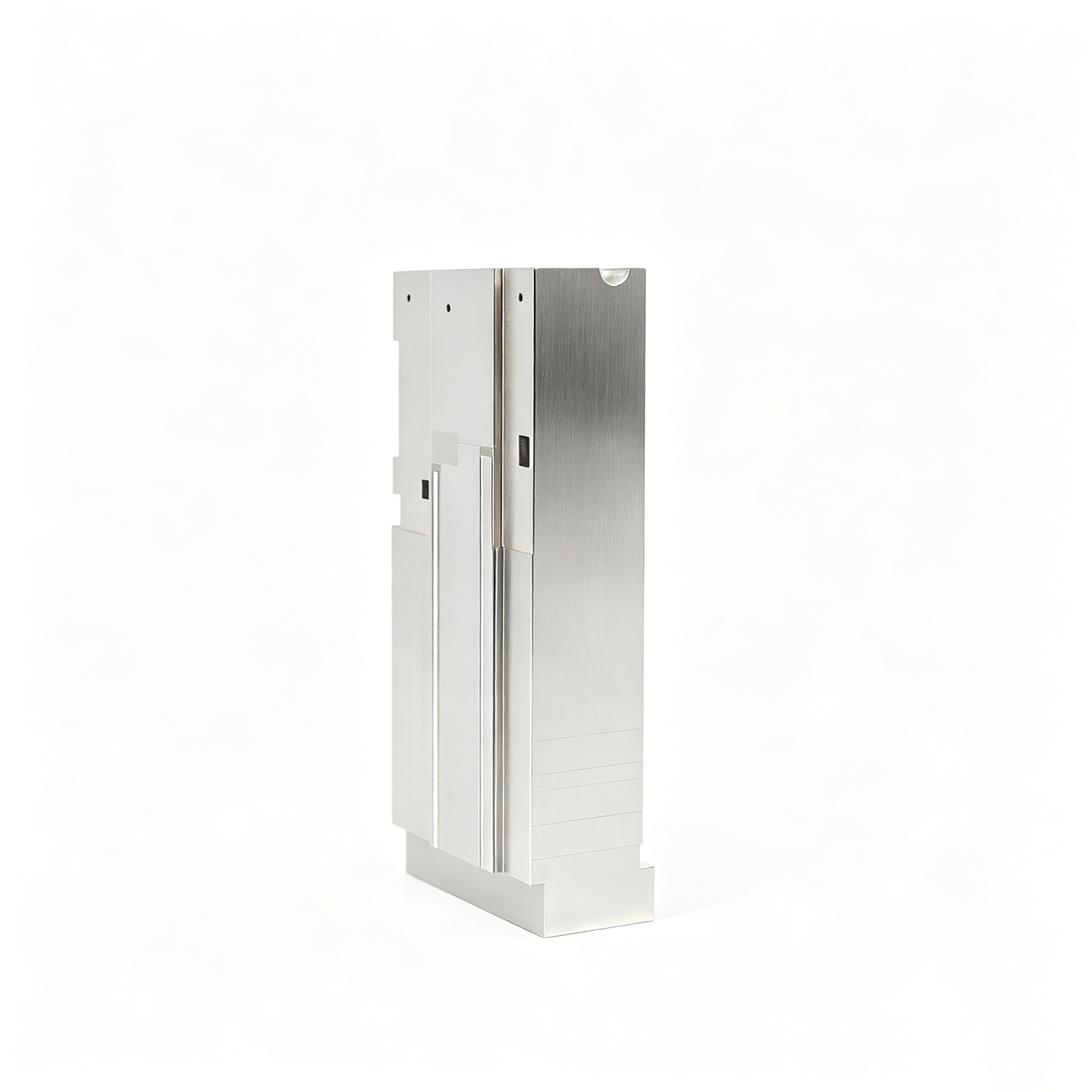
Sample Components for Quality Assurance for Precision Parts
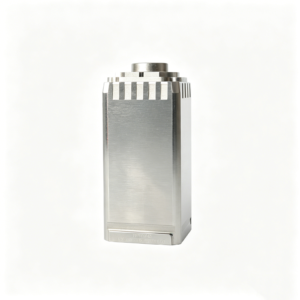
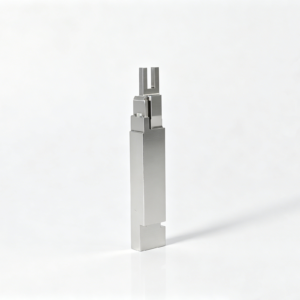
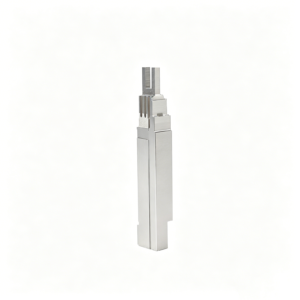
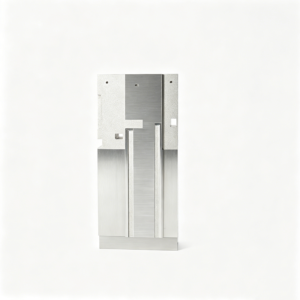
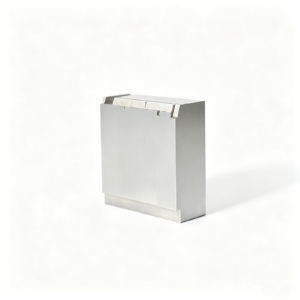
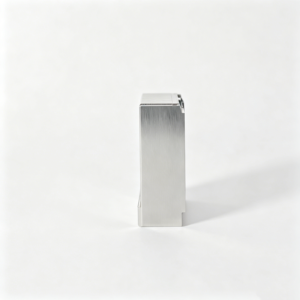
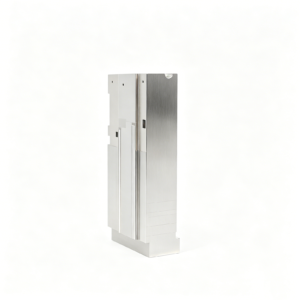
Ten drawing-based component examples; open a part to review its engineering context.
Precision Parts Quality Assurance Built Around CTQs
Each requirement is reviewed against the drawing revision, datum strategy, process route, and practical inspection evidence before production proceeds.
Drawing Revision Control
Current drawing revisions, notes, and models are aligned before planning, helping prevent outdated requirements from entering machining or inspection records.
CTQ Classification
Critical dimensions, surfaces, and functional interfaces are identified early so the production route and reporting priorities reflect actual design risk.
Matched Metrology
Feature type, tolerance, datum simulation, and measurement uncertainty guide the inspection method selected for each project-defined critical requirement.
In-Process Verification
Checks are planned at meaningful manufacturing stages to detect deviation before subsequent machining, EDM, grinding, fitting, or finishing work.
Final Inspection Records
Final results are documented against the approved plan, with dimensional reports and project-defined material or treatment records available when required.
Traceable Communication
Revision status, inspection findings, and nonconformance decisions remain visible through clear project communication and agreed documentation controls.
Related Paths for Quality Assurance for Precision Parts
Each category begins with drawing revision, CTQ classification, and a measurement plan matched to the feature, datum strategy, and required records.
CNC Machining Services
Drawing-defined machining for custom parts, with process planning around geometry, material condition, datums and inspection access.
Explore CNCPrecision Mold Components
Core, cavity and insert work planned around mating features, material state, EDM, grinding and fitting requirements.
Explore Mold PartsQuality and Documentation
Discuss CTQ features, measurement methods, revision control and the release documents required for your order.
Review QualityMaterials for Precision Parts Quality Assurance
Alloy Tool Steels
Common for cores, cavities, slides, and stamping-die components. Machining allowance, heat-treatment sequence, hardness target, and grinding stock must be confirmed from the drawing because each affects dimensional verification and final inspection planning.
Stainless Steel Grades
Specified for corrosion-sensitive mold components, guide elements, and custom precision parts. Grade, material condition, surface requirement, and any heat treatment should be defined on the drawing to align machining strategy with the required inspection record.
Aluminum Alloy Grades
Used for prototypes, fixtures, lightweight tooling elements, and selected component applications. Alloy designation, temper, surface finish, and critical-thread requirements need drawing confirmation, since machinability and measurement approach vary by specified material condition.
Copper Alloy Grades
Applied where thermal or electrical performance matters, including connector-related tooling and specialty inserts. Confirm the specified alloy, hardness condition, feature tolerances, and finish requirements from the drawing before selecting machining and inspection methods.
Tungsten Carbide Grades
Selected for wear-resistant punches, dies, and high-load forming features. Grade, binder content, grinding allowance, edge condition, and inspection criteria require project review because carbide machining and measurement differ from conventional steel components.
Manufacturing Processes for Precision Parts Quality Assurance
Wire EDM
Wire EDM produces intricate through-features, sharp internal profiles and hardened-part details where conventional tool access is limited. The wire path, start-hole location and datum relationship are planned against tolerance and surface requirements.
Sinker EDM
Sinker EDM forms deep cavities, ribs and enclosed details that require an electrode-based approach. Electrode strategy, spark allowance and finishing requirements are aligned with the drawing before inspection points are defined.
Precision Grinding
Grinding refines flatness, parallelism, cylindrical form and close-size features after machining or heat treatment. Grinding stock, datum simulation and measurement uncertainty require attention when tolerances leave little margin for rework.
Fitting Assembly
Fitting verifies functional relationships among cores, inserts, slides, guide elements and mating features. Controlled handwork is used only where the specified fit, contact pattern or movement requirement calls for it, with revision visibility maintained.
Inspection Integration
In-process checks and final inspection are matched to each CTQ and practical measurement method. Dimensional reports, FAI, material or heat-treatment records and nonconformance handling can be defined with the RFQ.
Precision Parts Quality Assurance: Identification and Handling Options
Engraved Part Marking
Project-defined laser or mechanical marking can identify a part number, revision, cavity position, or lot reference where location, legibility, and surface impact have been reviewed against functional and cosmetic requirements.
Protective Packaging
Individual wrapping, separators, trays, rust prevention, or custom packing layouts help protect precision edges, ground surfaces, and mating features during transit. Packaging details should reflect material condition, surface finish, handling risk, and shipment method.
Assembly Hardware
Specified fasteners, dowel pins, springs, retainers, or related hardware can be supplied with component sets when part identification, quantities, material requirements, and assembly relationships are clearly defined in the RFQ.
Traceability Labels
Labels can carry project-defined identifiers such as order reference, drawing revision, part number, quantity, and inspection status. Agree label content and placement early so records remain aligned with the delivered parts.
Handling Features
Temporary tabs, protective caps, lifting provisions, orientation marks, or fixture interfaces may be considered when they support safe processing, inspection, assembly, or shipment without compromising critical dimensions or functional surfaces.
About SUUXIANG Precision Manufacturing
SUUXIANG is the public brand of Dongguan SuuXiang Precision Mold Co., Ltd., founded in 2010 in Chang’an, Dongguan. XiaoCheng Huang is the founder and legal representative. The company works with engineering, tooling, procurement and quality teams on drawing-defined precision components.
The work combines CNC machining with precision mold components, connector tooling, EDM, grinding, fitting and inspection planning. A process route is selected around the actual geometry, material state, datum scheme, critical features and the documents required by the order.
Visitors should use the representative part photos to understand part families, not to infer an exact grade, tolerance or measured result. For a technical discussion, prepare the current drawing and model, quantity, material, finish, CTQs, inspection scope and target date.
Precision Parts Quality Assurance Starts Before Machining
Drawing and DFM Review
Each project begins with the current drawing revision, model, material, quantity, and application context. SUUXIANG identifies CTQs, accessible machining routes, surface requirements, and process risks before production planning so inspection requirements are practical, visible, and tied to the order.
- Confirm drawing revision and applicable specifications
- Classify critical dimensions, surfaces, and functional interfaces
- Review tool access, EDM needs, and grinding allowance
- Define project-specific inspection records before release
Datum and Tolerance Strategy
Close-tolerance results depend on how a feature is located and measured, not only on its reported value. The inspection plan considers drawing datums, mating conditions, tolerance stack effects, and measurement uncertainty so the selected method reflects the intended functional relationship.
- Interpret primary, secondary, and tertiary datum references
- Plan datum simulation for functional feature evaluation
- Match feature geometry to an appropriate measurement method
- Flag tolerance-stack or access concerns for discussion
In-Process Verification
In-process checks focus attention where process variation can affect critical features. Measurements are scheduled around machining, EDM, grinding, fitting, heat-treatment sequence, or other project-defined stages, allowing findings to be reviewed before a nonconforming condition moves into a later operation.
- Check CTQs at relevant manufacturing stages
- Reassess dimensions after process-changing operations
- Keep revision and inspection information aligned
- Escalate nonconformance for disposition and corrective action
Final Records Match Requirements
Final inspection documentation is aligned to the approved drawing and inspection plan rather than assembled as a generic package. When requested and applicable, SUUXIANG can define dimensional reports, FAI evidence, material records, heat-treatment records, and certificates as project-specific deliverables.
- Verify final results against approved CTQs and revisions
- Specify dimensional-report and FAI expectations in the RFQ
- Request material or heat-treatment records where required
- Align documentation scope with purchase-order requirements
Quality Assurance for Precision Parts RFQ Decision Checklist
Compare quotations by the same drawing revision and stated technical scope, not by an unqualified unit price.
← Swipe left or right to view →
Precision Parts Quality Assurance From Drawing to Shipment
A controlled workflow that links drawing revisions, CTQs, manufacturing checks and final records to the requirements agreed for each order.
Review Drawings and Requirements
We review drawing revisions, models, material, quantity, datums, CTQs, surface requirements, delivery targets and project-defined inspection documentation before quoting.
Plan Methods and Records
Each critical feature is matched to a practical measurement method, datum simulation approach, in-process check and final inspection record.
Source Materials and Prepare
Material and heat-treatment requirements are confirmed against the order, while machining access, EDM strategy, grinding stock and sequence are planned.
Machine and Check In-Process
CNC, EDM, grinding and fitting proceed with checks focused on CTQs, changing conditions and revision-controlled manufacturing instructions.
Inspect and Resolve Findings
Final inspection follows the approved plan; nonconforming findings are contained, reviewed and communicated before release decisions are made.
Pack and Coordinate Shipment
Accepted parts are identified, protected and packed for shipment, with dimensional reports, FAI or project-defined records prepared as required.
Start Precision Parts Quality Assurance With Your RFQ
Provide the drawing, CTQs, and documentation needs early so the proposed process and inspection records can be aligned before production.
Upload Drawings and Models
Send the current 2D drawing and available 3D model, identifying revision status, part quantity, application, and any mating-component context that affects manufacturability.
Define CTQs and Requirements
Specify material, heat treatment, critical dimensions, datums, surface priorities, target delivery date, and required inspection evidence for practical measurement planning.
Review Process and Sampling
Review the quotation, proposed manufacturing route, inspection approach, and any sampling, FAI, dimensional-report, or documentation requirements before release.
Approve Controlled Production
Confirm the drawing revision and agreed requirements. Production follows the defined process route with in-process checks and visible handling of nonconformances.
Receive Project-Defined Records
Receive parts with records aligned to the agreed inspection plan, such as dimensional reports, material records, heat-treatment records, or certificates when specified.
Project Documentation to Define Before Production
Questions Buyers Should Ask During Technical Review
Which drawing revision and datum scheme will govern the part, and how will a proposed deviation be approved?
Which features are critical to function, and what measurement method will demonstrate conformity?
Does the quotation include material condition, secondary processes, inspection documents and packing assumptions?
Precision Parts Quality Assurance FAQ
Practical answers for drawing-based programs, from sampling and reports to revision control and delivery coordination.
What does precision parts quality assurance include for a custom order?
What is the minimum order quantity for precision parts quality assurance?
Can I request samples or a first article inspection report?
How do you address measurement uncertainty on close-tolerance features?
What inspection reports and records can be requested?
How are drawing revisions and engineering changes controlled?
How long does a quality-focused precision parts order take?
What payment, shipping, and IP information should I provide with an RFQ?
Precision Parts Quality Planning Guide
A practical decision framework for a drawing-controlled precision component, from the first drawing review to documented acceptance.
1. Begin with acceptance criteria
Translate the drawing into acceptance criteria before selecting gauges. A generic statement of high precision does not define an acceptable part. When specifying a drawing-controlled precision component, this decision should be recorded against the latest controlled drawing. Note the quantity, production stage and functional interface so the discussion remains about the actual component rather than a visually similar example. A photograph can identify a part family, but it cannot establish material, tolerance or inspection results.
For this stage, focus on revision, CTQ features, datums, measurement capability and agreed release records. Ask how the proposed process will preserve datum relationships and how the completed feature can be measured. If a tolerance, finish, hardness or document is essential, include its acceptance method in the RFQ rather than leaving it to interpretation.
Before approving production, record the drawing revision, any clarification or agreed deviation, and the documents expected with the order. Compare quotations by the same technical scope: material condition, operations, sampling, inspection, finishing, packing and delivery assumptions. If an item is not yet verified, treat it as an open engineering question. A clear decision record makes a prototype review and a later repeat order easier to reconcile without silently changing the specification.
2. Mark critical-to-quality features
Mark CTQs connected to fit, sealing, motion or electrical spacing and agree which require full inspection versus a sampling plan. When specifying a drawing-controlled precision component, this decision should be recorded against the latest controlled drawing. Note the quantity, production stage and functional interface so the discussion remains about the actual component rather than a visually similar example. A photograph can identify a part family, but it cannot establish material, tolerance or inspection results.
For this stage, focus on revision, CTQ features, datums, measurement capability and agreed release records. Ask how the proposed process will preserve datum relationships and how the completed feature can be measured. If a tolerance, finish, hardness or document is essential, include its acceptance method in the RFQ rather than leaving it to interpretation.
Before approving production, record the drawing revision, any clarification or agreed deviation, and the documents expected with the order. Compare quotations by the same technical scope: material condition, operations, sampling, inspection, finishing, packing and delivery assumptions. If an item is not yet verified, treat it as an open engineering question. A clear decision record makes a prototype review and a later repeat order easier to reconcile without silently changing the specification.
3. Choose suitable measurement methods
Choose CMM, optical, profile, surface or manual measurement based on feature size, access, material state and uncertainty. When specifying a drawing-controlled precision component, this decision should be recorded against the latest controlled drawing. Note the quantity, production stage and functional interface so the discussion remains about the actual component rather than a visually similar example. A photograph can identify a part family, but it cannot establish material, tolerance or inspection results.
For this stage, focus on revision, CTQ features, datums, measurement capability and agreed release records. Ask how the proposed process will preserve datum relationships and how the completed feature can be measured. If a tolerance, finish, hardness or document is essential, include its acceptance method in the RFQ rather than leaving it to interpretation.
Before approving production, record the drawing revision, any clarification or agreed deviation, and the documents expected with the order. Compare quotations by the same technical scope: material condition, operations, sampling, inspection, finishing, packing and delivery assumptions. If an item is not yet verified, treat it as an open engineering question. A clear decision record makes a prototype review and a later repeat order easier to reconcile without silently changing the specification.
4. Control in-process checks
Place in-process checks after high-risk operations such as roughing, heat treatment, EDM or grinding instead of waiting until final inspection. When specifying a drawing-controlled precision component, this decision should be recorded against the latest controlled drawing. Note the quantity, production stage and functional interface so the discussion remains about the actual component rather than a visually similar example. A photograph can identify a part family, but it cannot establish material, tolerance or inspection results.
For this stage, focus on revision, CTQ features, datums, measurement capability and agreed release records. Ask how the proposed process will preserve datum relationships and how the completed feature can be measured. If a tolerance, finish, hardness or document is essential, include its acceptance method in the RFQ rather than leaving it to interpretation.
Before approving production, record the drawing revision, any clarification or agreed deviation, and the documents expected with the order. Compare quotations by the same technical scope: material condition, operations, sampling, inspection, finishing, packing and delivery assumptions. If an item is not yet verified, treat it as an open engineering question. A clear decision record makes a prototype review and a later repeat order easier to reconcile without silently changing the specification.
5. Review material and treatment records
Specify whether material, heat-treatment or coating records are required and tie each document to the correct order and batch. When specifying a drawing-controlled precision component, this decision should be recorded against the latest controlled drawing. Note the quantity, production stage and functional interface so the discussion remains about the actual component rather than a visually similar example. A photograph can identify a part family, but it cannot establish material, tolerance or inspection results.
For this stage, focus on revision, CTQ features, datums, measurement capability and agreed release records. Ask how the proposed process will preserve datum relationships and how the completed feature can be measured. If a tolerance, finish, hardness or document is essential, include its acceptance method in the RFQ rather than leaving it to interpretation.
Before approving production, record the drawing revision, any clarification or agreed deviation, and the documents expected with the order. Compare quotations by the same technical scope: material condition, operations, sampling, inspection, finishing, packing and delivery assumptions. If an item is not yet verified, treat it as an open engineering question. A clear decision record makes a prototype review and a later repeat order easier to reconcile without silently changing the specification.
6. Plan first-article evidence
Define when a first article is required, which dimensions it covers, who approves it and how any correction changes the production baseline. When specifying a drawing-controlled precision component, this decision should be recorded against the latest controlled drawing. Note the quantity, production stage and functional interface so the discussion remains about the actual component rather than a visually similar example. A photograph can identify a part family, but it cannot establish material, tolerance or inspection results.
For this stage, focus on revision, CTQ features, datums, measurement capability and agreed release records. Ask how the proposed process will preserve datum relationships and how the completed feature can be measured. If a tolerance, finish, hardness or document is essential, include its acceptance method in the RFQ rather than leaving it to interpretation.
Before approving production, record the drawing revision, any clarification or agreed deviation, and the documents expected with the order. Compare quotations by the same technical scope: material condition, operations, sampling, inspection, finishing, packing and delivery assumptions. If an item is not yet verified, treat it as an open engineering question. A clear decision record makes a prototype review and a later repeat order easier to reconcile without silently changing the specification.
7. Handle a revision or deviation
A deviation needs written identification, impact review and approval before it becomes part of the accepted revision; silent substitution breaks traceability. When specifying a drawing-controlled precision component, this decision should be recorded against the latest controlled drawing. Note the quantity, production stage and functional interface so the discussion remains about the actual component rather than a visually similar example. A photograph can identify a part family, but it cannot establish material, tolerance or inspection results.
For this stage, focus on revision, CTQ features, datums, measurement capability and agreed release records. Ask how the proposed process will preserve datum relationships and how the completed feature can be measured. If a tolerance, finish, hardness or document is essential, include its acceptance method in the RFQ rather than leaving it to interpretation.
Before approving production, record the drawing revision, any clarification or agreed deviation, and the documents expected with the order. Compare quotations by the same technical scope: material condition, operations, sampling, inspection, finishing, packing and delivery assumptions. If an item is not yet verified, treat it as an open engineering question. A clear decision record makes a prototype review and a later repeat order easier to reconcile without silently changing the specification.
8. Define final release documentation
Final release should reconcile drawing revision, quantity, identification, inspection results and agreed documents with the packing list. When specifying a drawing-controlled precision component, this decision should be recorded against the latest controlled drawing. Note the quantity, production stage and functional interface so the discussion remains about the actual component rather than a visually similar example. A photograph can identify a part family, but it cannot establish material, tolerance or inspection results.
For this stage, focus on revision, CTQ features, datums, measurement capability and agreed release records. Ask how the proposed process will preserve datum relationships and how the completed feature can be measured. If a tolerance, finish, hardness or document is essential, include its acceptance method in the RFQ rather than leaving it to interpretation.
Before approving production, record the drawing revision, any clarification or agreed deviation, and the documents expected with the order. Compare quotations by the same technical scope: material condition, operations, sampling, inspection, finishing, packing and delivery assumptions. If an item is not yet verified, treat it as an open engineering question. A clear decision record makes a prototype review and a later repeat order easier to reconcile without silently changing the specification.
Review Parts and Prepare Your Drawing Package
Compare the representative components, then gather the current drawing revision, material, quantity, CTQs, finish, inspection scope and target date for a project discussion.