
CNC Machining Services for Drawing-Led Precision Parts
SUUXIANG CNC machining services turn drawings into process-planned, inspected parts with clear datum, tolerance, material, and revision control.
Representative Parts for CNC Machining
Selected from SUUXIANG’s own product catalogue. Photos show component geometry, not material certificates, achieved tolerances or customer results. Open each part for context; your approved drawing defines the order.

Custom Flanged Stepped CNC Turned Component
Stepped diameters, a flange and a non-round base. Discuss the reference axis, shoulder locations and any secondary features.
View Component
Custom Hollow Stepped CNC Shaft
Hollow shafts with external steps and grooves. Specify the bore, mating diameters and the required relationship between them.
View Component
Custom Flat-Sided Hollow CNC Collar
A hollow collar with an external flat. State bore requirements, flat orientation and any assembly clearance separately.
View Component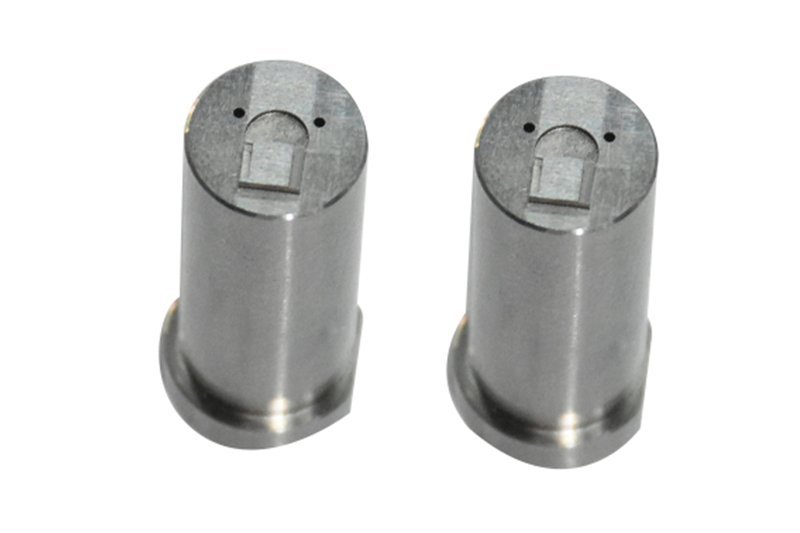
Custom End-Pocket Flanged CNC Cylinder
A flanged cylinder with an end-face pocket and small holes. Identify the pocket location, hole pattern and controlling datum.
View Component
Custom Hex-Body Slotted-End CNC Component
A hexagonal body with a slotted end. Specify across-flat geometry and the orientation of the end detail.
View Component
Custom Turned and Milled CNC Round Components
A round shaft with a non-round end. Review the relationship between the cylindrical axis and the end features.
View ComponentWhat the Images Show — and What Your Drawing Must Define
An axis plus secondary features
The photographed company component has a cylindrical body and non-round detail. For a comparable part, specify how those details relate to the locating axis; appearance alone does not establish the process sequence.
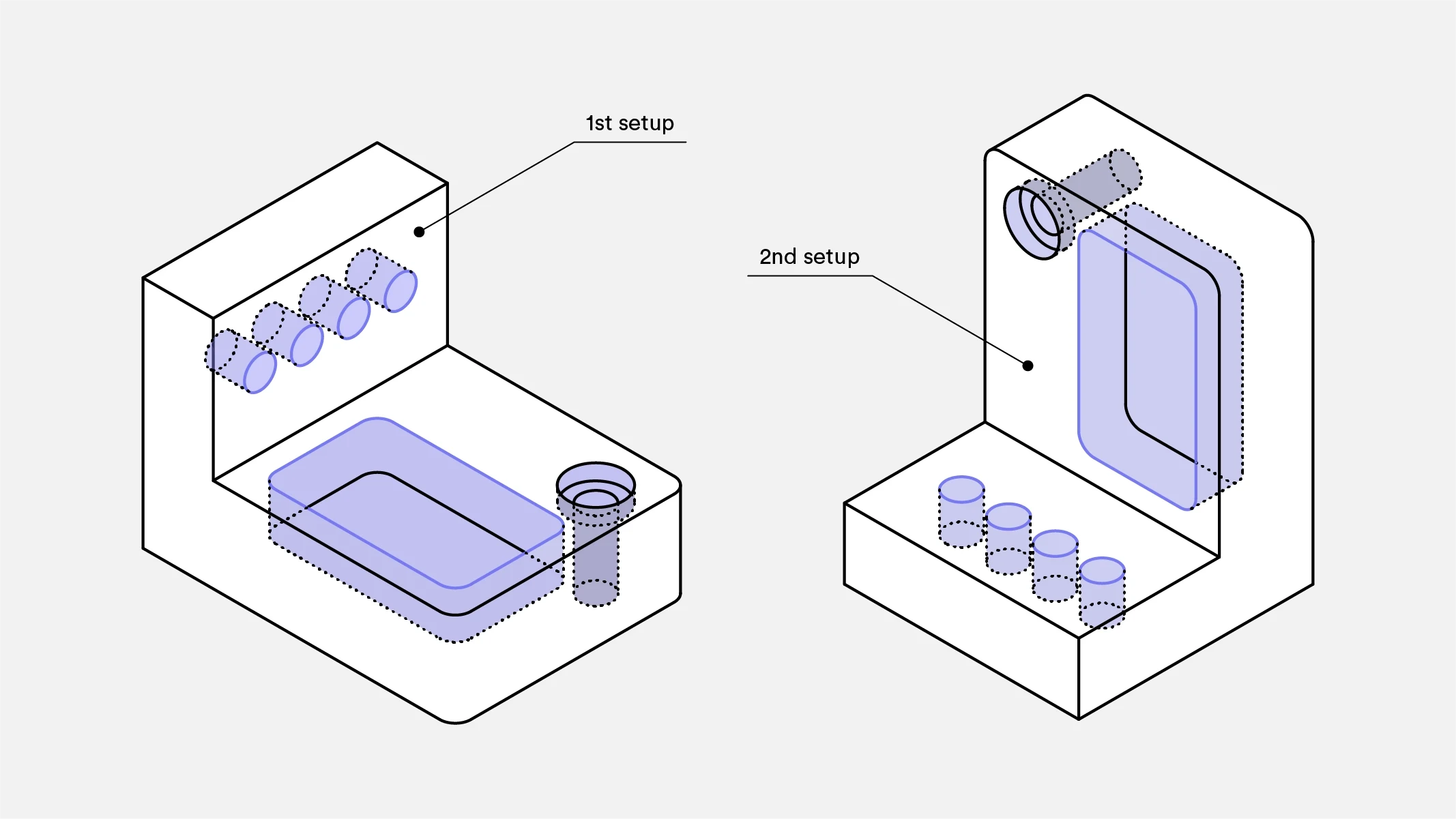
Why setup count affects a quotation
Technical reference: two orientations expose different features on an example bracket. Use this to discuss access and datum transfer; it is not a SUUXIANG production setup or a fixed setup-count promise.
Before You Order CNC Machining
CNC review starts with the relationship between the features that locate and mate the part. Our catalogue includes shafts, collars, flanged cylinders and round parts with non-round features. These examples establish part geometry, not a universal machine envelope, tolerance or material specification. Confirm the production route and any external processing in the quotation.
Controlled files
Provide a revisioned 2D drawing and available 3D model. Identify which document controls dimensions and how conflicts should be resolved.
Commercial comparison
Request pricing for the actual quantity breaks you are considering. Separate setup, recurring part work, finishing, inspection and delivery assumptions where relevant.
Acceptance scope
Mark CTQ features, datum references and surfaces requiring a stated finish. Request the reporting format and sampling scope before release.
Related Paths for CNC Machining Services
Drawing-led process planning for precision parts, mold components, connector tooling, and controlled prototype or low-volume production work.

CNC Machining Services
Drawing-defined machining for custom parts, with process planning around geometry, material condition, datums and inspection access.
Explore CNC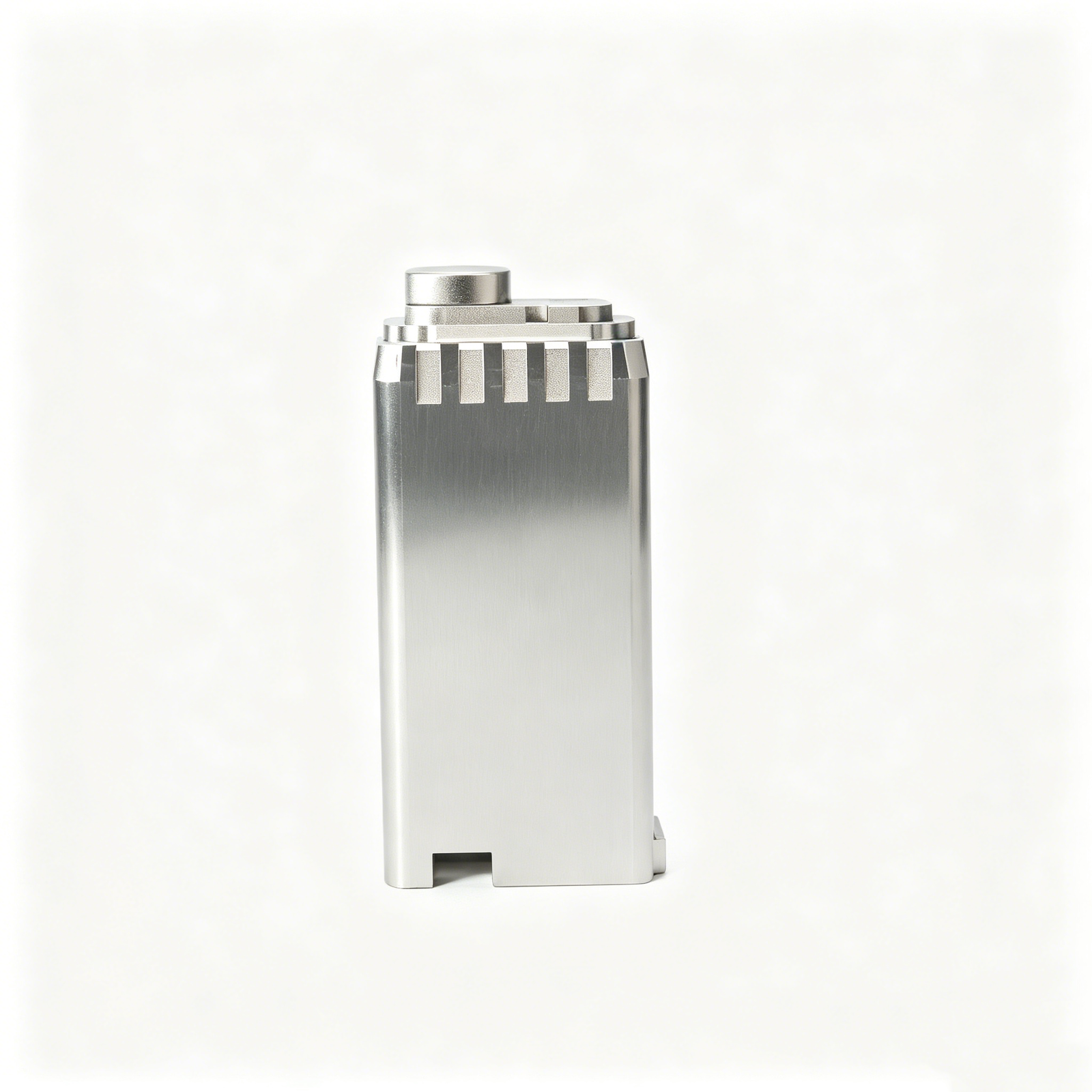
Precision Mold Components
Core, cavity and insert work planned around mating features, material state, EDM, grinding and fitting requirements.
Explore Mold Parts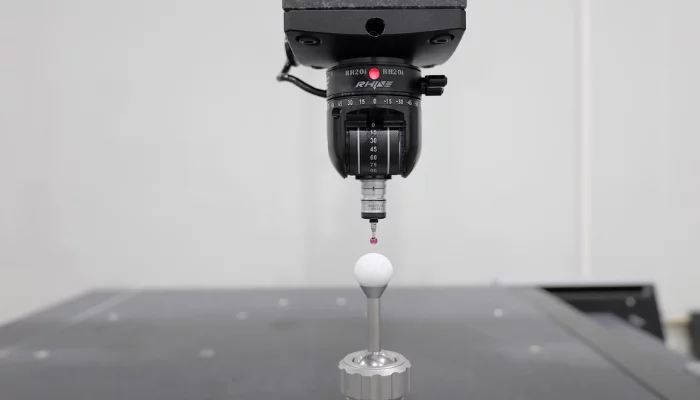
Quality and Documentation
Discuss CTQ features, measurement methods, revision control and the release documents required for your order.
Review QualityCNC Machining Services Materials Planned Around Function
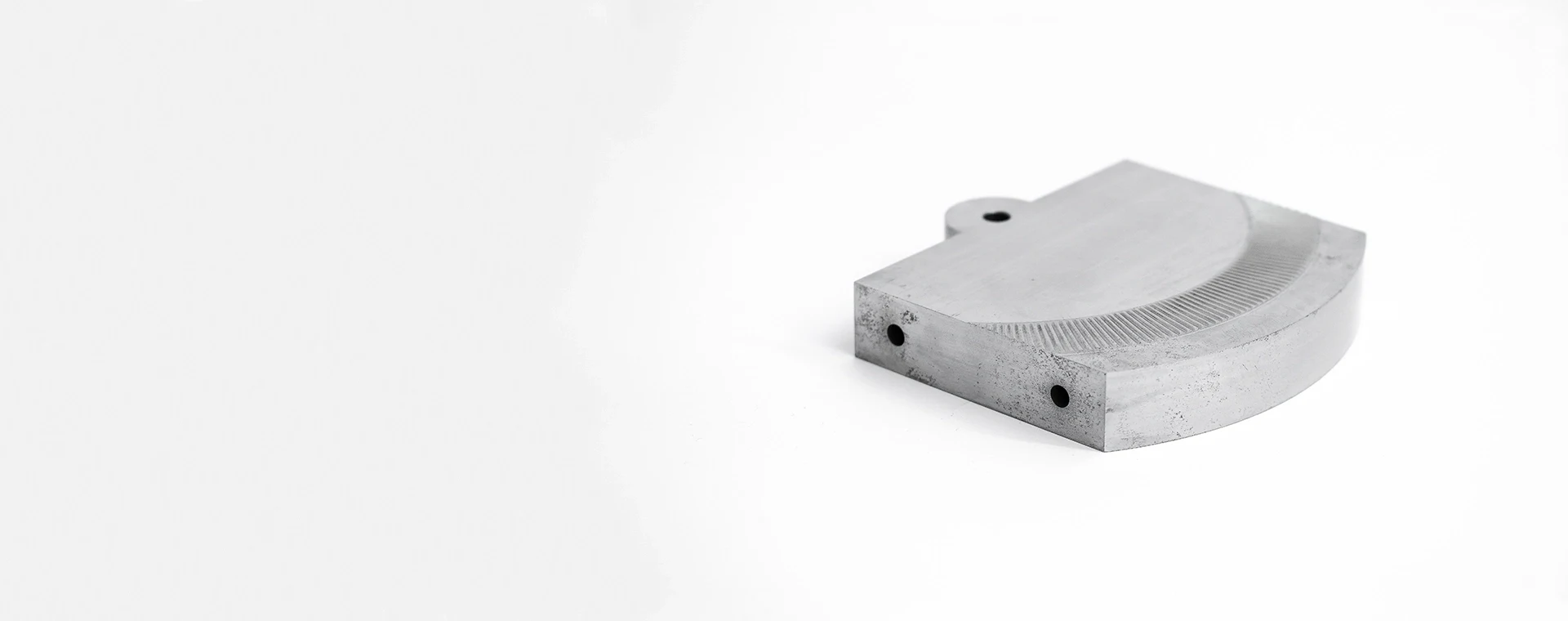
Tool Steels
Common for mold cores, cavity inserts, slides and wear components. Machinability changes with supplied annealed or pre-hardened stock; heat-treatment sequence, grinding allowance and hardness verification should be defined before final finishing.
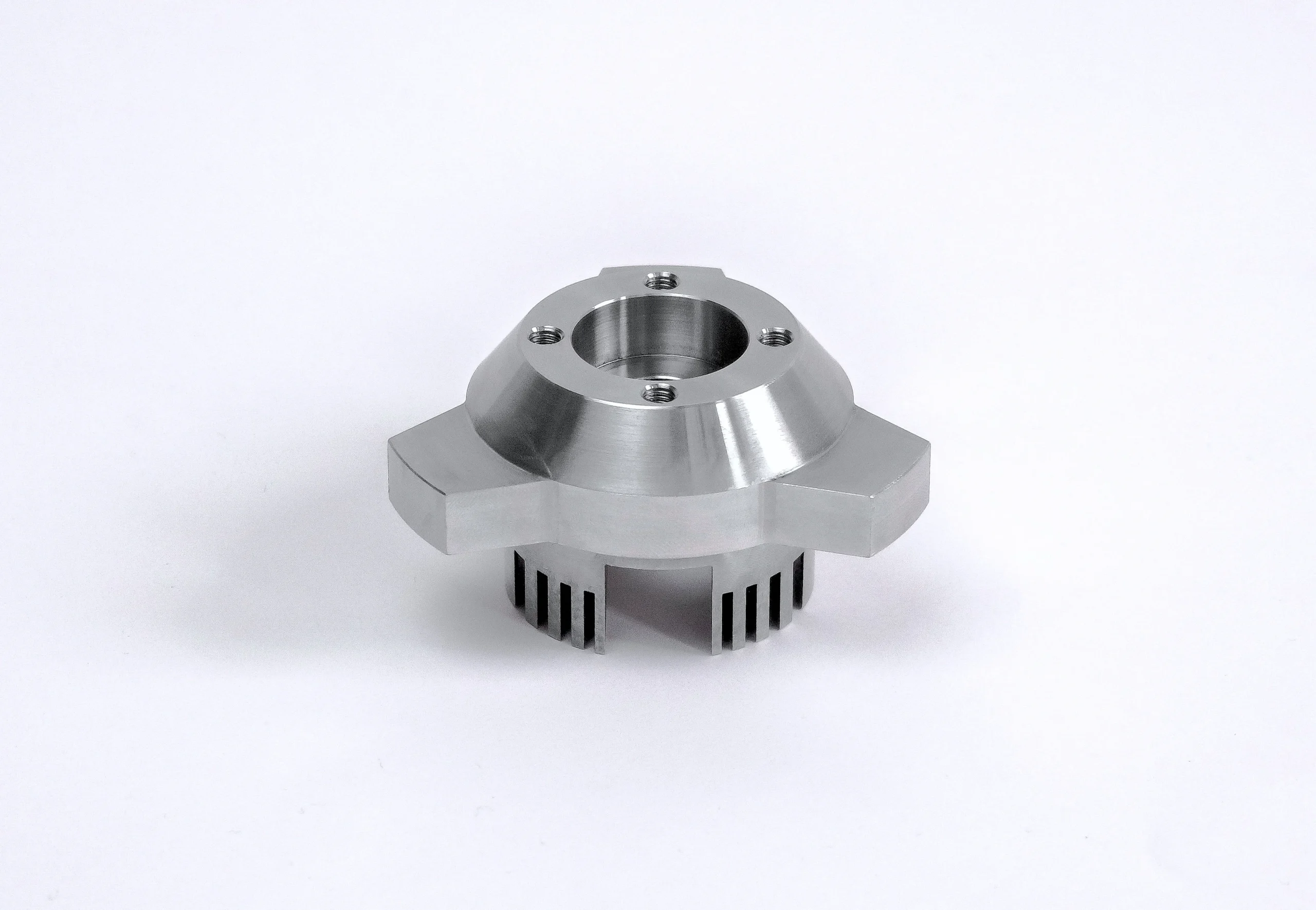
Stainless Steels
Used where corrosion resistance, cleanliness or strength matters in tooling and custom components. Grade, stock condition and heat treatment affect cutting behavior, distortion risk and the inspection approach for critical dimensions and surfaces.
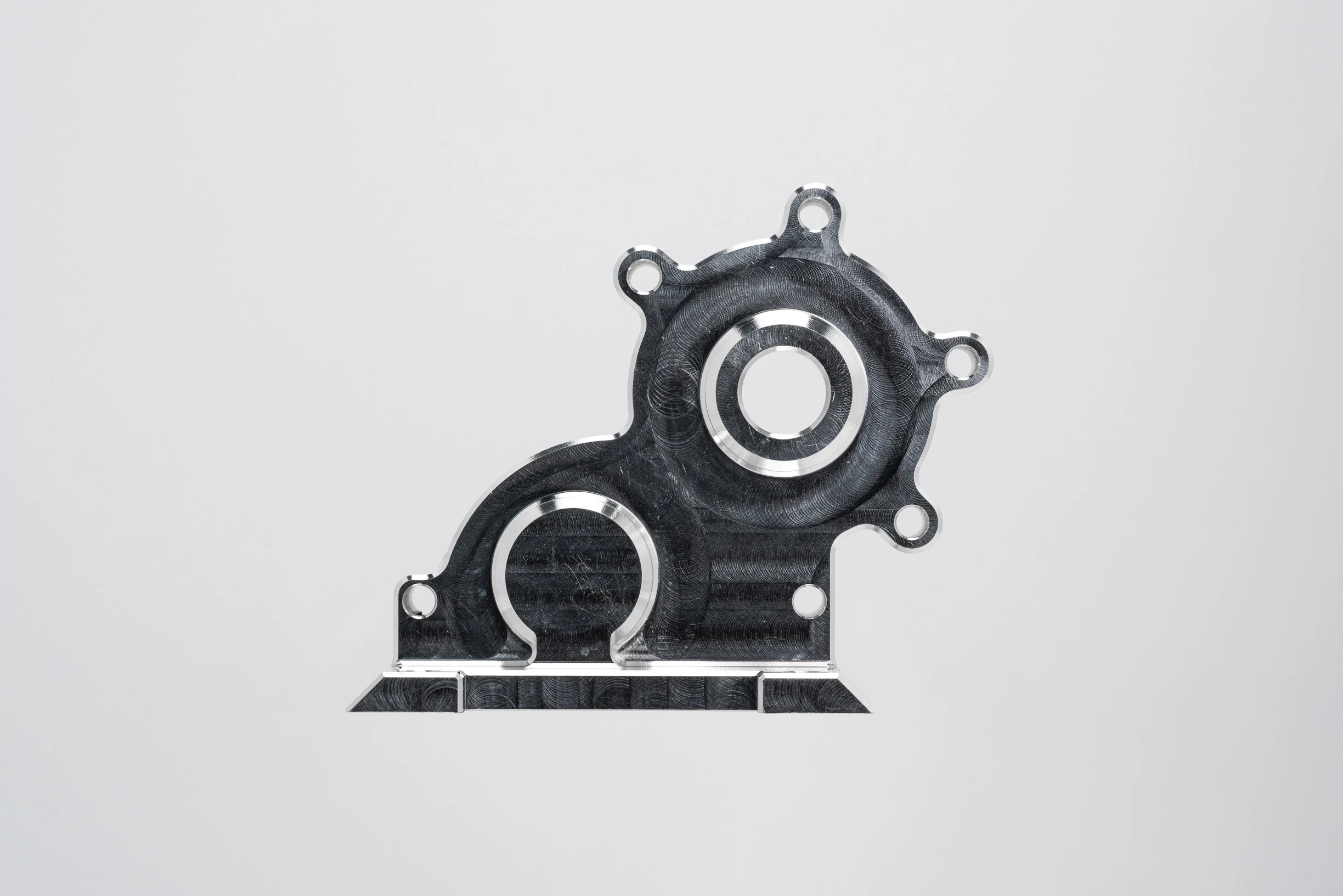
Aluminum Alloys
Often selected for prototypes, fixtures, lightweight components and selected mold applications. Alloy and temper influence machinability, stability and surface response; thin walls, workholding and required finish should be reviewed from the drawing.
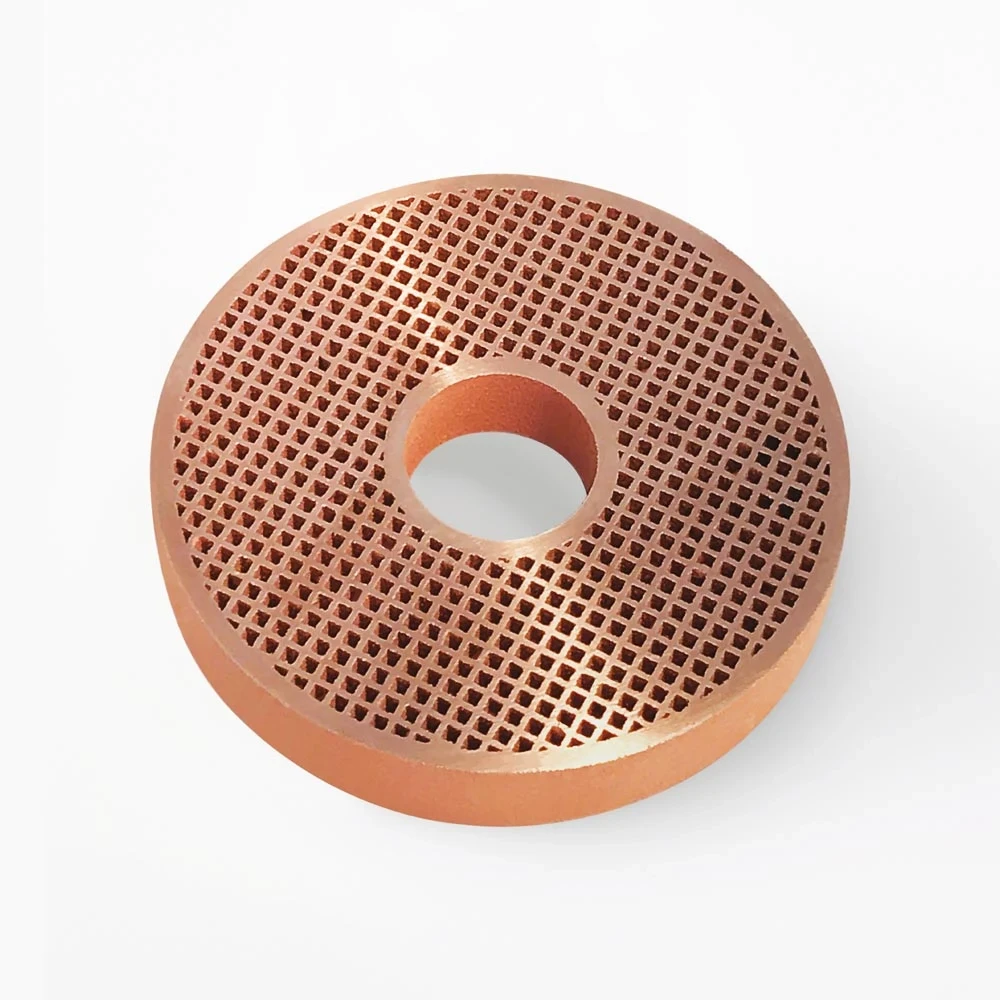
Copper Alloys
Applied to electrodes, thermal-management features and components requiring electrical or thermal conductivity. Material grade affects tool wear and finishing behavior; electrode geometry, EDM strategy and dimensional verification need to match the intended application.
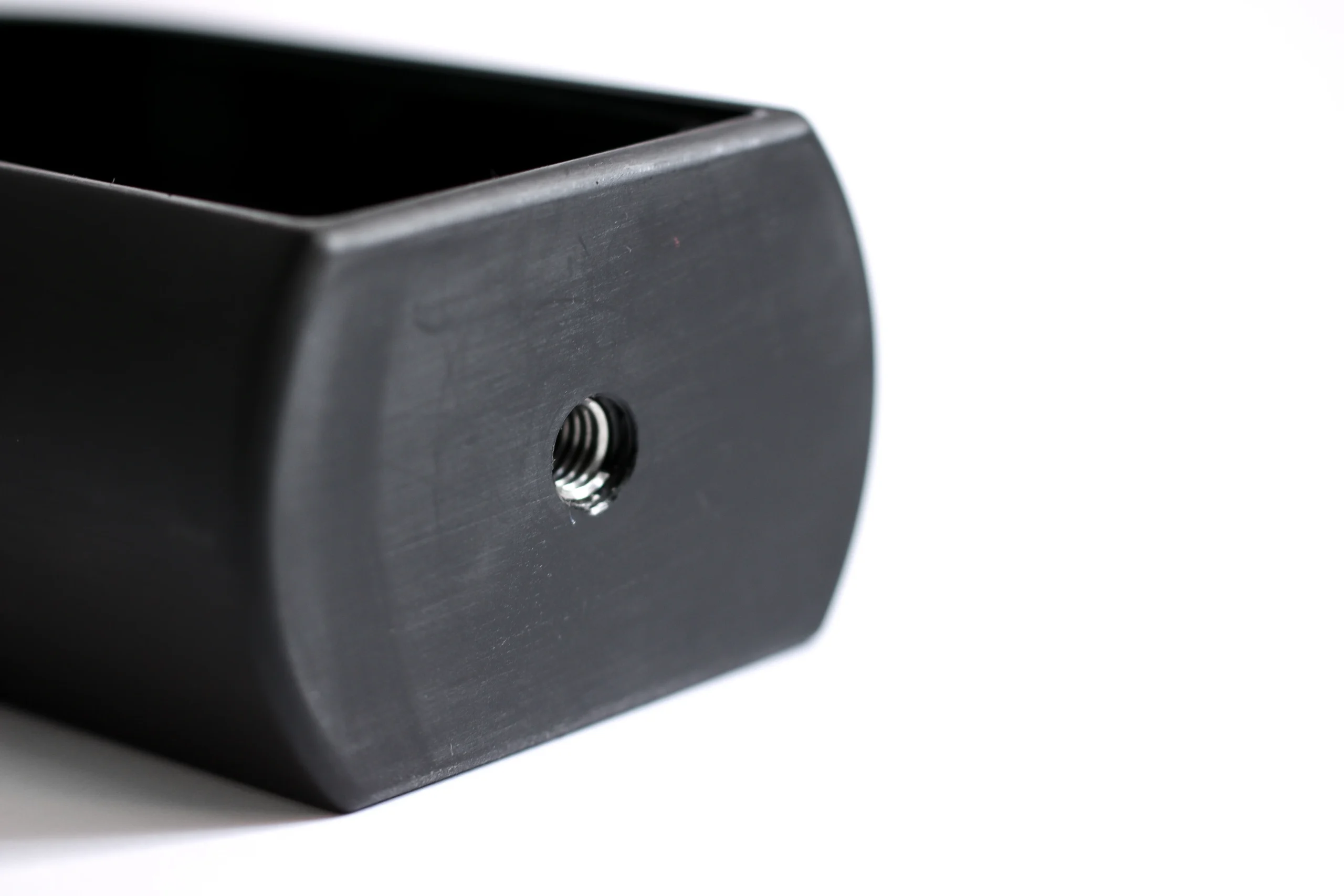
Engineering Plastics
Suitable for fixtures, insulating elements, prototype parts and application-specific machined components. Resin grade, moisture condition and feature geometry influence stability, burr control and measurement; tolerances should be evaluated against the finished part condition.
CNC Machining Services Combined for Critical Features
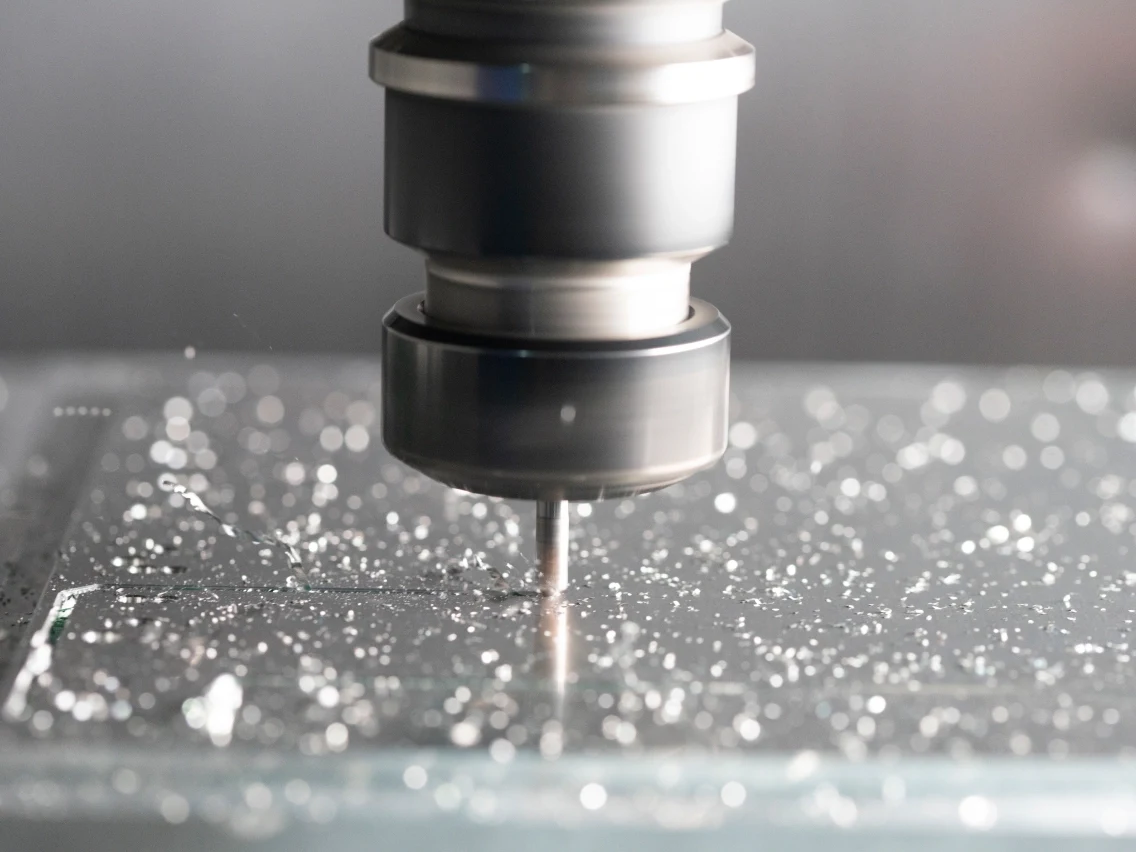
CNC Milling
Milling forms prismatic features, pockets, contours, and datum surfaces. Tool reach, clamping stability, and allowance for later EDM or grinding are planned around critical relationships and the specified inspection method.
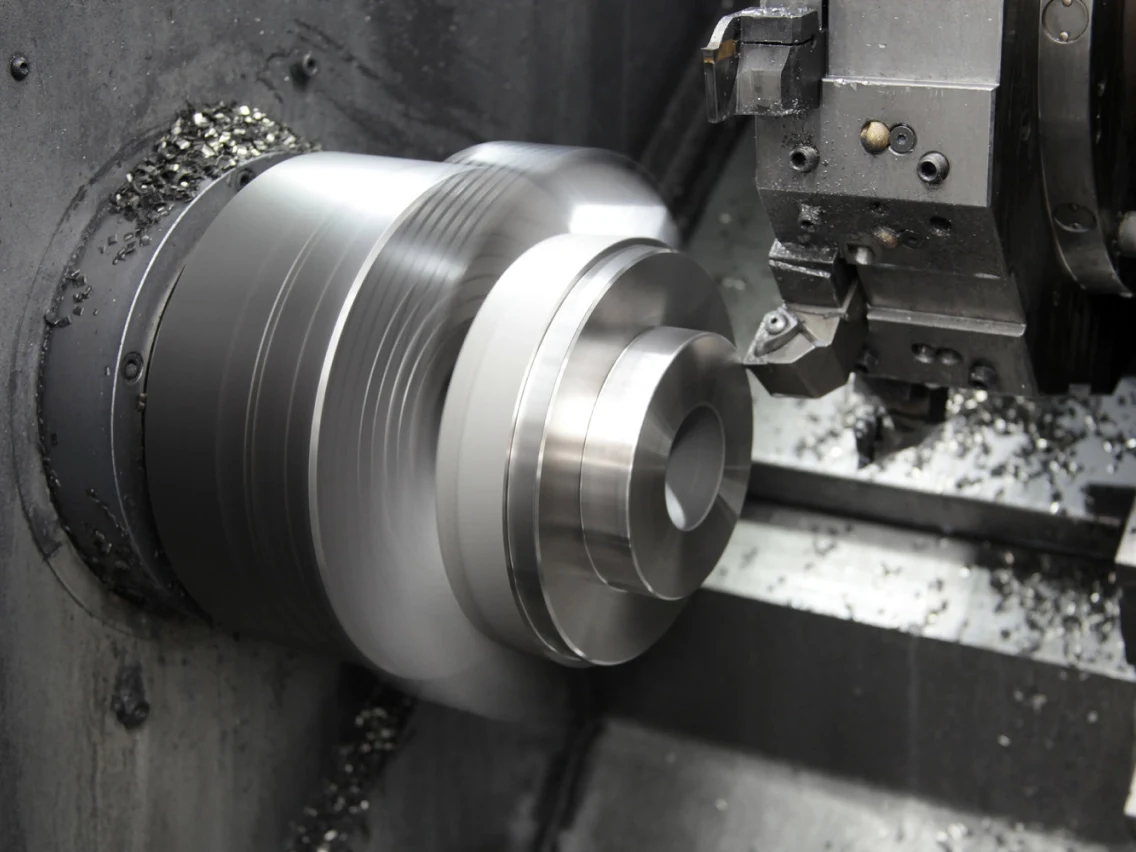
Precision Turning
Turning produces rotational profiles, bores, threads, and concentric features efficiently. It may establish stable reference diameters before milling, grinding, or secondary machining where runout and mating relationships require controlled datums.
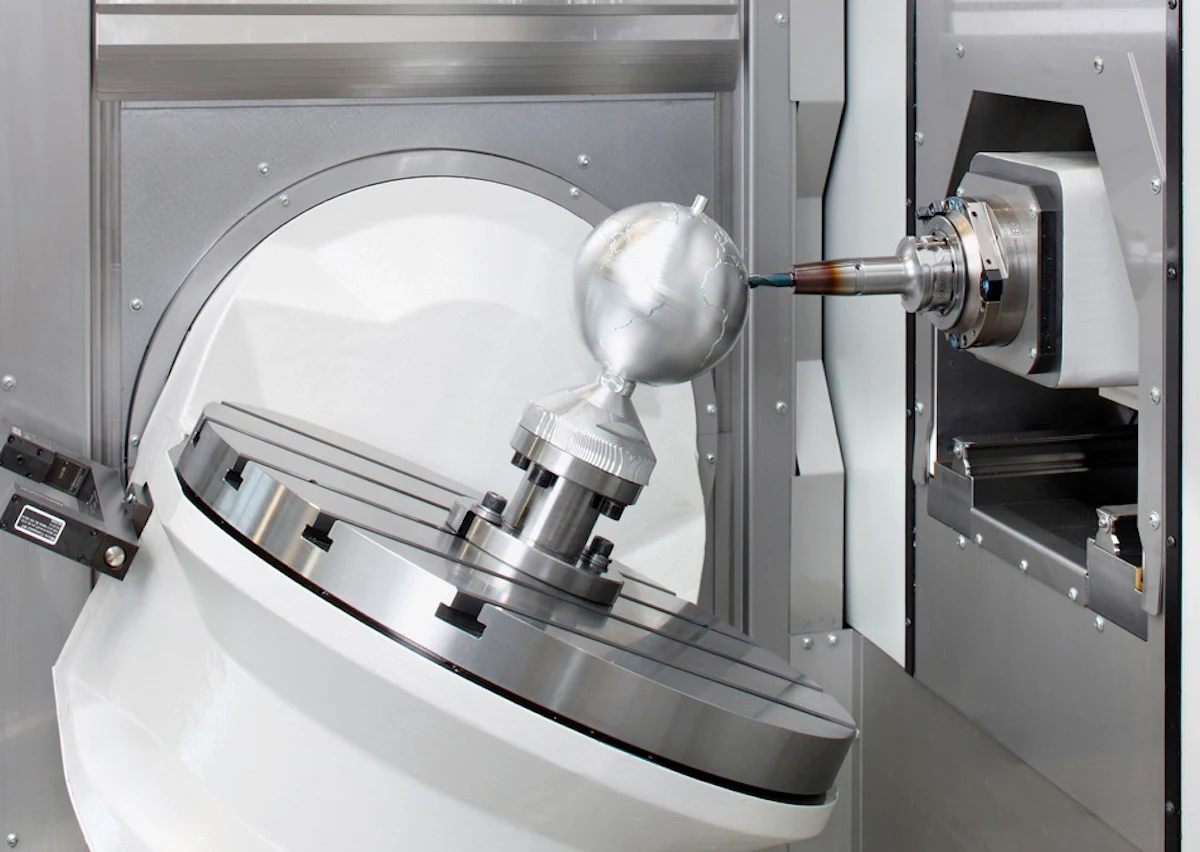
Multi-Axis Machining
Multi-axis machining helps reach angled, contoured, and compound features with fewer setups. The route is evaluated against tool access, part rigidity, fixture strategy, and whether positional relationships can be inspected reliably.
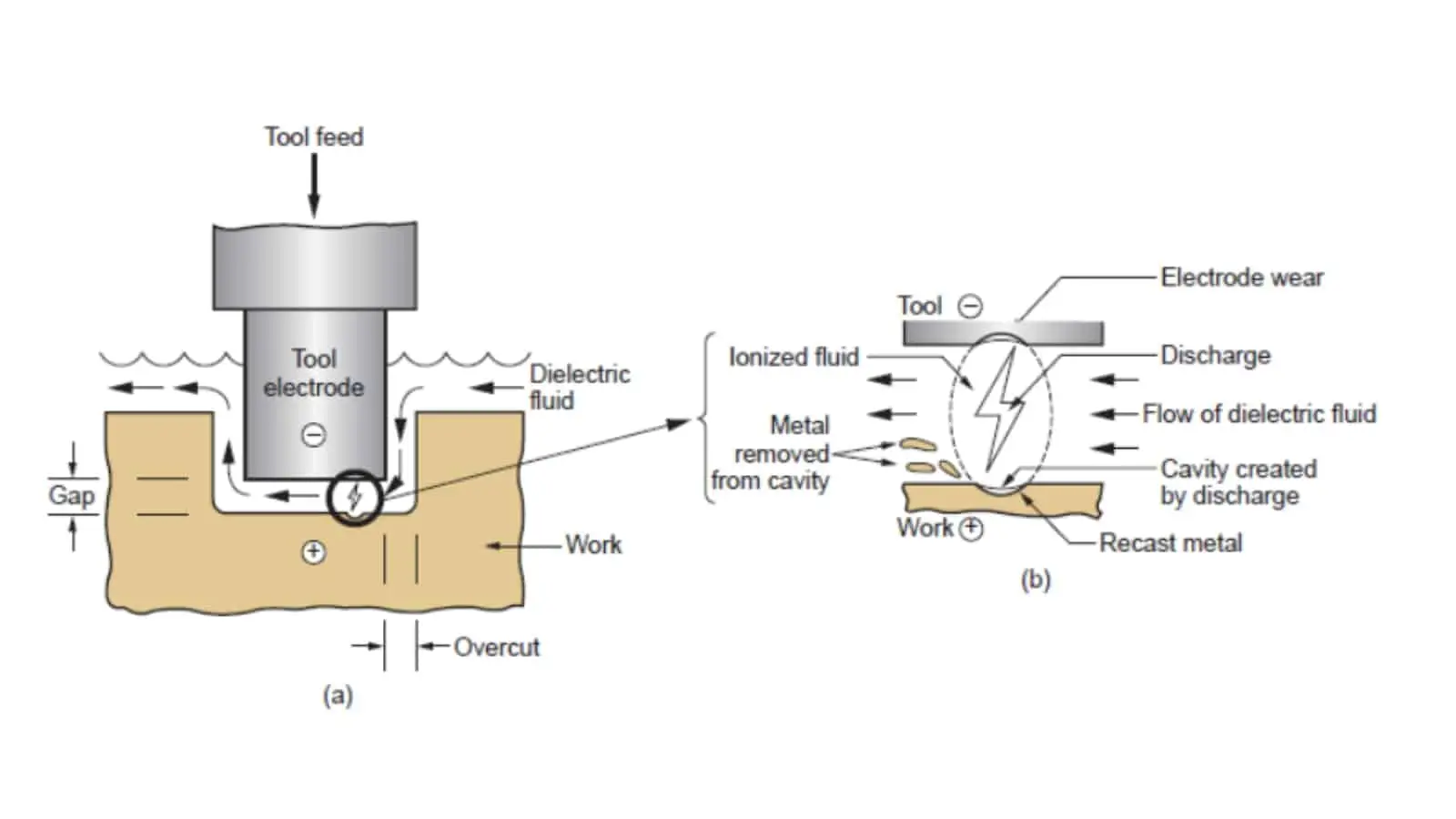
Wire and Sinker EDM
EDM addresses deep ribs, sharp internal corners, hardened stock, and features inaccessible to conventional tools. Electrode strategy, wire path, recast-layer considerations, and finishing allowance are reviewed before the sequence is confirmed.

Precision Grinding
Grinding refines functional faces, diameters, and datum relationships after machining or heat treatment. Achievable tolerance and finish depend on geometry, material condition, stock allowance, feature relationships, and the selected measurement approach.
Fitting and Inspection
Fitting verifies assembly behavior where slides, inserts, pins, or mating components interact. Inspection planning focuses on CTQs, datum references, measurement access, revision control, and the documents required with the completed order.
CNC Machining Services for Tooling Elements
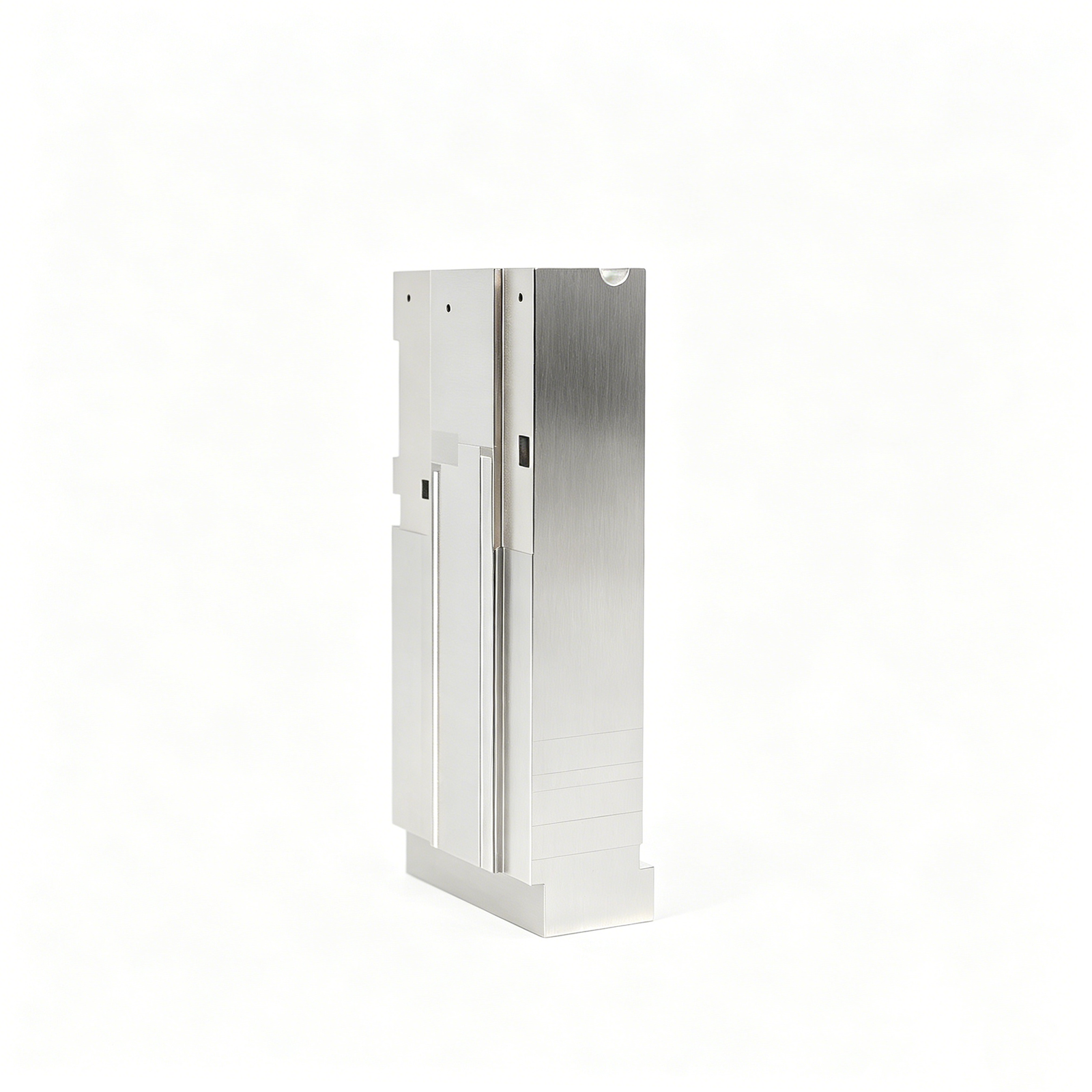
Guide Components
Guide pins, bushes and locating elements establish repeatable alignment between mold or die halves. Fit relationships, hardness condition and grinding requirements are reviewed against the drawing before CNC machining services are planned.
Ejector Components
Ejector pins, sleeves and related ejection details are evaluated for bearing surfaces, clearance, concentricity and wear conditions. Turning, grinding, EDM or fitting may be combined when geometry and tolerance priorities require it.
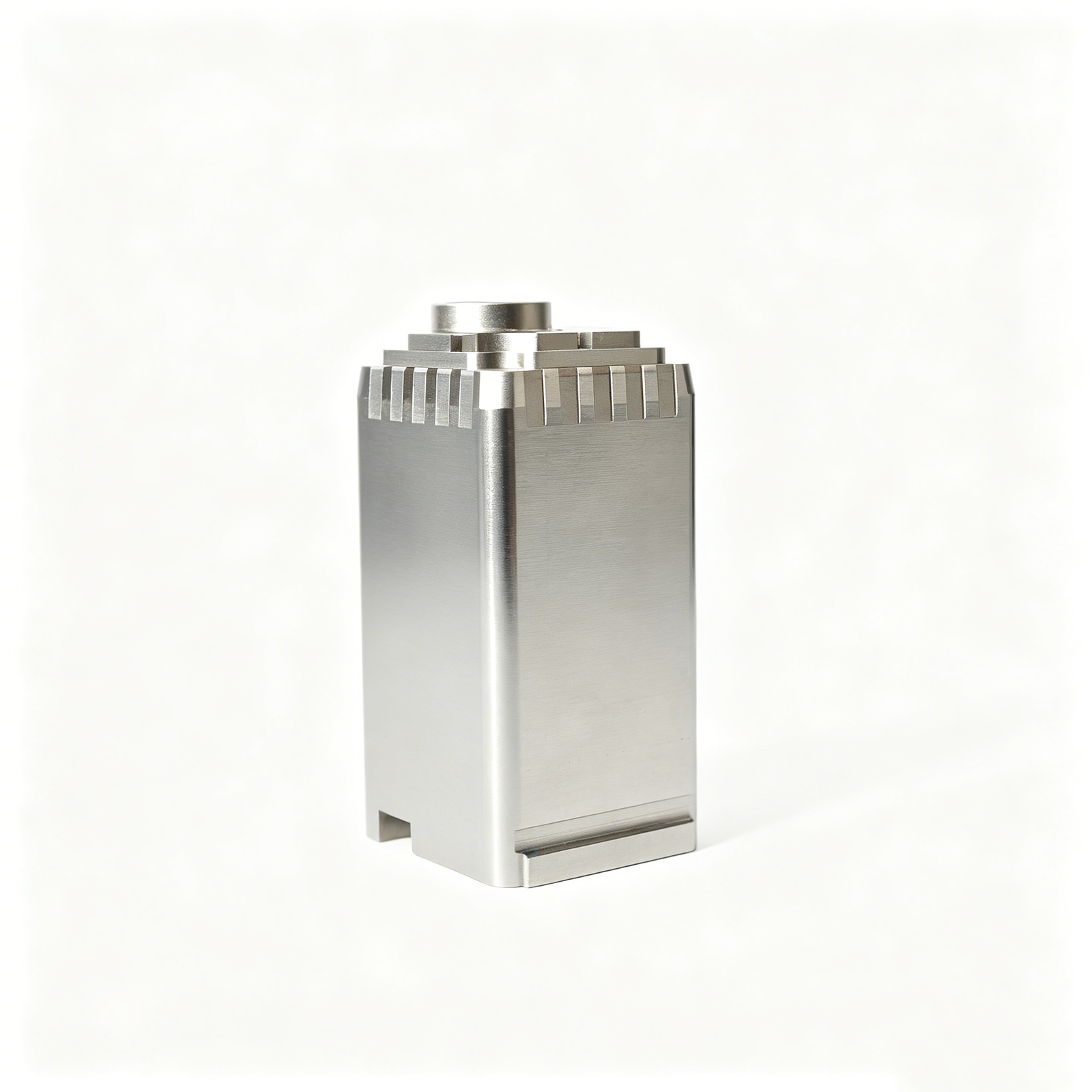
Gate Details
Gates, runners and feed-related tooling details require careful attention to material flow intent, tool access and surface transitions. Process planning confirms whether milling, EDM or finishing operations best support the specified geometry.
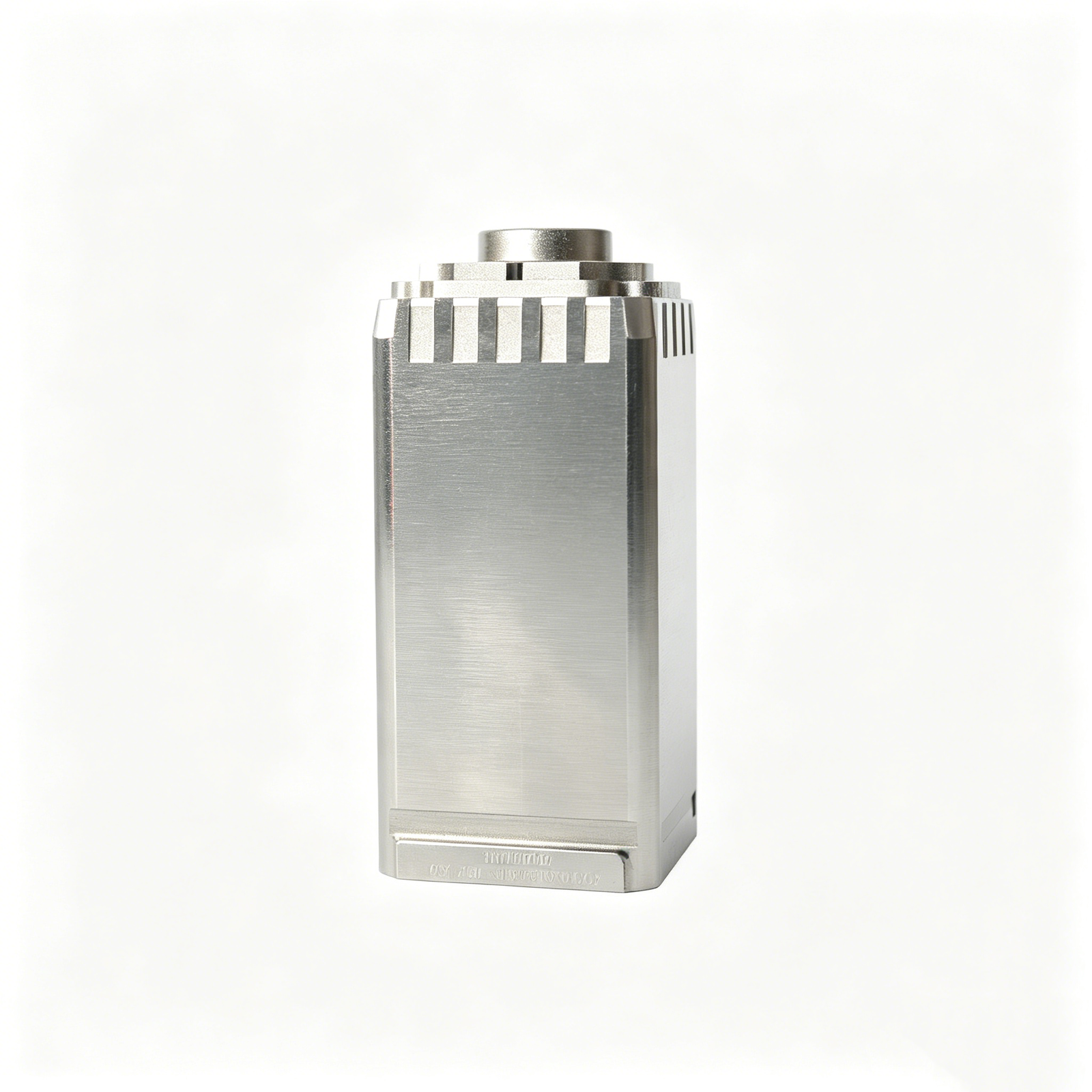
Slides Lifters
Slides, lifters and moving mold details are reviewed for travel interfaces, locking surfaces, lubrication features and assembly relationships. Workholding, heat-treatment sequence and inspection methods are defined from the approved drawing revision.
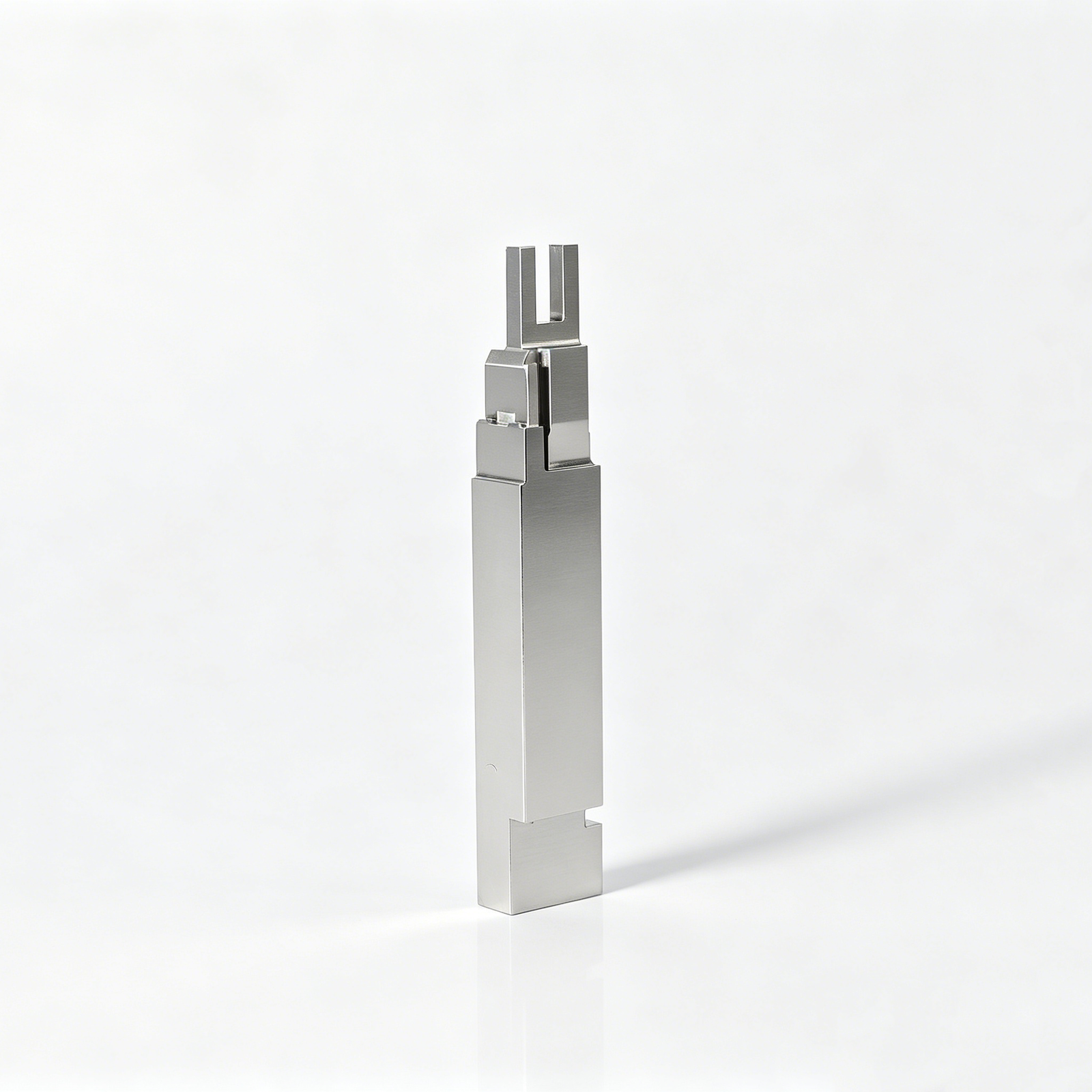
Custom Locating Details
Custom stops, inserts, retainers and mating details can be planned around datum references and tolerance stacks. Submit 2D and 3D data, CTQs, quantity, finish requirements and requested quality documents for scope confirmation.
About SUUXIANG Precision Manufacturing
SUUXIANG is the public brand of Dongguan SuuXiang Precision Mold Co., Ltd., founded in 2010 in Chang’an, Dongguan. XiaoCheng Huang is the founder and legal representative. The company works with engineering, tooling, procurement and quality teams on drawing-defined precision components.
The work combines CNC machining with precision mold components, connector tooling, EDM, grinding, fitting and inspection planning. A process route is selected around the actual geometry, material state, datum scheme, critical features and the documents required by the order.
Visitors should use the representative part photos to understand part families, not to infer an exact grade, tolerance or measured result. For a technical discussion, prepare the current drawing and model, quantity, material, finish, CTQs, inspection scope and target date.
CNC Machining Services: From Drawing Review to Delivery
A drawing-led workflow keeps critical dimensions, process decisions, inspection expectations and revision status aligned throughout the project.
Review RFQ Inputs
We review 2D and 3D data, material, quantity, CTQs, finish requirements, target date and required inspection or quality documents.
Plan Process Route
Engineers assess datums, tolerance stack, tool access, workholding, stock condition and heat-treatment sequence to define practical machining allowances and operations.
Prepare Material and Setup
Material and production planning are aligned with the approved revision, critical features and appropriate workholding before machining begins.
Machine Critical Features
CNC milling, turning or multi-axis machining may be combined with EDM and grinding where geometry, hardness, access or finish priorities require it.
Inspect Pack and Coordinate
Parts are verified against the agreed inspection plan, then packed with order-matched documentation and delivery coordination kept visible to your team.
Agree the Evidence Required for Your Order
Request records that match the actual drawing and acceptance scope. A technical reference image or blank template is not a certificate or completed report.
Dimensional record
Specify feature references, drawing revision, nominal requirements, measured results and sampling or full-check scope. Agree the format and suitable method.
Material and process records
List the material, heat-treatment or finishing documents required for acceptance. Confirm availability and included scope in the quotation; do not assume every document is supplied.
Release and changes
Identify who approves deviations, drawing changes and first-article results. Link the agreed records to the part identity and applicable order rather than a generic quality statement.
CNC Machining — Practical Buyer Questions
Direct answers for preparing the RFQ and defining acceptance. Project-specific commitments belong in the quotation and agreed order.
Can you quote from a 3D model alone?
What makes two CNC quotations comparable?
What tolerance can you guarantee?
How are repeat orders and drawing changes handled?
CNC Machining Buyer’s Guide
A practical decision framework for a custom CNC-machined component, from the first drawing review to documented acceptance.
1. Define the CNC part
Define whether the part is a prototype, fixture, housing, shaft or tooling detail because function changes the datum plan and inspection emphasis.
2. Check geometry and tool access
Check tool reach, internal corner radii, deep pockets, thin walls and undercuts; even a simple-looking model may require several setups or a secondary process.
3. Choose milling or turning
Turning is efficient for rotational features, while milling addresses prismatic faces and pockets; many parts require both with a common datum strategy.
4. Select material and stock condition
A named alloy is not enough when temper, hardness, plate condition or residual stress affects distortion after material removal.
5. Plan secondary processes
EDM, grinding, heat treatment, coating and deburring should be sequenced in the quote so material allowances and final dimensions remain compatible.
6. Set realistic tolerance and finish
Tight dimensions should be assigned by function. Define surface texture, burr limits and edge breaks explicitly when they affect assembly or sealing.
7. Review inspection and documentation
Request a report for specified CTQs and agree on sampling, gauge access and datum simulation before the first part is cut.
8. Prepare a comparable CNC RFQ
A comparable CNC RFQ states quantity tiers, latest files, material, finish, treatment, CTQs, reports, packing and destination.
Review Parts and Prepare Your Drawing Package
Compare the representative components, then gather the current drawing revision, material, quantity, CTQs, finish, inspection scope and target date for a project discussion.