
Jaminan Kualitas Suku Cadang Presisi Dimulai dari Gambar Anda
SUUXIANG menyelaraskan CTQ, status revisi, datum, dan metode pengukuran praktis sebelum produksi untuk jaminan kualitas suku cadang presisi yang dapat dilacak.
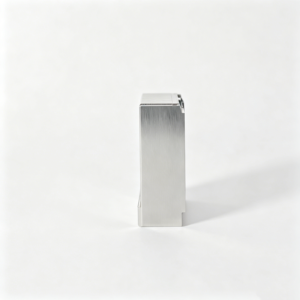
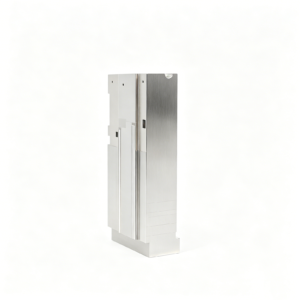
Suku Cadang Perwakilan untuk Jaminan Kualitas Suku Cadang Presisi
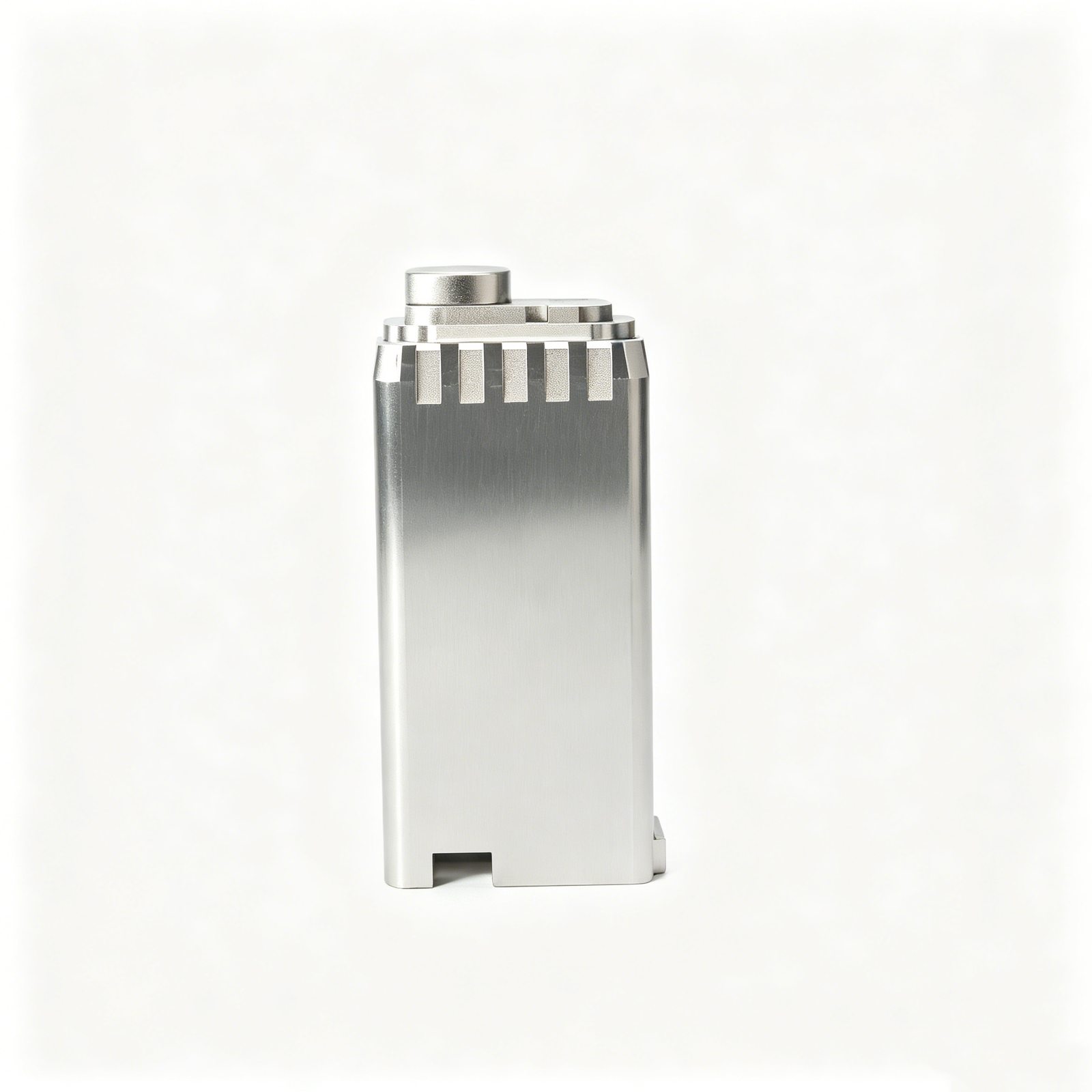
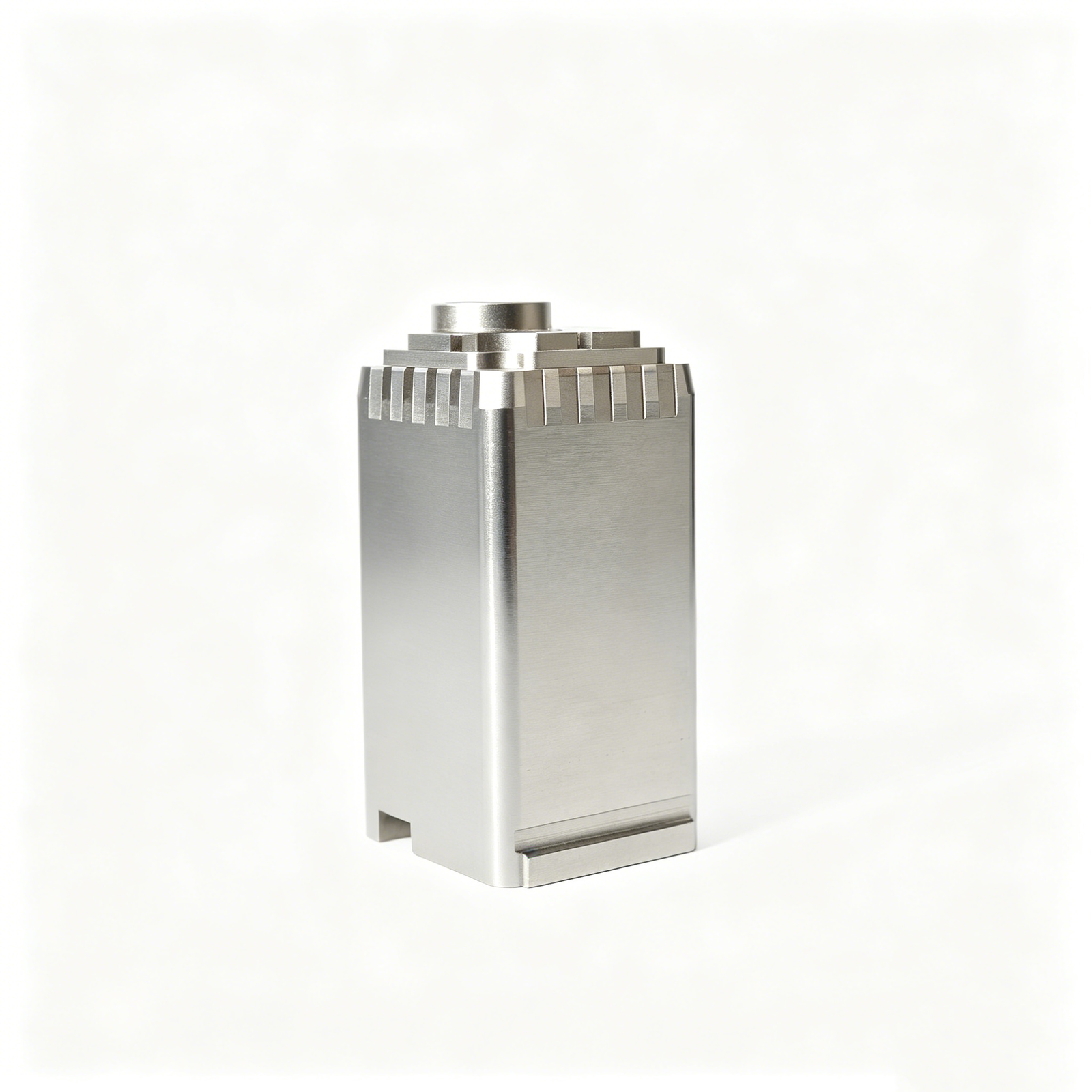
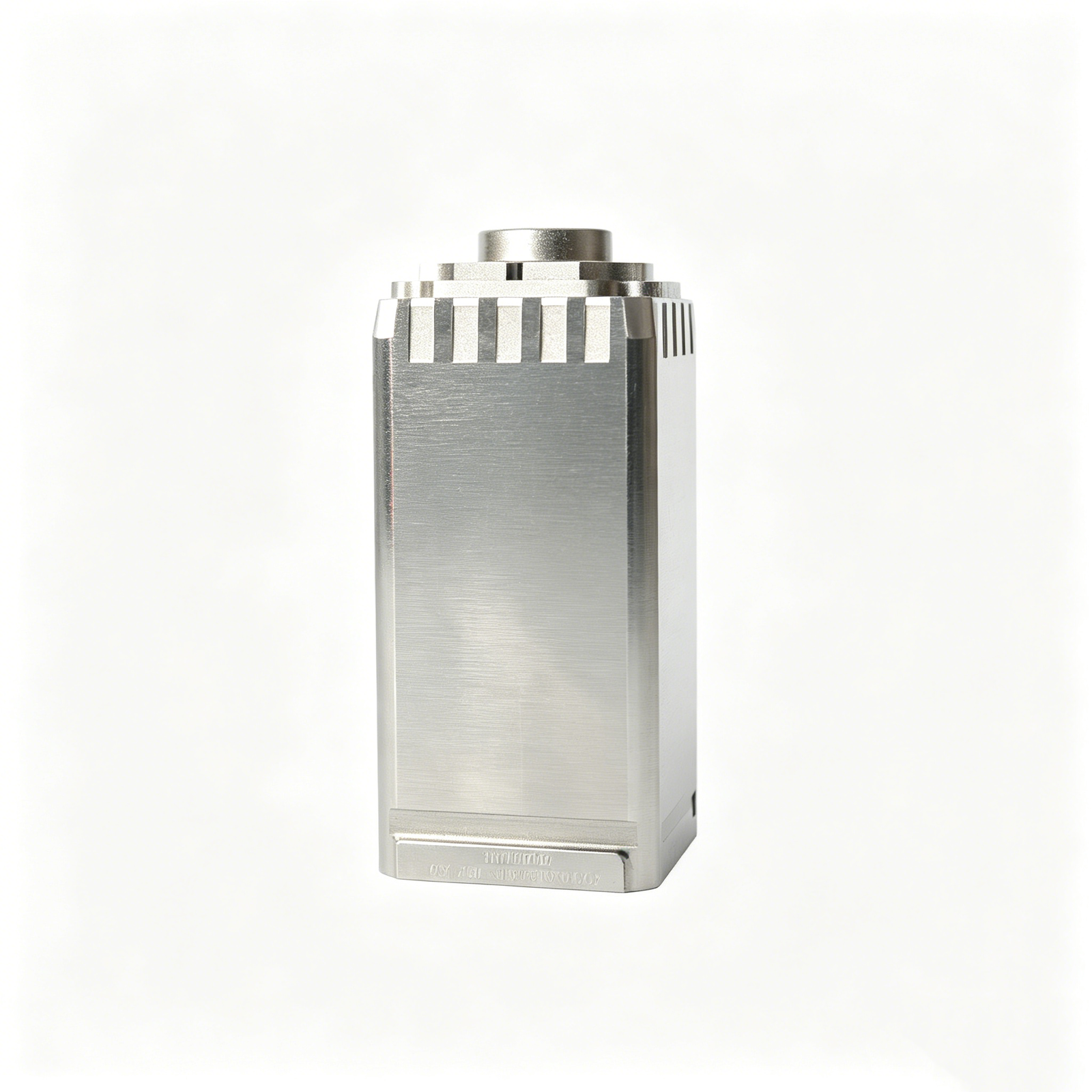
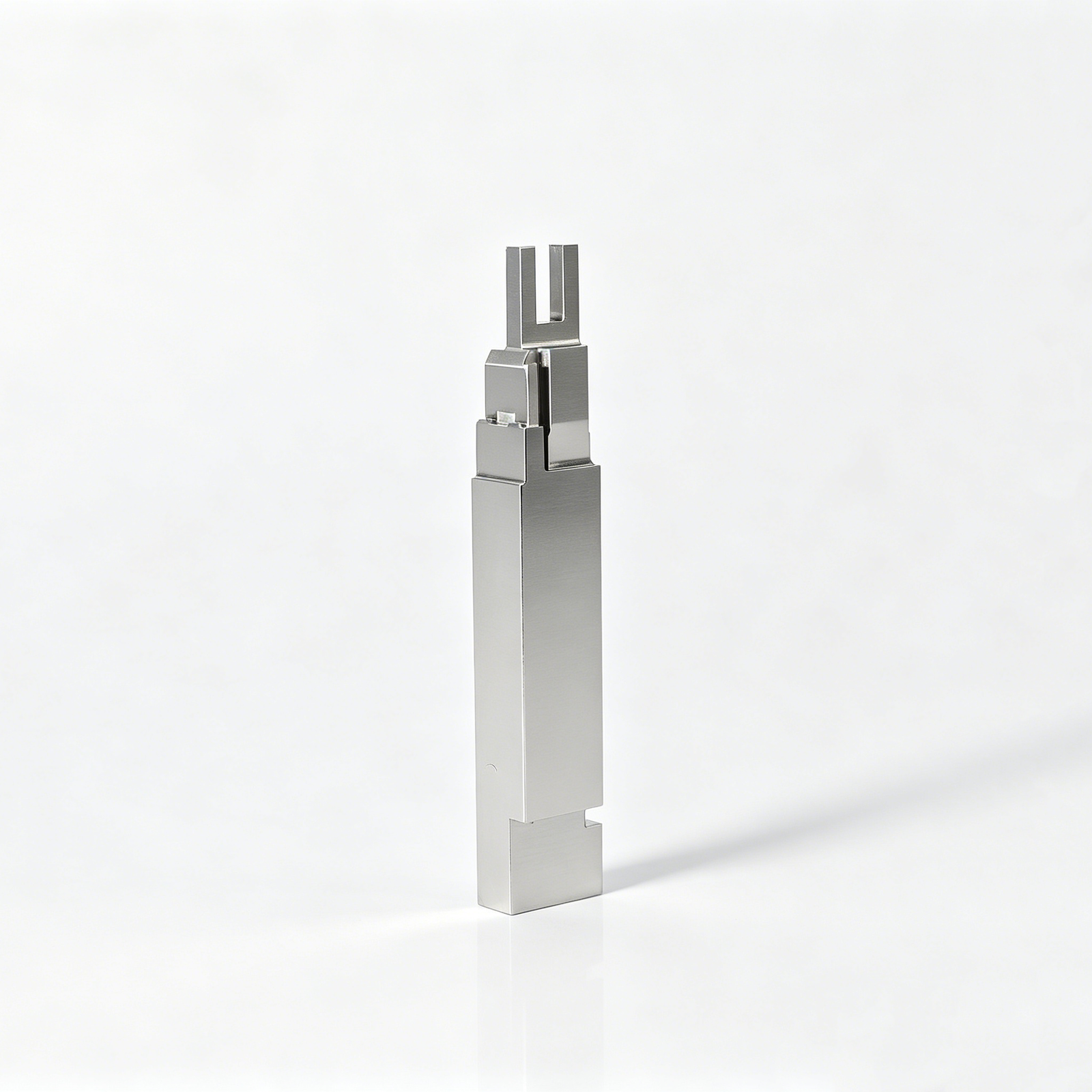
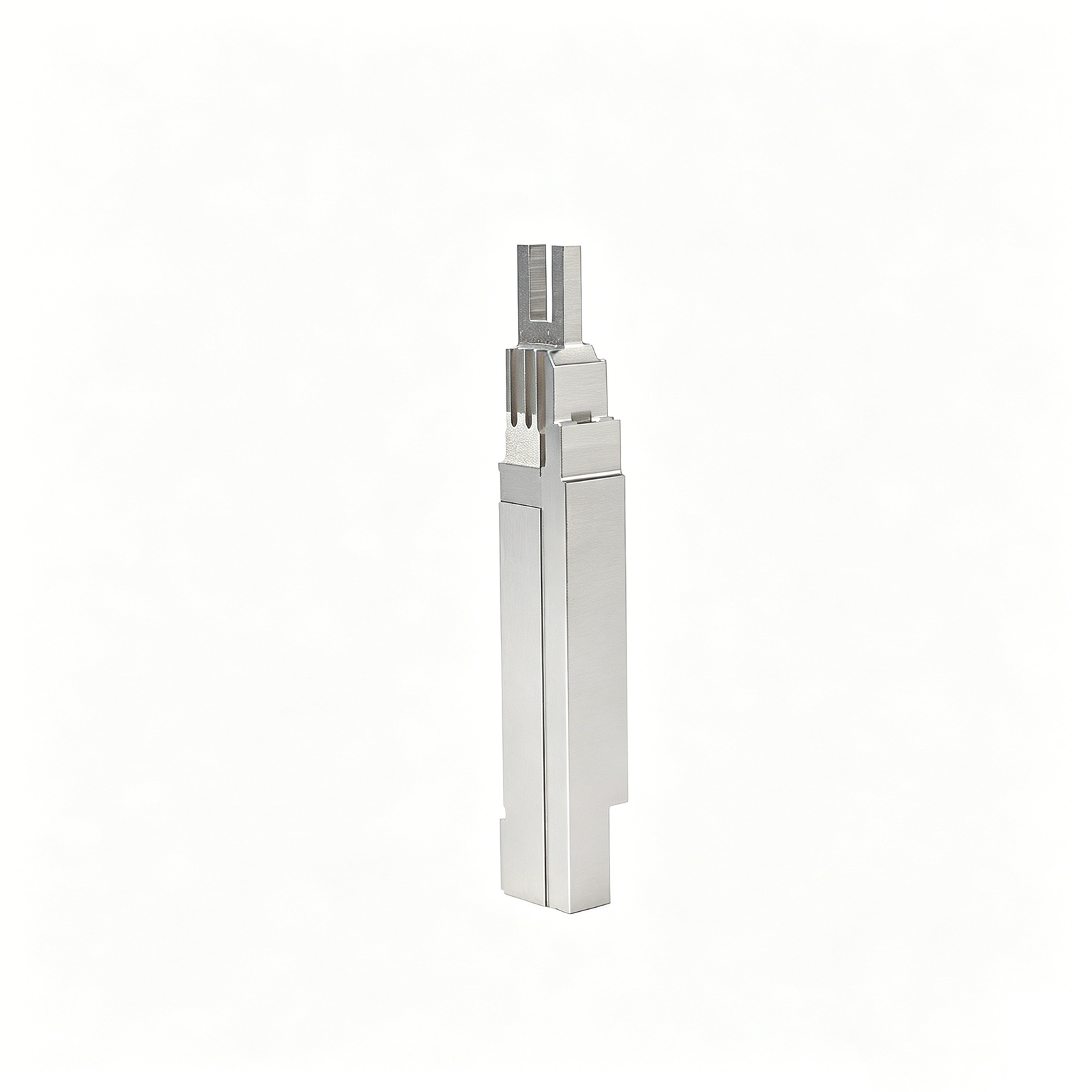

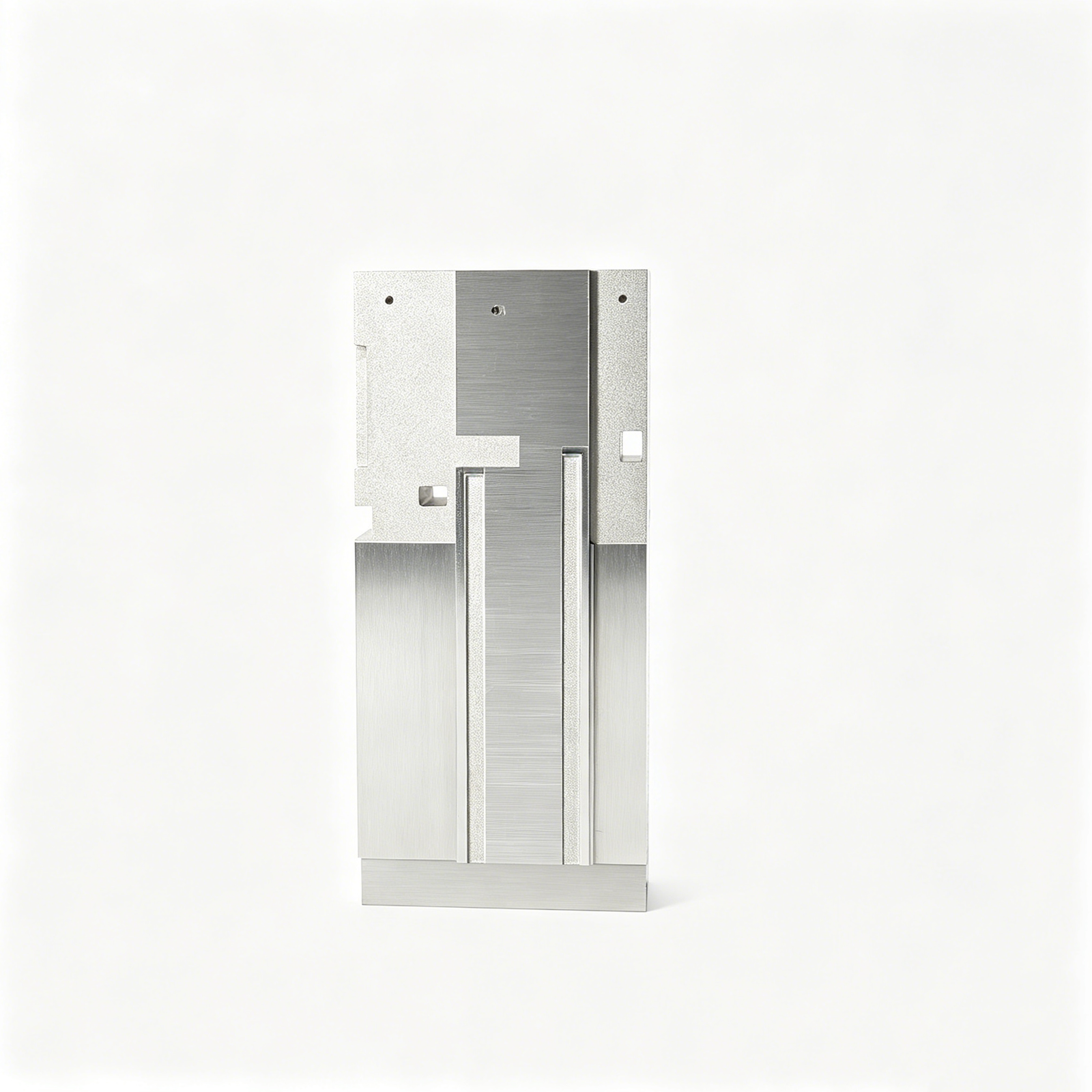
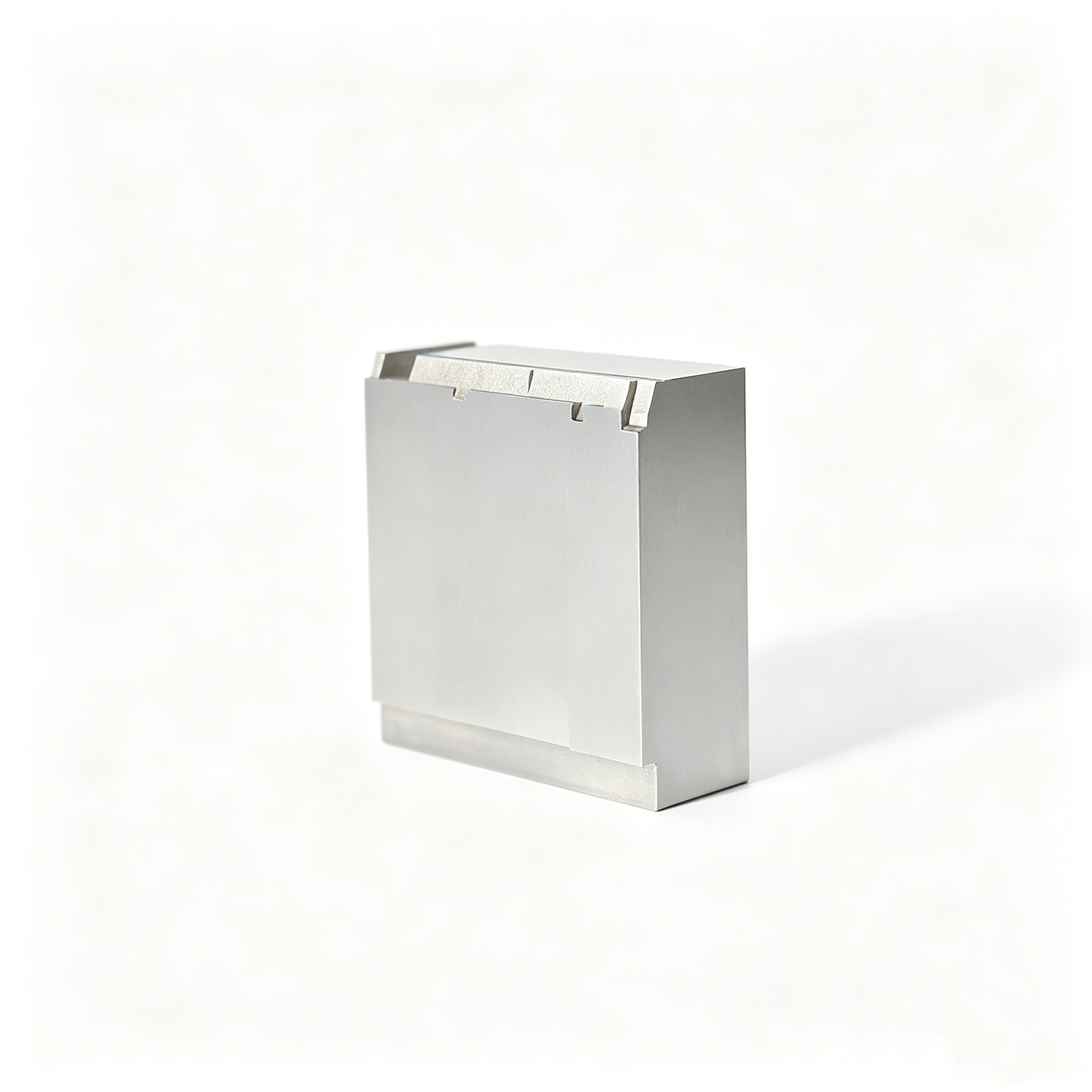
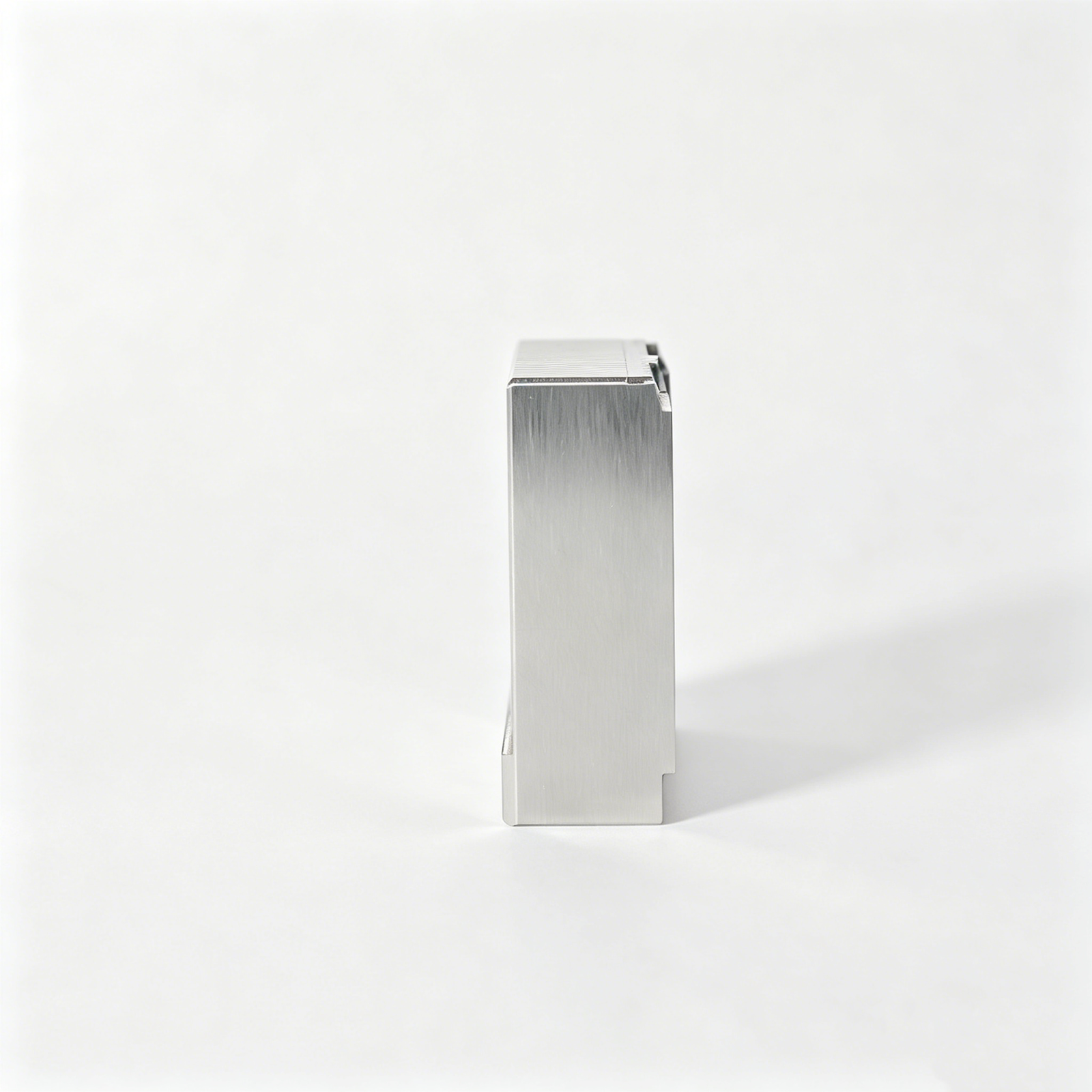
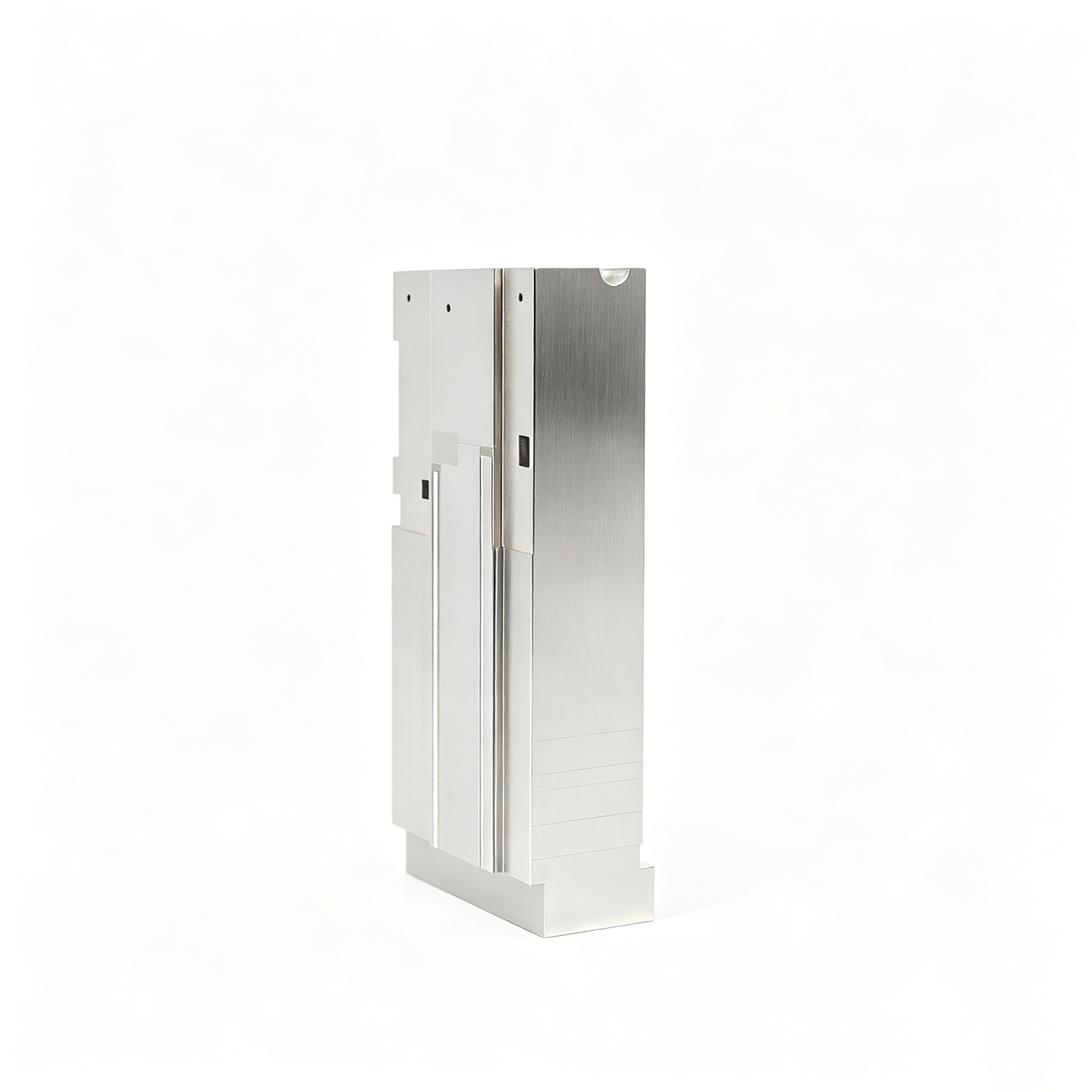
Sample Components for Quality Assurance for Precision Parts
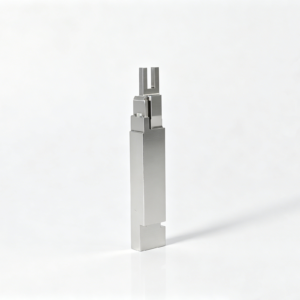
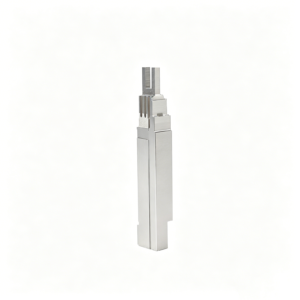
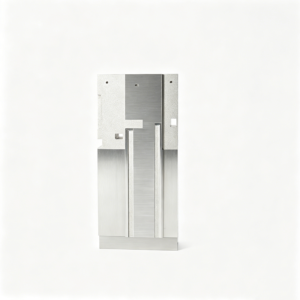
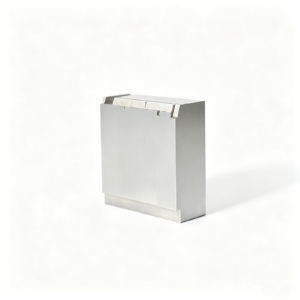
Ten drawing-based component examples; open a part to review its engineering context.

Jaminan Kualitas Suku Cadang Presisi Dibangun di Sekitar CTQ
Setiap persyaratan ditinjau terhadap revisi gambar, strategi datum, rute proses, dan bukti inspeksi praktis sebelum produksi dilanjutkan.
Kontrol Revisi Gambar
Revisi gambar, catatan, dan model terkini diselaraskan sebelum perencanaan, membantu mencegah persyaratan usang masuk ke dalam catatan pemesinan atau inspeksi.
Klasifikasi CTQ
Dimensi, permukaan, dan antarmuka fungsional kritis diidentifikasi lebih awal sehingga rute produksi dan prioritas pelaporan mencerminkan risiko desain aktual.
Metrologi yang Disesuaikan
Jenis fitur, toleransi, simulasi datum, dan ketidakpastian pengukuran memandu metode inspeksi yang dipilih untuk setiap persyaratan kritis yang ditentukan proyek.
Verifikasi dalam Proses
Pemeriksaan direncanakan pada tahap manufaktur yang berarti untuk mendeteksi penyimpangan sebelum pekerjaan pemesinan, EDM, penggilingan, pemasangan, atau penyelesaian selanjutnya.
Catatan Inspeksi Akhir
Hasil akhir didokumentasikan terhadap rencana yang disetujui, dengan laporan dimensi dan catatan material atau perlakuan yang ditentukan proyek tersedia saat dibutuhkan.
Komunikasi yang Dapat Dilacak
Status revisi, temuan inspeksi, dan keputusan ketidaksesuaian tetap terlihat melalui komunikasi proyek yang jelas dan kontrol dokumentasi yang disepakati.
Jalur Terkait untuk Jaminan Kualitas Suku Cadang Presisi
Setiap kategori dimulai dengan revisi gambar, klasifikasi CTQ, dan rencana pengukuran yang disesuaikan dengan fitur, strategi datum, dan catatan yang diperlukan.

Layanan Pemesinan CNC
Pemesinan yang ditentukan gambar untuk suku cadang kustom, dengan perencanaan proses seputar geometri, kondisi material, datum, dan akses inspeksi.
Explore CNCKomponen Cetakan Presisi
Pekerjaan inti, rongga, dan sisipan direncanakan di sekitar fitur pasangan, kondisi material, persyaratan EDM, penggilingan, dan pemasangan.
Explore Mold Parts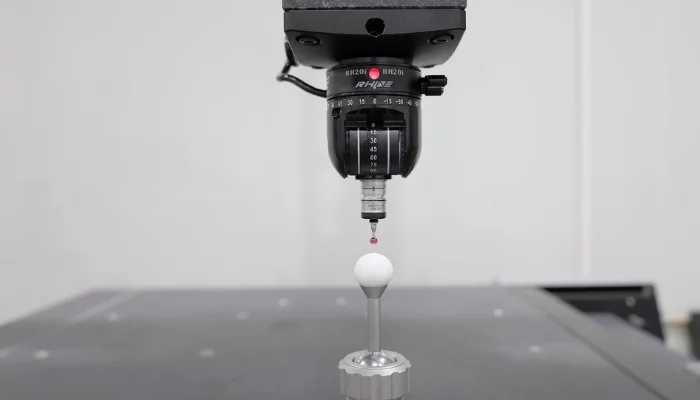
Kualitas dan Dokumentasi
Bahas fitur Kritis untuk Kualitas (CTQ), metode pengukuran, kontrol revisi, dan dokumen rilis yang diperlukan untuk pesanan Anda.
Review QualityMaterial untuk Jaminan Kualitas Komponen Presisi
Baja Perkakas Paduan
Umum digunakan untuk inti, rongga, slide, dan komponen cetakan stamping. Kelonggaran pemesinan, urutan perlakuan panas, target kekerasan, dan stok penggerindaan harus dikonfirmasi dari gambar karena masing-masing memengaruhi verifikasi dimensi dan perencanaan inspeksi akhir.
Grade Baja Tahan Karat
Ditentukan untuk komponen cetakan yang sensitif terhadap korosi, elemen pemandu, dan komponen presisi kustom. Grade, kondisi material, persyaratan permukaan, dan perlakuan panas apa pun harus didefinisikan pada gambar untuk menyelaraskan strategi pemesinan dengan catatan inspeksi yang diperlukan.
Grade Paduan Aluminium
Digunakan untuk prototipe, perlengkapan, elemen perkakas ringan, dan aplikasi komponen terpilih. Penunjukan paduan, temper, hasil akhir permukaan, dan persyaratan ulir kritis memerlukan konfirmasi gambar, karena kemampuan mesin dan pendekatan pengukuran bervariasi berdasarkan kondisi material yang ditentukan.
Grade Paduan Tembaga
Diterapkan di mana kinerja termal atau kelistrikan penting, termasuk perkakas terkait konektor dan sisipan khusus. Konfirmasikan paduan yang ditentukan, kondisi kekerasan, toleransi fitur, dan persyaratan penyelesaian dari gambar sebelum memilih metode pemesinan dan inspeksi.
Grade Karbida Tungsten
Dipilih untuk punch, die yang tahan aus, dan fitur pembentukan beban tinggi. Grade, kandungan pengikat, kelonggaran penggerindaan, kondisi tepi, dan kriteria inspeksi memerlukan tinjauan proyek karena pemesinan dan pengukuran karbida berbeda dari komponen baja konvensional.
Proses Manufaktur untuk Jaminan Kualitas Komponen Presisi
Wire EDM
Wire EDM menghasilkan fitur tembus yang rumit, profil internal yang tajam, dan detail komponen yang dikeraskan di mana akses alat konvensional terbatas. Jalur kawat, lokasi lubang awal, dan hubungan datum direncanakan terhadap persyaratan toleransi dan permukaan.
Sinker EDM
Sinker EDM membentuk rongga dalam, rusuk, dan detail tertutup yang memerlukan pendekatan berbasis elektroda. Strategi elektroda, kelonggaran percikan, dan persyaratan penyelesaian diselaraskan dengan gambar sebelum titik inspeksi ditentukan.
Penggerindaan Presisi
Penggerindaan menyempurnakan kerataan, paralelisme, bentuk silindris, dan fitur ukuran yang presisi setelah pemesinan atau perlakuan panas. Stok penggerindaan, simulasi datum, dan ketidakpastian pengukuran memerlukan perhatian ketika toleransi menyisakan sedikit ruang untuk pengerjaan ulang.
Perakitan Fitting
Fitting memverifikasi hubungan fungsional antara inti, sisipan, slide, elemen pemandu, dan fitur yang saling cocok. Pekerjaan tangan terkontrol hanya digunakan di mana kecocokan yang ditentukan, pola kontak, atau persyaratan gerakan memerlukannya, dengan visibilitas revisi tetap terjaga.
Integrasi Inspeksi
Pemeriksaan dalam proses dan inspeksi akhir disesuaikan dengan setiap CTQ dan metode pengukuran praktis. Laporan dimensi, FAI, catatan material atau perlakuan panas, dan penanganan ketidaksesuaian dapat ditentukan bersama RFQ.
Jaminan Kualitas Komponen Presisi: Identifikasi dan Opsi Penanganan
Penandaan Komponen dengan Ukiran
Penandaan laser atau mekanis yang ditentukan proyek dapat mengidentifikasi nomor komponen, revisi, posisi rongga, atau referensi lot di mana lokasi, keterbacaan, dan dampak permukaan telah ditinjau terhadap persyaratan fungsional dan kosmetik.
Pengemasan Pelindung
Pembungkusan individu, pemisah, baki, pencegah karat, atau tata letak kemasan khusus membantu melindungi tepi presisi, permukaan yang digerinda, dan fitur sambungan selama transit. Detail pengemasan harus mencerminkan kondisi material, hasil akhir permukaan, risiko penanganan, dan metode pengiriman.
Perangkat Keras Perakitan
Pengencang, pin dowel, pegas, penahan, atau perangkat keras terkait yang ditentukan dapat dipasok bersama set komponen ketika identifikasi komponen, kuantitas, persyaratan material, dan hubungan perakitan jelas didefinisikan dalam RFQ.
Label Ketertelusuran
Label dapat berisi pengenal yang ditentukan proyek seperti referensi pesanan, revisi gambar, nomor komponen, kuantitas, dan status inspeksi. Sepakati konten dan penempatan label sejak dini agar catatan tetap selaras dengan komponen yang dikirimkan.
Fitur Penanganan
Tab sementara, penutup pelindung, penyediaan pengangkatan, tanda orientasi, atau antarmuka perlengkapan dapat dipertimbangkan ketika mendukung pemrosesan, inspeksi, perakitan, atau pengiriman yang aman tanpa mengkompromikan dimensi kritis atau permukaan fungsional.
Tentang Manufaktur Presisi SUUXIANG
SUUXIANG adalah merek publik dari Dongguan SuuXiang Precision Mold Co., Ltd., yang didirikan pada tahun 2010 di Chang’an, Dongguan. XiaoCheng Huang adalah pendiri dan perwakilan hukum. Perusahaan bekerja sama dengan tim teknik, perkakas, pengadaan, dan kualitas pada komponen presisi yang ditentukan gambar.
Pekerjaan ini menggabungkan pemesinan CNC dengan komponen cetakan presisi, perkakas konektor, EDM, penggilingan, pemasangan, dan perencanaan inspeksi. Rute proses dipilih berdasarkan geometri aktual, kondisi material, skema datum, fitur kritis, dan dokumen yang disyaratkan oleh pesanan.
Pengunjung harus menggunakan foto komponen representatif untuk memahami keluarga komponen, bukan untuk menyimpulkan tingkat, toleransi, atau hasil pengukuran yang tepat. Untuk diskusi teknis, siapkan gambar dan model saat ini, kuantitas, material, hasil akhir, CTQ, cakupan inspeksi, dan tanggal target.
Jaminan Kualitas Komponen Presisi Dimulai Sebelum Pemesinan
Tinjauan Gambar dan DFM
Setiap proyek dimulai dengan revisi gambar saat ini, model, material, kuantitas, dan konteks aplikasi. SUUXIANG mengidentifikasi CTQ, rute pemesinan yang dapat diakses, persyaratan permukaan, dan risiko proses sebelum perencanaan produksi sehingga persyaratan inspeksi praktis, terlihat, dan terkait dengan pesanan.
- Konfirmasikan revisi gambar dan spesifikasi yang berlaku
- Klasifikasikan dimensi kritis, permukaan, dan antarmuka fungsional
- Tinjau akses perkakas, kebutuhan EDM, dan kelonggaran penggilingan
- Tentukan catatan inspeksi spesifik proyek sebelum rilis
Strategi Datum dan Toleransi
Hasil toleransi ketat bergantung pada bagaimana suatu fitur ditempatkan dan diukur, bukan hanya pada nilai yang dilaporkan. Rencana inspeksi mempertimbangkan datum gambar, kondisi sambungan, efek tumpukan toleransi, dan ketidakpastian pengukuran sehingga metode yang dipilih mencerminkan hubungan fungsional yang dimaksud.
- Interpretasikan referensi datum primer, sekunder, dan tersier
- Jadwal simulasi data untuk evaluasi fitur fungsional
- Cocokkan geometri fitur dengan metode pengukuran yang sesuai
- Tandai isu toleransi-tumpuk atau isu akses untuk didiskusikan
Verifikasi dalam Proses
Pemeriksaan dalam proses memfokuskan perhatian pada bagian di mana variasi proses dapat memengaruhi fitur kritis. Pengukuran dijadwalkan di sekitar tahapan pemesinan, EDM, penggilingan, pemasangan, urutan perlakuan panas, atau tahapan lain yang ditentukan proyek, memungkinkan temuan ditinjau sebelum kondisi yang tidak sesuai masuk ke operasi selanjutnya.
- Periksa CTQ pada tahapan manufaktur yang relevan
- Tinjau ulang dimensi setelah operasi yang mengubah proses
- Jaga agar informasi revisi dan inspeksi tetap selaras
- Eskalasi ketidaksesuaian untuk disposisi dan tindakan korektif
Catatan Akhir Sesuai Persyaratan
Dokumentasi inspeksi akhir diselaraskan dengan gambar yang disetujui dan rencana inspeksi daripada dirakit sebagai paket generik. Jika diminta dan berlaku, SUUXIANG dapat mendefinisikan laporan dimensi, bukti FAI, catatan material, catatan perlakuan panas, dan sertifikat sebagai hasil pengiriman yang spesifik untuk proyek.
- Verifikasi hasil akhir terhadap CTQ dan revisi yang disetujui
- Tentukan ekspektasi laporan dimensi dan FAI dalam RFQ
- Minta catatan material atau perlakuan panas jika diperlukan
- Selaraskan cakupan dokumentasi dengan persyaratan pesanan pembelian
Jaminan Kualitas untuk Komponen Presisi Daftar Periksa Keputusan RFQ
Bandingkan penawaran berdasarkan revisi gambar yang sama dan cakupan teknis yang dinyatakan, bukan berdasarkan harga satuan yang tidak berkualitas.
← Swipe left or right to view →
Jaminan Kualitas Komponen Presisi dari Gambar hingga Pengiriman
Alur kerja terkontrol yang menghubungkan revisi gambar, CTQ, pemeriksaan manufaktur, dan catatan akhir dengan persyaratan yang disepakati untuk setiap pesanan.
Tinjau Gambar dan Persyaratan
Kami meninjau revisi gambar, model, material, kuantitas, datum, CTQ, persyaratan permukaan, target pengiriman, dan dokumentasi inspeksi yang ditentukan proyek sebelum penawaran.
Rencanakan Metode dan Catatan
Setiap fitur penting dicocokkan dengan metode pengukuran praktis, pendekatan simulasi datum, pemeriksaan dalam proses, dan catatan inspeksi akhir.
Sumber Material dan Persiapan
Persyaratan material dan perlakuan panas dikonfirmasi terhadap pesanan, sementara akses pemesinan, strategi EDM, stok gerinda, dan urutan direncanakan.
Mesin dan Periksa Dalam Proses
CNC, EDM, gerinda, dan pemasangan dilanjutkan dengan pemeriksaan yang berfokus pada CTQ, kondisi yang berubah, dan instruksi manufaktur yang dikontrol revisi.
Inspeksi dan Selesaikan Temuan
Inspeksi akhir mengikuti rencana yang disetujui; temuan yang tidak sesuai dikelola, ditinjau, dan dikomunikasikan sebelum keputusan rilis dibuat.
Kemas dan Koordinasikan Pengiriman
Komponen yang diterima diidentifikasi, dilindungi, dan dikemas untuk pengiriman, dengan laporan dimensi, FAI, atau catatan yang ditentukan proyek disiapkan sesuai kebutuhan.
Mulai Jaminan Kualitas Komponen Presisi dengan RFQ Anda
Provide the drawing, CTQs, and documentation needs early so the proposed process and inspection records can be aligned before production.
Unggah Gambar dan Model
Kirim gambar 2D saat ini dan model 3D yang tersedia, sertakan status revisi, jumlah komponen, aplikasi, dan konteks komponen pasangan apa pun yang memengaruhi kemampuan manufaktur.
Tentukan CTQ dan Persyaratan
Tentukan material, perlakuan panas, dimensi kritis, datum, prioritas permukaan, tanggal pengiriman target, dan bukti inspeksi yang diperlukan untuk perencanaan pengukuran praktis.
Tinjau Proses dan Sampling
Tinjau kutipan, rute manufaktur yang diusulkan, pendekatan inspeksi, dan persyaratan sampling, FAI, laporan dimensi, atau dokumentasi apa pun sebelum rilis.
Setujui Produksi Terkendali
Konfirmasikan revisi gambar dan persyaratan yang disepakati. Produksi mengikuti rute proses yang ditentukan dengan pemeriksaan dalam proses dan penanganan ketidaksesuaian yang terlihat.
Terima Catatan yang Ditentukan Proyek
Terima komponen dengan catatan yang selaras dengan rencana inspeksi yang disepakati, seperti laporan dimensi, catatan material, catatan perlakuan panas, atau sertifikat bila ditentukan.
Dokumentasi Proyek yang Perlu Ditentukan Sebelum Produksi
Pertanyaan yang Harus Diajukan Pembeli Saat Tinjauan Teknis
Revisi gambar dan skema datum mana yang akan berlaku untuk komponen, dan bagaimana penyimpangan yang diusulkan akan disetujui?
Fitur apa yang krusial untuk fungsi, dan metode pengukuran apa yang akan membuktikan kesesuaiannya?
Apakah penawaran mencakup kondisi material, proses sekunder, dokumen inspeksi, dan asumsi pengemasan?
FAQ Jaminan Kualitas Komponen Presisi
Practical answers for drawing-based programs, from sampling and reports to revision control and delivery coordination.
Apa saja yang termasuk dalam jaminan kualitas komponen presisi untuk pesanan kustom?
Berapa jumlah pesanan minimum untuk jaminan kualitas komponen presisi?
Bisakah saya meminta sampel atau laporan inspeksi artikel pertama?
Bagaimana Anda menangani ketidakpastian pengukuran pada fitur toleransi ketat?
Laporan dan catatan inspeksi apa saja yang dapat diminta?
Bagaimana revisi gambar dan perubahan teknik dikendalikan?
Berapa lama waktu yang dibutuhkan untuk pesanan komponen presisi yang berfokus pada kualitas?
Informasi pembayaran, pengiriman, dan IP apa yang harus saya berikan dengan RFQ?
Panduan Perencanaan Kualitas Suku Cadang Presisi
Kerangka kerja pengambilan keputusan praktis untuk komponen presisi yang dikontrol gambar, mulai dari tinjauan gambar pertama hingga penerimaan yang terdokumentasi.
1. Mulai dengan kriteria penerimaan
Translate the drawing into acceptance criteria before selecting gauges. A generic statement of high precision does not define an acceptable part. When specifying a drawing-controlled precision component, this decision should be recorded against the latest controlled drawing. Note the quantity, production stage and functional interface so the discussion remains about the actual component rather than a visually similar example. A photograph can identify a part family, but it cannot establish material, tolerance or inspection results.nnFor this stage, focus on revision, CTQ features, datums, measurement capability and agreed release records. Ask how the proposed process will preserve datum relationships and how the completed feature can be measured. If a tolerance, finish, hardness or document is essential, include its acceptance method in the RFQ rather than leaving it to interpretation.nnBefore approving production, record the drawing revision, any clarification or agreed deviation, and the documents expected with the order. Compare quotations by the same technical scope: material condition, operations, sampling, inspection, finishing, packing and delivery assumptions. If an item is not yet verified, treat it as an open engineering question. A clear decision record makes a prototype review and a later repeat order easier to reconcile without silently changing the specification.
2. Tandai fitur yang penting bagi kualitas (CTQ)
Mark CTQs connected to fit, sealing, motion or electrical spacing and agree which require full inspection versus a sampling plan. When specifying a drawing-controlled precision component, this decision should be recorded against the latest controlled drawing. Note the quantity, production stage and functional interface so the discussion remains about the actual component rather than a visually similar example. A photograph can identify a part family, but it cannot establish material, tolerance or inspection results.nnFor this stage, focus on revision, CTQ features, datums, measurement capability and agreed release records. Ask how the proposed process will preserve datum relationships and how the completed feature can be measured. If a tolerance, finish, hardness or document is essential, include its acceptance method in the RFQ rather than leaving it to interpretation.nnBefore approving production, record the drawing revision, any clarification or agreed deviation, and the documents expected with the order. Compare quotations by the same technical scope: material condition, operations, sampling, inspection, finishing, packing and delivery assumptions. If an item is not yet verified, treat it as an open engineering question. A clear decision record makes a prototype review and a later repeat order easier to reconcile without silently changing the specification.
3. Pilih metode pengukuran yang sesuai
Choose CMM, optical, profile, surface or manual measurement based on feature size, access, material state and uncertainty. When specifying a drawing-controlled precision component, this decision should be recorded against the latest controlled drawing. Note the quantity, production stage and functional interface so the discussion remains about the actual component rather than a visually similar example. A photograph can identify a part family, but it cannot establish material, tolerance or inspection results.nnFor this stage, focus on revision, CTQ features, datums, measurement capability and agreed release records. Ask how the proposed process will preserve datum relationships and how the completed feature can be measured. If a tolerance, finish, hardness or document is essential, include its acceptance method in the RFQ rather than leaving it to interpretation.nnBefore approving production, record the drawing revision, any clarification or agreed deviation, and the documents expected with the order. Compare quotations by the same technical scope: material condition, operations, sampling, inspection, finishing, packing and delivery assumptions. If an item is not yet verified, treat it as an open engineering question. A clear decision record makes a prototype review and a later repeat order easier to reconcile without silently changing the specification.
4. Kendalikan pemeriksaan dalam proses
Place in-process checks after high-risk operations such as roughing, heat treatment, EDM or grinding instead of waiting until final inspection. When specifying a drawing-controlled precision component, this decision should be recorded against the latest controlled drawing. Note the quantity, production stage and functional interface so the discussion remains about the actual component rather than a visually similar example. A photograph can identify a part family, but it cannot establish material, tolerance or inspection results.nnFor this stage, focus on revision, CTQ features, datums, measurement capability and agreed release records. Ask how the proposed process will preserve datum relationships and how the completed feature can be measured. If a tolerance, finish, hardness or document is essential, include its acceptance method in the RFQ rather than leaving it to interpretation.nnBefore approving production, record the drawing revision, any clarification or agreed deviation, and the documents expected with the order. Compare quotations by the same technical scope: material condition, operations, sampling, inspection, finishing, packing and delivery assumptions. If an item is not yet verified, treat it as an open engineering question. A clear decision record makes a prototype review and a later repeat order easier to reconcile without silently changing the specification.
5. Tinjau catatan material dan perlakuan
Specify whether material, heat-treatment or coating records are required and tie each document to the correct order and batch. When specifying a drawing-controlled precision component, this decision should be recorded against the latest controlled drawing. Note the quantity, production stage and functional interface so the discussion remains about the actual component rather than a visually similar example. A photograph can identify a part family, but it cannot establish material, tolerance or inspection results.nnFor this stage, focus on revision, CTQ features, datums, measurement capability and agreed release records. Ask how the proposed process will preserve datum relationships and how the completed feature can be measured. If a tolerance, finish, hardness or document is essential, include its acceptance method in the RFQ rather than leaving it to interpretation.nnBefore approving production, record the drawing revision, any clarification or agreed deviation, and the documents expected with the order. Compare quotations by the same technical scope: material condition, operations, sampling, inspection, finishing, packing and delivery assumptions. If an item is not yet verified, treat it as an open engineering question. A clear decision record makes a prototype review and a later repeat order easier to reconcile without silently changing the specification.
6. Rencanakan bukti artikel pertama (First Article Inspection)
Define when a first article is required, which dimensions it covers, who approves it and how any correction changes the production baseline. When specifying a drawing-controlled precision component, this decision should be recorded against the latest controlled drawing. Note the quantity, production stage and functional interface so the discussion remains about the actual component rather than a visually similar example. A photograph can identify a part family, but it cannot establish material, tolerance or inspection results.nnFor this stage, focus on revision, CTQ features, datums, measurement capability and agreed release records. Ask how the proposed process will preserve datum relationships and how the completed feature can be measured. If a tolerance, finish, hardness or document is essential, include its acceptance method in the RFQ rather than leaving it to interpretation.nnBefore approving production, record the drawing revision, any clarification or agreed deviation, and the documents expected with the order. Compare quotations by the same technical scope: material condition, operations, sampling, inspection, finishing, packing and delivery assumptions. If an item is not yet verified, treat it as an open engineering question. A clear decision record makes a prototype review and a later repeat order easier to reconcile without silently changing the specification.
7. Tangani revisi atau penyimpangan
A deviation needs written identification, impact review and approval before it becomes part of the accepted revision; silent substitution breaks traceability. When specifying a drawing-controlled precision component, this decision should be recorded against the latest controlled drawing. Note the quantity, production stage and functional interface so the discussion remains about the actual component rather than a visually similar example. A photograph can identify a part family, but it cannot establish material, tolerance or inspection results.nnFor this stage, focus on revision, CTQ features, datums, measurement capability and agreed release records. Ask how the proposed process will preserve datum relationships and how the completed feature can be measured. If a tolerance, finish, hardness or document is essential, include its acceptance method in the RFQ rather than leaving it to interpretation.nnBefore approving production, record the drawing revision, any clarification or agreed deviation, and the documents expected with the order. Compare quotations by the same technical scope: material condition, operations, sampling, inspection, finishing, packing and delivery assumptions. If an item is not yet verified, treat it as an open engineering question. A clear decision record makes a prototype review and a later repeat order easier to reconcile without silently changing the specification.
8. Definisikan dokumentasi rilis akhir
Final release should reconcile drawing revision, quantity, identification, inspection results and agreed documents with the packing list. When specifying a drawing-controlled precision component, this decision should be recorded against the latest controlled drawing. Note the quantity, production stage and functional interface so the discussion remains about the actual component rather than a visually similar example. A photograph can identify a part family, but it cannot establish material, tolerance or inspection results.nnFor this stage, focus on revision, CTQ features, datums, measurement capability and agreed release records. Ask how the proposed process will preserve datum relationships and how the completed feature can be measured. If a tolerance, finish, hardness or document is essential, include its acceptance method in the RFQ rather than leaving it to interpretation.nnBefore approving production, record the drawing revision, any clarification or agreed deviation, and the documents expected with the order. Compare quotations by the same technical scope: material condition, operations, sampling, inspection, finishing, packing and delivery assumptions. If an item is not yet verified, treat it as an open engineering question. A clear decision record makes a prototype review and a later repeat order easier to reconcile without silently changing the specification.
Tinjau Suku Cadang dan Siapkan Paket Gambar Anda
Bandingkan komponen representatif, lalu kumpulkan revisi gambar terkini, material, kuantitas, CTQ, finishing, cakupan inspeksi, dan tanggal target untuk diskusi proyek.