
Precision Manufacturing Company Built Around Your Drawing
SUUXIANG is a precision manufacturing company for CNC parts, mold components, and connector tooling—planned, inspected, and communicated from drawing review onward.
Representative Parts for About SUUXIANG
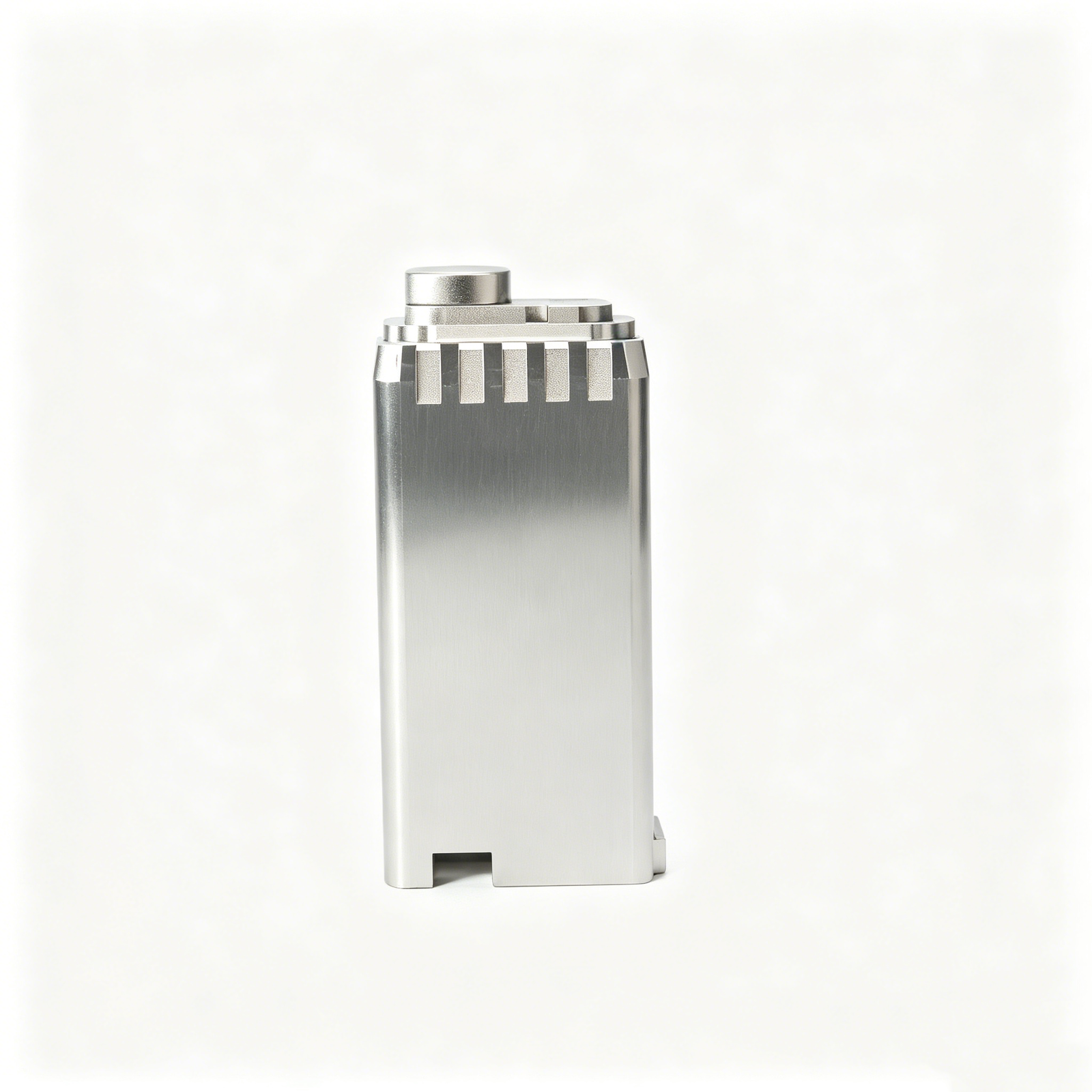
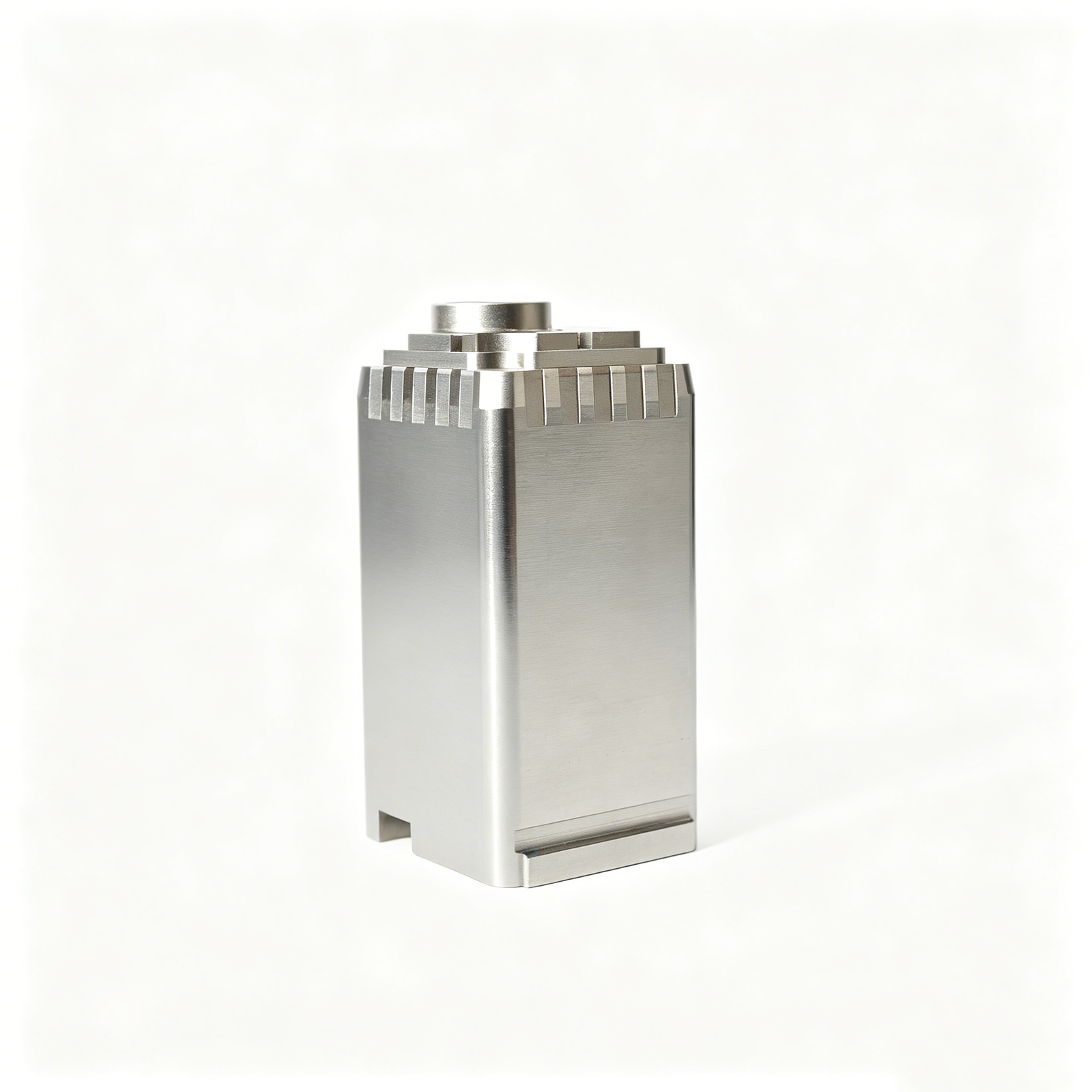
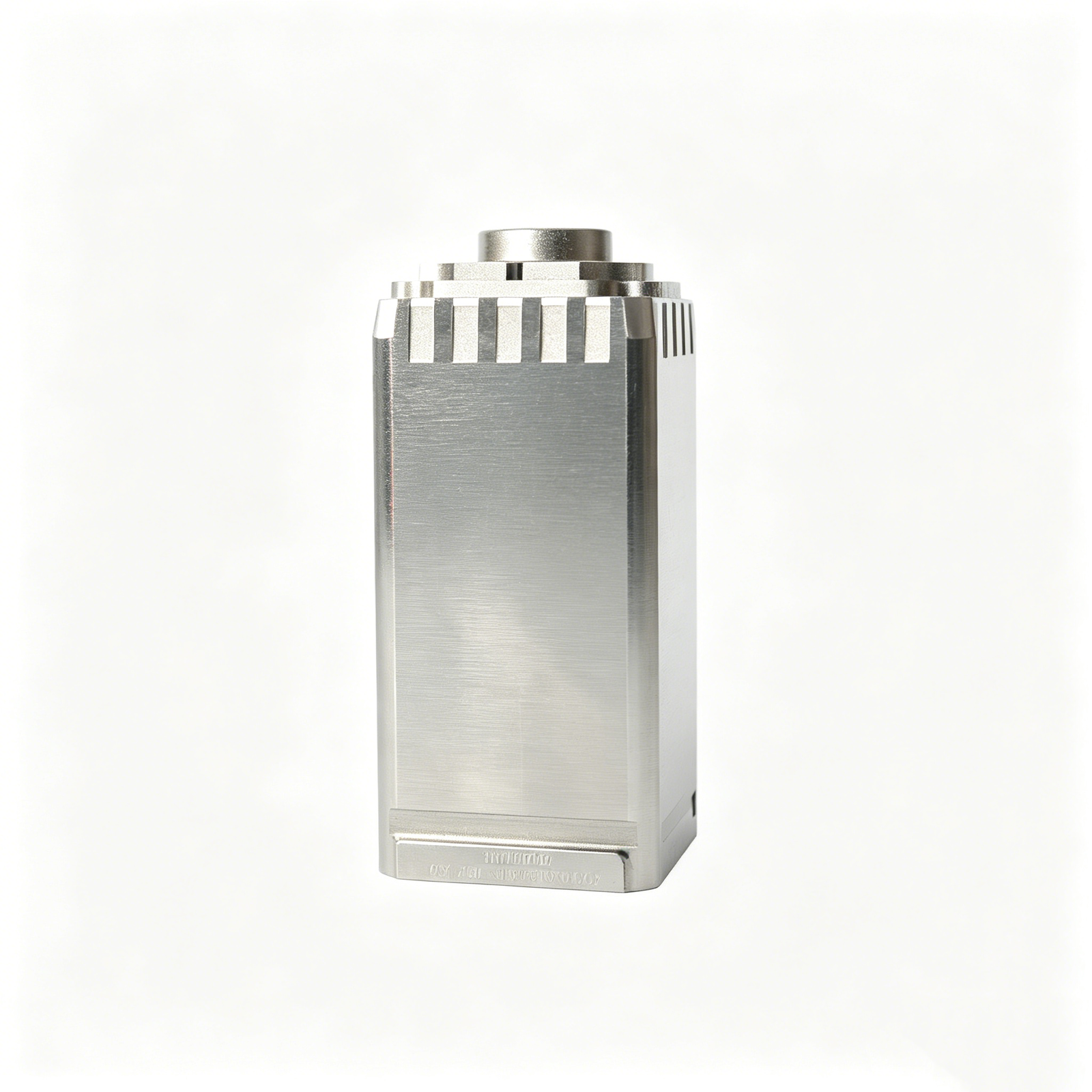
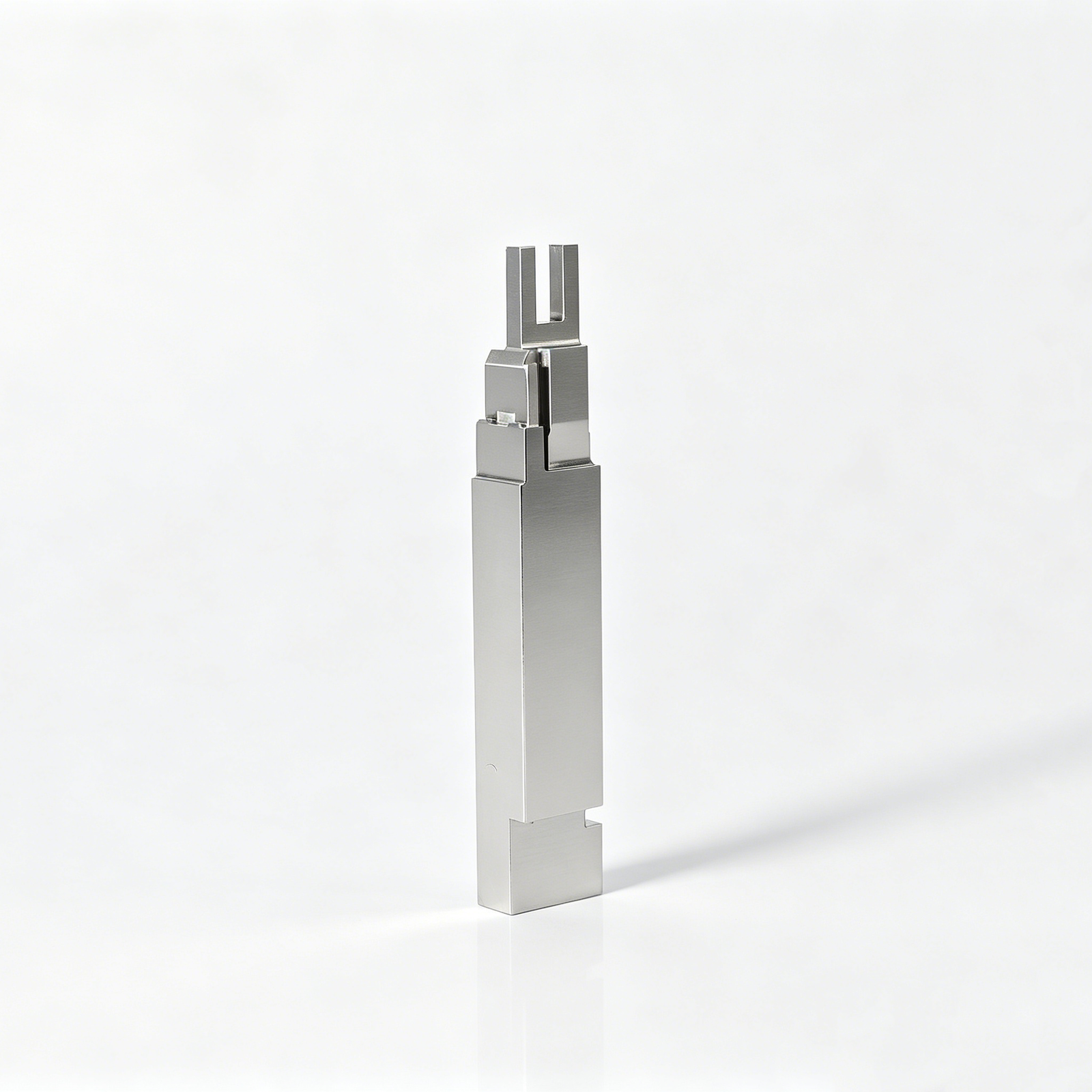
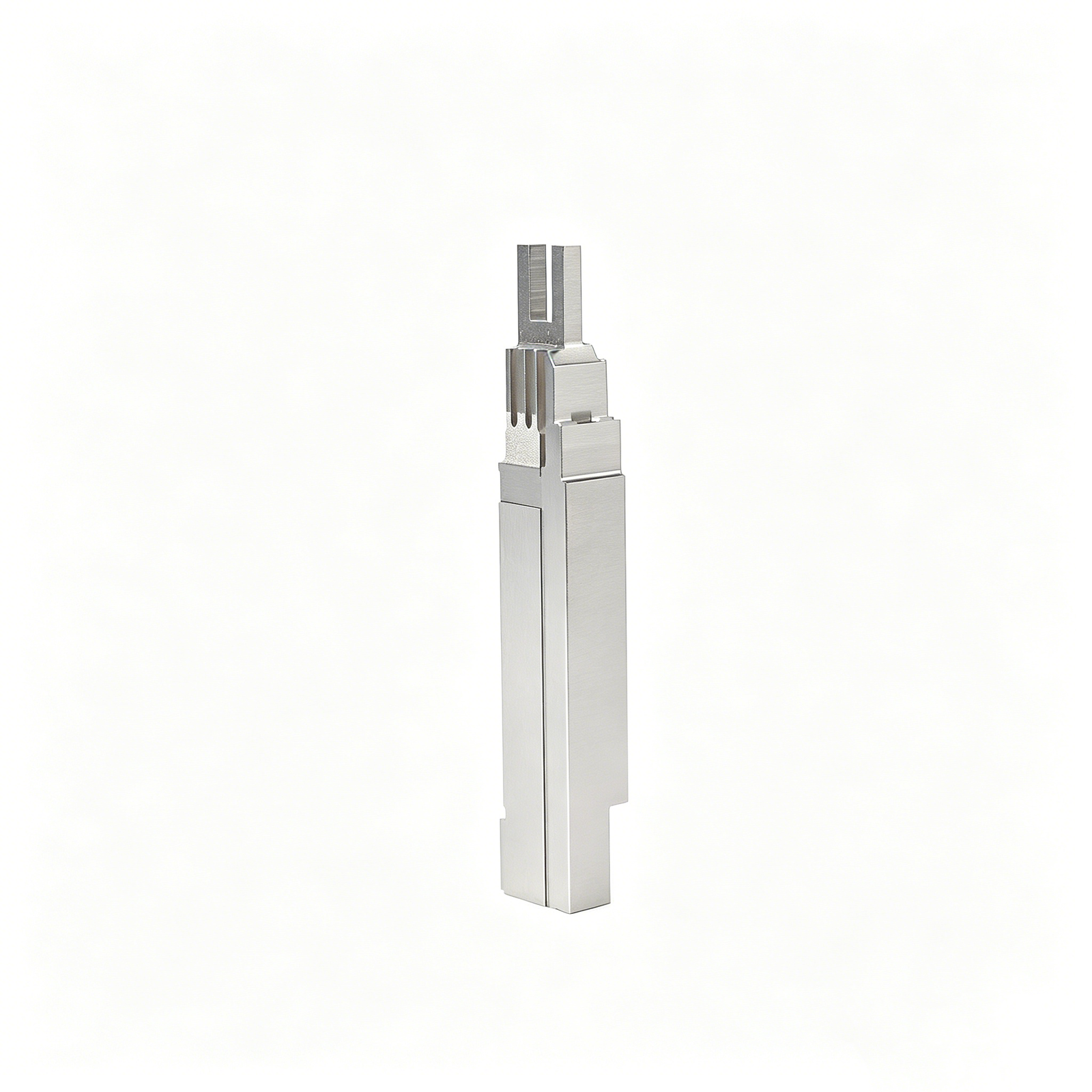
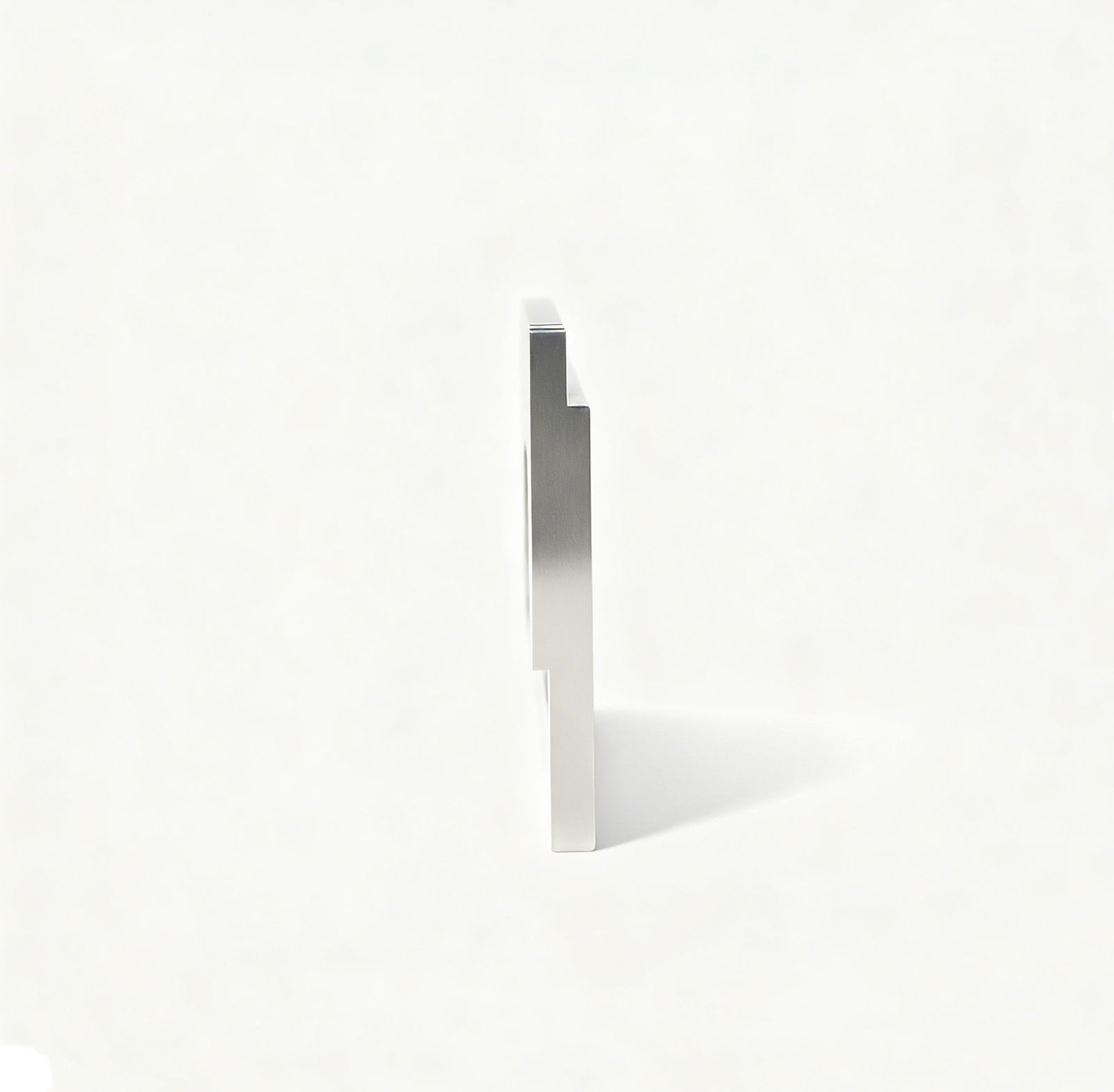
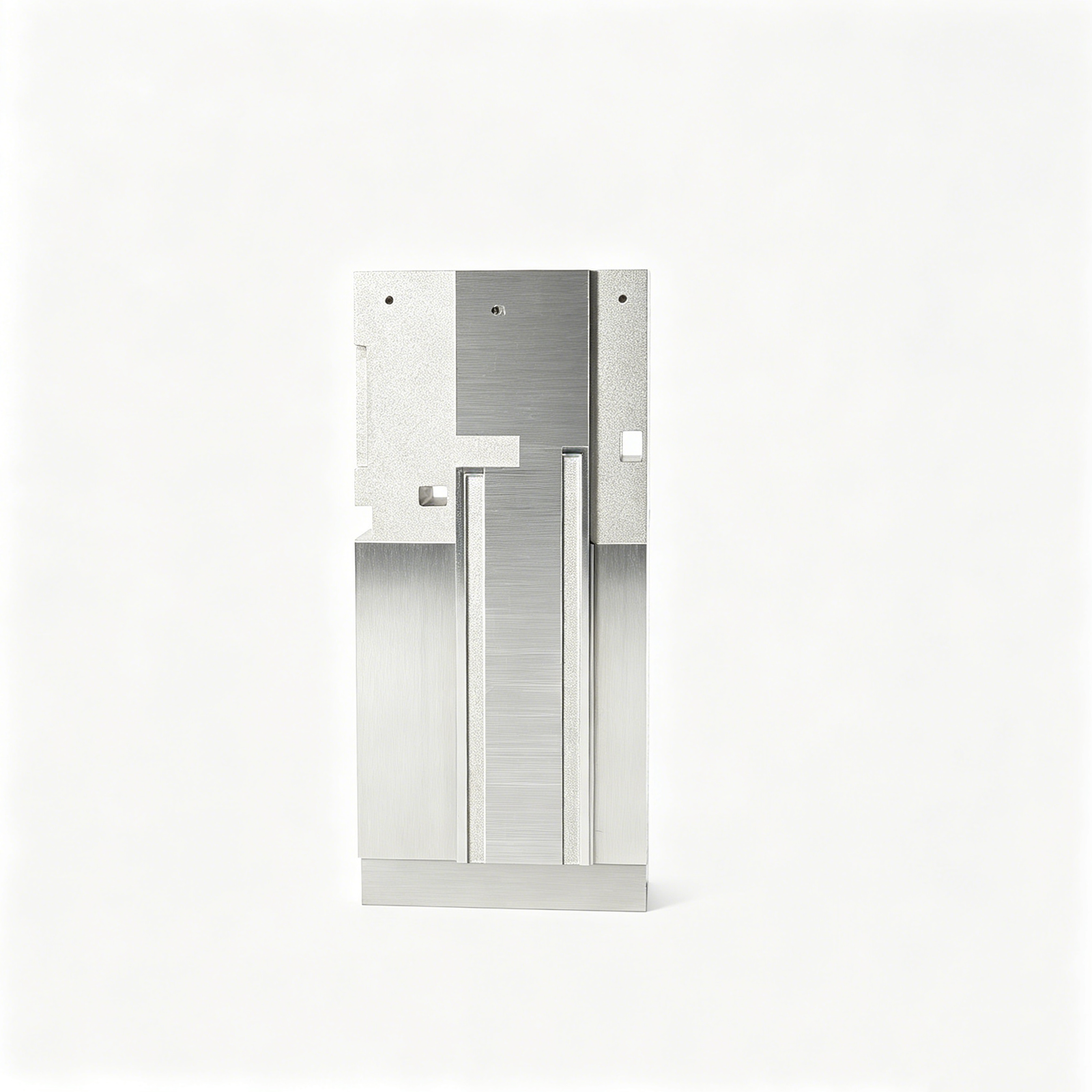
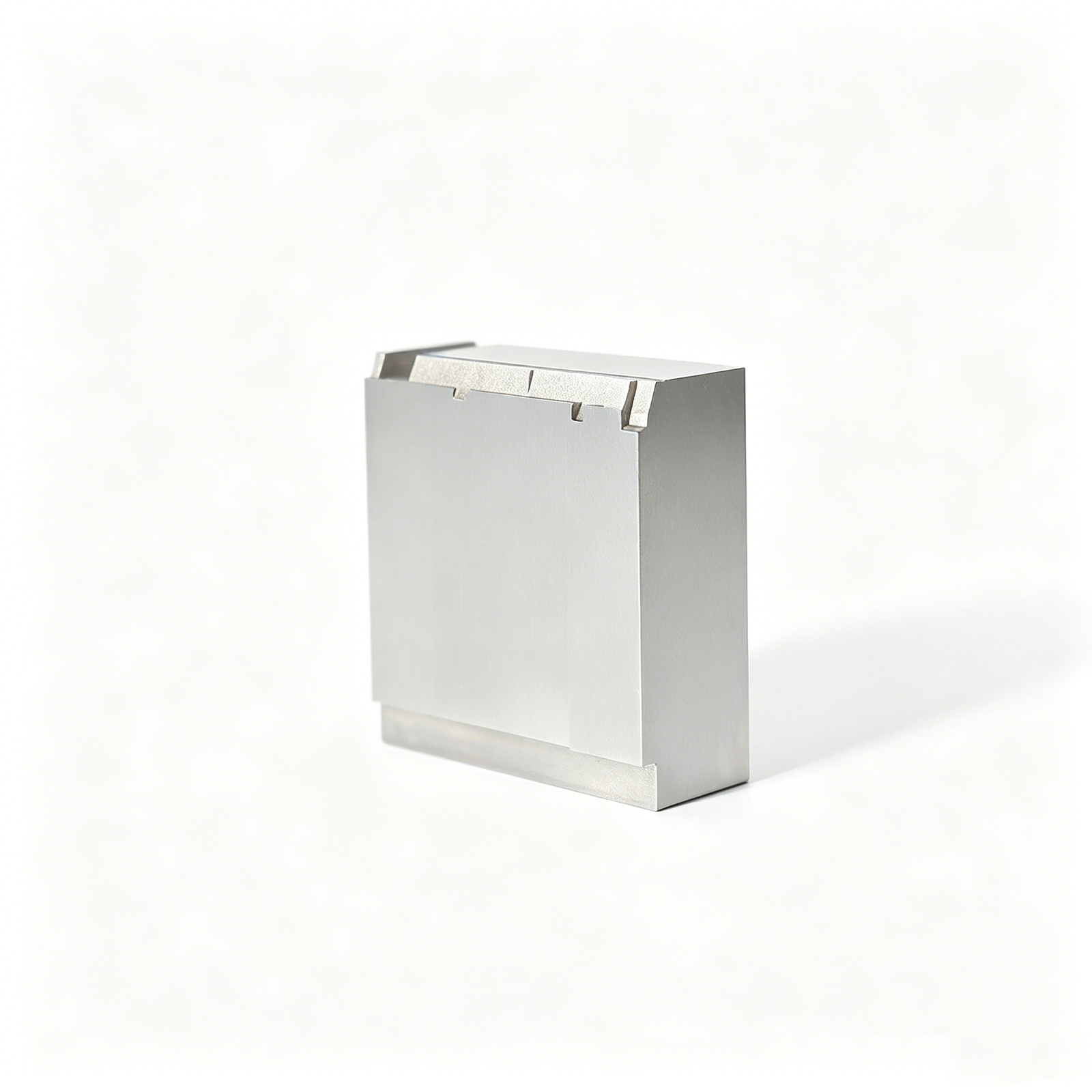
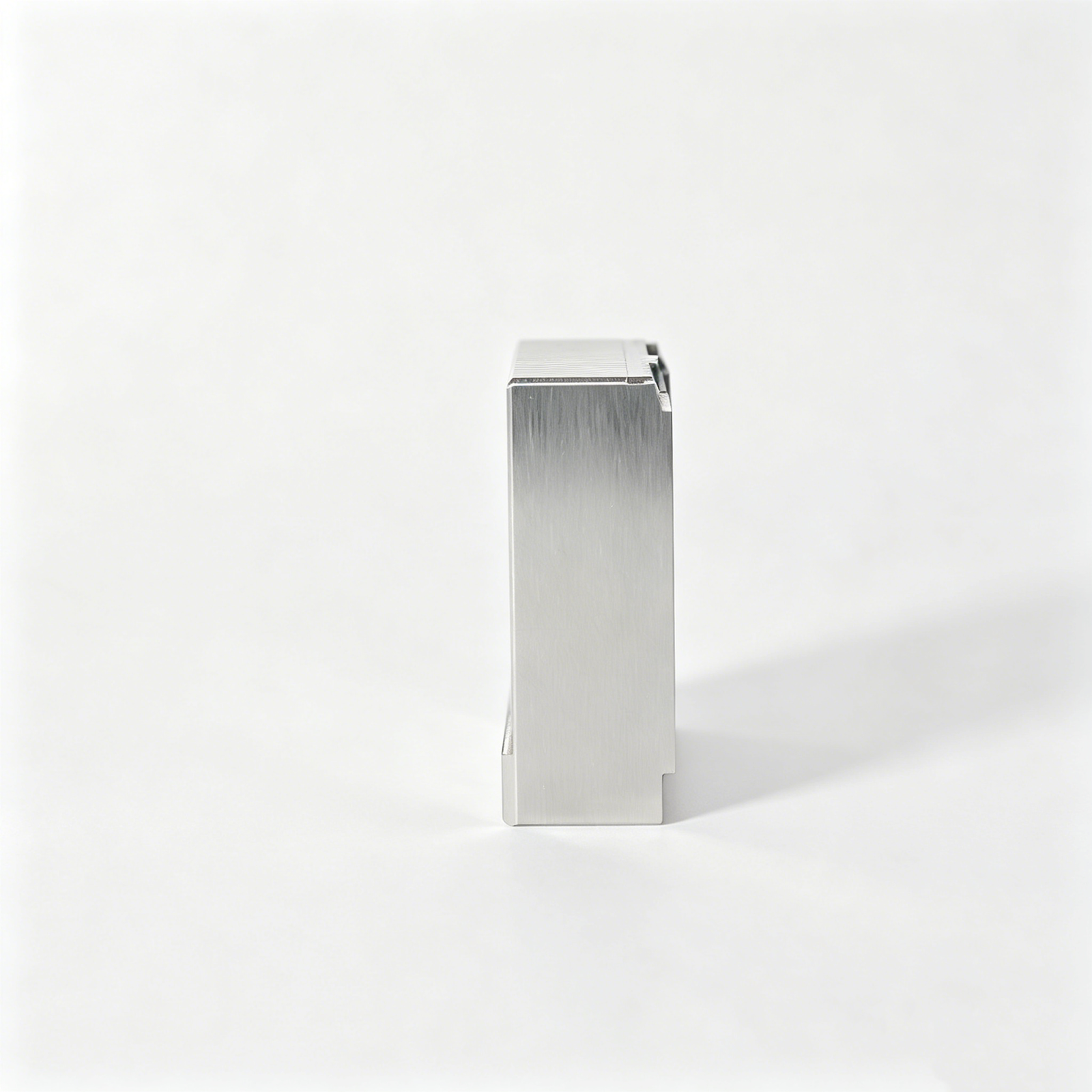
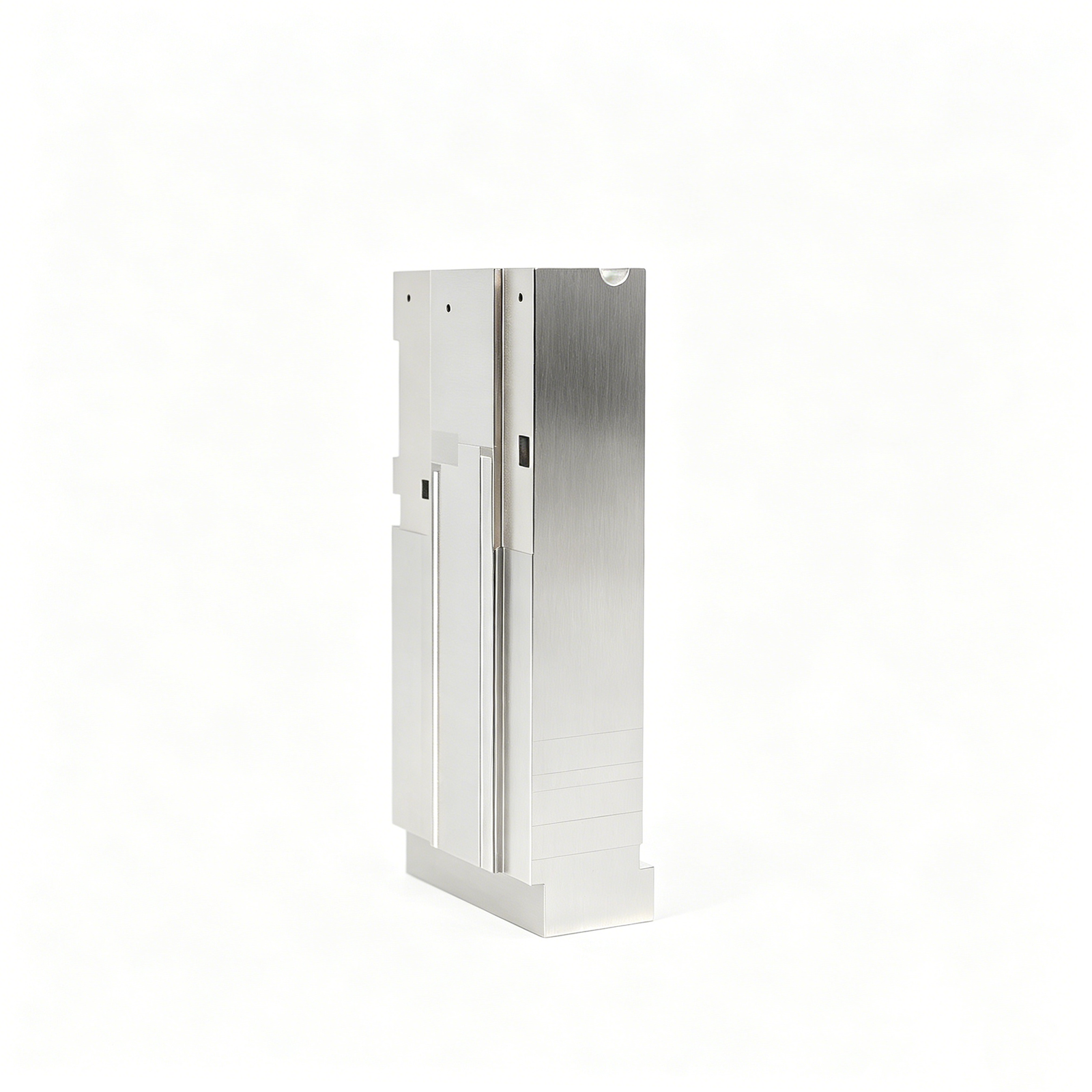
Sample Components for About SUUXIANG
Ten drawing-based component examples; open a part to review its engineering context.


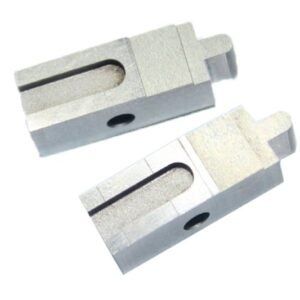


Why Choose a Precision Manufacturing Company That Reviews the Drawing First
SUUXIANG turns drawing requirements into a controlled process route, visible risks, inspection priorities, and traceable production decisions.
Early Risk Identification
Review ambiguous dimensions, tolerance stacks, thin walls, deep cavities, corner radii, and inspection access before material is cut.
Datum-Led Process Planning
Plan workholding, setups, machining allowance, heat-treatment sequence, and final datums around the part’s functional relationships.
Integrated Process Knowledge
Select practical CNC, EDM, wire cutting, grinding, fitting, and finishing sequences based on geometry, material state, and drawing requirements.
Critical-Feature Inspection
Define suitable measurement methods for agreed critical dimensions, fits, surface requirements, and reportable features before final release.
Traceable Revision Control
Keep drawing revisions, quotation assumptions, approved deviations, material requirements, and inspection expectations visible throughout the project.
Repeat-Production Continuity
Retain approved process and inspection knowledge for reorders while confirming each new order against current revision and material requirements.
Explore SUUXIANG Capabilities
Configurable part families are reviewed against your drawings, critical dimensions, material requirements, and inspection expectations; no stock SKU is implied without a verified record.

CNC Machining Services
Drawing-defined machining for custom parts, with process planning around geometry, material condition, datums and inspection access.
Explore CNCPrecision Mold Components
Core, cavity and insert work planned around mating features, material state, EDM, grinding and fitting requirements.
Explore Mold Parts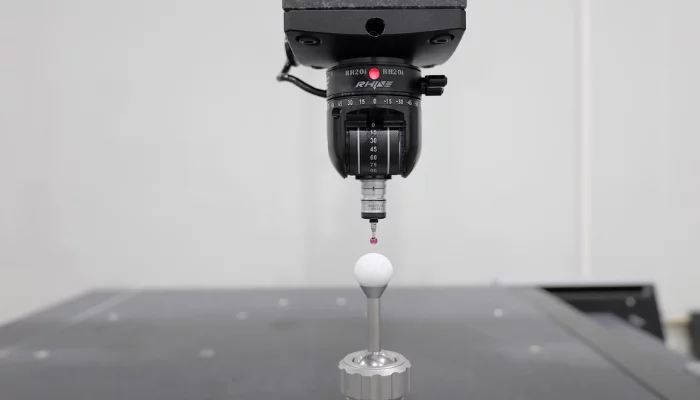
Quality and Documentation
Discuss CTQ features, measurement methods, revision control and the release documents required for your order.
Review QualityPrecision CNC Machining Materials for Function and Control
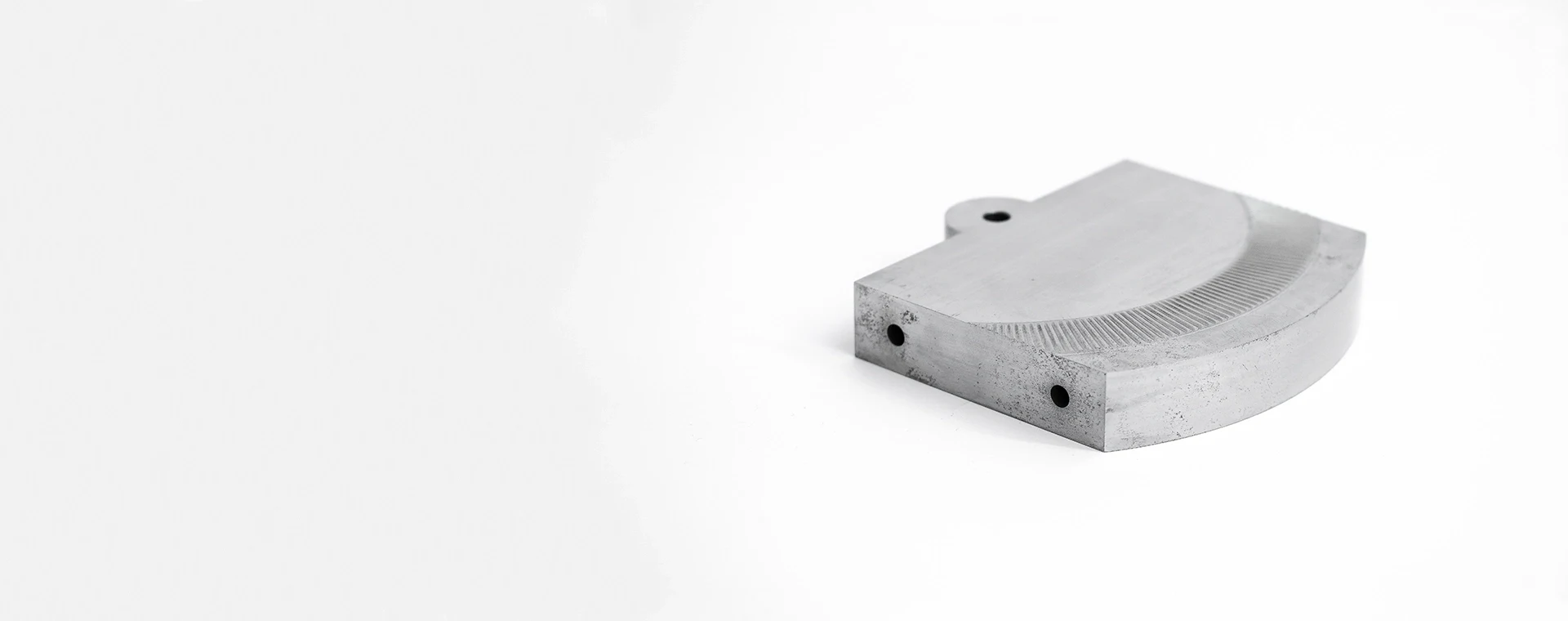
Tool Steels
Selected for mold cores, cavity inserts, stamping-die components and wear-critical tooling. Grade, heat-treatment condition, machining allowance and finishing route should be confirmed from the drawing and application requirements.
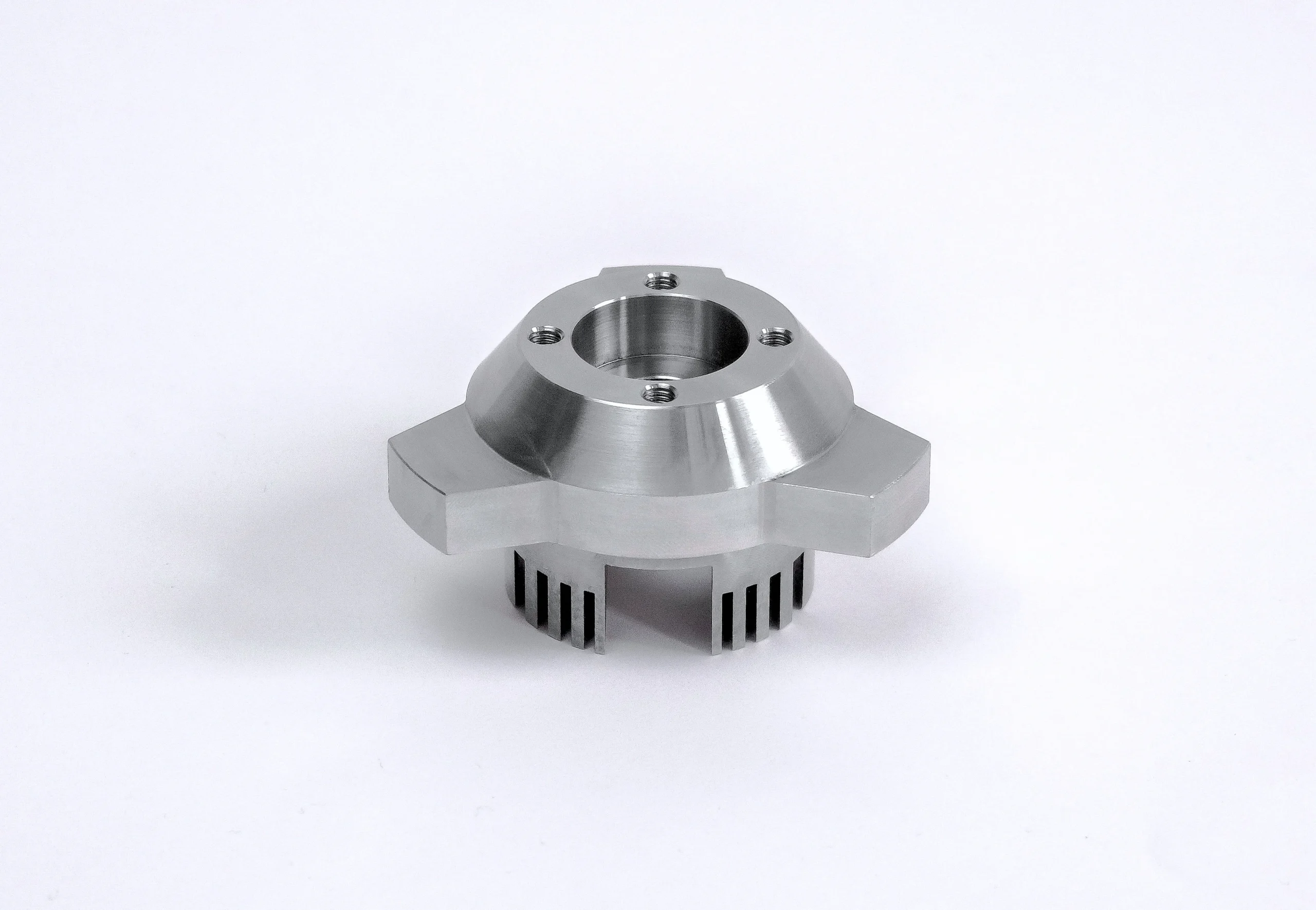
Stainless Steels
Used where corrosion resistance, strength or clean-service performance matters in custom parts and tooling components. Material grade, hardness condition, surface requirement and inspection priorities guide the machining and finishing plan.
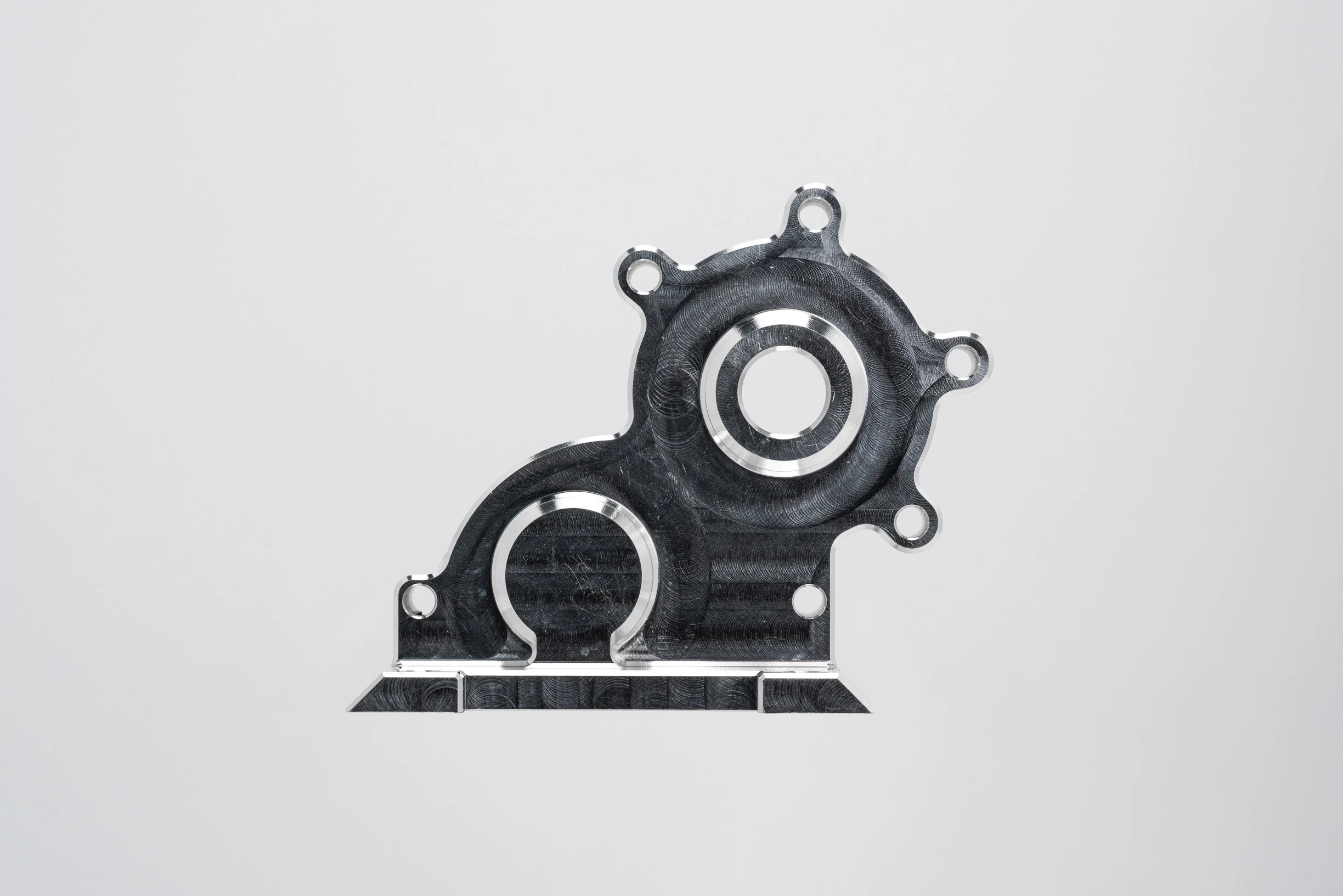
Aluminum Alloys
A practical option for lightweight fixtures, prototype parts and selected tooling applications. Alloy choice affects machinability, stability, anodizing compatibility and thread strength, so functional loads and surface requirements should accompany the RFQ.
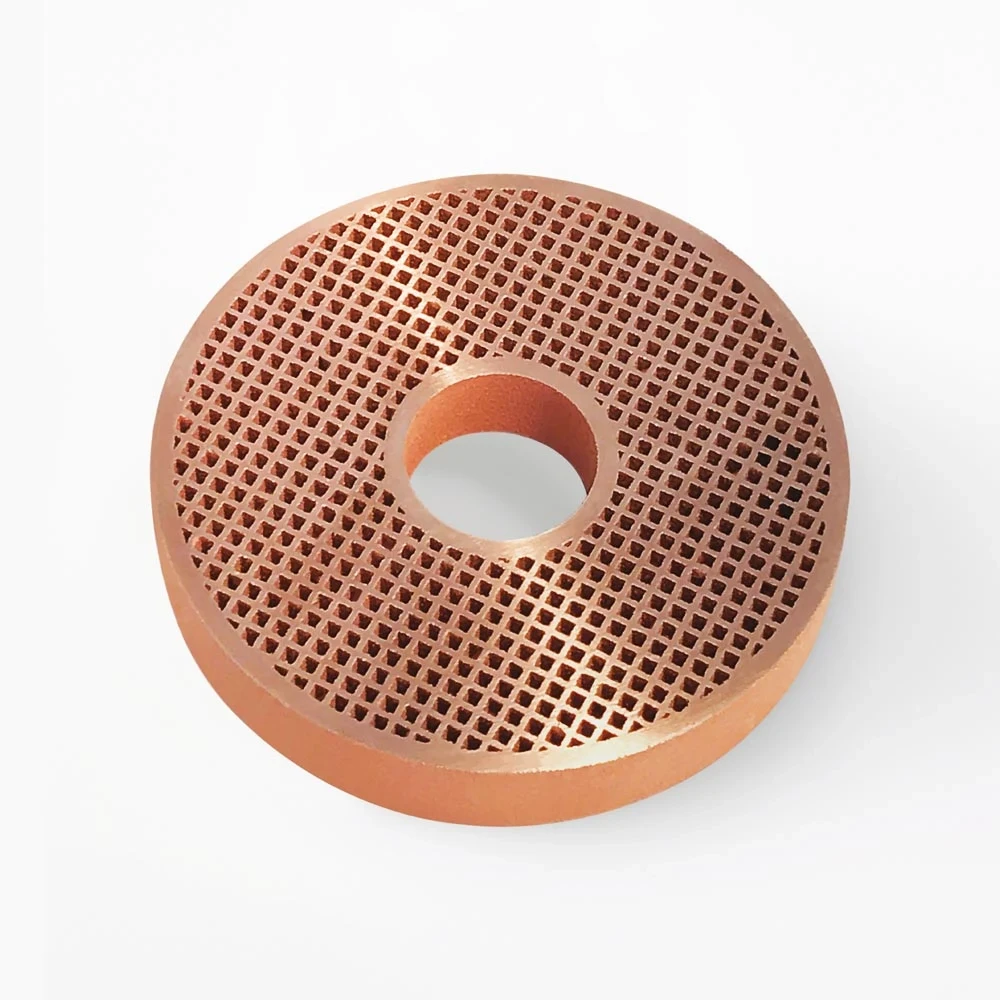
Copper Alloys
Considered for electrically conductive or thermally responsive components, including specialized tooling details. Alloy selection must account for conductivity needs, machining behavior, dimensional priorities and any mating-component or finishing constraints.
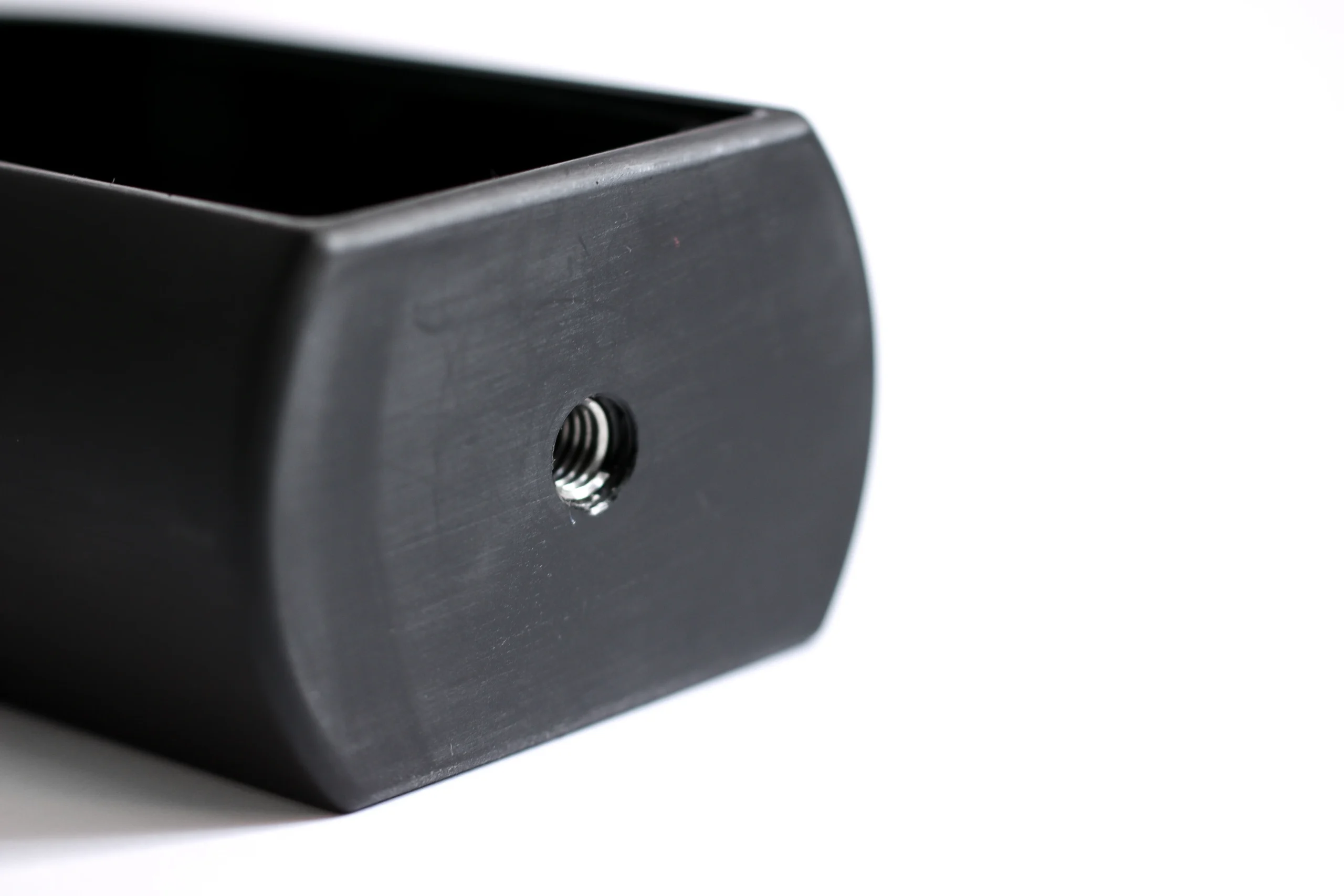
Engineering Plastics
Applicable to selected low-friction, insulating or chemically resistant components where dimensional behavior supports the application. Grade, moisture exposure, thermal conditions, tolerances and inspection method require review before machining is planned.
Precision CNC Machining, EDM, Grinding and Fitting
CNC Milling Services
CNC milling removes material from prismatic parts, pockets, contours and mold inserts. Tool access, datum locations and machining allowance are reviewed early to support stable features, controlled surfaces and efficient downstream EDM or grinding.
CNC Turning Services
CNC turning produces concentric diameters, bores, threads and rotational profiles for pins, sleeves and custom components. The route considers datum relationships, wall thickness and subsequent finishing requirements so functional interfaces remain practical to inspect.
5-Axis Machining
Multi-axis machining reaches angled, compound and contoured features with fewer setups where geometry supports it. Setup strategy and tool approach are planned around critical dimensions, helping reduce repositioning risk on complex mold and connector-tooling components.
Wire EDM Services
Wire EDM cuts precise profiles, narrow slots and hardened features where conventional tool access is limited. Wire path, start holes, corner conditions and finish requirements are reviewed with the drawing to protect functional geometry and mating relationships.
Sinker EDM Services
Sinker EDM forms internal details, deep cavities and sharp-featured geometry using planned electrodes. Electrode strategy, spark allowance and finishing expectations are aligned before machining, particularly where cavity shape or hardened material constrains milling access.
Precision CNC Machining Component Features and Identification
Fastener Provisions
Threaded holes, dowel locations, screw clearances and captive-fastener features can be machined to the approved drawing, with datum relationships and assembly access reviewed before production begins.
Guide Elements
Guide pins, bushings, locating features and wear surfaces can be supplied or accommodated where the order defines mating conditions, material requirements, fitting expectations and inspection priorities.
Precision Inserts
Replaceable cores, cavity inserts and custom insert interfaces support mold maintenance and design changes. SUUXIANG reviews seating surfaces, retention method, machining allowance and critical dimensions from the drawing.
Part Identification
Part numbers, revision marks, cavity identification and controlled labels can be considered when requested. The marking method, location and legibility requirements should be defined with the applicable drawing documentation.
Protective Packing
Protective packing can be planned around finished surfaces, sharp edges, corrosion risk, matched sets and shipment documentation. Provide handling, separation and labeling requirements with the RFQ for review.
Dongguan SuuXiang Precision Mold Co., Ltd.
SUUXIANG is the public brand of Dongguan SuuXiang Precision Mold Co., Ltd., founded in 2010 in Chang’an, Dongguan. XiaoCheng Huang is the founder and legal representative. The company works with engineering, tooling, procurement and quality teams on drawing-defined precision components.
The work combines CNC machining with precision mold components, connector tooling, EDM, grinding, fitting and inspection planning. A process route is selected around the actual geometry, material state, datum scheme, critical features and the documents required by the order.
Visitors should use the representative part photos to understand part families, not to infer an exact grade, tolerance or measured result. For a technical discussion, prepare the current drawing and model, quantity, material, finish, CTQs, inspection scope and target date.
Engineering Support From Design Input to Delivered Parts
Drawing Review and DFM
Send a technical package, 3D model, sketch, or early concept for review. SUUXIANG evaluates drawing clarity, critical dimensions, datum strategy, tolerance stack, machining access, and likely process risks before committing to a production route.
- Confirm revision level, material, quantity, and application context
- Identify CTQs, inaccessible features, thin walls, and difficult radii
- Align CNC, EDM, grinding, heat-treatment, and inspection assumptions
Material Through Sampling
After the drawing review defines a feasible route, the project team coordinates material preparation, sampling, and controlled manufacturing within verified scope. Process planning considers stock condition, workholding, machining allowance, electrode strategy, heat-treatment sequence, and intermediate dimensional checks.
- Match material grade and supply condition to drawing requirements
- Plan sample parts or FAI requirements before repeat production
- Review secondary processes for dimensional buildup and finish effects
Inspection and Delivery Control
SUUXIANG plans inspection around agreed acceptance criteria rather than generic assurances. A precision manufacturing company should keep critical features, revision status, documentation needs, packaging requirements, and delivery coordination visible through final release and subsequent orders.
- Select suitable CMM, optical, or manual inspection methods
- Provide dimensional reports, material records, or certificates when specified and quoted
- Protect finished parts with clear identification and agreed delivery documents
About SUUXIANG RFQ Decision Checklist
Compare quotations by the same drawing revision and stated technical scope, not by an unqualified unit price.
← Swipe left or right to view →
A Precision Manufacturing Company Built From Mold-Component Discipline
SUUXIANG developed its working method around drawing intent, controlled process routes, and accountable communication for international B2B manufacturing projects.
Founded in Chang’an
Dongguan SuuXiang Precision Mold Co., Ltd. was established in 2010 in Chang’an Town, Dongguan, Guangdong, China, with a precision mold-component focus.
Cores and Inserts
Early work centered on tolerance-sensitive cores, cavities, inserts, punches, pins, and connector-tooling features, reinforcing datum control, small-geometry planning, and dimensional verification.
Integrated Process Planning
The manufacturing workflow expanded to combine CNC machining, electrode preparation, sinker EDM, slow-wire EDM, precision grinding, fitting, polishing, and inspection around part function.
Current Project Scope
Capabilities, capacity, lead time, process route, and delivery requirements are confirmed against current project evidence before production commitments are made.
International B2B Support
SUUXIANG supports engineering, sourcing, and quality teams with drawing review, DFM discussion, controlled manufacturing, inspection planning, revision traceability, and documentation matched to the order.
A Clear Process With a Precision Manufacturing Company
SUUXIANG aligns drawing intent, process controls, inspection requirements, and delivery documentation before production begins.
Send Complete Drawing Data
Upload the 2D drawing, 3D model, revision, material, quantity, critical dimensions, finish, target date, and required inspection or documentation.
Review Manufacturing Risks
Confirm datums, tolerance stack, tool access, heat-treatment allowance, EDM or grinding needs, inspection access, and any ambiguity affecting manufacturability or cost.
Approve the Process Plan
Receive a quotation that records the reviewed scope, process route, assumptions, quantity, documentation requirements, and proposed deviations before material preparation begins.
Machine and Verify Parts
SUUXIANG coordinates machining, EDM, grinding, fitting, and in-process checks around the approved revision, critical features, material condition, and inspection plan.
Release and Repeat Confidently
Finished parts are identified, protected, and delivered with agreed documentation; approved process and revision records support controlled reorder discussions. See the Cooperation page for commercial details.
Project Documentation to Define Before Production
Questions Buyers Should Ask During Technical Review
Which drawing revision and datum scheme will govern the part, and how will a proposed deviation be approved?
Which features are critical to function, and what measurement method will demonstrate conformity?
Does the quotation include material condition, secondary processes, inspection documents and packing assumptions?
Precision CNC Machining FAQ for RFQ Preparation
Practical answers for buyers preparing drawing-based parts, mold components and tooling inquiries.
What files should I provide for a precision CNC machining RFQ?
Is there a minimum order quantity for precision CNC machining parts?
Can SUUXIANG make samples before a production order?
What determines whether a precision CNC machining part is feasible?
Can you provide inspection reports with an order?
How are drawing revisions controlled after I submit an RFQ?
How does SUUXIANG handle IP protection for precision CNC machining projects?
What payment and shipping information should I include in my RFQ?
Working With a Precision Manufacturing Partner
A practical decision framework for a new precision-manufacturing supplier, from the first drawing review to documented acceptance.
1. Identify the operating company
Confirm the legal operating name, headquarters and responsible project contact. A public brand statement is not a substitute for the entity named on contracts and technical records. When specifying a new precision-manufacturing supplier, this decision should be recorded against the latest controlled drawing. Note the quantity, production stage and functional interface so the discussion remains about the actual component rather than a visually similar example. A photograph can identify a part family, but it cannot establish material, tolerance or inspection results.
For this stage, focus on the supplier’s communication, documented scope, manufacturing route and inspection plan. Ask how the proposed process will preserve datum relationships and how the completed feature can be measured. If a tolerance, finish, hardness or document is essential, include its acceptance method in the RFQ rather than leaving it to interpretation.
Before approving production, record the drawing revision, any clarification or agreed deviation, and the documents expected with the order. Compare quotations by the same technical scope: material condition, operations, sampling, inspection, finishing, packing and delivery assumptions. If an item is not yet verified, treat it as an open engineering question. A clear decision record makes a prototype review and a later repeat order easier to reconcile without silently changing the specification.
2. Confirm the manufacturing scope
Ask which part families are routine, which secondary processes are coordinated and which special geometries require case-by-case feasibility review. When specifying a new precision-manufacturing supplier, this decision should be recorded against the latest controlled drawing. Note the quantity, production stage and functional interface so the discussion remains about the actual component rather than a visually similar example. A photograph can identify a part family, but it cannot establish material, tolerance or inspection results.
For this stage, focus on the supplier’s communication, documented scope, manufacturing route and inspection plan. Ask how the proposed process will preserve datum relationships and how the completed feature can be measured. If a tolerance, finish, hardness or document is essential, include its acceptance method in the RFQ rather than leaving it to interpretation.
Before approving production, record the drawing revision, any clarification or agreed deviation, and the documents expected with the order. Compare quotations by the same technical scope: material condition, operations, sampling, inspection, finishing, packing and delivery assumptions. If an item is not yet verified, treat it as an open engineering question. A clear decision record makes a prototype review and a later repeat order easier to reconcile without silently changing the specification.
3. Understand the drawing-review method
Notice whether the supplier asks about datums, mating parts, material state and measurement access before claiming it can meet a tolerance. When specifying a new precision-manufacturing supplier, this decision should be recorded against the latest controlled drawing. Note the quantity, production stage and functional interface so the discussion remains about the actual component rather than a visually similar example. A photograph can identify a part family, but it cannot establish material, tolerance or inspection results.
For this stage, focus on the supplier’s communication, documented scope, manufacturing route and inspection plan. Ask how the proposed process will preserve datum relationships and how the completed feature can be measured. If a tolerance, finish, hardness or document is essential, include its acceptance method in the RFQ rather than leaving it to interpretation.
Before approving production, record the drawing revision, any clarification or agreed deviation, and the documents expected with the order. Compare quotations by the same technical scope: material condition, operations, sampling, inspection, finishing, packing and delivery assumptions. If an item is not yet verified, treat it as an open engineering question. A clear decision record makes a prototype review and a later repeat order easier to reconcile without silently changing the specification.
4. Discuss process ownership
Clarify who controls CNC, EDM, heat treatment, finishing and inspection, including where subcontracted work requires documented handoff. When specifying a new precision-manufacturing supplier, this decision should be recorded against the latest controlled drawing. Note the quantity, production stage and functional interface so the discussion remains about the actual component rather than a visually similar example. A photograph can identify a part family, but it cannot establish material, tolerance or inspection results.
For this stage, focus on the supplier’s communication, documented scope, manufacturing route and inspection plan. Ask how the proposed process will preserve datum relationships and how the completed feature can be measured. If a tolerance, finish, hardness or document is essential, include its acceptance method in the RFQ rather than leaving it to interpretation.
Before approving production, record the drawing revision, any clarification or agreed deviation, and the documents expected with the order. Compare quotations by the same technical scope: material condition, operations, sampling, inspection, finishing, packing and delivery assumptions. If an item is not yet verified, treat it as an open engineering question. A clear decision record makes a prototype review and a later repeat order easier to reconcile without silently changing the specification.
5. Review quality documentation
Agree in advance whether the order needs dimensional results, FAI, material certificates, treatment records or a certificate of conformance. When specifying a new precision-manufacturing supplier, this decision should be recorded against the latest controlled drawing. Note the quantity, production stage and functional interface so the discussion remains about the actual component rather than a visually similar example. A photograph can identify a part family, but it cannot establish material, tolerance or inspection results.
For this stage, focus on the supplier’s communication, documented scope, manufacturing route and inspection plan. Ask how the proposed process will preserve datum relationships and how the completed feature can be measured. If a tolerance, finish, hardness or document is essential, include its acceptance method in the RFQ rather than leaving it to interpretation.
Before approving production, record the drawing revision, any clarification or agreed deviation, and the documents expected with the order. Compare quotations by the same technical scope: material condition, operations, sampling, inspection, finishing, packing and delivery assumptions. If an item is not yet verified, treat it as an open engineering question. A clear decision record makes a prototype review and a later repeat order easier to reconcile without silently changing the specification.
6. Protect revisions and confidential files
Use revision-controlled files and an agreed confidentiality workflow; mark obsolete drawings so they cannot be mistaken for the latest release. When specifying a new precision-manufacturing supplier, this decision should be recorded against the latest controlled drawing. Note the quantity, production stage and functional interface so the discussion remains about the actual component rather than a visually similar example. A photograph can identify a part family, but it cannot establish material, tolerance or inspection results.
For this stage, focus on the supplier’s communication, documented scope, manufacturing route and inspection plan. Ask how the proposed process will preserve datum relationships and how the completed feature can be measured. If a tolerance, finish, hardness or document is essential, include its acceptance method in the RFQ rather than leaving it to interpretation.
Before approving production, record the drawing revision, any clarification or agreed deviation, and the documents expected with the order. Compare quotations by the same technical scope: material condition, operations, sampling, inspection, finishing, packing and delivery assumptions. If an item is not yet verified, treat it as an open engineering question. A clear decision record makes a prototype review and a later repeat order easier to reconcile without silently changing the specification.
7. Evaluate repeat-order controls
Ask how setup knowledge, tooling, measurement programs and approved deviations are retained for the next order without bypassing a fresh revision check. When specifying a new precision-manufacturing supplier, this decision should be recorded against the latest controlled drawing. Note the quantity, production stage and functional interface so the discussion remains about the actual component rather than a visually similar example. A photograph can identify a part family, but it cannot establish material, tolerance or inspection results.
For this stage, focus on the supplier’s communication, documented scope, manufacturing route and inspection plan. Ask how the proposed process will preserve datum relationships and how the completed feature can be measured. If a tolerance, finish, hardness or document is essential, include its acceptance method in the RFQ rather than leaving it to interpretation.
Before approving production, record the drawing revision, any clarification or agreed deviation, and the documents expected with the order. Compare quotations by the same technical scope: material condition, operations, sampling, inspection, finishing, packing and delivery assumptions. If an item is not yet verified, treat it as an open engineering question. A clear decision record makes a prototype review and a later repeat order easier to reconcile without silently changing the specification.
8. Begin a technical conversation
Send a representative drawing and ask for a written list of technical questions; the quality of the clarification process is evidence before a purchase order. When specifying a new precision-manufacturing supplier, this decision should be recorded against the latest controlled drawing. Note the quantity, production stage and functional interface so the discussion remains about the actual component rather than a visually similar example. A photograph can identify a part family, but it cannot establish material, tolerance or inspection results.
For this stage, focus on the supplier’s communication, documented scope, manufacturing route and inspection plan. Ask how the proposed process will preserve datum relationships and how the completed feature can be measured. If a tolerance, finish, hardness or document is essential, include its acceptance method in the RFQ rather than leaving it to interpretation.
Before approving production, record the drawing revision, any clarification or agreed deviation, and the documents expected with the order. Compare quotations by the same technical scope: material condition, operations, sampling, inspection, finishing, packing and delivery assumptions. If an item is not yet verified, treat it as an open engineering question. A clear decision record makes a prototype review and a later repeat order easier to reconcile without silently changing the specification.
Review Parts and Prepare Your Drawing Package
Compare the representative components, then gather the current drawing revision, material, quantity, CTQs, finish, inspection scope and target date for a project discussion.
The company behind SUUXIANG
Dongguan SuuXiang Precision Mold Co., Ltd. was founded in 2010 in Chang’an, Dongguan. XiaoCheng Huang is its founder and legal representative. The company’s precision mold-component background informs its drawing-first approach to CNC machining, EDM, grinding and inspection planning.
Work begins with the current drawing, material, quantity, critical dimensions and acceptance requirements. Scope, process route and timing are confirmed for each project rather than assumed from a catalogue. Meet the founder or contact the team.
One Company, Two Marketing Brands
SUUXIANG and Xuxiangmold are marketing brands and websites of the same company, Dongguan Xuxiang Precision Mold Co., Ltd.