
تشغيل دقيق باستخدام ماكينات CNC للأجزاء ومكونات القوالب
خطط من رسمك الهندسي لعمليات تشغيل دقيقة بماكينات CNC، مع مراجعة المواصفات الحرجة، وتخطيط العمليات، وتحديد متطلبات الفحص قبل بدء الإنتاج.
عينات مختارة لمكونات مصممة خصيصًا
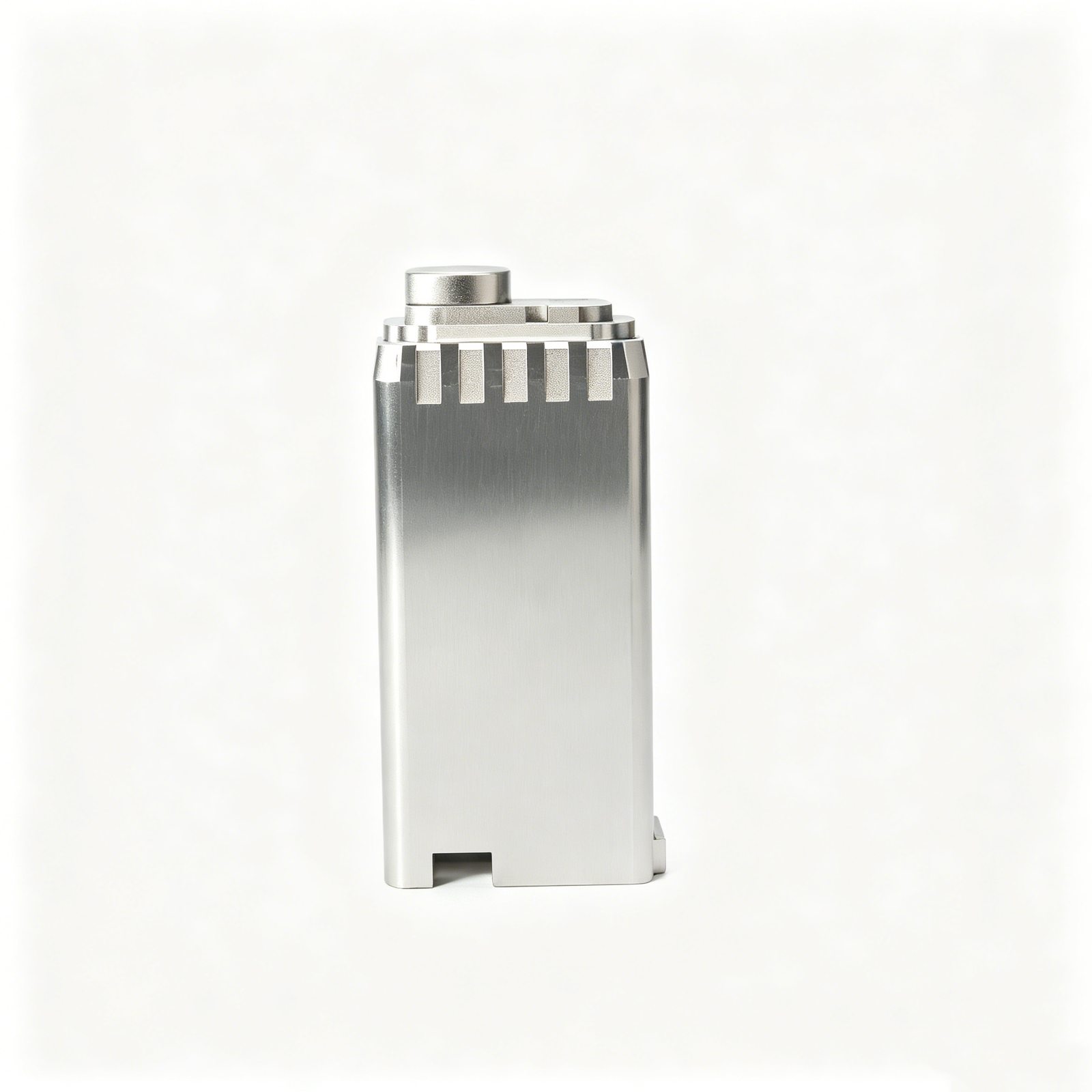
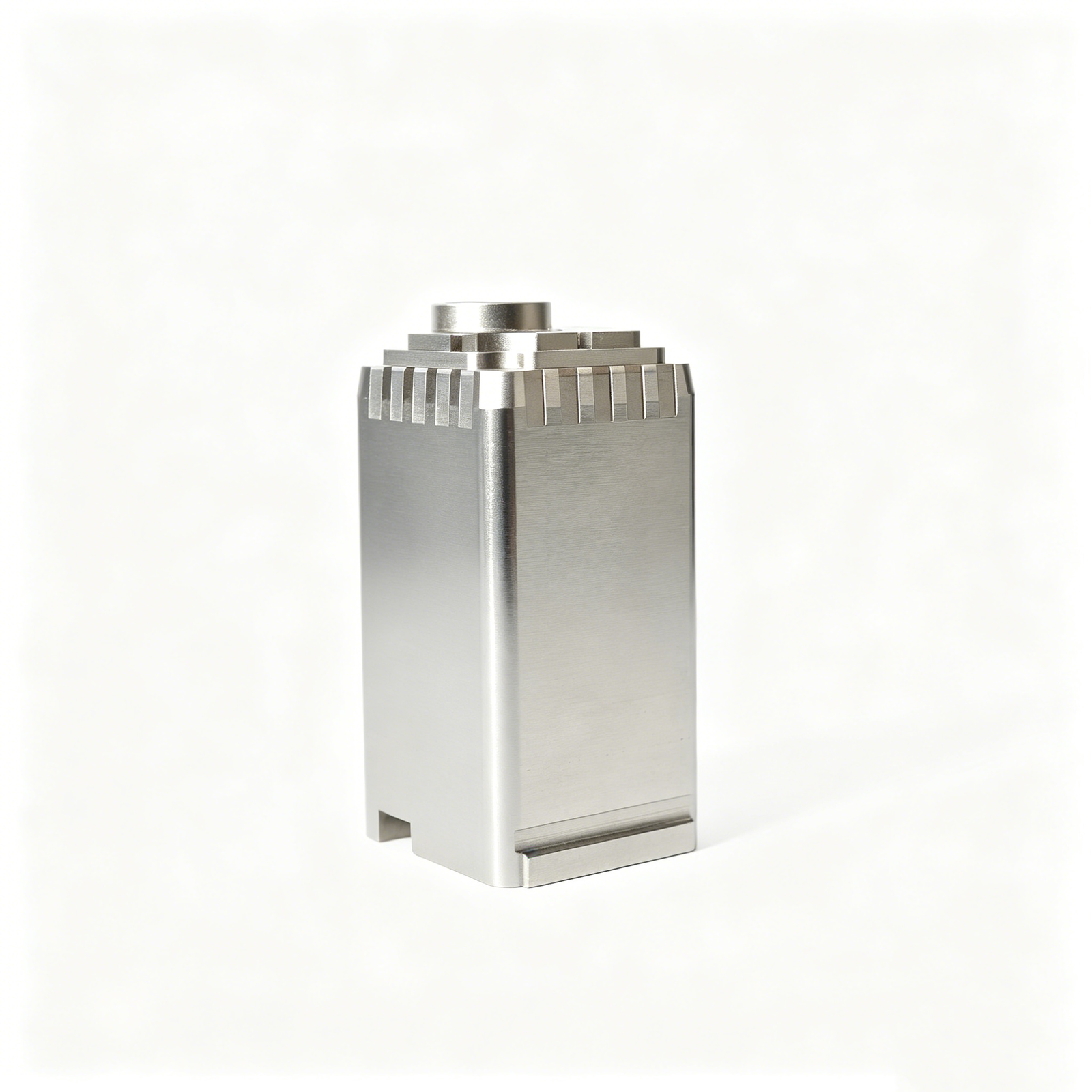
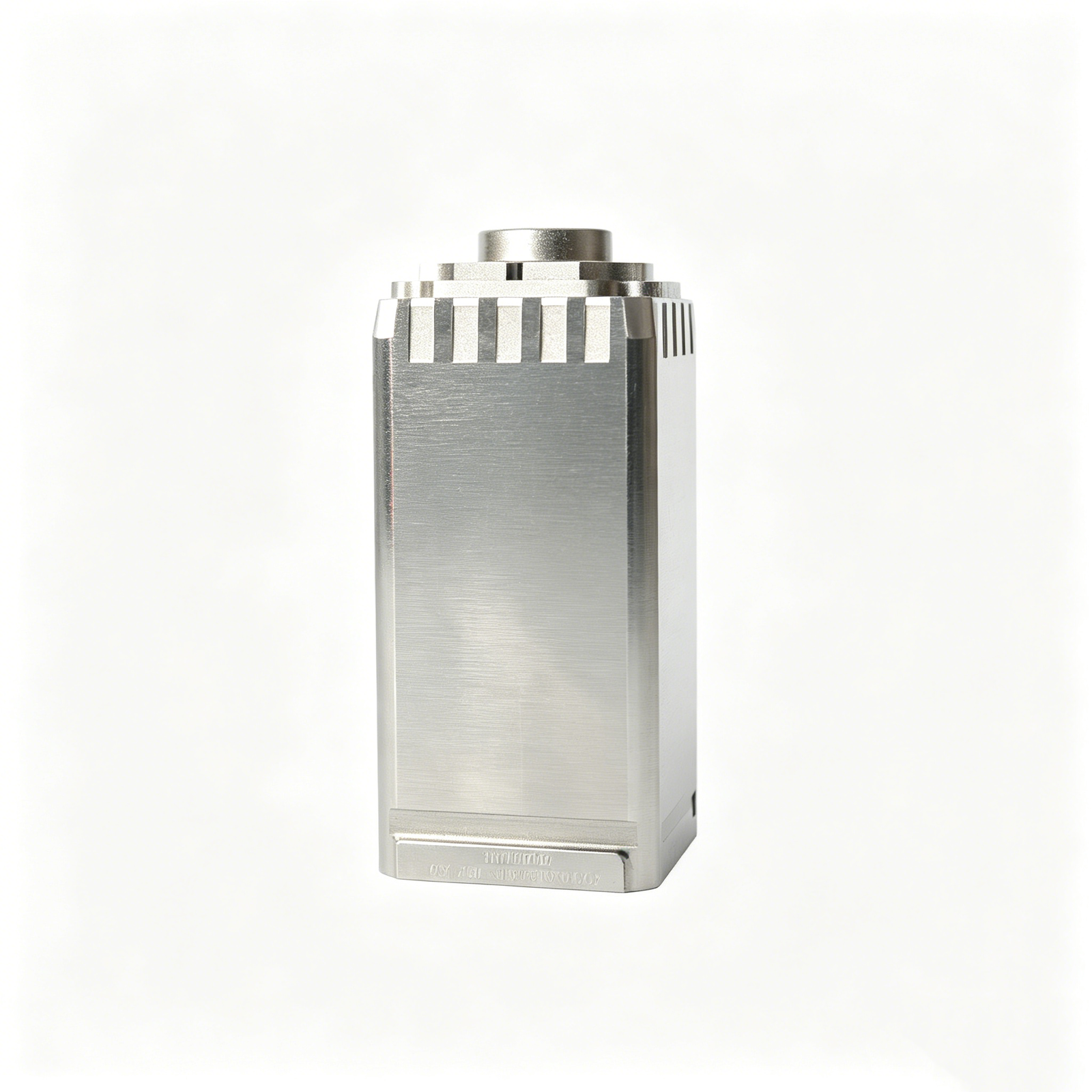
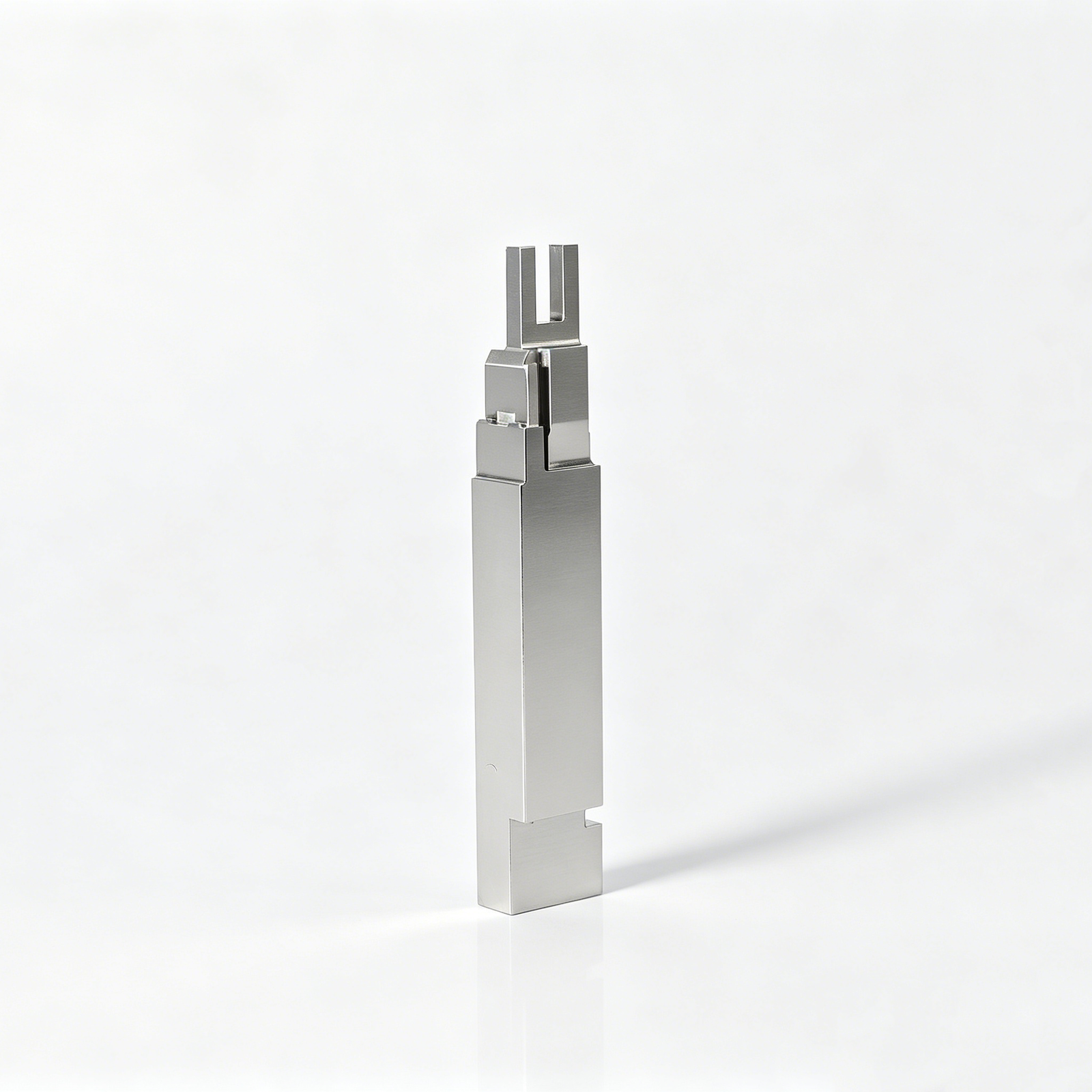
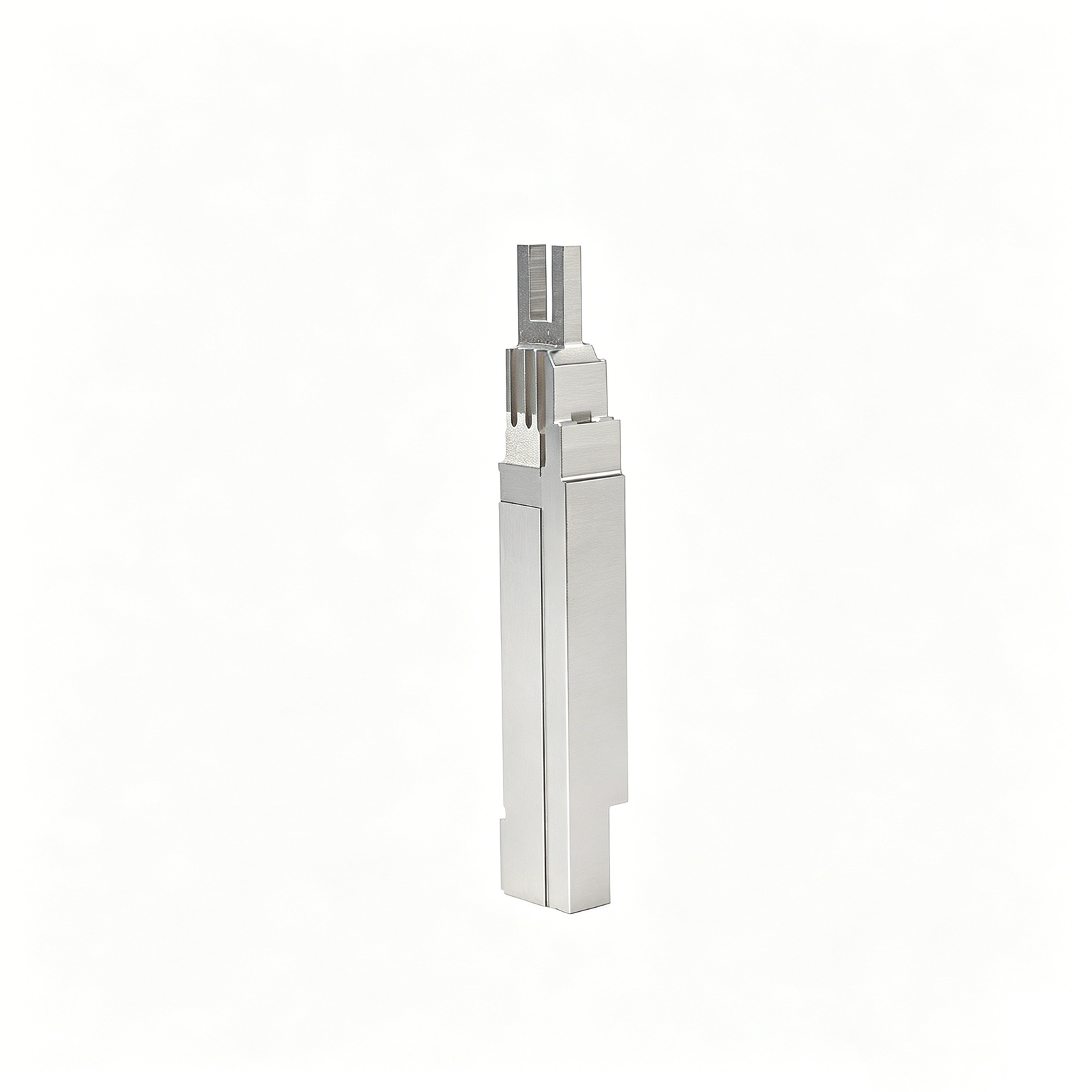

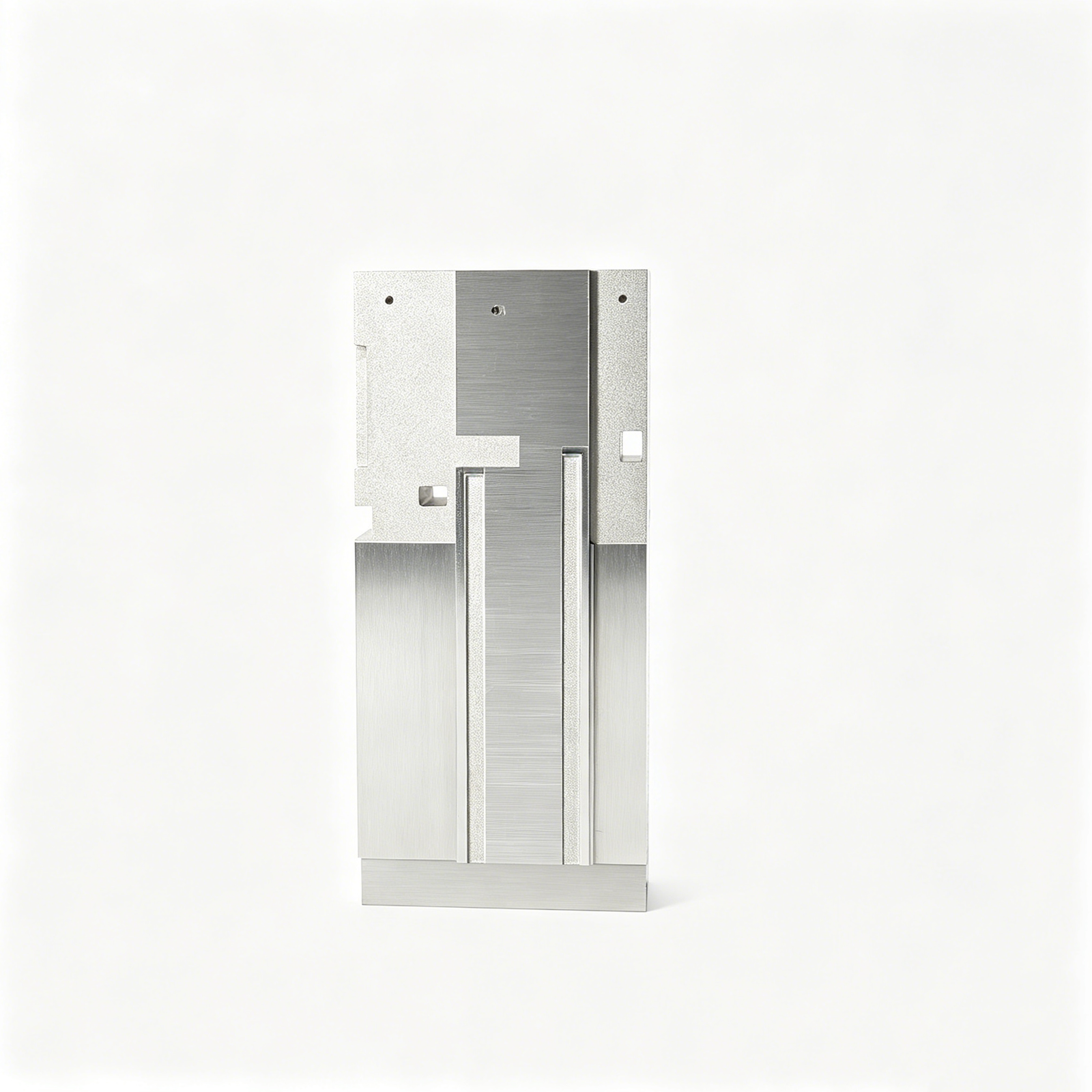
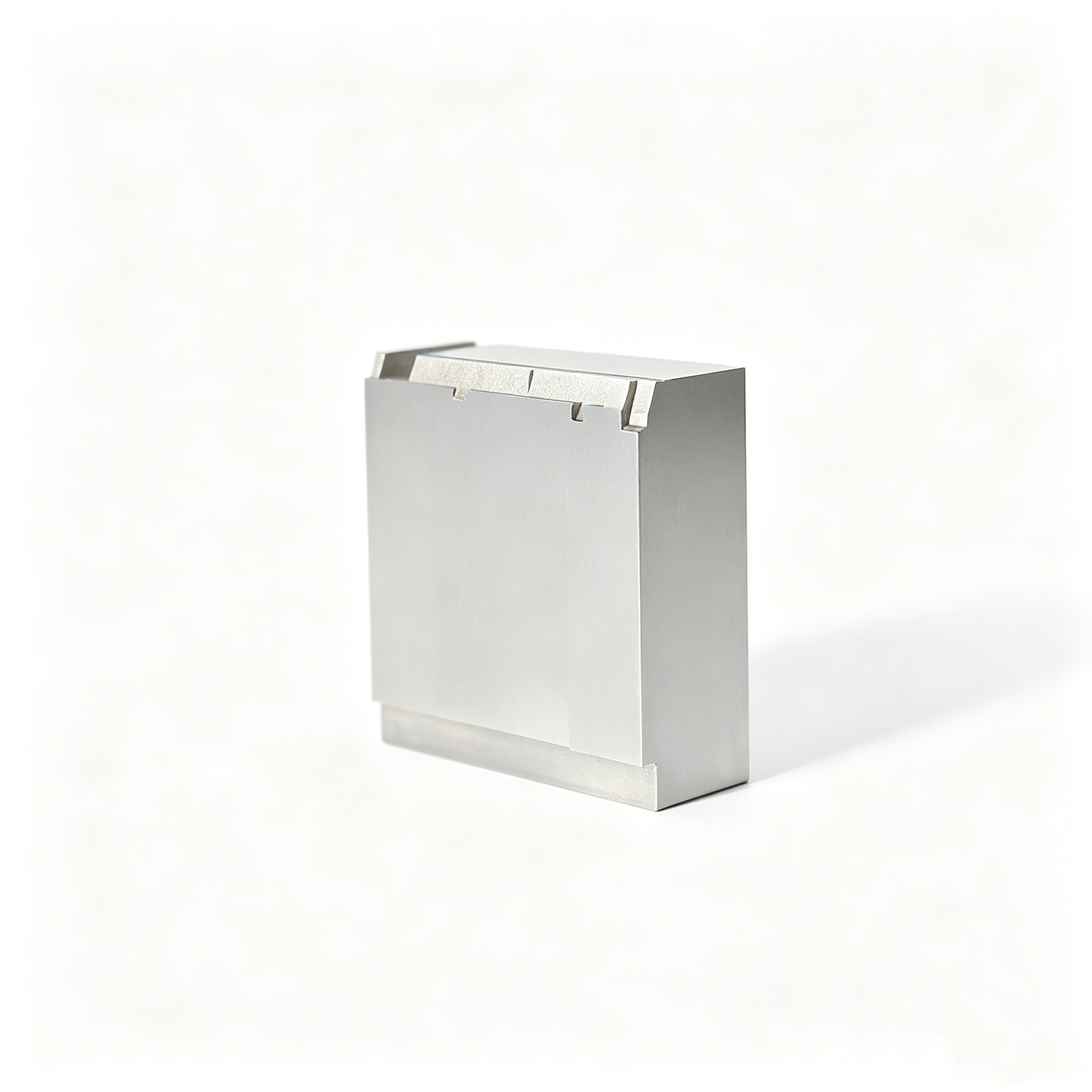
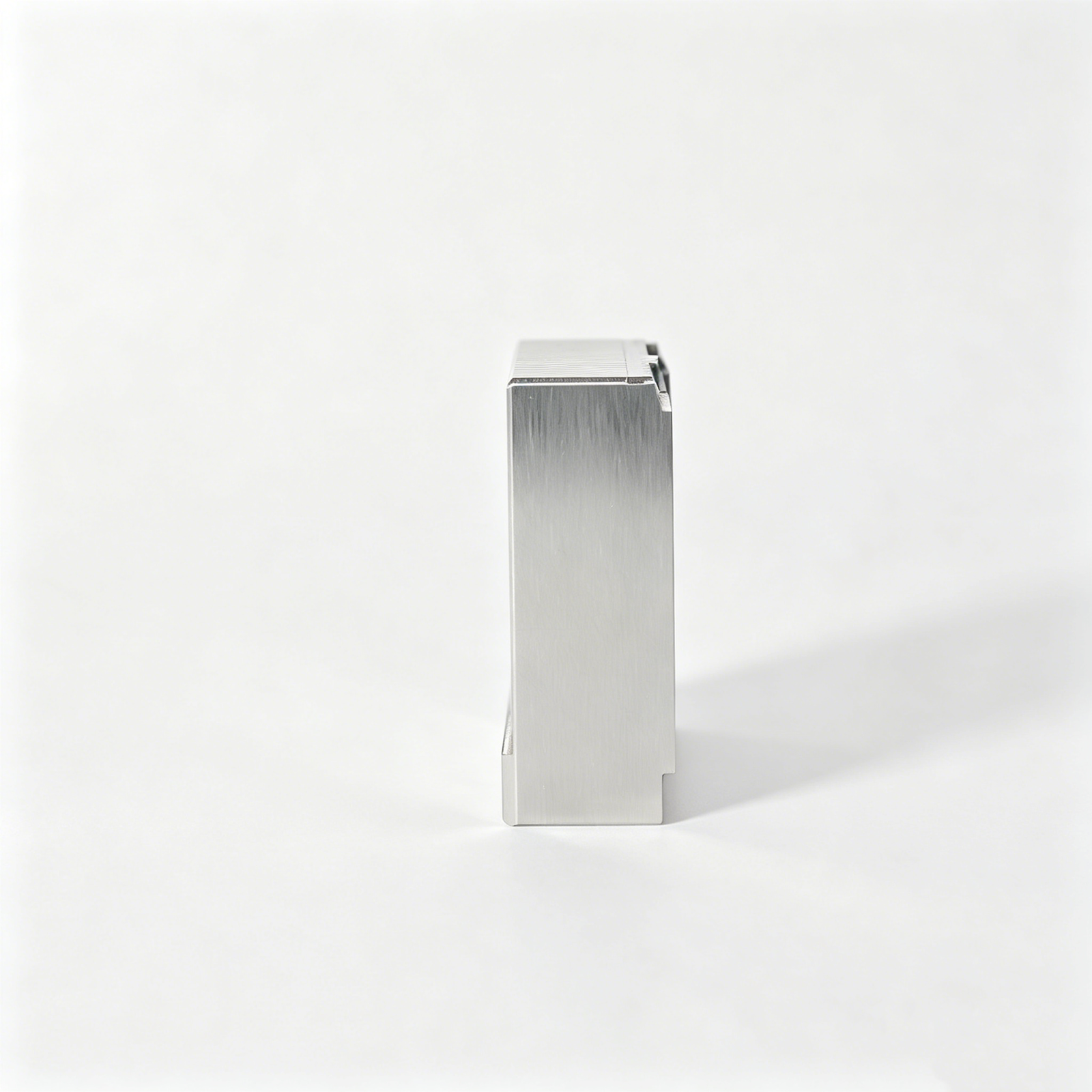
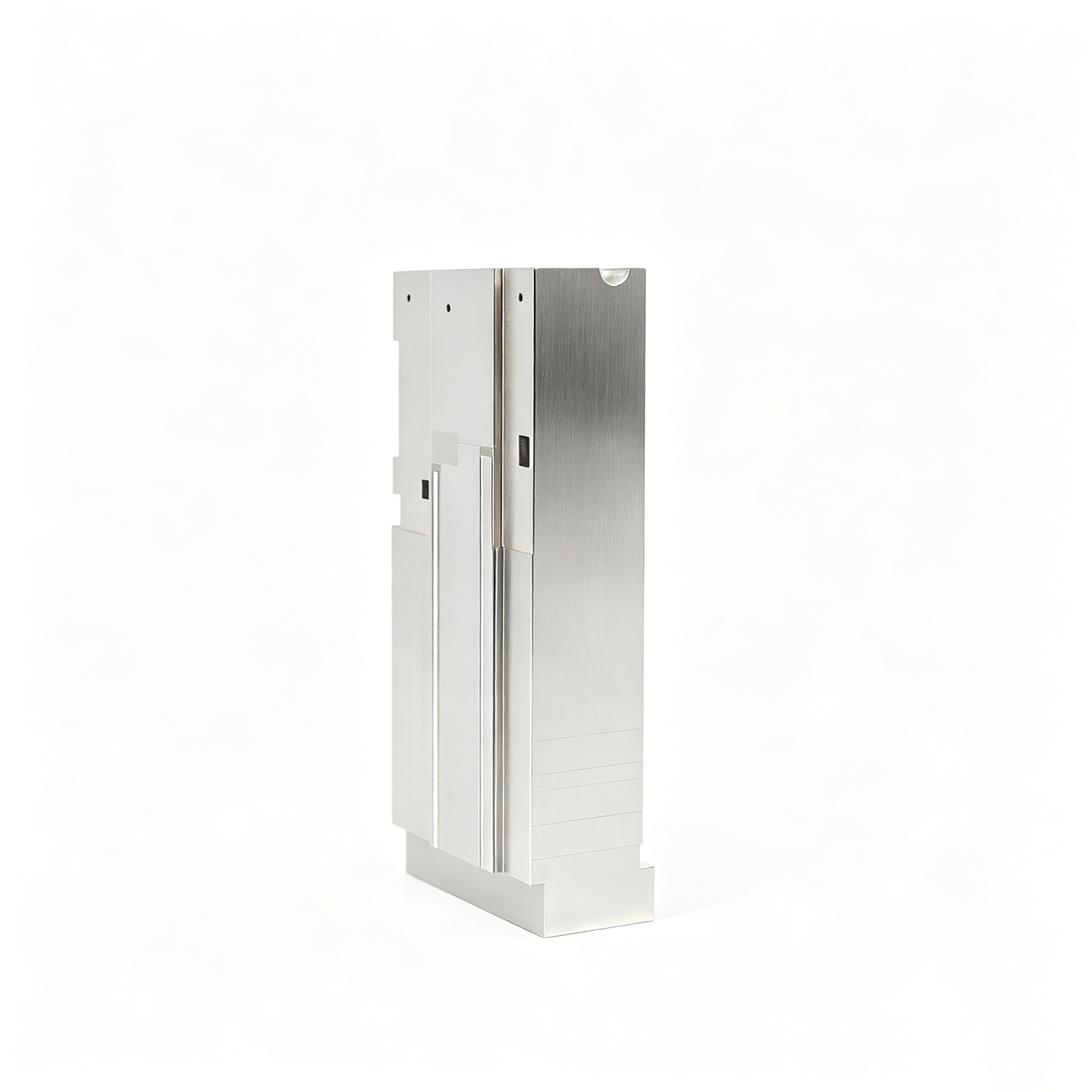
Sample Components for Drawing-Driven Precision Manufacturing
Ten drawing-based component examples; open a part to review its engineering context.


ضوابط طلبات عروض الأسعار للتصنيع المبني على الرسم الهندسي
SUUXIANG تواءم بين مراجعة الرسم الهندسي، وتخطيط العمليات، وتوقعات الفحص، وضبط التعديلات قبل بدء الإنتاج.
مراجعة بقيادة الرسم الهندسي
يبدأ كل طلب عرض سعر برسمك ثنائي الأبعاد، والموديل، والمواد، والكمية، ومتطلبات التشطيب، ووثائق الفحص المطلوبة.
مناقشة تصميم التصنيع (DFM)
نراجع إمكانية الوصول للتشغيل، واستراتيجية النقاط المرجعية (datum)، وتراكم التفاوتات، وتفاعلات الميزات قبل اختيار مسار عملية تصنيع مناسب.
تخطيط المواصفات الحرجة (CTQ)
يتم تحديد الأبعاد الحرجة والأسطح وعلاقات التجميع مبكرًا لضمان توافق طرق القياس وأولويات الفحص مع الرسم الهندسي.
اختيار مسار العملية
يتم النظر في تشغيل CNC، والتفريغ الكهربائي (EDM)، والتجليخ، والتجميع معًا عندما تحدد الهندسة، وحالة المادة، ومتطلبات السطح قرارات العملية.
توافق الفحص
يتم توضيح متطلبات الفحص قبل الإنتاج، بما في ذلك احتياجات التقارير، والنقاط المرجعية، والميزات الحرجة، والوثائق المتوقعة مع الطلب.
رؤية التعديلات
تظل تغييرات التعديلات مرئية من خلال التواصل المنضبط، مما يساعد الطلبات المتكررة على اتباع الرسم الحالي، والمتطلبات، وخطة الفحص المتفق عليها.
مسارات ذات صلة للتصنيع الدقيق المبني على الرسم الهندسي
ابدأ بالرسم الهندسي، والأبعاد الحرجة (CTQ)، والمواد، والتشطيب، ومتطلبات الوثائق لتحديد مسار عملي للتصنيع والفحص.
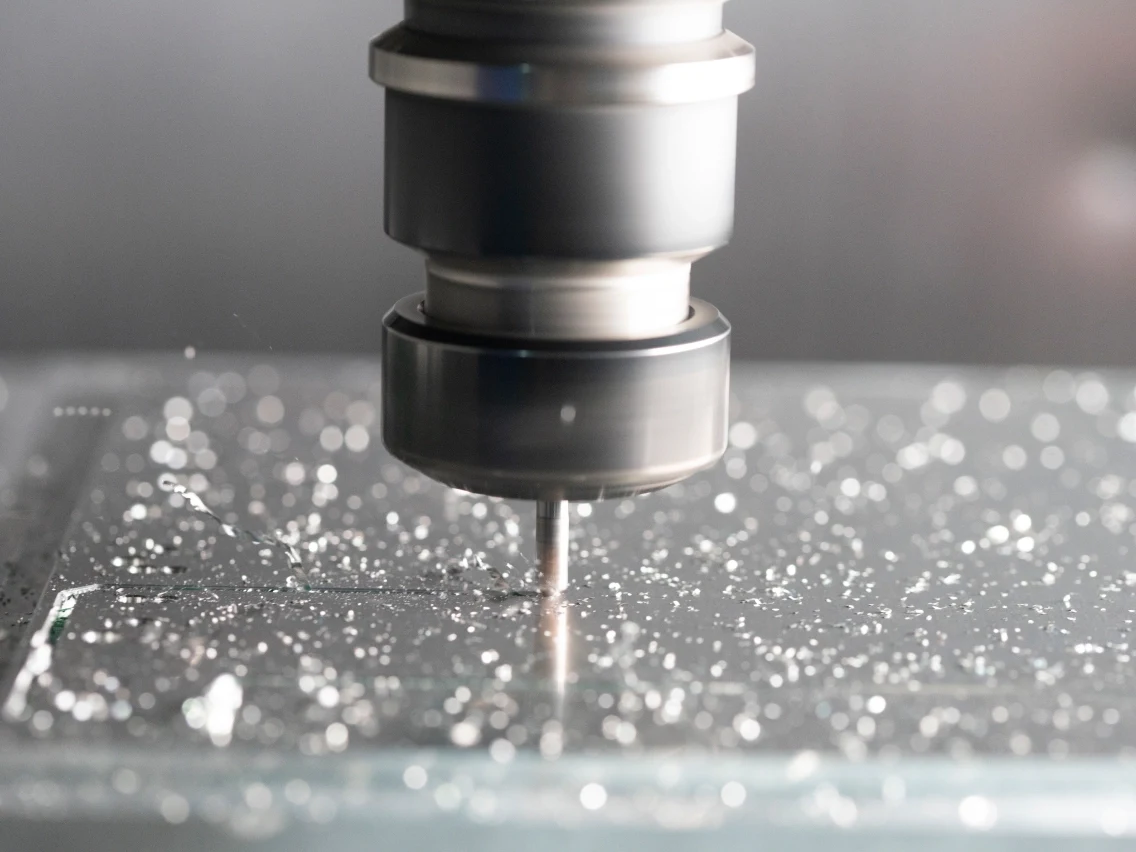
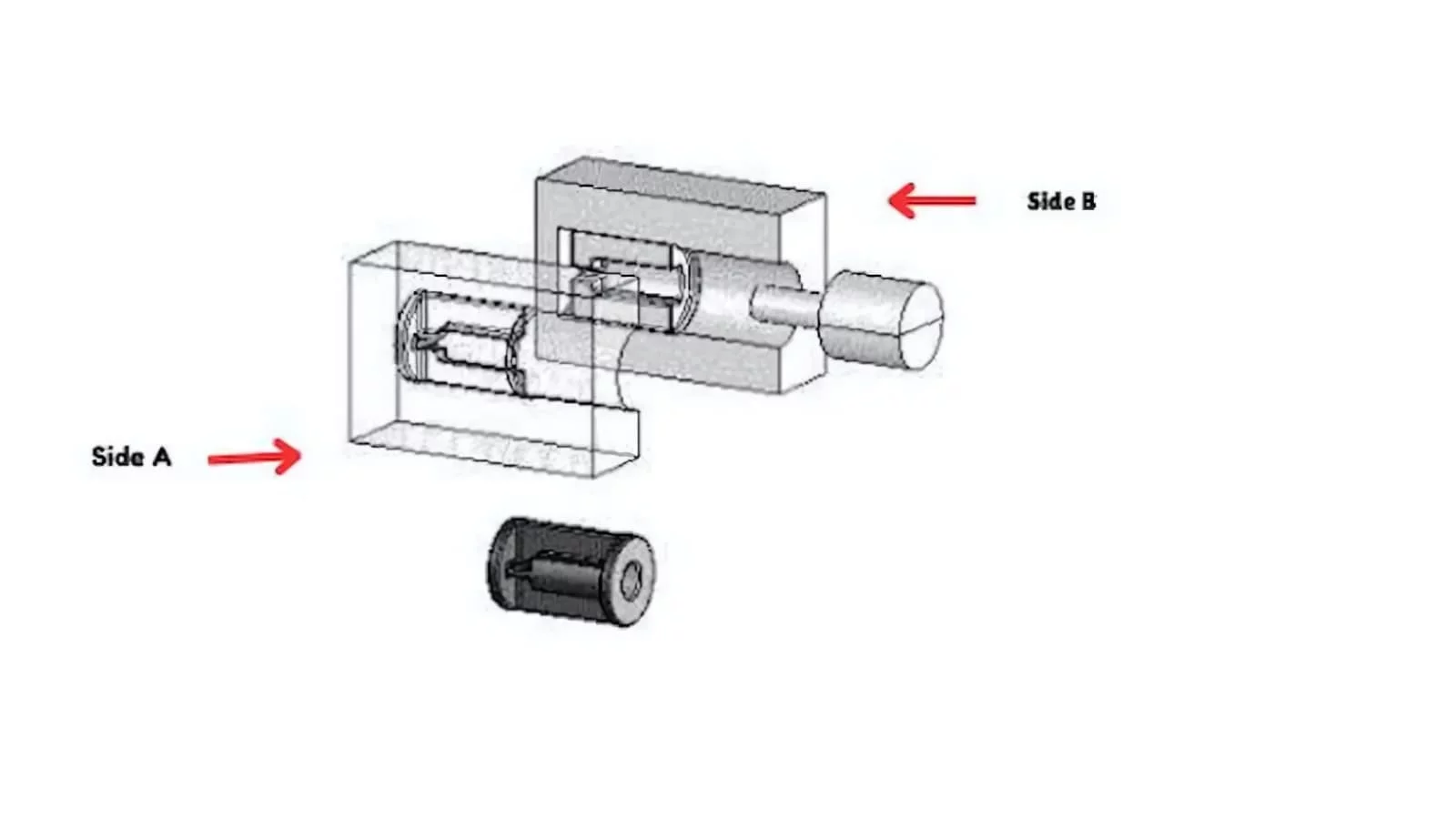
مكونات قوالب دقيقة
راجع الأنوية، والتجاويف، والحشوات، ومكونات القوالب الأخرى المحددة بالرسم الهندسي.
Explore Mold Parts
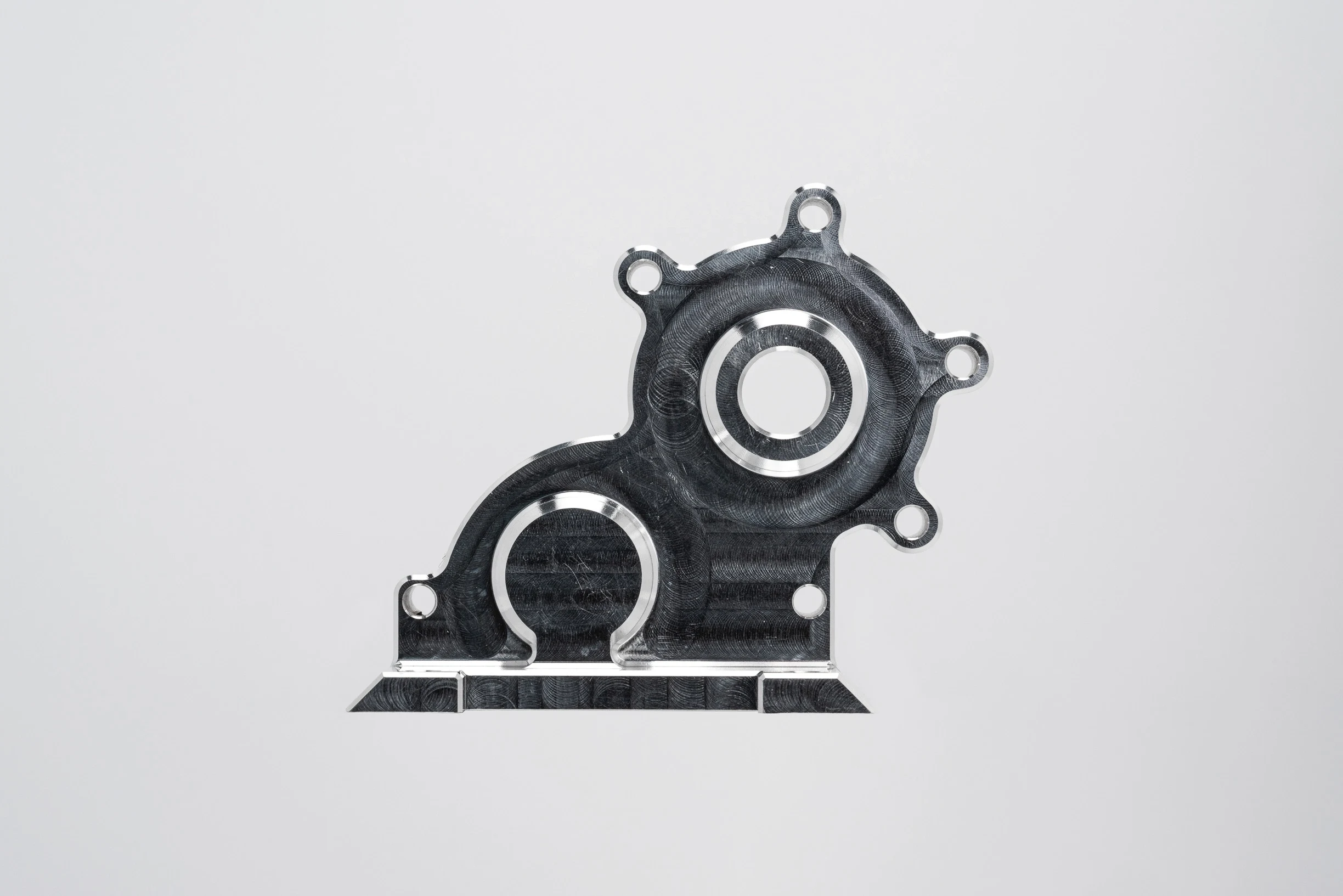
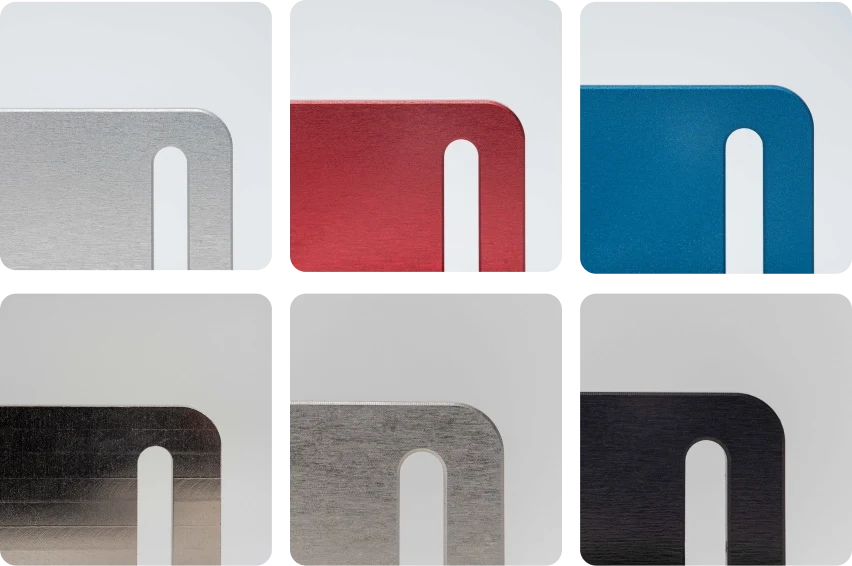
التشطيبات السطحية والمعالجة الحرارية
راجع خيارات التشطيب والمعالجة الحرارية مقابل متطلبات القطعة.
Explore Finishes
مركز المعرفة الهندسية
اقرأ إرشادات التصنيع باستخدام الحاسب الآلي، وتصميم القوالب، والفحص، منظمة حسب الموضوع.
Explore Knowledge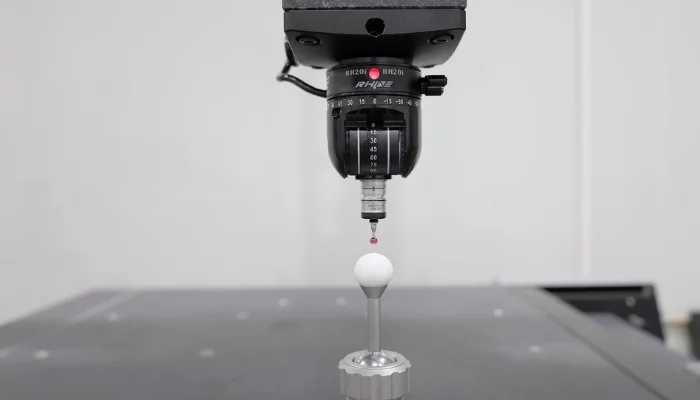

مواد دقيقة للتشغيل الآلي باستخدام الحاسب الآلي لتحقيق الوظيفة والتحكم
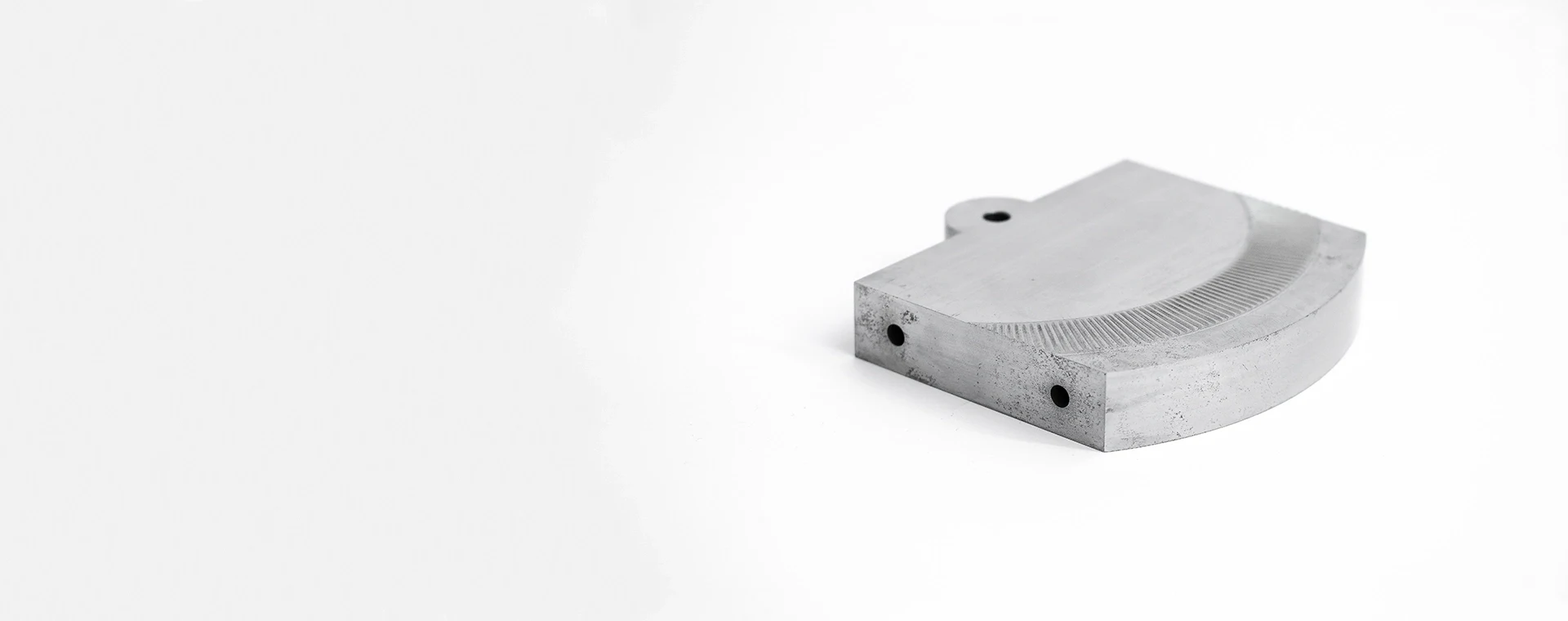
فولاذ الأدوات
مختارة لأجزاء القوالب الأساسية، وحشوات التجويف، ومكونات قوالب الختم، والأدوات الحساسة للتآكل. يجب تأكيد درجة الفولاذ، وحالة المعالجة الحرارية، ومقدار السماح بالتصنيع، وطريقة التشطيب من الرسم ومتطلبات التطبيق.
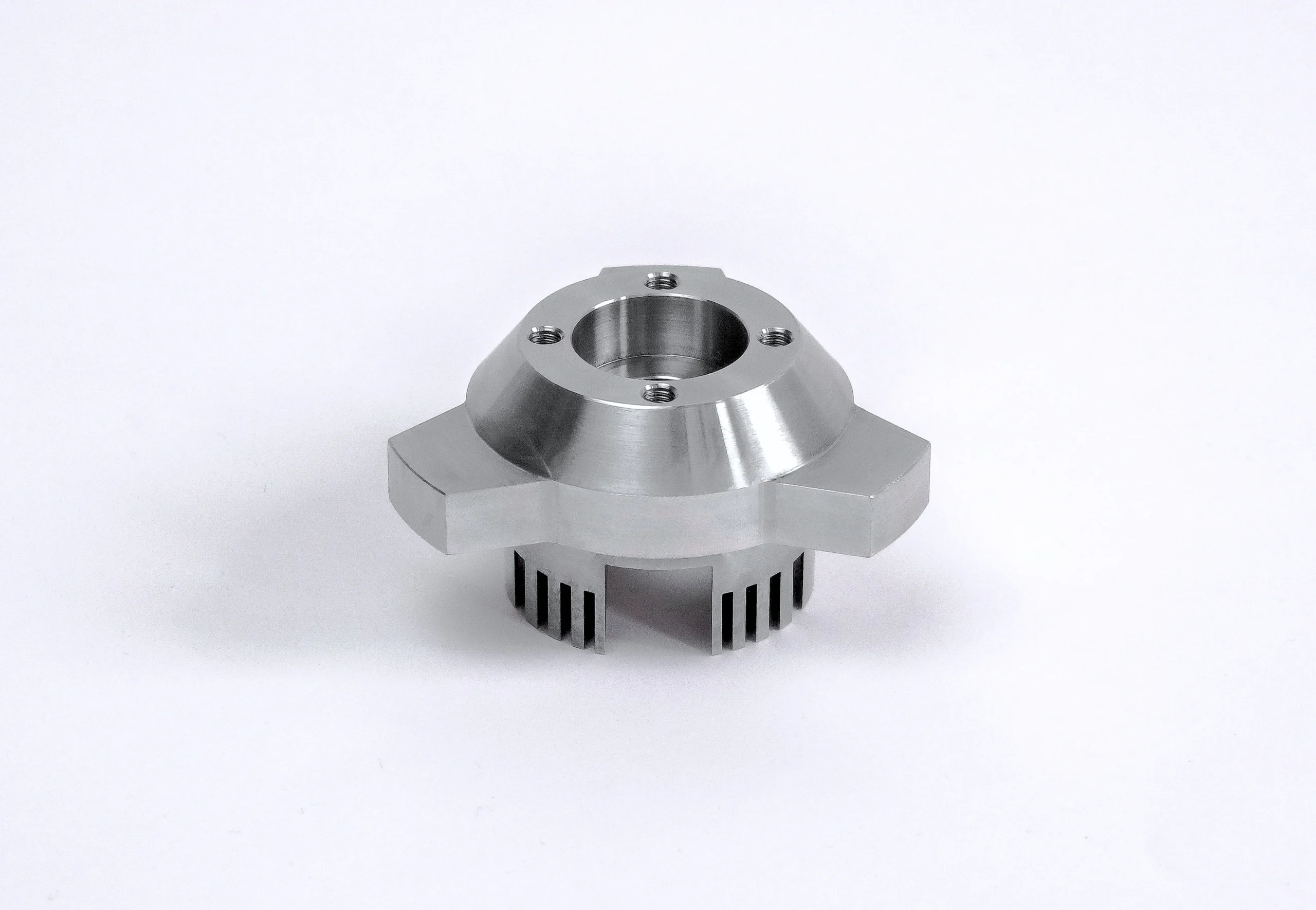
الفولاذ المقاوم للصدأ
يستخدم حيث تكون مقاومة التآكل، أو القوة، أو أداء الخدمة النظيفة مهمة في الأجزاء المخصصة ومكونات الأدوات. توجه درجة المادة، وحالة الصلابة، ومتطلبات السطح، وأولويات الفحص خطة التصنيع والتشطيب.
سبائك الألومنيوم
خيار عملي للمثبتات خفيفة الوزن، وقطع النماذج الأولية، وتطبيقات الأدوات المختارة. يؤثر اختيار السبيكة على قابلية التصنيع، والاستقرار، والتوافق مع الأكسدة الأنودية، وقوة الخيوط، لذا يجب إرفاق الأحمال الوظيفية ومتطلبات السطح بطلب عرض السعر.
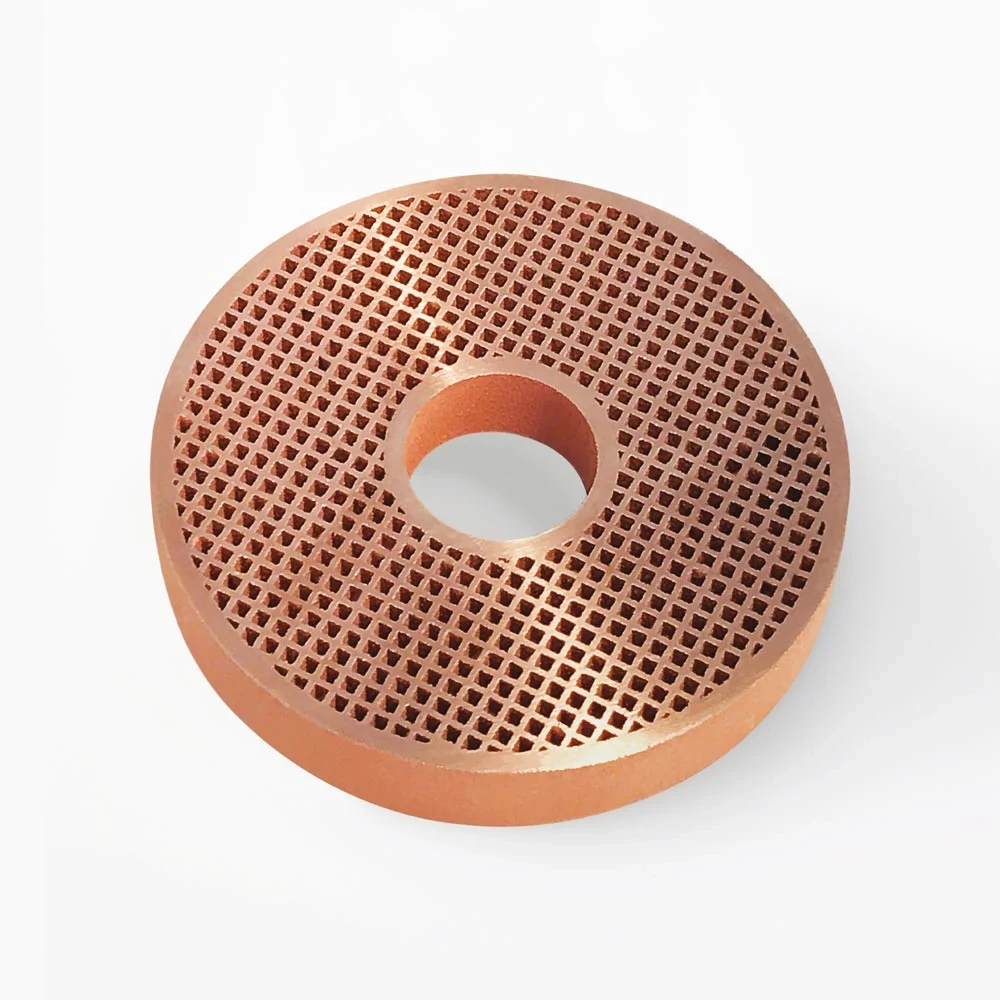
سبائك النحاس
يُنظر فيها للمكونات الموصلة كهربائياً أو المستجيبة حرارياً، بما في ذلك تفاصيل الأدوات المتخصصة. يجب أن يأخذ اختيار السبيكة في الاعتبار احتياجات الموصلية، وسلوك التشغيل الآلي، والأولويات البعدية، وأي قيود على مكونات التزاوج أو التشطيب.
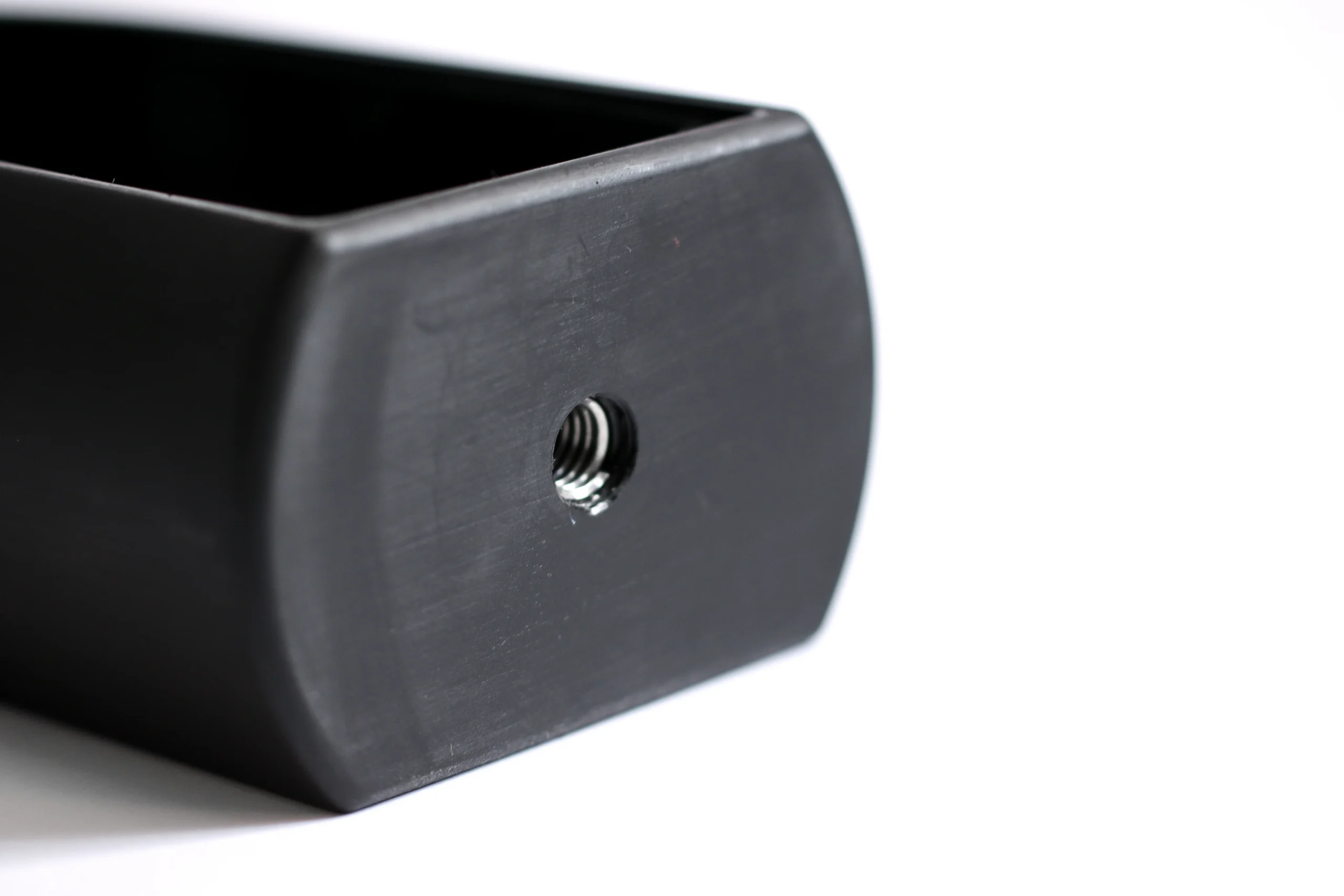
لدائن هندسية
قابلة للتطبيق على مكونات مختارة منخفضة الاحتكاك، أو عازلة، أو مقاومة كيميائياً حيث يدعم السلوك البعدي التطبيق. تتطلب الدرجة، والتعرض للرطوبة، والظروف الحرارية، والتفاوتات، وطريقة الفحص مراجعة قبل التخطيط للتشغيل الآلي.
تشغيل آلي دقيق بالتحكم الرقمي الحاسوبي (CNC)، والتشغيل بالشرارة الكهربائية (EDM)، والطحن، والتركيب
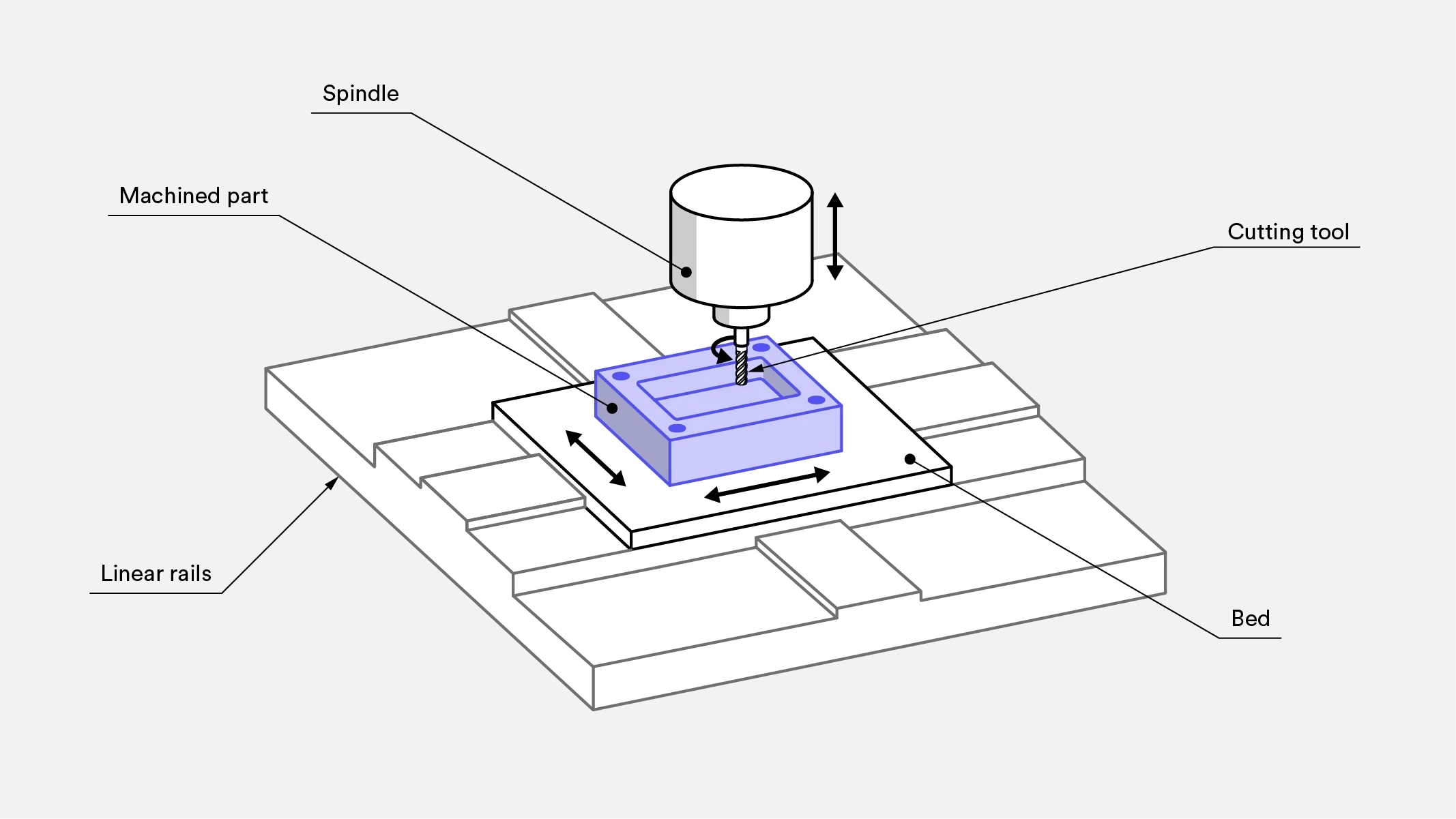
خدمات التفريز بالتحكم الرقمي الحاسوبي (CNC)
يزيل التفريز بالتحكم الرقمي الحاسوبي (CNC) المواد من الأجزاء المنشورية، والتجاويف، والمحيطات، وحشوات القوالب. تتم مراجعة وصول الأداة، ومواقع نقاط الإسناد، ومقدار التشغيل الآلي مبكراً لدعم الميزات المستقرة، والأسطح المتحكم بها، والتشغيل بالشرارة الكهربائية (EDM) أو الطحن اللاحق بكفاءة.
خدمات الخراطة بالتحكم الرقمي الحاسوبي (CNC)
تنتج الخراطة بالتحكم الرقمي الحاسوبي (CNC) أقطاراً متحدة المركز، وتجاويف، وخيوط، وملفات دورانية للدبابيس، والأكمام، والمكونات المخصصة. يأخذ المسار في الاعتبار علاقات نقاط الإسناد، وسمك الجدار، ومتطلبات التشطيب اللاحقة بحيث تظل واجهات التشغيل عملية للفحص.
تشغيل آلي بخمسة محاور
يصل التشغيل الآلي متعدد المحاور إلى ميزات مائلة، ومركبة، ومنحنية بإعدادات أقل حيث تدعم الهندسة ذلك. يتم تخطيط استراتيجية الإعداد وتقرب الأداة حول الأبعاد الحرجة، مما يساعد على تقليل مخاطر إعادة التموضع على مكونات القوالب والأدوات الموصلة المعقدة.
خدمات التشغيل بالشرارة الكهربائية (EDM) بالسلك
يقطع التشغيل بالشرارة الكهربائية (EDM) بالسلك ملامح دقيقة، وفتحات ضيقة، وميزات مقواة حيث يكون وصول الأداة التقليدية محدوداً. تتم مراجعة مسار السلك، وثقوب البدء، وظروف الزوايا، ومتطلبات التشطيب مع الرسم لحماية هندسة التشغيل وعلاقات التزاوج.
خدمات التشغيل بالشرارة الكهربائية (EDM) بالصب
يشكل التشغيل بالشرارة الكهربائية (EDM) بالصب تفاصيل داخلية، وتجاويف عميقة، وهندسة ذات ميزات حادة باستخدام أقطاب كهربائية مخططة. تتم مواءمة استراتيجية القطب الكهربائي، ومقدار الشرارة، وتوقعات التشطيب قبل التشغيل الآلي، خاصة حيث يحد شكل التجويف أو المادة المقواة من وصول التفريز.
ميزات مكونات التشغيل الآلي الدقيق بالتحكم الرقمي الحاسوبي (CNC) وتحديد الهوية
تجهيزات التثبيت
يمكن تشغيل الثقوب الملولبة، ومواقع الدبابيس، وفتحات البراغي، وميزات التثبيت الثابتة وفقاً للرسم المعتمد، مع مراجعة علاقات نقاط الإسناد وإمكانية الوصول للتجميع قبل بدء الإنتاج.
عناصر التوجيه
يمكن توفير أو استيعاب دبابيس التوجيه، والبطانات، والميزات الموضعية، وأسطح التآكل حيث يحدد الطلب ظروف التزاوج، ومتطلبات المواد، وتوقعات التركيب، وأولويات الفحص.
حشوات دقيقة
تدعم النوى القابلة للاستبدال، وحشوات التجويف، وواجهات الحشوات المخصصة صيانة القوالب وتغييرات التصميم. تستعرض SUUXIANG أسطح الجلوس، وطريقة التثبيت، ومقدار التشغيل الآلي، والأبعاد الحرجة من الرسم.
تحديد القطعة
يمكن النظر في أرقام القطع، وعلامات المراجعة، وتحديد التجويف، والعلامات المتحكم بها عند الطلب. يجب تحديد طريقة الوسم، والموقع، ومتطلبات الوضوح مع وثائق الرسم المطبقة.
تغليف واقٍ
يمكن تخطيط التغليف الوقائي للأسطح النهائية، الحواف الحادة، مخاطر التآكل، المجموعات المتطابقة، ووثائق الشحن. قم بتوفير متطلبات المناولة، الفصل، ووضع العلامات مع طلب عرض الأسعار للمراجعة.
حول SUUXIANG للتصنيع الدقيق
SUUXIANG هي العلامة التجارية العامة لشركة Dongguan SuuXiang Precision Mold Co., Ltd.، التي تأسست عام 2010 في تشانغآن، دونغقوان. شياو تشينغ هوانغ هو المؤسس والممثل القانوني. تعمل الشركة مع فرق الهندسة، الأدوات، المشتريات، والجودة على المكونات الدقيقة المحددة بالرسومات.
يجمع العمل بين التشغيل الآلي باستخدام الحاسب الآلي (CNC) ومكونات القوالب الدقيقة، أدوات التوصيل، التفريغ الكهربائي (EDM)، التجليخ، التركيب، وتخطيط الفحص. يتم اختيار مسار العملية بناءً على الهندسة الفعلية، حالة المادة، مخطط البيانات، الميزات الحرجة، والمستندات المطلوبة حسب الطلب.
يجب على الزوار استخدام صور القطع التمثيلية لفهم عائلات القطع، وليس لاستنتاج درجة دقيقة، تفاوت، أو نتيجة قياس. لإجراء مناقشة فنية، قم بإعداد الرسم والنماذج الحالية، الكمية، المادة، التشطيب، معايير الجودة الحرجة (CTQs)، نطاق الفحص، والتاريخ المستهدف.
ضوابط التشغيل الآلي الدقيق باستخدام الحاسب الآلي (CNC) خلف كل رسم
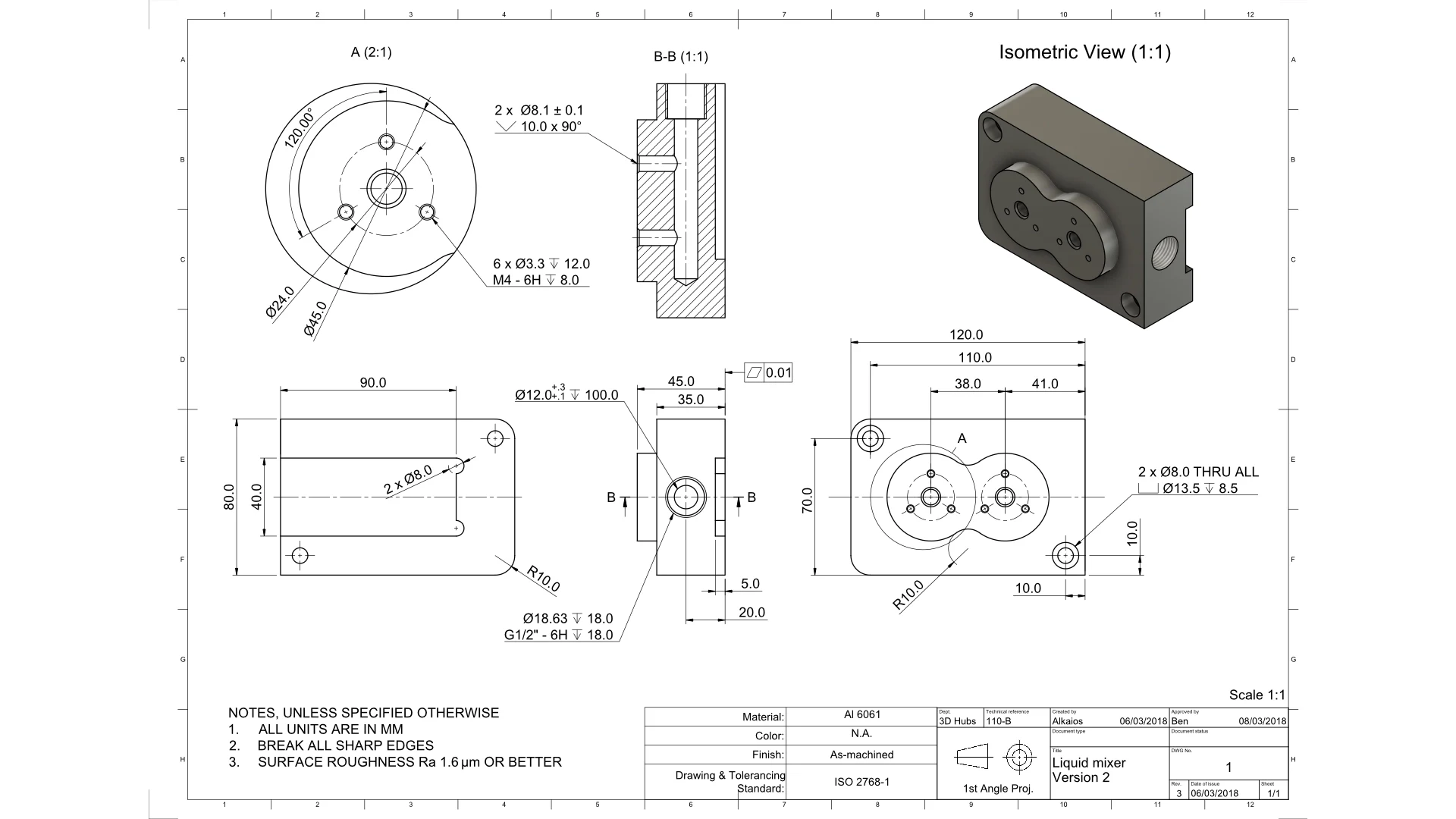
مراجعة الرسومات ومعايير الجودة الحرجة (CTQs)
تبدأ كل مشروع تشغيل آلي دقيق باستخدام الحاسب الآلي (CNC) بالرسم، النموذج، المادة، التشطيب، الكمية، ومتطلبات التوثيق. تقوم SUUXIANG بمراجعة الأبعاد الحرجة للجودة، علاقات البيانات، تراكم التفاوتات، سياق التزاوج، وأولويات الفحص قبل اقتراح مسار العملية.
- تأكيد حالة المراجعة وملاحظات الرسم المطبقة
- تحديد الأبعاد الحرجة للجودة (CTQ) والبيانات الوظيفية
- مراجعة متطلبات المواد، المعالجة الحرارية، والسطح
- تحديد أسئلة قابلية التصنيع قبل تخطيط الإنتاج
تخطيط مسار العملية
يتم اختيار التفريز، الخراطة، التفريغ الكهربائي (EDM)، التجليخ، والتركيب باستخدام الحاسب الآلي (CNC) كسلسلة محكومة بدلاً من قائمة تشغيل عامة. يأخذ المسار في الاعتبار وصول الأداة، سماحية التشغيل، تسلسل الصلابة، استراتيجية القطب الكهربائي، مسار السلك، والأسطح التي تتطلب تجليخًا نهائيًا.
- مطابقة التفريز والخراطة مع هندسة القطعة
- تخطيط التفريغ الكهربائي (EDM) للتفاصيل الداخلية والميزات التي يصعب الوصول إليها
- الاحتفاظ بمخزون التجليخ للأسطح النهائية الحرجة
- تنسيق المعالجة الحرارية مع التحكم في مخاطر الأبعاد
الفحص مدمج في التخطيط
يتم أخذ متطلبات الفحص في الاعتبار أثناء تخطيط القطعة، ولا يتم إضافتها بعد التشغيل الآلي. تقوم SUUXIANG بمواءمة طرق القياس، إعداد البيانات، الأبعاد الحرجة، توقعات الأسطح، وإعداد التقارير المطلوبة مع الطلب بحيث يعكس التوثيق خطة الفحص التي تم التحقق منها.
- تحديد نقاط الفحص من متطلبات الرسم
- مواءمة إعداد القياس مع البيانات الوظيفية
- مراجعة احتياجات إعداد التقارير والتتبع مبكرًا
- الاحتفاظ بالسجلات النهائية متطابقة مع مراجعة الطلب
تنسيق مُحكَم التحكم بالمراجعات
يعتمد العمل المستند إلى الرسومات على التحكم الواضح بالمراجعات عبر الهندسة، والتصنيع، والفحص، والتسليم. SUUXIANG يُبقي تواصل المشروع مركزاً على المواصفات النشطة، والأسئلة الفنية المفتوحة، والتغييرات المعتمدة، ومتطلبات الطلبات المتكررة لتقليل التباين الذي يمكن تجنبه بين عمليات الإنشاء.
- تتبع أحدث مراجعة للرسم والموديل
- توضيح المستندات وقرارات التغيير
- تنسيق معلومات التسليم مع حالة المشروع
- دعم الطلبات المتكررة بناءً على المتطلبات المؤكدة
قائمة تحقق لاتخاذ قرار طلب عرض أسعار التصنيع الدقيق المستند إلى الرسومات
قارن عروض الأسعار لنفس مراجعة الرسم والنطاق الفني المحدد، وليس بسعر وحدة غير مؤهل.
← Swipe left or right to view →
تشغيل دقيق باستخدام ماكينات CNC: من مراجعة الرسم إلى الشحن
سير عمل يعتمد على الرسم، ينسق قابلية التصنيع، الأبعاد الهامة، مسار العمليات، متطلبات الفحص، وتنسيق التسليم قبل بدء الإنتاج.
مراجعة حزمة طلب عروض الأسعار (RFQ)
نراجع الرسومات، النماذج، الكميات، المواد، التشطيبات، سياق التطبيق، التواريخ المستهدفة، ووثائق الفحص المطلوبة لوضع نقطة انطلاق مكتملة تقنيًا.
تأكيد قابلية التصميم للتصنيع (DFM) والأبعاد الحرجة للجودة (CTQs)
يوضح الفريق نقاط الإسناد، الأبعاد الحرجة للجودة، تراكم التفاوتات، الوصول للتصنيع، متطلبات السطح، وحالة المراجعة قبل الالتزام بمسار عملية.
تخطيط المواد والعمليات
يتم تنظيم حالة المادة، تسلسل المعالجة الحرارية، سماحية التشغيل، استراتيجية EDM، مخزون التجليخ، احتياجات الأدوات، ومتطلبات التركيب حول الرسم المعتمد.
تشغيل الميزات الحرجة للقطعة
يتم الجمع بين التفريز الدقيق بواسطة CNC، الخراطة، التشغيل متعدد المحاور، EDM، التجليخ، والتركيب حسب الحاجة لإنتاج الشكل الهندسي للقطعة أو مكون القالب المحدد.
الفحص وفقًا للمتطلبات
تتبع طرق الفحص وتقاريرها الخطة المعتمدة، مع التركيز على الأبعاد المحددة، نقاط الإسناد، أولويات السطح، والوثائق المطلوبة للطلب.
تنسيق التعبئة والتسليم
يتم تعبئة القطع وفقًا لمتطلبات المشروع، بينما تظل معلومات المراجعة النهائية، وسجلات الفحص، وتنسيق التسليم مرئية للتحكم في الطلبات المتكررة.
كيف تبدأ التشغيل الدقيق بواسطة ماكينات CNC مع SUUXIANG
Move from drawing review to controlled production with requirements, decisions and delivery details kept visible.
قدم حزمة رسوماتك
قم بتوفير رسومات ثنائية الأبعاد، نماذج ثلاثية الأبعاد عند توفرها، المادة، الكمية، سياق التطبيق، الأبعاد الحرجة للجودة، متطلبات التشطيب، ووثائق الفحص أو التقارير المطلوبة.
مراجعة العملية وتقديم عرض الأسعار
قبل البدء، تأكدوا من قابلية التصنيع، استراتيجية تحديد النقاط المرجعية (datum strategy)، إمكانية الوصول لعمليات التشغيل، الحاجة لعمليات التفريغ الكهربائي (EDM) أو التجليخ، تسلسل المعالجة الحرارية، طريقة الفحص، نطاق عروض الأسعار، ومتطلبات أخذ العينات.
الموافقة على تفاصيل الإنتاج
تأكد من مراجعة الرسم الهندسي، الأبعاد الرئيسية، متطلبات المواد والأسطح، مسار العملية المتفق عليه، خطة الفحص، توقعات العينات، وأولويات التسليم للطلب.
متابعة التصنيع والتسليم
تقوم SUUXIANG بتنسيق عمليات التشغيل، التفريغ الكهربائي (EDM)، التجليخ، التركيب، والفحص، مع الحفاظ على معلومات واضحة للمراجعات، الوثائق، والتسليم لدعم التحكم في الطلبات المتكررة.
وثائق المشروع المطلوب تحديدها قبل الإنتاج
أسئلة يجب على المشترين طرحها أثناء المراجعة الفنية
أي مراجعة للرسم الهندسي ونظام تحديد النقاط المرجعية (datum scheme) سيحكم القطعة، وكيف سيتم الموافقة على انحراف مقترح؟
ما هي الميزات الحاسمة للوظيفة، وما هي طريقة القياس التي ستثبت المطابقة؟
هل يشمل عرض السعر حالة المواد، العمليات الثانوية، مستندات الفحص، وافتراضات التعبئة؟
دليل الأسئلة الشائعة حول التصنيع الدقيق باستخدام الحاسوب (CNC) لتحضير عروض الأسعار
Practical answers for buyers preparing drawing-based parts, mold components and tooling inquiries.
ما هي الملفات التي يجب تقديمها لعرض سعر تصنيع دقيق باستخدام الحاسوب (CNC)؟
هل هناك حد أدنى لكمية الطلب لقطع التصنيع الدقيق باستخدام الحاسوب (CNC)؟
هل يمكن لـ SUUXIANG تصنيع عينات قبل طلب الإنتاج؟
ما الذي يحدد ما إذا كانت قطعة التصنيع الدقيق باستخدام الحاسوب (CNC) قابلة للتصنيع؟
هل يمكنكم تقديم تقارير فحص مع الطلب؟
كيف يتم التحكم في مراجعات الرسم بعد تقديم عرض سعر؟
كيف تتعامل SUUXIANG مع حماية الملكية الفكرية لمشاريع التصنيع الدقيق باستخدام الحاسوب (CNC)؟
ما هي معلومات الدفع والشحن التي يجب أن أدرجها في عرض السعر الخاص بي؟
عرض سعر لقطع دقيقة
إطار قرار عملي لقطعة دقيقة محددة بالرسم، من مراجعة الرسم الأولى إلى القبول الموثق.
1. تحديد القطعة ووظيفتها
Record the part family, assembly role and functional interfaces before choosing a machining method; the same visible shape may serve very different loads or fits. When specifying a drawing-defined precision part, this decision should be recorded against the latest controlled drawing. Note the quantity, production stage and functional interface so the discussion remains about the actual component rather than a visually similar example. A photograph can identify a part family, but it cannot establish material, tolerance or inspection results.nnFor this stage, focus on the part function, critical dimensions, material state and required inspection. Ask how the proposed process will preserve datum relationships and how the completed feature can be measured. If a tolerance, finish, hardness or document is essential, include its acceptance method in the RFQ rather than leaving it to interpretation.nnBefore approving production, record the drawing revision, any clarification or agreed deviation, and the documents expected with the order. Compare quotations by the same technical scope: material condition, operations, sampling, inspection, finishing, packing and delivery assumptions. If an item is not yet verified, treat it as an open engineering question. A clear decision record makes a prototype review and a later repeat order easier to reconcile without silently changing the specification.
2. التحكم في مراجعة الرسم الحالية
Identify which PDF, CAD model and revision note form the controlling package; conflicting callouts must be resolved before a quote becomes a production instruction. When specifying a drawing-defined precision part, this decision should be recorded against the latest controlled drawing. Note the quantity, production stage and functional interface so the discussion remains about the actual component rather than a visually similar example. A photograph can identify a part family, but it cannot establish material, tolerance or inspection results.nnFor this stage, focus on the part function, critical dimensions, material state and required inspection. Ask how the proposed process will preserve datum relationships and how the completed feature can be measured. If a tolerance, finish, hardness or document is essential, include its acceptance method in the RFQ rather than leaving it to interpretation.nnBefore approving production, record the drawing revision, any clarification or agreed deviation, and the documents expected with the order. Compare quotations by the same technical scope: material condition, operations, sampling, inspection, finishing, packing and delivery assumptions. If an item is not yet verified, treat it as an open engineering question. A clear decision record makes a prototype review and a later repeat order easier to reconcile without silently changing the specification.
3. فصل الأبعاد الحرجة عن غير الحرجة
Highlight fits, true positions, flatness and surfaces that change assembly behavior, then separate them from general dimensions that can use a different inspection frequency. When specifying a drawing-defined precision part, this decision should be recorded against the latest controlled drawing. Note the quantity, production stage and functional interface so the discussion remains about the actual component rather than a visually similar example. A photograph can identify a part family, but it cannot establish material, tolerance or inspection results.nnFor this stage, focus on the part function, critical dimensions, material state and required inspection. Ask how the proposed process will preserve datum relationships and how the completed feature can be measured. If a tolerance, finish, hardness or document is essential, include its acceptance method in the RFQ rather than leaving it to interpretation.nnBefore approving production, record the drawing revision, any clarification or agreed deviation, and the documents expected with the order. Compare quotations by the same technical scope: material condition, operations, sampling, inspection, finishing, packing and delivery assumptions. If an item is not yet verified, treat it as an open engineering question. A clear decision record makes a prototype review and a later repeat order easier to reconcile without silently changing the specification.
4. اختيار مسار عملية واقعي
A pocket, fine rib or deep bore may call for CNC, EDM or grinding in sequence; tool reach and heat-treatment state can change both cost and achievable finish. When specifying a drawing-defined precision part, this decision should be recorded against the latest controlled drawing. Note the quantity, production stage and functional interface so the discussion remains about the actual component rather than a visually similar example. A photograph can identify a part family, but it cannot establish material, tolerance or inspection results.nnFor this stage, focus on the part function, critical dimensions, material state and required inspection. Ask how the proposed process will preserve datum relationships and how the completed feature can be measured. If a tolerance, finish, hardness or document is essential, include its acceptance method in the RFQ rather than leaving it to interpretation.nnBefore approving production, record the drawing revision, any clarification or agreed deviation, and the documents expected with the order. Compare quotations by the same technical scope: material condition, operations, sampling, inspection, finishing, packing and delivery assumptions. If an item is not yet verified, treat it as an open engineering question. A clear decision record makes a prototype review and a later repeat order easier to reconcile without silently changing the specification.
5. تحديد المادة والمعالجة الحرارية
State the exact grade and supply condition rather than naming only steel or aluminum; certificates and hardness requirements belong in the same specification package. When specifying a drawing-defined precision part, this decision should be recorded against the latest controlled drawing. Note the quantity, production stage and functional interface so the discussion remains about the actual component rather than a visually similar example. A photograph can identify a part family, but it cannot establish material, tolerance or inspection results.nnFor this stage, focus on the part function, critical dimensions, material state and required inspection. Ask how the proposed process will preserve datum relationships and how the completed feature can be measured. If a tolerance, finish, hardness or document is essential, include its acceptance method in the RFQ rather than leaving it to interpretation.nnBefore approving production, record the drawing revision, any clarification or agreed deviation, and the documents expected with the order. Compare quotations by the same technical scope: material condition, operations, sampling, inspection, finishing, packing and delivery assumptions. If an item is not yet verified, treat it as an open engineering question. A clear decision record makes a prototype review and a later repeat order easier to reconcile without silently changing the specification.
6. التخطيط للقياس قبل الإنتاج
Select CMM, optical or manual methods according to feature geometry and access; a numerical tolerance is incomplete without a realistic way to verify it. When specifying a drawing-defined precision part, this decision should be recorded against the latest controlled drawing. Note the quantity, production stage and functional interface so the discussion remains about the actual component rather than a visually similar example. A photograph can identify a part family, but it cannot establish material, tolerance or inspection results.nnFor this stage, focus on the part function, critical dimensions, material state and required inspection. Ask how the proposed process will preserve datum relationships and how the completed feature can be measured. If a tolerance, finish, hardness or document is essential, include its acceptance method in the RFQ rather than leaving it to interpretation.nnBefore approving production, record the drawing revision, any clarification or agreed deviation, and the documents expected with the order. Compare quotations by the same technical scope: material condition, operations, sampling, inspection, finishing, packing and delivery assumptions. If an item is not yet verified, treat it as an open engineering question. A clear decision record makes a prototype review and a later repeat order easier to reconcile without silently changing the specification.
7. مقارنة عروض الأسعار بنفس النطاق
Compare suppliers on included operations, secondary treatment, inspection evidence, sample approval, packing and revision ownership rather than unit price alone. When specifying a drawing-defined precision part, this decision should be recorded against the latest controlled drawing. Note the quantity, production stage and functional interface so the discussion remains about the actual component rather than a visually similar example. A photograph can identify a part family, but it cannot establish material, tolerance or inspection results.nnFor this stage, focus on the part function, critical dimensions, material state and required inspection. Ask how the proposed process will preserve datum relationships and how the completed feature can be measured. If a tolerance, finish, hardness or document is essential, include its acceptance method in the RFQ rather than leaving it to interpretation.nnBefore approving production, record the drawing revision, any clarification or agreed deviation, and the documents expected with the order. Compare quotations by the same technical scope: material condition, operations, sampling, inspection, finishing, packing and delivery assumptions. If an item is not yet verified, treat it as an open engineering question. A clear decision record makes a prototype review and a later repeat order easier to reconcile without silently changing the specification.
8. إعداد عرض السعر التالي
A useful RFQ includes 2D and 3D files, quantities, material, treatment, CTQs, finish, documentation needs, target date and destination. When specifying a drawing-defined precision part, this decision should be recorded against the latest controlled drawing. Note the quantity, production stage and functional interface so the discussion remains about the actual component rather than a visually similar example. A photograph can identify a part family, but it cannot establish material, tolerance or inspection results.nnFor this stage, focus on the part function, critical dimensions, material state and required inspection. Ask how the proposed process will preserve datum relationships and how the completed feature can be measured. If a tolerance, finish, hardness or document is essential, include its acceptance method in the RFQ rather than leaving it to interpretation.nnBefore approving production, record the drawing revision, any clarification or agreed deviation, and the documents expected with the order. Compare quotations by the same technical scope: material condition, operations, sampling, inspection, finishing, packing and delivery assumptions. If an item is not yet verified, treat it as an open engineering question. A clear decision record makes a prototype review and a later repeat order easier to reconcile without silently changing the specification.
مراجعة القطع وإعداد حزمة الرسم الخاصة بك
قارن المكونات التمثيلية، ثم اجمع أحدث مراجعة للرسم، والمواد، والكمية، والخصائص الحرجة للجودة (CTQs)، والتشطيب، ونطاق الفحص، والتاريخ المستهدف لمناقشة المشروع.