
ضمان جودة الأجزاء الدقيقة يبدأ من رسوماتك الهندسية
تقوم SUUXIANG بمواءمة مؤشرات الجودة الحرجة (CTQ)، وحالة المراجعة، والنقاط المرجعية، وطرق القياس العملية قبل الإنتاج لضمان جودة الأجزاء الدقيقة مع قابلية التتبع.
نماذج أجزاء لضمان جودة الأجزاء الدقيقة
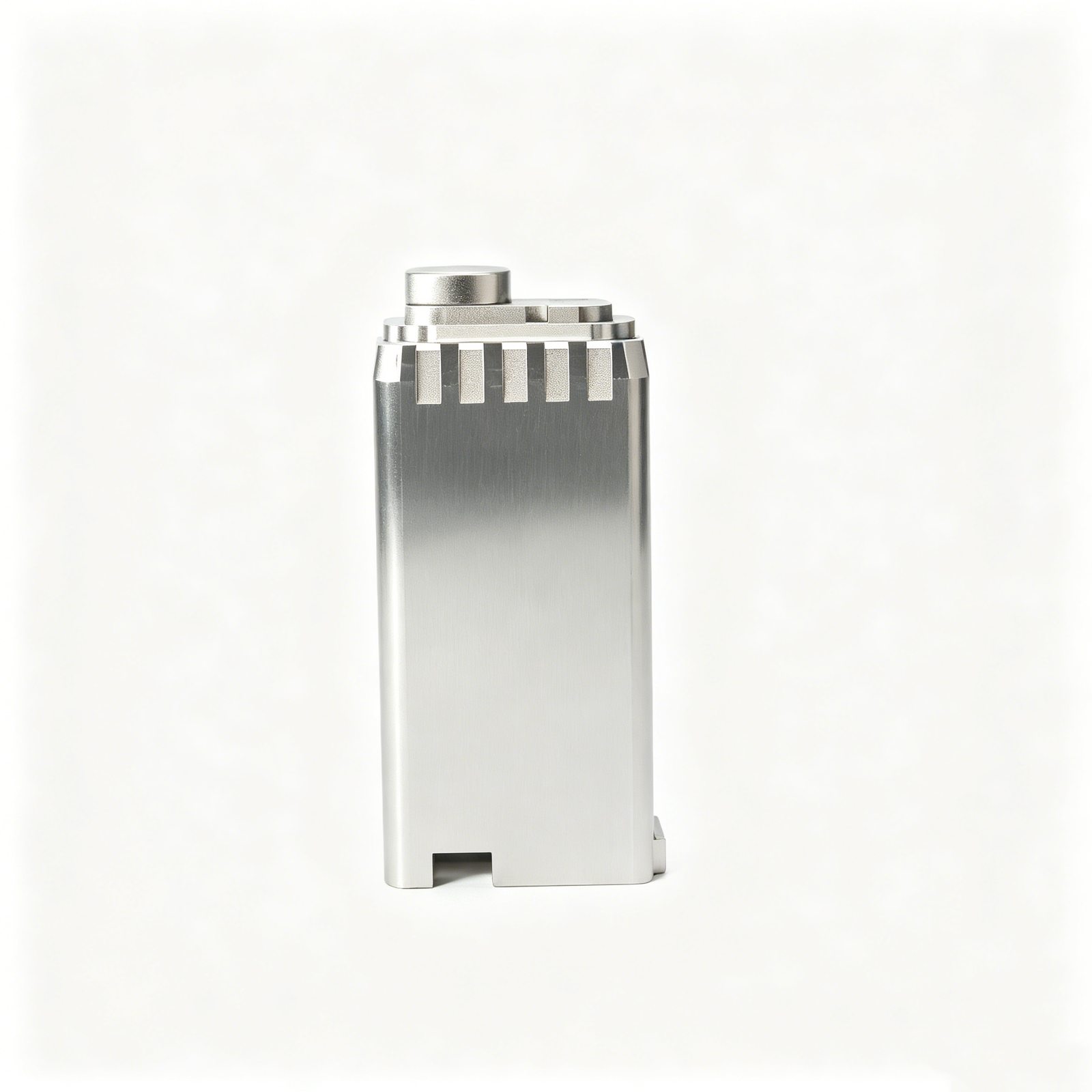
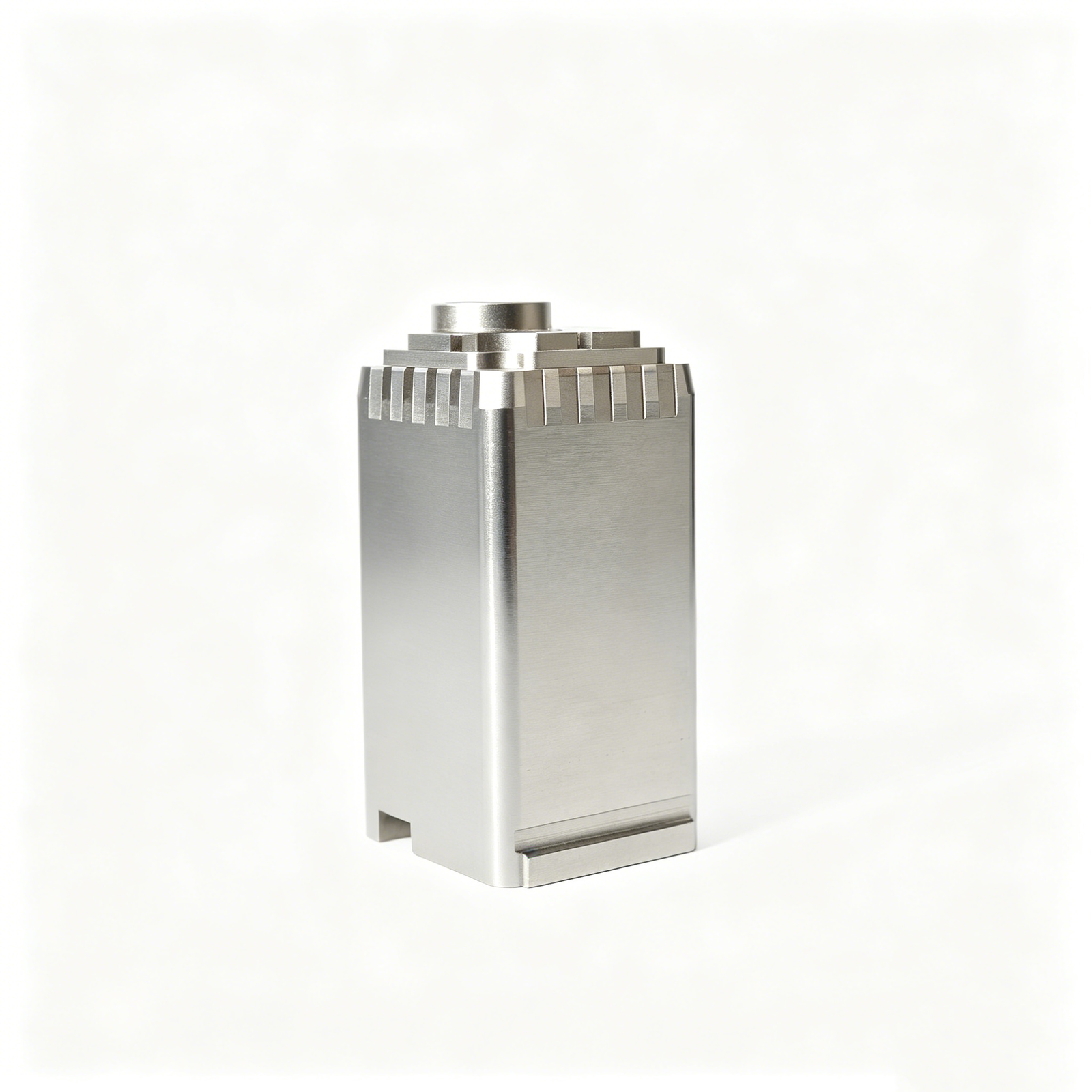
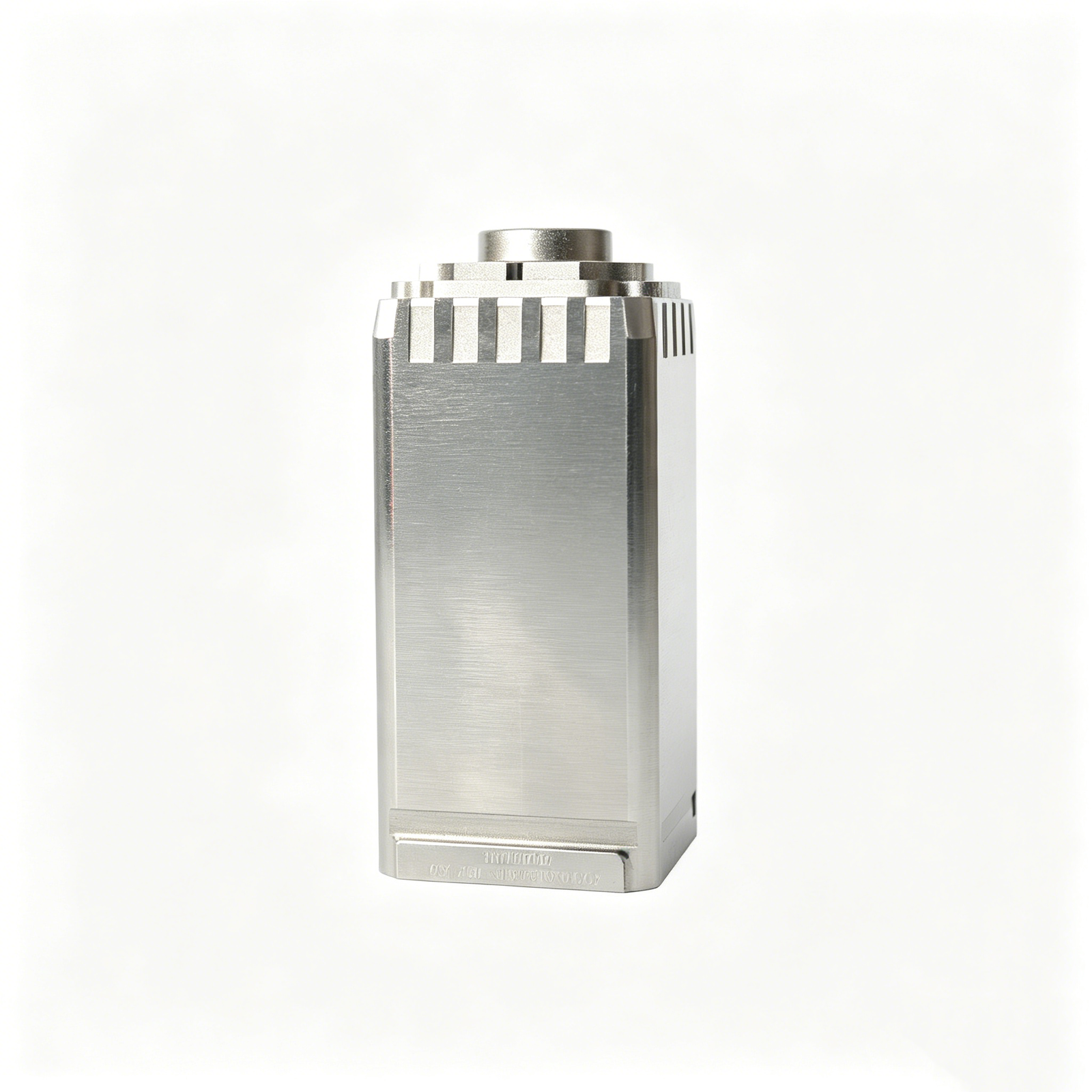
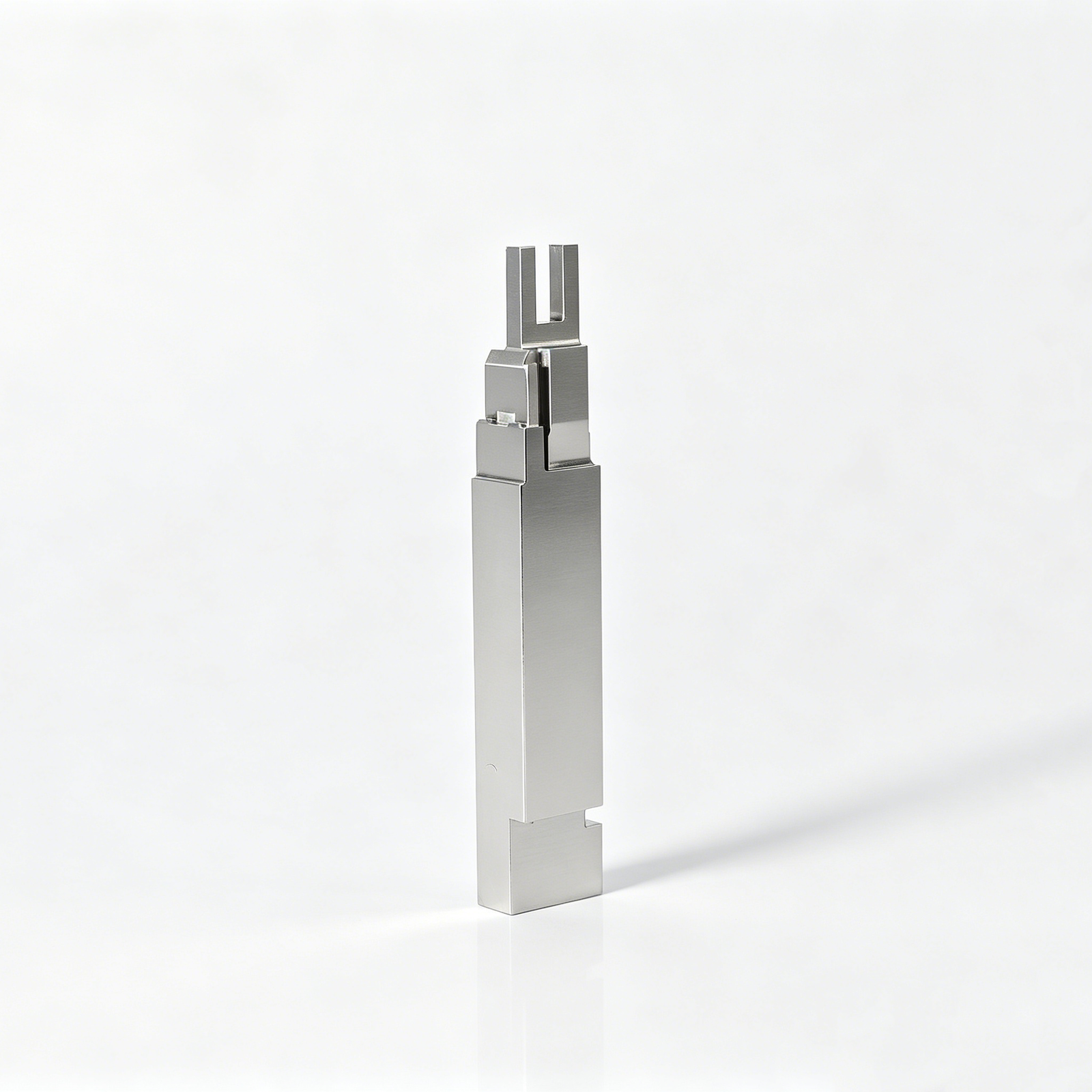
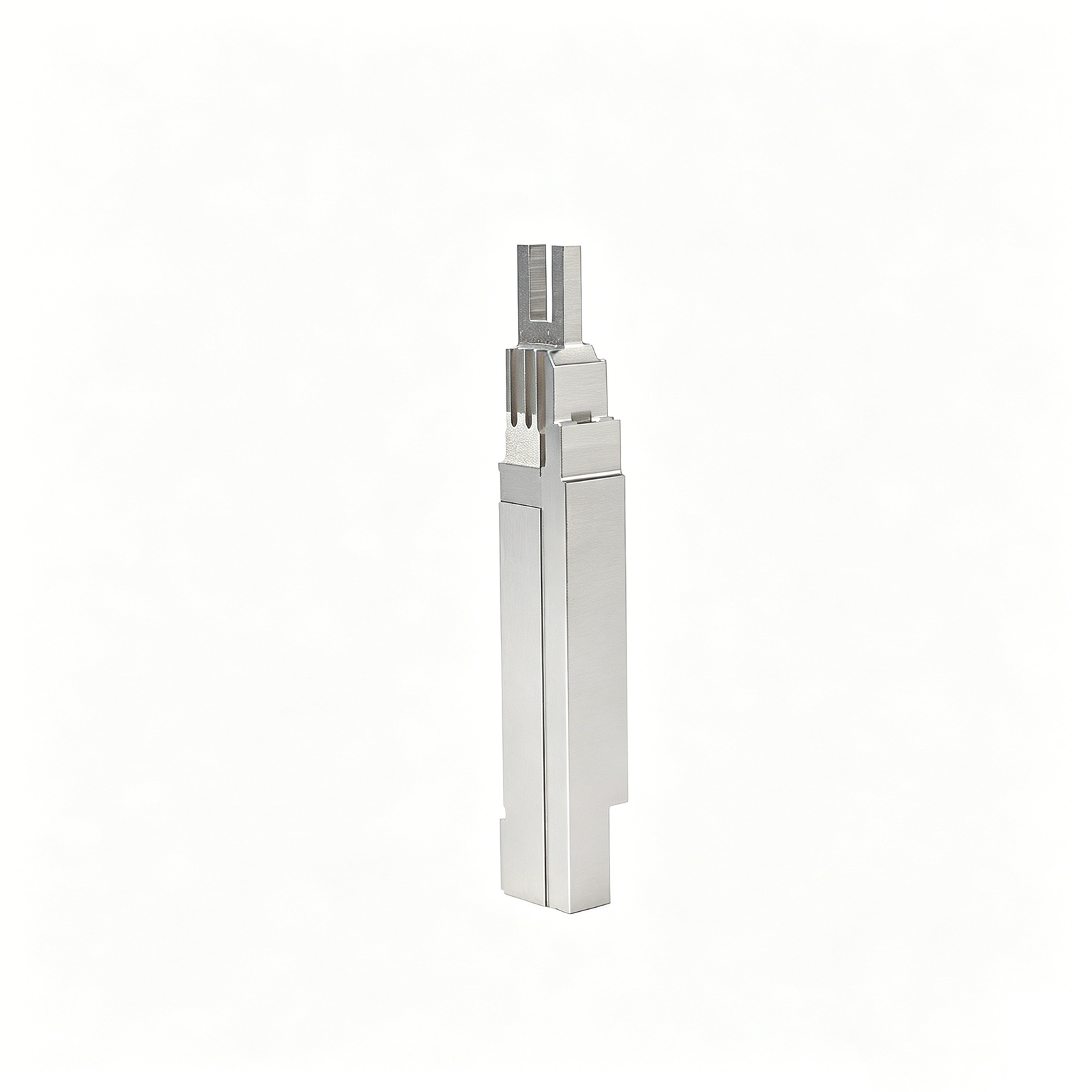

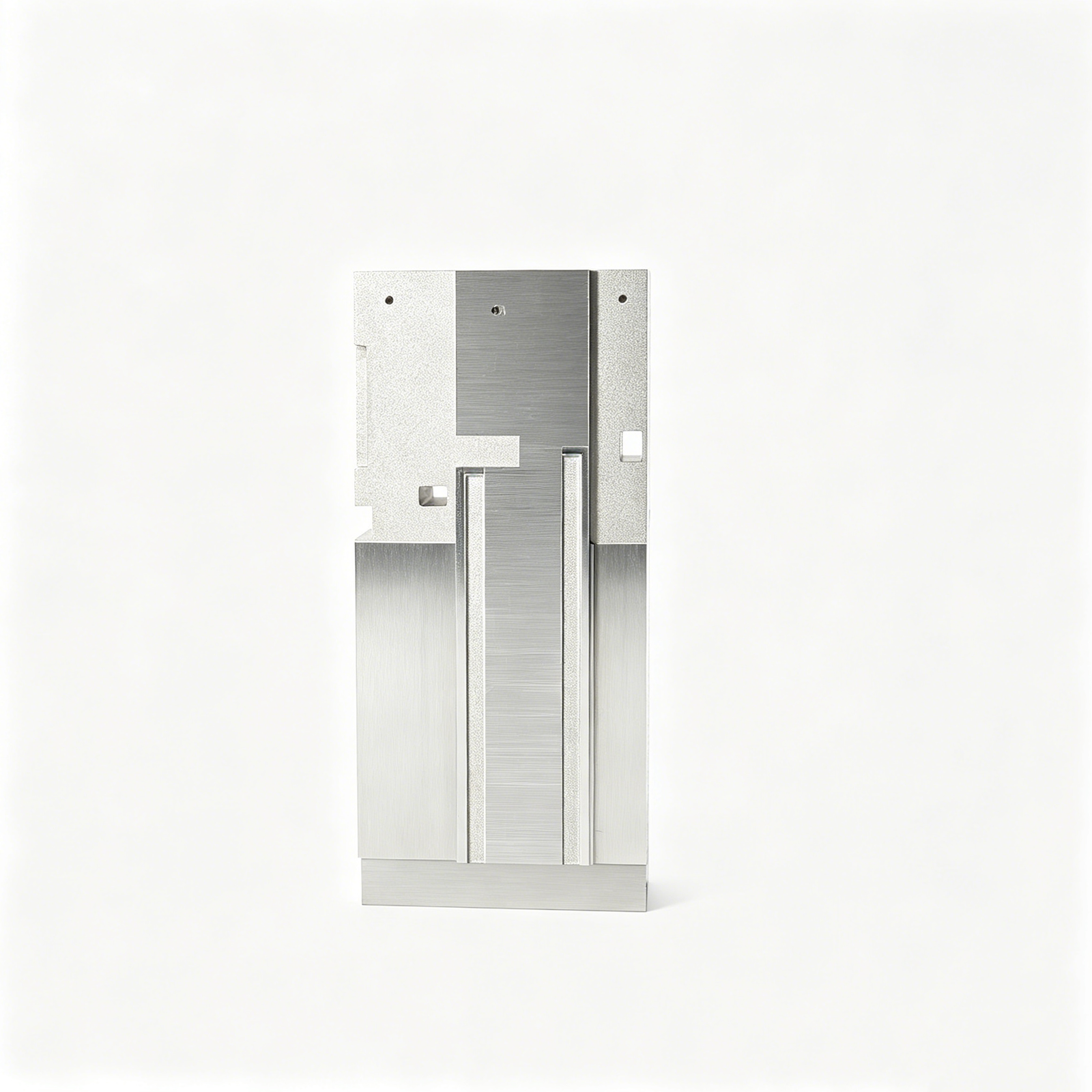
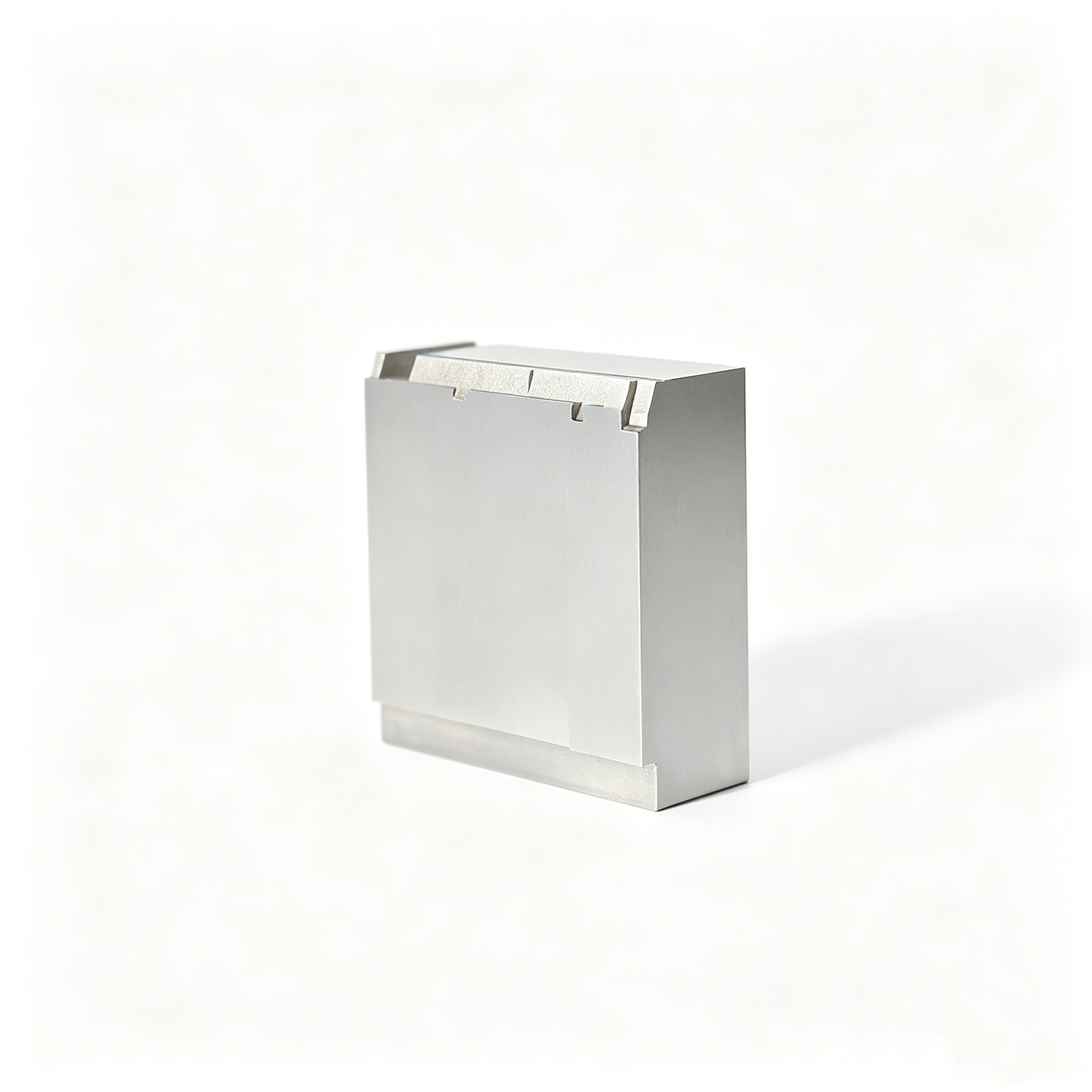
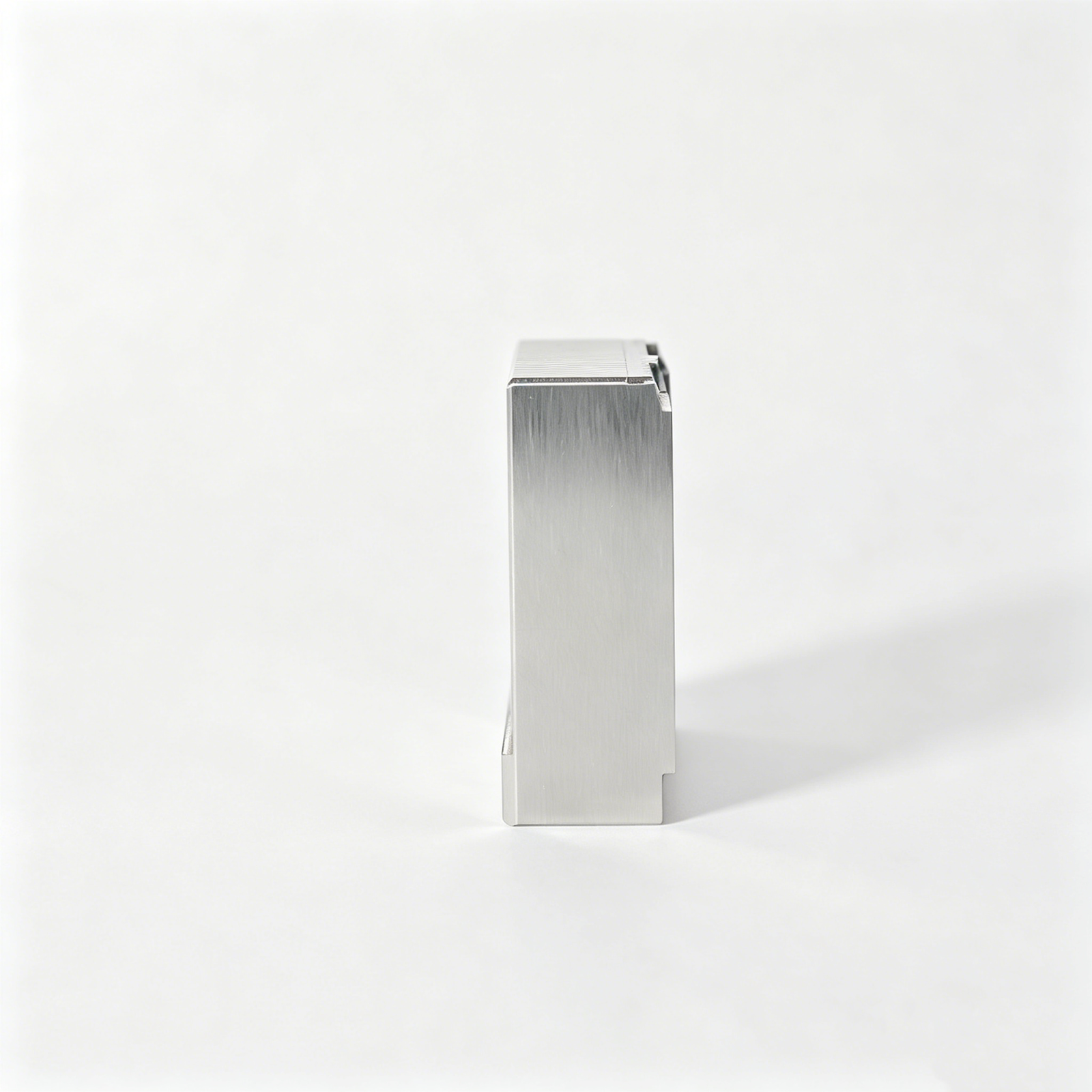
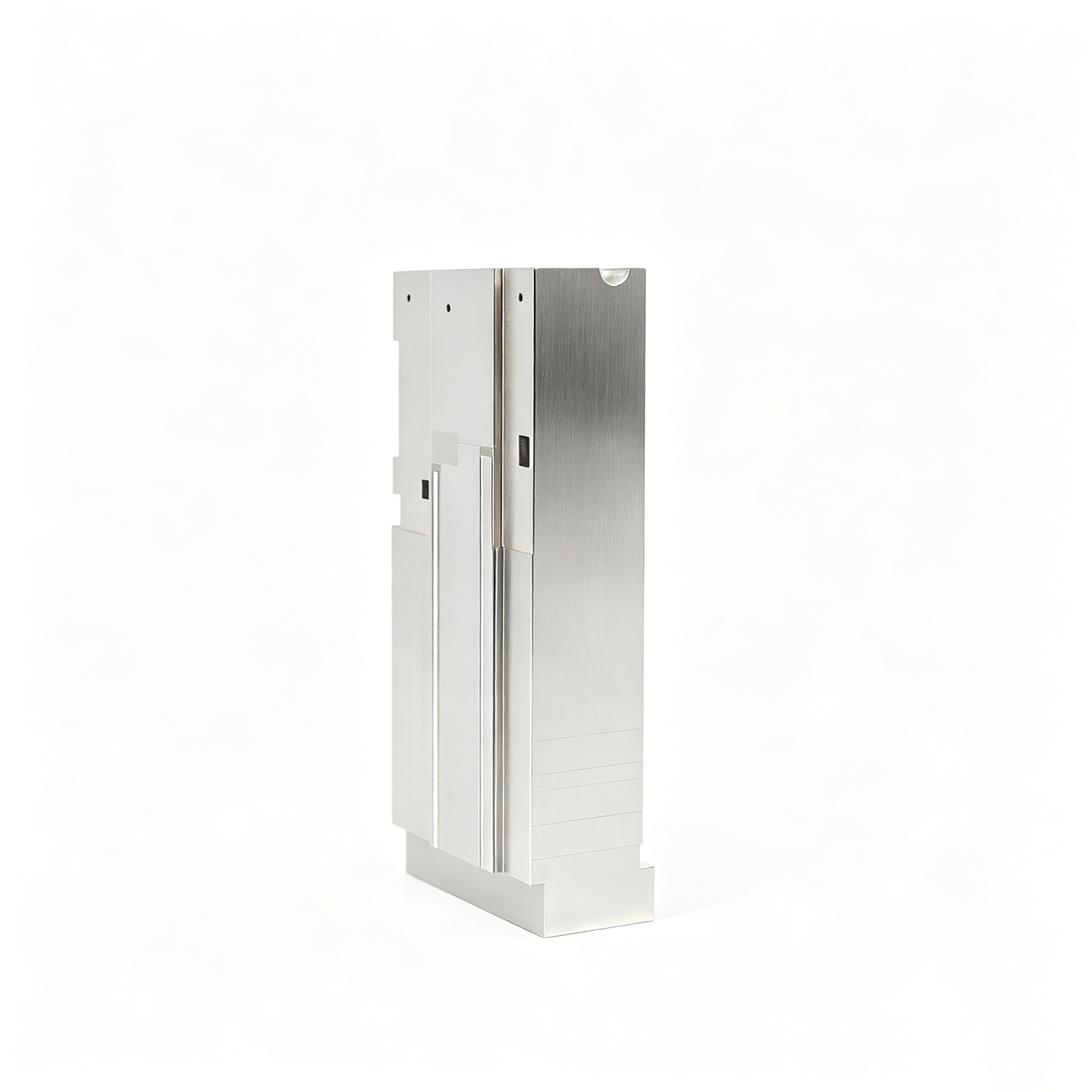
Sample Components for Quality Assurance for Precision Parts
Ten drawing-based component examples; open a part to review its engineering context.




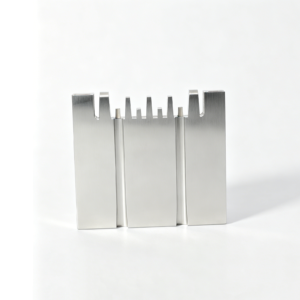
ضمان جودة الأجزاء الدقيقة مبني حول مؤشرات الجودة الحرجة (CTQ)
تتم مراجعة كل متطلب مقابل مراجعة الرسم الهندسي، واستراتيجية النقاط المرجعية، ومسار العملية، وأدلة الفحص العملية قبل استمرار الإنتاج.
التحكم في مراجعات الرسومات الهندسية
تتم مواءمة مراجعات الرسومات الهندسية الحالية والملاحظات والنماذج قبل التخطيط، مما يساعد على منع المتطلبات القديمة من الدخول في سجلات التشغيل أو الفحص.
تصنيف مؤشرات الجودة الحرجة (CTQ)
يتم تحديد الأبعاد والأسطح والوصلات الوظيفية الحرجة مبكرًا لتعكس مسارات الإنتاج وأولويات التقارير مخاطر التصميم الفعلية.
قياسات مطابقة
يوجه نوع الميزة، والتفاوت، ومحاكاة النقاط المرجعية، وعدم اليقين في القياس طريقة الفحص المختارة لكل متطلب حرج محدد بالمشروع.
التحقق أثناء العملية
يتم التخطيط للاختبارات في مراحل تصنيع ذات مغزى للكشف عن الانحرافات قبل أعمال التشغيل أو التفريغ الكهربائي (EDM) أو التجليخ أو التركيب أو التشطيب اللاحقة.
سجلات الفحص النهائي
يتم توثيق النتائج النهائية مقابل الخطة المعتمدة، مع توفر تقارير الأبعاد وسجلات المواد أو المعالجة المحددة بالمشروع عند الحاجة.
تواصل قابل للتتبع
تظل حالة المراجعة ونتائج الفحص وقرارات عدم المطابقة مرئية من خلال التواصل الواضح للمشروع وضوابط التوثيق المتفق عليها.
مسارات ذات صلة لضمان جودة الأجزاء الدقيقة
تبدأ كل فئة بمراجعة الرسم الهندسي، وتصنيف مؤشرات الجودة الحرجة (CTQ)، وخطة قياس مطابقة للميزة، واستراتيجية النقاط المرجعية، والسجلات المطلوبة.

خدمات التشغيل بالتحكم الرقمي (CNC)
تشغيل محدد بالرسومات الهندسية للأجزاء المخصصة، مع تخطيط العملية حول الهندسة، وحالة المادة، والنقاط المرجعية، وإمكانية الوصول للفحص.
Explore CNCمكونات قوالب دقيقة
عمل القوالب الأساسية والتجاويف والإضافات مخطط حول الميزات المتزاوجة، وحالة المادة، والتفريغ الكهربائي (EDM)، والتجليخ، ومتطلبات التركيب.
Explore Mold Parts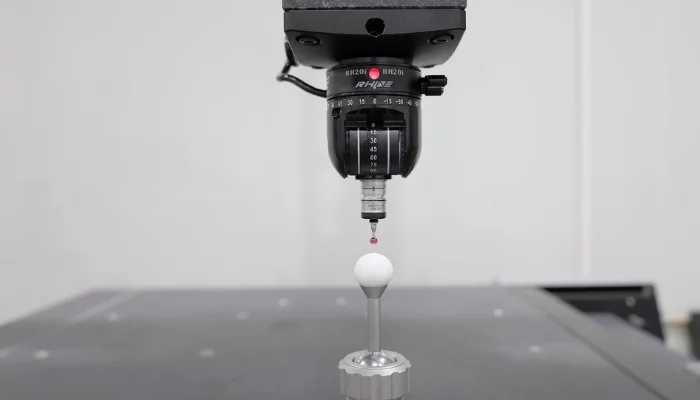
الجودة والتوثيق
مناقشة معايير الجودة الحرجة (CTQ)، وطرق القياس، ومراقبة المراجعات، والمستندات المطلوبة لإصدار طلبك.
Review Qualityمواد ضمان جودة الأجزاء الدقيقة
سبائك الفولاذ للأدوات
شائعة في القوالب، والتجاويف، والشرائح، ومكونات قوالب الختم. يجب تأكيد سماحية التشغيل الآلي، وتسلسل المعالجة الحرارية، وهدف الصلابة، ومقدار التجليخ من الرسم، لأن كل منها يؤثر على التحقق من الأبعاد وتخطيط الفحص النهائي.
درجات الفولاذ المقاوم للصدأ
محددة لمكونات القوالب الحساسة للتآكل، وعناصر التوجيه، والأجزاء الدقيقة المخصصة. يجب تحديد الدرجة، وحالة المادة، ومتطلبات السطح، وأي معالجة حرارية على الرسم لمواءمة استراتيجية التشغيل الآلي مع سجل الفحص المطلوب.
درجات سبائك الألومنيوم
تستخدم للنماذج الأولية، والتركيبات، وعناصر الأدوات خفيفة الوزن، وتطبيقات المكونات المختارة. يجب تأكيد تعيين السبيكة، والحالة، والتشطيب السطحي، ومتطلبات الخيوط الحرجة من الرسم، حيث تختلف قابلية التشغيل الآلي وطريقة القياس حسب حالة المادة المحددة.
درجات سبائك النحاس
تستخدم حيث يكون الأداء الحراري أو الكهربائي مهمًا، بما في ذلك الأدوات المتعلقة بالموصلات والحشوات المتخصصة. قم بتأكيد السبيكة المحددة، وحالة الصلابة، وتفاوتات الميزات، ومتطلبات التشطيب من الرسم قبل اختيار طرق التشغيل الآلي والفحص.
درجات كربيد التنجستن
مختارة للثقوب المقاومة للتآكل، والقوالب، وميزات التشكيل ذات الحمل العالي. تتطلب الدرجة، ومحتوى الرابط، وسماحية التجليخ، وحالة الحافة، ومعايير الفحص مراجعة المشروع، لأن تشغيل كربيد التنجستن وقياسه يختلفان عن مكونات الفولاذ التقليدية.
عمليات التصنيع لضمان جودة الأجزاء الدقيقة
قطع بالأسلاك EDM
ينتج قطع الأسلاك EDM الميزات الداخلية المعقدة، والملفات الجانبية الداخلية الحادة، وتفاصيل الأجزاء المقواة حيث يكون وصول الأداة التقليدية محدودًا. يتم تخطيط مسار السلك، وموقع ثقب البداية، وعلاقة البيانات مقابل متطلبات التفاوت والسطح.
قطع بالتماس EDM
يشكل قطع التماس EDM التجاويف العميقة، والأضلاع، والتفاصيل المغلقة التي تتطلب نهجًا يعتمد على القطب الكهربائي. تتم مواءمة استراتيجية القطب الكهربائي، وسماحية الشرارة، ومتطلبات التشطيب مع الرسم قبل تحديد نقاط الفحص.
التجليخ الدقيق
يقوم التجليخ بتحسين الاستواء، والتوازي، والشكل الأسطواني، والميزات ذات الحجم الدقيق بعد التشغيل الآلي أو المعالجة الحرارية. تتطلب مخزون التجليخ، ومحاكاة البيانات، وعدم يقين القياس اهتمامًا عندما تترك التفاوتات هامشًا ضيقًا لإعادة العمل.
تجميع التركيب
يتحقق التركيب من العلاقات الوظيفية بين النوى، والحشوات، والشرائح، وعناصر التوجيه، والميزات المتزايدة. يتم استخدام العمل اليدوي المتحكم به فقط حيث يتطلب التناسب المحدد، أو نمط الاتصال، أو متطلب الحركة ذلك، مع الحفاظ على رؤية المراجعة.
تكامل الفحص
تتطابق الفحوصات أثناء العملية والفحص النهائي مع كل معيار جودة حرج (CTQ) وطريقة قياس عملية. يمكن تحديد تقارير الأبعاد، وفحص التصنيع الأولي (FAI)، وسجلات المواد أو المعالجة الحرارية، والتعامل مع عدم المطابقة مع طلب عرض الأسعار (RFQ).
ضمان جودة الأجزاء الدقيقة: خيارات التعريف والمعالجة
علامات الأجزاء المحفورة
يمكن للعلامات المحددة في المشروع بالليزر أو الميكانيكية تحديد رقم الجزء، أو المراجعة، أو موضع التجويف، أو مرجع الدفعة حيث تم مراجعة الموقع والوضوح وتأثير السطح مقابل المتطلبات الوظيفية والجمالية.
التعبئة الواقية
يساعد التغليف الفردي، أو الفواصل، أو الصواني، أو الوقاية من الصدأ، أو تخطيطات التعبئة المخصصة في حماية الحواف الدقيقة والأسطح المصقولة وميزات التوصيل أثناء النقل. يجب أن تعكس تفاصيل التعبئة حالة المواد، والتشطيب السطحي، ومخاطر المناولة، وطريقة الشحن.
ملحقات التجميع
يمكن توفير المثبتات المحددة، أو دبابيس التوصيل، أو الزنبركات، أو مثبتات، أو الملحقات ذات الصلة مع مجموعات المكونات عندما يتم تحديد هوية الجزء، والكميات، ومتطلبات المواد، وعلاقات التجميع بوضوح في طلب عرض الأسعار.
ملصقات التتبع
يمكن للملصقات حمل معرفات محددة في المشروع مثل مرجع الطلب، ومراجعة الرسم، ورقم الجزء، والكمية، وحالة الفحص. اتفق على محتوى الملصق وموضعه مبكرًا للحفاظ على توافق السجلات مع الأجزاء المسلمة.
ميزات المناولة
يمكن النظر في الألسنة المؤقتة، أو الأغطية الواقية، أو تجهيزات الرفع، أو علامات الاتجاه، أو واجهات التركيب عندما تدعم المعالجة الآمنة، أو الفحص، أو التجميع، أو الشحن دون المساس بالأبعاد الحرجة أو الأسطح الوظيفية.
عن SUUXIANG للتصنيع الدقيق
SUUXIANG هي العلامة التجارية العامة لشركة Dongguan SuuXiang Precision Mold Co., Ltd.، التي تأسست في عام 2010 في Chang’an، Dongguan. XiaoCheng Huang هو المؤسس والممثل القانوني. تعمل الشركة مع فرق الهندسة، والأدوات، والمشتريات، والجودة على المكونات الدقيقة المحددة بالرسم.
يجمع العمل بين التشغيل الآلي باستخدام الحاسب الآلي (CNC) ومكونات القوالب الدقيقة، وأدوات التوصيل، والتفريغ الكهربائي (EDM)، والصقل، والتركيب، وتخطيط الفحص. يتم اختيار مسار العملية حول الهندسة الفعلية، وحالة المواد، ومخطط نقاط الإسناد، والميزات الحرجة، والمستندات المطلوبة حسب الطلب.
يجب على الزوار استخدام صور الأجزاء التمثيلية لفهم عائلات الأجزاء، وليس لاستنتاج درجة دقيقة، أو تفاوت، أو نتيجة قياس. لإجراء مناقشة فنية، قم بإعداد الرسم والنموذج الحاليين، والكمية، والمواد، والتشطيب، ومعايير الجودة الحرجة (CTQs)، ونطاق الفحص، والتاريخ المستهدف.
ضمان جودة الأجزاء الدقيقة يبدأ قبل التشغيل الآلي
مراجعة الرسم وDFM
يبدأ كل مشروع بمراجعة الرسم الحالية، والنموذج، والمواد، والكمية، وسياق التطبيق. تحدد SUUXIANG معايير الجودة الحرجة (CTQs)، وطرق التشغيل الآلي المتاحة، ومتطلبات السطح، ومخاطر العملية قبل تخطيط الإنتاج لضمان أن متطلبات الفحص عملية، ومرئية، ومرتبطة بالطلب.
- تأكيد مراجعة الرسم والمواصفات المعمول بها
- تصنيف الأبعاد والأسطح والوصلات الوظيفية الحرجة
- مراجعة الوصول إلى الأدوات، واحتياجات التفريغ الكهربائي (EDM)، ومسامحة الصقل
- تحديد سجلات الفحص الخاصة بالمشروع قبل الإصدار
استراتيجية نقاط الإسناد والتفاوت
تعتمد نتائج التفاوت الضيق على كيفية تحديد موقع الميزة وقياسها، وليس فقط على قيمتها المبلغ عنها. تأخذ خطة الفحص في الاعتبار نقاط الإسناد في الرسم، وظروف التوصيل، وتأثيرات تفاوتات التراص، وعدم اليقين في القياس، بحيث تعكس الطريقة المختارة العلاقة الوظيفية المقصودة.
- تفسير إسنادات النقاط الأولية والثانوية والثالثية
- محاكاة تاريخ التخطيط لتقييم الميزات الوظيفية
- مطابقة هندسة الميزة مع طريقة القياس المناسبة
- تحديد التسامح أو مخاوف الوصول للمناقشة
التحقق أثناء العملية
تركز الفحوصات أثناء العملية على الاهتمام حيث يمكن أن يؤثر تباين العملية على الميزات الهامة. يتم جدولة القياسات حول عمليات التشغيل الآلي، والتفريغ الكهربائي، والطحن، والتركيب، وتسلسل المعالجة الحرارية، أو مراحل أخرى محددة في المشروع، مما يسمح بمراجعة النتائج قبل أن تنتقل حالة عدم المطابقة إلى عملية لاحقة.
- التحقق من CTQs في مراحل التصنيع ذات الصلة
- إعادة تقييم الأبعاد بعد العمليات التي تغير العملية
- الحفاظ على توافق معلومات المراجعة والتفتيش
- تصعيد عدم المطابقة للتصرف والإجراء التصحيحي
سجلات نهائية مطابقة للمتطلبات
يتم محاذاة وثائق التفتيش النهائية مع الرسم المعتمد وخطة التفتيش بدلاً من تجميعها كحزمة عامة. عند الطلب وعند الاقتضاء، يمكن لـ SUUXIANG تحديد تقارير الأبعاد، وأدلة FAI، وسجلات المواد، وسجلات المعالجة الحرارية، والشهادات كمخرجات خاصة بالمشروع.
- التحقق من النتائج النهائية مقابل CTQs والمراجعات المعتمدة
- تحديد توقعات تقرير الأبعاد وFAI في طلب عرض الأسعار
- طلب سجلات المواد أو المعالجة الحرارية حيثما كان ذلك مطلوبًا
- محاذاة نطاق الوثائق مع متطلبات أمر الشراء
ضمان الجودة لقطع الدقة – قائمة تدقيق قرار طلب عرض الأسعار
مقارنة عروض الأسعار لنفس مراجعة الرسم ونطاق العمل المحدد، وليس بسعر الوحدة غير المؤهل.
← Swipe left or right to view →
ضمان جودة القطع الدقيقة من الرسم إلى الشحن
سير عمل مُتحكم فيه يربط مراجعات الرسومات، ومعايير الجودة الحرجة (CTQs)، وفحوصات التصنيع، والسجلات النهائية بمتطلبات كل طلبية متفق عليها.
مراجعة الرسومات والمتطلبات
نقوم بمراجعة تعديلات الرسومات، والنماذج، والمواد، والكمية، والنقاط المرجعية، ومعايير الجودة الحرجة (CTQs)، ومتطلبات السطح، وأهداف التسليم، ووثائق الفحص المحددة للمشروع قبل تقديم عروض الأسعار.
تخطيط الطرق والسجلات
يتم مطابقة كل ميزة حرجة مع طريقة قياس عملية، ونهج محاكاة للنقاط المرجعية، وفحص أثناء العملية، وسجل فحص نهائي.
تحديد المصادر وإعداد المواد
يتم التأكد من متطلبات المواد والمعالجة الحرارية مقابل الطلبية، بينما يتم تخطيط الوصول للتصنيع، واستراتيجية التفريز الكهربائي (EDM)، ومخزون التجليخ، والتسلسل.
التصنيع والفحص أثناء العملية
تستمر عمليات التصنيع باستخدام الحاسوب (CNC)، والتفريز الكهربائي (EDM)، والتجليخ، والتركيب مع التركيز على معايير الجودة الحرجة (CTQs)، وتغيير الظروف، وتعليمات التصنيع المتحكم فيها بالمراجعات.
الفحص وحل النتائج
يتم إجراء الفحص النهائي وفقًا للخطة المعتمدة؛ ويتم احتواء النتائج غير المطابقة ومراجعتها وإبلاغها قبل اتخاذ قرارات الإفراج.
التعبئة وتنسيق الشحن
يتم تحديد الأجزاء المقبولة وحمايتها وتعبئتها للشحن، مع تجهيز تقارير الأبعاد، أو تقارير الفحص الأولي، أو السجلات المحددة للمشروع حسب الحاجة.
بدء ضمان جودة الأجزاء الدقيقة مع طلب عرض السعر الخاص بك
Provide the drawing, CTQs, and documentation needs early so the proposed process and inspection records can be aligned before production.
تحميل الرسومات والنماذج
أرسل الرسم ثنائي الأبعاد الحالي والنموذج ثلاثي الأبعاد المتاح، مع تحديد حالة المراجعة، وكمية الجزء، والتطبيق، وأي سياق للمكونات المتزاوجة يؤثر على قابلية التصنيع.
تحديد متطلبات الجودة الحرجة والمتطلبات
حدد المواد، والمعالجة الحرارية، والأبعاد الحرجة، والمراجع، وأولويات السطح، وتاريخ التسليم المستهدف، وأدلة الفحص المطلوبة للتخطيط العملي للقياس.
مراجعة العملية وأخذ العينات
راجع عرض السعر، وطريقة التصنيع المقترحة، ومنهجية الفحص، وأي متطلبات لأخذ العينات، أو تقارير الفحص الأولي، أو تقارير الأبعاد، أو الوثائق قبل الإفراج.
الموافقة على الإنتاج الخاضع للرقابة
قم بتأكيد مراجعة الرسم والمتطلبات المتفق عليها. يتبع الإنتاج مسار العملية المحدد مع فحوصات أثناء العملية ومعالجة واضحة لعدم المطابقة.
استلام السجلات المحددة للمشروع
استلم الأجزاء مع سجلات متوافقة مع خطة الفحص المتفق عليها، مثل تقارير الأبعاد، وسجلات المواد، وسجلات المعالجة الحرارية، أو الشهادات عند تحديدها.
وثائق المشروع التي يجب تحديدها قبل الإنتاج
أسئلة يجب على المشترين طرحها أثناء المراجعة الفنية
أي مراجعة للرسم ومخطط الإسناد سيحكم القطعة، وكيف سيتم الموافقة على أي انحراف مقترح؟
ما هي الميزات الأساسية للوظيفة، وما هي طريقة القياس التي ستثبت المطابقة؟
هل يشمل عرض الأسعار حالة المواد، العمليات الثانوية، وثائق الفحص، وافتراضات التعبئة؟
الأسئلة الشائعة حول ضمان جودة الأجزاء الدقيقة
Practical answers for drawing-based programs, from sampling and reports to revision control and delivery coordination.
ما الذي يشمله ضمان جودة الأجزاء الدقيقة للطلب المخصص؟
ما هو الحد الأدنى لكمية الطلب لضمان جودة الأجزاء الدقيقة؟
هل يمكنني طلب عينات أو تقرير فحص أول قطعة؟
كيف تتعاملون مع عدم اليقين في القياس للميزات ذات التفاوتات الضيقة؟
ما هي تقارير وسجلات الفحص التي يمكن طلبها؟
كيف يتم التحكم في مراجعات الرسم والتغييرات الهندسية؟
ما هي المدة التي يستغرقها طلب الأجزاء الدقيقة مع التركيز على الجودة؟
ما هي معلومات الدفع والشحن والملكية الفكرية التي يجب أن أقدمها مع عرض السعر المبدئي (RFQ)؟
دليل تخطيط جودة الأجزاء الدقيقة
إطار عمل عملي لاتخاذ القرار لمكون دقيق يتحكم فيه الرسم، بدءًا من مراجعة الرسم الأولى وحتى القبول الموثق.
1. ابدأ بمعايير القبول
Translate the drawing into acceptance criteria before selecting gauges. A generic statement of high precision does not define an acceptable part. When specifying a drawing-controlled precision component, this decision should be recorded against the latest controlled drawing. Note the quantity, production stage and functional interface so the discussion remains about the actual component rather than a visually similar example. A photograph can identify a part family, but it cannot establish material, tolerance or inspection results.nnFor this stage, focus on revision, CTQ features, datums, measurement capability and agreed release records. Ask how the proposed process will preserve datum relationships and how the completed feature can be measured. If a tolerance, finish, hardness or document is essential, include its acceptance method in the RFQ rather than leaving it to interpretation.nnBefore approving production, record the drawing revision, any clarification or agreed deviation, and the documents expected with the order. Compare quotations by the same technical scope: material condition, operations, sampling, inspection, finishing, packing and delivery assumptions. If an item is not yet verified, treat it as an open engineering question. A clear decision record makes a prototype review and a later repeat order easier to reconcile without silently changing the specification.
2. حدد السمات الحرجة للجودة
Mark CTQs connected to fit, sealing, motion or electrical spacing and agree which require full inspection versus a sampling plan. When specifying a drawing-controlled precision component, this decision should be recorded against the latest controlled drawing. Note the quantity, production stage and functional interface so the discussion remains about the actual component rather than a visually similar example. A photograph can identify a part family, but it cannot establish material, tolerance or inspection results.nnFor this stage, focus on revision, CTQ features, datums, measurement capability and agreed release records. Ask how the proposed process will preserve datum relationships and how the completed feature can be measured. If a tolerance, finish, hardness or document is essential, include its acceptance method in the RFQ rather than leaving it to interpretation.nnBefore approving production, record the drawing revision, any clarification or agreed deviation, and the documents expected with the order. Compare quotations by the same technical scope: material condition, operations, sampling, inspection, finishing, packing and delivery assumptions. If an item is not yet verified, treat it as an open engineering question. A clear decision record makes a prototype review and a later repeat order easier to reconcile without silently changing the specification.
3. اختر طرق القياس المناسبة
Choose CMM, optical, profile, surface or manual measurement based on feature size, access, material state and uncertainty. When specifying a drawing-controlled precision component, this decision should be recorded against the latest controlled drawing. Note the quantity, production stage and functional interface so the discussion remains about the actual component rather than a visually similar example. A photograph can identify a part family, but it cannot establish material, tolerance or inspection results.nnFor this stage, focus on revision, CTQ features, datums, measurement capability and agreed release records. Ask how the proposed process will preserve datum relationships and how the completed feature can be measured. If a tolerance, finish, hardness or document is essential, include its acceptance method in the RFQ rather than leaving it to interpretation.nnBefore approving production, record the drawing revision, any clarification or agreed deviation, and the documents expected with the order. Compare quotations by the same technical scope: material condition, operations, sampling, inspection, finishing, packing and delivery assumptions. If an item is not yet verified, treat it as an open engineering question. A clear decision record makes a prototype review and a later repeat order easier to reconcile without silently changing the specification.
4. تحكم في الفحوصات أثناء العملية
Place in-process checks after high-risk operations such as roughing, heat treatment, EDM or grinding instead of waiting until final inspection. When specifying a drawing-controlled precision component, this decision should be recorded against the latest controlled drawing. Note the quantity, production stage and functional interface so the discussion remains about the actual component rather than a visually similar example. A photograph can identify a part family, but it cannot establish material, tolerance or inspection results.nnFor this stage, focus on revision, CTQ features, datums, measurement capability and agreed release records. Ask how the proposed process will preserve datum relationships and how the completed feature can be measured. If a tolerance, finish, hardness or document is essential, include its acceptance method in the RFQ rather than leaving it to interpretation.nnBefore approving production, record the drawing revision, any clarification or agreed deviation, and the documents expected with the order. Compare quotations by the same technical scope: material condition, operations, sampling, inspection, finishing, packing and delivery assumptions. If an item is not yet verified, treat it as an open engineering question. A clear decision record makes a prototype review and a later repeat order easier to reconcile without silently changing the specification.
5. راجع سجلات المواد والمعالجة
Specify whether material, heat-treatment or coating records are required and tie each document to the correct order and batch. When specifying a drawing-controlled precision component, this decision should be recorded against the latest controlled drawing. Note the quantity, production stage and functional interface so the discussion remains about the actual component rather than a visually similar example. A photograph can identify a part family, but it cannot establish material, tolerance or inspection results.nnFor this stage, focus on revision, CTQ features, datums, measurement capability and agreed release records. Ask how the proposed process will preserve datum relationships and how the completed feature can be measured. If a tolerance, finish, hardness or document is essential, include its acceptance method in the RFQ rather than leaving it to interpretation.nnBefore approving production, record the drawing revision, any clarification or agreed deviation, and the documents expected with the order. Compare quotations by the same technical scope: material condition, operations, sampling, inspection, finishing, packing and delivery assumptions. If an item is not yet verified, treat it as an open engineering question. A clear decision record makes a prototype review and a later repeat order easier to reconcile without silently changing the specification.
6. خطط لإثبات أول قطعة
Define when a first article is required, which dimensions it covers, who approves it and how any correction changes the production baseline. When specifying a drawing-controlled precision component, this decision should be recorded against the latest controlled drawing. Note the quantity, production stage and functional interface so the discussion remains about the actual component rather than a visually similar example. A photograph can identify a part family, but it cannot establish material, tolerance or inspection results.nnFor this stage, focus on revision, CTQ features, datums, measurement capability and agreed release records. Ask how the proposed process will preserve datum relationships and how the completed feature can be measured. If a tolerance, finish, hardness or document is essential, include its acceptance method in the RFQ rather than leaving it to interpretation.nnBefore approving production, record the drawing revision, any clarification or agreed deviation, and the documents expected with the order. Compare quotations by the same technical scope: material condition, operations, sampling, inspection, finishing, packing and delivery assumptions. If an item is not yet verified, treat it as an open engineering question. A clear decision record makes a prototype review and a later repeat order easier to reconcile without silently changing the specification.
7. تعامل مع المراجعة أو الانحراف
A deviation needs written identification, impact review and approval before it becomes part of the accepted revision; silent substitution breaks traceability. When specifying a drawing-controlled precision component, this decision should be recorded against the latest controlled drawing. Note the quantity, production stage and functional interface so the discussion remains about the actual component rather than a visually similar example. A photograph can identify a part family, but it cannot establish material, tolerance or inspection results.nnFor this stage, focus on revision, CTQ features, datums, measurement capability and agreed release records. Ask how the proposed process will preserve datum relationships and how the completed feature can be measured. If a tolerance, finish, hardness or document is essential, include its acceptance method in the RFQ rather than leaving it to interpretation.nnBefore approving production, record the drawing revision, any clarification or agreed deviation, and the documents expected with the order. Compare quotations by the same technical scope: material condition, operations, sampling, inspection, finishing, packing and delivery assumptions. If an item is not yet verified, treat it as an open engineering question. A clear decision record makes a prototype review and a later repeat order easier to reconcile without silently changing the specification.
8. حدد وثائق الإطلاق النهائية
Final release should reconcile drawing revision, quantity, identification, inspection results and agreed documents with the packing list. When specifying a drawing-controlled precision component, this decision should be recorded against the latest controlled drawing. Note the quantity, production stage and functional interface so the discussion remains about the actual component rather than a visually similar example. A photograph can identify a part family, but it cannot establish material, tolerance or inspection results.nnFor this stage, focus on revision, CTQ features, datums, measurement capability and agreed release records. Ask how the proposed process will preserve datum relationships and how the completed feature can be measured. If a tolerance, finish, hardness or document is essential, include its acceptance method in the RFQ rather than leaving it to interpretation.nnBefore approving production, record the drawing revision, any clarification or agreed deviation, and the documents expected with the order. Compare quotations by the same technical scope: material condition, operations, sampling, inspection, finishing, packing and delivery assumptions. If an item is not yet verified, treat it as an open engineering question. A clear decision record makes a prototype review and a later repeat order easier to reconcile without silently changing the specification.
راجع الأجزاء وجهّز حزمة رسوماتك
قارن المكونات التمثيلية، ثم اجمع أحدث مراجعة للرسم، والمواد، والكمية، والسمات الحرجة للجودة، والتشطيب، ونطاق الفحص، والتاريخ المستهدف لمناقشة المشروع.