
Präzisionsfertigung – exakt nach Ihrer Zeichnung
SUUXIANG ist ein Unternehmen für Präzisionsfertigung von CNC-Teilen, Werkzeugkomponenten und Spritzgusswerkzeugen – geplant, geprüft und kommuniziert ab der Zeichnungsprüfung.
Beispielhafte Teile von SUUXIANG
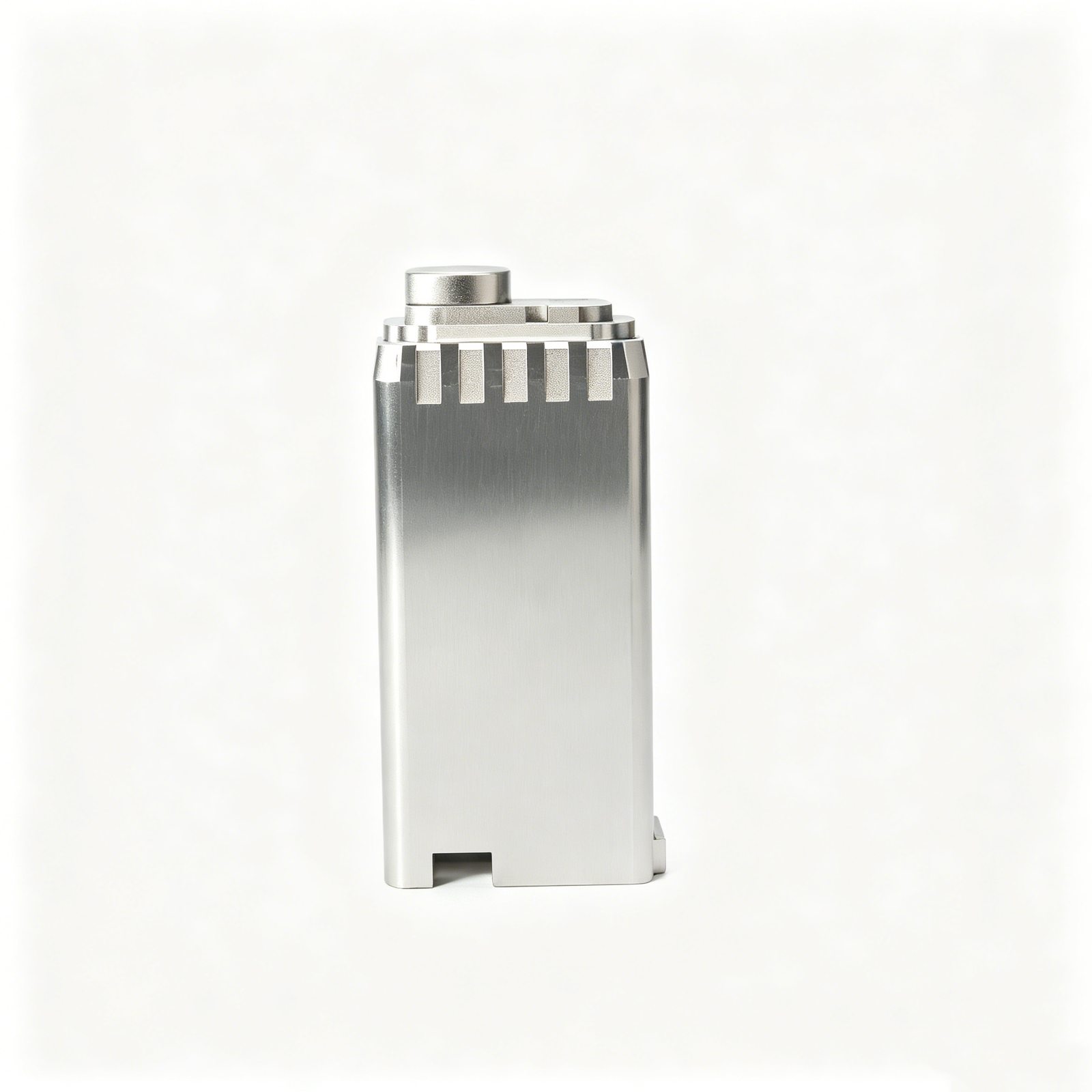
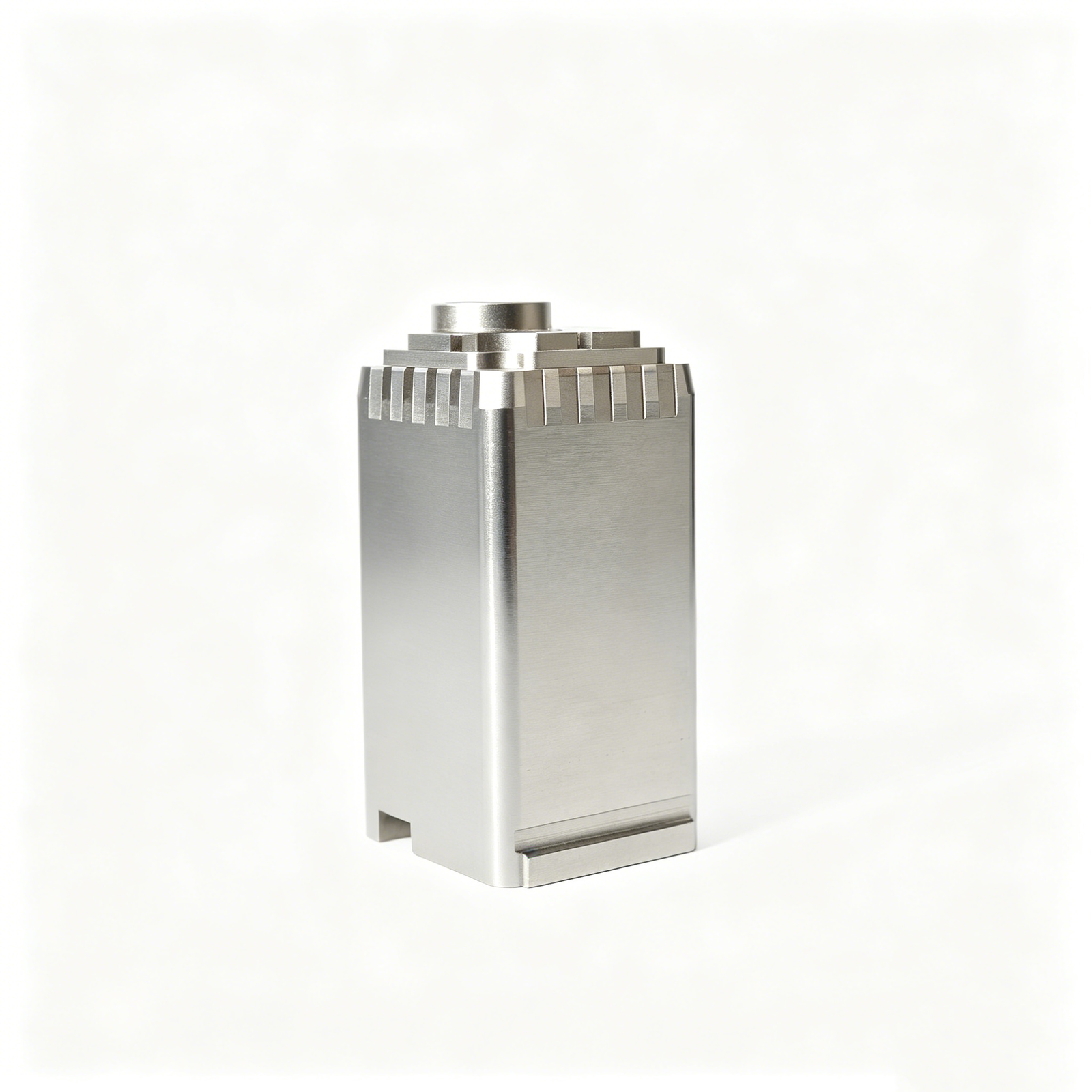
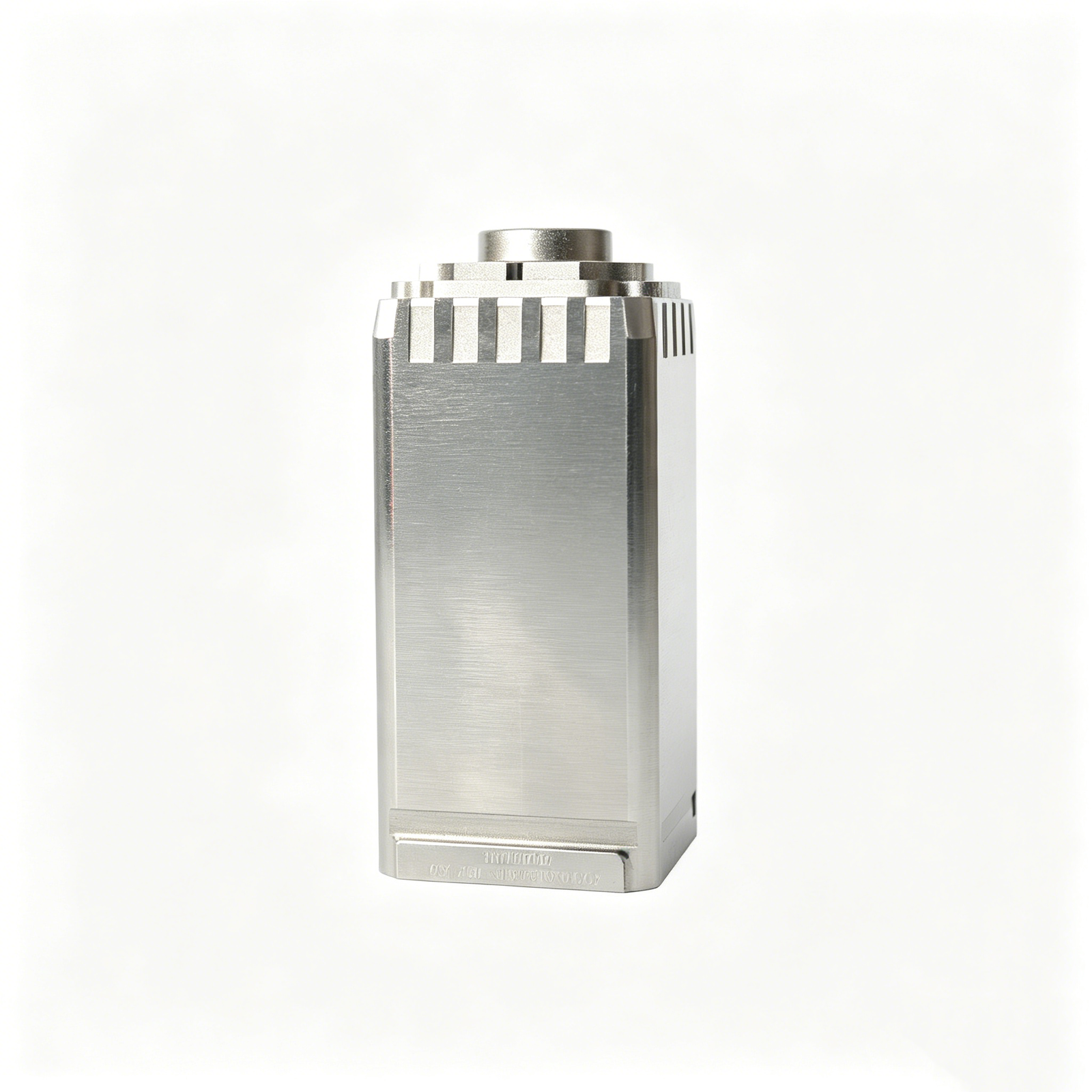
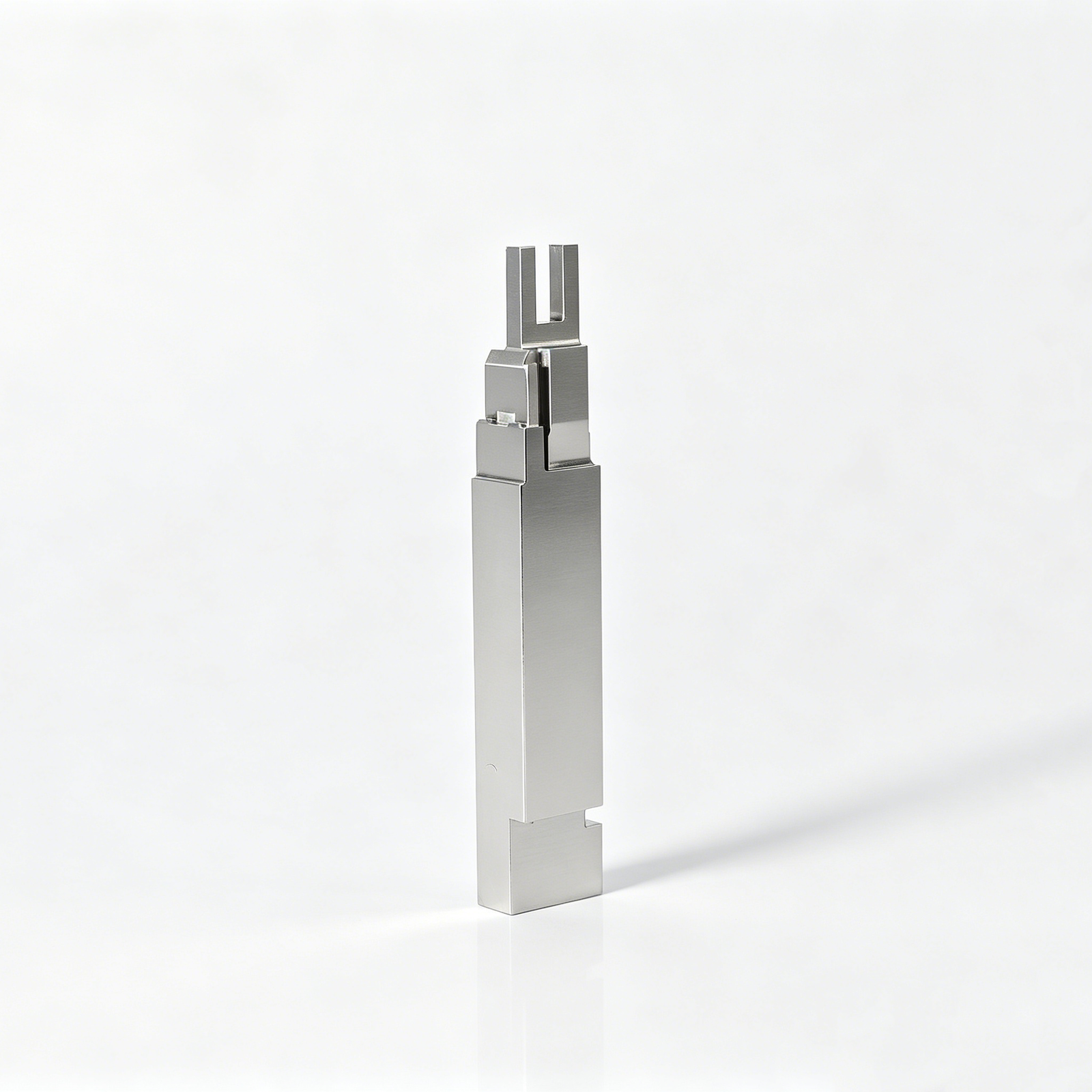
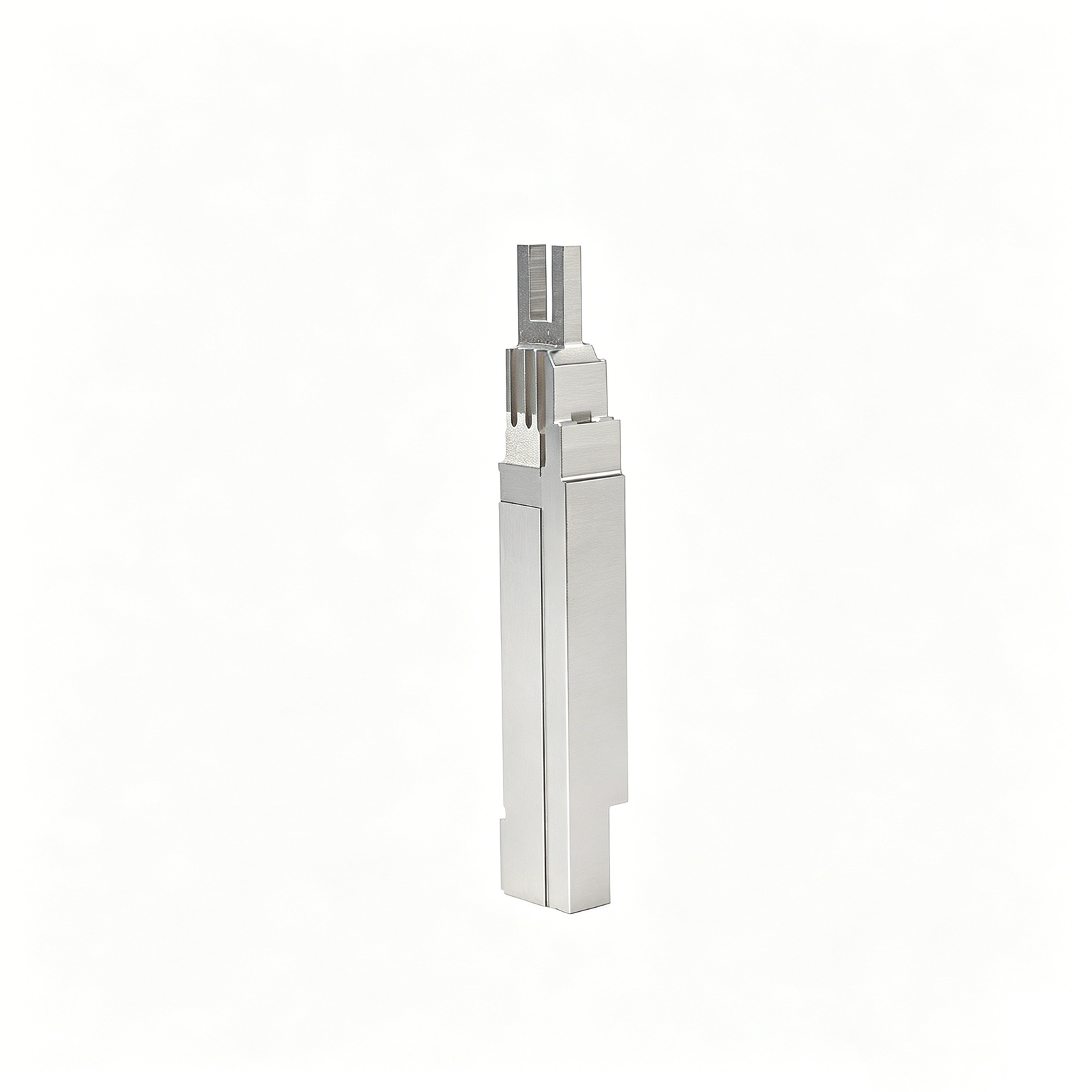

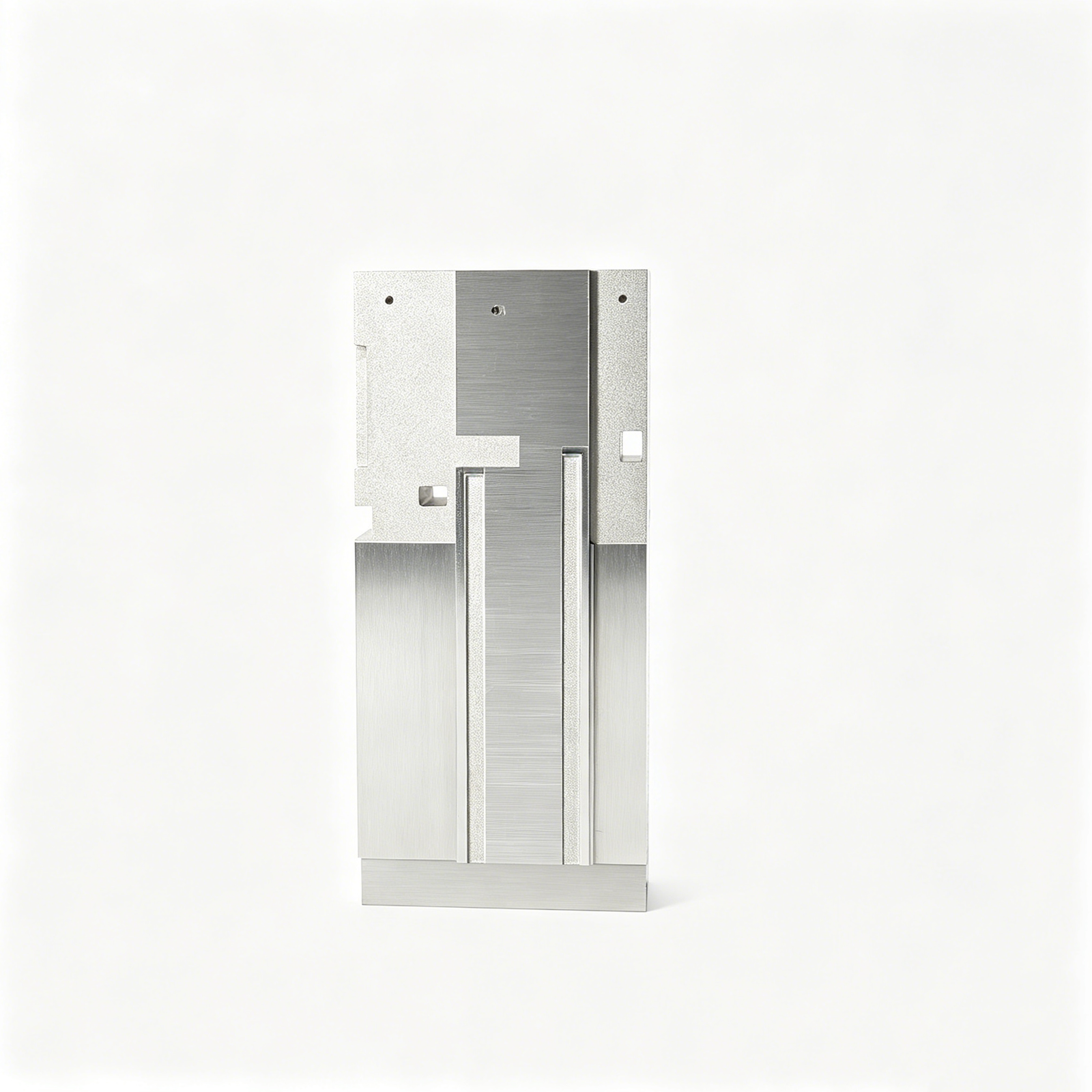
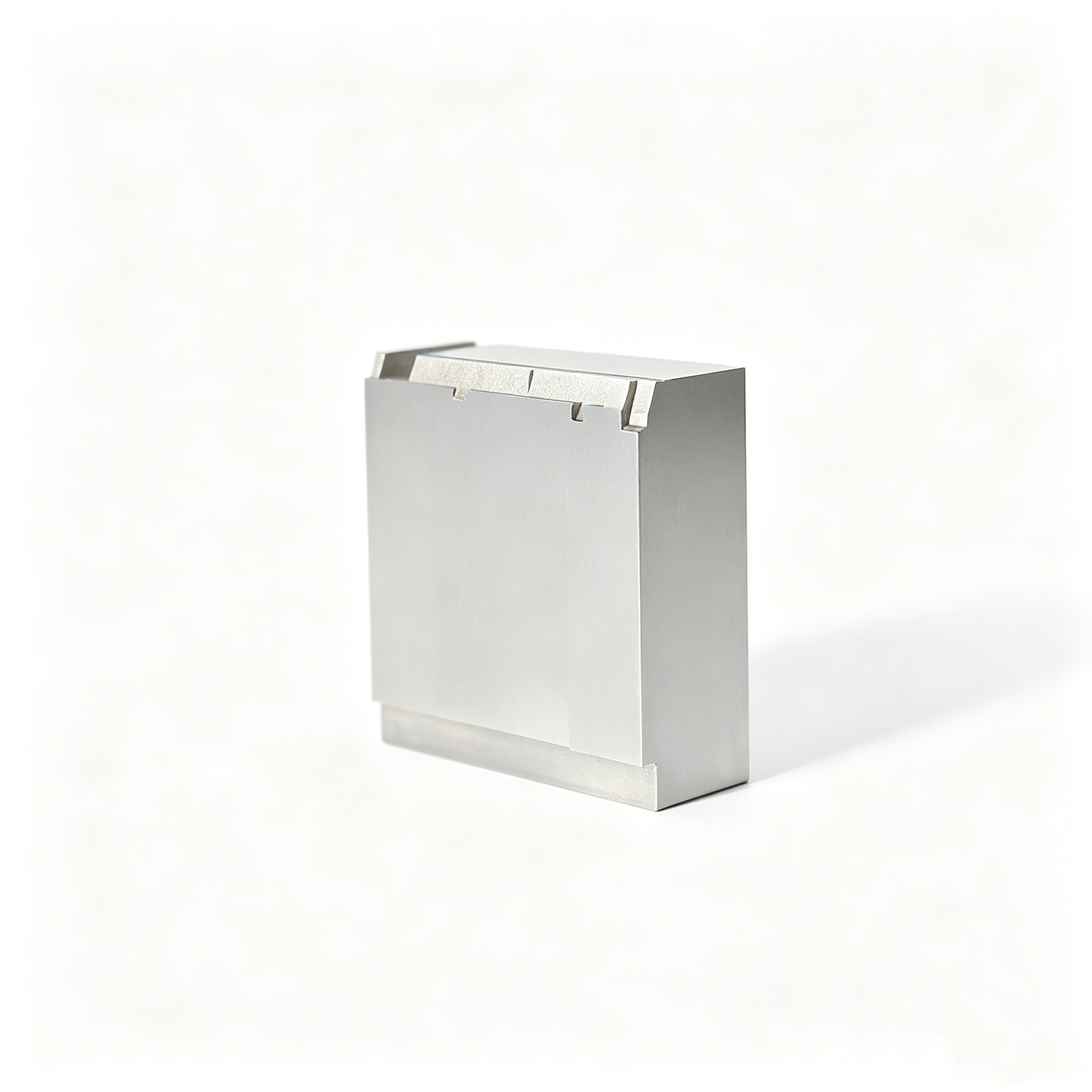
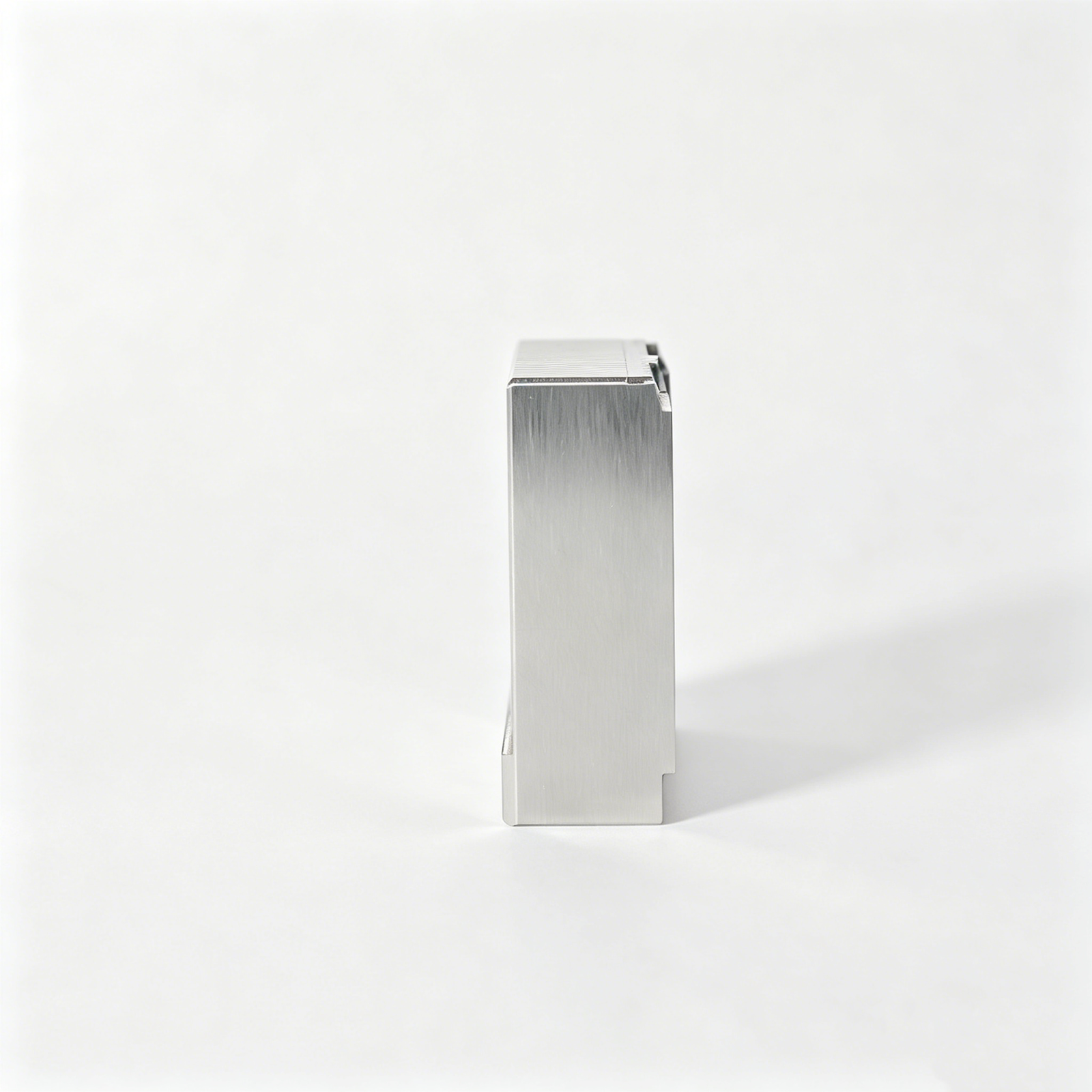
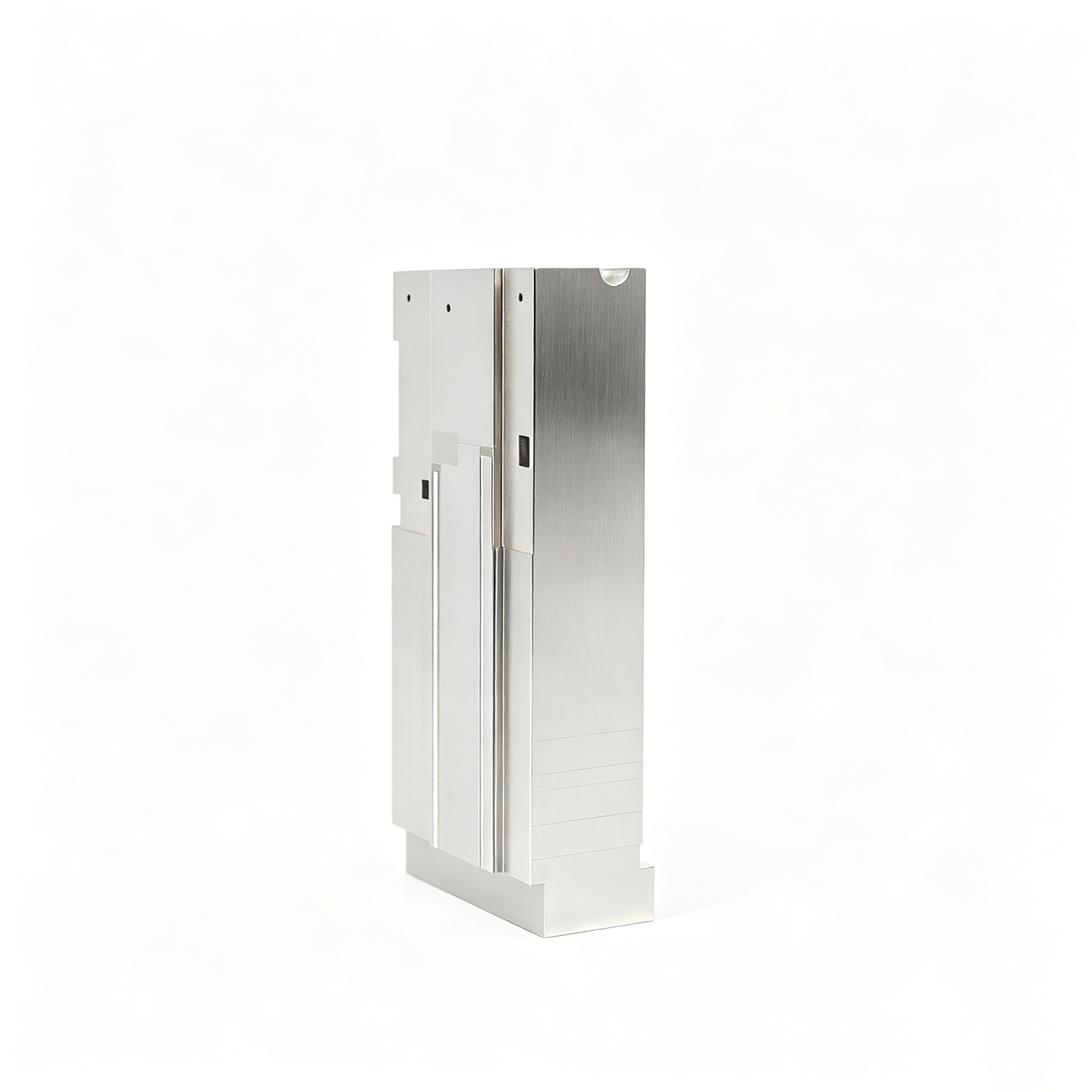
Sample Components for About SUUXIANG
Ten drawing-based component examples; open a part to review its engineering context.


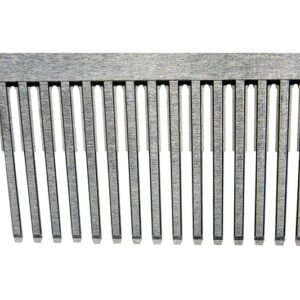


Warum ein Präzisionsfertigungsunternehmen wählen, das zuerst die Zeichnung prüft?
SUUXIANG wandelt Zeichnungsanforderungen in einen kontrollierten Prozessablauf, sichtbare Risiken, Prüfprioritäten und nachvollziehbare Fertigungsentscheidungen um.
Frühe Risikoerkennung
Prüfen Sie unklare Maße, Toleranzstapel, dünne Wände, tiefe Kavitäten, Eckradien und Prüfzugänge, bevor Material zugeschnitten wird.
Bezugsmaß-gesteuerte Prozessplanung
Planen Sie Spannmittel, Aufspannungen, Bearbeitungszugaben, Wärmebehandlungsreihenfolge und finale Bezugsmaße basierend auf den funktionalen Zusammenhängen des Teils.
Integriertes Prozesswissen
Wählen Sie praktische CNC-, Erodier-, Drahterodier-, Schleif-, Montage- und Oberflächenbehandlungssequenzen basierend auf Geometrie, Materialzustand und Zeichnungsanforderungen.
Prüfung kritischer Merkmale
Definieren Sie geeignete Messmethoden für vereinbarte kritische Maße, Passungen, Oberflächenanforderungen und meldepflichtige Merkmale vor der Endfreigabe.
Nachvollziehbare Revisionskontrolle
Halten Sie Zeichnungsrevisionen, Angebotsparameter, genehmigte Abweichungen, Materialanforderungen und Prüferwartungen während des gesamten Projekts sichtbar.
Kontinuität bei Wiederholfertigung
Bewahren Sie genehmigtes Prozess- und Prüfwissen für Nachbestellungen auf und bestätigen Sie jede neue Bestellung anhand der aktuellen Revision und Materialanforderungen.
SUUXIANGs Fähigkeiten erkunden
Konfigurierbare Teilefamilien werden anhand Ihrer Zeichnungen, kritischen Maße, Materialanforderungen und Prüferwartungen geprüft; es wird kein Lager-SKU ohne verifizierten Datensatz impliziert.

CNC-Bearbeitungsservices
Nach Zeichnung definierte Bearbeitung für kundenspezifische Teile, mit Prozessplanung basierend auf Geometrie, Materialzustand, Bezugsmaßen und Prüfzugang.
Explore CNCPräzisions-Werkzeugkomponenten
Kern-, Kavitäts- und Einlagenbearbeitung geplant basierend auf passenden Merkmalen, Materialzustand, Erodier-, Schleif- und Montageanforderungen.
Explore Mold Parts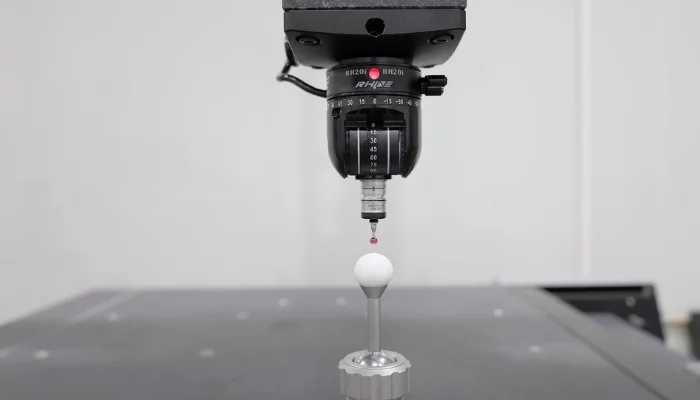
Qualität und Dokumentation
Besprechen Sie die kritischen Qualitätsmerkmale (CTQ), Messmethoden, die Revisionskontrolle und die für Ihre Bestellung erforderlichen Freigabedokumente.
Review QualityPräzisions-CNC-Bearbeitungsmaterialien für Funktion und Steuerung
Werkzeugstähle
Ausgewählt für Formkerne, Kavitätseinsätze, Stanzwerkzeugkomponenten und verschleißkritische Werkzeuge. Güte, Wärmebehandlungszustand, Bearbeitungszugabe und Fertigungsverfahren sollten aus der Zeichnung und den Anwendungsanforderungen bestätigt werden.
Edelstähle
Eingesetzt, wenn Korrosionsbeständigkeit, Festigkeit oder Leistung bei Reinmedien bei kundenspezifischen Teilen und Werkzeugkomponenten wichtig sind. Werkstoffgüte, Härte, Oberflächenanforderungen und Prüfprioritäten leiten den Bearbeitungs- und Fertigstellungsplan.
Aluminiumlegierungen
Eine praktische Option für leichte Vorrichtungen, Prototypenteile und ausgewählte Werkzeuganwendungen. Die Legierungswahl beeinflusst die Bearbeitbarkeit, Stabilität, Eloxierbarkeit und Gewindefestigkeit. Daher sollten funktionale Lasten und Oberflächenanforderungen das Angebot begleiten.
Kupferlegierungen
Berücksichtigt für elektrisch leitfähige oder thermisch reaktionsfähige Komponenten, einschließlich spezialisierter Werkzeugdetails. Die Legierungsauswahl muss die Leitfähigkeitsanforderungen, das Bearbeitungsverhalten, die Maßhaltigkeit und eventuelle Passungskomponenten- oder Oberflächenbeschränkungen berücksichtigen.
Technische Kunststoffe
Anwendbar für ausgewählte reibungsarme, isolierende oder chemisch beständige Komponenten, bei denen das Maßverhalten die Anwendung unterstützt. Güte, Feuchtigkeitseinwirkung, thermische Bedingungen, Toleranzen und Prüfverfahren müssen vor der Bearbeitungsplanung überprüft werden.
Präzisions-CNC-Bearbeitung, Erodieren, Schleifen und Fügen
CNC-Fräsdienstleistungen
CNC-Fräsen entfernt Material von prismatischen Teilen, Taschen, Konturen und Formeinsätzen. Werkzeugzugang, Bezugspunkte und Bearbeitungszugaben werden frühzeitig geprüft, um stabile Merkmale, kontrollierte Oberflächen und ein effizientes nachfolgendes Erodieren oder Schleifen zu unterstützen.
CNC-Drehdienstleistungen
CNC-Drehen erzeugt konzentrische Durchmesser, Bohrungen, Gewinde und Rotationsprofile für Stifte, Hülsen und kundenspezifische Komponenten. Der Prozess berücksichtigt Bezugsbeziehungen, Wandstärke und nachfolgende Oberflächenanforderungen, damit funktionale Schnittstellen praktisch prüfbar bleiben.
5-Achs-Bearbeitung
Mehrachsige Bearbeitung erreicht schräge, komplexe und konturierte Merkmale mit weniger Aufspannungen, wo die Geometrie dies zulässt. Die Aufspannstrategie und der Werkzeugansatz werden um kritische Maße herum geplant, um das Risiko der Neupositionierung bei komplexen Form- und Steckverbinderwerkzeugkomponenten zu reduzieren.
Drahterodierdienste
Drahterodieren schneidet präzise Profile, schmale Schlitze und gehärtete Merkmale, wo herkömmlicher Werkzeugzugang begrenzt ist. Drahtweg, Startlöcher, Eckbedingungen und Oberflächenanforderungen werden mit der Zeichnung abgeglichen, um funktionale Geometrie und Passungsbeziehungen zu schützen.
Senkerodierdienste
Senkerodieren formt interne Details, tiefe Kavitäten und geometrische Merkmale mit scharfen Kanten unter Verwendung geplanter Elektroden. Elektrodenstrategie, Funkenerosionstoleranz und Erwartungen an die Oberflächenbearbeitung werden vor der Bearbeitung abgestimmt, insbesondere wenn die Form der Kavität oder das gehärtete Material den Fräszugang einschränkt.
Präzisions-CNC-Bearbeitung: Komponentenmerkmale und Identifikation
Befestigungsvorrichtungen
Gewindelöcher, Dübelpositionen, Schraubenspiel und integrierte Befestigungselemente können gemäß der freigegebenen Zeichnung bearbeitet werden, wobei Bezugsbezüge und Montagezugänglichkeit vor Produktionsbeginn geprüft werden.
Führungselemente
Führungsstifte, Buchsen, Positionierungselemente und Verschleißflächen können geliefert oder berücksichtigt werden, wenn die Bestellung Paarungsbedingungen, Materialanforderungen, Passungserwartungen und Prüfprioritäten definiert.
Präzisionseinsätze
Austauschbare Kerne, Kavitätseinsätze und kundenspezifische Einsatzschnittstellen unterstützen die Werkzeugwartung und Designänderungen. SUUXIANG prüft Sitzflächen, Rückhaltemethoden, Bearbeitungszugaben und kritische Maße aus der Zeichnung.
Teileidentifikation
Teilenummern, Revisionskennzeichnungen, Kavitätsidentifikation und kontrollierte Etiketten können bei Bedarf berücksichtigt werden. Die Kennzeichnungsmethode, der Ort und die Lesbarkeitsanforderungen sollten in der entsprechenden Zeichnungsdokumentation definiert werden.
Schutzverpackung
Schutzverpackungen können für bearbeitete Oberflächen, scharfe Kanten, Korrosionsrisiken, zusammengehörige Sätze und Versanddokumentation geplant werden. Geben Sie Handhabungs-, Trennungs- und Kennzeichnungsanforderungen mit der Anfrage zur Überprüfung an.
Dongguan SuuXiang Precision Mold Co., Ltd.
SUUXIANG ist die öffentliche Marke der Dongguan SuuXiang Precision Mold Co., Ltd., gegründet 2010 in Chang’an, Dongguan. XiaoCheng Huang ist Gründer und gesetzlicher Vertreter. Das Unternehmen arbeitet mit Ingenieur-, Werkzeugbau-, Beschaffungs- und Qualitätsteams an zeichnungsdefinierten Präzisionskomponenten.
Die Arbeit kombiniert CNC-Bearbeitung mit Präzisionswerkzeugkomponenten, Spritzgusswerkzeugen, Erodieren, Schleifen, Montage und Prüfplanung. Eine Prozessroute wird basierend auf der tatsächlichen Geometrie, dem Materialzustand, dem Bezugsschema, kritischen Merkmalen und den vom Auftrag geforderten Dokumenten ausgewählt.
Besucher sollten die Beispielbilder der Teile verwenden, um Teilefamilien zu verstehen, und nicht, um auf eine genaue Güteklasse, Toleranz oder ein Messergebnis zu schließen. Bereiten Sie für eine technische Diskussion die aktuelle Zeichnung und das Modell, Menge, Material, Oberfläche, CTQs (kritische Qualitätsmerkmale) und das Zieldatum vor.
Technische Unterstützung vom Designinput bis zu gelieferten Teilen
Zeichnungsprüfung und DFM (Design for Manufacturing)
Senden Sie ein technisches Paket, ein 3D-Modell, eine Skizze oder ein frühes Konzept zur Überprüfung. SUUXIANG bewertet die Klarheit der Zeichnung, kritische Maße, die Bezugsstrategie, Toleranzstapel, Bearbeitungszugang und wahrscheinliche Prozessrisiken, bevor eine Produktionsroute festgelegt wird.
- Revisionsstand, Material, Menge und Anwendungskontext bestätigen
- CTQs, unzugängliche Merkmale, dünne Wände und schwierige Radien identifizieren
- Annahmen für CNC, Erodieren, Schleifen, Wärmebehandlung und Inspektion abstimmen
Material durch Musterfertigung
Nachdem die Zeichnungsprüfung eine machbare Route definiert hat, koordiniert das Projektteam Materialvorbereitung, Musterfertigung und kontrollierte Fertigung innerhalb des verifizierten Umfangs. Die Prozessplanung berücksichtigt den Lagerzustand, die Werkstückspannung, die Bearbeitungszugabe, die Elektrodenstrategie, die Wärmebehandlungssequenz und zwischenzeitliche Maßkontrollen.
- Materialgüte und Lieferzustand an die Zeichnungsanforderungen anpassen
- Musterteile oder Erstbemusterungsanforderungen (FAI) vor der Wiederholproduktion planen
- Überprüfung von Sekundärprozessen auf Maßhaltigkeit und Oberflächenbeschaffenheit
Inspektion und Lieferkontrolle
SUUXIANG plant die Inspektion anhand vereinbarter Abnahmekriterien und nicht anhand allgemeiner Zusicherungen. Ein Präzisionsfertigungsunternehmen sollte kritische Merkmale, Revisionsstatus, Dokumentationsanforderungen, Verpackungsanforderungen und Lieferkoordination bis zur endgültigen Freigabe und für nachfolgende Bestellungen sichtbar halten.
- Geeignete Prüfmethoden (Koordinatenmessgerät, optisch oder manuell) auswählen
- Maßberichte, Materialzeugnisse oder Zertifikate gemäß Spezifikation und Angebot bereitstellen
- Fertigteilteile mit eindeutiger Kennzeichnung und vereinbarten Lieferdokumenten schützen
SUUXIANG Checkliste für Angebotsentscheidungen
Angebote desselben Zeichnungsstands und gleichen technischen Umfangs vergleichen, nicht nur anhand eines unqualifizierten Stückpreises.
← Swipe left or right to view →
Ein Präzisionsfertigungsunternehmen, aufgebaut auf der Disziplin von Formen und Komponenten
SUUXIANG hat seine Arbeitsweise auf Zeichnungsabsicht, kontrollierte Prozessrouten und nachvollziehbare Kommunikation für internationale B2B-Fertigungsprojekte ausgerichtet.
In Chang’an gegründet
Dongguan SuuXiang Precision Mold Co., Ltd. wurde 2010 in Chang’an Town, Dongguan, Guangdong, China, mit Fokus auf Präzisionsformen und -komponenten gegründet.
Kerne und Einsätze
Die frühe Arbeit konzentrierte sich auf toleranzsensible Kerne, Kavitäten, Einsätze, Stempel, Dorne und Steckerwerkzeugmerkmale, wodurch die Bezugspunktkontrolle, die Planung kleiner Geometrien und die Maßprüfung gestärkt wurden.
Integrierte Prozessplanung
Der Fertigungs-Workflow wurde erweitert, um CNC-Bearbeitung, Elektrodenvorbereitung, Senkerodieren, Langdraht-Erodieren, Präzisionsschleifen, Montage, Polieren und Inspektion rund um die Teilefunktion zu kombinieren.
Aktueller Projektumfang
Fähigkeiten, Kapazitäten, Lieferzeiten, Prozessrouten und Lieferanforderungen werden anhand aktueller Projektdaten bestätigt, bevor Produktionszusagen gemacht werden.
Internationale B2B-Unterstützung
SUUXIANG unterstützt Ingenieur-, Beschaffungs- und Qualitätsteams mit Zeichnungsprüfung, DFM-Diskussionen, kontrollierter Fertigung, Inspektionsplanung, Revisionsrückverfolgbarkeit und Dokumentation, die auf die Bestellung abgestimmt sind.
Ein klarer Prozess mit einem Präzisionsfertigungsunternehmen
SUUXIANG aligns drawing intent, process controls, inspection requirements, and delivery documentation before production begins.
Vollständige Zeichnungsdaten senden
Laden Sie die 2D-Zeichnung, das 3D-Modell, die Revision, das Material, die Menge, kritische Maße, die Oberflächenbeschaffenheit, das Zieldatum sowie die erforderliche Inspektion oder Dokumentation hoch.
Fertigungsrisiken prüfen
Bezugspunkte, Toleranzstapel, Werkzeugzugänglichkeit, Wärmebehandlungsspielraum, Erodier- oder Schleifanforderungen, Inspektionszugang und Unklarheiten, die die Herstellbarkeit oder Kosten beeinflussen, bestätigen.
Prozessplan genehmigen
Erhalten Sie ein Angebot, das den geprüften Umfang, die Prozessroute, Annahmen, Menge, Dokumentationsanforderungen und vorgeschlagene Abweichungen erfasst, bevor die Materialvorbereitung beginnt.
Teilebearbeitung und -prüfung
SUUXIANG koordiniert mechanische Bearbeitung, Drahterodieren, Schleifen, Montage und Inprozesskontrollen basierend auf der freigegebenen Revision, kritischen Merkmalen, dem Materialzustand und dem Prüfplan.
Zuverlässig freigeben und wiederholen
Fertige Teile werden gekennzeichnet, geschützt und mit vereinbarter Dokumentation geliefert; freigegebene Prozess- und Revisionsaufzeichnungen unterstützen kontrollierte Nachbestellungsgespräche. Kommerzielle Details finden Sie auf der Seite Zusammenarbeit.
Projektdokumentation, die vor der Produktion festgelegt werden muss
Fragen, die Käufer während der technischen Überprüfung stellen sollten
Welche Zeichnungsrevision und welches Bezugssystem gelten für das Teil und wie wird eine vorgeschlagene Abweichung genehmigt?
Welche Merkmale sind für die Funktion kritisch und welche Messmethode wird die Konformität nachweisen?
Enthält die Angebotspreisliste den Materialzustand, Nebenprozesse, Prüfdokumente und Verpackungsannahmen?
FAQ zur präzisen CNC-Bearbeitung für die Vorbereitung der Angebotseinholung (RFQ)
Practical answers for buyers preparing drawing-based parts, mold components and tooling inquiries.
Welche Dateien sollte ich für eine Präzisions-CNC-Bearbeitungsanfrage (RFQ) bereitstellen?
Gibt es eine Mindestbestellmenge für Präzisions-CNC-Bearbeitungsteile?
Kann SUUXIANG Muster vor einer Produktionsbestellung anfertigen?
Was bestimmt, ob ein Präzisions-CNC-Bearbeitungsteil machbar ist?
Können Sie Inspektionsberichte mit einer Bestellung liefern?
Wie werden Revisionsstände von Zeichnungen nach Einreichung einer RFQ verwaltet?
Wie geht SUUXIANG mit dem Schutz geistigen Eigentums (IP) für Präzisions-CNC-Bearbeitungsprojekte um?
Welche Zahlungs- und Versandinformationen sollte ich in meiner RFQ angeben?
Zusammenarbeit mit einem Partner für Präzisionsfertigung
Ein praktischer Entscheidungsrahmen für einen neuen Lieferanten für Präzisionsfertigung, von der ersten Zeichnungsprüfung bis zur dokumentierten Abnahme.
1. Identifizieren Sie das operative Unternehmen
Confirm the legal operating name, headquarters and responsible project contact. A public brand statement is not a substitute for the entity named on contracts and technical records. When specifying a new precision-manufacturing supplier, this decision should be recorded against the latest controlled drawing. Note the quantity, production stage and functional interface so the discussion remains about the actual component rather than a visually similar example. A photograph can identify a part family, but it cannot establish material, tolerance or inspection results.nnFor this stage, focus on the supplier’s communication, documented scope, manufacturing route and inspection plan. Ask how the proposed process will preserve datum relationships and how the completed feature can be measured. If a tolerance, finish, hardness or document is essential, include its acceptance method in the RFQ rather than leaving it to interpretation.nnBefore approving production, record the drawing revision, any clarification or agreed deviation, and the documents expected with the order. Compare quotations by the same technical scope: material condition, operations, sampling, inspection, finishing, packing and delivery assumptions. If an item is not yet verified, treat it as an open engineering question. A clear decision record makes a prototype review and a later repeat order easier to reconcile without silently changing the specification.
2. Bestätigen Sie den Fertigungsumfang
Ask which part families are routine, which secondary processes are coordinated and which special geometries require case-by-case feasibility review. When specifying a new precision-manufacturing supplier, this decision should be recorded against the latest controlled drawing. Note the quantity, production stage and functional interface so the discussion remains about the actual component rather than a visually similar example. A photograph can identify a part family, but it cannot establish material, tolerance or inspection results.nnFor this stage, focus on the supplier’s communication, documented scope, manufacturing route and inspection plan. Ask how the proposed process will preserve datum relationships and how the completed feature can be measured. If a tolerance, finish, hardness or document is essential, include its acceptance method in the RFQ rather than leaving it to interpretation.nnBefore approving production, record the drawing revision, any clarification or agreed deviation, and the documents expected with the order. Compare quotations by the same technical scope: material condition, operations, sampling, inspection, finishing, packing and delivery assumptions. If an item is not yet verified, treat it as an open engineering question. A clear decision record makes a prototype review and a later repeat order easier to reconcile without silently changing the specification.
3. Verstehen Sie die Methode der Zeichnungsprüfung
Notice whether the supplier asks about datums, mating parts, material state and measurement access before claiming it can meet a tolerance. When specifying a new precision-manufacturing supplier, this decision should be recorded against the latest controlled drawing. Note the quantity, production stage and functional interface so the discussion remains about the actual component rather than a visually similar example. A photograph can identify a part family, but it cannot establish material, tolerance or inspection results.nnFor this stage, focus on the supplier’s communication, documented scope, manufacturing route and inspection plan. Ask how the proposed process will preserve datum relationships and how the completed feature can be measured. If a tolerance, finish, hardness or document is essential, include its acceptance method in the RFQ rather than leaving it to interpretation.nnBefore approving production, record the drawing revision, any clarification or agreed deviation, and the documents expected with the order. Compare quotations by the same technical scope: material condition, operations, sampling, inspection, finishing, packing and delivery assumptions. If an item is not yet verified, treat it as an open engineering question. A clear decision record makes a prototype review and a later repeat order easier to reconcile without silently changing the specification.
4. Besprechen Sie die Prozessverantwortung
Clarify who controls CNC, EDM, heat treatment, finishing and inspection, including where subcontracted work requires documented handoff. When specifying a new precision-manufacturing supplier, this decision should be recorded against the latest controlled drawing. Note the quantity, production stage and functional interface so the discussion remains about the actual component rather than a visually similar example. A photograph can identify a part family, but it cannot establish material, tolerance or inspection results.nnFor this stage, focus on the supplier’s communication, documented scope, manufacturing route and inspection plan. Ask how the proposed process will preserve datum relationships and how the completed feature can be measured. If a tolerance, finish, hardness or document is essential, include its acceptance method in the RFQ rather than leaving it to interpretation.nnBefore approving production, record the drawing revision, any clarification or agreed deviation, and the documents expected with the order. Compare quotations by the same technical scope: material condition, operations, sampling, inspection, finishing, packing and delivery assumptions. If an item is not yet verified, treat it as an open engineering question. A clear decision record makes a prototype review and a later repeat order easier to reconcile without silently changing the specification.
5. Überprüfen Sie die Qualitätsdokumentation
Agree in advance whether the order needs dimensional results, FAI, material certificates, treatment records or a certificate of conformance. When specifying a new precision-manufacturing supplier, this decision should be recorded against the latest controlled drawing. Note the quantity, production stage and functional interface so the discussion remains about the actual component rather than a visually similar example. A photograph can identify a part family, but it cannot establish material, tolerance or inspection results.nnFor this stage, focus on the supplier’s communication, documented scope, manufacturing route and inspection plan. Ask how the proposed process will preserve datum relationships and how the completed feature can be measured. If a tolerance, finish, hardness or document is essential, include its acceptance method in the RFQ rather than leaving it to interpretation.nnBefore approving production, record the drawing revision, any clarification or agreed deviation, and the documents expected with the order. Compare quotations by the same technical scope: material condition, operations, sampling, inspection, finishing, packing and delivery assumptions. If an item is not yet verified, treat it as an open engineering question. A clear decision record makes a prototype review and a later repeat order easier to reconcile without silently changing the specification.
6. Schützen Sie Revisionen und vertrauliche Dateien
Use revision-controlled files and an agreed confidentiality workflow; mark obsolete drawings so they cannot be mistaken for the latest release. When specifying a new precision-manufacturing supplier, this decision should be recorded against the latest controlled drawing. Note the quantity, production stage and functional interface so the discussion remains about the actual component rather than a visually similar example. A photograph can identify a part family, but it cannot establish material, tolerance or inspection results.nnFor this stage, focus on the supplier’s communication, documented scope, manufacturing route and inspection plan. Ask how the proposed process will preserve datum relationships and how the completed feature can be measured. If a tolerance, finish, hardness or document is essential, include its acceptance method in the RFQ rather than leaving it to interpretation.nnBefore approving production, record the drawing revision, any clarification or agreed deviation, and the documents expected with the order. Compare quotations by the same technical scope: material condition, operations, sampling, inspection, finishing, packing and delivery assumptions. If an item is not yet verified, treat it as an open engineering question. A clear decision record makes a prototype review and a later repeat order easier to reconcile without silently changing the specification.
7. Bewerten Sie die Steuerung von Folgeaufträgen
Ask how setup knowledge, tooling, measurement programs and approved deviations are retained for the next order without bypassing a fresh revision check. When specifying a new precision-manufacturing supplier, this decision should be recorded against the latest controlled drawing. Note the quantity, production stage and functional interface so the discussion remains about the actual component rather than a visually similar example. A photograph can identify a part family, but it cannot establish material, tolerance or inspection results.nnFor this stage, focus on the supplier’s communication, documented scope, manufacturing route and inspection plan. Ask how the proposed process will preserve datum relationships and how the completed feature can be measured. If a tolerance, finish, hardness or document is essential, include its acceptance method in the RFQ rather than leaving it to interpretation.nnBefore approving production, record the drawing revision, any clarification or agreed deviation, and the documents expected with the order. Compare quotations by the same technical scope: material condition, operations, sampling, inspection, finishing, packing and delivery assumptions. If an item is not yet verified, treat it as an open engineering question. A clear decision record makes a prototype review and a later repeat order easier to reconcile without silently changing the specification.
8. Beginnen Sie ein technisches Gespräch
Send a representative drawing and ask for a written list of technical questions; the quality of the clarification process is evidence before a purchase order. When specifying a new precision-manufacturing supplier, this decision should be recorded against the latest controlled drawing. Note the quantity, production stage and functional interface so the discussion remains about the actual component rather than a visually similar example. A photograph can identify a part family, but it cannot establish material, tolerance or inspection results.nnFor this stage, focus on the supplier’s communication, documented scope, manufacturing route and inspection plan. Ask how the proposed process will preserve datum relationships and how the completed feature can be measured. If a tolerance, finish, hardness or document is essential, include its acceptance method in the RFQ rather than leaving it to interpretation.nnBefore approving production, record the drawing revision, any clarification or agreed deviation, and the documents expected with the order. Compare quotations by the same technical scope: material condition, operations, sampling, inspection, finishing, packing and delivery assumptions. If an item is not yet verified, treat it as an open engineering question. A clear decision record makes a prototype review and a later repeat order easier to reconcile without silently changing the specification.
Teile prüfen und Ihr Zeichnungspaket vorbereiten
Vergleichen Sie die repräsentativen Komponenten und sammeln Sie dann die aktuelle Zeichnungsrevision, das Material, die Menge, die kritischen Qualitätsmerkmale (CTQs), die Oberflächenbehandlung, den Inspektionsumfang und das Zieldatum für eine Projektbesprechung.
Das Unternehmen hinter SUUXIANG
Dongguan SuuXiang Precision Mold Co., Ltd. wurde 2010 in Chang’an, Dongguan, gegründet. XiaoCheng Huang ist Gründer und gesetzlicher Vertreter. Der Hintergrund des Unternehmens im Bereich Präzisionsformen und -komponenten prägt seinen zeichnungsbasierten Ansatz für CNC-Bearbeitung, Erodieren, Schleifen und Inspektionsplanung.
Die Arbeit beginnt mit der aktuellen Zeichnung, dem Material, der Menge, den kritischen Abmessungen und den Abnahmekriterien. Umfang, Prozessroute und Zeitplan werden für jedes Projekt bestätigt und nicht aus einem Katalog übernommen.Lernen Sie den Gründer kennenoderkontaktieren Sie das Team.