
図面から創る、高精度部品のCNC加工サービス
SUUXIANGのCNC加工サービスは、図面を基に、基準、公差、材質、改訂履歴を明確に管理し、工程計画・検査済みの部品へと具現化します。
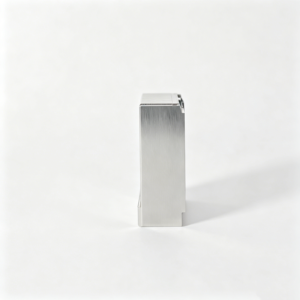
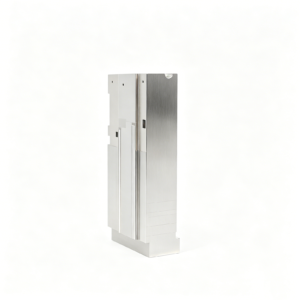
CNC加工サービスによる代表的な部品例
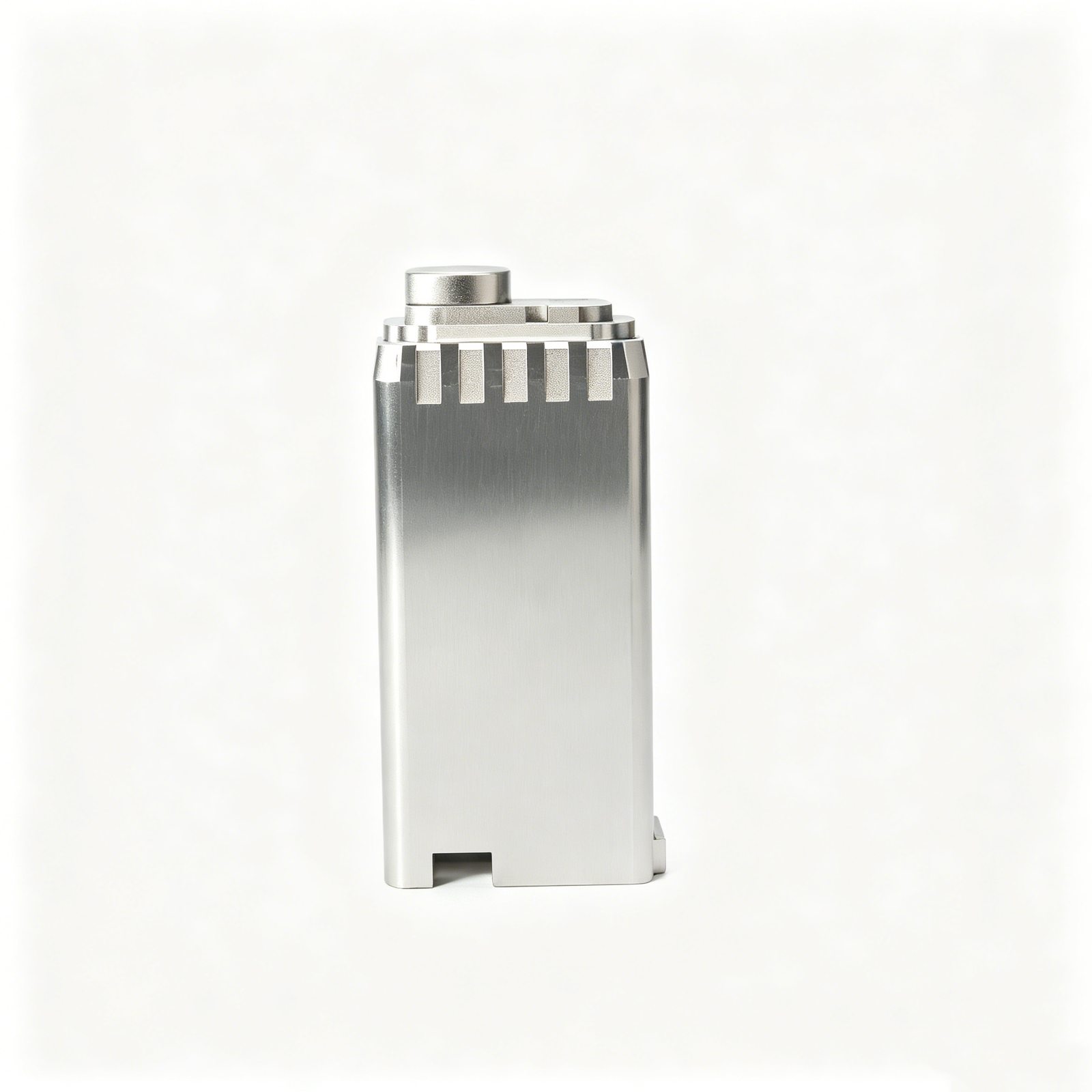
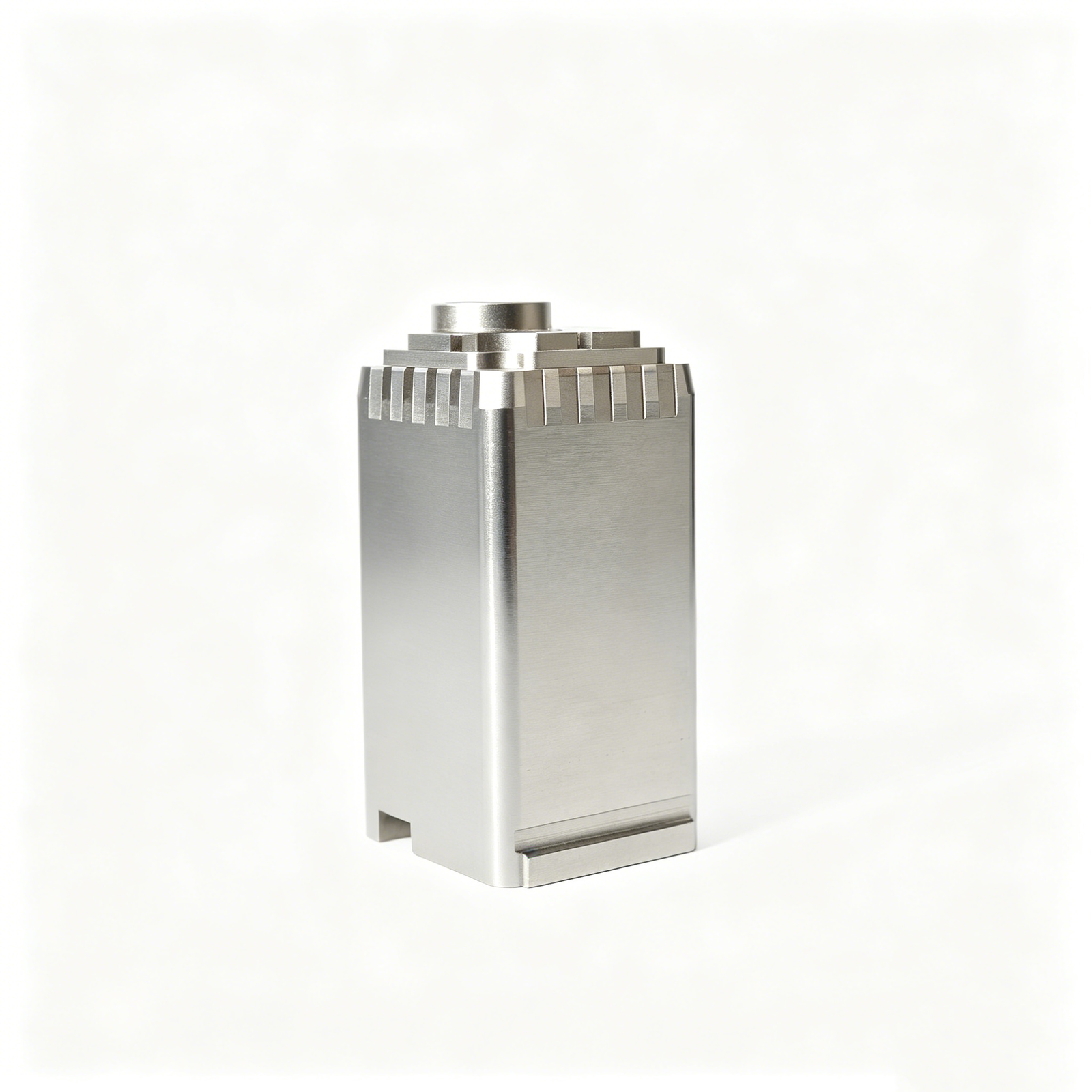
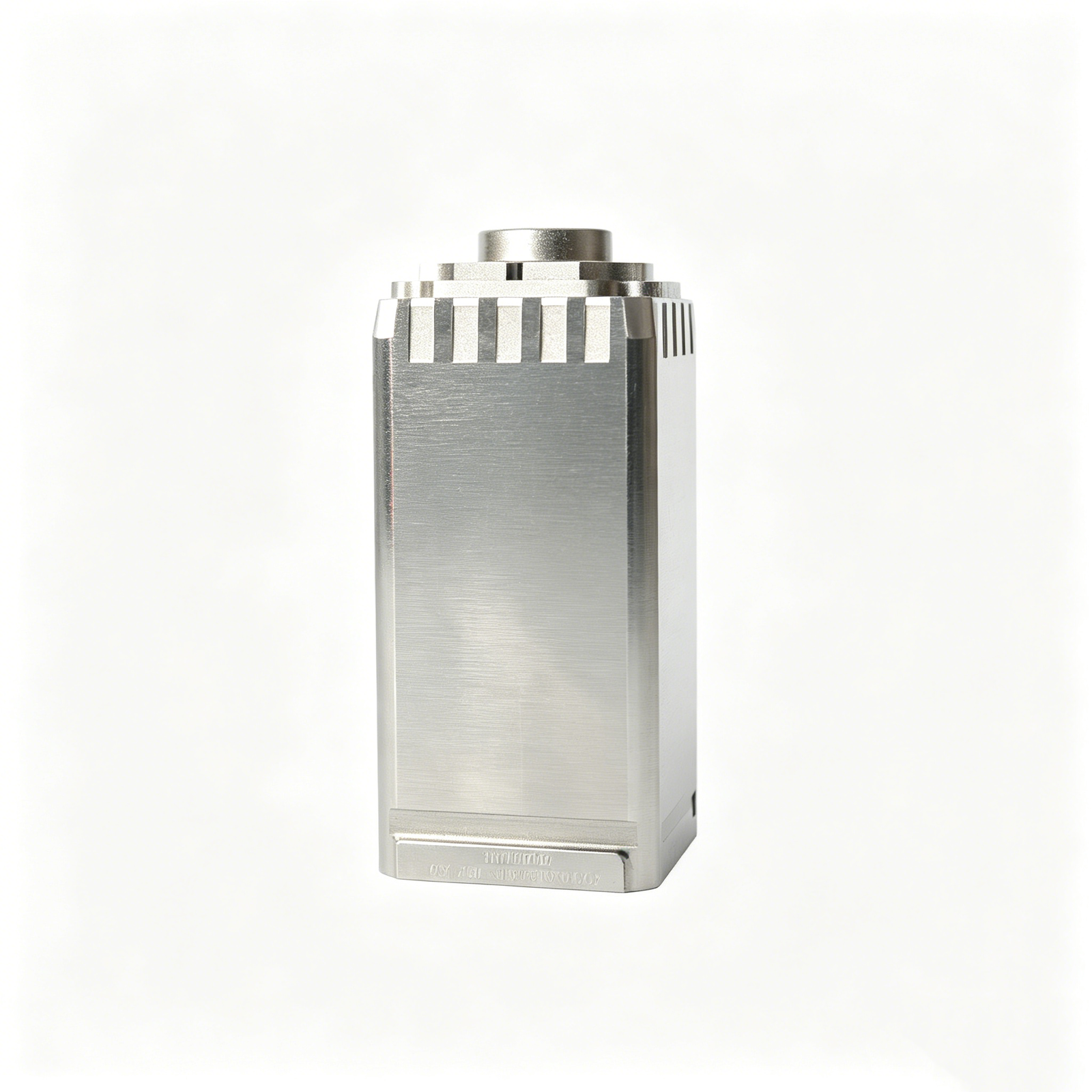
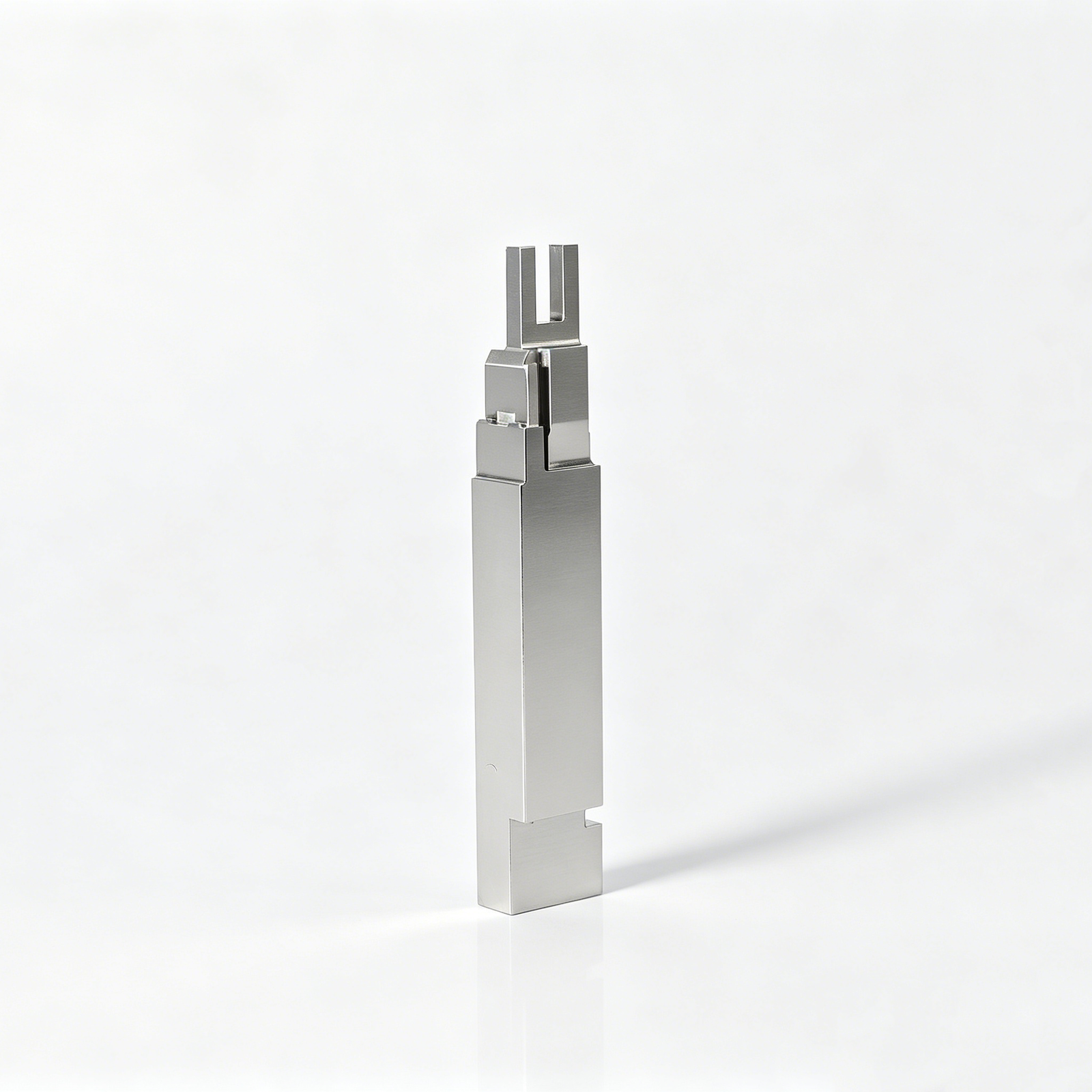
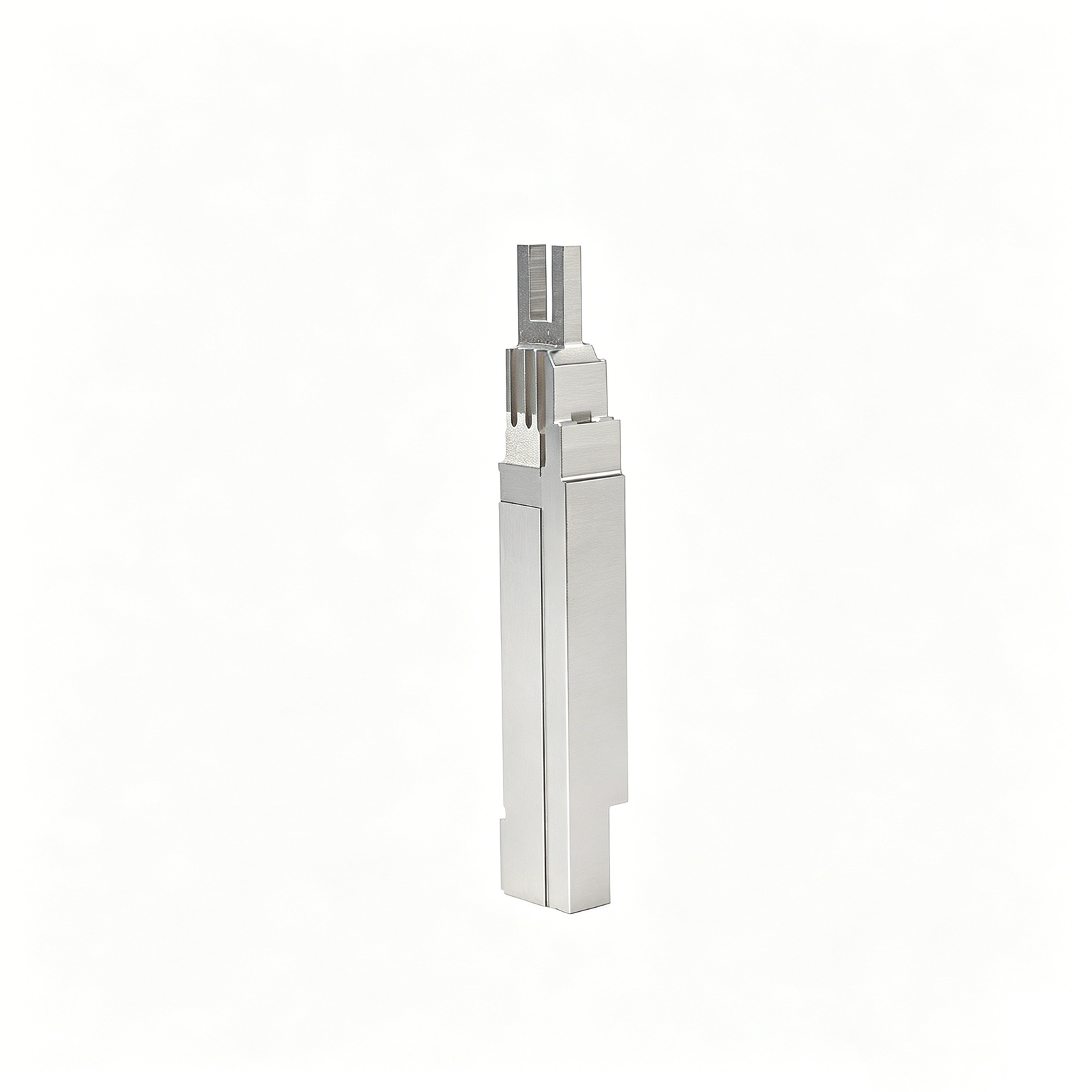

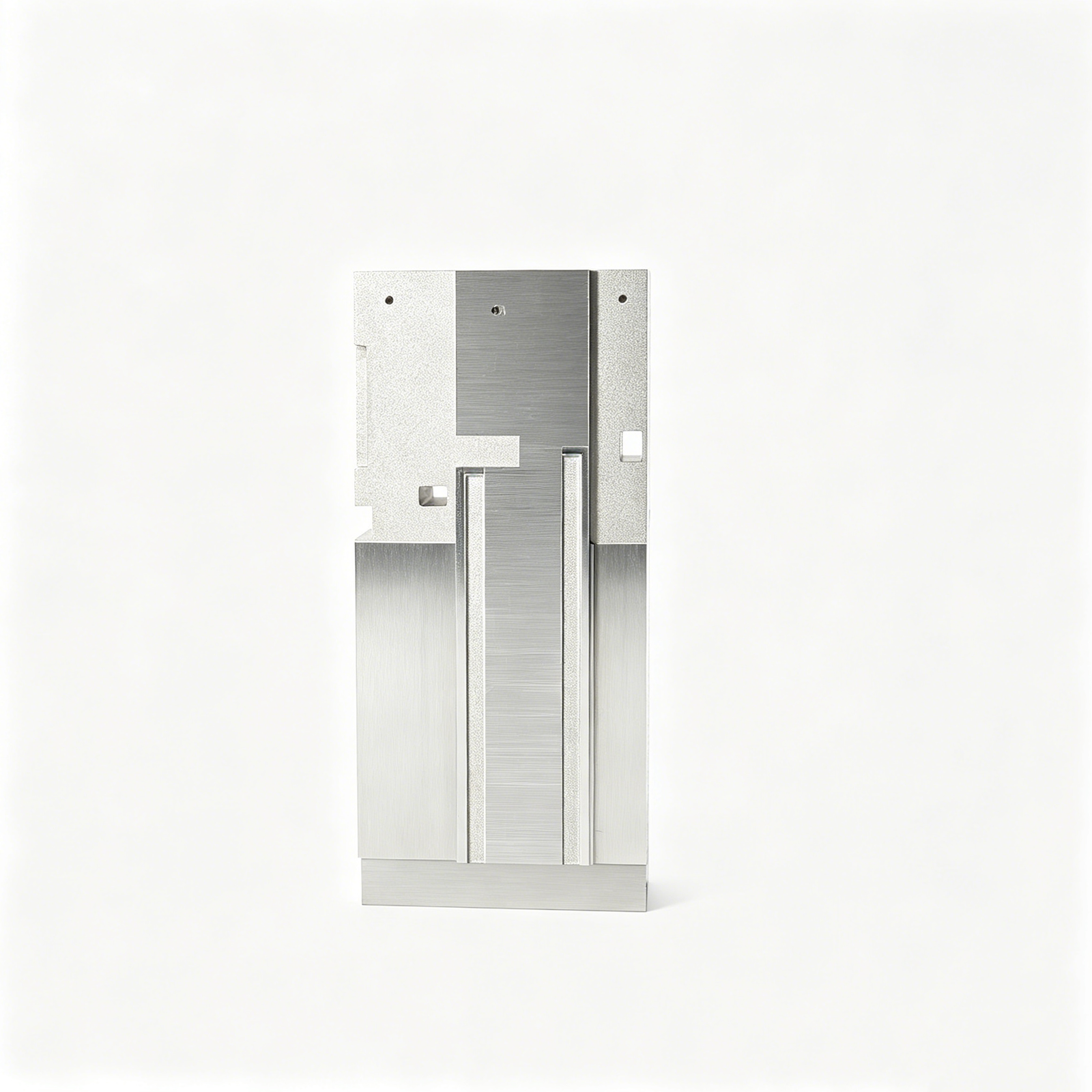
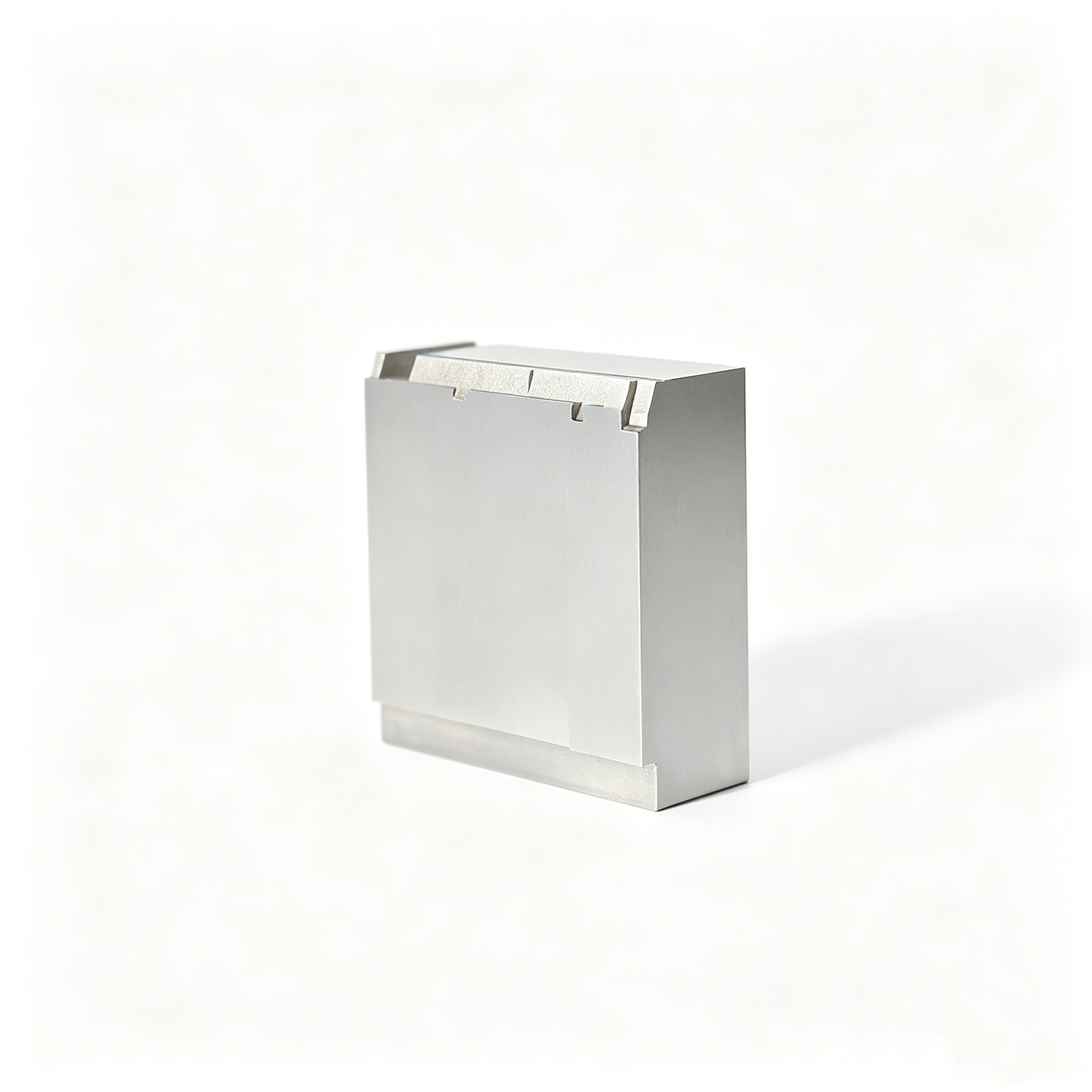
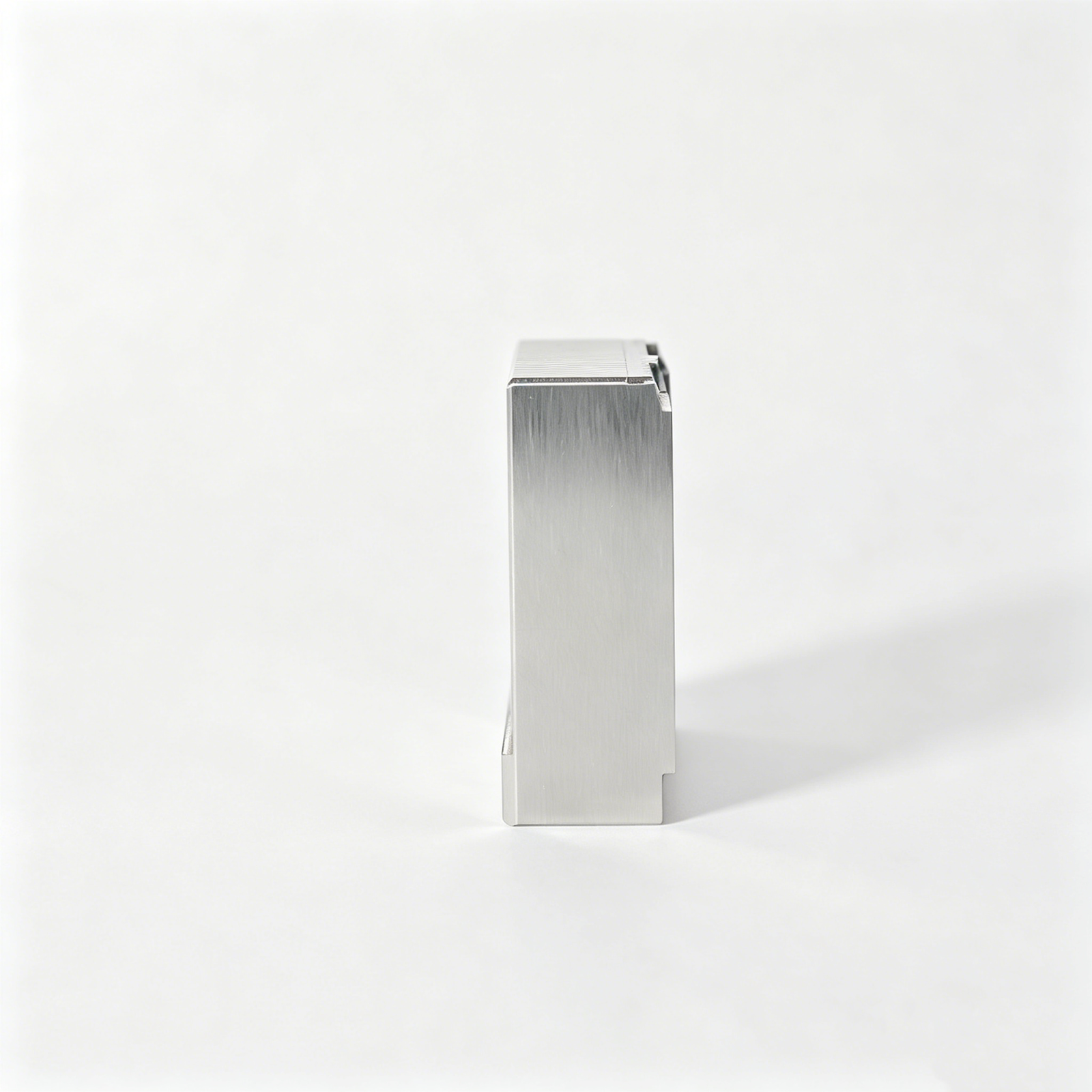
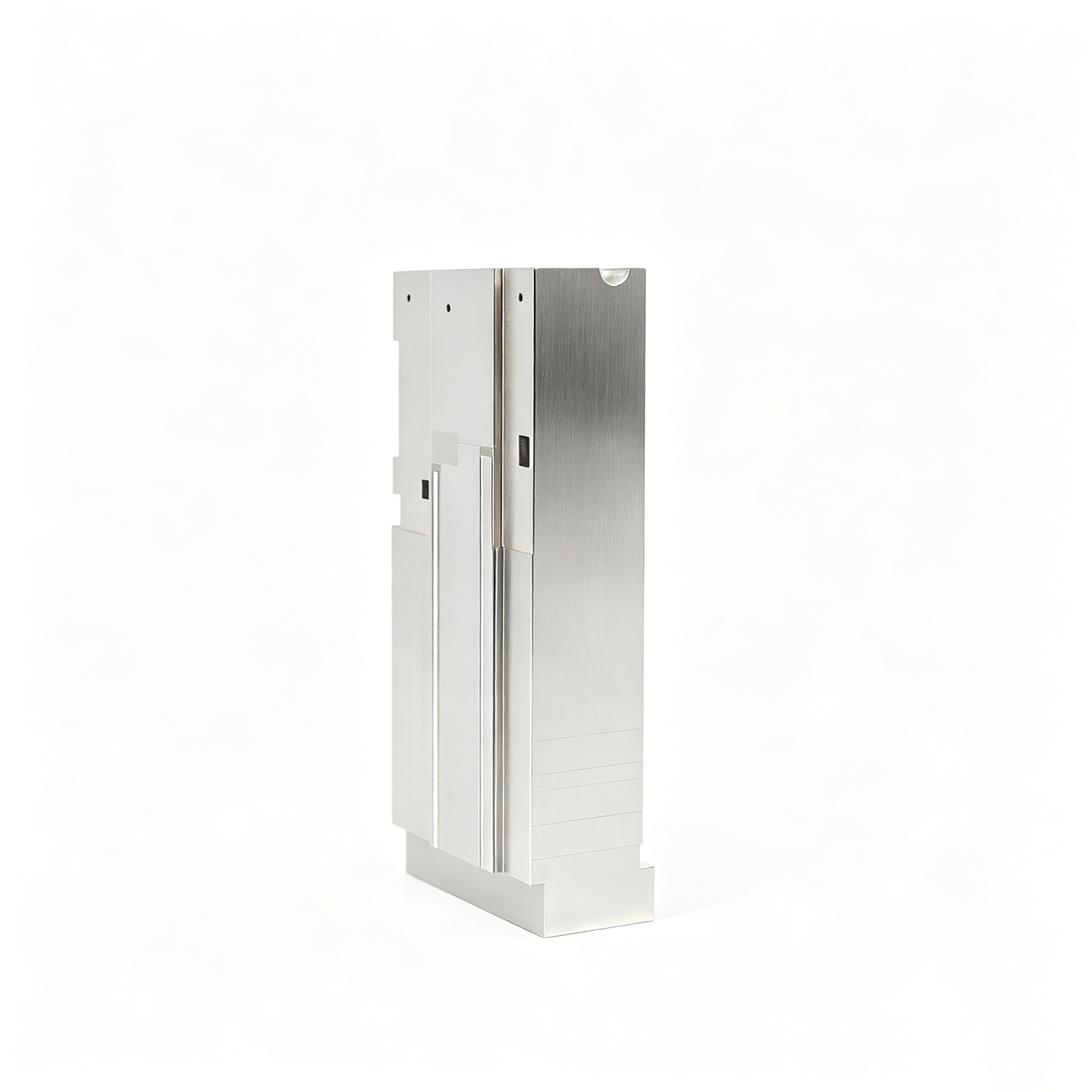
Sample Components for CNC Machining Services
Ten drawing-based component examples; open a part to review its engineering context.
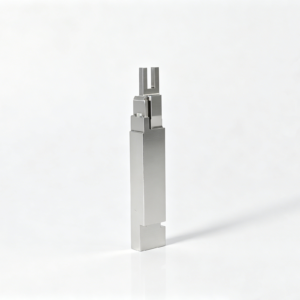
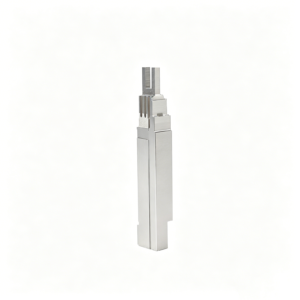

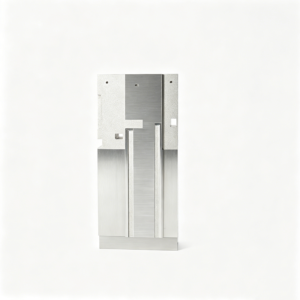
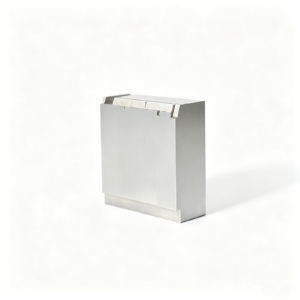
主要寸法から計画するCNC加工サービス
各部品の計画は、製造開始前に、図面レビュー、基準管理、工程アクセス、検査、改訂履歴の可視性を結びつけます。
図面レビュー
製造ルートを選定する前に、2D/3Dデータ、主要寸法、材質要件、形状間の関係性をレビューします。
基準(ダータム)戦略
基準は機能的な関係に合わせて配置し、ワーク保持、加工順序、検査参照が意図された部品機能と連携するようにします。
加工アクセス
工具の到達範囲、クランプ面、内部形状、形状の向きを早期に評価し、現実的な加工またはEDMの要件を特定します。
工程ルート計画
形状、素材の状態、熱処理の必要性に応じて、CNCフライス加工、旋盤加工、多軸加工、EDM、研削加工を組み合わせて行います。
検査計画
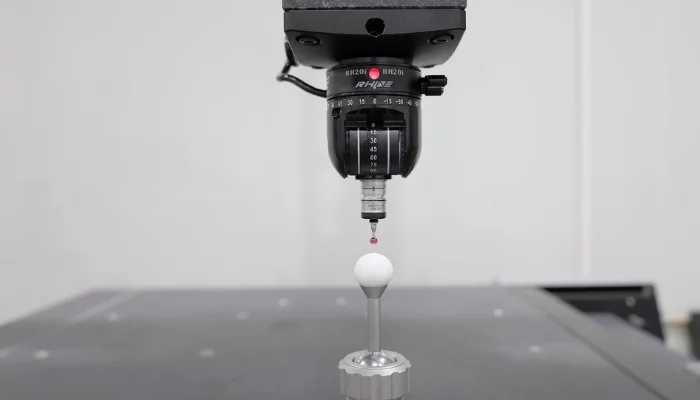
CTQ(Critical to Quality)、公差、表面、形状間の関係性に基づいて測定方法を計画します。実現可能な結果は、形状、材質、測定方法に依存します。
改訂履歴の可視性
図面の改訂、合意された優先順位、検査の期待値は、生産調整を通じて可視化され、ドキュメントが検証された注文要件と一致するようにします。
CNC加工サービスにおける関連分野
高精度部品、金型部品、コネクタツール、管理された試作品または小ロット生産品向けの図面主導型工程計画。

CNC加工サービス:機能性を考慮した材料選定
工具鋼
金型コア、キャビティインサート、スライド、耐摩耗部品に一般的です。熱処理前の焼きなまし状態または予備硬化状態の材料では加工性が変化します。最終仕上げ前に熱処理工程、研削代、硬度確認を定義する必要があります。
ステンレス鋼
金型やカスタム部品で耐食性、清浄度、強度が必要な場合に使用されます。グレード、材料の状態、熱処理は、切削性、歪みのリスク、重要寸法や表面の検査方法に影響します。
アルミニウム合金
プロトタイプ、治具、軽量部品、一部の金型用途でよく選択されます。合金と調質は加工性、安定性、表面の反応に影響します。薄肉、ワーク保持、必要な仕上げは図面から確認する必要があります。
銅合金
電極、熱管理機能、導電性または熱伝導性が必要な部品に適用されます。材料グレードは工具摩耗や仕上げの挙動に影響します。電極形状、放電加工(EDM)戦略、寸法確認は、意図した用途に一致させる必要があります。
エンジニアリングプラスチック
治具、絶縁部品、プロトタイプ部品、用途特化型加工部品に適しています。樹脂グレード、水分状態、部品形状は、安定性、バリの制御、測定に影響します。公差は完成部品の状態に合わせて評価する必要があります。
CNC加工サービス:重要機能のための連携
CNCフライス加工
フライス加工は、角柱形状、ポケット、輪郭、基準面を形成します。工具の到達範囲、クランプの安定性、後工程の放電加工や研削のための加工代は、重要な関係性と指定された検査方法を中心に計画されます。
精密旋削加工
旋削加工は、回転形状、内径、ねじ、同心形状を効率的に生成します。ランアウトや嵌合関係において基準を制御する必要がある場合、フライス加工、研削、二次加工の前に安定した基準径を設定することができます。
多軸加工
多軸加工は、少ない段取りで角度付き、輪郭付き、複合形状にアクセスするのに役立ちます。加工ルートは、工具アクセス、部品の剛性、治具戦略、位置関係が確実に検査できるかどうかを評価して決定されます。
ワイヤー放電加工および型彫放電加工
放電加工は、深いリブ、鋭い内角、硬化させた材料、従来の工具でアクセスできない形状に対応します。電極戦略、ワイヤーパス、再キャスト層の考慮事項、仕上げ加工代は、工程を確認する前に検討されます。
精密研削加工
研削加工は、機械加工や熱処理後に機能面、直径、基準関係を精密に仕上げます。達成可能な公差と仕上げは、形状、材料の状態、加工代、部品関係、選択された測定アプローチによって決まります。
嵌合と検査
嵌合は、スライド、インサート、ピン、または嵌合部品が相互作用する際の組み立て挙動を確認します。検査計画は、CTQ、基準参照、測定アクセス、改訂管理、および完成した注文に必要な文書に焦点を当てます。
金型部品向けCNC加工サービス
ガイドコンポーネント
ガイドピン、ブッシュ、ロケーティングエレメントは、金型またはダイの半分の間で繰り返し整合性を確立します。図面に対して、フィット関係、硬度状態、研削要件を確認してから、CNC加工サービスを計画します。
エジェクターコンポーネント
エジェクターピン、スリーブ、および関連するエジェクションの詳細については、ベアリング面、クリアランス、同心度、および摩耗状態を評価します。ジオメトリと公差の優先順位が要求する場合、旋削、研削、EDM、またはフィッティングを組み合わせて使用できます。
ゲート詳細
ゲート、ランナー、およびフィード関連の金型詳細は、材料の流れの意図、工具へのアクセス、および表面の遷移に細心の注意を払う必要があります。プロセス計画により、フライス加工、EDM、または仕上げ操作のいずれが指定されたジオメトリを最もよくサポートするかを確認します。
スライド・リフター
スライド、リフター、および可動金型詳細は、トラベルインターフェース、ロッキング面、潤滑機能、および組み立て関係についてレビューされます。ワーク保持、熱処理シーケンス、および検査方法は、承認された図面改訂版から定義されます。
カスタムロケーティング詳細
カスタムストップ、インサート、リテーナー、およびメーティング詳細は、基準参照および公差スタックを中心に計画できます。スコープ確認のために、2Dおよび3Dデータ、CTQ、数量、仕上げ要件、および要求された品質ドキュメントを提出してください。
SUUXIANG精密製造について
SUUXIANGは、2010年に東莞市長安鎮で設立された東莞市蘇翔精密金型有限公司のパブリックブランドです。創設者兼法定代理人は黄小成です。当社は、エンジニアリング、金型、調達、品質チームと協力し、図面で定義された精密部品を製造しています。
CNC加工と精密金型部品、コネクタ金型、EDM、研削、フィッティング、検査計画を組み合わせた作業です。プロセスルートは、実際のジオメトリ、材料の状態、基準スキーム、重要な機能、および注文で要求されるドキュメントに基づいて選択されます。
訪問者は、部品ファミリーを理解するために代表的な部品写真を使用してください。正確なグレード、公差、または測定結果を推測するために使用しないでください。技術的な議論のために、現在の図面とモデル、数量、材料、仕上げ、CTQ、検査スコープ、および目標日を準備してください。
CNC加工サービス:図面レビューから検査まで
DFMおよび基準レビュー
生産前に、SUUXIANGは図面改訂版、重要な寸法、基準スキーム、公差関係、工具アクセス、およびワーク保持のリスクをレビューします。これにより、実行可能な加工計画が確立され、材料を投入する前に解決すべき質問が特定されます。
- 2D図面、3Dモデル、および改訂ステータスを確認する
- CTQ、基準、および公差スタックの依存関係を特定する
- アクセス、クランプ面、およびフィーチャーシーケンスをレビューする
- 材料、熱処理、および表面要件を整合させる
マルチプロセス部品計画
CNC加工サービスは、部品のジオメトリ、フィーチャー関係、または在庫状況に応じて、フライス加工、旋削、多軸加工、EDM、および研削を組み合わせることができます。ルートは、機能要件に基づいて選択され、固定されたプロセスパッケージとして想定されません。
- フライス加工または旋削を主要なジオメトリに合わせる
- 特徴の向きに応じて、多軸アクセスを使用してください。
- アクセスが困難な内部形状や鋭利なディテールには、放電加工(EDM)を計画してください。
- 研削は、管理された材料除去と仕上げのために予約してください。
放電加工(EDM)と研削の戦略
放電加工(EDM)と研削の決定は、加工しろ、硬度、電極またはワイヤーパス、仕上げ要件、検査アクセスを考慮して計画されます。達成可能な公差と表面仕上げは、形状、材料の挙動、特徴間の関係、および合意された測定方法に依存します。
- 熱処理と仕上げ作業の前に、材料の状態を定義してください。
- 電極戦略とワイヤー放電加工(EDM)パスの制約を確認してください。
- 重要面と嵌合部周辺に研削しろを設定してください。
- 仕上げ要件を測定可能な検査基準に結びつけてください。
検査と改訂管理
検査計画は、承認された図面と特定されたCTQ(Critical to Quality)に従い、ドキュメントは注文の検証済み要件と一致させます。改訂の可視性、測定方法、納品調整は、調達および品質チームが受け取った部品と証拠を比較するのに役立ちます。
- 検査範囲を重要寸法とレポートに合わせます。
- 複雑または精密な特徴の測定方法を確認してください。
- 生産調整を通じて改訂参照を維持します。
- 合意された注文固有のドキュメントを提供してください。
CNC加工サービスRFQ(見積依頼)決定チェックリスト
見積もりは、不確かな単価ではなく、同じ図面改訂版と記載された技術スコープに基づいて比較してください。
← Swipe left or right to view →
SUUXIANG CNC加工サービス:図面レビューから納品まで
図面主導のワークフローにより、プロジェクト全体を通じて重要な寸法、プロセス決定、検査要件、改訂ステータスが整合されます。
RFQ入力のレビュー
2D/3Dデータ、材質、数量、CTQ、仕上げ要件、納期、必要な検査または品質文書を確認します。
プロセスルートの計画
エンジニアが基準点、公差スタック、工具アクセス、ワークホルディング、材料の状態、熱処理シーケンスを評価し、実用的な加工代と作業を定義します。
材料準備とセットアップ
材料と生産計画は、承認された改訂、重要な機能、適切なワークホルディングと整合され、加工が開始されます。
重要機能の加工
形状、硬度、アクセス、または仕上げの優先順位に応じて、CNCフライス加工、旋盤加工、または多軸加工をEDMや研削と組み合わせることがあります。
検査、梱包、調整
各部品は、合意された検査計画に基づき検証され、注文内容に合わせた書類とともに梱包されます。納品に関する調整事項は、お客様のチームがいつでも確認できるようになっています。
SUUXIANG CNC加工サービスをご利用いただく方法
Move from drawing review to controlled production with clear technical inputs, documented decisions, and inspection expectations aligned before release.
技術仕様書のご提出
2D図面、利用可能な3Dモデル、数量、材質、熱処理、表面処理、希望納期、および機能や嵌合関係に影響を与える可能性のあるアプリケーションのコンテキストをアップロードしてください。
重要要件の特定
CTQ(重要品質特性)、基準、公差の優先度、表面要求、検査ニーズ、および必要な品質文書をマークしてください。これにより、製造計画では最も重要な特徴が考慮されます。
工程計画のレビュー
CNCフライス加工または旋盤加工、EDM、研削、治具、加工しろ、および形状や素材の状態によって必要とされるサンプリングの検討を含む、提案された工程経路を確認してください。
生産リリース承認
SUUXIANGが注文を管理された生産に移行する前に、見積もり、図面改訂版、材質および表面処理の要件、検査方法、数量、および納品に関する期待事項を確認してください。
検査準備完了の部品をお届け
合意された検査計画に沿った納品情報と書類とともに部品をお届けします。これにより、プロトタイプの評価やリピート生産の調整のためのトレーサビリティがサポートされます。
技術レビュー中にバイヤーが尋ねるべき質問
どの図面改訂版と基準体系が部品を規定し、提案された逸脱はどのように承認されますか?
機能に不可欠な機能は何ですか?また、適合性を実証する測定方法はどのようなものですか?
引用には、材料の状態、二次加工、検査書類、梱包の前提条件が含まれていますか?
図面主導のRFQ向けCNC加工サービスFAQ
Practical answers on data, tolerances, inspection, production planning, commercial coordination, and protected technical communication.
CNC加工サービスには、どのようなファイルを送ればよいですか?
CNC加工サービスでは、プロトタイプ部品と量産部品をどのように扱いますか?
CNC加工サービスで達成可能な公差はどのくらいですか?
生産前に、初回製造サンプルを提供してもらえますか?
加工済み部品に検査レポートを添付してもらえますか?
国際的なCNC注文の支払いと発送はどのように手配されますか?
図面と知的財産はどのように保護されますか?
CNC加工プロセスにEDMまたは研削を追加するのはいつですか?
CNC加工購入者ガイド
初期の図面レビューから文書化された受諾まで、カスタムCNC加工部品のための実践的な意思決定フレームワーク。
1. CNC部品の定義
Define whether the part is a prototype, fixture, housing, shaft or tooling detail because function changes the datum plan and inspection emphasis. When specifying a custom CNC-machined component, this decision should be recorded against the latest controlled drawing. Note the quantity, production stage and functional interface so the discussion remains about the actual component rather than a visually similar example. A photograph can identify a part family, but it cannot establish material, tolerance or inspection results.nnFor this stage, focus on geometry, tool access, datums, material condition and measurement strategy. Ask how the proposed process will preserve datum relationships and how the completed feature can be measured. If a tolerance, finish, hardness or document is essential, include its acceptance method in the RFQ rather than leaving it to interpretation.nnBefore approving production, record the drawing revision, any clarification or agreed deviation, and the documents expected with the order. Compare quotations by the same technical scope: material condition, operations, sampling, inspection, finishing, packing and delivery assumptions. If an item is not yet verified, treat it as an open engineering question. A clear decision record makes a prototype review and a later repeat order easier to reconcile without silently changing the specification.
2. 形状と工具アクセスを確認する
Check tool reach, internal corner radii, deep pockets, thin walls and undercuts; even a simple-looking model may require several setups or a secondary process. When specifying a custom CNC-machined component, this decision should be recorded against the latest controlled drawing. Note the quantity, production stage and functional interface so the discussion remains about the actual component rather than a visually similar example. A photograph can identify a part family, but it cannot establish material, tolerance or inspection results.nnFor this stage, focus on geometry, tool access, datums, material condition and measurement strategy. Ask how the proposed process will preserve datum relationships and how the completed feature can be measured. If a tolerance, finish, hardness or document is essential, include its acceptance method in the RFQ rather than leaving it to interpretation.nnBefore approving production, record the drawing revision, any clarification or agreed deviation, and the documents expected with the order. Compare quotations by the same technical scope: material condition, operations, sampling, inspection, finishing, packing and delivery assumptions. If an item is not yet verified, treat it as an open engineering question. A clear decision record makes a prototype review and a later repeat order easier to reconcile without silently changing the specification.
3. フライス加工か旋盤加工かを選択する
Turning is efficient for rotational features, while milling addresses prismatic faces and pockets; many parts require both with a common datum strategy. When specifying a custom CNC-machined component, this decision should be recorded against the latest controlled drawing. Note the quantity, production stage and functional interface so the discussion remains about the actual component rather than a visually similar example. A photograph can identify a part family, but it cannot establish material, tolerance or inspection results.nnFor this stage, focus on geometry, tool access, datums, material condition and measurement strategy. Ask how the proposed process will preserve datum relationships and how the completed feature can be measured. If a tolerance, finish, hardness or document is essential, include its acceptance method in the RFQ rather than leaving it to interpretation.nnBefore approving production, record the drawing revision, any clarification or agreed deviation, and the documents expected with the order. Compare quotations by the same technical scope: material condition, operations, sampling, inspection, finishing, packing and delivery assumptions. If an item is not yet verified, treat it as an open engineering question. A clear decision record makes a prototype review and a later repeat order easier to reconcile without silently changing the specification.
4. 材料と素材の状態を選択する
A named alloy is not enough when temper, hardness, plate condition or residual stress affects distortion after material removal. When specifying a custom CNC-machined component, this decision should be recorded against the latest controlled drawing. Note the quantity, production stage and functional interface so the discussion remains about the actual component rather than a visually similar example. A photograph can identify a part family, but it cannot establish material, tolerance or inspection results.nnFor this stage, focus on geometry, tool access, datums, material condition and measurement strategy. Ask how the proposed process will preserve datum relationships and how the completed feature can be measured. If a tolerance, finish, hardness or document is essential, include its acceptance method in the RFQ rather than leaving it to interpretation.nnBefore approving production, record the drawing revision, any clarification or agreed deviation, and the documents expected with the order. Compare quotations by the same technical scope: material condition, operations, sampling, inspection, finishing, packing and delivery assumptions. If an item is not yet verified, treat it as an open engineering question. A clear decision record makes a prototype review and a later repeat order easier to reconcile without silently changing the specification.
5. 二次加工を計画する
EDM, grinding, heat treatment, coating and deburring should be sequenced in the quote so material allowances and final dimensions remain compatible. When specifying a custom CNC-machined component, this decision should be recorded against the latest controlled drawing. Note the quantity, production stage and functional interface so the discussion remains about the actual component rather than a visually similar example. A photograph can identify a part family, but it cannot establish material, tolerance or inspection results.nnFor this stage, focus on geometry, tool access, datums, material condition and measurement strategy. Ask how the proposed process will preserve datum relationships and how the completed feature can be measured. If a tolerance, finish, hardness or document is essential, include its acceptance method in the RFQ rather than leaving it to interpretation.nnBefore approving production, record the drawing revision, any clarification or agreed deviation, and the documents expected with the order. Compare quotations by the same technical scope: material condition, operations, sampling, inspection, finishing, packing and delivery assumptions. If an item is not yet verified, treat it as an open engineering question. A clear decision record makes a prototype review and a later repeat order easier to reconcile without silently changing the specification.
6. 現実的な公差と仕上げを設定する
Tight dimensions should be assigned by function. Define surface texture, burr limits and edge breaks explicitly when they affect assembly or sealing. When specifying a custom CNC-machined component, this decision should be recorded against the latest controlled drawing. Note the quantity, production stage and functional interface so the discussion remains about the actual component rather than a visually similar example. A photograph can identify a part family, but it cannot establish material, tolerance or inspection results.nnFor this stage, focus on geometry, tool access, datums, material condition and measurement strategy. Ask how the proposed process will preserve datum relationships and how the completed feature can be measured. If a tolerance, finish, hardness or document is essential, include its acceptance method in the RFQ rather than leaving it to interpretation.nnBefore approving production, record the drawing revision, any clarification or agreed deviation, and the documents expected with the order. Compare quotations by the same technical scope: material condition, operations, sampling, inspection, finishing, packing and delivery assumptions. If an item is not yet verified, treat it as an open engineering question. A clear decision record makes a prototype review and a later repeat order easier to reconcile without silently changing the specification.
7. 検査とドキュメントを確認する
Request a report for specified CTQs and agree on sampling, gauge access and datum simulation before the first part is cut. When specifying a custom CNC-machined component, this decision should be recorded against the latest controlled drawing. Note the quantity, production stage and functional interface so the discussion remains about the actual component rather than a visually similar example. A photograph can identify a part family, but it cannot establish material, tolerance or inspection results.nnFor this stage, focus on geometry, tool access, datums, material condition and measurement strategy. Ask how the proposed process will preserve datum relationships and how the completed feature can be measured. If a tolerance, finish, hardness or document is essential, include its acceptance method in the RFQ rather than leaving it to interpretation.nnBefore approving production, record the drawing revision, any clarification or agreed deviation, and the documents expected with the order. Compare quotations by the same technical scope: material condition, operations, sampling, inspection, finishing, packing and delivery assumptions. If an item is not yet verified, treat it as an open engineering question. A clear decision record makes a prototype review and a later repeat order easier to reconcile without silently changing the specification.
8. 比較可能なCNC RFQを準備する
A comparable CNC RFQ states quantity tiers, latest files, material, finish, treatment, CTQs, reports, packing and destination. When specifying a custom CNC-machined component, this decision should be recorded against the latest controlled drawing. Note the quantity, production stage and functional interface so the discussion remains about the actual component rather than a visually similar example. A photograph can identify a part family, but it cannot establish material, tolerance or inspection results.nnFor this stage, focus on geometry, tool access, datums, material condition and measurement strategy. Ask how the proposed process will preserve datum relationships and how the completed feature can be measured. If a tolerance, finish, hardness or document is essential, include its acceptance method in the RFQ rather than leaving it to interpretation.nnBefore approving production, record the drawing revision, any clarification or agreed deviation, and the documents expected with the order. Compare quotations by the same technical scope: material condition, operations, sampling, inspection, finishing, packing and delivery assumptions. If an item is not yet verified, treat it as an open engineering question. A clear decision record makes a prototype review and a later repeat order easier to reconcile without silently changing the specification.