
カスタム部品のサンプル(一部抜粋)
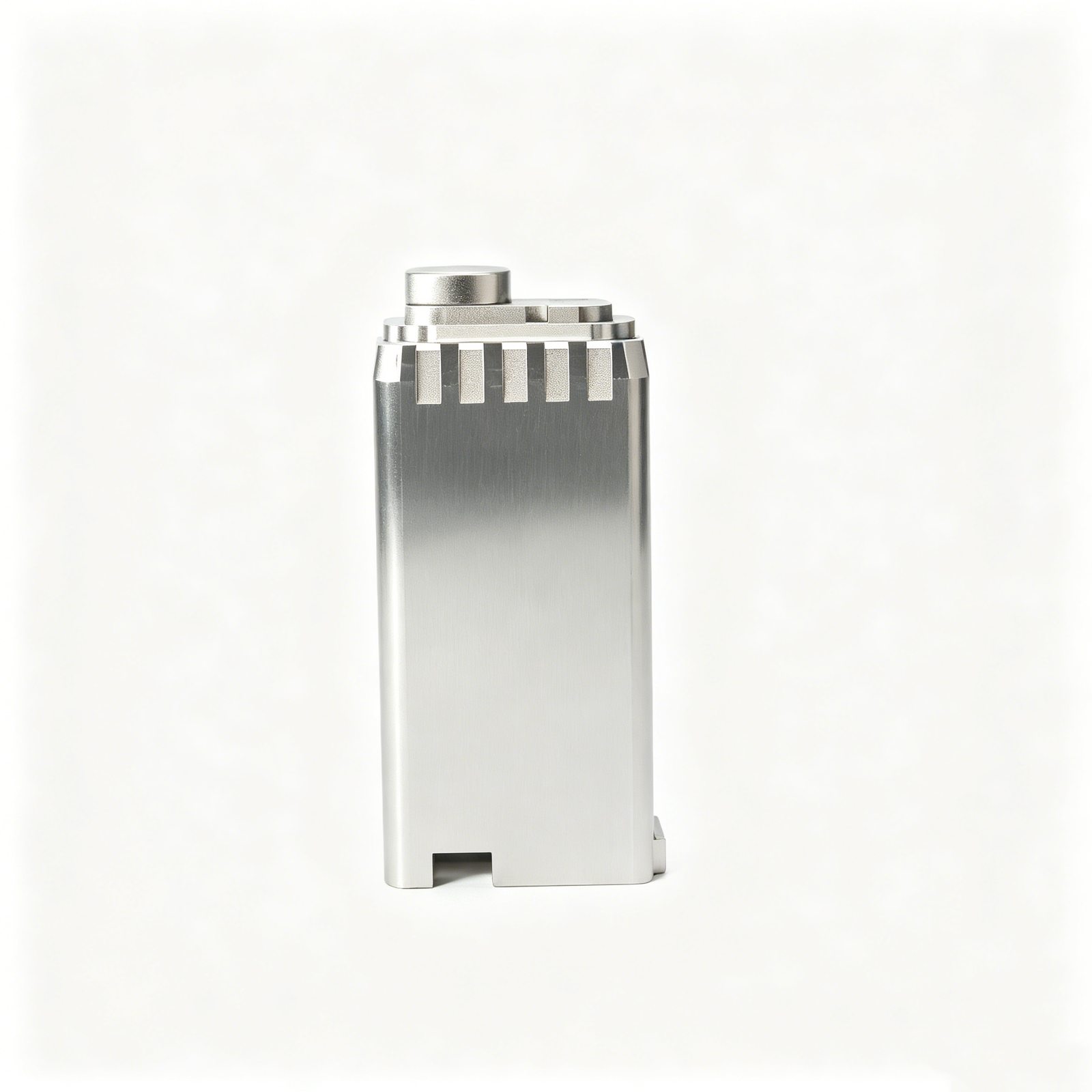
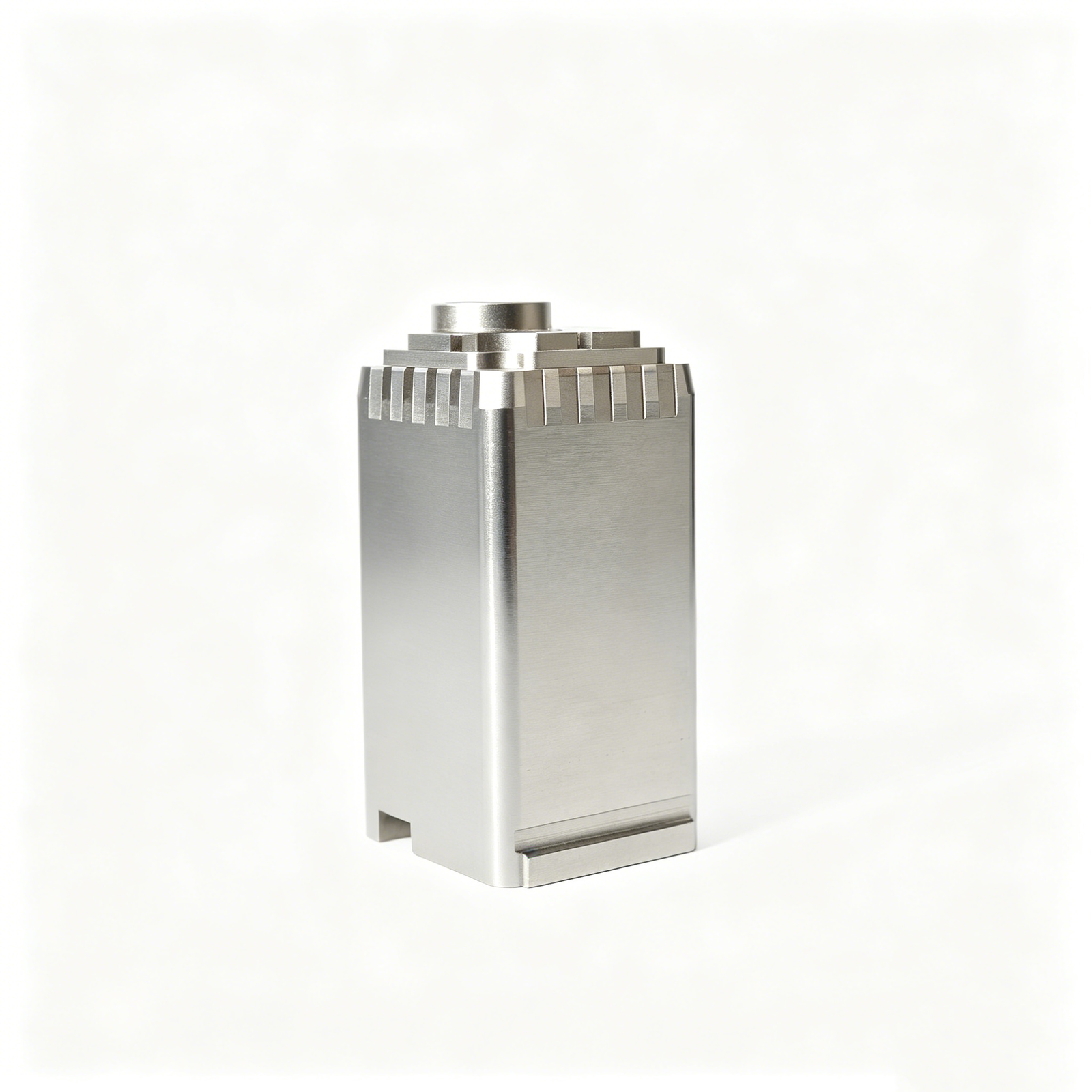
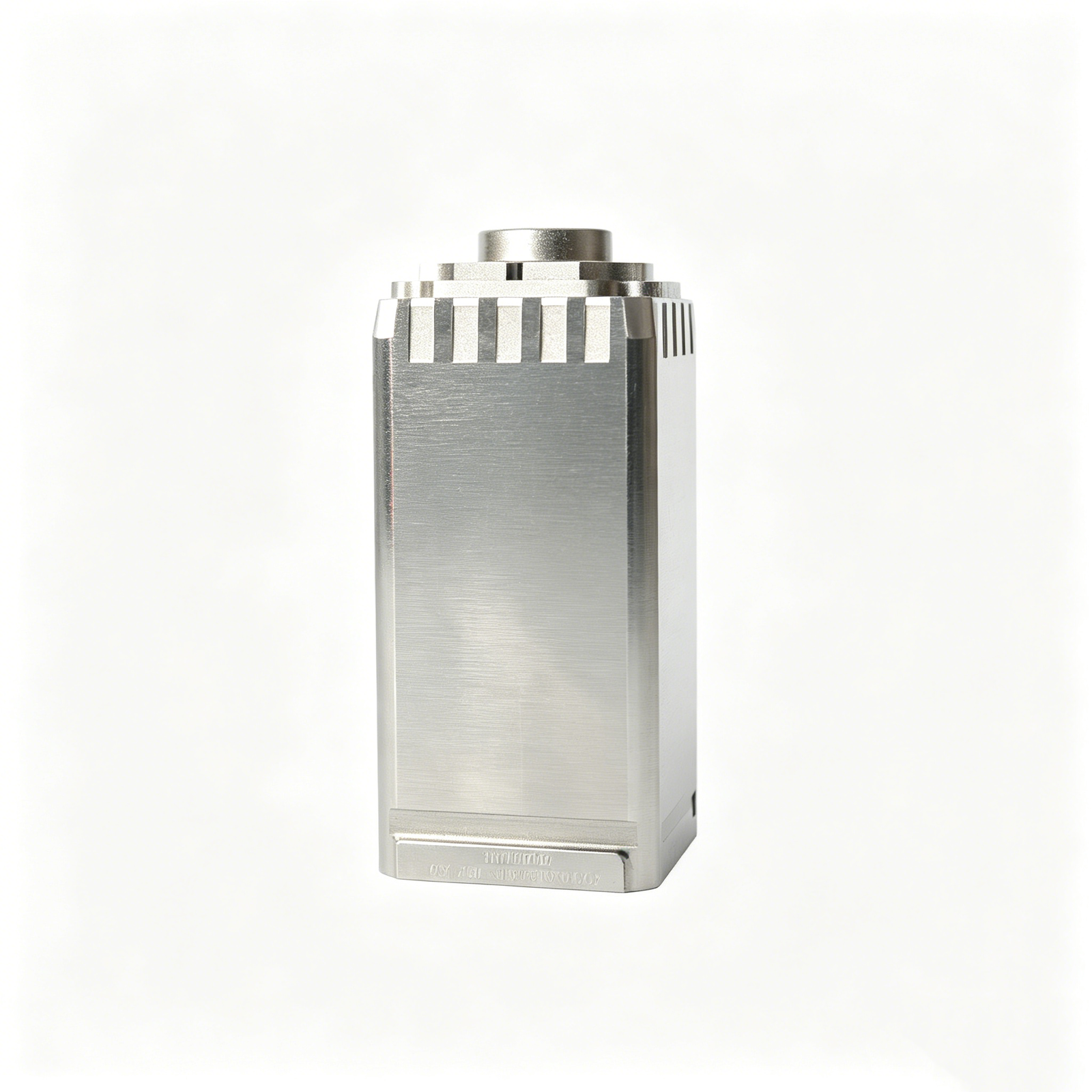
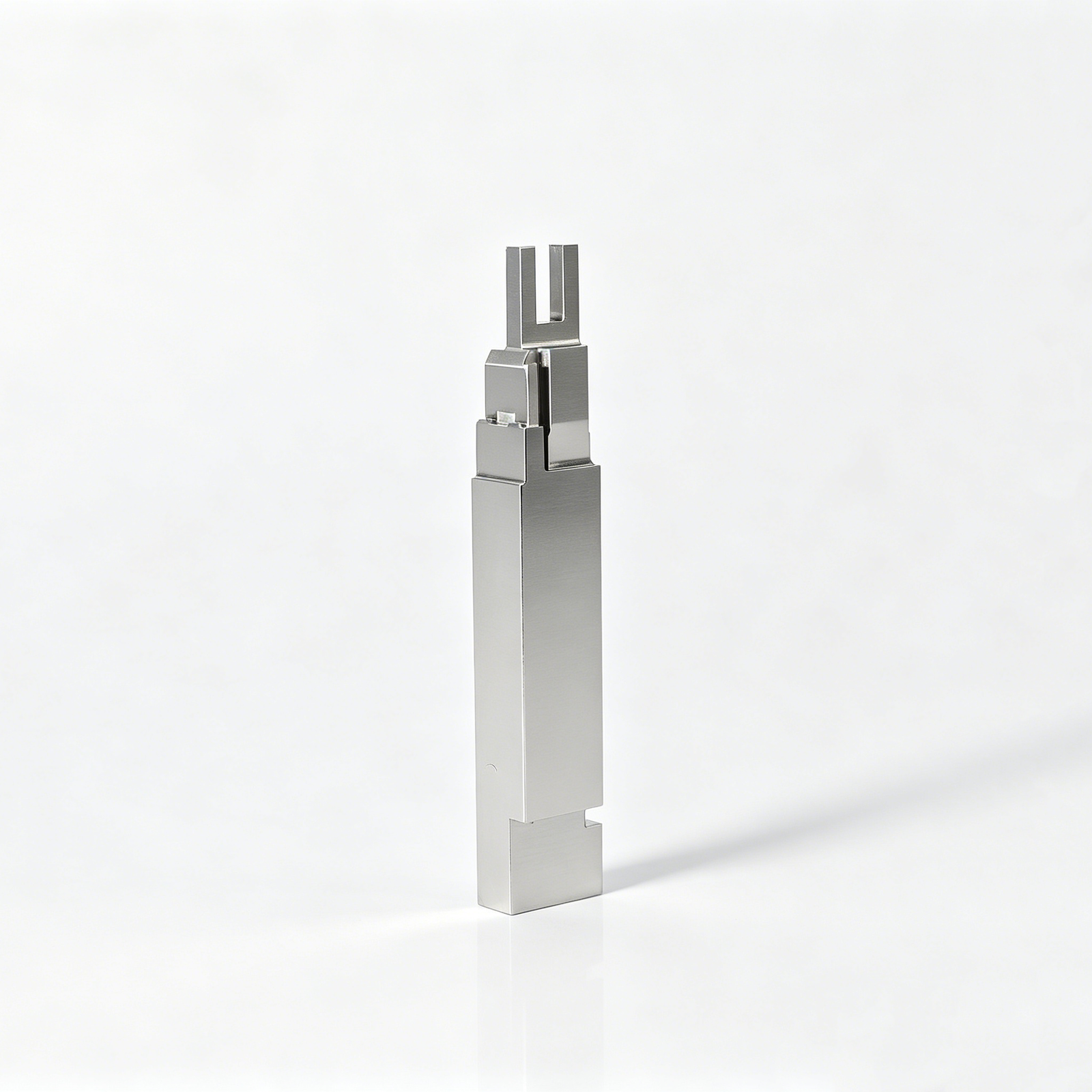
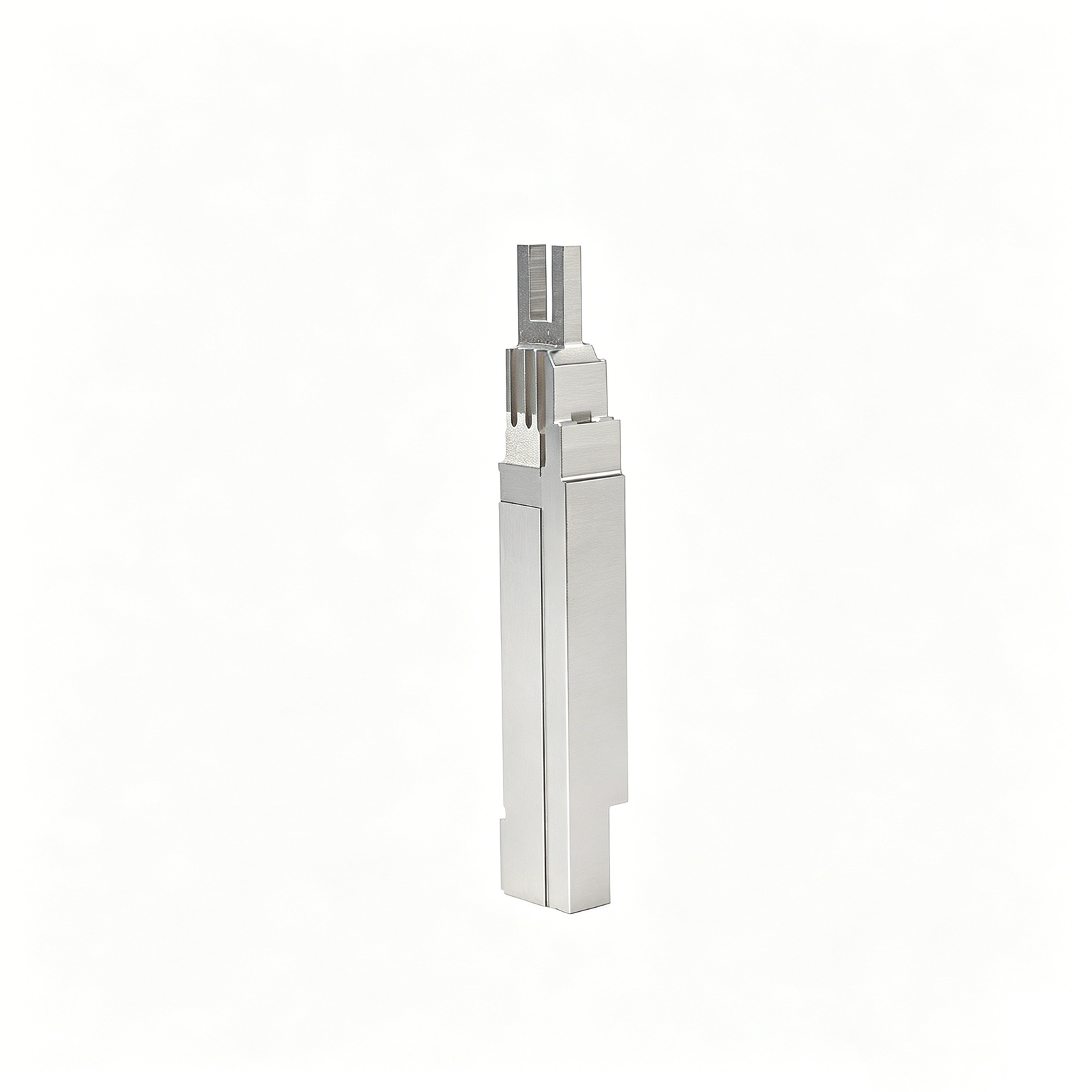

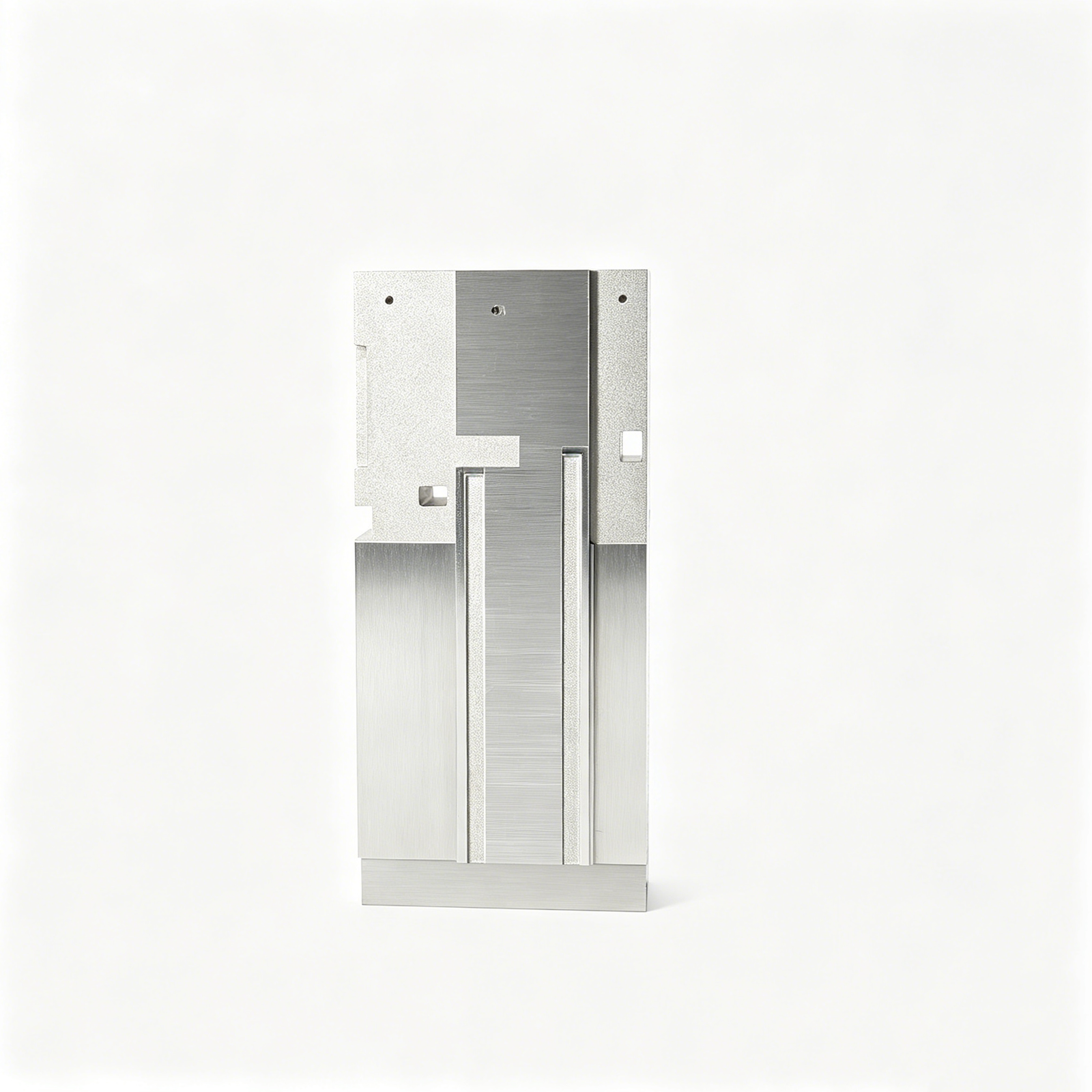
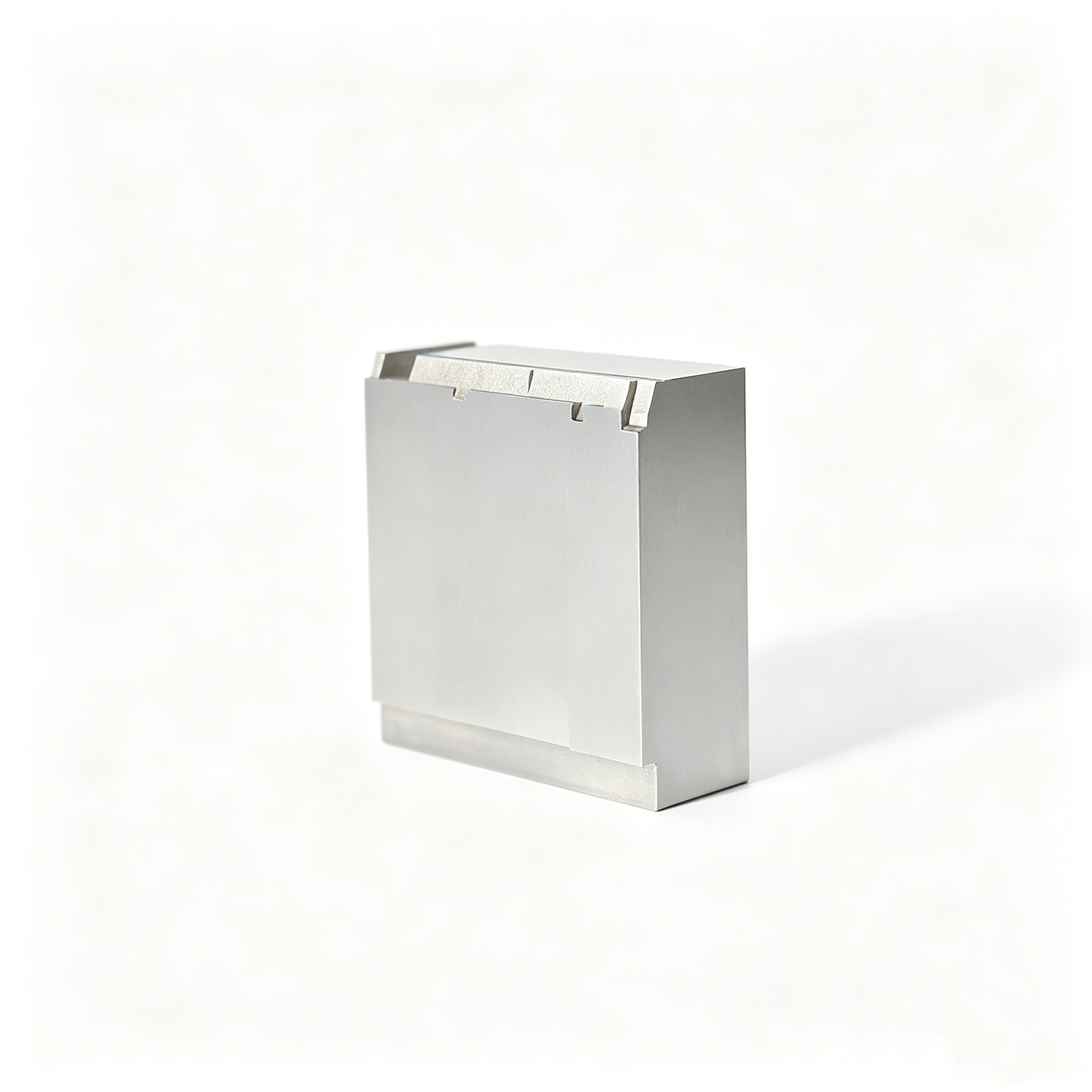
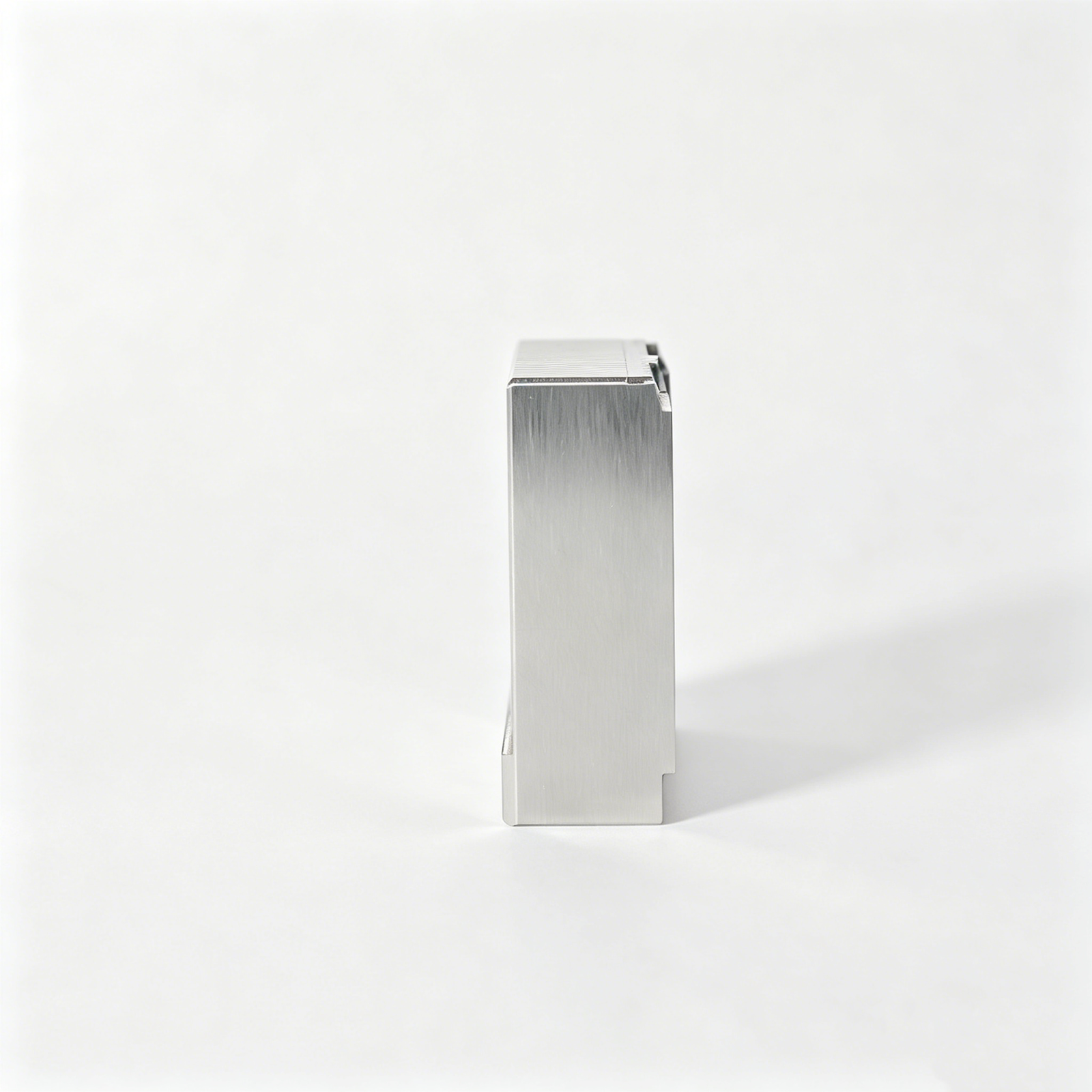
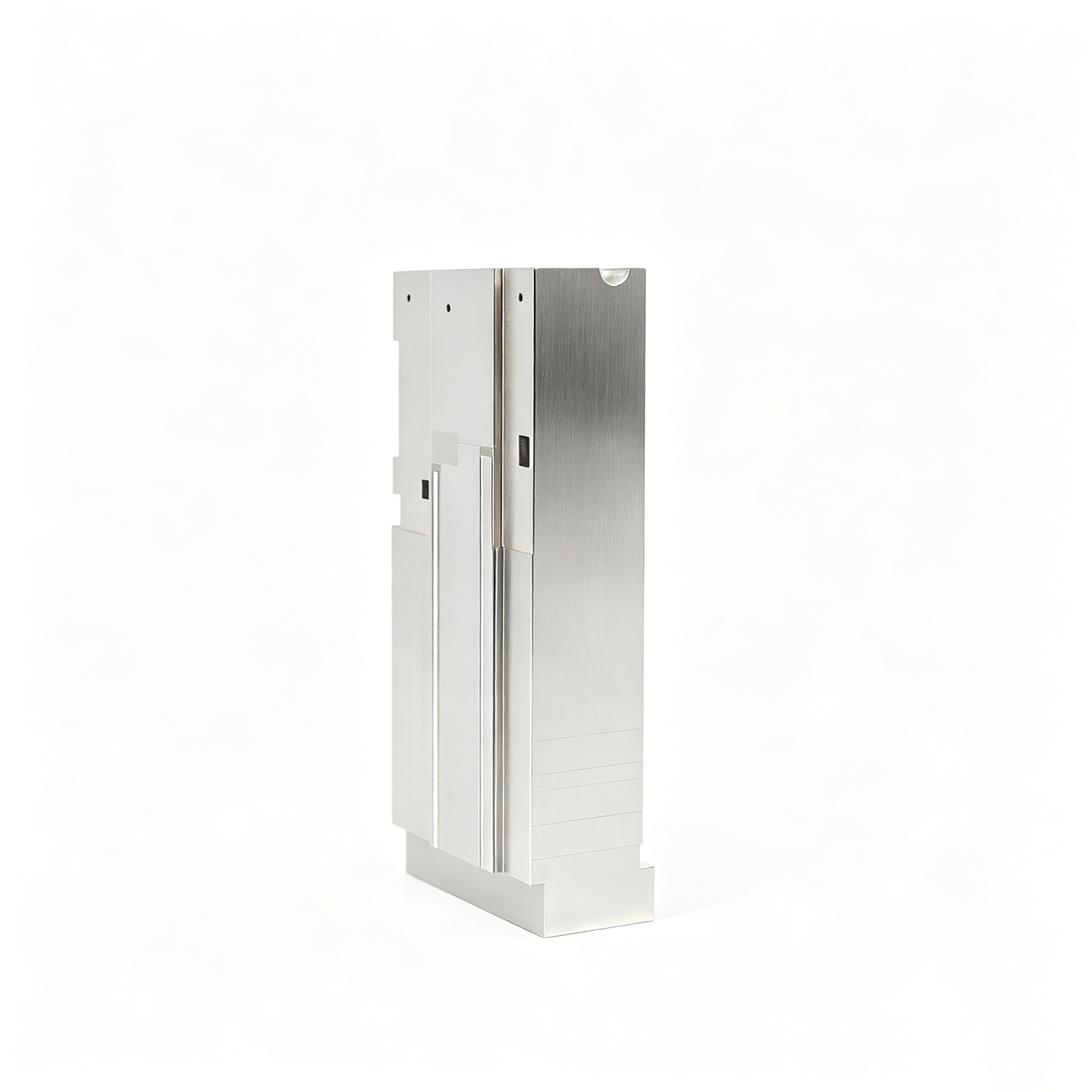
Sample Components for Drawing-Driven Precision Manufacturing
Ten drawing-based component examples; open a part to review its engineering context.


図面ベースの製造におけるRFQ管理
SUUXIANGは、製造開始前に図面レビュー、工程計画、検査要件、改訂管理を連携させます。
図面主導レビュー
各RFQは、2D図面、モデル、材質、数量、仕上げ要件、および必要な検査書類から始まります。
DFM(製造可能性設計)検討
適切な製造可能工程ルートを選択する前に、加工アクセス、基準戦略、公差スタック、およびフィーチャー間の干渉を確認します。
CTQ(重要特性)計画
寸法、面、および嵌合関係の重要箇所を早期に特定し、測定方法と検査優先順位を図面と一致させます。
工程ルート選定
CNC加工、放電加工、研削、組立を組み合わせて、形状、材質の状態、表面要件に基づき工程を決定します。
検査連携
製造前に、レポート要件、基準、重要フィーチャー、および注文時に期待される書類を含む検査要件を明確にします。
改訂管理
改訂変更は、管理されたコミュニケーションを通じて可視化され、リピート注文が現在の図面、要件、および合意された検査計画に従うことを支援します。
図面主導型精密製造のための関連パス
図面、CTQ寸法、材質、仕上げ、および書類要件から始め、実用的な製造・検査ルートを定義します。



機能と制御のための精密CNC加工材料

工具鋼
金型コア、キャビティインサート、プレス金型部品、耐摩耗性が重要な工具に使用されます。グレード、熱処理状態、機械加工代、仕上げルートは、図面と用途要件から確認する必要があります。
ステンレス鋼
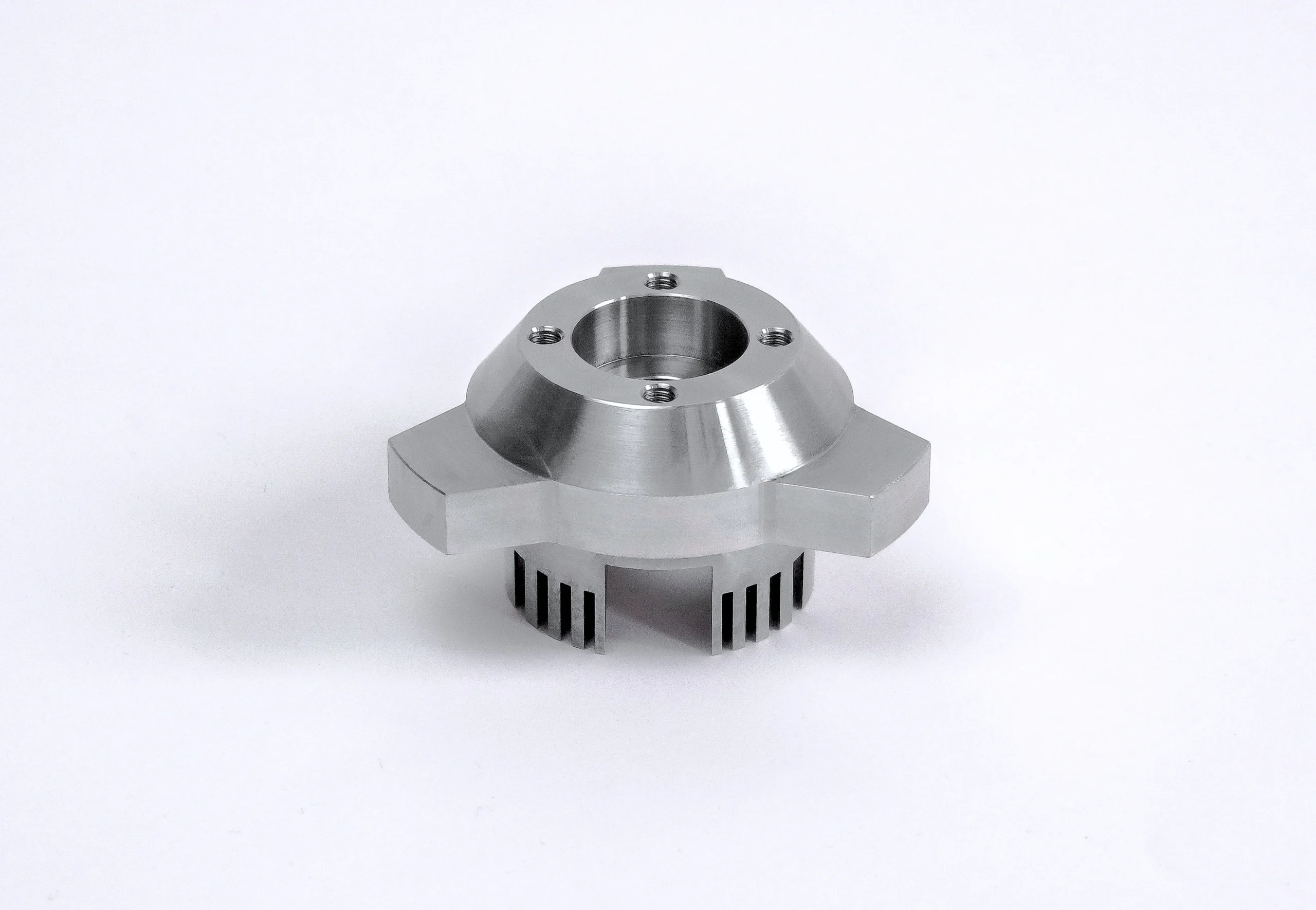
カスタム部品や工具部品で耐食性、強度、またはクリーンサービス性能が求められる場合に使用されます。材料グレード、硬度状態、表面要件、検査優先順位が、機械加工と仕上げの計画を決定します。
アルミニウム合金
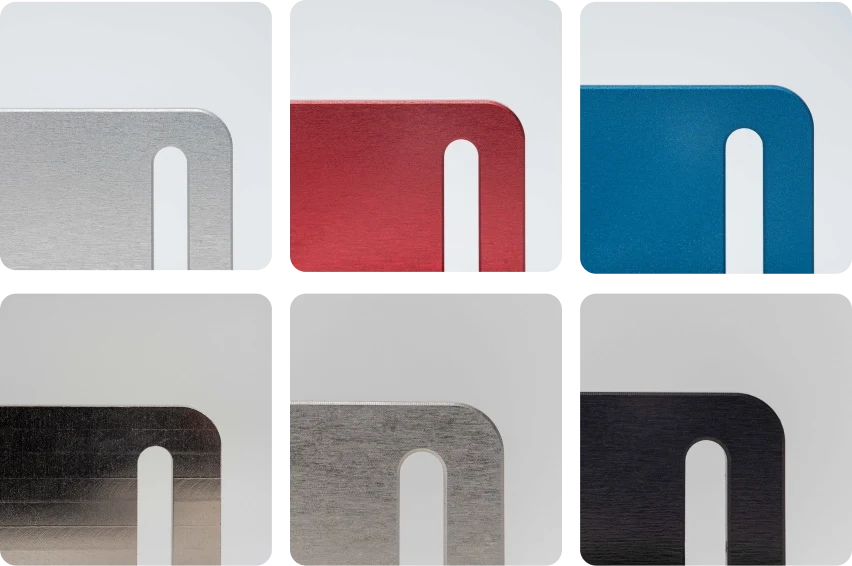
軽量治具、試作品、一部の工具用途に実用的な選択肢です。合金の選択は、加工性、安定性、陽極酸化処理の適合性、ねじ強度に影響するため、RFQには機能負荷と表面要件を明記してください。
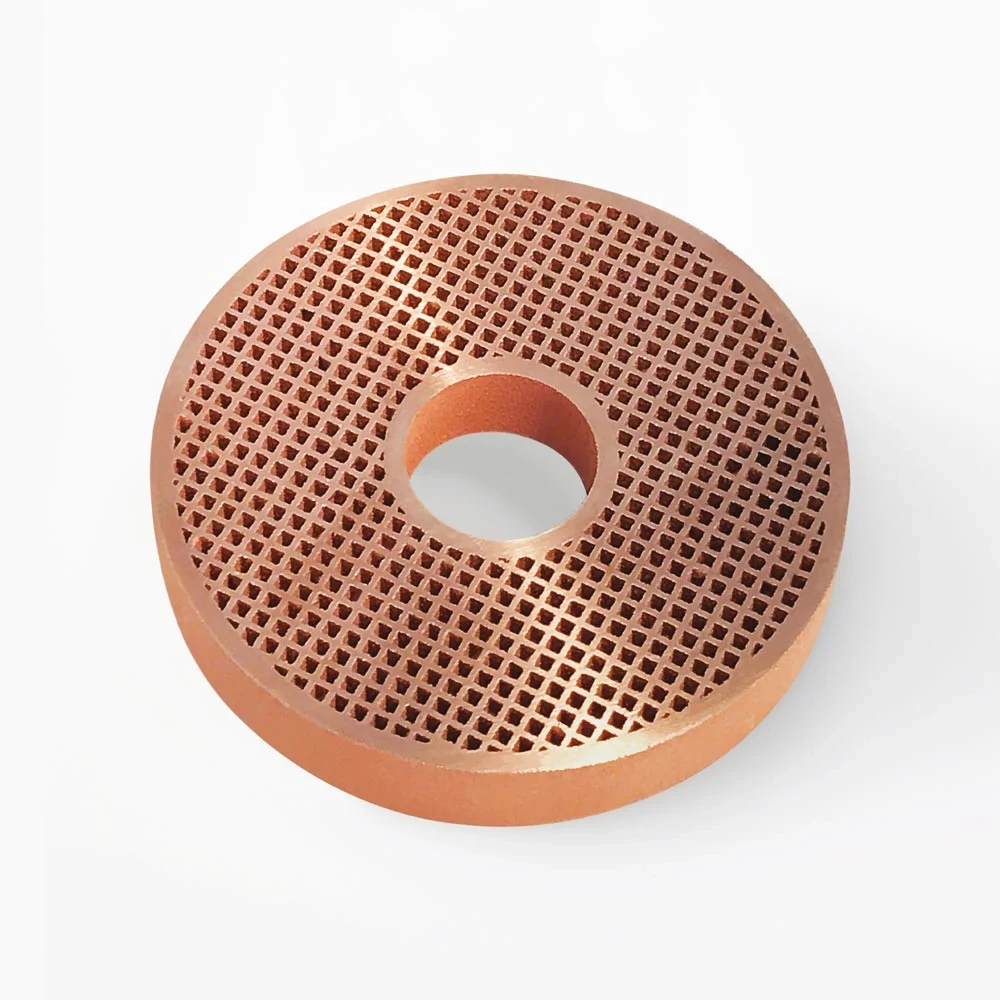
銅合金
電気伝導性または熱応答性部品、特殊な工具詳細を含む部品の検討。合金選定にあたっては、導電性の必要性、加工性、寸法優先度、および接合部品や仕上げの制約を考慮する必要があります。
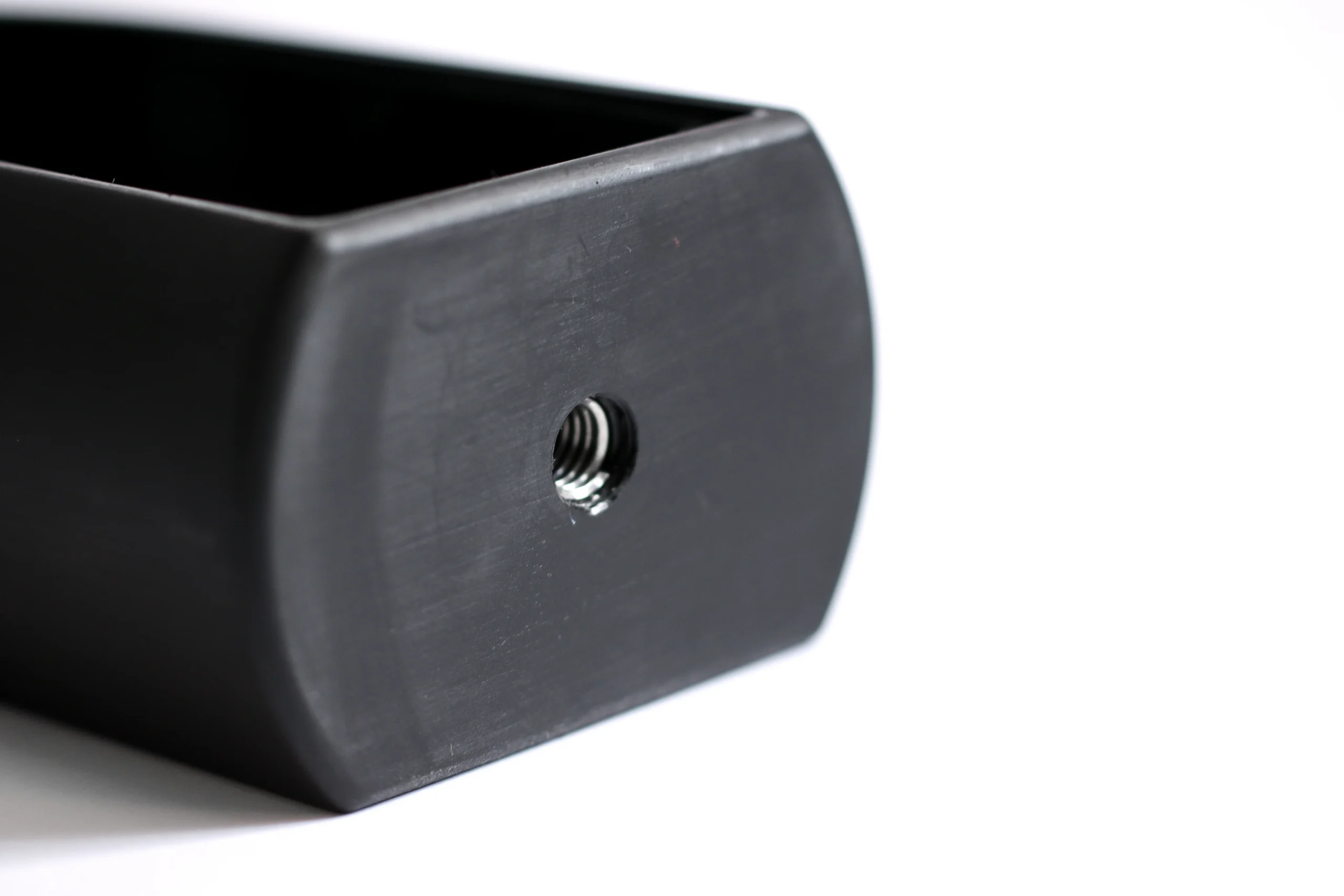
エンジニアリングプラスチック
寸法安定性が用途に適している、低摩擦性、絶縁性、または耐薬品性のある部品の選択に適用可能。加工計画前に、グレード、湿潤暴露、熱条件、公差、検査方法を検討する必要があります。
精密CNC加工、放電加工、研削、組立
CNCミーリングサービス
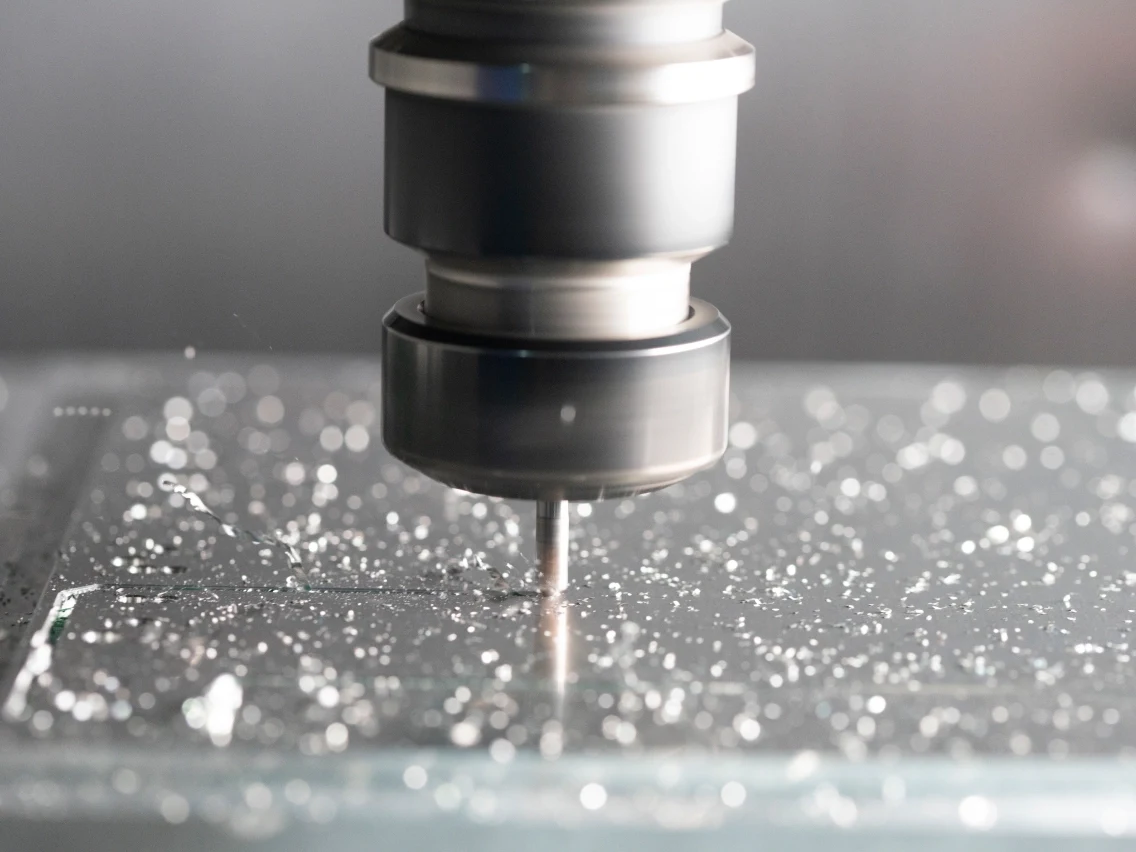
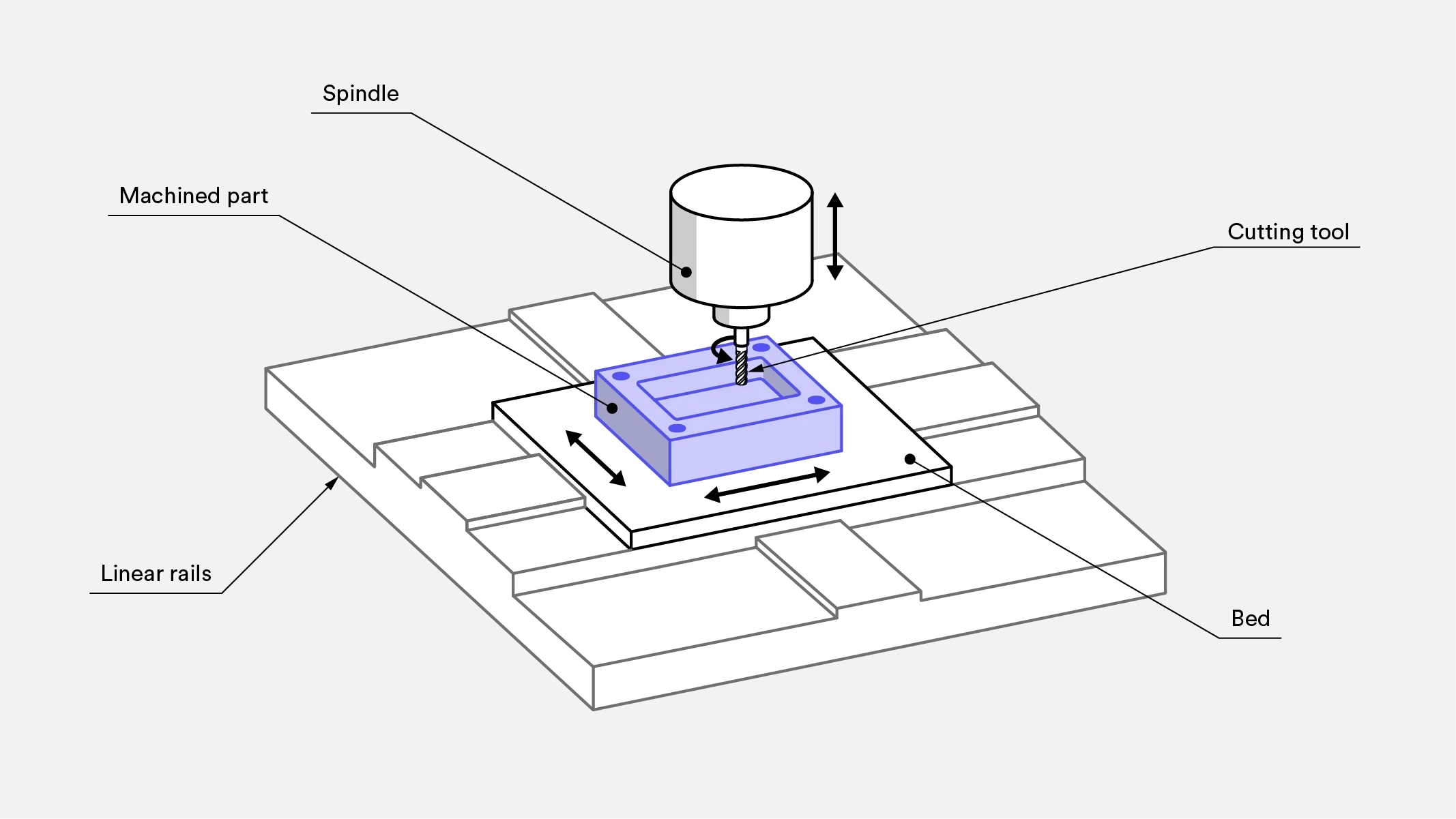
CNCミーリングは、角形部品、ポケット、輪郭、金型インサートから材料を除去します。安定したフィーチャー、制御された表面、および後続の放電加工や研削を効率化するため、工具アクセス、基準位置、加工代を早期に検討します。
CNC旋削サービス
CNC旋削は、ピン、スリーブ、カスタム部品の同心円径、ボア、ねじ、回転プロファイルを作成します。機能的なインターフェースの検査を実用的に保つため、基準関係、壁厚、および後続の仕上げ要件を考慮します。
5軸加工
多軸加工は、ジオメトリが対応する場合、より少ない段取りで角度付き、複合、および輪郭形状にアクセスします。複雑な金型やコネクタ工具部品の再配置リスクを低減するため、段取り戦略と工具アプローチを重要寸法を中心に計画します。
ワイヤー放電加工サービス
ワイヤー放電加工は、従来の工具アクセスが制限されている場所で、精密な輪郭、狭いスロット、および硬化されたフィーチャーを切断します。機能的なジオメトリと接合関係を保護するため、ワイヤパス、スタート穴、コーナー条件、および仕上げ要件を製図と合わせて確認します。
シンカー放電加工サービス
シンカー放電加工は、計画された電極を使用して、内部詳細、深いキャビティ、および鋭利なフィーチャー形状を形成します。キャビティ形状や硬化材がミーリングアクセスを制限する場所では、特に、電極戦略、スパーク代、および仕上げの期待値を加工前に整合させます。
精密CNC加工部品のフィーチャーと識別
ファスナーの取り付け箇所
ねじ穴、ダウエルピン位置、ねじクリアランス、およびキャプティブファスナーフィーチャーは、承認された図面通りに加工でき、生産開始前に基準関係と組立アクセスを確認します。
ガイド要素
ガイドピン、ブッシュ、位置決めフィーチャー、および耐摩耗面は、注文で接合条件、材料要件、組立の期待値、および検査の優先順位が定義されている場合に供給または対応できます。
精密インサート
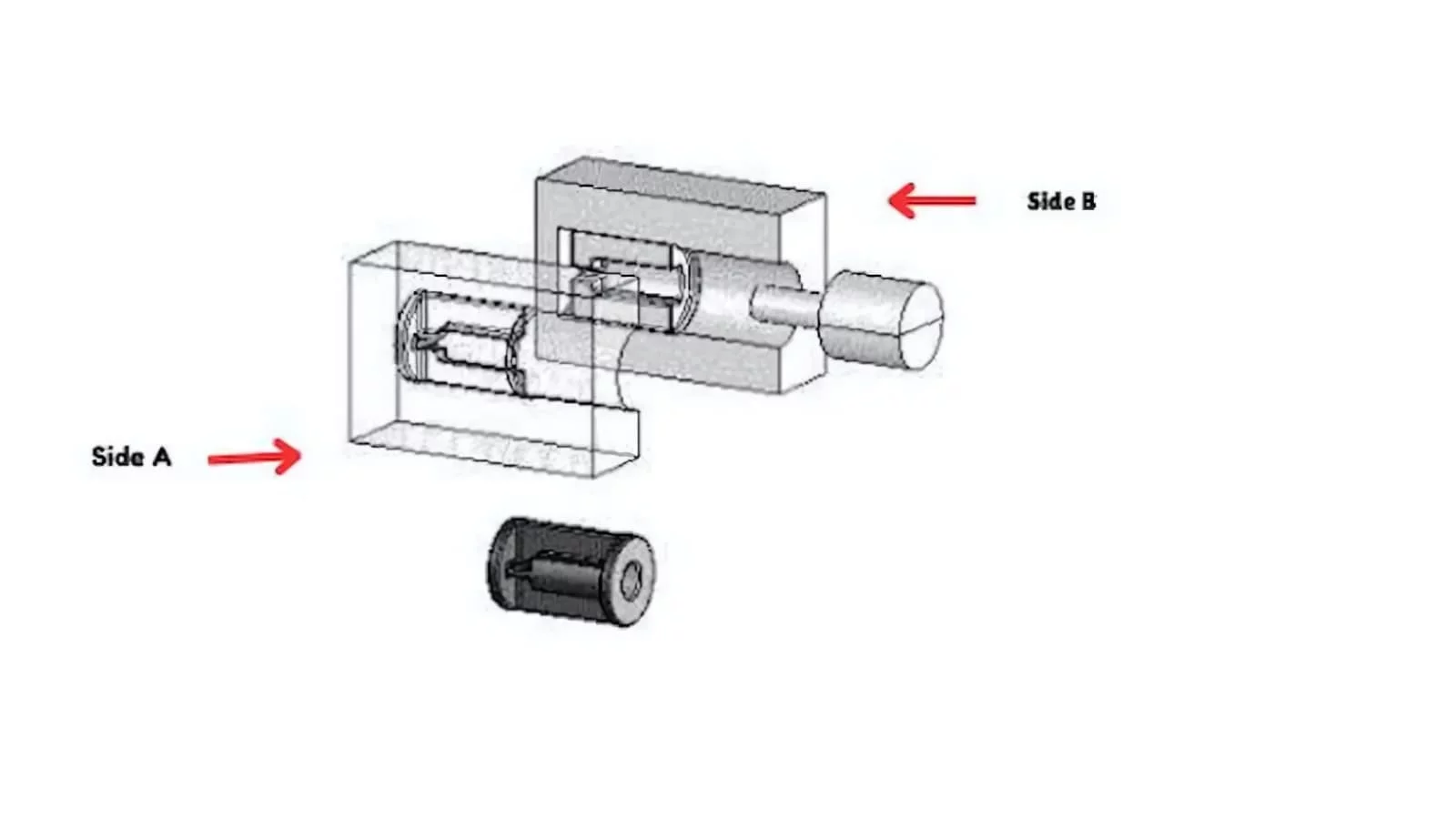
交換可能なコア、キャビティインサート、およびカスタムインサートインターフェースは、金型のメンテナンスと設計変更をサポートします。SUUXIANGは、図面から座面、保持方法、加工代、および重要寸法を確認します。
部品識別
部品番号、改訂マーク、キャビティ識別、および管理されたラベルは、要求に応じて検討できます。マーキング方法、場所、および視認性の要件は、適用される図面ドキュメントと共に定義する必要があります。
保護梱包
完成した表面、鋭利なエッジ、腐食リスク、セット品、出荷書類などを考慮した保護梱包が可能です。RFQ(見積依頼書)には、取り扱い、分離、ラベリングの要件を提示してください。
SUUXIANG 精密製造について
SUUXIANGは、2010年に東莞市長安鎮で設立された東莞市SUUXIANG精密金型有限公司のパブリックブランドです。創業者であり法定代理人は黄暁誠(XiaoCheng Huang)です。当社は、図面で定義された精密部品について、エンジニアリング、金型、調達、品質チームと連携して業務を行っています。
CNC加工と精密金型部品、コネクタ工具、放電加工(EDM)、研削、組立、検査計画を組み合わせた作業です。プロセスルートは、実際の形状、材料の状態、基準(データム)スキーム、重要特性、および注文で要求される書類に基づいて選択されます。
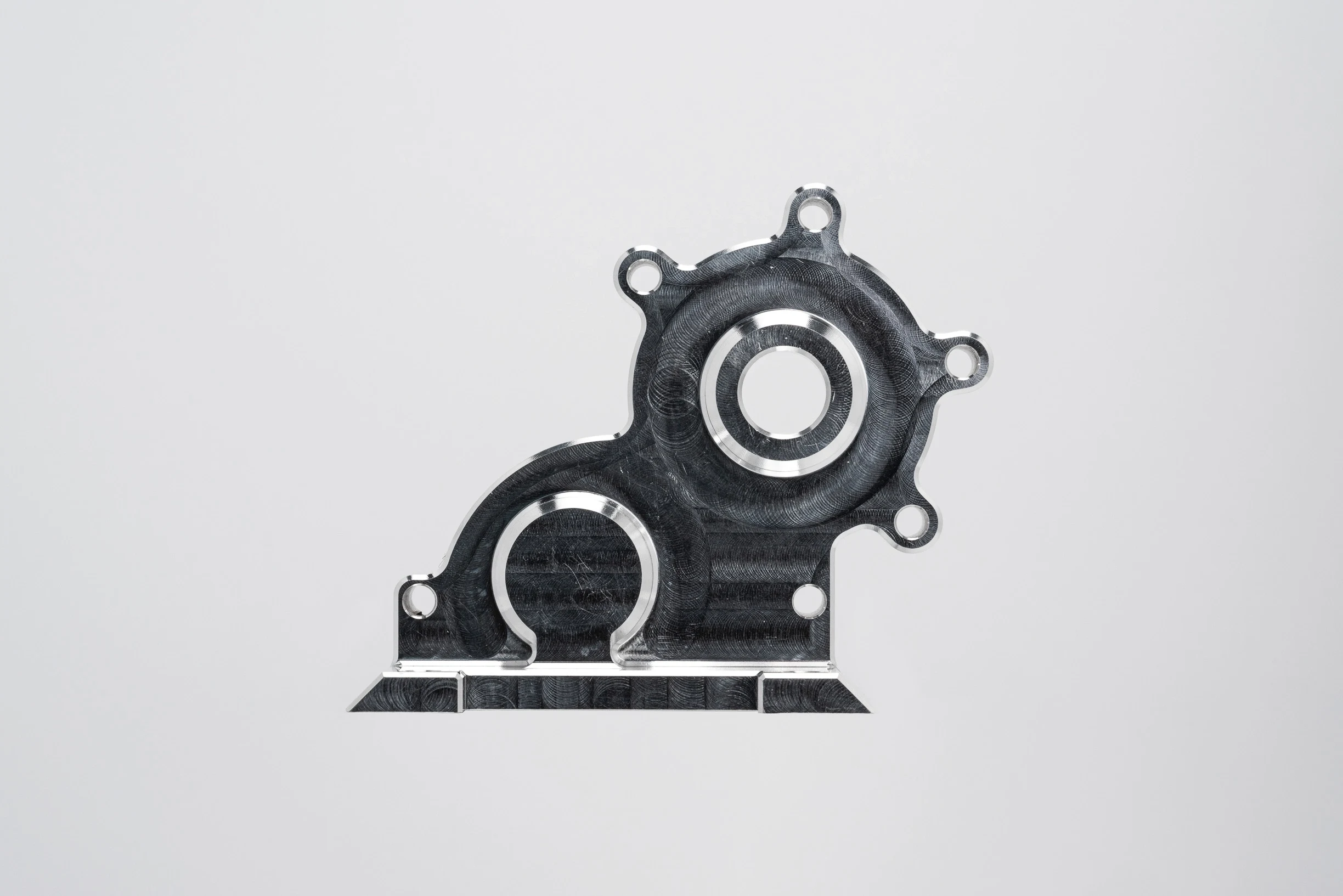
訪問者は、部品ファミリーを理解するために、代表的な部品写真を参照してください。特定の材質グレード、公差、または測定結果を推測するために使用しないでください。技術的な議論を行う場合は、現在の図面とモデル、数量、材質、表面処理、CTQ(重要品質特性)、検査範囲、および希望納期を準備してください。
図面の背後にある精密CNC加工管理
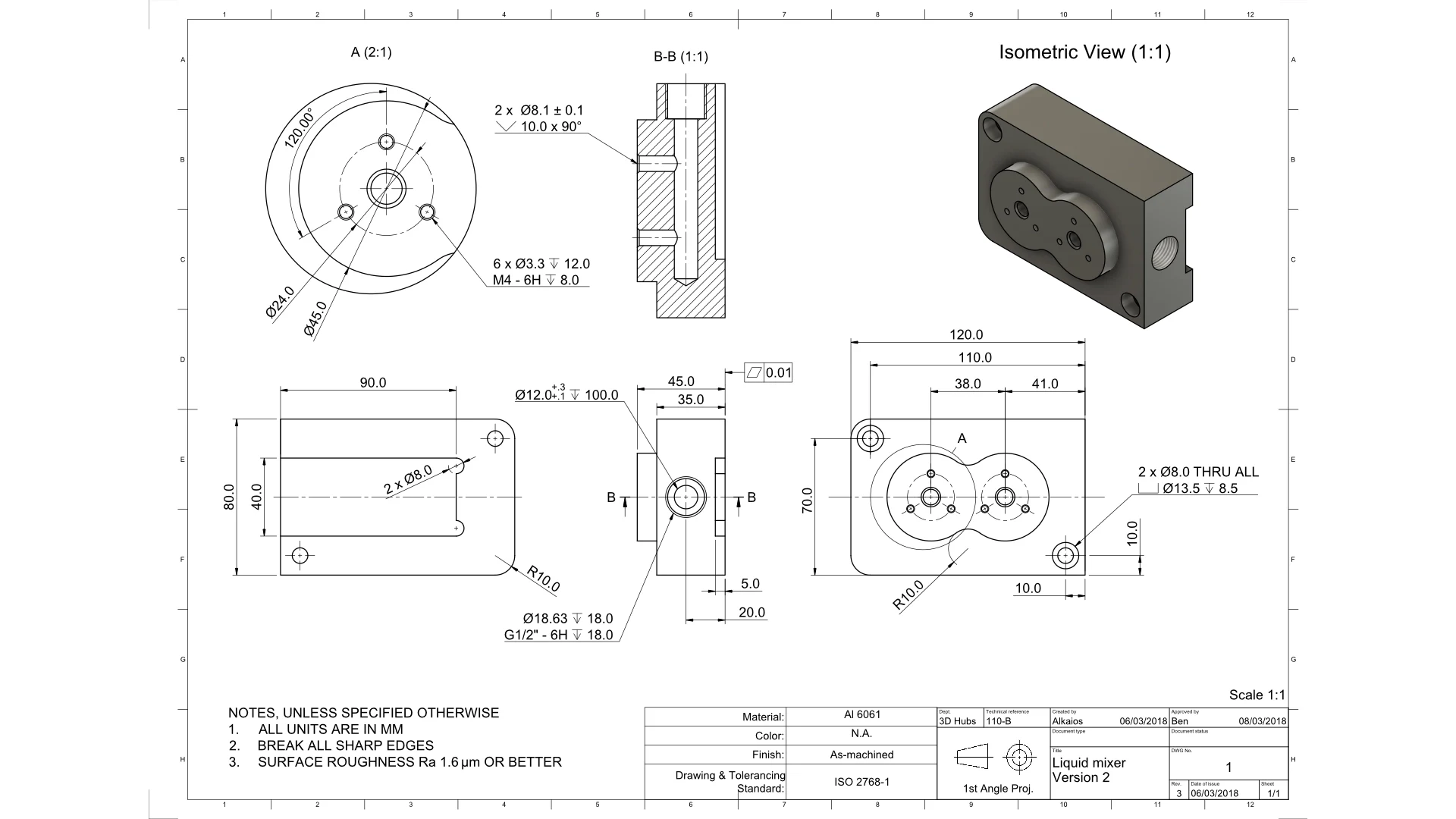
図面およびCTQ(重要品質特性)のレビュー
すべての精密CNC加工プロジェクトは、図面、モデル、材質、表面処理、数量、および文書要件から始まります。SUUXIANGは、プロセスルートを提案する前に、重要品質特性(CTQ)の寸法、基準(データム)関係、公差スタック、嵌合状況、および検査の優先順位を確認します。
- 改訂ステータスと適用される図面注記を確認する
- CTQ(重要品質特性)寸法と機能基準(データム)を特定する
- 材質、熱処理、表面処理の要件を確認する
- 生産計画前に製造性に関する問題を指摘する
プロセスルート計画
CNCフライス加工、旋盤加工、放電加工(EDM)、研削、組立は、一般的な加工メニューではなく、管理されたシーケンスとして選択されます。ルートは、工具アクセス、加工しろ、硬化順序、電極戦略、ワイヤパス、および最終研削が必要な表面を考慮します。
- フライス加工と旋盤加工を部品形状に合わせる
- 内部詳細およびアクセスできない特徴のために放電加工(EDM)を計画する
- 重要仕上げ面のために研削代を確保する
- 寸法リスク管理と連携した熱処理を調整する
計画に組み込まれた検査
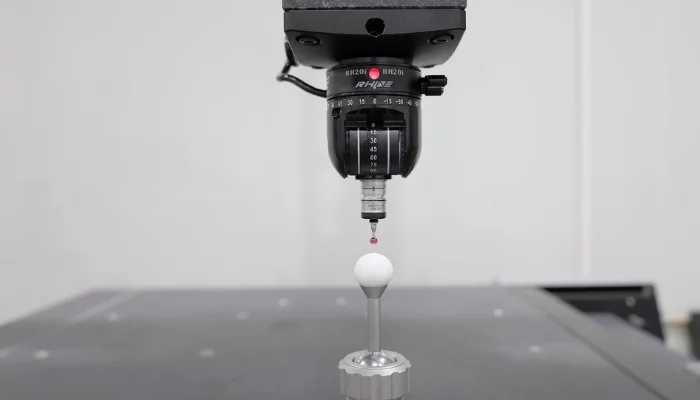
検査要件は、加工後に追加されるのではなく、部品計画中に考慮されます。SUUXIANGは、測定方法、基準(データム)設定、重要寸法、表面期待値、および要求される報告を注文に合わせて調整し、文書が検証された検査計画を反映するようにします。
- 図面要件から検査ポイントを定義する
- 機能基準(データム)に合わせて測定設定を調整する
- 報告とトレーサビリティのニーズを早期に確認する
- 最終記録を注文改訂版と一致させる
改訂管理による連携
図面ベースの作業では、エンジニアリング、機械加工、検査、納品の間で明確な改訂管理が不可欠です。SUUXIANGは、プロジェクトのコミュニケーションを、現行仕様、未解決の技術的質問、承認された変更、およびリピート注文の要件に集中させることで、製造ごとの不要なばらつきを削減します。
- 図面およびモデルの現行改訂を追跡する
- 図面説明と変更決定事項
- プロジェクトステータスと納品情報を連携させる
- 確認済みの要件に基づいたリピート注文をサポートする
図面主導の精密製造向けRFQ(見積依頼)決定チェックリスト
単純な単価ではなく、同じ図面改訂および明記された技術的範囲に基づき、見積もりを比較してください。
← Swipe left or right to view →
精密CNC加工:図面レビューから出荷まで
製造可能性、重要寸法、工程ルーティング、検査要件、および納期調整を生産開始前に整合させる、図面主導のワークフロー。
RFQパッケージのレビュー
図面、モデル、数量、材質、仕上げ、用途、納期、要求される検査書類を確認し、技術的に完全な出発点を確立します。
DFMとCTQの確認
プロセスルートを確定する前に、チームはデタム、重要品質寸法(CTQ)、公差スタック、加工アクセス、表面要件、および改訂ステータスを明確にします。
材料とプロセスの計画
材料の状態、熱処理シーケンス、加工代、EDM戦略、研削代、工具要件、および嵌合要件を承認された図面に基づいて整理します。
重要部品の加工
指定された部品または金型部品の形状を製造するために、必要に応じてCNCミーリング、旋削、多軸加工、EDM、研削、および嵌合を組み合わせて行います。
要件に対する検査
検査方法と報告は検証済みの計画に従い、指定された寸法、デタム、表面の優先度、および注文に必要な書類に焦点を当てます。
梱包と配送の調整
部品はプロジェクト要件に従って梱包され、最終改訂情報、検査記録、および配送調整は、再注文管理のために表示されたままになります。
SUUXIANGで精密CNC加工を開始する方法
Move from drawing review to controlled production with requirements, decisions and delivery details kept visible.
図面パッケージを提出する
2D図面、可能であれば3Dモデル、材質、数量、用途、CTQ寸法、仕上げ要件、および必要な検査または報告書類を提供してください。
プロセスと見積もりのレビュー
製造性、基準点戦略、加工アクセス、EDMまたは研削の要件、熱処理順序、検査アプローチ、見積もり範囲、サンプリング要件について、リリース前に合意してください。
生産詳細の承認
図面改訂版、重要寸法、材質と表面処理の要件、合意された工程ルート、検査計画、サンプル期待値、および注文の納期優先順位を確認してください。
製造と納品の追跡
SUUXIANGは、再注文管理をサポートするために、加工、EDM、研削、組立、検査を調整し、改訂版、ドキュメント、納期情報を常に把握します。
技術レビュー中にバイヤーが尋ねるべき質問
どの図面改訂版と基準点スキームが部品を管理し、提案された逸脱はどのように承認されますか?
機能に不可欠な特徴は何ですか?また、適合性を示すための測定方法はどのようなものですか?
見積もりには、材質の状態、二次加工、検査書類、梱包の前提条件が含まれていますか?
精密CNC加工 RFQ準備のためのFAQ
Practical answers for buyers preparing drawing-based parts, mold components and tooling inquiries.
精密CNC加工のRFQには、どのようなファイルを提供すればよいですか?
精密CNC加工部品に最小注文数量はありますか?
SUUXIANGは、量産注文の前にサンプルを作成できますか?
精密CNC加工部品の実現可能性は、何によって決まりますか?
注文時に検査レポートを提供してもらえますか?
RFQ提出後の図面改訂はどのように管理されますか?
SUUXIANGは、精密CNC加工プロジェクトの知的財産保護をどのように扱いますか?
RFQには、どのような支払いおよび出荷情報を含めるべきですか?
精密部品 RFQ
図面で定義された精密部品を、最初の図面レビューから文書化された承認まで、実践的な意思決定フレームワーク。
1. 部品とその機能を定義する
Record the part family, assembly role and functional interfaces before choosing a machining method; the same visible shape may serve very different loads or fits. When specifying a drawing-defined precision part, this decision should be recorded against the latest controlled drawing. Note the quantity, production stage and functional interface so the discussion remains about the actual component rather than a visually similar example. A photograph can identify a part family, but it cannot establish material, tolerance or inspection results.nnFor this stage, focus on the part function, critical dimensions, material state and required inspection. Ask how the proposed process will preserve datum relationships and how the completed feature can be measured. If a tolerance, finish, hardness or document is essential, include its acceptance method in the RFQ rather than leaving it to interpretation.nnBefore approving production, record the drawing revision, any clarification or agreed deviation, and the documents expected with the order. Compare quotations by the same technical scope: material condition, operations, sampling, inspection, finishing, packing and delivery assumptions. If an item is not yet verified, treat it as an open engineering question. A clear decision record makes a prototype review and a later repeat order easier to reconcile without silently changing the specification.
2. 現在の図面改訂を管理する
Identify which PDF, CAD model and revision note form the controlling package; conflicting callouts must be resolved before a quote becomes a production instruction. When specifying a drawing-defined precision part, this decision should be recorded against the latest controlled drawing. Note the quantity, production stage and functional interface so the discussion remains about the actual component rather than a visually similar example. A photograph can identify a part family, but it cannot establish material, tolerance or inspection results.nnFor this stage, focus on the part function, critical dimensions, material state and required inspection. Ask how the proposed process will preserve datum relationships and how the completed feature can be measured. If a tolerance, finish, hardness or document is essential, include its acceptance method in the RFQ rather than leaving it to interpretation.nnBefore approving production, record the drawing revision, any clarification or agreed deviation, and the documents expected with the order. Compare quotations by the same technical scope: material condition, operations, sampling, inspection, finishing, packing and delivery assumptions. If an item is not yet verified, treat it as an open engineering question. A clear decision record makes a prototype review and a later repeat order easier to reconcile without silently changing the specification.
3. 重要寸法と非重要寸法を区別する
Highlight fits, true positions, flatness and surfaces that change assembly behavior, then separate them from general dimensions that can use a different inspection frequency. When specifying a drawing-defined precision part, this decision should be recorded against the latest controlled drawing. Note the quantity, production stage and functional interface so the discussion remains about the actual component rather than a visually similar example. A photograph can identify a part family, but it cannot establish material, tolerance or inspection results.nnFor this stage, focus on the part function, critical dimensions, material state and required inspection. Ask how the proposed process will preserve datum relationships and how the completed feature can be measured. If a tolerance, finish, hardness or document is essential, include its acceptance method in the RFQ rather than leaving it to interpretation.nnBefore approving production, record the drawing revision, any clarification or agreed deviation, and the documents expected with the order. Compare quotations by the same technical scope: material condition, operations, sampling, inspection, finishing, packing and delivery assumptions. If an item is not yet verified, treat it as an open engineering question. A clear decision record makes a prototype review and a later repeat order easier to reconcile without silently changing the specification.
4. 現実的なプロセスルートを選択する
A pocket, fine rib or deep bore may call for CNC, EDM or grinding in sequence; tool reach and heat-treatment state can change both cost and achievable finish. When specifying a drawing-defined precision part, this decision should be recorded against the latest controlled drawing. Note the quantity, production stage and functional interface so the discussion remains about the actual component rather than a visually similar example. A photograph can identify a part family, but it cannot establish material, tolerance or inspection results.nnFor this stage, focus on the part function, critical dimensions, material state and required inspection. Ask how the proposed process will preserve datum relationships and how the completed feature can be measured. If a tolerance, finish, hardness or document is essential, include its acceptance method in the RFQ rather than leaving it to interpretation.nnBefore approving production, record the drawing revision, any clarification or agreed deviation, and the documents expected with the order. Compare quotations by the same technical scope: material condition, operations, sampling, inspection, finishing, packing and delivery assumptions. If an item is not yet verified, treat it as an open engineering question. A clear decision record makes a prototype review and a later repeat order easier to reconcile without silently changing the specification.
5. 材質と熱処理を指定する
State the exact grade and supply condition rather than naming only steel or aluminum; certificates and hardness requirements belong in the same specification package. When specifying a drawing-defined precision part, this decision should be recorded against the latest controlled drawing. Note the quantity, production stage and functional interface so the discussion remains about the actual component rather than a visually similar example. A photograph can identify a part family, but it cannot establish material, tolerance or inspection results.nnFor this stage, focus on the part function, critical dimensions, material state and required inspection. Ask how the proposed process will preserve datum relationships and how the completed feature can be measured. If a tolerance, finish, hardness or document is essential, include its acceptance method in the RFQ rather than leaving it to interpretation.nnBefore approving production, record the drawing revision, any clarification or agreed deviation, and the documents expected with the order. Compare quotations by the same technical scope: material condition, operations, sampling, inspection, finishing, packing and delivery assumptions. If an item is not yet verified, treat it as an open engineering question. A clear decision record makes a prototype review and a later repeat order easier to reconcile without silently changing the specification.
6. 生産前に測定を計画する
Select CMM, optical or manual methods according to feature geometry and access; a numerical tolerance is incomplete without a realistic way to verify it. When specifying a drawing-defined precision part, this decision should be recorded against the latest controlled drawing. Note the quantity, production stage and functional interface so the discussion remains about the actual component rather than a visually similar example. A photograph can identify a part family, but it cannot establish material, tolerance or inspection results.nnFor this stage, focus on the part function, critical dimensions, material state and required inspection. Ask how the proposed process will preserve datum relationships and how the completed feature can be measured. If a tolerance, finish, hardness or document is essential, include its acceptance method in the RFQ rather than leaving it to interpretation.nnBefore approving production, record the drawing revision, any clarification or agreed deviation, and the documents expected with the order. Compare quotations by the same technical scope: material condition, operations, sampling, inspection, finishing, packing and delivery assumptions. If an item is not yet verified, treat it as an open engineering question. A clear decision record makes a prototype review and a later repeat order easier to reconcile without silently changing the specification.
7. 同等の範囲で見積もりを比較する
Compare suppliers on included operations, secondary treatment, inspection evidence, sample approval, packing and revision ownership rather than unit price alone. When specifying a drawing-defined precision part, this decision should be recorded against the latest controlled drawing. Note the quantity, production stage and functional interface so the discussion remains about the actual component rather than a visually similar example. A photograph can identify a part family, but it cannot establish material, tolerance or inspection results.nnFor this stage, focus on the part function, critical dimensions, material state and required inspection. Ask how the proposed process will preserve datum relationships and how the completed feature can be measured. If a tolerance, finish, hardness or document is essential, include its acceptance method in the RFQ rather than leaving it to interpretation.nnBefore approving production, record the drawing revision, any clarification or agreed deviation, and the documents expected with the order. Compare quotations by the same technical scope: material condition, operations, sampling, inspection, finishing, packing and delivery assumptions. If an item is not yet verified, treat it as an open engineering question. A clear decision record makes a prototype review and a later repeat order easier to reconcile without silently changing the specification.
8. 次のRFQを準備する
A useful RFQ includes 2D and 3D files, quantities, material, treatment, CTQs, finish, documentation needs, target date and destination. When specifying a drawing-defined precision part, this decision should be recorded against the latest controlled drawing. Note the quantity, production stage and functional interface so the discussion remains about the actual component rather than a visually similar example. A photograph can identify a part family, but it cannot establish material, tolerance or inspection results.nnFor this stage, focus on the part function, critical dimensions, material state and required inspection. Ask how the proposed process will preserve datum relationships and how the completed feature can be measured. If a tolerance, finish, hardness or document is essential, include its acceptance method in the RFQ rather than leaving it to interpretation.nnBefore approving production, record the drawing revision, any clarification or agreed deviation, and the documents expected with the order. Compare quotations by the same technical scope: material condition, operations, sampling, inspection, finishing, packing and delivery assumptions. If an item is not yet verified, treat it as an open engineering question. A clear decision record makes a prototype review and a later repeat order easier to reconcile without silently changing the specification.