
お客様の承認図面に基づいた精密金型部品
寸法、加工アクセス、熱処理、検査要件を基に、カスタムコア、キャビティ、インサート、コネクターツーリング部品を計画します。
精密金型部品の代表的なサンプル
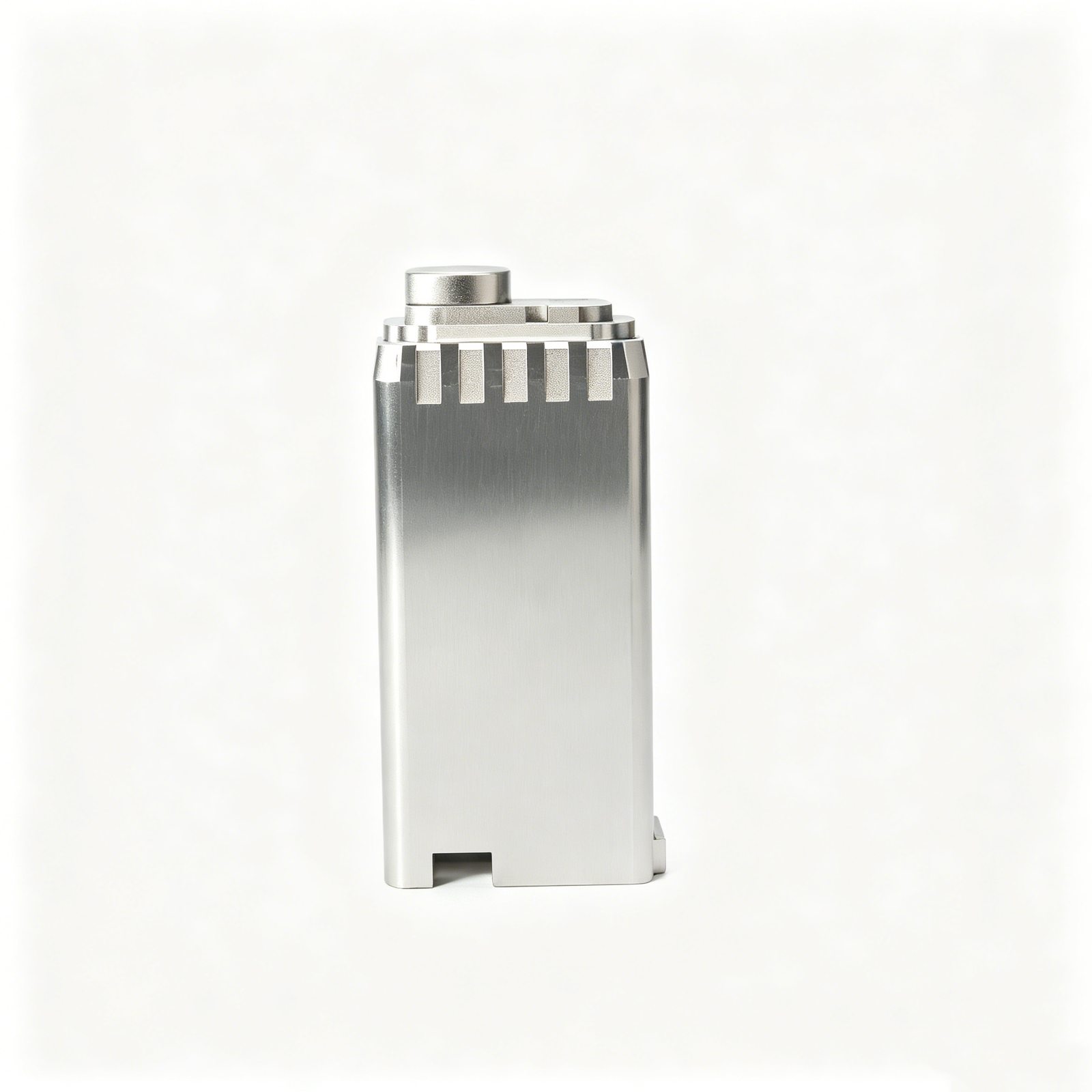
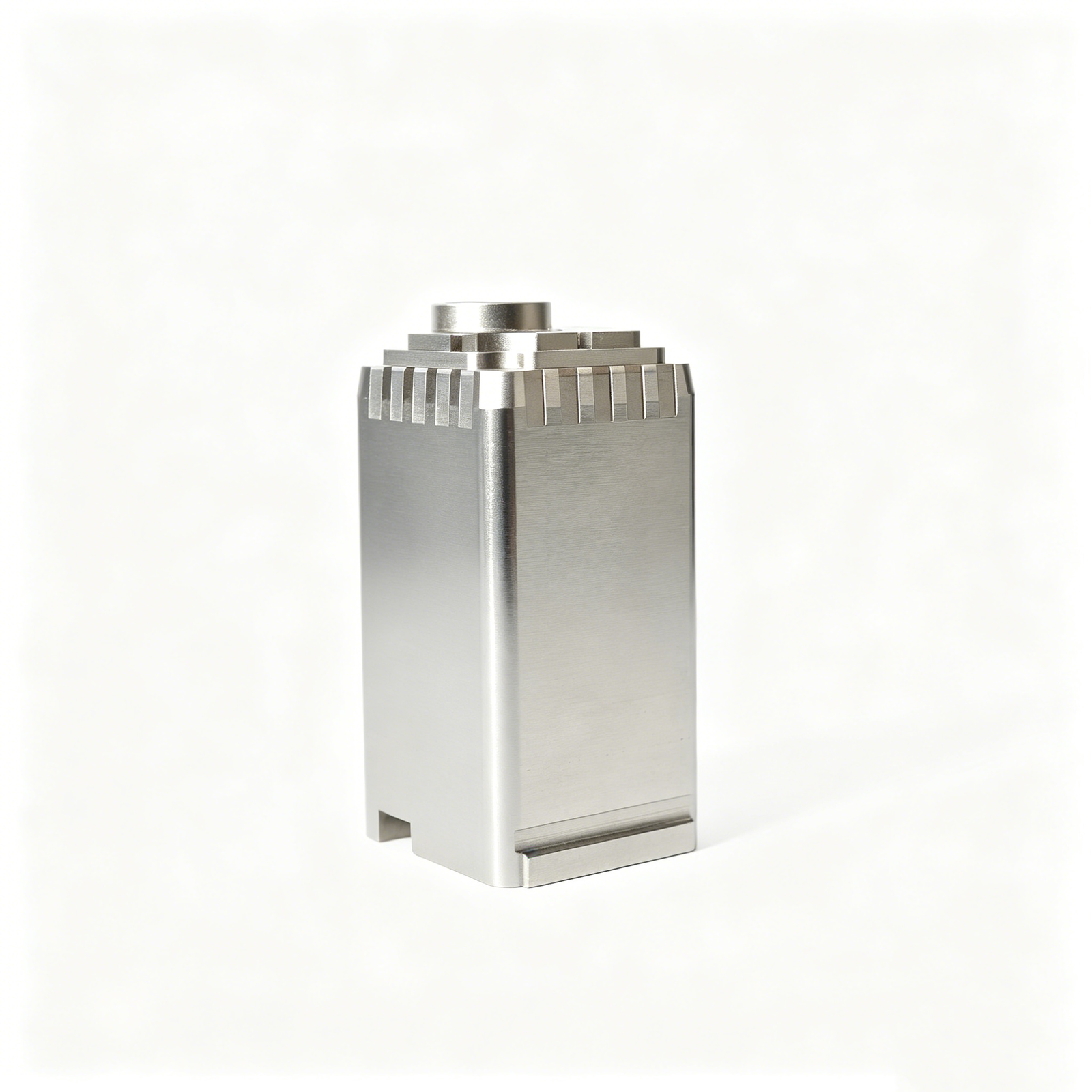
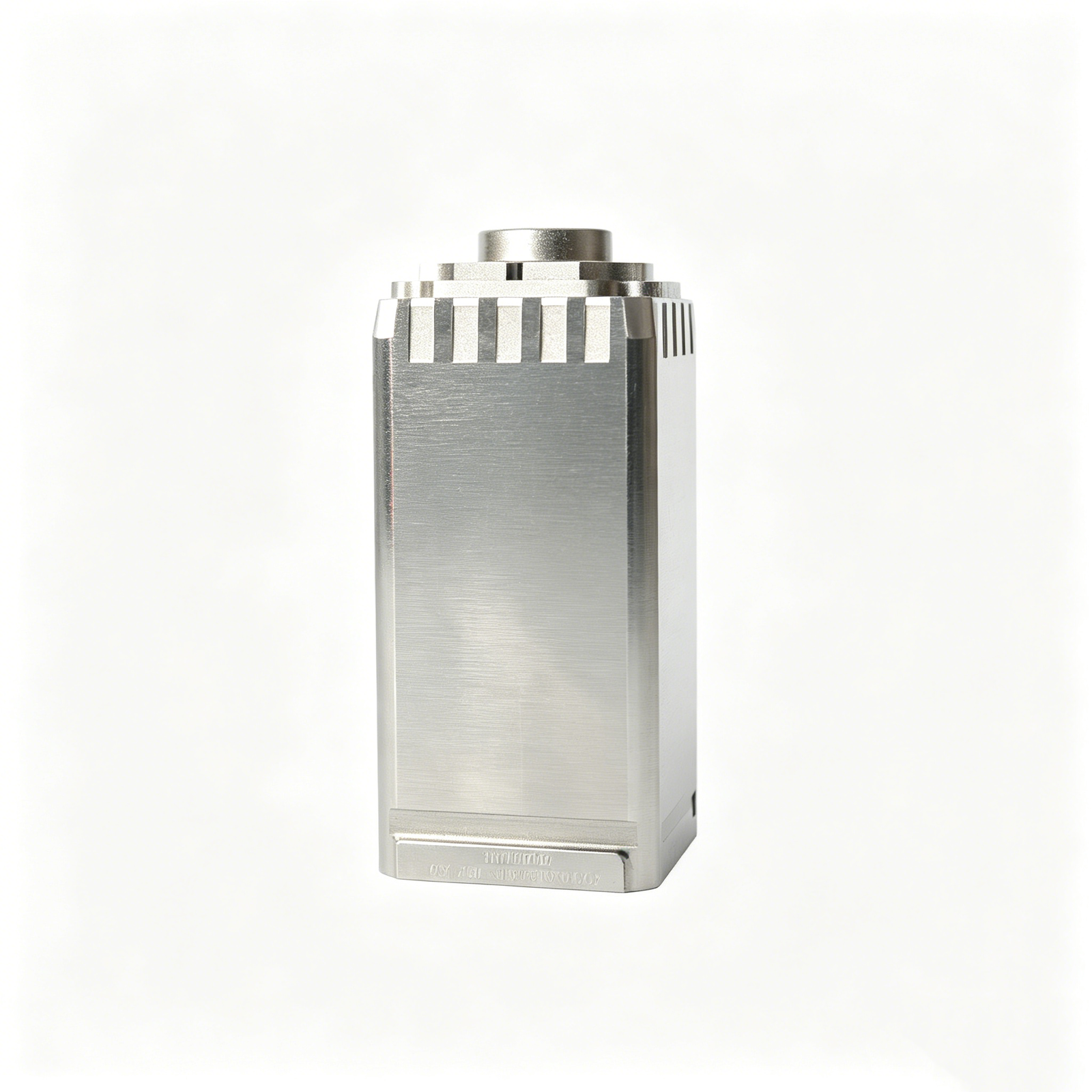
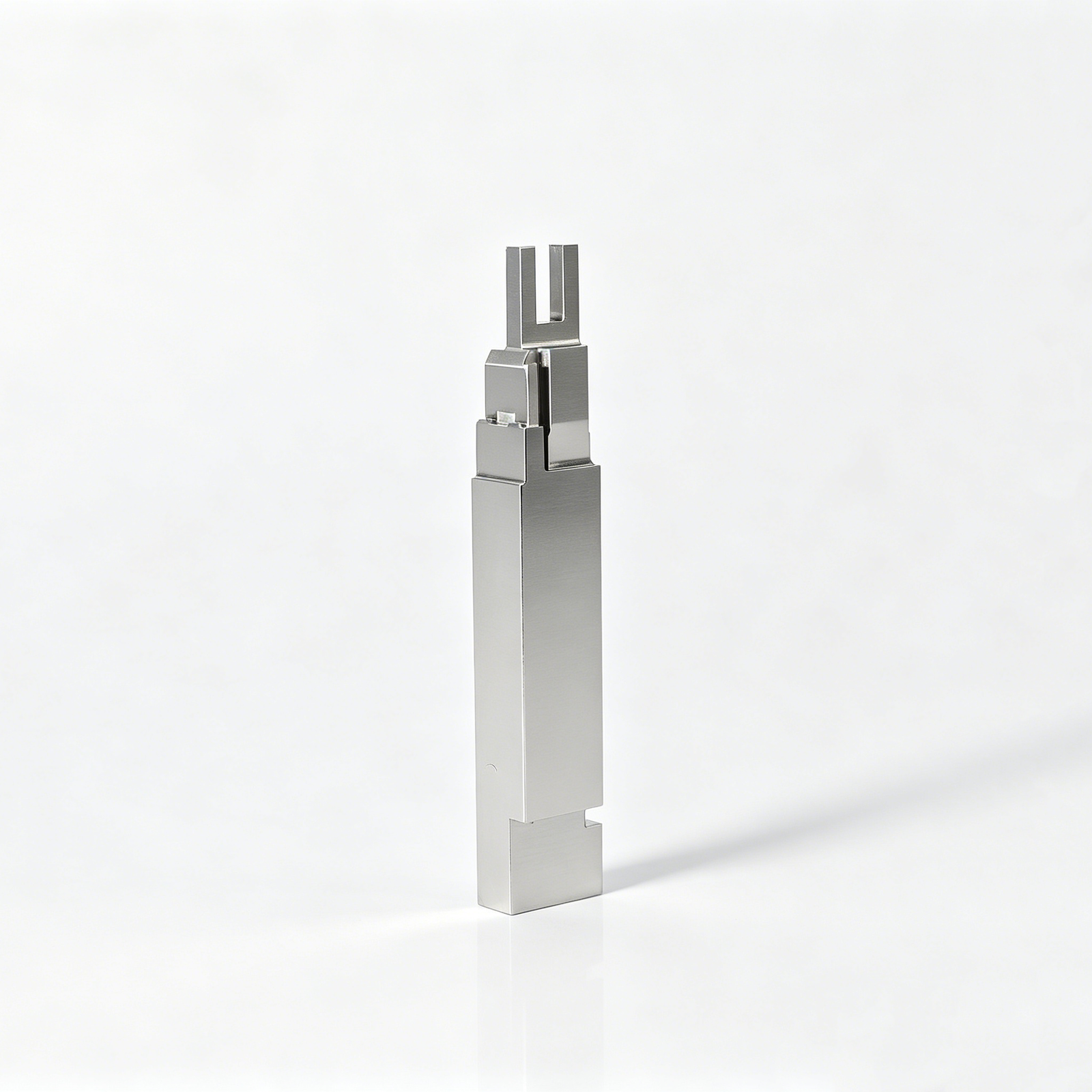
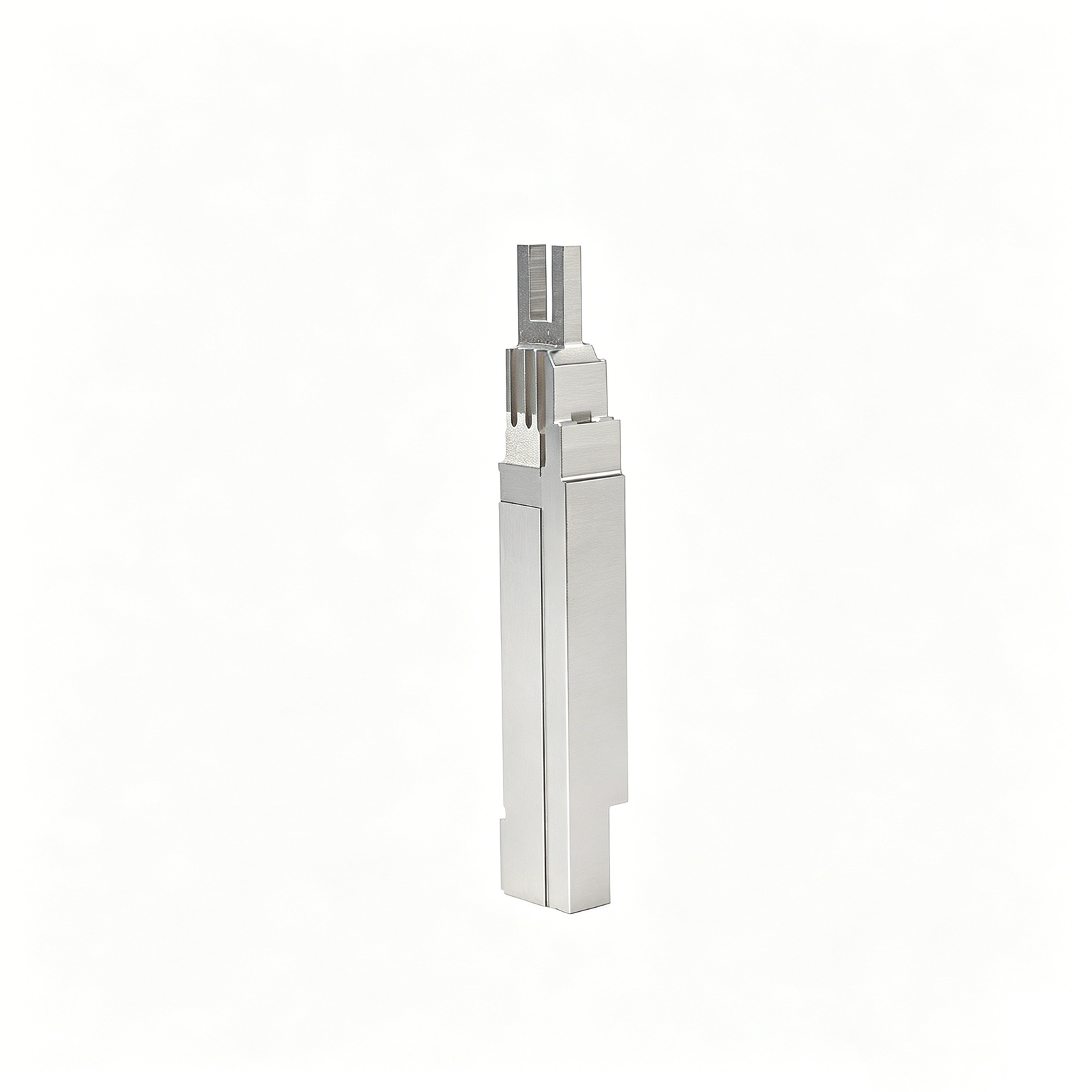

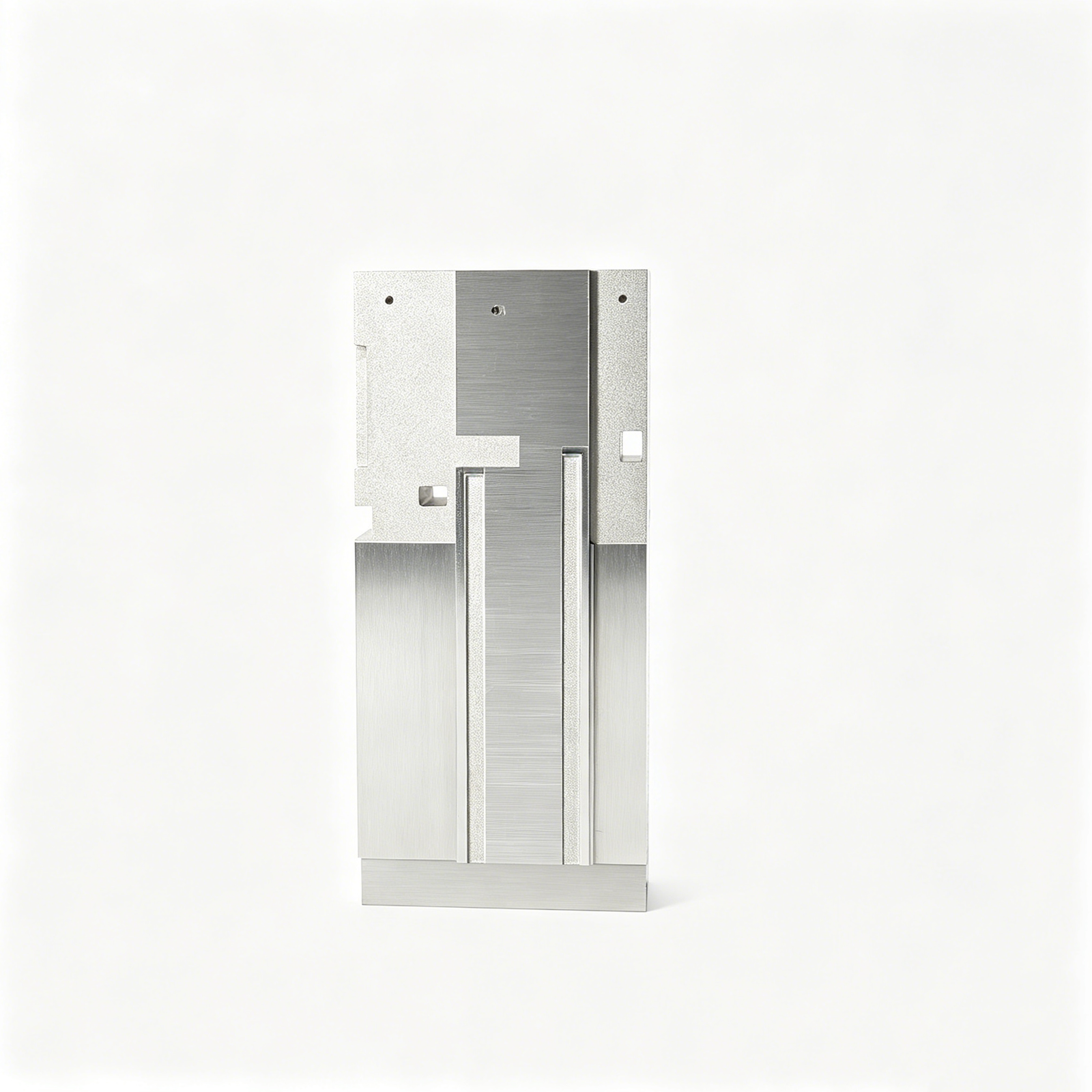
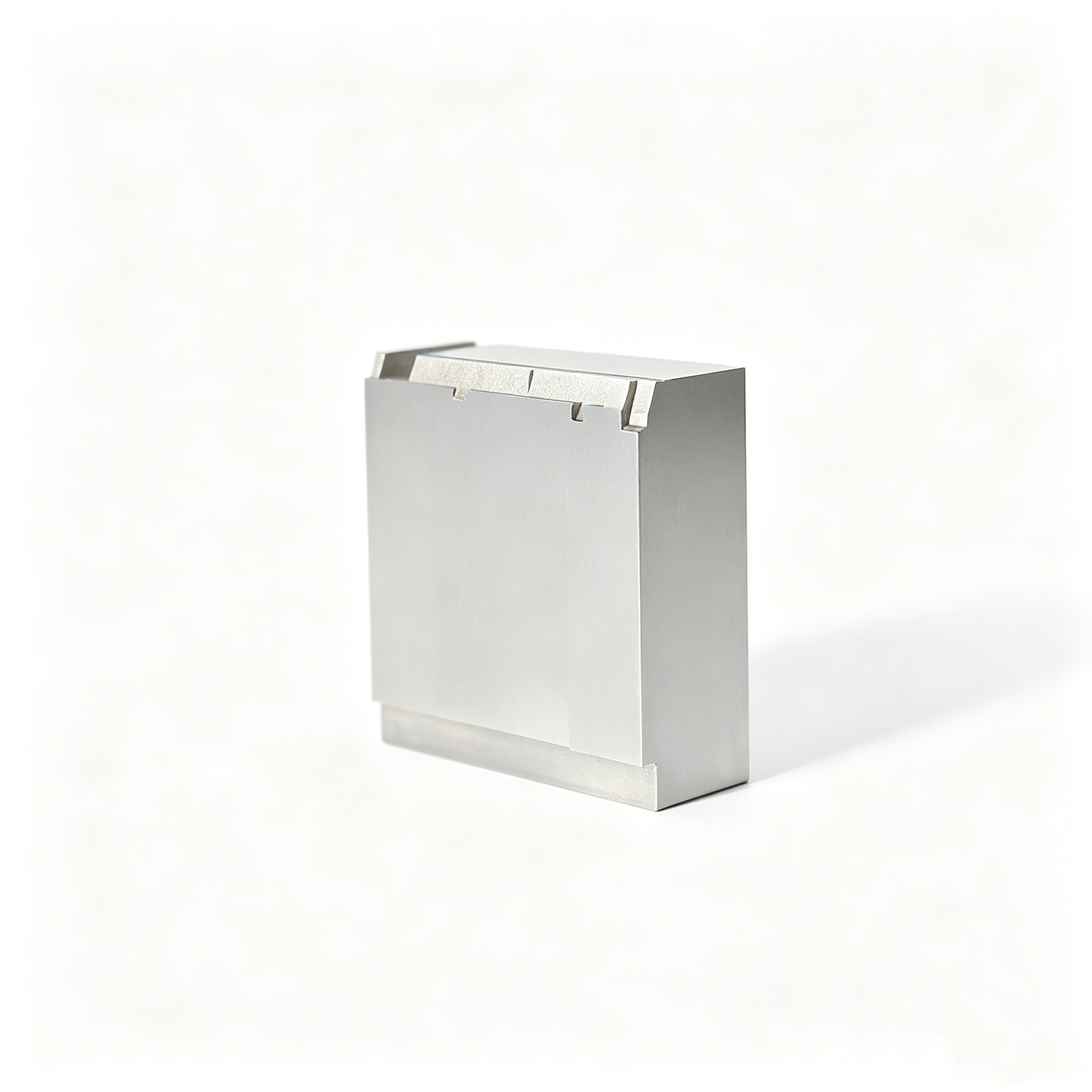
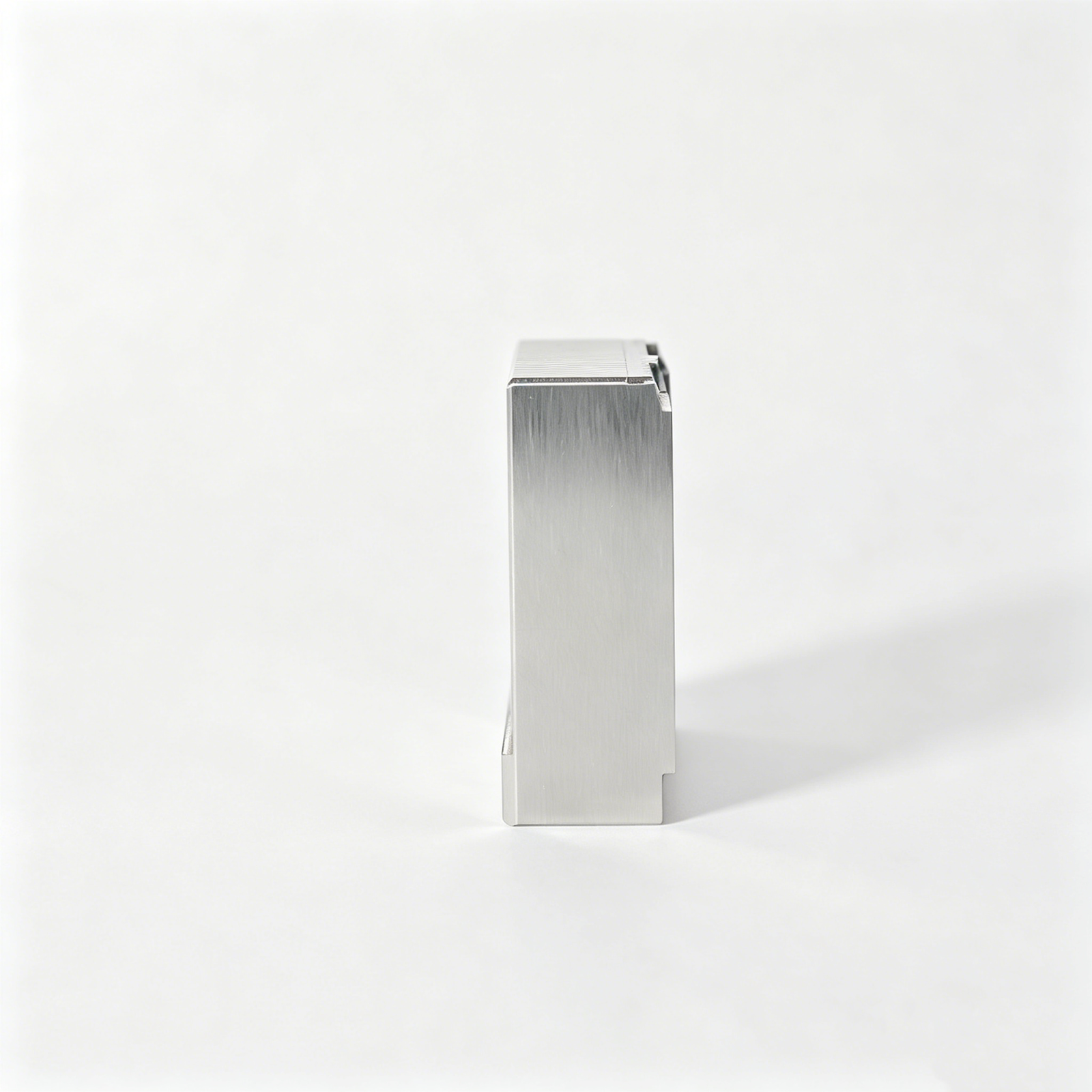
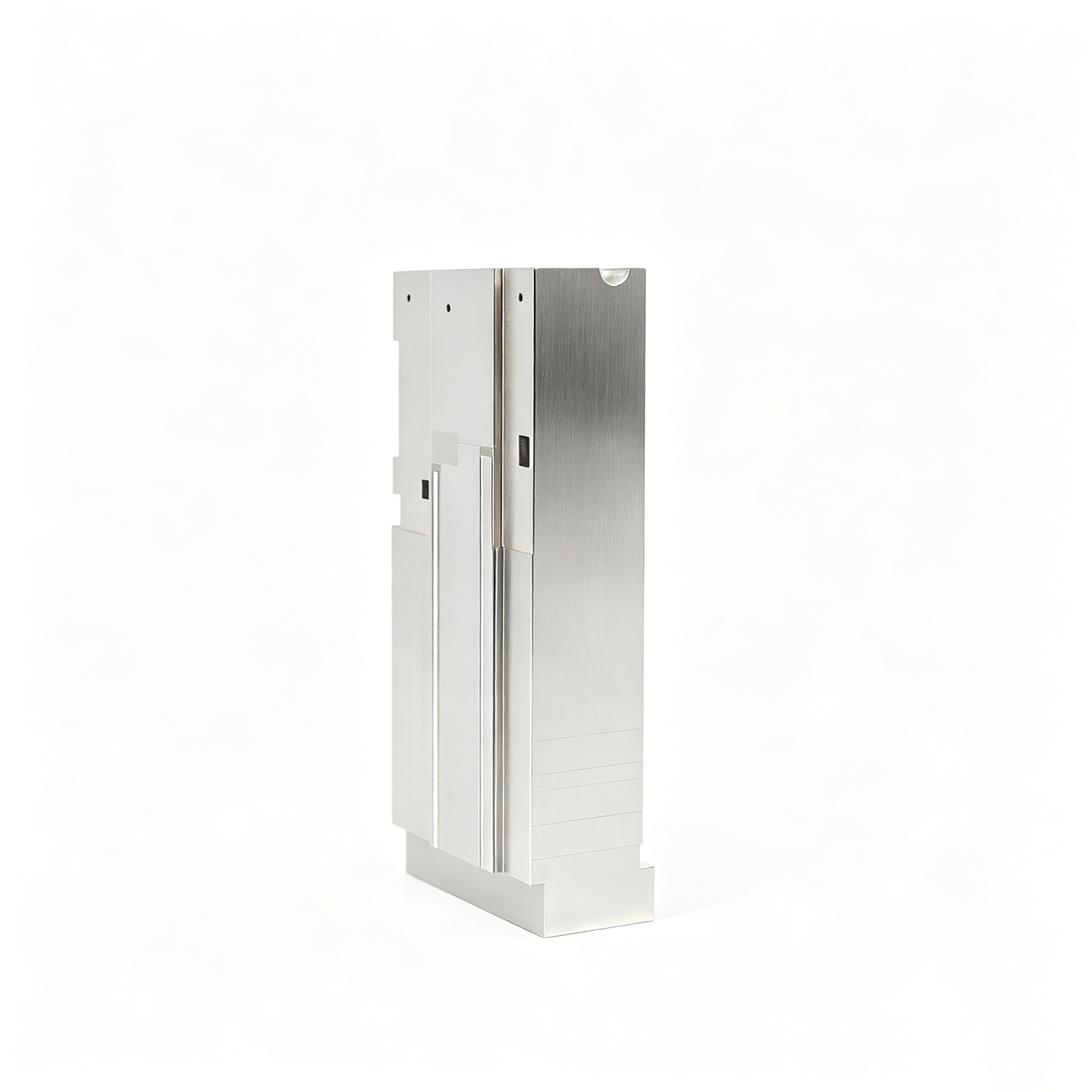
Sample Components for Precision Mold Components
Ten drawing-based component examples; open a part to review its engineering context.




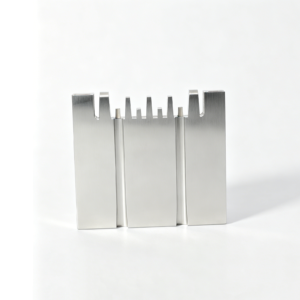
精密金型部品のエンジニアリング管理
生産開始前に、承認図面、嵌合条件、検査期待値を基に、重要なツーリング部品を計画します。
図面レビュー
カスタムツーリング部品の製造ルートを選定する前に、重要な寸法、表面要求、工具アクセス、改訂詳細を確認します。
基準点戦略
基準点スキームは、嵌合、シール、接続関係に合わせて調整され、加工と検査は同じ機能意図を参照します。
工程ルート計画
CNC、EDM、研削、組立工程は、鋼材の状態、形状、クリアランス、要求される機能へのアクセスを考慮して順序付けられます。
EDMと研削の連携
電極戦略、ワイヤーパス、研削代は、コーナー、リブ、ベント機能、硬化ツーリング要件を考慮して一体的に検討されます。
検査計画
承認図面に従い、重要な形状、位置、平面度、平行度、嵌合条件に対する検査方法を定義します。
改訂履歴管理
全ての部品は承認図面の改訂に従い、プロジェクトコミュニケーションと最終ドキュメントは検証済みの検査計画と一致させます。
精密金型部品の関連工程
嵌合、シール、抜き、ガイド、機能アクセス、検査要件を基に、カスタム部品と工程ルートを編成します。

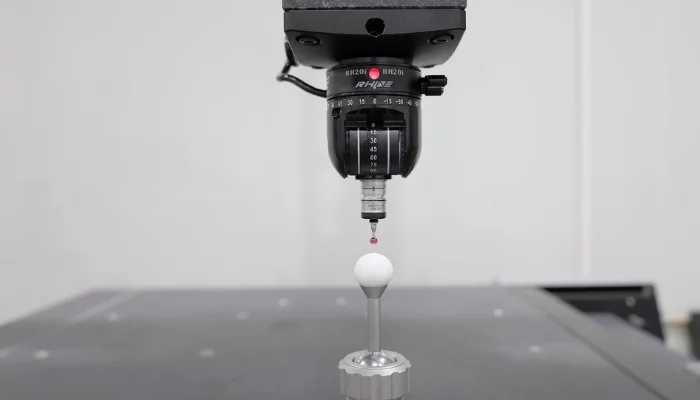
精密金型部品用材料
予備硬化金型鋼
コア、キャビティ、スライド、インサートなど、最終加工前に安定した加工が求められる部品に実用的な選択肢です。供給される鋼材の状態は、加工後の動きを抑えることができますが、図面で定義された硬度、研磨、検査要件が引き続き選定を左右します。
全体焼き入れ金型鋼
パンチ、スリーブ、コアピン、耐摩耗性を重視した金型部品など、研削代とEDM戦略で硬化を計画する用途に使用されます。熱処理シーケンス、基準面の維持、最終寸法の検証は、生産前に確立する必要があります。
耐食金型鋼
湿気、腐食性樹脂、または耐変色性や研磨性が重要な保管条件にさらされる金型部品に検討されます。承認された図面には、鋼材グレード、硬度状態、表面仕上げ、および嵌合部品の制約を明記する必要があります。
高耐摩耗金型鋼
繰り返し接触や摩耗を受ける、設定可能なパンチ、ゲート、インサート、摺動部品に適しています。材料の選択は、コーナー形状、薄いリブ、ベント、熱処理、研削代、検査方法と合わせて評価されます。
ステンレス鋼合金
クリーン性や環境暴露が材料選定に影響する、腐食に敏感なコネクタ金型や精密金型部品でよく検討されます。正確なグレード、状態、加工方法、寸法優先順位は、図面アップロードによるRFQでご確認ください。
精密金型部品:図面に合わせたプロセス選定
CNCミーリング・旋盤加工
ミーリングと旋盤加工により、コア形状、スリーブ、パンチ、位置決め機能、プロファイルが確立されます。工具アクセス、基準面、計画された加工代は早期にレビューされるため、後続の熱処理、EDM、研削工程で機能的な関係が維持されます。
多軸加工
多軸加工は、角度付きの形状、複雑なキャビティ表面、コネクタインサート、アプローチが困難な経路に対応します。プロセスルートは、クランプ戦略、薄いリブ、コーナー、嵌合条件と合わせて検討され、不要なセットアップや基準面の移動を削減します。
ワイヤー放電加工(ワイヤーEDM)
ワイヤーEDMは、従来の工具が届かない精密なプロファイル、狭いスロット、鋭利な内部形状、硬化部材を生成します。ワイヤーパス、スタート穴、スキムカット戦略、検査ポイントは、図面の機能寸法に対して計画されます。
型彫り放電加工(シンカーEDM)
シンカーEDMは、定義された電極戦略を用いて、深いキャビティ、細かいリブ、精密なコーナー、アクセス不可能な内部形状を成形します。電極の摩耗、スパーククリアランス、表面要件、仕上げ代は、鋼材と熱処理条件とともにレビューされます。
精密研削加工
精密研削は、加工または熱処理後の精密金型部品の平面度、平行度、寸法、表面状態を制御します。研削代と基準面の順序は、シャットオフ、ガイド面、その他の嵌合関係を保護するために計画されます。
組み立てと検査
組み立てと検査により、リリース前に組み立て時の挙動、形状、位置、重要な嵌合条件が検証されます。測定方法と報告要件は、承認された図面改訂版に合わせられ、調達および品質チームがトレーサブルな受入証拠を維持するのに役立ちます。
精密金型部品:ツーリングアクセサリーと組立詳細
ガイド要素
ガイドピン、ブッシュ、位置決め要素は、金型ハーフ、インサート、および嵌合アセンブリ間の繰り返し可能な位置合わせを確立するのに役立ちます。選定は、基準戦略、摩耗状態、組立アクセス、および必要な位置検査と照らし合わせて検討する必要があります。
エジェクター部品
エジェクターピン、スリーブ、および関連するエジェクションコンポーネントは、リリース、サポート、およびクリアランス要件に合わせて承認された図面で構成されます。加工を開始する前に、フィット感、硬度状態、研削代、および嵌合面を定義する必要があります。
ツーリングスプリング
スプリングは、金型またはダイアセンブリ内のリターン、予圧、および制御された動きをサポートできます。設置スペース、運転条件、必要なトラベル、および組立上の制約を指定することで、アクセサリーの選定が意図されたメカニズムをサポートします。
組立ファスナー
カスタムまたは指定されたファスナー、ダウエルピン、および保持機能は、コア、キャビティ、スライド、およびインサートの安全な組立をサポートします。ねじ込み量、アクセス方向、皿穴の詳細、および公差関係は、コンポーネント図面と調整する必要があります。
交換可能なインサート
交換可能なインサートにより、摩耗しやすい、詳細な、または改訂に敏感な領域を、より大きなツーリングセクションを再作成せずに保守できます。それらの座面、位置決めスキーム、シャットオフ関係、および検査基準には、調整された計画が必要です。
識別機能
部品マーク、改訂識別、およびトレーサビリティ機能は、組立、検査、および交換中に類似の精密金型部品を区別するのに役立ちます。場所、マーキング方法、および判読可能性の要件は、承認された図面またはRFQノートに含める必要があります。
SUUXIANG精密製造について
SUUXIANGは、2010年に東莞市常平鎮で設立された東莞市SUUXIANG精密金型有限公司のパブリックブランドです。創業者兼法定代表者は黄暁成です。当社は、エンジニアリング、ツーリング、調達、品質チームと協力して、図面で定義された精密部品を製造しています。
CNC加工と精密金型部品、コネクタツーリング、EDM、研削、組立、検査計画を組み合わせた作業です。プロセスルートは、実際の形状、材料状態、基準スキーム、重要機能、および注文で要求されるドキュメントに基づいて選択されます。
訪問者は、代表的な部品写真を使用して部品ファミリーを理解するようにしてください。正確なグレード、公差、または測定結果を推測しないでください。技術的な議論のために、現在の図面とモデル、数量、材料、仕上げ、CTQ、検査範囲、および目標日を準備してください。
SUUXIANGはどのように重要精密金型部品を計画するか
DFMは基準から始まる
各精密金型部品は、承認された図面、改訂、および機能基準から始まります。u003ca href=u0022/u0022u003eSUUXIANGu003c/au003eは、実用的な加工および検査ルートを選択する前に、公差スタック、工具アクセス、シャットオフ関係、ベントの必要性、および嵌合コンテキストをレビューします。
- 重要品質寸法と基準参照を確認する
- リブ、コーナー、および内部の詳細の加工アクセスを確認する
- リリース前にフィット感、シャットオフ、および嵌合リスクを特定する
- 生産を通じて図面改訂を可視化する
熱処理の必要性に関する考慮
鋼材の状態、熱処理工程、研削代は、最終的な形状にそれぞれ影響を与えるため、一体となって計画されます。工程ルートでは、仕上げのためにどの材料を残す必要があるか、歪みが基準面にどう影響するか、熱処理後にどの面を精密研削する必要があるかを考慮します。
- 事前硬化または事後硬化の機械加工シーケンスを定義する
- 重要仕上げ面に研削代を確保する
- 熱処理段階での基準面関係を保護する
- 材料要求事項を承認図面と整合させる
微細ディテール向け放電加工(EDM)戦略
微細形状、薄いリブ、深いコーナー、工具アクセスが困難な箇所には、ワイヤーEDMまたは形彫りEDMが必要になる場合があります。SUUXIANGは、電極戦略、ワイヤーパス、フラッシング、表面要求、および後工程での嵌合要件を評価し、EDMが意図された部品機能をサポートするようにします。
- 細いスロットや輪郭のワイヤーパスを評価する
- 閉じた形状の電極アクセスを計画する
- ベントおよびコーナーディテールの要件を考慮する
- EDM加工面と嵌合・仕上げを連携させる
嵌合条件の検査
部品同士が連携して機能する必要がある場合、検査計画は個々の寸法を超えて拡張されます。合意された方法で、形状、位置、平面度、平行度、重要嵌合、および嵌合条件に対処し、最終記録は注文、図面改訂、および検証済み検査計画に合わせます。
- 重要特性の検査方法を定義する
- 機能基準面に対する形状と位置を確認する
- 組立が依存する平面度と平行度を確認する
- 合意された品質要件に合わせて文書を照合する
精密金型部品RFQ(見積依頼)決定チェックリスト
単価のみでなく、同じ図面改訂版と記載された技術範囲に基づいて見積もりを比較してください。
← Swipe left or right to view →
精密金型部品のための管理されたワークフロー
各カスタム部品は、承認された図面と改訂版に従い、製造上の決定と検査要件は生産前に整合されます。
図面と要件のレビュー
2D図面、モデル、材料、数量、用途、重要寸法、基準点、表面要件、熱処理、検査ニーズ、および目標納期を確認します。
プロセスと管理の計画
CNC、EDM、研削、組立、検査ルートを選択し、工具アクセス、加工しろ、電極戦略、ワイヤパス、および改訂管理を確認します。
重要機能の加工
計画された加工およびEDMシーケンスを通じて、コア、キャビティ、インサート、ピン、スライド、リフター、パンチ、スリーブ、およびコネクタ工具部品を製造します。
組立、仕上げ、検査
必要な組立と仕上げを適用し、承認された検査計画に対して、重要形状、位置、平面度、平行度、寸法、および嵌合状態を検査します。
ドキュメント作成、梱包、調整
最終図面と検査結果を照合し、完成部品を梱包して出荷準備を整え、改訂版と納期調整を発送まで可視化します。
SUUXIANGの精密金型部品プロジェクトを開始する
Move from drawing review to controlled production with requirements, revision details and inspection expectations aligned before machining begins.
サンプル部品パッケージの確認
2D図面、3Dモデル、材料・熱処理要件、数量、納期、重要寸法、表面処理の優先順位、および関連部品の情報を提出してください。
製造可能性について共に検討
引用金額確定前に、基準点設定(データイム戦略)、公差積算、工具アクセス、研削代、放電加工(EDM)アプローチ、ベント(ガス抜き)詳細、検査方法、改訂版ステータスを確認します。
製造計画の承認
提案された工程ルート、価格、リードタイムの前提条件、およびドキュメント要件を確認します。プロジェクトで必要な場合は、サンプルまたは初品検査を承認してください。
管理された製造の開始
機械加工、放電加工、研削、組立、検査は承認された図面改訂版に従って進められ、最終記録は合意された検査計画と照合されます。
技術レビュー中にバイヤーが尋ねるべき質問
どの図面改訂版と基準点設定(データイムスキーム)が部品を管理し、提案された逸脱はどのように承認されますか?
機能に不可欠な機能は何ですか?また、適合性を実証するための測定方法は何ですか?
提示価格には、材料の状態、二次加工、検査書類、梱包に関する想定が含まれていますか?
精密金型部品FAQ
Practical answers on RFQ inputs, planning, inspection, delivery, and controlled revisions.
精密金型部品の見積もりには、どのような情報が必要ですか?
精密金型部品に最低発注数量はありますか?
精密金型部品の製造前にサンプルを注文できますか?
カスタム金型部品のリードタイムはどのように計画すればよいですか?
金型コア、インサート、パンチの材料と熱処理はどのように選択しますか?
精密金型部品には、どのような検査レポートが利用可能ですか?
精密金型部品はどのように国際発送されますか?
カスタム注文の支払い、図面、IP保護はどのように機能しますか?
精密金型部品バイヤーズガイド
初回の図面レビューから文書化された承認まで、カスタム金型コア、キャビティ、またはインサートのための実用的な意思決定フレームワーク。
1. 金型部品の役割を特定する
Identify whether the drawing describes a core, cavity, insert, pin, slide or replacement wear component; the part role determines its mating surfaces. When specifying a custom mold core, cavity or insert, this decision should be recorded against the latest controlled drawing. Note the quantity, production stage and functional interface so the discussion remains about the actual component rather than a visually similar example. A photograph can identify a part family, but it cannot establish material, tolerance or inspection results.nnFor this stage, focus on mating relationships, wear surfaces, steel condition, EDM details and fitting requirements. Ask how the proposed process will preserve datum relationships and how the completed feature can be measured. If a tolerance, finish, hardness or document is essential, include its acceptance method in the RFQ rather than leaving it to interpretation.nnBefore approving production, record the drawing revision, any clarification or agreed deviation, and the documents expected with the order. Compare quotations by the same technical scope: material condition, operations, sampling, inspection, finishing, packing and delivery assumptions. If an item is not yet verified, treat it as an open engineering question. A clear decision record makes a prototype review and a later repeat order easier to reconcile without silently changing the specification.
2. 接合図面セットを管理する
Send the assembly context and mating-part references where possible so shutoffs, guide relationships and replacement interfaces are not judged in isolation. When specifying a custom mold core, cavity or insert, this decision should be recorded against the latest controlled drawing. Note the quantity, production stage and functional interface so the discussion remains about the actual component rather than a visually similar example. A photograph can identify a part family, but it cannot establish material, tolerance or inspection results.nnFor this stage, focus on mating relationships, wear surfaces, steel condition, EDM details and fitting requirements. Ask how the proposed process will preserve datum relationships and how the completed feature can be measured. If a tolerance, finish, hardness or document is essential, include its acceptance method in the RFQ rather than leaving it to interpretation.nnBefore approving production, record the drawing revision, any clarification or agreed deviation, and the documents expected with the order. Compare quotations by the same technical scope: material condition, operations, sampling, inspection, finishing, packing and delivery assumptions. If an item is not yet verified, treat it as an open engineering question. A clear decision record makes a prototype review and a later repeat order easier to reconcile without silently changing the specification.
3. 鋼材と熱処理を選択する
Tool-steel grade, stock condition and heat treatment affect machining allowance, EDM behavior, grinding sequence and the final inspection method. When specifying a custom mold core, cavity or insert, this decision should be recorded against the latest controlled drawing. Note the quantity, production stage and functional interface so the discussion remains about the actual component rather than a visually similar example. A photograph can identify a part family, but it cannot establish material, tolerance or inspection results.nnFor this stage, focus on mating relationships, wear surfaces, steel condition, EDM details and fitting requirements. Ask how the proposed process will preserve datum relationships and how the completed feature can be measured. If a tolerance, finish, hardness or document is essential, include its acceptance method in the RFQ rather than leaving it to interpretation.nnBefore approving production, record the drawing revision, any clarification or agreed deviation, and the documents expected with the order. Compare quotations by the same technical scope: material condition, operations, sampling, inspection, finishing, packing and delivery assumptions. If an item is not yet verified, treat it as an open engineering question. A clear decision record makes a prototype review and a later repeat order easier to reconcile without silently changing the specification.
4. CNCおよびEDMシーケンスを計画する
Machine reference faces before hardening where appropriate, then plan electrodes, spark gaps, wire paths and finishing operations around accessible geometry. When specifying a custom mold core, cavity or insert, this decision should be recorded against the latest controlled drawing. Note the quantity, production stage and functional interface so the discussion remains about the actual component rather than a visually similar example. A photograph can identify a part family, but it cannot establish material, tolerance or inspection results.nnFor this stage, focus on mating relationships, wear surfaces, steel condition, EDM details and fitting requirements. Ask how the proposed process will preserve datum relationships and how the completed feature can be measured. If a tolerance, finish, hardness or document is essential, include its acceptance method in the RFQ rather than leaving it to interpretation.nnBefore approving production, record the drawing revision, any clarification or agreed deviation, and the documents expected with the order. Compare quotations by the same technical scope: material condition, operations, sampling, inspection, finishing, packing and delivery assumptions. If an item is not yet verified, treat it as an open engineering question. A clear decision record makes a prototype review and a later repeat order easier to reconcile without silently changing the specification.
5. 精密リブと微細形状を保護する
Fine ribs, small radii and narrow slots need explicit edge and surface requirements; a photograph cannot certify those dimensions. When specifying a custom mold core, cavity or insert, this decision should be recorded against the latest controlled drawing. Note the quantity, production stage and functional interface so the discussion remains about the actual component rather than a visually similar example. A photograph can identify a part family, but it cannot establish material, tolerance or inspection results.nnFor this stage, focus on mating relationships, wear surfaces, steel condition, EDM details and fitting requirements. Ask how the proposed process will preserve datum relationships and how the completed feature can be measured. If a tolerance, finish, hardness or document is essential, include its acceptance method in the RFQ rather than leaving it to interpretation.nnBefore approving production, record the drawing revision, any clarification or agreed deviation, and the documents expected with the order. Compare quotations by the same technical scope: material condition, operations, sampling, inspection, finishing, packing and delivery assumptions. If an item is not yet verified, treat it as an open engineering question. A clear decision record makes a prototype review and a later repeat order easier to reconcile without silently changing the specification.
6. 研削と嵌合を定義する
State which faces are fitted, ground, polished or left as-machined, and how the completed insert should be checked against its mating component. When specifying a custom mold core, cavity or insert, this decision should be recorded against the latest controlled drawing. Note the quantity, production stage and functional interface so the discussion remains about the actual component rather than a visually similar example. A photograph can identify a part family, but it cannot establish material, tolerance or inspection results.nnFor this stage, focus on mating relationships, wear surfaces, steel condition, EDM details and fitting requirements. Ask how the proposed process will preserve datum relationships and how the completed feature can be measured. If a tolerance, finish, hardness or document is essential, include its acceptance method in the RFQ rather than leaving it to interpretation.nnBefore approving production, record the drawing revision, any clarification or agreed deviation, and the documents expected with the order. Compare quotations by the same technical scope: material condition, operations, sampling, inspection, finishing, packing and delivery assumptions. If an item is not yet verified, treat it as an open engineering question. A clear decision record makes a prototype review and a later repeat order easier to reconcile without silently changing the specification.
7. 機能インターフェースを検査する
A functional interface may need true position, profile, flatness or matched dimensions; choose a measurement setup that reproduces the drawing datums. When specifying a custom mold core, cavity or insert, this decision should be recorded against the latest controlled drawing. Note the quantity, production stage and functional interface so the discussion remains about the actual component rather than a visually similar example. A photograph can identify a part family, but it cannot establish material, tolerance or inspection results.nnFor this stage, focus on mating relationships, wear surfaces, steel condition, EDM details and fitting requirements. Ask how the proposed process will preserve datum relationships and how the completed feature can be measured. If a tolerance, finish, hardness or document is essential, include its acceptance method in the RFQ rather than leaving it to interpretation.nnBefore approving production, record the drawing revision, any clarification or agreed deviation, and the documents expected with the order. Compare quotations by the same technical scope: material condition, operations, sampling, inspection, finishing, packing and delivery assumptions. If an item is not yet verified, treat it as an open engineering question. A clear decision record makes a prototype review and a later repeat order easier to reconcile without silently changing the specification.
8. 交換部品とリピート部品を発注する
For a replacement part, record the current mold revision, wear condition, approved modifications and interchangeability requirement before reordering. When specifying a custom mold core, cavity or insert, this decision should be recorded against the latest controlled drawing. Note the quantity, production stage and functional interface so the discussion remains about the actual component rather than a visually similar example. A photograph can identify a part family, but it cannot establish material, tolerance or inspection results.nnFor this stage, focus on mating relationships, wear surfaces, steel condition, EDM details and fitting requirements. Ask how the proposed process will preserve datum relationships and how the completed feature can be measured. If a tolerance, finish, hardness or document is essential, include its acceptance method in the RFQ rather than leaving it to interpretation.nnBefore approving production, record the drawing revision, any clarification or agreed deviation, and the documents expected with the order. Compare quotations by the same technical scope: material condition, operations, sampling, inspection, finishing, packing and delivery assumptions. If an item is not yet verified, treat it as an open engineering question. A clear decision record makes a prototype review and a later repeat order easier to reconcile without silently changing the specification.