
精密部品の品質保証は図面から始まります
SUUXIANGは、トレーサブルな精密部品の品質保証のため、製造前にCTQ、改訂ステータス、寸法基準、および実用的な測定方法を整合させます。
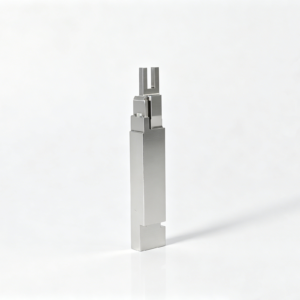
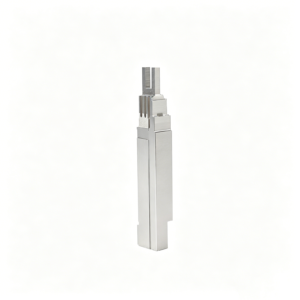
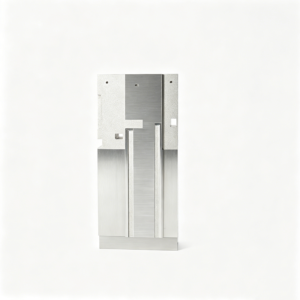
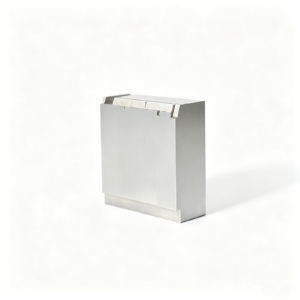
精密部品の品質保証における代表的な部品
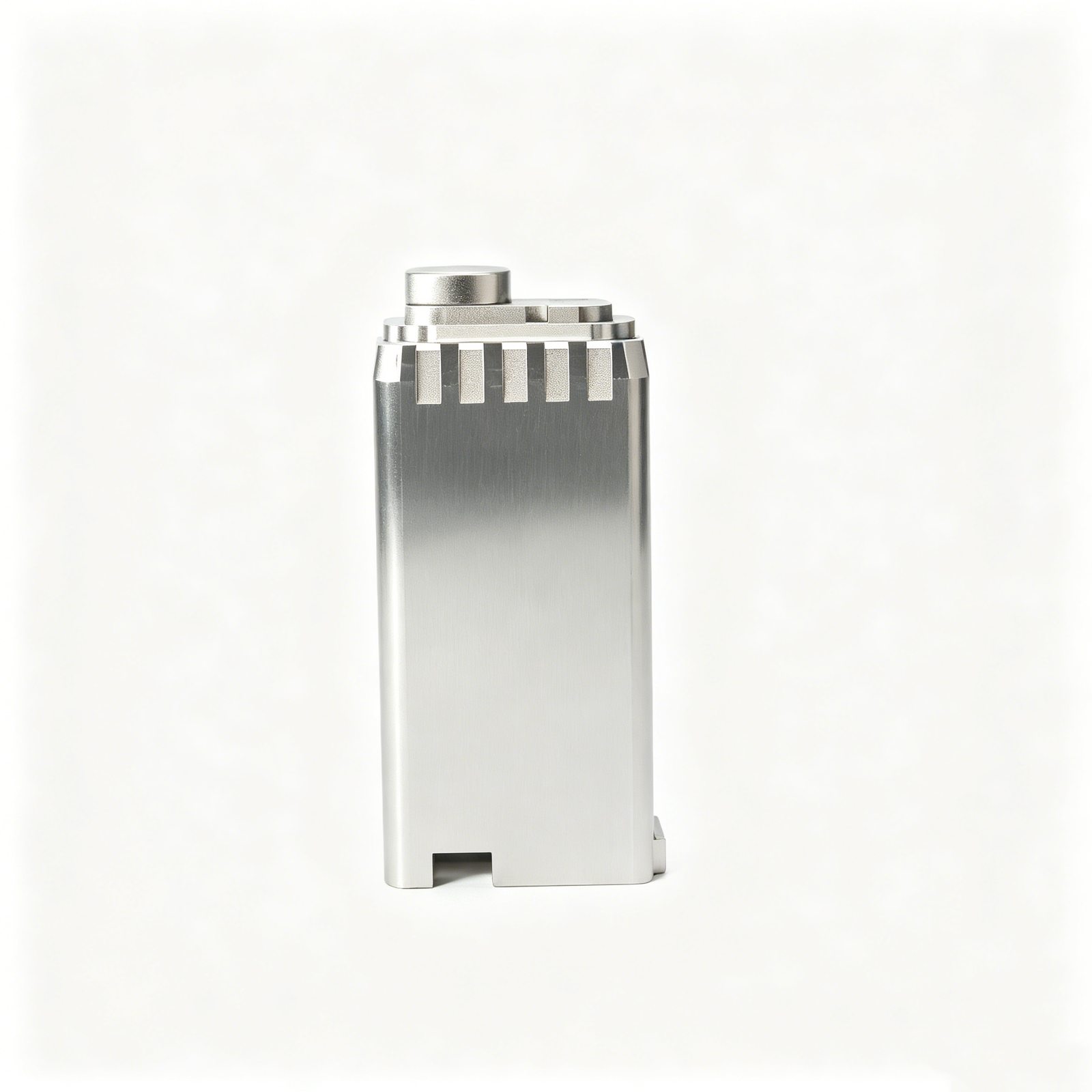
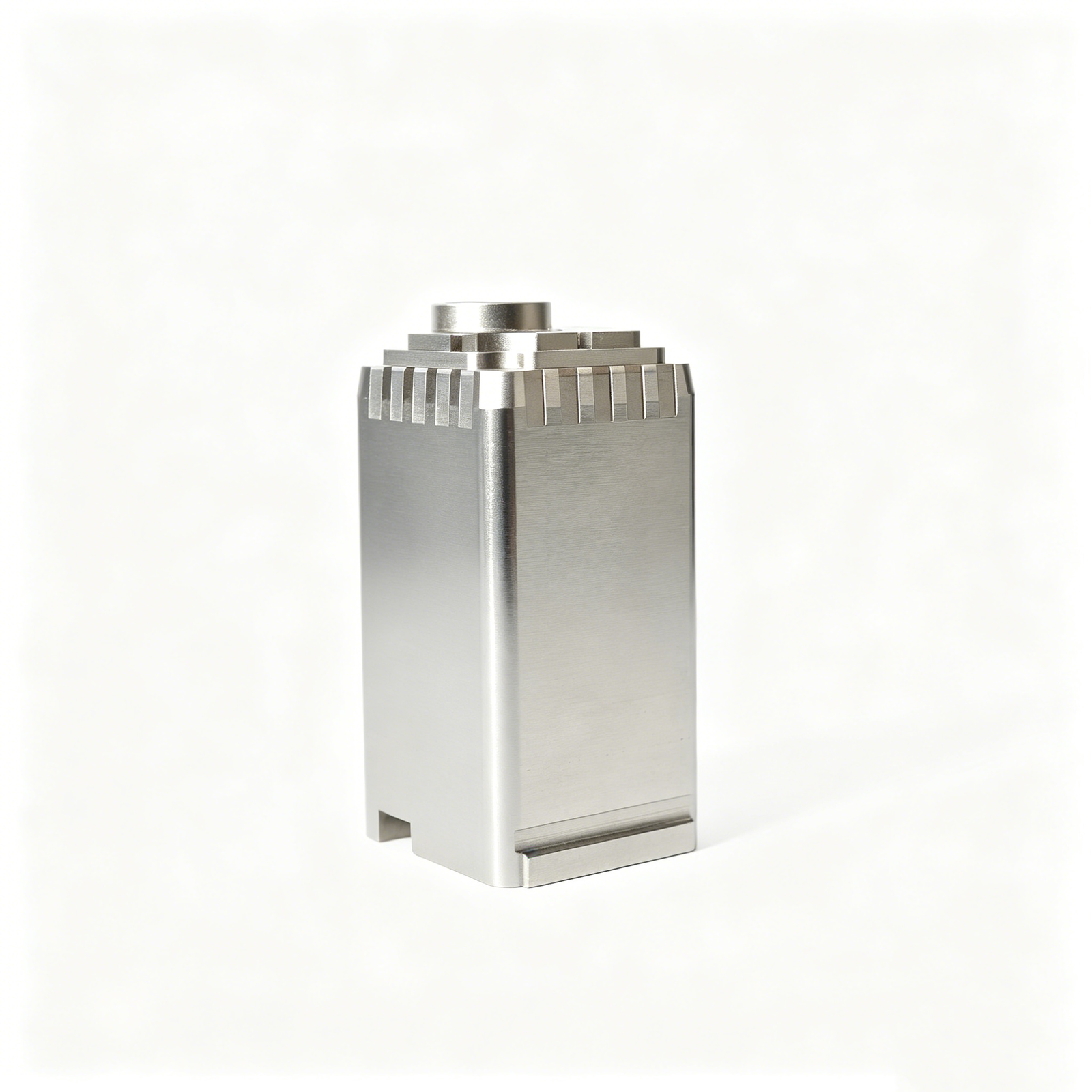
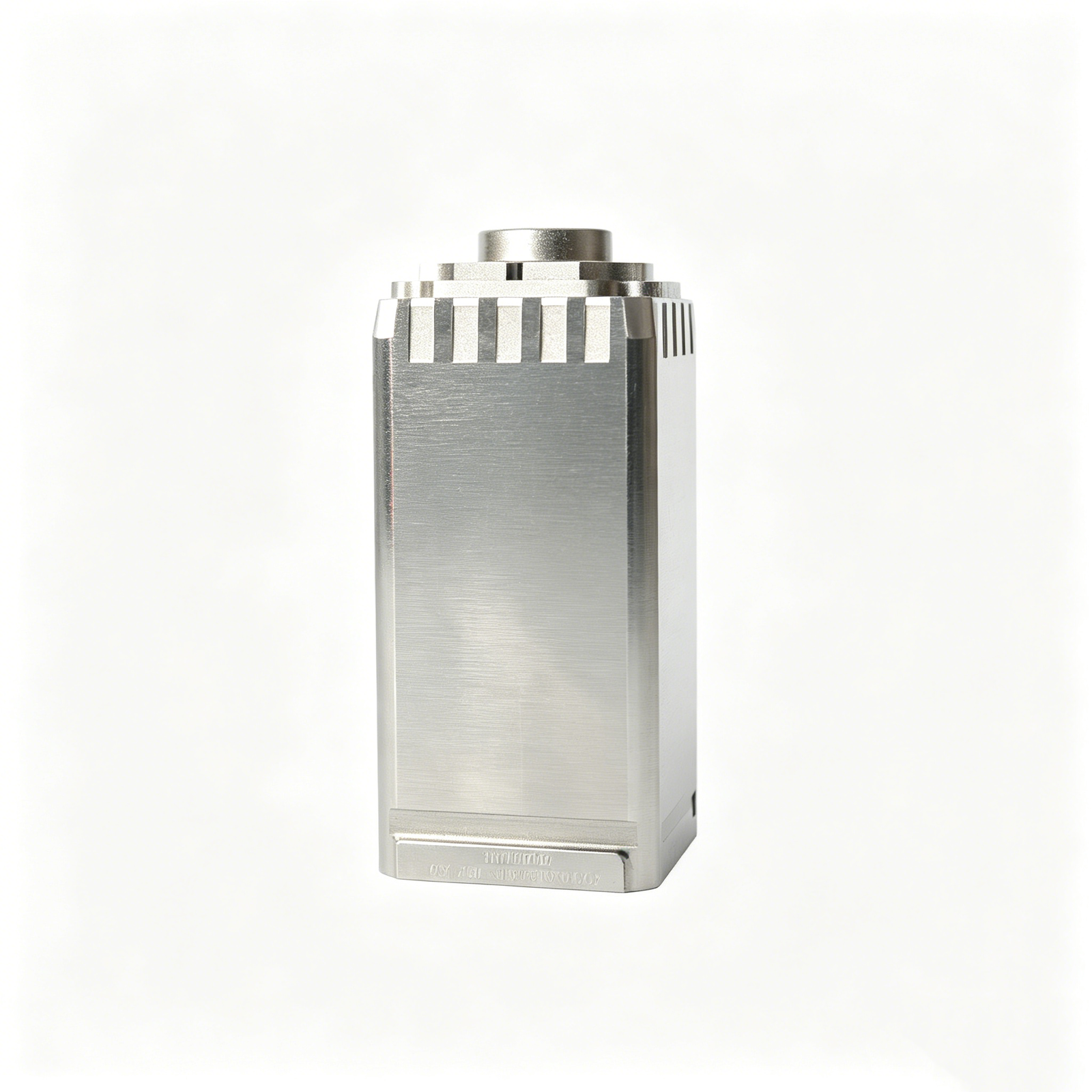
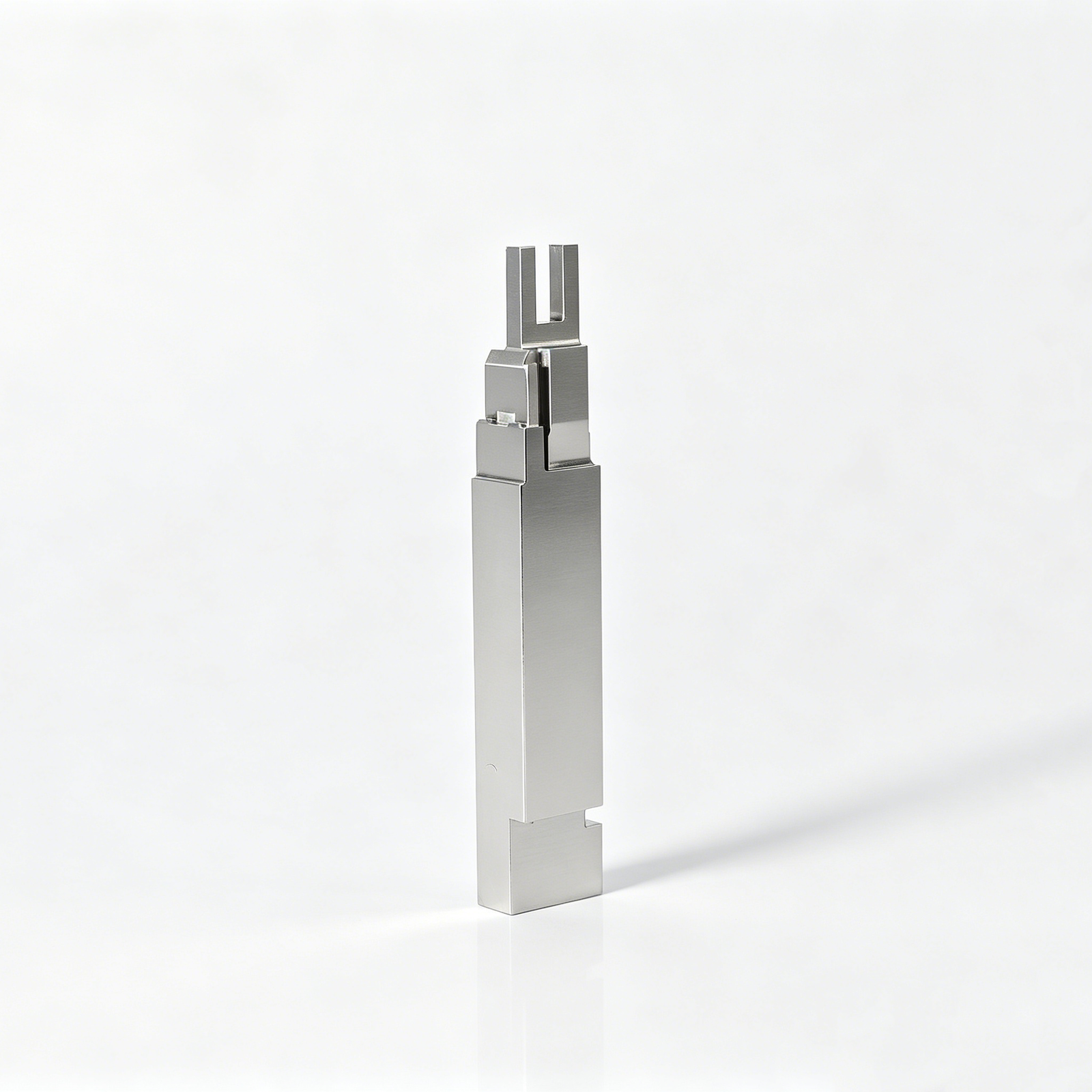
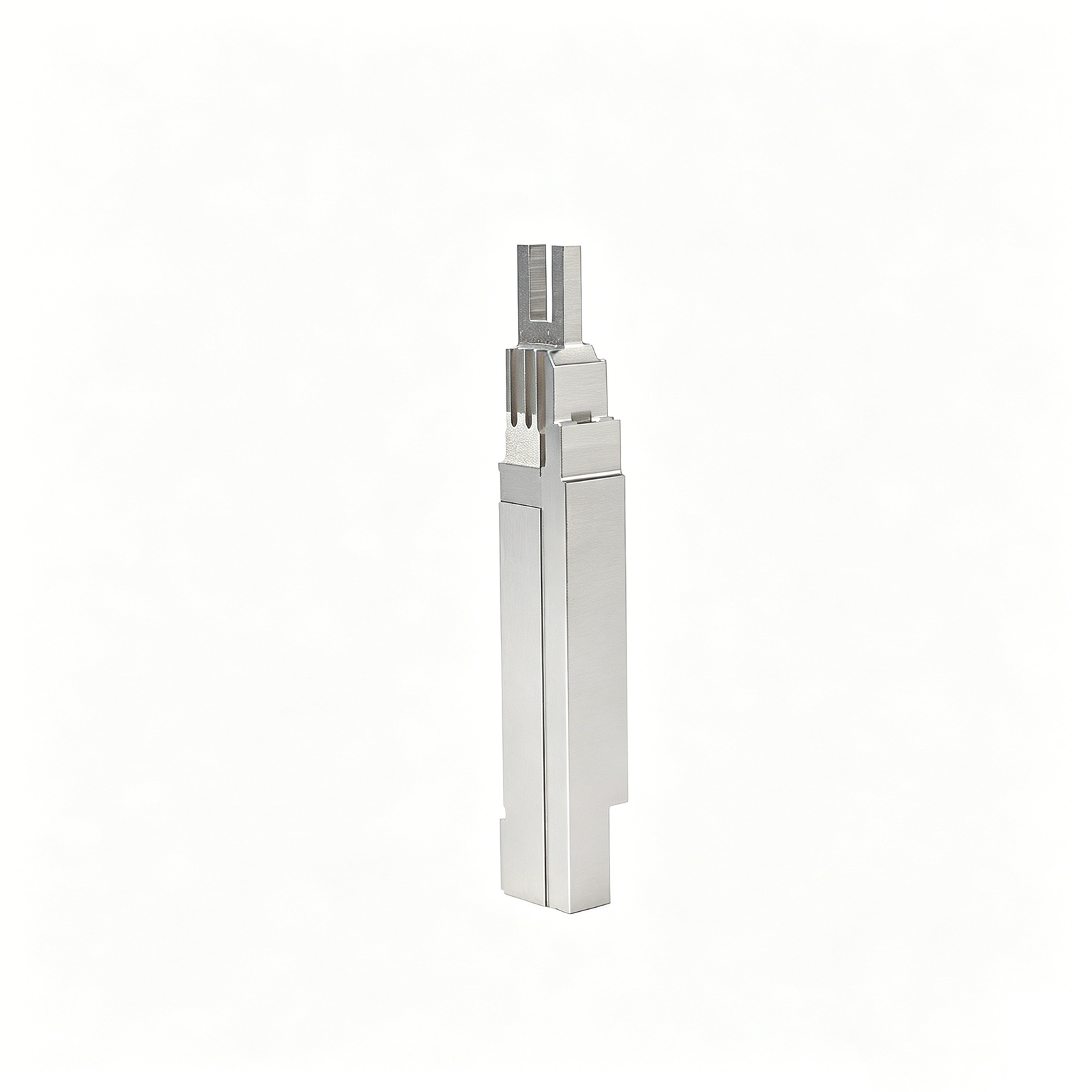

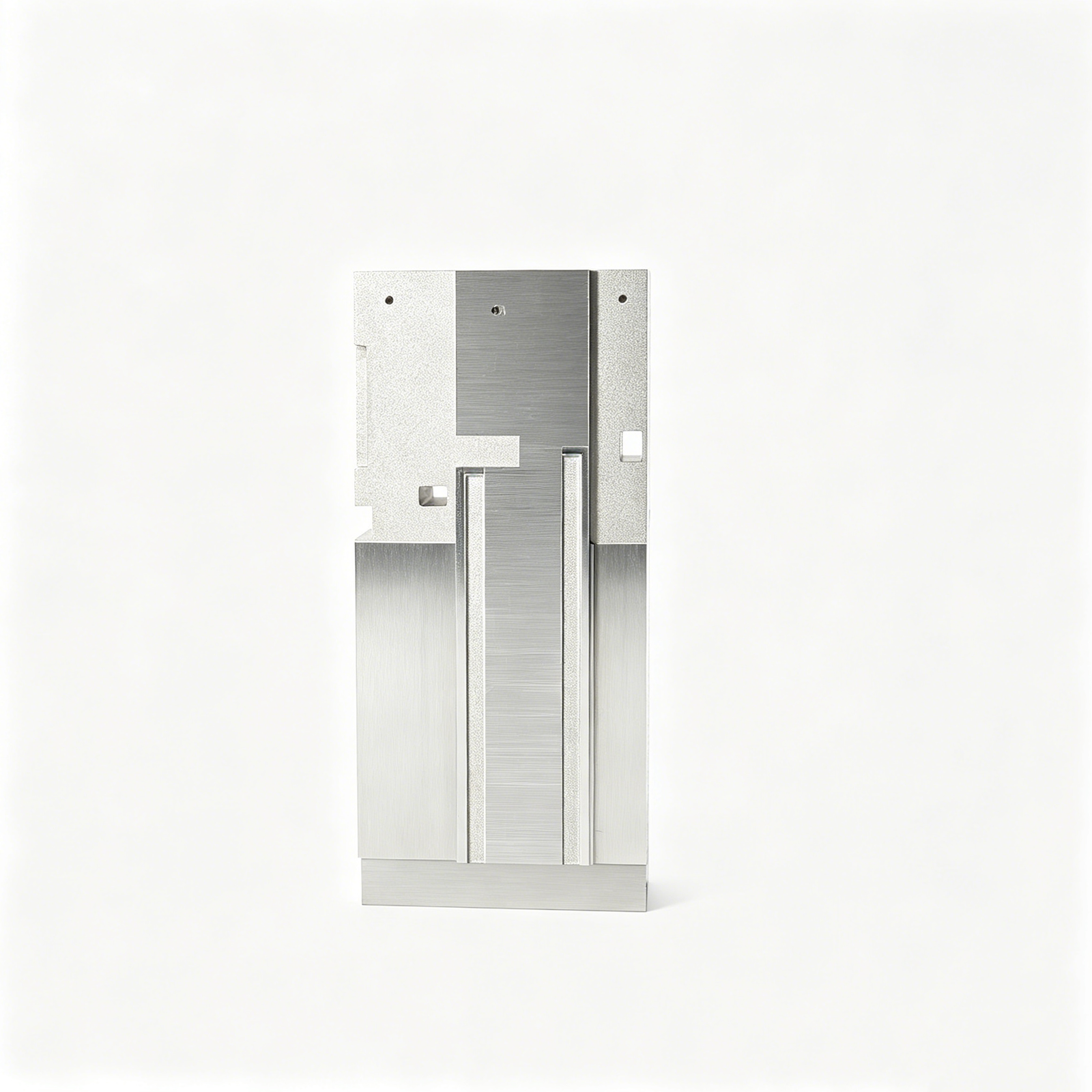
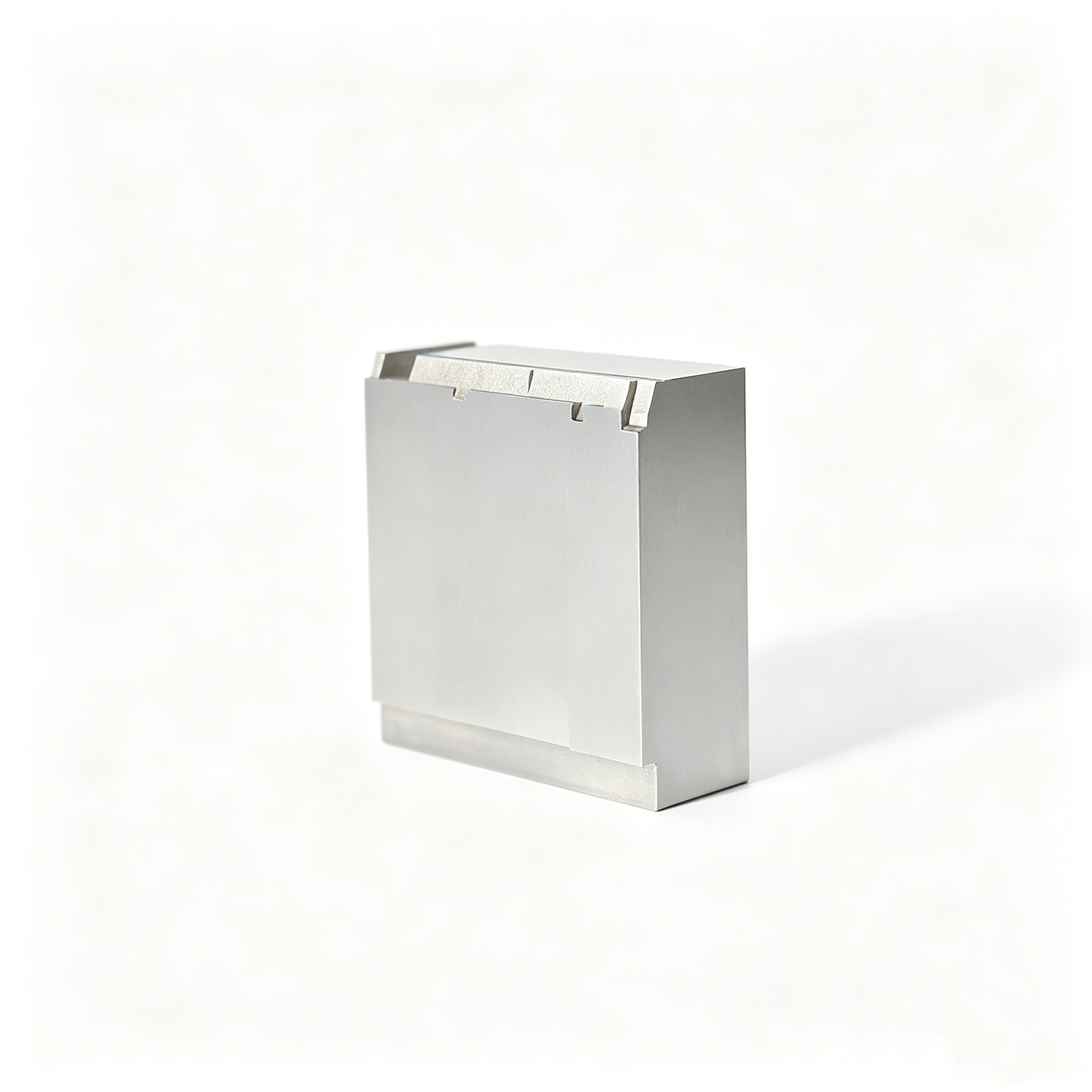
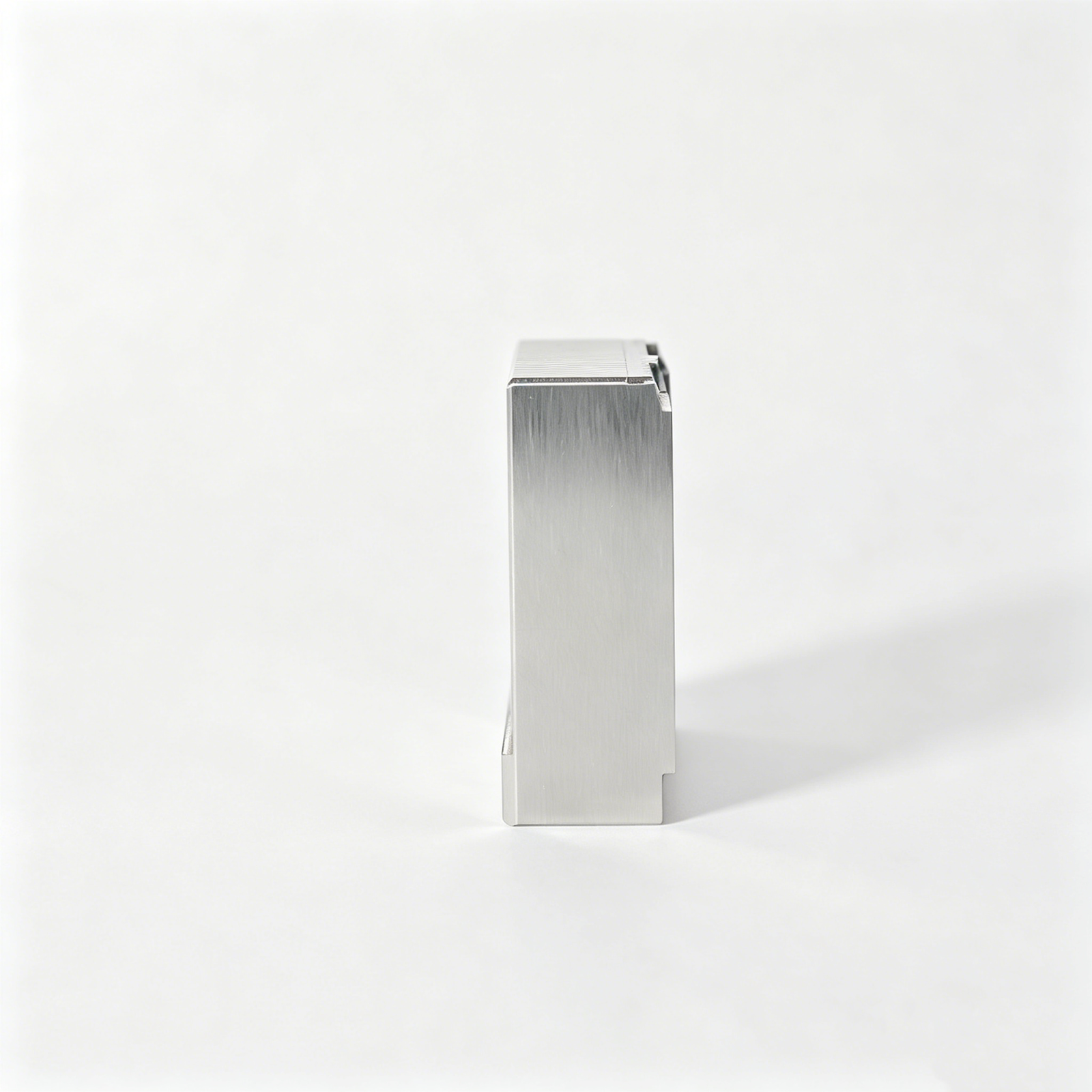
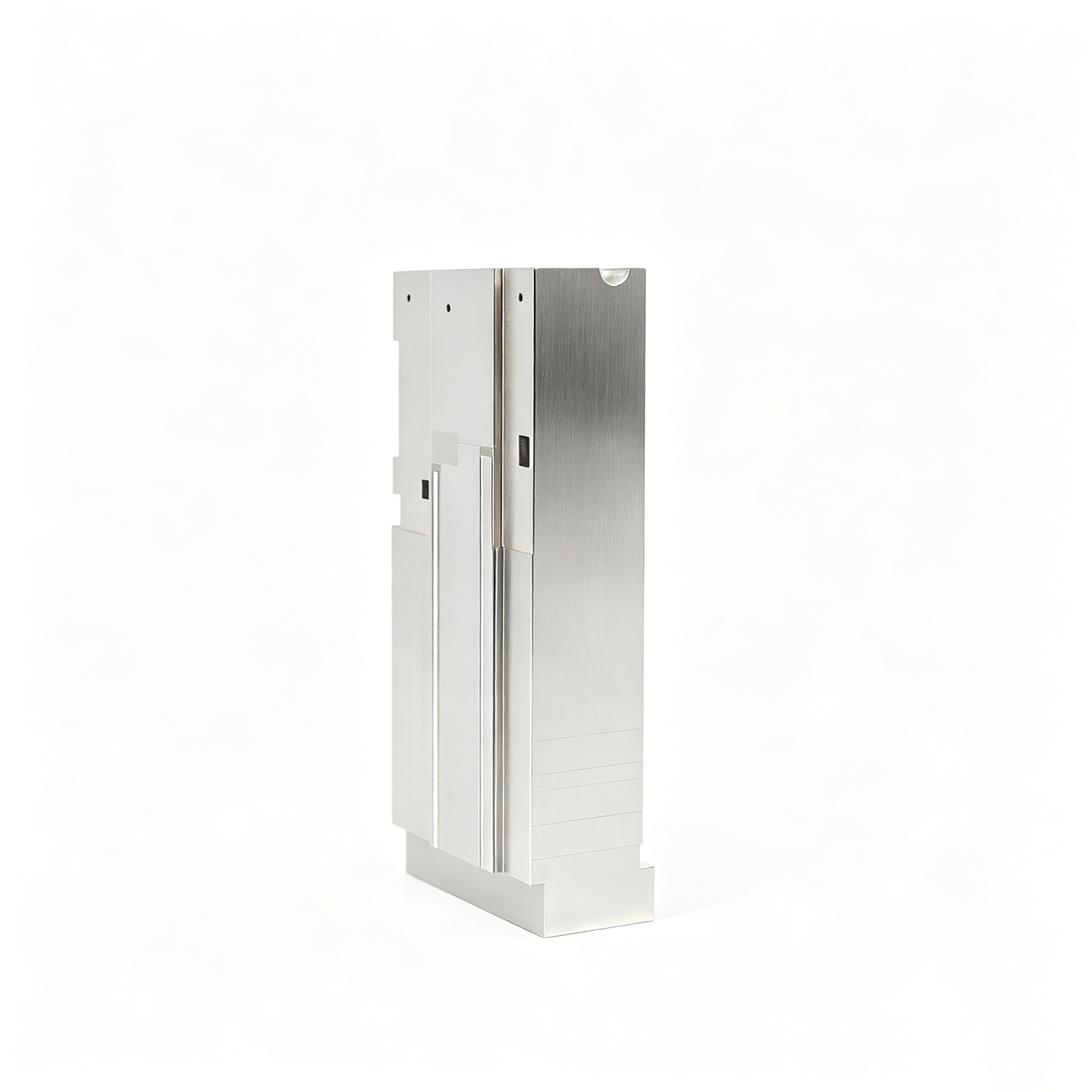
Sample Components for Quality Assurance for Precision Parts
Ten drawing-based component examples; open a part to review its engineering context.

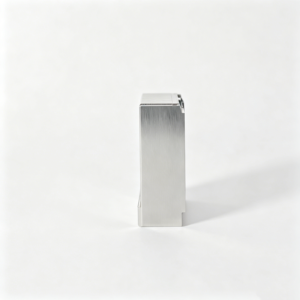
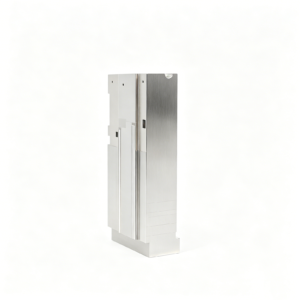
CTQを中心に構築された精密部品の品質保証
各要件は、製造に入る前に、図面の改訂、寸法基準戦略、工程ルート、および実用的な検査証拠と照合されます。
図面改訂管理
現在の図面改訂、注記、およびモデルは、計画前に整合され、古い要件が加工または検査記録に入るのを防ぎます。
CTQ分類
重要な寸法、表面、および機能的なインターフェースは早期に特定され、生産ルートと報告の優先順位が実際の設計リスクを反映するようにします。
適合する計測
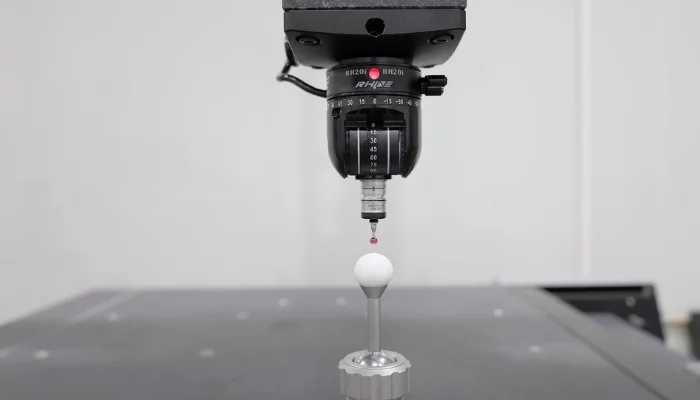
特徴タイプ、公差、寸法基準シミュレーション、および測定の不確かさが、プロジェクトで定義された各重要要件に選択される検査方法を導きます。
工程内検証
後続の加工、放電加工、研削、組立、または仕上げ作業の前に逸脱を検出するために、意味のある製造段階でチェックが計画されます。
最終検査記録
最終結果は承認された計画に対して文書化され、必要に応じて寸法レポートおよびプロジェクトで定義された材料または処理記録が利用可能になります。
トレーサブルなコミュニケーション
改訂ステータス、検査結果、および不適合の決定は、明確なプロジェクトコミュニケーションと合意された文書管理を通じて可視化されたままです。
精密部品の品質保証における関連パス
各カテゴリは、図面改訂、CTQ分類、および特徴、寸法基準戦略、および必要な記録に適合した測定計画から始まります。

精密部品の品質保証における材料
工具鋼(合金鋼)
コア、キャビティ、スライド、およびプレス金型部品に共通します。図面で機械加工代、熱処理工程、硬度目標、研削代を確認する必要があります。これらはすべて寸法検査および最終検査計画に影響します。
ステンレス鋼グレード
腐食に敏感な金型部品、ガイド要素、およびカスタム精密部品に指定されます。グレード、材料状態、表面要件、および熱処理は、機械加工戦略と必要な検査記録を一致させるために、図面に定義する必要があります。
アルミニウム合金グレード
プロトタイプ、治具、軽量 tooling 要素、および特定の部品用途に使用されます。合金の呼び方、調質、表面仕上げ、および重要なねじ山の要件は、図面で確認する必要があります。これは、加工性および測定アプローチが指定された材料状態によって異なるためです。
銅合金グレード
コネクタ関連の tooling や特殊インサートなど、熱的または電気的な性能が重要な場合に適用されます。機械加工および検査方法を選択する前に、指定された合金、硬度状態、公差、および仕上げ要件を図面で確認してください。
タングステンカーバイドグレード
耐摩耗性のパンチ、ダイ、および高負荷成形機能に選択されます。グレード、バインダー含有量、研削代、エッジ状態、および検査基準は、カーバイドの機械加工と測定が従来の鋼部品と異なるため、プロジェクトレビューが必要です。
精密部品の品質保証における製造プロセス
ワイヤー放電加工(ワイヤーEDM)
ワイヤーEDMは、従来の工具アクセスが制限される場所で、複雑な貫通形状、シャープな内部輪郭、および硬化部品の詳細を生成します。ワイヤーパス、スタートホールの位置、および基準面との関係は、公差と表面要件に合わせて計画されます。
型彫り放電加工(シンカーEDM)
シンカーEDMは、電極ベースのアプローチを必要とする深いキャビティ、リブ、および密閉された詳細を形成します。電極戦略、スパーク代、および仕上げ要件は、検査ポイントが定義される前に図面に合わせられます。
精密研削
研削は、機械加工または熱処理後に、平面度、平行度、円筒形状、および精密な寸法を改善します。公差に修正の余地がほとんどない場合、研削代、基準面のシミュレーション、および測定の不確かさに注意が必要です。
嵌合・組立
嵌合により、コア、インサート、スライド、ガイド要素、および相手部品間の機能的な関係を確認します。指定されたフィット、接触パターン、または動きの要件がそれを要求する場合にのみ、管理された手作業が使用され、改訂の可視性が維持されます。
検査の統合
工程内チェックと最終検査は、各CTQと実用的な測定方法に合わせて行われます。寸法レポート、初期検査(FAI)、材料または熱処理記録、および不適合処理は、RFQ(見積依頼書)で定義できます。
精密部品の品質保証:識別と取り扱いオプション
部品への刻印
プロジェクトで定義されたレーザーまたは機械刻印により、部品番号、改訂版、キャビティ位置、またはロット参照を識別できます。これらの識別情報は、機能要件と外観要件に対して、位置、視認性、および表面への影響を評価した上で決定されます。
保護包装
個別包装、セパレーター、トレイ、防錆処理、またはカスタム梱包レイアウトは、輸送中の精密なエッジ、研磨面、および嵌合部を保護するのに役立ちます。梱包の詳細は、材料の状態、表面仕上げ、取り扱いリスク、および出荷方法を反映する必要があります。
組立用ハードウェア
指定されたファスナー、ダウエルピン、スプリング、リテーナー、または関連ハードウェアは、部品識別、数量、材料要件、および組立関係がRFQで明確に定義されている場合に、コンポーネントセットと共に供給できます。
トレーサビリティラベル
ラベルには、注文参照、図面改訂版、部品番号、数量、および検査ステータスなどのプロジェクトで定義された識別子を含めることができます。記録が納品された部品と一致するように、ラベルの内容と配置を早期に合意してください。
取り扱い機能
一時的なタブ、保護キャップ、吊り上げ用 provision、向きを示すマーク、または治具インターフェースは、重要な寸法や機能面を損なうことなく、安全な加工、検査、組立、または出荷をサポートする場合に検討できます。
SUUXIANG 精密製造について
SUUXIANGは、2010年に東莞市長安鎮で設立された東莞市SUUXIANG精密金型有限公司の一般向けブランドです。創業者であり法定代理人は黄小成です。当社は、エンジニアリング、金型、調達、品質チームと連携し、図面で定義された精密部品を製造しています。
CNC加工と精密金型部品、コネクタ tooling、EDM、研削、組立、検査計画を組み合わせた作業を行います。プロセスのルートは、実際の形状、材料の状態、基準(datum)スキーム、重要な機能、および注文で要求されるドキュメントに基づいて選択されます。
訪問者は、部品ファミリーを理解するために、代表的な部品写真を参照してください。特定のグレード、公差、または測定結果を推測しないでください。技術的な議論については、現在の図面とモデル、数量、材料、仕上げ、CTQ(Critical to Quality)、検査範囲、および希望納期をご準備ください。
精密部品の品質保証は、加工前に始まります
図面とDFM(Design for Manufacturability)レビュー
各プロジェクトは、現在の図面改訂版、モデル、材料、数量、および用途のコンテキストから始まります。SUUXIANGは、生産計画前にCTQ、加工可能なルート、表面要件、およびプロセスリスクを特定するため、検査要件は実用的で、目に見えるものとなり、注文に結びつきます。
- 図面改訂版と適用仕様を確認する
- 重要寸法、表面、および機能インターフェースを分類する
- 工具アクセス、EDMの必要性、および研削代を確認する
- リリース前にプロジェクト固有の検査記録を定義する
基準(Datum)と公差戦略
クローズドトレランスの結果は、フィーチャーがどのように配置され測定されるかに依存し、報告値だけではありません。検査計画では、図面の基準(datum)、嵌合条件、公差スタック効果、および測定の不確かさを考慮するため、選択された方法は意図された機能的関係を反映します。
- プライマリ、セカンダリ、およびターシャリの基準(datum)参照を解釈する
- 機能的特徴評価のための計画データシミュレーション
- 特徴形状を適切な測定方法に一致させる
- 許容誤差スタックまたはアクセスに関する懸念事項を議論のためにフラグ付けする
工程内検証
工程内チェックは、プロセス変動が重要な特徴に影響を与える可能性のある箇所に焦点を当てます。測定は、機械加工、放電加工、研削、組立、熱処理シーケンス、またはプロジェクトで定義されたその他の段階に合わせてスケジュールされており、不適合状態が後続の工程に進む前に結果を確認できます。
- 関連する製造段階でCTQを確認する
- プロセス変更後の寸法を再評価する
- 改訂および検査情報を一致させる
- 不適合を処置および是正処置のためにエスカレーションする
最終記録は要件に一致する
最終検査のドキュメントは、一般的なパッケージとして組み立てられるのではなく、承認された図面および検査計画に一致させられます。要求され、適用可能な場合、SUUXIANGは寸法レポート、FAI証拠、材料記録、熱処理記録、および証明書をプロジェクト固有の納品物として定義できます。
- 承認されたCTQおよび改訂版に対して最終結果を検証する
- RFQで寸法レポートとFAIの期待値を指定する
- 必要に応じて材料または熱処理記録を要求する
- ドキュメントの範囲を発注書の要件に一致させる
精密部品RFQ決定チェックリストのための品質保証
単一の図面改訂版と記載された技術範囲で相見積もりを比較し、資格のない単価で比較しないこと。
← Swipe left or right to view →
図面から出荷まで、精密部品の品質保証
各注文で合意された要件に、図面改訂、CTQ、製造チェック、最終記録を紐づける管理されたワークフロー。
図面と要件のレビュー
引用前に、図面改訂、モデル、材質、数量、基準点、CTQ、表面要件、納期、プロジェクトで定義された検査ドキュメントを確認します。
方法と記録の計画
各重要特性に対し、実用的な測定方法、基準点シミュレーションアプローチ、工程内チェック、最終検査記録を照合します。
材料の調達と準備
注文内容と照合して材質および熱処理要件を確認し、加工アクセス、EDM戦略、研削代、加工順序を計画します。
加工と工程内チェック
CNC、EDM、研削、組立を進め、CTQ、変化する条件、改訂管理された製造指示に焦点を当てたチェックを行います。
検査と結果の解決
承認された計画に基づき最終検査を実施。不適合品は、リリース判断前に隔離、レビュー、報告されます。
梱包・出荷手配
受入部品は、必要に応じて寸法報告書、FAI、またはプロジェクトで定義された記録とともに、識別、保護、梱包され出荷されます。
RFQで精密部品の品質保証を開始
Provide the drawing, CTQs, and documentation needs early so the proposed process and inspection records can be aligned before production.
図面とモデルのアップロード
図面改訂状況、部品数量、用途、製造性に影響する関連部品のコンテキストを明記した、最新の2D図面と利用可能な3Dモデルをお送りください。
CTQ(重要特性)と要件の定義
材料、熱処理、重要寸法、基準、表面処理優先順位、希望納期、および実用的な測定計画に必要な検査証拠を指定してください。
プロセスとサンプリングのレビュー
見積もり、提案された製造ルート、検査アプローチ、およびサンプリング、FAI、寸法報告書、または文書要件をリリース前にレビューします。
管理された生産の承認
図面改訂と合意された要件を確認します。生産は定義されたプロセスルートに従い、工程内チェックと不適合品の明確な管理が行われます。
プロジェクト定義の記録を受領
寸法報告書、材料記録、熱処理記録、または指定された証明書など、合意された検査計画に沿った記録とともに部品を受領します。
技術レビュー時にバイヤーが尋ねるべき質問
どの図面改訂版と基準系が部品の基準となり、提案された逸脱はどのように承認されますか?
機能にとって重要な特徴は何ですか、そして適合性を示すための測定方法はどのようなものですか?
見積もりには、材料の状態、二次プロセス、検査書類、梱包の前提条件が含まれていますか?
精密部品の品質保証 FAQ
Practical answers for drawing-based programs, from sampling and reports to revision control and delivery coordination.
カスタムオーダーにおける精密部品の品質保証には何が含まれますか?
精密部品の品質保証における最小注文数量はいくつですか?
サンプルまたは第一品検査報告書をリクエストできますか?
密公差部品の測定誤差はどのように扱われますか?
どのような検査報告書や記録をリクエストできますか?
図面改訂版と技術変更はどのように管理されますか?
品質重視の精密部品のオーダーはどのくらいの時間がかかりますか?
RFQにはどのような支払い、出荷、IP情報を提供すべきですか?
精密部品 品質計画ガイド
図面管理される精密部品の、初回図面レビューから承認記録までを網羅した実践的な意思決定フレームワーク。
1. 受入基準から始める
Translate the drawing into acceptance criteria before selecting gauges. A generic statement of high precision does not define an acceptable part. When specifying a drawing-controlled precision component, this decision should be recorded against the latest controlled drawing. Note the quantity, production stage and functional interface so the discussion remains about the actual component rather than a visually similar example. A photograph can identify a part family, but it cannot establish material, tolerance or inspection results.nnFor this stage, focus on revision, CTQ features, datums, measurement capability and agreed release records. Ask how the proposed process will preserve datum relationships and how the completed feature can be measured. If a tolerance, finish, hardness or document is essential, include its acceptance method in the RFQ rather than leaving it to interpretation.nnBefore approving production, record the drawing revision, any clarification or agreed deviation, and the documents expected with the order. Compare quotations by the same technical scope: material condition, operations, sampling, inspection, finishing, packing and delivery assumptions. If an item is not yet verified, treat it as an open engineering question. A clear decision record makes a prototype review and a later repeat order easier to reconcile without silently changing the specification.
2. 品質重要特性(CTQ)に印をつける
Mark CTQs connected to fit, sealing, motion or electrical spacing and agree which require full inspection versus a sampling plan. When specifying a drawing-controlled precision component, this decision should be recorded against the latest controlled drawing. Note the quantity, production stage and functional interface so the discussion remains about the actual component rather than a visually similar example. A photograph can identify a part family, but it cannot establish material, tolerance or inspection results.nnFor this stage, focus on revision, CTQ features, datums, measurement capability and agreed release records. Ask how the proposed process will preserve datum relationships and how the completed feature can be measured. If a tolerance, finish, hardness or document is essential, include its acceptance method in the RFQ rather than leaving it to interpretation.nnBefore approving production, record the drawing revision, any clarification or agreed deviation, and the documents expected with the order. Compare quotations by the same technical scope: material condition, operations, sampling, inspection, finishing, packing and delivery assumptions. If an item is not yet verified, treat it as an open engineering question. A clear decision record makes a prototype review and a later repeat order easier to reconcile without silently changing the specification.
3. 適切な測定方法を選択する
Choose CMM, optical, profile, surface or manual measurement based on feature size, access, material state and uncertainty. When specifying a drawing-controlled precision component, this decision should be recorded against the latest controlled drawing. Note the quantity, production stage and functional interface so the discussion remains about the actual component rather than a visually similar example. A photograph can identify a part family, but it cannot establish material, tolerance or inspection results.nnFor this stage, focus on revision, CTQ features, datums, measurement capability and agreed release records. Ask how the proposed process will preserve datum relationships and how the completed feature can be measured. If a tolerance, finish, hardness or document is essential, include its acceptance method in the RFQ rather than leaving it to interpretation.nnBefore approving production, record the drawing revision, any clarification or agreed deviation, and the documents expected with the order. Compare quotations by the same technical scope: material condition, operations, sampling, inspection, finishing, packing and delivery assumptions. If an item is not yet verified, treat it as an open engineering question. A clear decision record makes a prototype review and a later repeat order easier to reconcile without silently changing the specification.
4. 工程内検査を管理する
Place in-process checks after high-risk operations such as roughing, heat treatment, EDM or grinding instead of waiting until final inspection. When specifying a drawing-controlled precision component, this decision should be recorded against the latest controlled drawing. Note the quantity, production stage and functional interface so the discussion remains about the actual component rather than a visually similar example. A photograph can identify a part family, but it cannot establish material, tolerance or inspection results.nnFor this stage, focus on revision, CTQ features, datums, measurement capability and agreed release records. Ask how the proposed process will preserve datum relationships and how the completed feature can be measured. If a tolerance, finish, hardness or document is essential, include its acceptance method in the RFQ rather than leaving it to interpretation.nnBefore approving production, record the drawing revision, any clarification or agreed deviation, and the documents expected with the order. Compare quotations by the same technical scope: material condition, operations, sampling, inspection, finishing, packing and delivery assumptions. If an item is not yet verified, treat it as an open engineering question. A clear decision record makes a prototype review and a later repeat order easier to reconcile without silently changing the specification.
5. 材料および処理記録を確認する
Specify whether material, heat-treatment or coating records are required and tie each document to the correct order and batch. When specifying a drawing-controlled precision component, this decision should be recorded against the latest controlled drawing. Note the quantity, production stage and functional interface so the discussion remains about the actual component rather than a visually similar example. A photograph can identify a part family, but it cannot establish material, tolerance or inspection results.nnFor this stage, focus on revision, CTQ features, datums, measurement capability and agreed release records. Ask how the proposed process will preserve datum relationships and how the completed feature can be measured. If a tolerance, finish, hardness or document is essential, include its acceptance method in the RFQ rather than leaving it to interpretation.nnBefore approving production, record the drawing revision, any clarification or agreed deviation, and the documents expected with the order. Compare quotations by the same technical scope: material condition, operations, sampling, inspection, finishing, packing and delivery assumptions. If an item is not yet verified, treat it as an open engineering question. A clear decision record makes a prototype review and a later repeat order easier to reconcile without silently changing the specification.
6. 初品(ファースト・アーティクル)の証拠を計画する
Define when a first article is required, which dimensions it covers, who approves it and how any correction changes the production baseline. When specifying a drawing-controlled precision component, this decision should be recorded against the latest controlled drawing. Note the quantity, production stage and functional interface so the discussion remains about the actual component rather than a visually similar example. A photograph can identify a part family, but it cannot establish material, tolerance or inspection results.nnFor this stage, focus on revision, CTQ features, datums, measurement capability and agreed release records. Ask how the proposed process will preserve datum relationships and how the completed feature can be measured. If a tolerance, finish, hardness or document is essential, include its acceptance method in the RFQ rather than leaving it to interpretation.nnBefore approving production, record the drawing revision, any clarification or agreed deviation, and the documents expected with the order. Compare quotations by the same technical scope: material condition, operations, sampling, inspection, finishing, packing and delivery assumptions. If an item is not yet verified, treat it as an open engineering question. A clear decision record makes a prototype review and a later repeat order easier to reconcile without silently changing the specification.
7. 改訂または逸脱に対応する
A deviation needs written identification, impact review and approval before it becomes part of the accepted revision; silent substitution breaks traceability. When specifying a drawing-controlled precision component, this decision should be recorded against the latest controlled drawing. Note the quantity, production stage and functional interface so the discussion remains about the actual component rather than a visually similar example. A photograph can identify a part family, but it cannot establish material, tolerance or inspection results.nnFor this stage, focus on revision, CTQ features, datums, measurement capability and agreed release records. Ask how the proposed process will preserve datum relationships and how the completed feature can be measured. If a tolerance, finish, hardness or document is essential, include its acceptance method in the RFQ rather than leaving it to interpretation.nnBefore approving production, record the drawing revision, any clarification or agreed deviation, and the documents expected with the order. Compare quotations by the same technical scope: material condition, operations, sampling, inspection, finishing, packing and delivery assumptions. If an item is not yet verified, treat it as an open engineering question. A clear decision record makes a prototype review and a later repeat order easier to reconcile without silently changing the specification.
8. 最終リリース書類を定義する
Final release should reconcile drawing revision, quantity, identification, inspection results and agreed documents with the packing list. When specifying a drawing-controlled precision component, this decision should be recorded against the latest controlled drawing. Note the quantity, production stage and functional interface so the discussion remains about the actual component rather than a visually similar example. A photograph can identify a part family, but it cannot establish material, tolerance or inspection results.nnFor this stage, focus on revision, CTQ features, datums, measurement capability and agreed release records. Ask how the proposed process will preserve datum relationships and how the completed feature can be measured. If a tolerance, finish, hardness or document is essential, include its acceptance method in the RFQ rather than leaving it to interpretation.nnBefore approving production, record the drawing revision, any clarification or agreed deviation, and the documents expected with the order. Compare quotations by the same technical scope: material condition, operations, sampling, inspection, finishing, packing and delivery assumptions. If an item is not yet verified, treat it as an open engineering question. A clear decision record makes a prototype review and a later repeat order easier to reconcile without silently changing the specification.