
CNC Machined Pistons, Reviewed Before Production
Send your drawing for CNC machined pistons with DFM review, process planning, and inspection requirements aligned before production.
Representative Precision Components and Tooling




Related Drawing-Based Components and RFQs


Why Teams Choose SUUXIANG for CNC Machined Pistons
Drawing-driven planning keeps critical requirements visible from DFM review through inspection documentation and delivery coordination.
DFM Before Quotation
Review machining access, datum strategy, wall conditions, and feature risks before a production route or commercial commitment is defined.
Critical Dimensions Planned
Identify CTQ dimensions, surface priorities, and measurement methods early so inspection requirements align with the drawing and application context.
Coordinated Process Routes
Plan CNC machining, EDM, grinding, and fitting as connected operations when piston geometry, material condition, and finishing requirements demand it.
Inspection Built In
Define inspection checkpoints and required documentation against the verified order, helping teams evaluate dimensions, surfaces, and report expectations clearly.
Revision-Controlled Work
Keep drawing revisions, manufacturing updates, and delivery information visible to reduce ambiguity when designs or inspection requirements change.
Traceable Communication
Maintain practical project communication around material requirements, quantities, quality priorities, and delivery targets throughout drawing-based manufacturing work.
CNC Machined Pistons and Precision Component Families
Drawing-driven process routes for configurable piston, tooling, mold, and precision-component requirements—from critical geometry through inspection-ready delivery.

CNC Machining Services
Precision CNC machining services for drawing-based parts requiring coordinated milling, turning, EDM, grinding, fitting, and inspection. The process route is reviewed against critical dimensions, datum strategy, material requirements, and delivery expectations before production commitments are made.
Upload a Drawing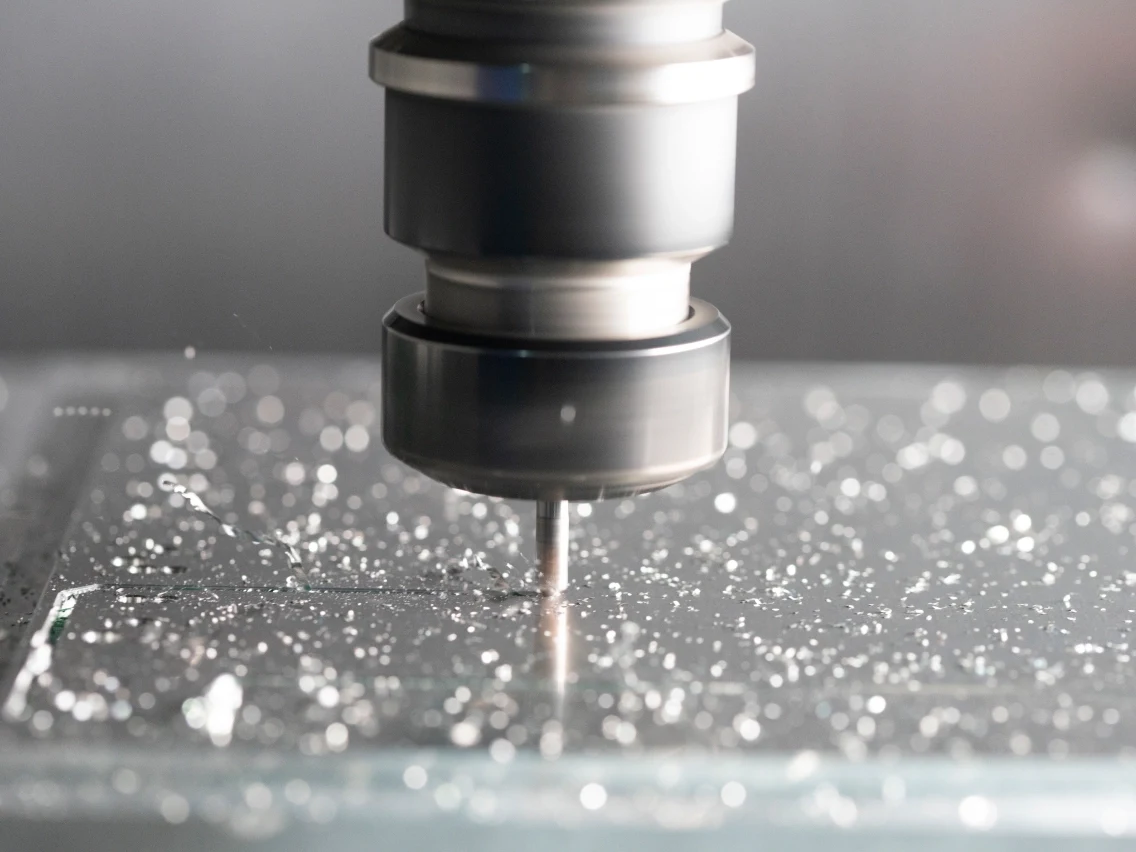
CNC Milling
Custom CNC milling services for prismatic and contoured components, including piston features, mold details, pockets, channels, and mounting interfaces. Tool access, clamping, machining allowance, surface requirements, and inspection datums are evaluated from the drawing and model.
Upload a Drawing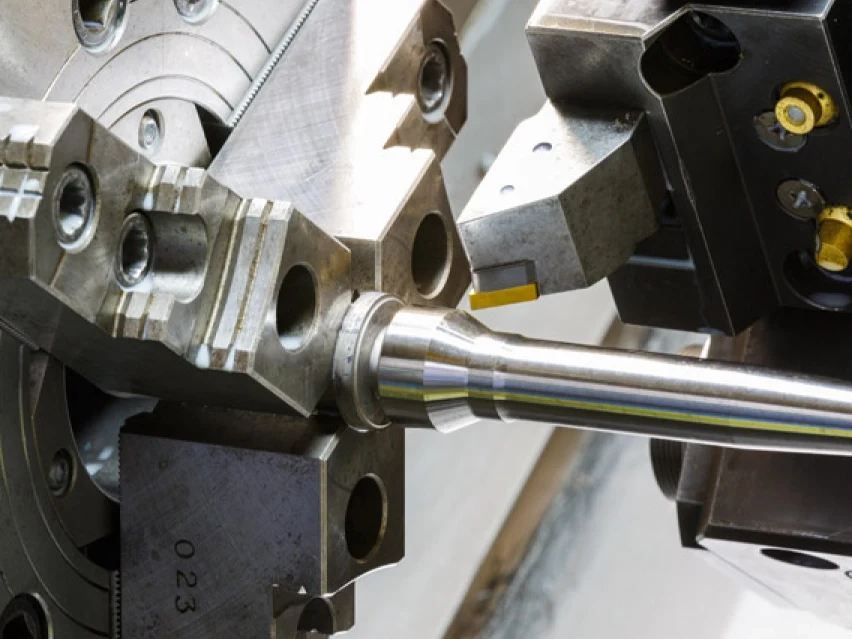
CNC Turning
Precision CNC turning services for cylindrical, stepped, threaded, grooved, and concentric features. Suitable process planning considers runout, wall thickness, holding strategy, turning-to-grinding transitions, and the relationship between functional diameters and specified datums.
Upload a Drawing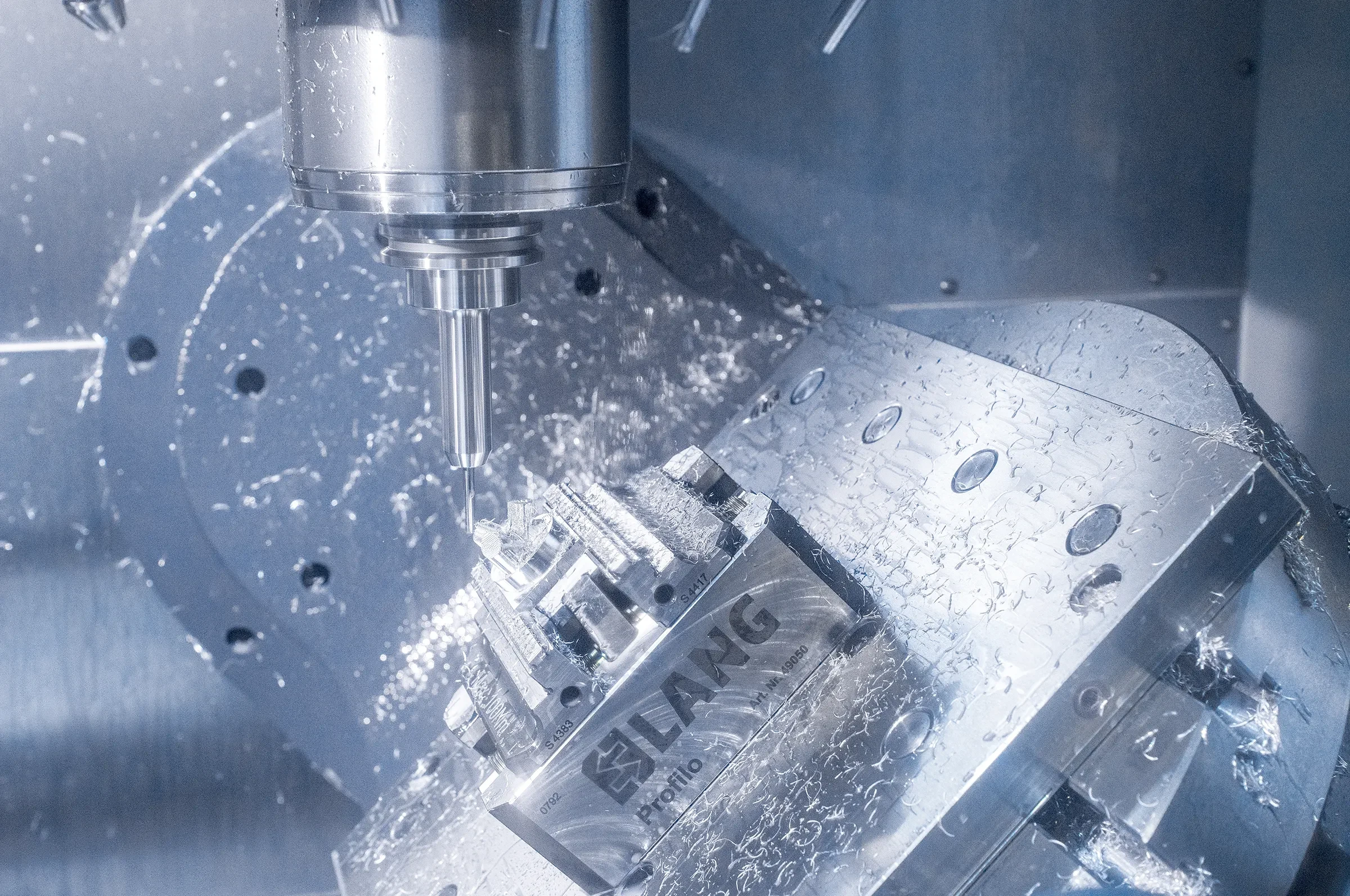
5-Axis Machining
5-axis CNC machining for complex surfaces, angled features, compound geometry, and parts where multiple setups could affect positional relationships. The review focuses on tool approach, fixture access, reachable tolerances, and maintaining critical geometry through the selected setup plan.
Upload a Drawing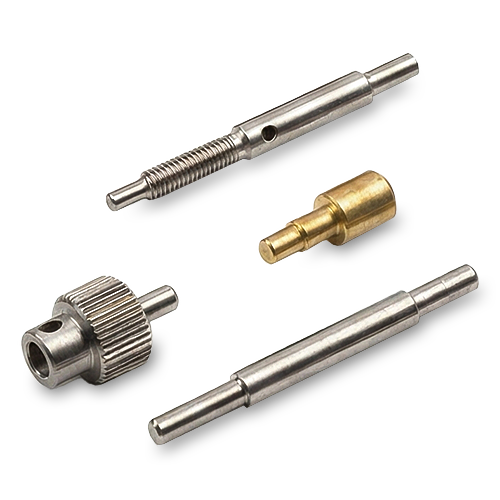
Swiss & Micro Machining
Swiss machining and micro machining for small, slender, and detail-intensive components where support, concentricity, and handling influence results. Drawings are reviewed for fine diameters, transitions, micro features, material behavior, and inspection methods appropriate to the requirement.
Upload a Drawing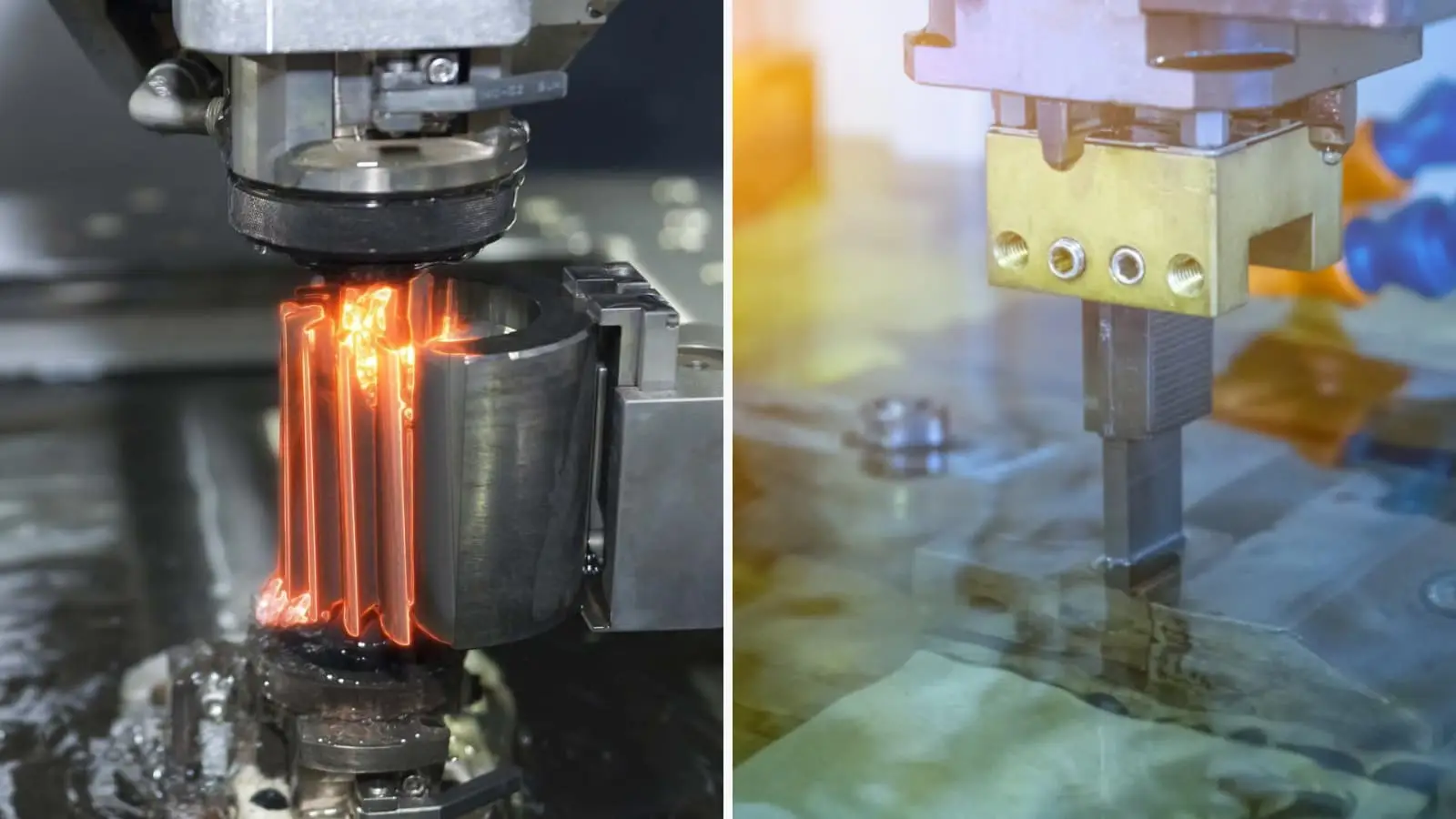
Wire & Sinker EDM
Wire EDM and sinker EDM services for hardened materials, narrow slots, internal profiles, sharp internal geometry, and features with limited cutting-tool access. Electrode strategy, wire path, recast considerations, finish requirements, and downstream fitting or grinding needs are defined early.
Upload a Drawing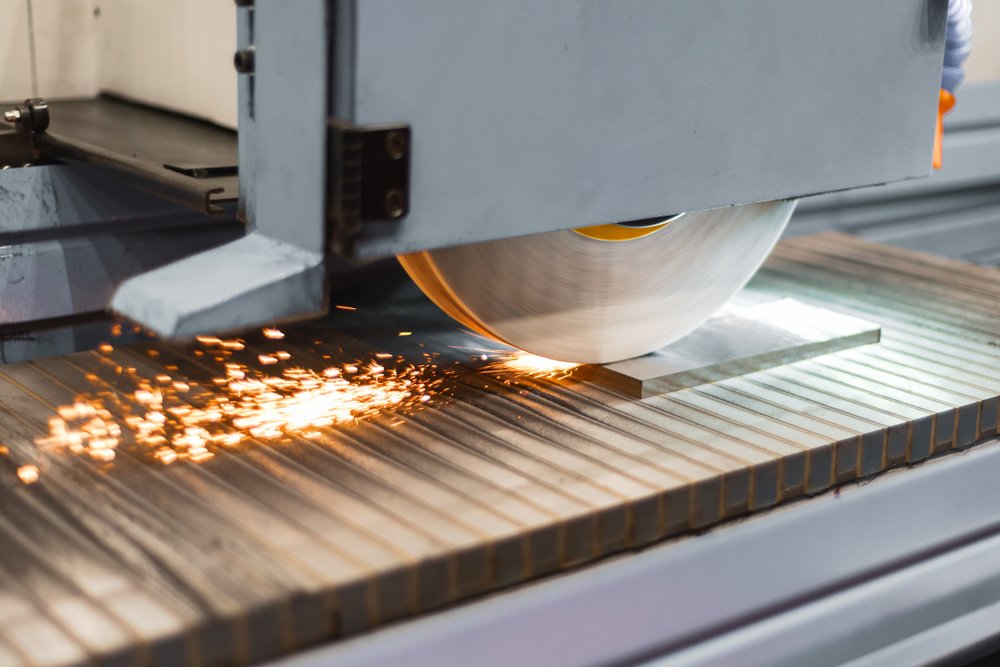
Precision Grinding
Precision surface and profile grinding for controlled flatness, parallelism, profile form, and final-size features. Grinding stock, heat-treatment sequence, datum preservation, wheel access, and measurement approach should be established before material is removed to final condition.
Upload a Drawing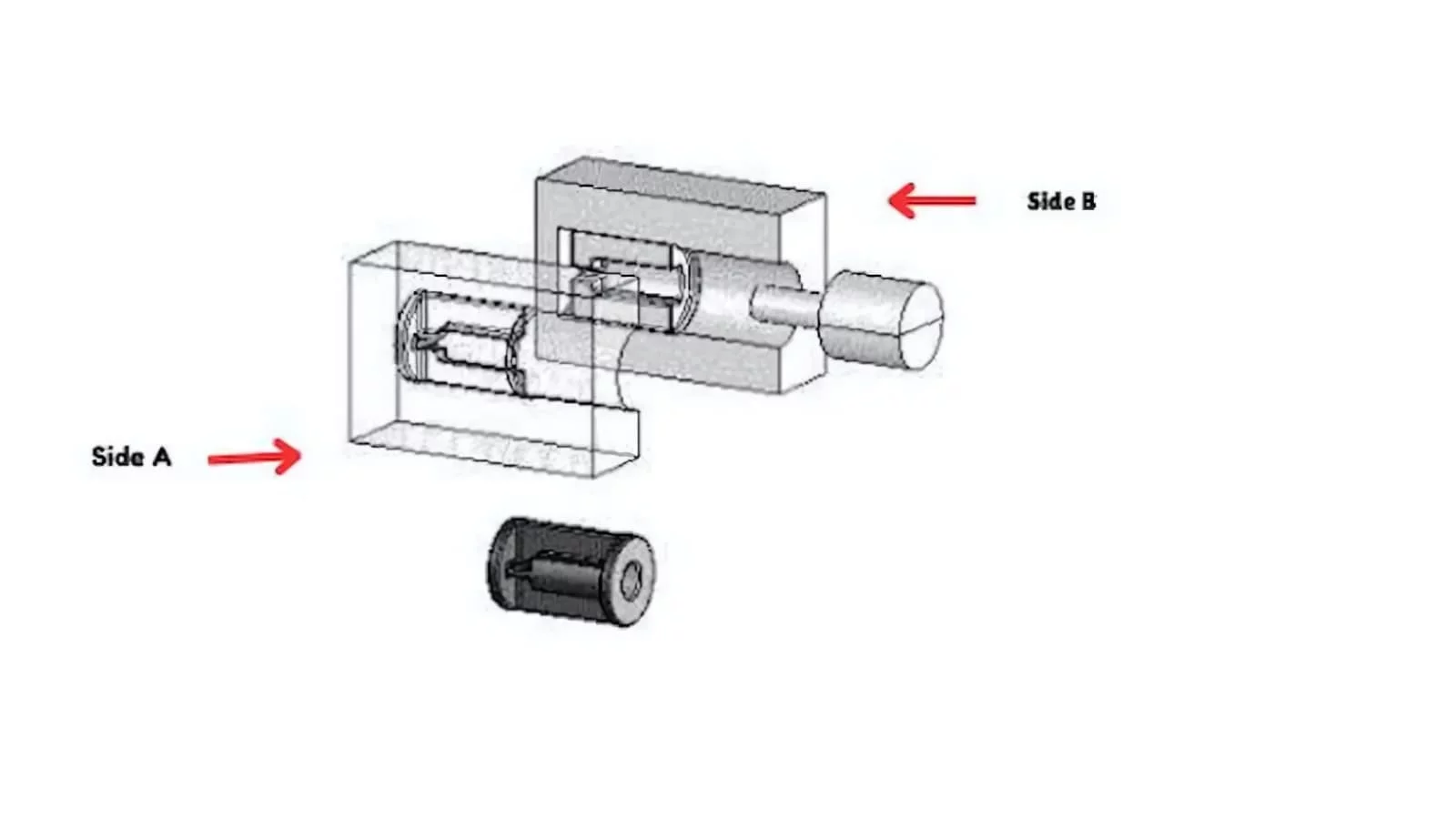
Mold Core & Cavity Inserts
Precision mold core and cavity inserts manufactured from customer drawings for injection-molding and related tooling applications. Reviews address steel selection, heat treatment, cavity geometry, cooling or venting features, EDM access, shutoff conditions, and critical dimensions for fit and molding function.
Upload a Drawing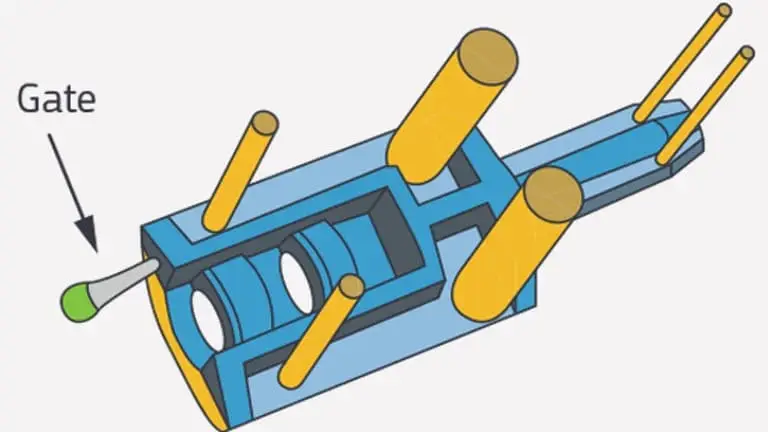
Ejector & Ejection Components
Ejector pins, sleeves, and ejection components for mold systems requiring controlled clearance, guidance, wear behavior, and repeatable movement. The manufacturing plan considers diameters, mating fits, hardness requirements, surface condition, and the inspection points that govern assembly performance.
Upload a Drawing
Core Pins, Guide & Locating Components
Core pins, guide pins, and locating components produced to drawing-defined geometry and fit requirements. Attention is given to straightness, concentricity, lead-in details, wear surfaces, locating datums, and the mating-component context needed to prevent avoidable assembly issues.
Upload a Drawing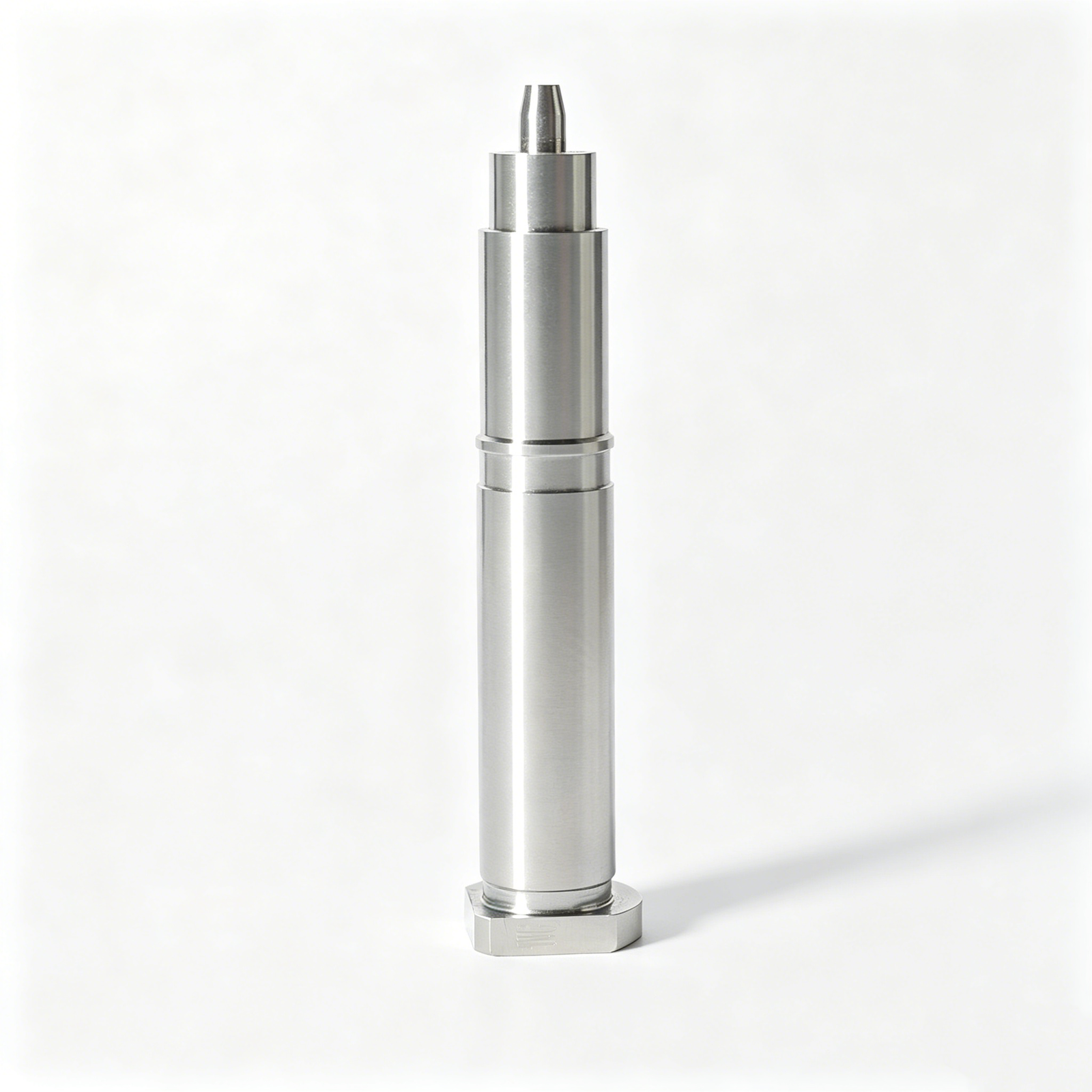
Slides, Lifters, Gates & Mold Accessories
Mold slides, lifters, gates, and accessories for tooling assemblies where travel, shutoff, guidance, and component interfaces must work together. Drawing review identifies angled features, clearances, bearing surfaces, gate geometry, heat-treatment sequence, and fitting requirements.
Upload a Drawing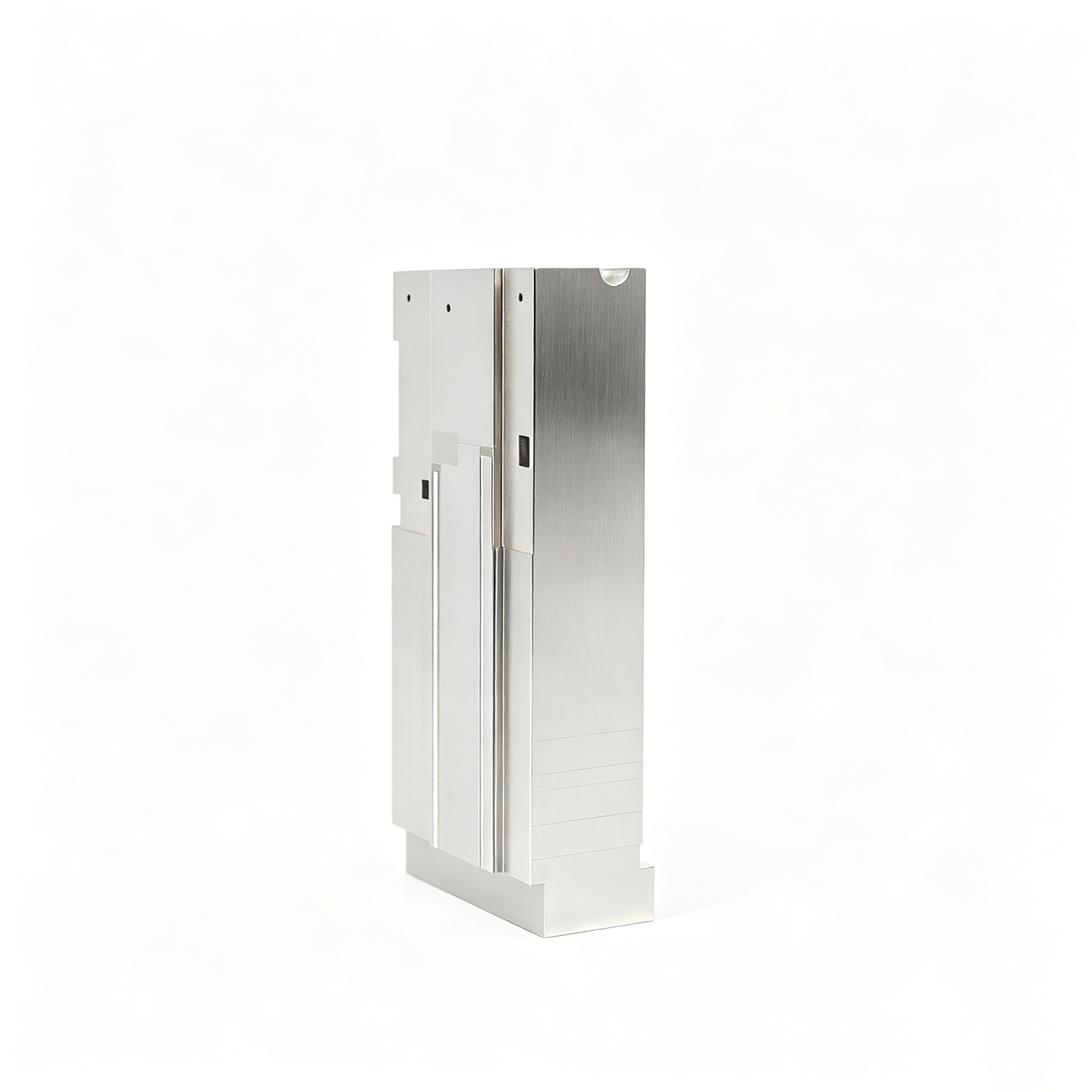
Connector Mold Components
Precision connector mold components for high-detail tooling, including inserts, pins, cavities, and related formed features. Process planning addresses small geometry, terminal or mating-feature alignment, EDM and grinding needs, material condition, and inspection of dimensions that affect connector function.
Upload a Drawing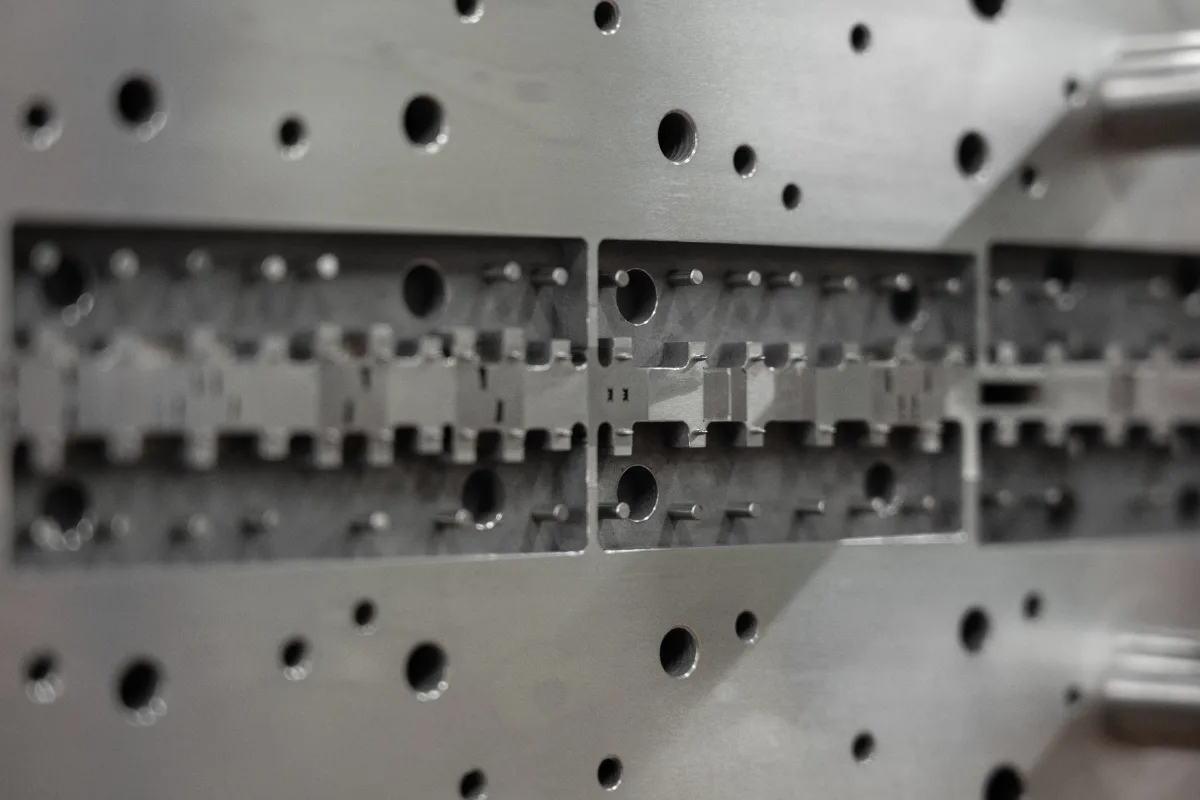
Stamping Die Components
Precision stamping die components for drawing-based die assemblies, including punches, inserts, guides, and wear components. The route is selected around profile accuracy, edge condition, hardness, clearance relationships, grinding stock, and the component’s role in the overall die set.
Upload a Drawing
Injection, MIM, CIM & Overmolding Tooling
Injection, MIM, CIM, and overmolding tooling components manufactured within verified project scope. Reviews consider molding-specific geometry, core and cavity relationships, feed or gate features, material and heat-treatment needs, tool access, and the functional interfaces requiring inspection.
Upload a Drawing
Machining Materials
CNC machining materials selected against the drawing, application, required condition, machinability, and downstream processes. Buyers should specify material grade, approved alternatives, certification or traceability needs, heat-treatment state, and any mating, corrosion, or wear considerations.
Upload a Drawing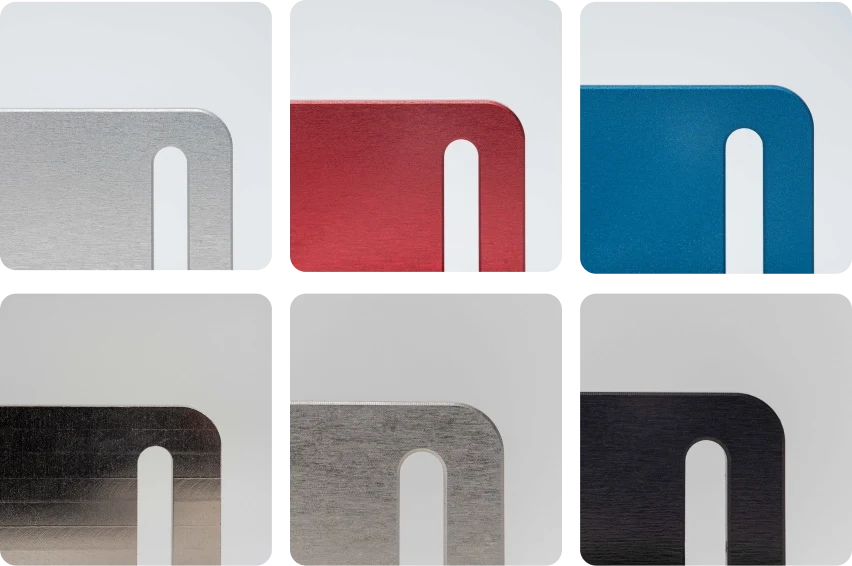
Surface Finishes & Heat Treatment
Surface finishing and heat treatment planned as part of the dimensional process route, not as an afterthought. Requirements may affect machining allowance, distortion risk, surface condition, final grinding, corrosion resistance, wear behavior, and the inspection sequence needed for acceptance.
Upload a Drawing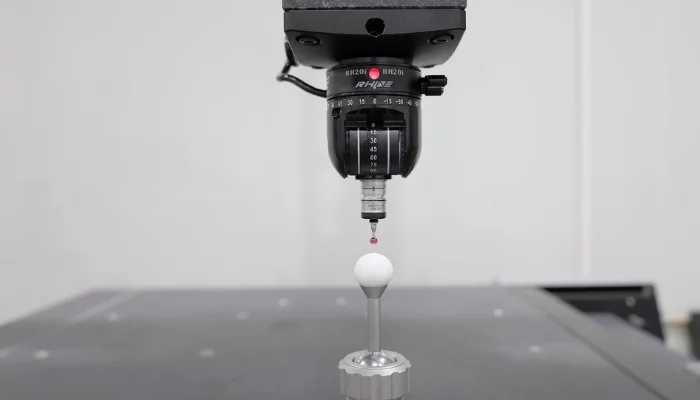
Quality, Metrology & Documentation
Precision inspection, metrology, and quality documentation aligned to the order and approved inspection plan. Critical dimensions, datums, measuring methods, revision status, material records, and requested reports are clarified before production so delivered evidence matches the part requirement.
Upload a Drawing
Prototyping & Low-Volume Production
Rapid prototyping and low-volume manufacturing for drawing-driven parts that require controlled learning before broader release. Reviews align quantity, revision maturity, material and finish needs, critical features, inspection level, and target date with a practical process route.
Upload a DrawingMaterials for CNC Machined Pistons
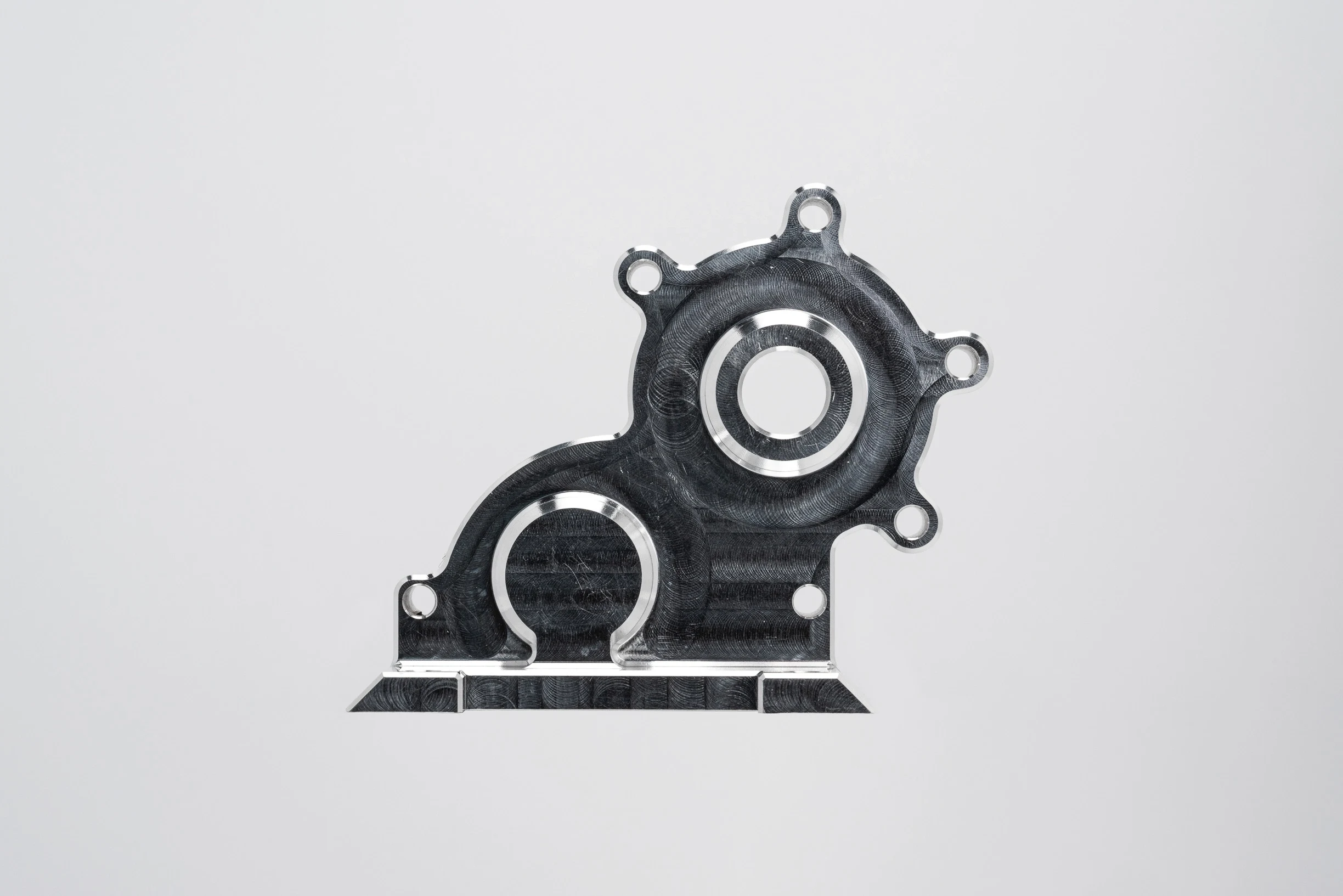
2618 Aluminum Alloy
A high-strength aluminum candidate for performance-oriented piston applications where low mass and elevated-temperature behavior matter. Its machining response, thermal expansion, ring-groove design, and any heat-treatment requirement should be reviewed against the drawing.
4032 Aluminum Alloy
A silicon-bearing aluminum option often considered where dimensional stability, wear behavior, and production practicality must be balanced. Final suitability depends on service temperature, skirt and ring-land geometry, surface finish, and the specified inspection plan.
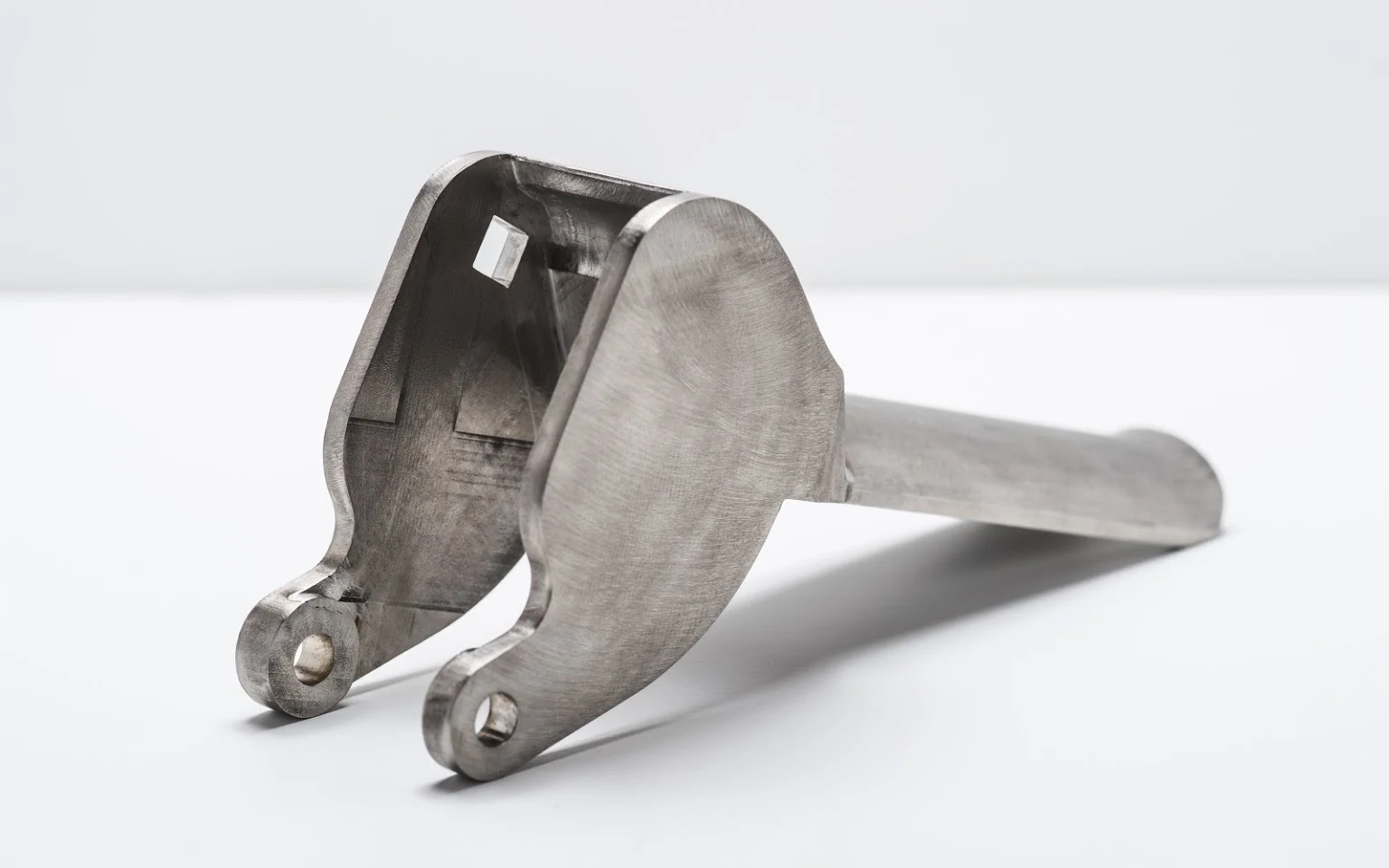
Alloy Steel Grades
Steel grades may suit applications prioritizing strength, fatigue resistance, or durability under demanding loads. Material condition, hardness target, machining allowance, grinding stock, and heat-treatment sequence need confirmation before production commitments are made.

Cast Iron Grades
Cast iron can be evaluated for selected piston-related or companion components where wear resistance and damping characteristics are relevant. Grade selection must account for section geometry, machining access, mating requirements, and the required finished condition.

Specialty Material Grades
Specialty alloys may be considered when a drawing identifies unusual temperature, weight, corrosion, or strength requirements. SUUXIANG reviews material availability, machinability, process risks, and inspection evidence before accepting a drawing-based CNC piston project.
CNC Machined Pistons: Machining and Finishing Processes
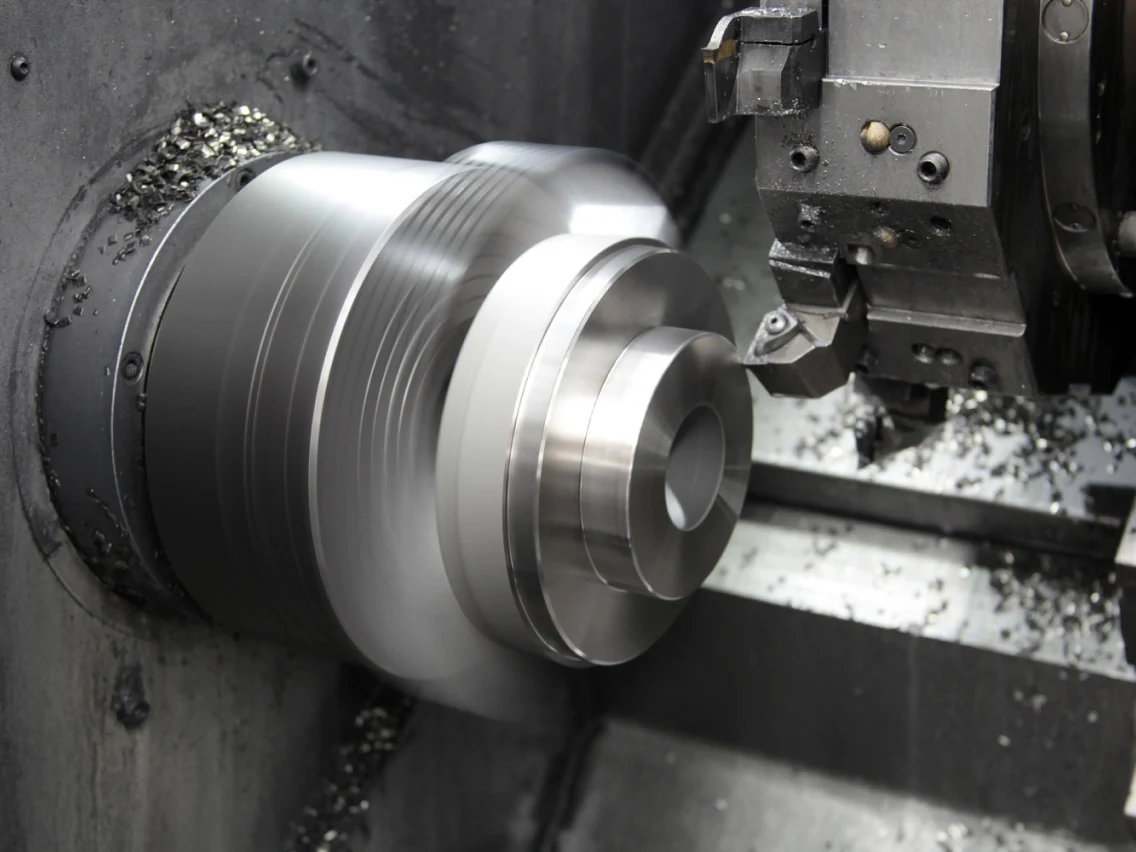
CNC Turning
Turning establishes rotational profiles, outside diameters, ring-groove geometry, and reference surfaces where the drawing supports a lathe-based route. SUUXIANG reviews datum control, clamping access, and required surface finish before committing to the process plan.
CNC Milling
Milling creates crowns, reliefs, flats, slots, and other non-rotational features on CNC machined pistons. Tool reach, wall geometry, burr-control needs, and feature-to-datum relationships are reviewed to define a practical machining sequence.
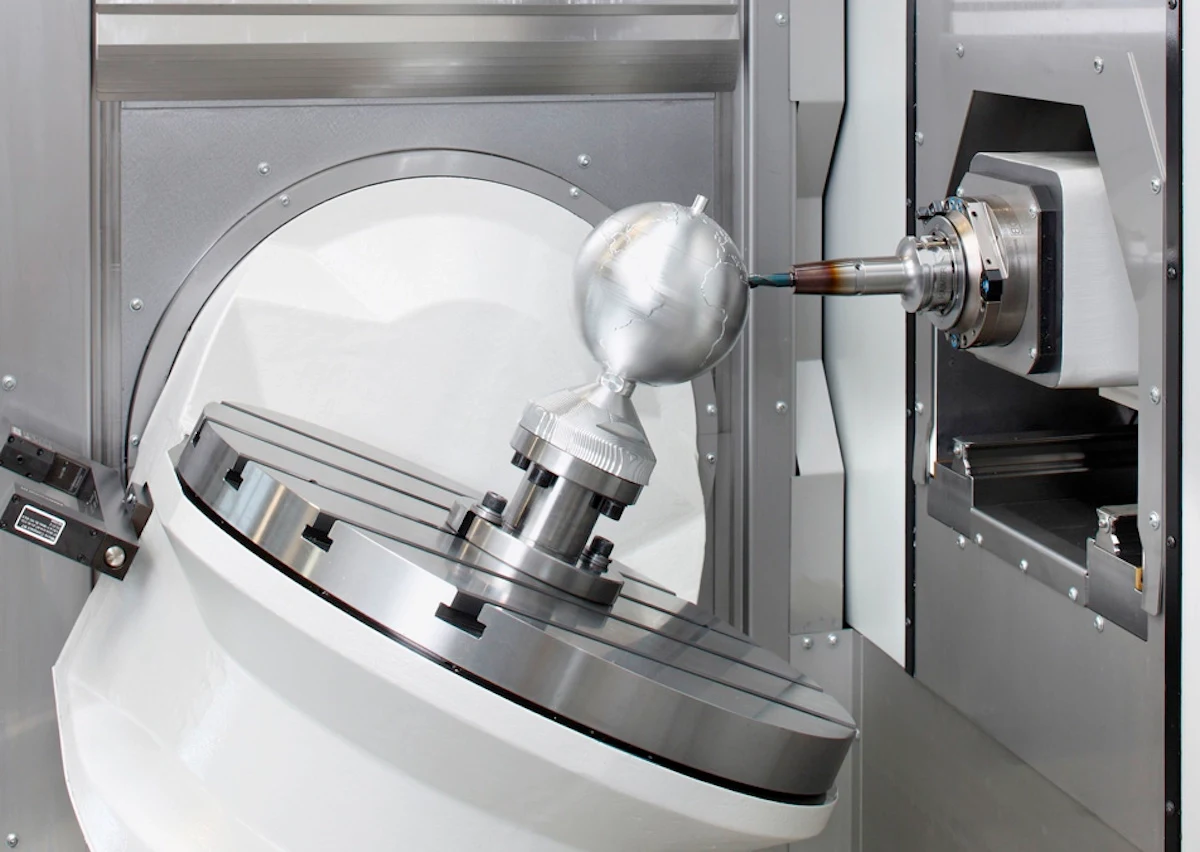

EDM Features
Wire or sinker EDM may be considered for narrow slots, hard-material features, internal corners, or geometry with limited cutter access. Electrode design, wire path, recast-layer considerations, and downstream finishing requirements must be agreed during drawing review.

Precision Grinding
Grinding is used where the specified surface condition, final stock removal, form control, or fit relationship calls for a dedicated finishing operation. SUUXIANG evaluates heat-treatment sequence, grinding allowance, reference surfaces, and the proposed inspection method.
Fitting Inspection
Fitting and inspection verify functional relationships between piston features and any supplied mating-component requirements. Critical dimensions, gauges, reporting format, revision status, and acceptance criteria should be defined before production so documentation matches the order.
CNC Machined Pistons: Supported Features and Companion Components
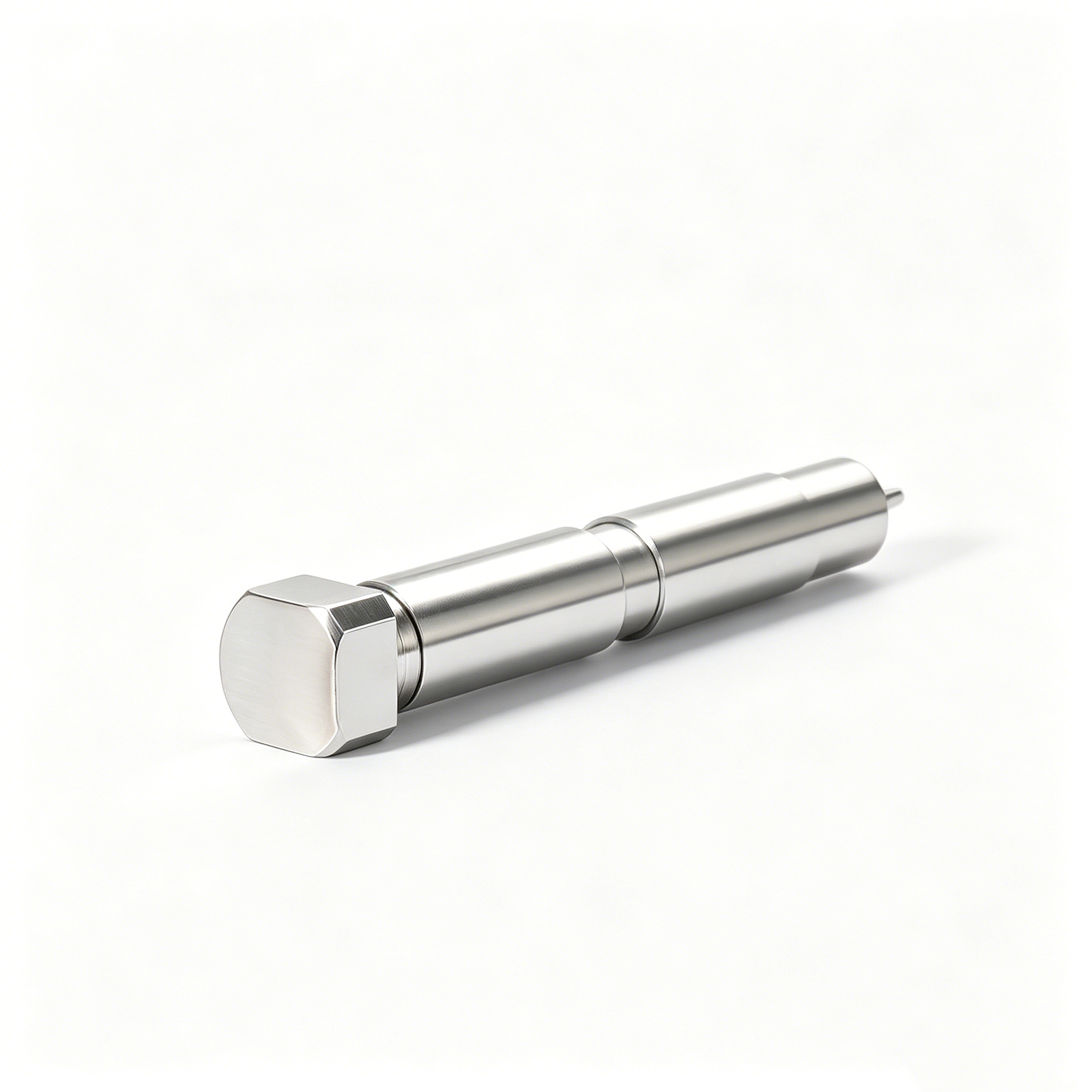
Pin Bore Features
Pin bores, bosses, and related oil passages can be evaluated as drawing-controlled features. SUUXIANG reviews datum relationships, tool access, surface requirements, and inspection methods before selecting a workable machining route.

Ring Groove Profiles
Ring grooves, lands, and relief details require clear dimensional priorities and surface expectations. Drawing review helps define the turning, milling, EDM, or finishing sequence needed to protect critical geometry.

Locating Features
Locating diameters, dowel interfaces, flats, and reference faces can be incorporated where the assembly requires repeatable positioning. Their relationship to functional datums should be specified for manufacturability and inspection planning.

Mold Core Inserts
Precision core and cavity inserts can support piston-related molding or development programs when within verified production scope. Material condition, EDM strategy, grinding stock, fitting needs, and inspection requirements are reviewed from the drawing.

Tooling Components
Companion tooling components, including guides, pins, ejector elements, and die details, may be quoted alongside CNC machined pistons. Submit mating information and revision-controlled drawings so critical interfaces can be evaluated together.
CNC Machined Pistons, Drawing-Driven
SUUXIANG is the public-facing brand of Dongguan SuuXiang Precision Mold Co., Ltd., established in 2010 in Chang’an Town, Dongguan, Guangdong, China. We help international B2B teams turn controlled drawings and specifications into inspected custom CNC parts, precision mold components, connector tooling, and related low-volume manufacturing work.
For CNC machined pistons and other precision components, our approach begins with drawing review. We examine critical dimensions, datums, material and heat-treatment requirements, machining access, surface priorities, inspection needs, and revision status before making production commitments. This creates a clearer basis for DFM discussion, process planning, and quotation.
Our manufacturing workflow combines CNC milling and turning, multi-axis machining, EDM, precision grinding, fitting, and inspection where the verified project scope requires them. SUUXIANG differentiates its work through disciplined communication, traceable revision control, and inspection documentation aligned with the order and agreed quality plan.

CNC Machined Pistons: A Drawing-Review Workflow
DFM Before Commitment
SUUXIANG reviews the drawing, 3D model, material condition, quantity, and application context before confirming a route for cnc machined pistons. The review identifies manufacturability questions early, so quotation assumptions, critical features, and revision requirements remain visible.
- Identify critical-to-quality dimensions and functional datums
- Review tool access, wall conditions, and feature sequence
- Clarify material, heat treatment, and surface requirements
- Record drawing revisions before production planning
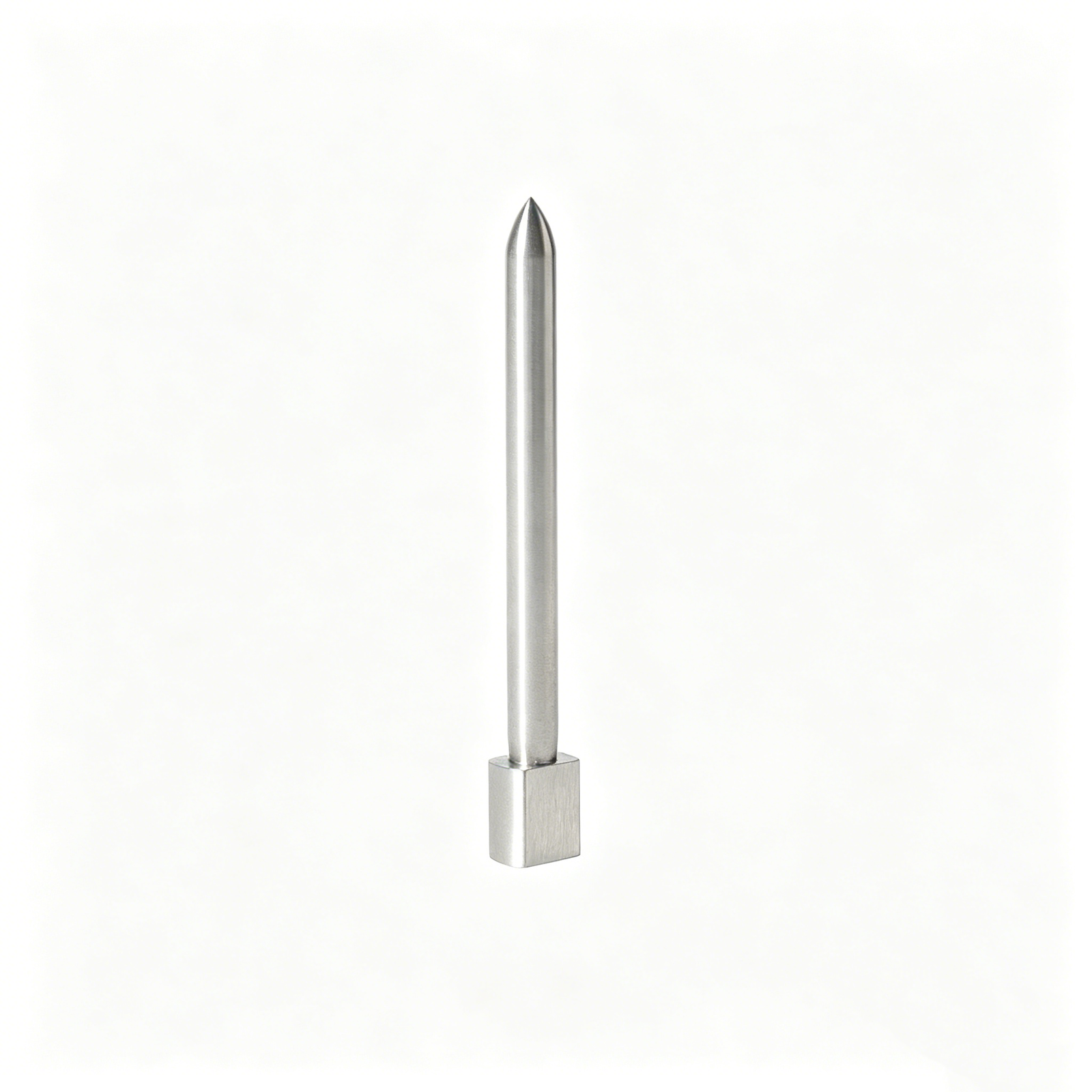
Process Routes Match Geometry
Piston geometry may require more than a single CNC setup. SUUXIANG plans the appropriate combination of turning, milling, EDM, grinding, fitting, and intermediate control around the approved drawing, rather than treating every feature as a standard machining operation.
- Plan turning and milling around accessible reference surfaces
- Assess wire EDM or sinker EDM for confined profiles
- Define grinding stock and finishing sequence where needed
- Protect datum relationships through setup planning
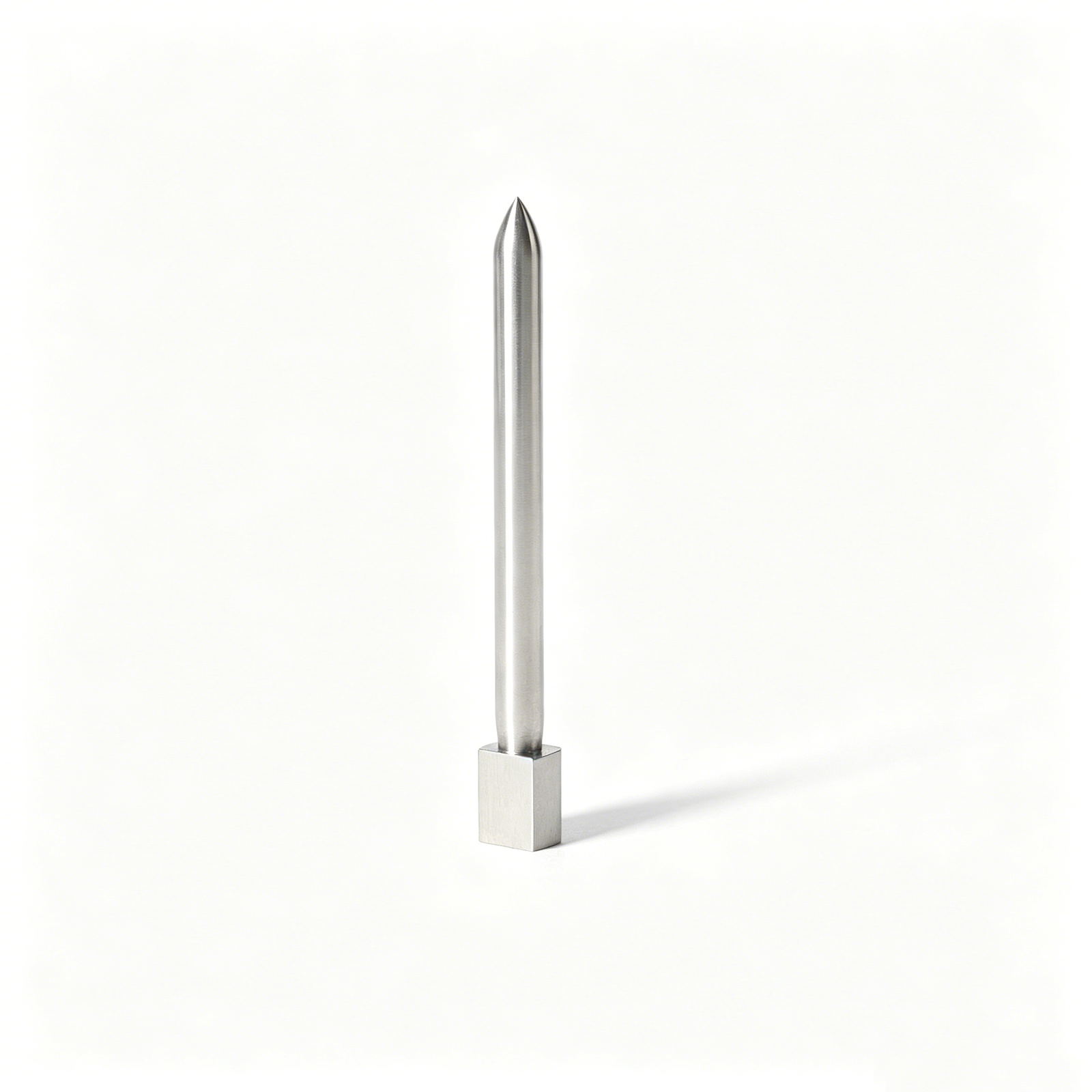
Critical Dimensions Drive Control
A useful piston RFQ distinguishes functional dimensions from general drawing dimensions. For cnc machined pistons, SUUXIANG can align machining and inspection planning with bore relationships, groove geometry, profile requirements, mating interfaces, and specified surface priorities.
- Mark dimensions that affect fit, sealing, or motion
- Specify datum references for meaningful measurement
- State surface finish and form requirements clearly
- Provide mating-component context when it affects function

Inspection Records Match Orders
Inspection is planned against the agreed drawing, revision, and quality requirements. SUUXIANG coordinates measurement methods and final documentation with the order’s verified inspection plan, helping procurement and supplier-quality teams review what was checked and against which requirements.
- Confirm required reports before production begins
- Match inspection records to the active drawing revision
- Define sampling or full-inspection expectations when required
- Keep delivery and revision communication traceable
CNC Machined Pistons: SUUXIANG vs. Typical Suppliers
Compare drawing review, process planning, revision control, and inspection communication before you commit an OEM piston program.
← Swipe left or right to view →
CNC Machined Pistons: From RFQ to Delivery
A drawing-driven workflow that keeps DFM decisions, critical dimensions, inspection requirements, revisions, and delivery coordination visible throughout the project.
Review RFQ Package
We review drawings, models, material, quantity, application context, target delivery, and reporting needs to identify missing information before quotation.
Confirm DFM Strategy
Critical dimensions, datums, tolerance stack, tool access, machining allowance, heat-treatment sequence, and EDM or grinding needs are discussed before production commitments.
Plan Manufacturing Route
The approved route combines CNC milling, turning, multi-axis machining, wire EDM, sinker EDM, grinding, and fitting according to verified project requirements.
Machine Critical Features
CNC machined pistons progress through controlled operations, with feature-specific process choices for crowns, grooves, pin areas, contours, and related precision components.
Inspect and Document
Parts are inspected against the agreed drawing and inspection plan, while revision status and required quality documentation remain aligned with the order.
Pack and Coordinate Delivery
After final acceptance, parts are packed for the agreed shipment method and delivery details are coordinated with the customer’s project schedule.
CNC Machined Pistons: Customer Evidence Status
Move from drawing review to approved, inspected production with requirements and revisions kept clear at each decision point.
Submit Your Drawing Package
Provide 2D drawings, 3D models when available, application context, quantity, target delivery date, and any mating-component information relevant to CNC machined pistons.
Define Critical Requirements
Specify material, heat treatment, critical dimensions, datums, surface requirements, inspection reports, and functional priorities so SUUXIANG can assess manufacturability before quotation.
Review Process Details
Evaluate the proposed process route, including machining access, turning, milling, EDM, grinding allowances, inspection approach, commercial terms, and any open technical questions.
Approve Production Release
Confirm the agreed drawing revision, requirements, quantity, and delivery plan before coordinated machining and inspection begin under the verified order documentation.
CNC Machined Pistons Quality Documentation
CNC Machined Pistons: Customer Cases Pending Verification
No customer testimonial is approved for publication until project context, measurable outcomes, and written permission are verified. Current approved public case count: 0.
A publishable piston-machining case must identify the drawing revision, material, quantity, critical dimensions, inspection evidence, and customer-approved outcome before any performance claim is released.
Customer names, company details, ratings, and delivery or quality results remain unpublished unless the customer authorizes disclosure and the related production records support every stated result.
The Complete Buyer’s Guide to CNC Machined Pistons
Use this practical decision framework to specify CNC machined pistons, compare materials and manufacturing routes, assess supplier capability, control quality risk, and avoid costly sourcing mistakes before production.
What files should I send for cnc machined pistons?
Is there a minimum order quantity for cnc machined pistons?
Can SUUXIANG provide samples before production of cnc machined pistons?
What material and heat-treatment information is needed for a piston RFQ?
Can I request inspection reports with my order?
How is lead time confirmed for custom piston parts?
Can SUUXIANG arrange international shipping for cnc machined pistons?
How are payment terms and intellectual property handled?
The Complete Buyer’s Guide to cnc machined pistons
Use this practical decision framework to specify cnc machined pistons, compare materials and manufacturing routes, assess supplier capability, control quality risk, and avoid costly sourcing mistakes before production.
1. What Are cnc machined pistons?
Two source routes define cnc machined pistons: machining a billet into the finished form, or finish-machining a cast or forged blank. In drawing-based sourcing, the term describes the controlled manufacture of the crown, skirt, ring-groove, pin-bore, and relief geometry from approved dimensional data.
Three functional interfaces drive the CNC plan: the crown manages chamber-side geometry, ring grooves locate sealing elements, and the pin bore establishes the connecting-rod relationship. Turning commonly establishes rotational features and datum surfaces; milling, drilling, boring, and deburring complete non-rotational details where tool access permits.
One billet route is useful when the design needs rapid geometry changes or no dedicated forming tooling. Machining a casting or forging instead retains its near-net starting shape and focuses CNC work on controlled interfaces. Buyers commonly select either route for prototypes, validation builds, service replacements, or defined low-volume quantities after SUUXIANG reviews the drawing, material condition, critical dimensions, and inspection requirements.
2. Evolution of cnc machined pistons
Two established blank routes—casting and forging—created the starting geometry before machining brought crowns, ring grooves, pin bores, and skirts to drawing dimensions. At this stage, buyers had to manage more variation through allowances, setup discipline, and final finishing.
Numerical control shifted repeat work from operator-dependent layouts toward programmed turning, milling, drilling, and grinding sequences. For cnc machined pistons, that change made datum definition, tool paths, revision-controlled programs, and repeatable inspection results central RFQ requirements.
Multi-axis machining and inspection-led workflows now shorten the loop between a revised model and a verified first article. A buyer should therefore request the 2D drawing, 3D model, critical dimensions, material condition, surface requirements, measurement method, and revision status—not assume that a piston blank alone defines acceptance.
3. Types of cnc machined pistons
Five piston families share a reciprocating form but not the same thermal load, sealing method, or acceptance criteria. Classify the application before selecting a process route or issuing an RFQ.
| Type | Operating Priority | Defining Geometry | Drawing Information Needed |
|---|---|---|---|
| Automotive combustion | Combustion sealing | Crown, ring belt, pin bosses | Bore, rings, pin, combustion datum |
| Racing or performance | Low mass, high load | Sculpted crown, short skirt | RPM, pressure, clearance |
| Compressor | Gas sealing, temperature | Ring grooves, valve relief | Gas, pressure, lubricant, bore |
| Hydraulic or pneumatic | Leakage control | Seal grooves, bearing lands | Fluid, pressure, seal specification |
| Industrial engine | Service life | Crown, ring pack, cooling features | Fuel, duty cycle, liner, mating rod |
Application Categories
5 categories require different geometry controls. Crown features, ring lands, skirts, pin bosses, seal grooves, and bearing lands must be defined against functional datums.
Prototype Versus Replacement
1 prototype should identify the functional question, acceptable deviations, and test conditions. Replacement parts need verified mating dimensions, wear-state assumptions, and revision identity.
Production Intent Review
2 production-intent priorities are repeatable inspection and controlled revision release. Quantity alone does not establish the applicable process, inspection method, or acceptance plan.
4. Materials for cnc machined pistons
2618 and 4032 aluminum alloys are common piston candidates, while steel and titanium serve narrower duty cycles. Select material from operating load, temperature, lubrication, mating surfaces, and validation evidence—not alloy reputation alone.
| Material Family | Weight | Thermal Behavior | Wear And Machining |
|---|---|---|---|
| 2618 aluminum | Low | High expansion | Machinable; protect mating surfaces |
| 4032 aluminum | Low | More stable than 2618 | Machinable; finish per application |
| Steel alloy | High | Lower expansion | Strong; harder machining, wear-focused |
| Titanium alloy | Medium | Application dependent | High strength; difficult machining |
Material Tradeoffs
4032 favors dimensional stability and machinability; 2618 is often considered where elevated-temperature strength matters. Steel raises mass but can suit high-load, wear-sensitive designs; titanium requires an application-specific cost and validation case.
Blank And Finish Route
Forged, cast, bar, or pre-machined blanks can change grain flow, stock allowance, availability, and cost. Confirm that the chosen alloy accepts the specified coating, anodizing, plating, heat treatment, or surface finish without compromising critical fits.
Certification And Traceability
Each RFQ should request a mill test certificate tied to the blank heat or lot, alloy designation, temper or heat-treatment condition, and material standard. Retain purchase, incoming-inspection, process, and final-inspection records against the drawing revision and part identification.
5. Customizing cnc machined pistons
Custom cnc machined pistons should be defined from functional interfaces, not from appearance. SUUXIANG reviews the drawing, model, material condition, critical dimensions, and inspection expectations before confirming a workable process route.
| Feature Group | Manufacturing Definition | Inspection Reference |
|---|---|---|
| Ring grooves | Width, depth, flank geometry | Datum and groove callout |
| Pin bore | Diameter, axis, surface | GD&T datum scheme |
| Marking | Location and method | Approved revision drawing |
Functional Geometry
Crown bowls, valve reliefs, ring grooves, pin bores, skirts, and oil features are design-critical changes. Each can alter mass, sealing, clearance, lubrication, or machining access.
Primary datums should control crown height, pin-bore axis, groove location, and skirt profile. Supply GD&T, unilateral limits, surface callouts, and mating-part context.
- Crown profile and relief depth
- Ring groove width and flank condition
- Pin-bore size, axis, and boss geometry
- Skirt contour and oil-drain features
Finish And Identification
Surface requirements should distinguish functional finishes from cosmetic marking. Specify coating type, masked areas, roughness method, deburring limits, and permitted tool marks.
Part numbers, revision marks, lot codes, and orientation marks are identification features. Define their location, depth or contrast, and whether they are allowed on loaded surfaces.
Mass And Revision Control
Balancing requirements need a target mass, allowable variation, measurement condition, and removal zones. Do not leave mass correction to supplier judgment without approved locations.
Controlled revisions require a released 2D drawing, matching 3D model, revision identifier, and change notice. SUUXIANG can align inspection documentation to the agreed revision and order requirements.
6. Critical quality elements for pistons
Three linked controls determine whether cnc machined pistons fit predictably: functional datums, measurable feature requirements, and an agreed acceptance record. The drawing should identify which dimensions govern cylinder, ring, and pin interfaces.
Geometry And Datum Control
Primary-datum selection should reference the functional axis and seating face, not convenient clamp surfaces. Diameter profile, roundness, concentricity, ring-groove width and depth, and pin-bore position require stated datums and tolerances.
Surface And Part Condition
Surface-finish callouts should name the controlled surface and measurement direction where function depends on it. Burr limits, edge-break requirements, cleanliness condition, and material identification should be defined before release.
Inspection Evidence
First-article review should compare the initial part against the latest drawing, revision, and inspection plan before repeat production. Measurement reports should record actual results, instruments or methods, datum setup, material evidence, and any approved deviation.
7. Choosing a cnc machined pistons manufacturer
A capable supplier evaluates cnc machined pistons as functional assemblies, not isolated dimensions. SUUXIANG begins with drawing review, CTQs, datum strategy, material requirements, and the required inspection evidence.
| Review Area | Ask | Evidence |
|---|---|---|
| Fixture planning | How is distortion controlled? | Setup plan |
| Inspection | How are CTQs verified? | Measured report |
| Capacity | Can repeat demand be planned? | Production schedule |
Engineering Review
2D drawings and 3D models should be reviewed against functional datums, ring-groove geometry, pin-bore relation, and surface priorities.
Three RFQ questions expose depth: Which dimensions drive function? What fixture and datum transfer are proposed? Which features require turning, milling, EDM, or grinding?
Process And Material Control
Material certificates should be tied to the order; heat-treatment sequence and machining allowance must be agreed before release.
One inspection plan should name instruments, sampling, report format, and traceability to the drawing revision.
Approval And Change Control
First-article approval should compare measured results with agreed CTQs before repeat production.
Each change should require revision acknowledgement, impact review, capacity confirmation, and written delivery communication.
8. Common cnc machined pistons sourcing mistakes
Eight recurring RFQ gaps create avoidable risk in cnc machined pistons. Resolve them during drawing review, before material is ordered or machining datums are set.
Define Dimensions And Datums
2D drawings without tolerances, datum references, or surface callouts force assumptions. Provide CTQ dimensions, geometric tolerances, and functional surfaces; otherwise fit and repeatability can drift.
Specify Material And Interfaces
1 low-price material choice can override fatigue, thermal, or mating requirements. State grade, condition, heat treatment, and cylinder, ring, pin, or rod interfaces; omission risks costly mismatch.
Confirm The Blank Route
3 blank options—bar, forging, and casting—leave different stock, grain, and machining-access conditions. Identify the intended blank or allow route review; late changes can extend schedule and alter cost.
Require Usable Inspection Evidence
1 inspection statement without methods, sampling, or report requirements is not acceptance evidence. Define measured features, datum setup, gauges, reporting format, and traceability; vague records weaken containment decisions.
Control Revisions And Prototypes
1 informal drawing change can invalidate programmed features and inspection plans. Issue revision-controlled files and plan prototype feedback loops; skipped learning cycles can repeat defects in the next build.
9. From RFQ to approved production
One controlled launch sequence prevents engineering, purchasing, and quality from using different assumptions. For cnc machined pistons, release should follow documented decision gates, not email approval alone.
Prepare The Technical Package
Gate 1 starts with a revision-controlled 2D drawing and 3D model. Include material, heat treatment, quantity, application, and target delivery date.
One CTQ list should identify crown, ring-groove, skirt, and pin-bore datums. Attach surface requirements, mating-part context, and required inspection reports.
Close DFM And Quote Assumptions
Gate 2 is a recorded DFM response before purchase-order issue. Review machining access, workholding, datum transfer, allowance, and inspection method for each critical feature.
One quotation-assumption sheet must state the accepted revision, material route, included operations, quantity, and delivery basis. Engineering approves technical deviations before procurement releases the order.
Approve First Article And Release
Gate 3 is sample or first-article approval against the agreed inspection plan. Compare measured CTQs with drawing requirements and formally disposition every deviation.
One release pack locks the part revision, approved sample status, inspection plan, packaging requirements, and change-control contact. Incoming quality should verify identification, quantity, documentation, and agreed inspection evidence.
- Approved drawing and 3D model
- DFM and quotation-assumption record
- First-article report and deviation disposition
- Production release and incoming-inspection checklist
10. cnc machined pistons pricing and cost
3 quantity tiers expose the main cost trade-off: a one-off absorbs programming, workholding and first-article verification, while repeat quantities spread those fixed activities. Material grade and blank route, crown and ring-groove geometry, thin-wall access, tolerance, finish, secondary treatment, protective packaging and expedited scheduling all change the route.
100% inspection is not interchangeable with sampling; the required characteristic list, gauge or CMM method, report format and traceability level must be priced with the part. Use the matrix only for budget direction—SUUXIANG requires the current 2D drawing, model when available, quantity, material, heat-treatment, inspection and delivery requirements for a commercially reliable quote.
| Quantity tier | Relative unit-cost index | Typical cost emphasis | Quotation inputs to confirm |
|---|---|---|---|
| 1–5 | 100 | Setup, fixturing, programming, first article | Blank route; critical dimensions; inspection plan |
| 10–50 | 55–75 | Machining cycle, tooling wear, inspection effort | Surface finish; secondary processes; report level |
| 100+ | 35–55 | Cycle time, repeatability, packaging, delivery cadence | Release schedule; lot size; sampling and traceability |
Upload Your CNC Machined Pistons Drawing
Include material, quantity, critical dimensions, inspection expectations, and target delivery requirements for a disciplined drawing review and RFQ.