
CNC Machined Trunnion Blocks, Reviewed Before Production
Send your drawing for DFM, critical-dimension review, process planning, and inspection planning for CNC machined trunnion blocks.
Representative Precision Components and Process Features


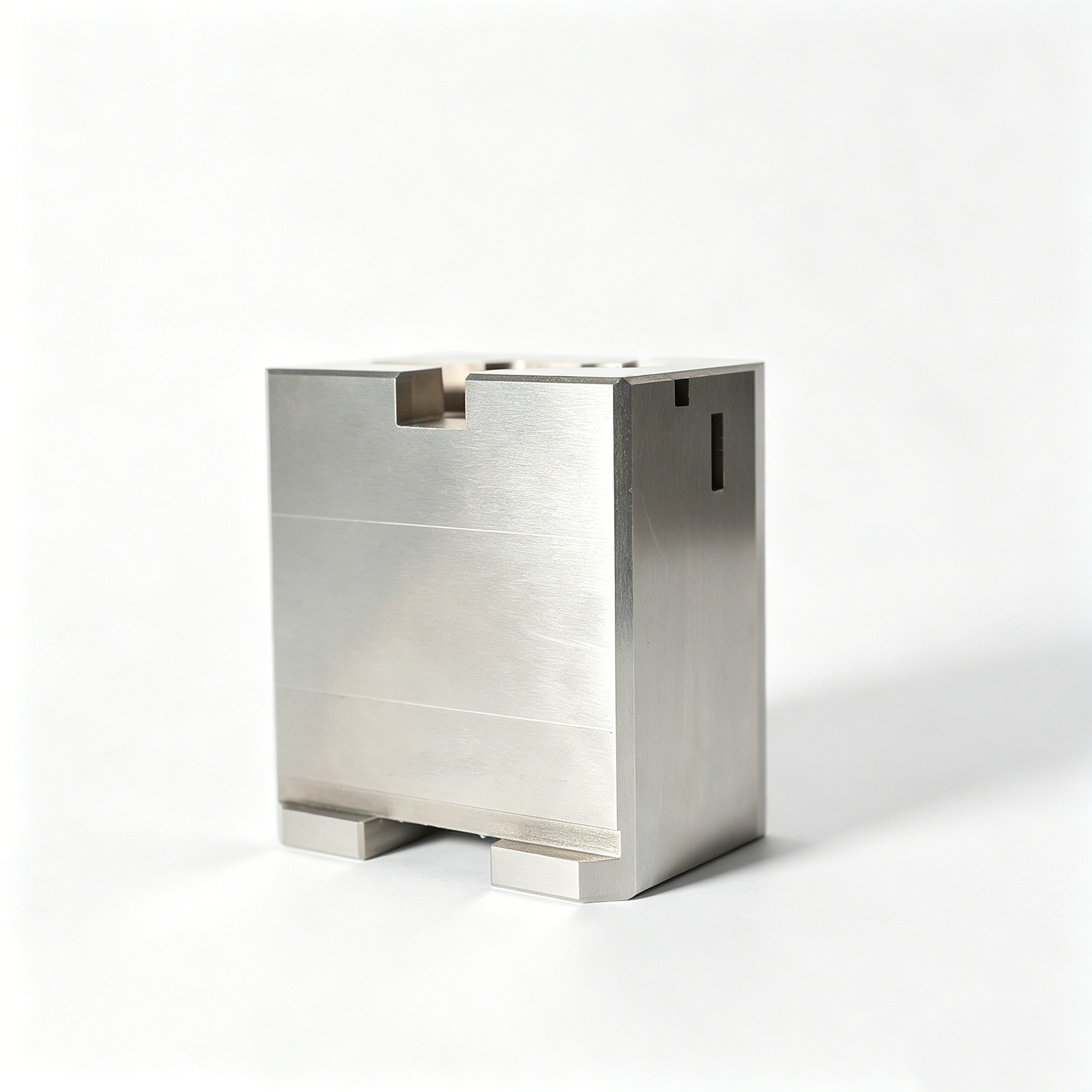


Related Drawing-Based Component Families


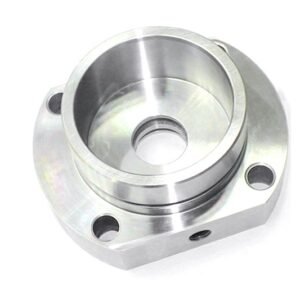


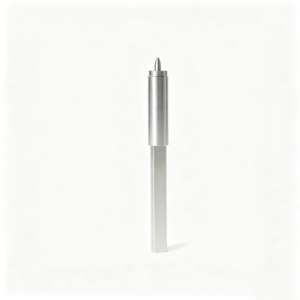


Why Source CNC Machined Trunnion Blocks from SUUXIANG
A drawing-driven workflow that aligns manufacturability, critical features, process routing, inspection evidence, and revision control before production begins.
Drawing-First DFM Review
We review datums, tool access, wall relationships, tolerances, and mating requirements to identify manufacturing questions before quotation and production planning.
Planned Process Routes
CNC milling, turning, multi-axis machining, EDM, grinding, and fitting are considered as a coordinated route for the specified geometry.
Critical Dimension Focus
Critical-to-quality dimensions are identified from the drawing so datum strategy, machining allowance, and inspection methods can be discussed early.
EDM and Grinding Coordination
Wire paths, electrode strategy, heat-treatment sequence, and grinding stock are reviewed where conventional cutting alone may not suit the feature.
Inspection Plan Alignment
Inspection expectations are aligned with drawing priorities, reporting needs, and agreed measurement methods before final documentation is prepared.
Visible Revision Control
Drawing revisions, manufacturing changes, and delivery information remain visible through project coordination to support traceable communication across your team.
Precision Manufacturing Capability Families
Drawing-driven process routes for custom parts, mold components, connector tooling and die components, reviewed against critical dimensions, materials and inspection requirements.

CNC Machining Services
Precision CNC machining services for drawing-based parts that require planned milling, turning, EDM, grinding and inspection routes. RFQ review should define critical dimensions, datum references, material condition, surface requirements and quantity before production commitments are made.
Upload a Drawing
CNC Milling
Custom CNC milling services for prismatic, plate, block and fixture-style components, including trunnion blocks where geometry and clamping access allow. Tool reach, internal-corner requirements, datum setup and remaining stock for subsequent processes are reviewed early.
Upload a Drawing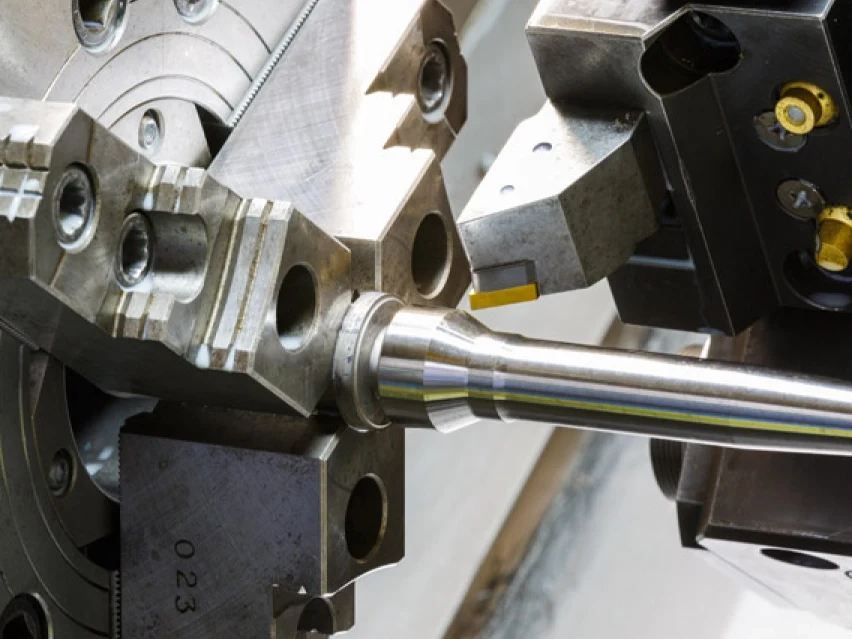
CNC Turning
Precision CNC turning services for rotational features such as pins, sleeves, shafts, bushings and cylindrical locating parts. Drawing review considers concentricity, runout, thread requirements, material condition, workholding and whether grinding or secondary machining is required.
Upload a Drawing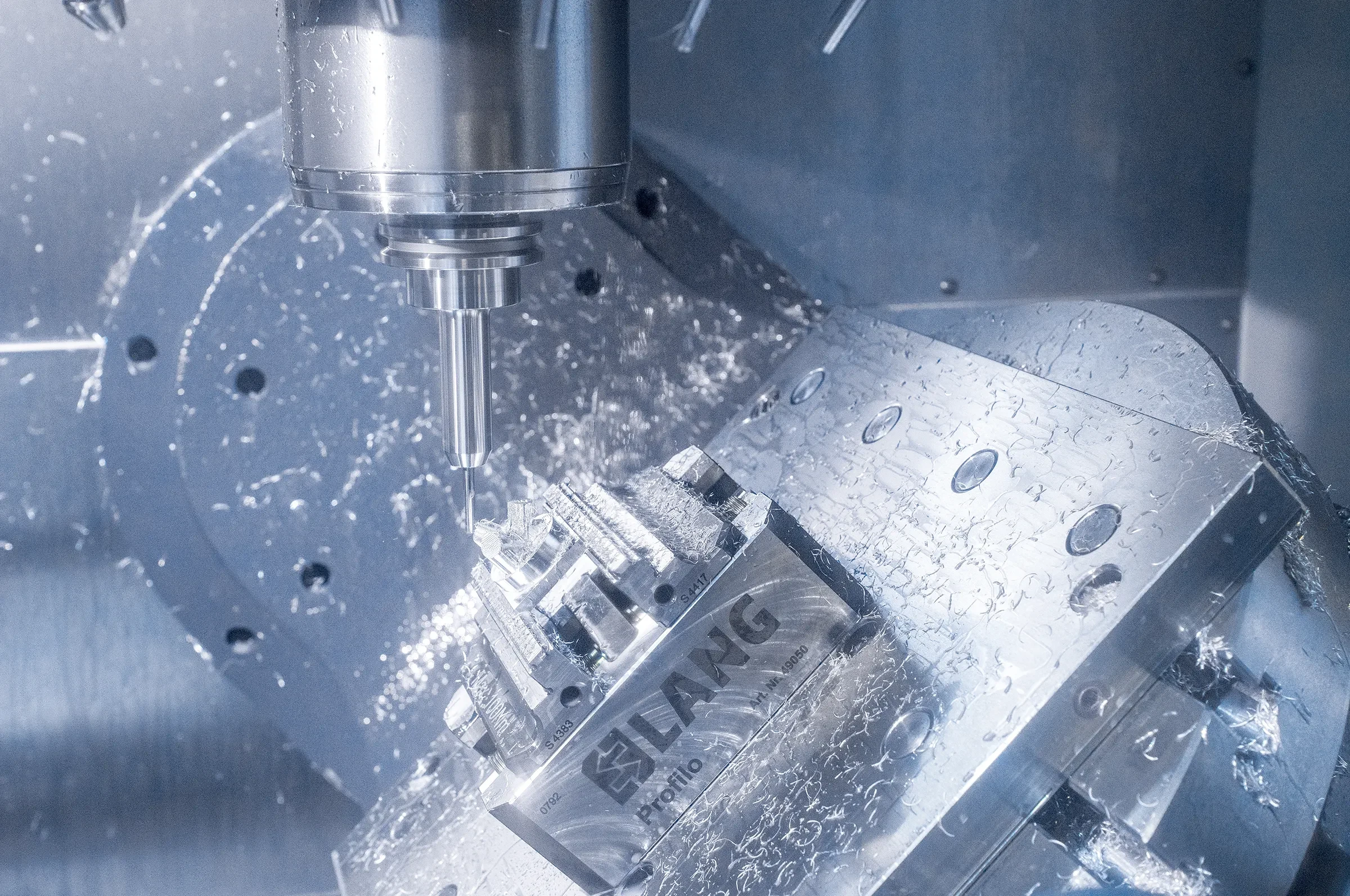
5-Axis Machining
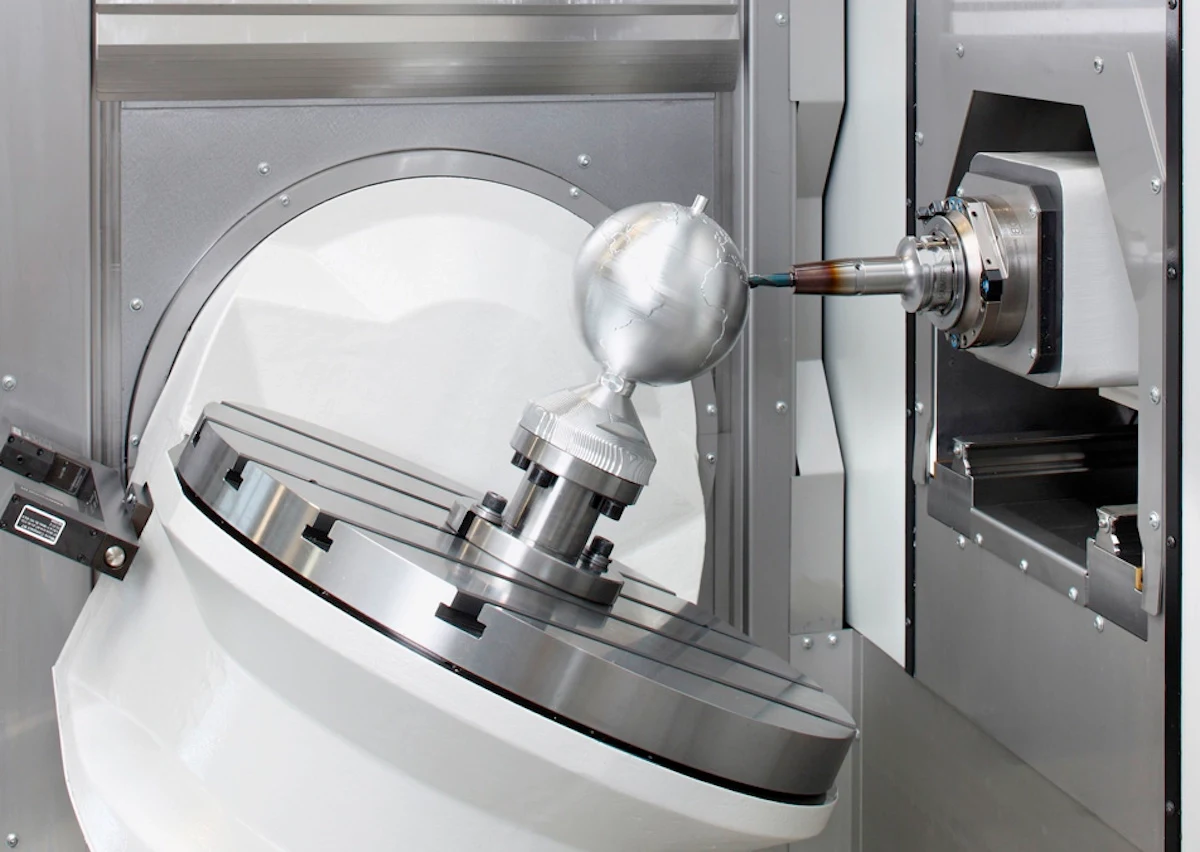
5-axis CNC machining for complex surfaces, angled features and multi-face components that benefit from fewer setups. Feasibility depends on tool access, fixture strategy, collision clearance, datum control, tolerances and the intended downstream EDM, grinding or fitting steps.
Upload a Drawing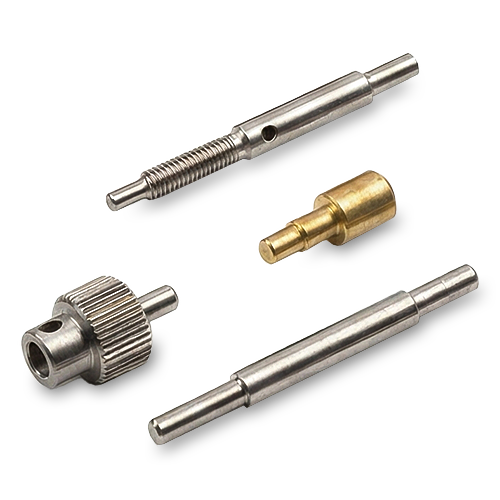
Swiss & Micro Machining
Swiss machining and micro machining for small, detailed turned components where feature stability, concentricity and handling need deliberate control. Provide dimensions, material, quantity, surface requirements and inspection priorities so the appropriate process route can be evaluated.
Upload a Drawing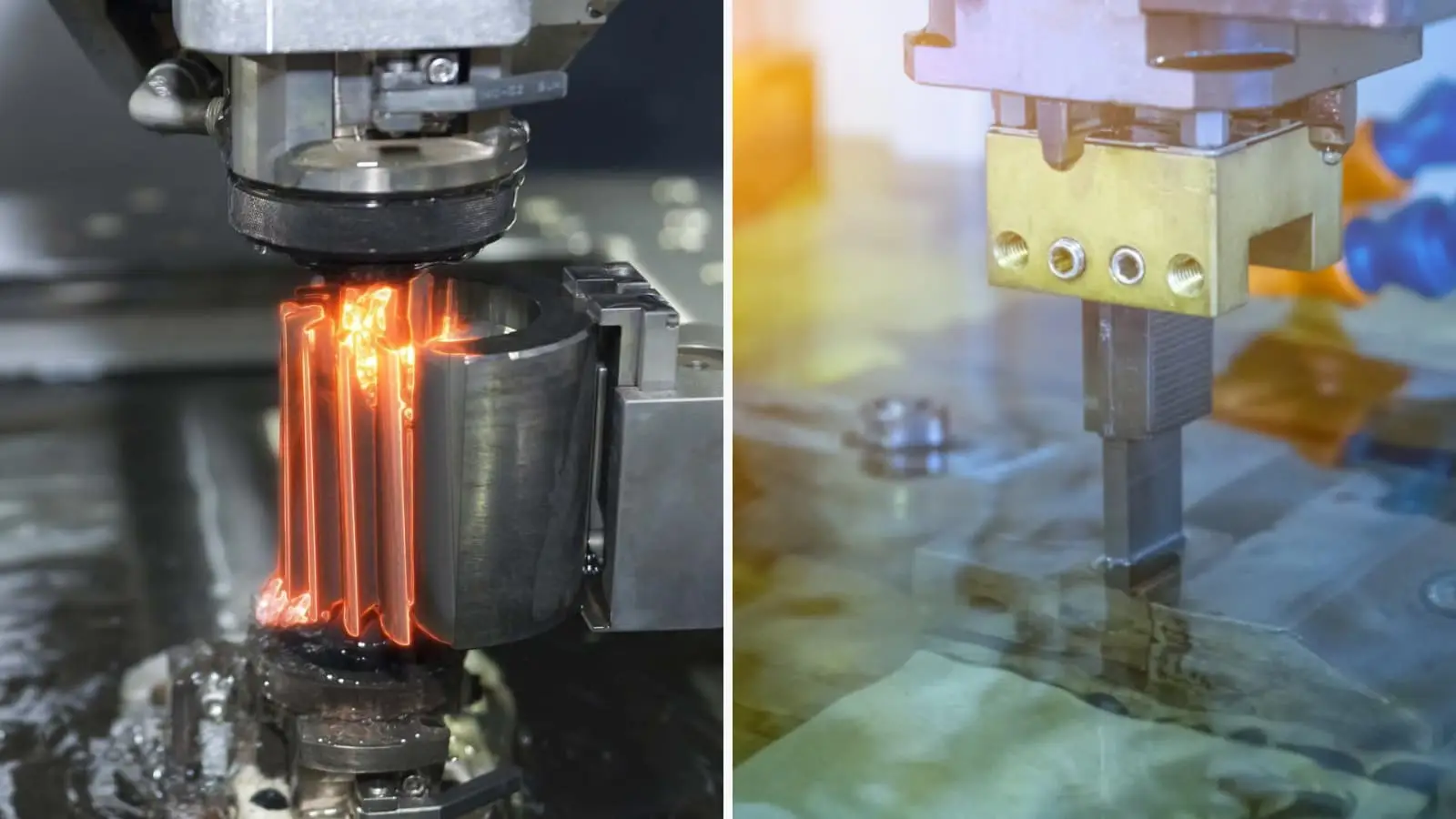
Wire & Sinker EDM
Wire EDM and sinker EDM services for profiles, sharp internal features, narrow slots and hardened-tooling details that conventional cutting tools cannot access efficiently. Electrode strategy, wire path, start holes, recast-layer considerations and finish requirements should be agreed before release.
Upload a Drawing
Precision Grinding
Precision surface and profile grinding for controlled flatness, parallelism, profile form and final-size requirements on suitable components. The manufacturing plan should account for heat-treatment sequence, grinding stock, datum condition, wheel access and the specified inspection method.
Upload a Drawing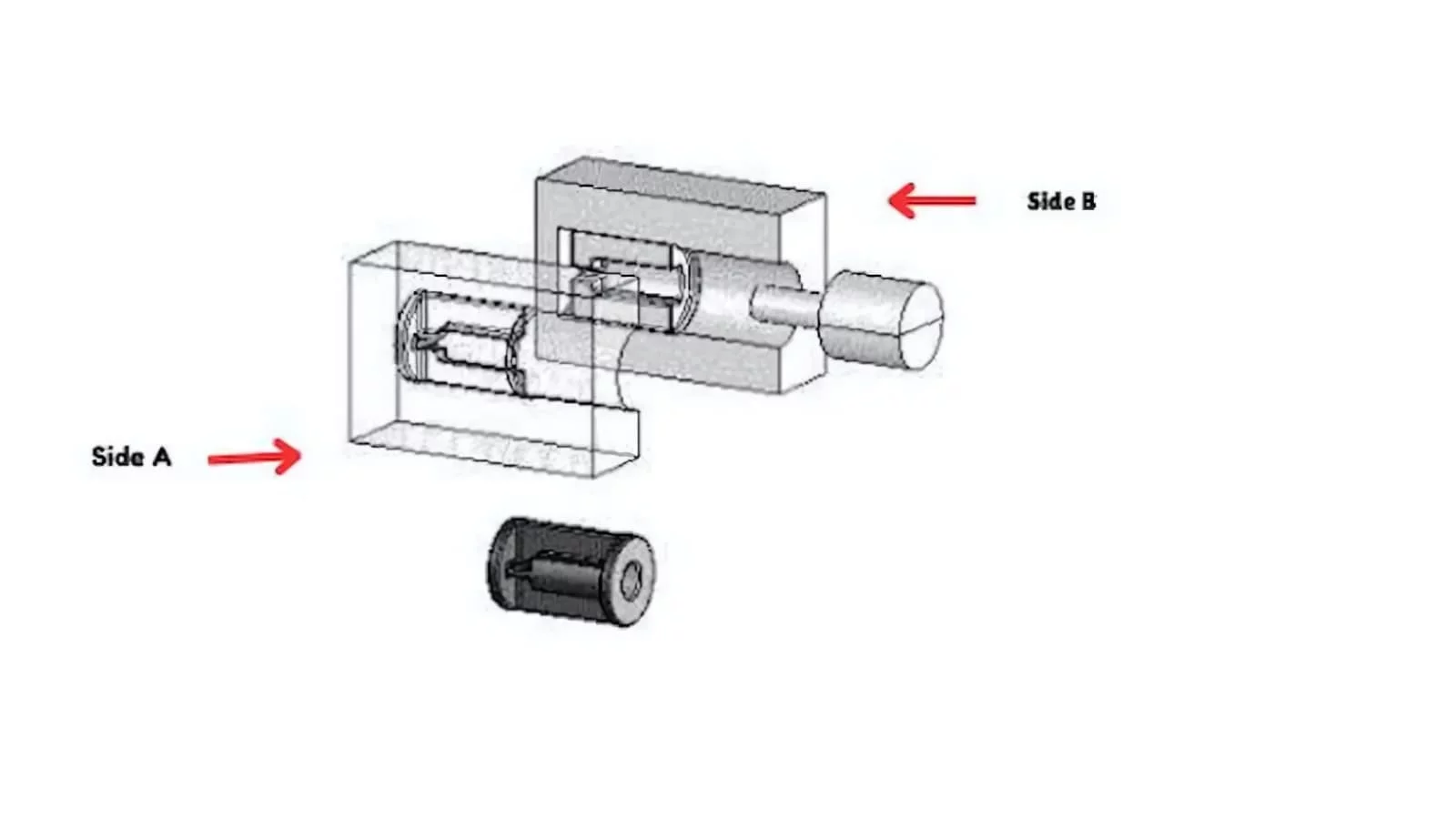
Mold Core & Cavity Inserts
Precision mold core inserts and mold cavity inserts produced from customer drawings and models for defined molding applications. Material, heat treatment, cooling details, shutoff geometry, EDM requirements, surface condition, and mating relationships should be reviewed as a coordinated tooling system.
Upload a Drawing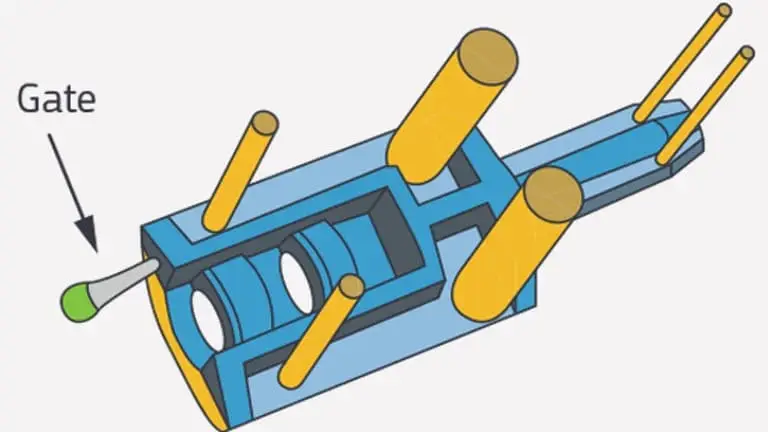
Ejector & Ejection Components
Ejector pins, sleeves and ejection components made to drawing-defined dimensions and functional interfaces. Production planning considers fit with plates and cores, guidance, hardness and finish requirements, lubrication or wear conditions, and inspection of the dimensions that affect ejection performance.
Upload a Drawing
Core Pins, Guide & Locating Components
Core pins, guide pins and locating components manufactured for mold alignment, feature formation and repeatable positioning. The RFQ should identify mating components, fit class, datum references, material and heat-treatment requirements, wear expectations and any grinding or EDM features.
Upload a Drawing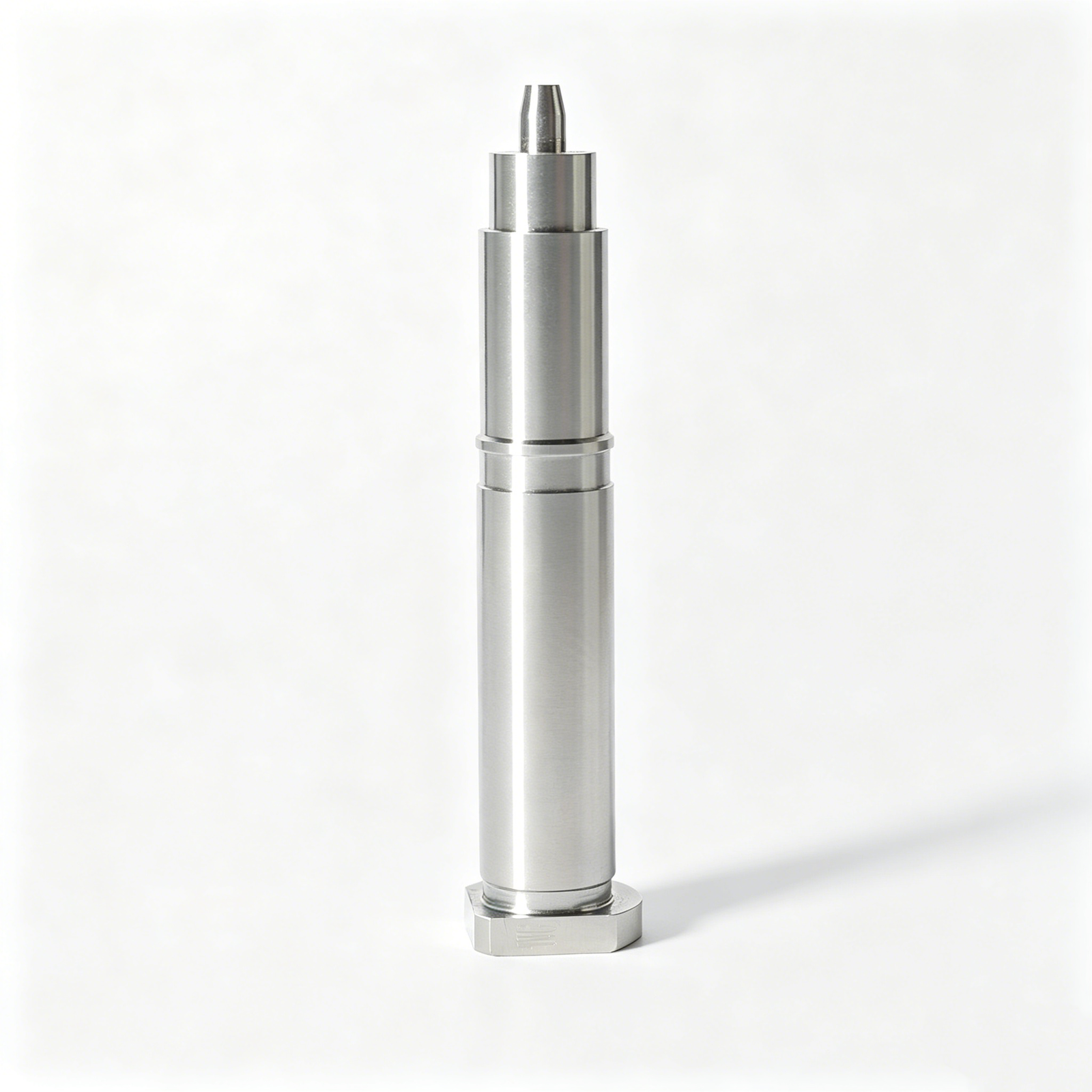
Slides, Lifters, Gates & Mold Accessories
Mold slides, lifters, gates and accessories configured to the drawing and the intended mold mechanism. Review focuses on travel and clearance, shutoff surfaces, guidance, wear interfaces, cooling or gating details, machining access and fitting requirements before production begins.
Upload a Drawing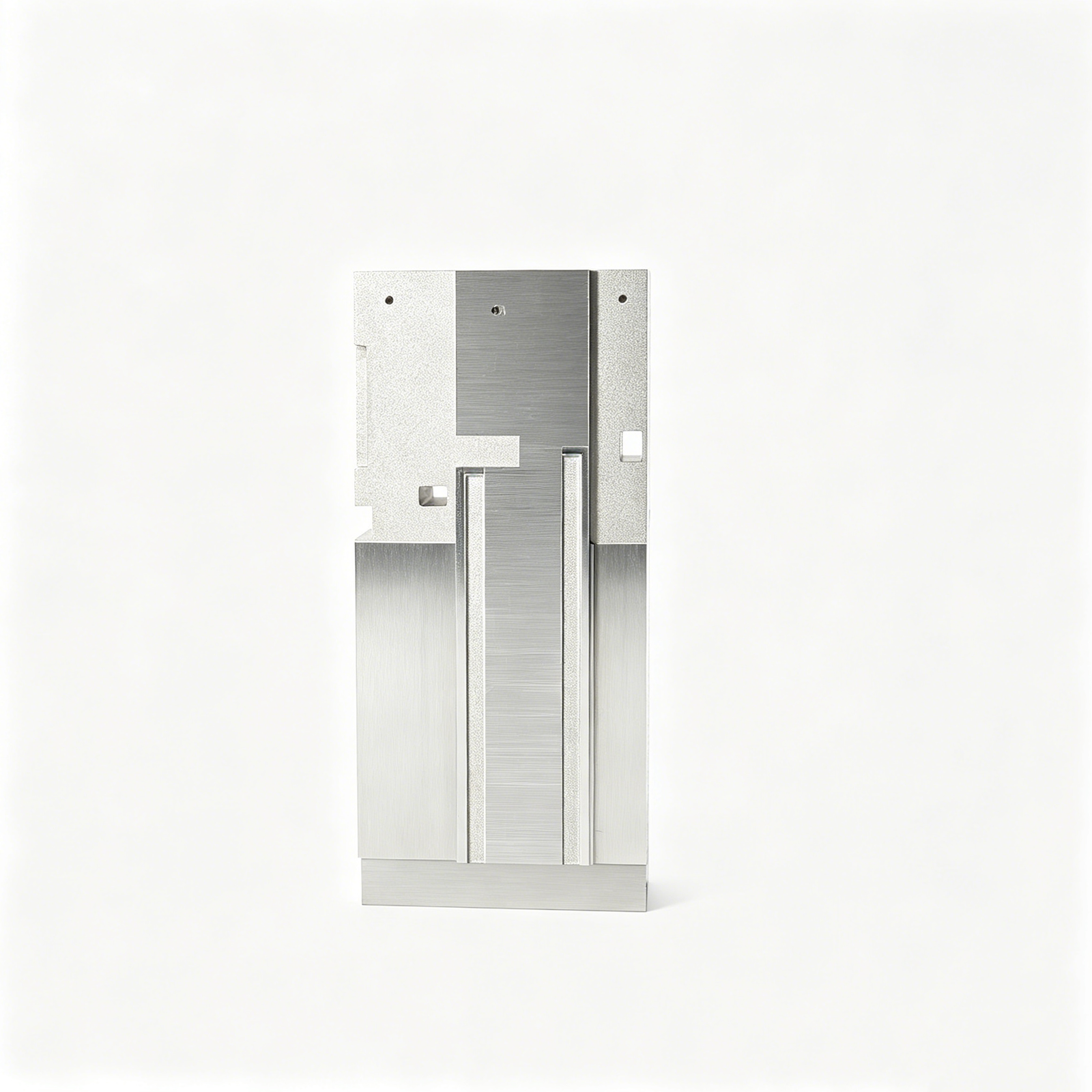
Connector Mold Components
Precision connector mold components for forming and supporting connector features where pitch, alignment, fine details and repeatability are central. Share the component drawing, mating context, material and surface requirements, critical dimensions and inspection expectations for a feasible process review.
Upload a Drawing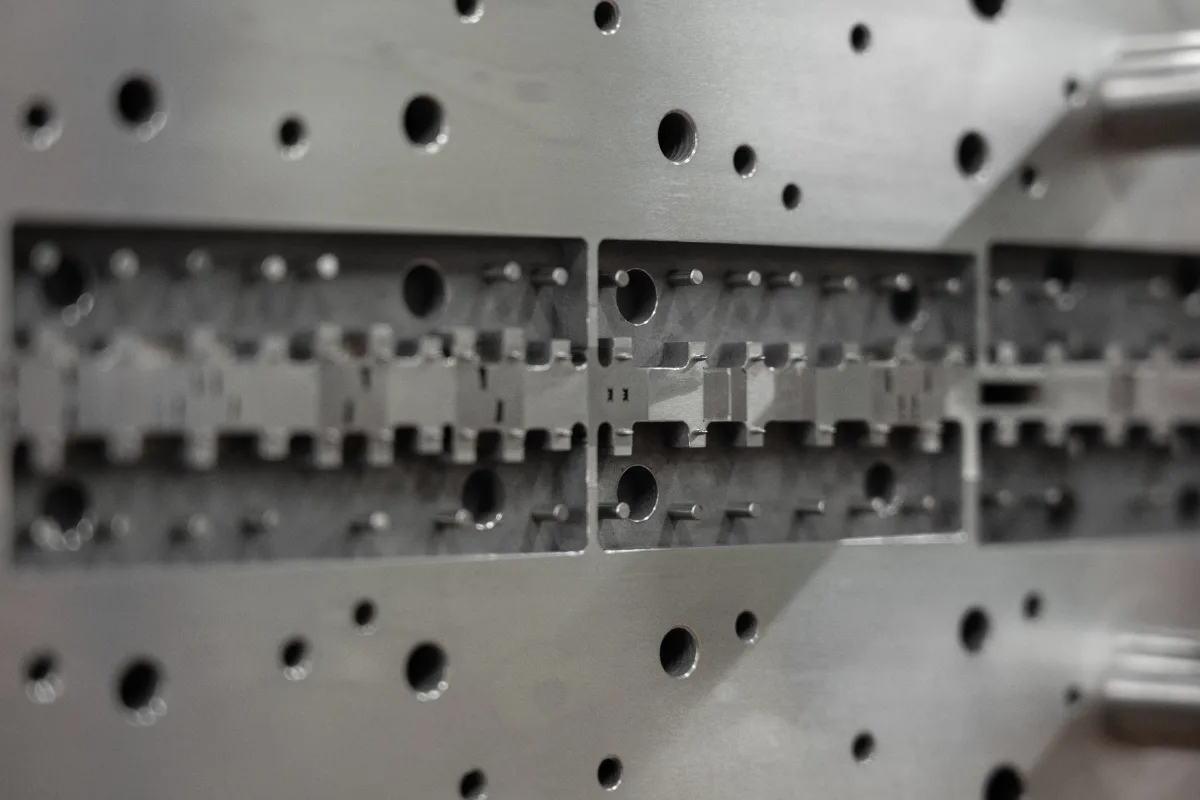
Stamping Die Components
Precision stamping die components for drawing-based dies, including inserts, punches, locating elements and wear parts within verified production scope. Material condition, heat treatment, edge geometry, clearance relationships, grinding allowance and inspection criteria guide process planning.
Upload a Drawing
Injection Mold Components, MIM, CIM & Overmolding Tooling
Tooling and component work associated with injection molding, metal injection molding, ceramic injection molding and overmolding, evaluated against the specific drawing and production requirements. Applicability depends on geometry, material, tooling function, critical interfaces and verified manufacturing scope.
Upload a Drawing
Machining Materials
CNC machining materials selected from the customer’s specified grade and condition, subject to project review and available supply evidence. Include material standard, heat-treatment state, traceability needs, corrosion or wear environment, and any restrictions affecting machining or inspection.
Upload a Drawing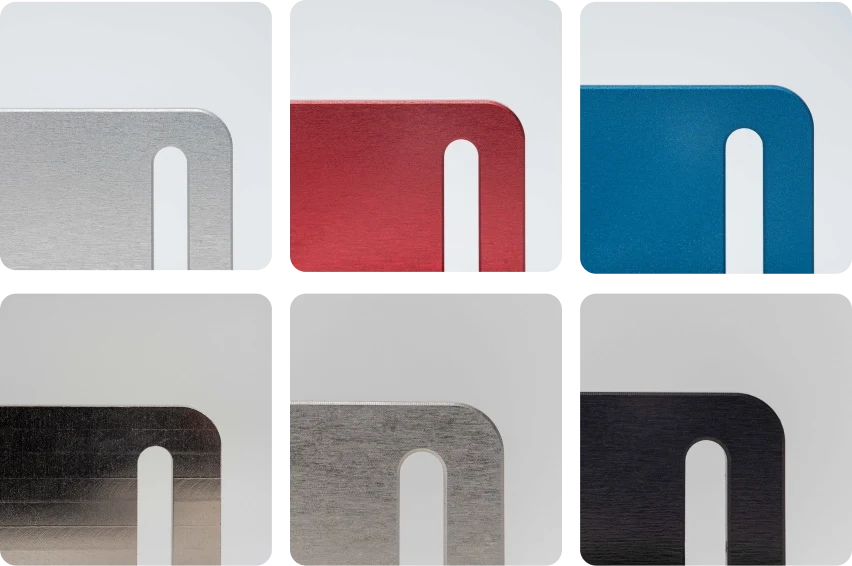
Surface Finishes & Heat Treatment
Surface finishing and heat treatment requirements planned around the component’s function, dimensional priorities and process sequence. Specify finish type, target surface condition, hardness or coating requirements, masking needs and whether final dimensions must be verified after treatment.
Upload a Drawing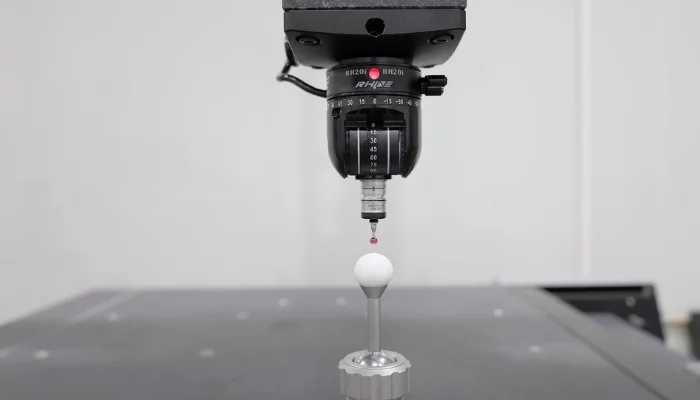
Quality, Metrology & Documentation
Precision inspection, metrology and quality documentation aligned with the drawing, critical dimensions and agreed inspection plan. Requirements may include dimensional reports, material or treatment records, revision identification and traceable communication, subject to the documentation specified for the order.
Upload a Drawing
Prototyping & Low-Volume Production
Rapid prototyping and low-volume manufacturing for drawing-based parts requiring controlled process planning before larger commitments. Supply models, drawings, material, quantity, critical dimensions, surface priorities, inspection needs and target delivery date so feasibility and coordination can be assessed.
Upload a DrawingMaterials for CNC Machined Trunnion Blocks
Tool Steels
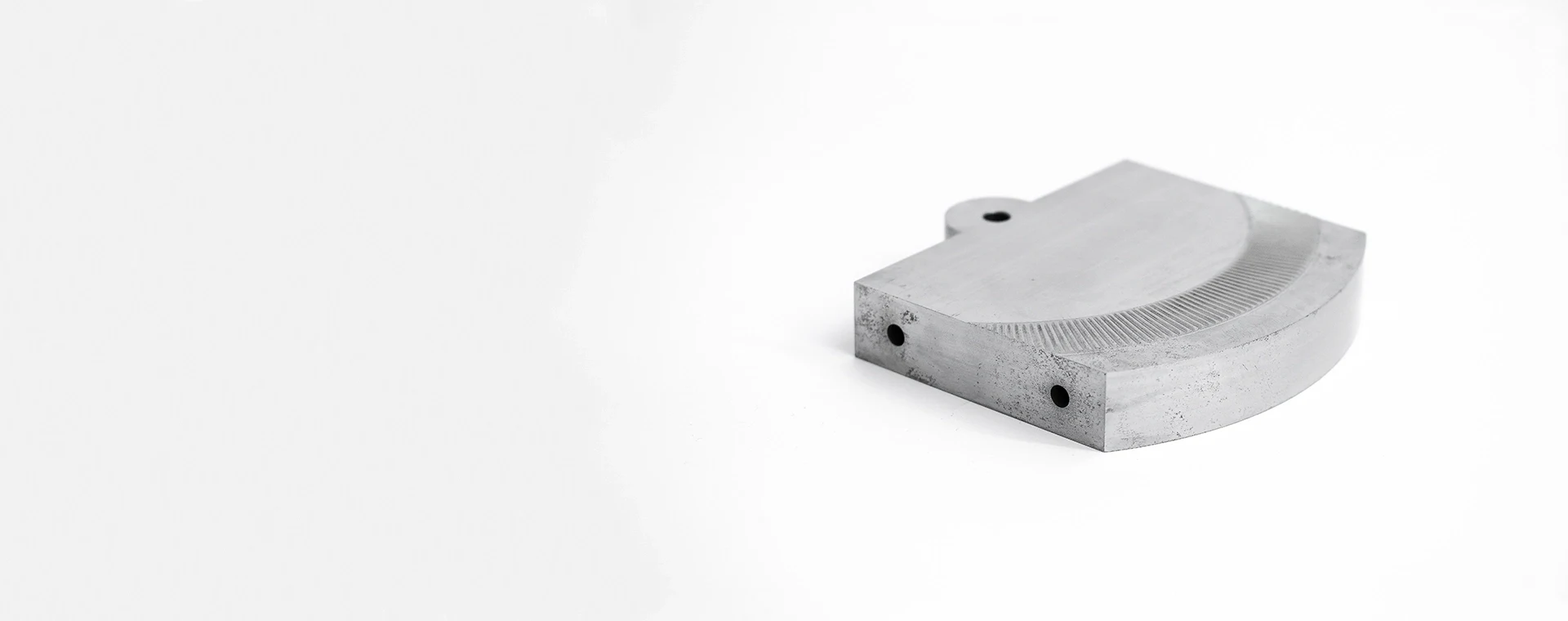
Tool steels suit trunnion blocks requiring wear resistance, stable bearing interfaces, or hardened contact features. Grade selection, pre-hard condition, heat treatment, grinding stock, and final inspection criteria should be confirmed before production.
Alloy Steels
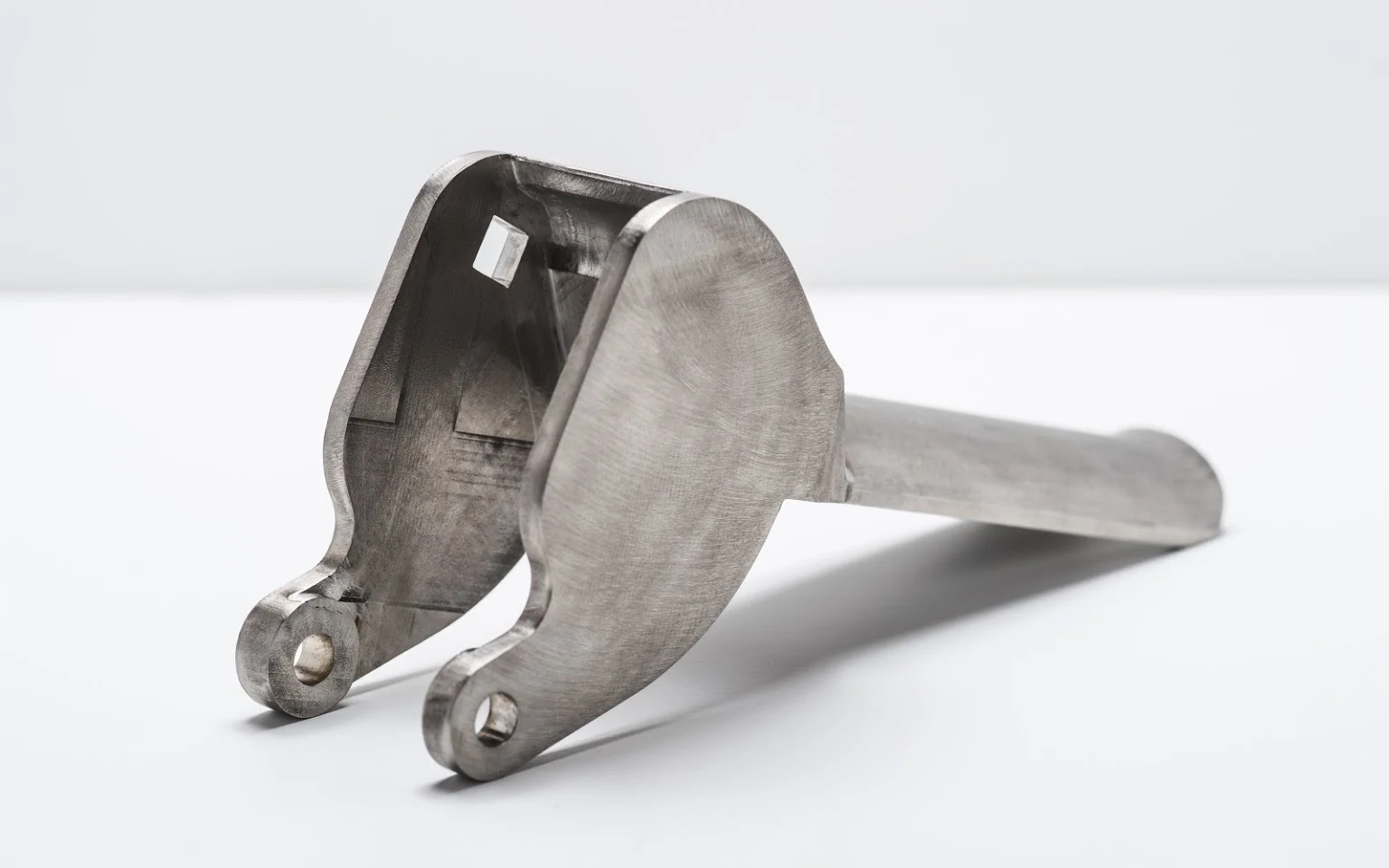
Alloy steels are practical for strength-focused trunnion blocks, locating features, and structural fixtures. The drawing should define required condition, heat-treatment route, critical datums, and any post-treatment machining or grinding allowance.
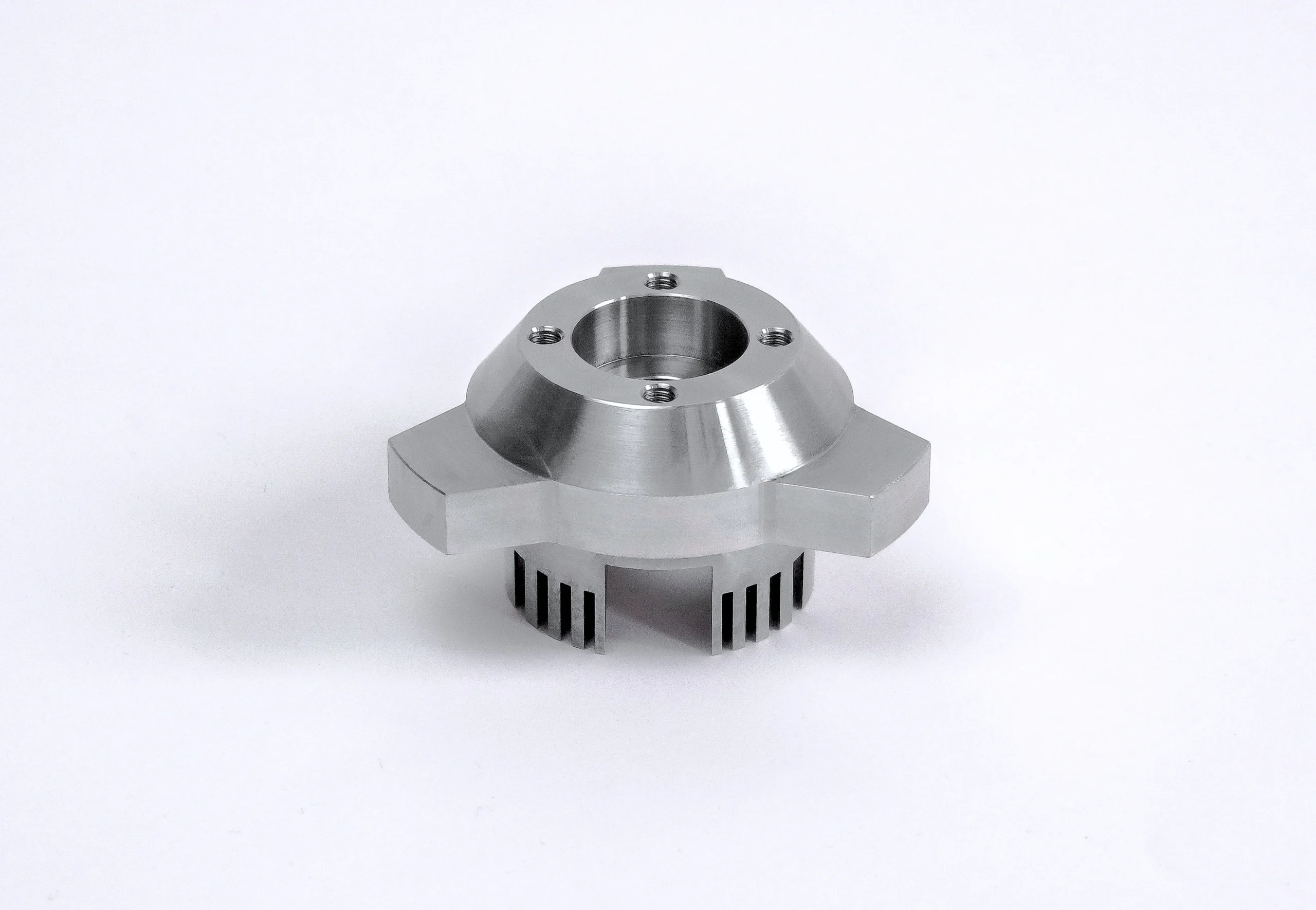
Stainless Steels
Stainless steels are considered where corrosion resistance, clean-process compatibility, or environmental exposure influences the component design. Machining strategy depends on grade, section geometry, surface requirement, and the tolerance relationship of critical interfaces.
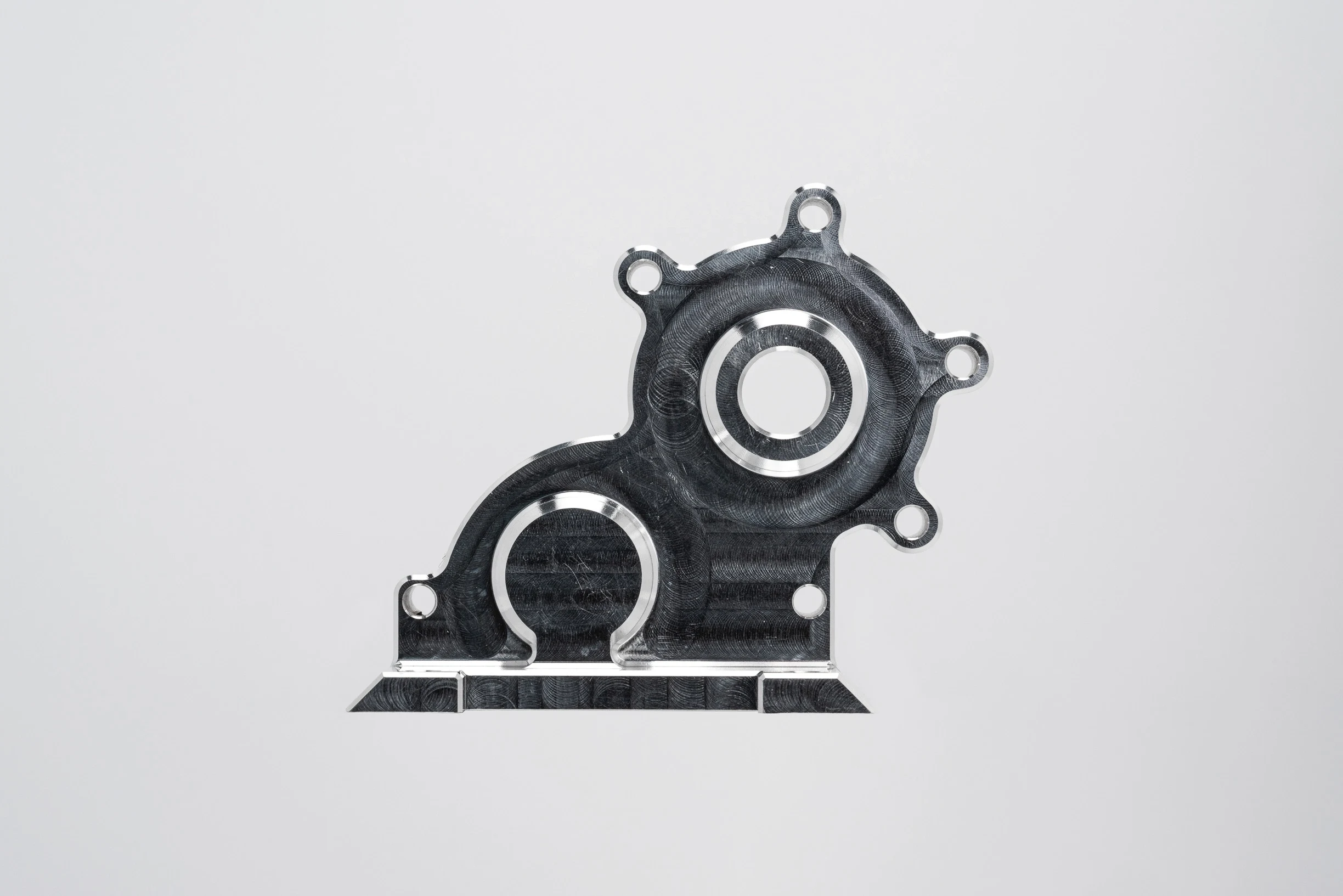
Aluminum Alloys
Aluminum alloys can reduce component mass for fixtures, housings, and lower-load trunnion applications. Alloy and temper must be reviewed with thread engagement, stiffness, surface protection, mating material, and dimensional stability requirements.
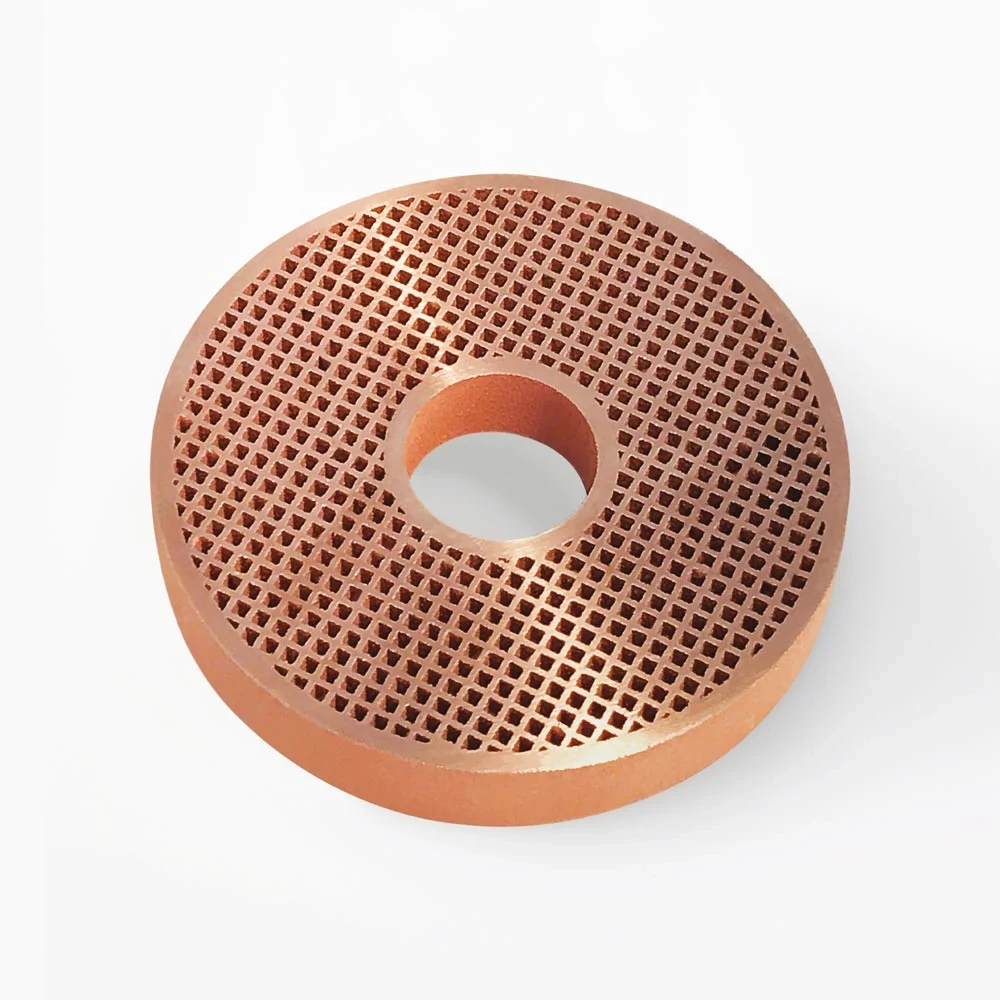
Copper Alloys
Copper alloys may be evaluated for specialized conductive, thermal, or wear-related interfaces. Their material behavior affects cutter selection, workholding, surface finish, and inspection planning, so application context should accompany the RFQ.
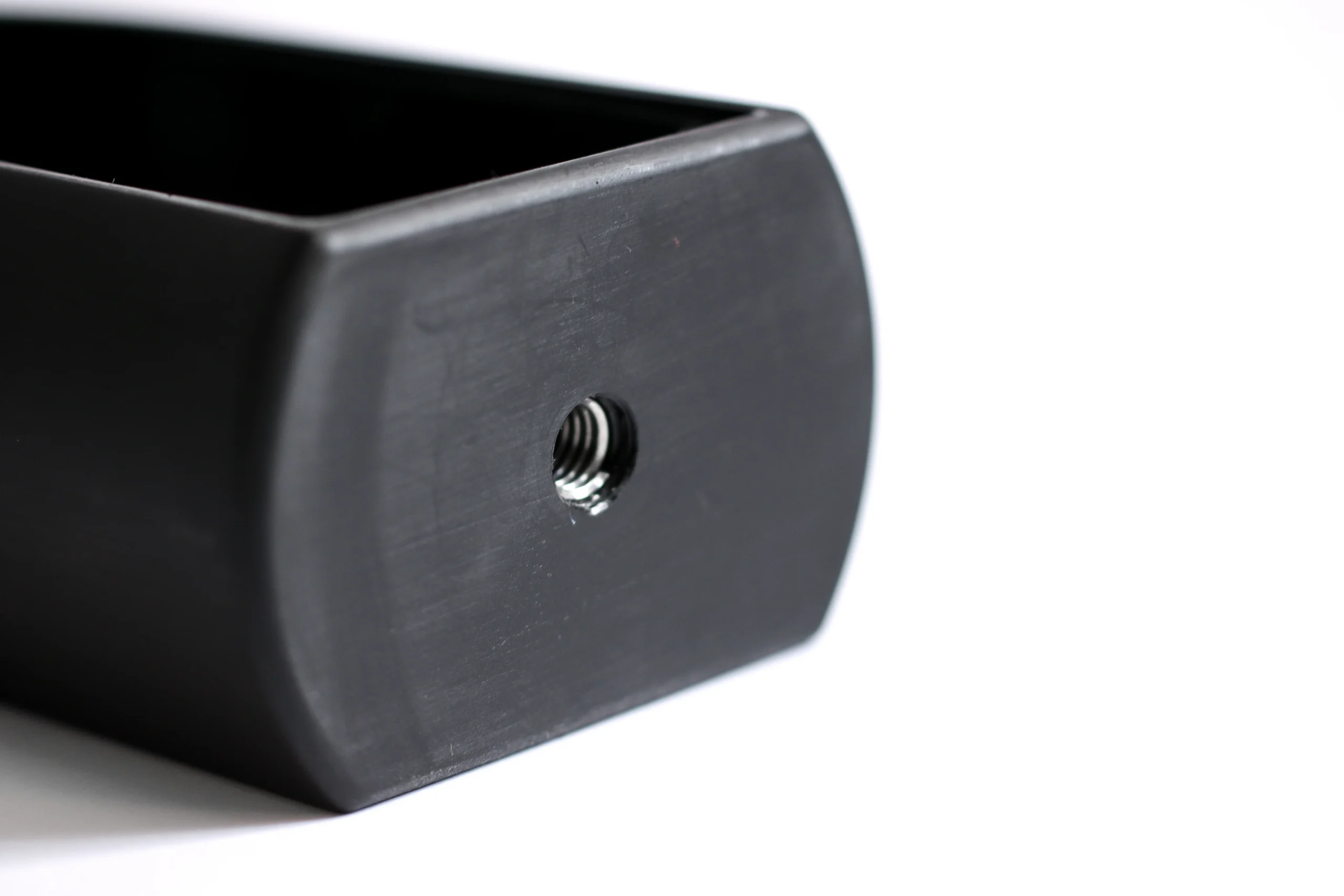
Engineering Plastics
Engineering plastics can serve selected low-load, insulating, or protective trunnion-related components. Material grade should be matched to load, temperature, moisture exposure, chemical contact, dimensional stability, and the required fit with mating parts.
CNC Machined Trunnion Blocks: Machining and Finishing Processes
CNC Milling
CNC milling establishes profiles, mounting faces, pockets and hole patterns on trunnion blocks. Tool access, clamping strategy and datum relationships are reviewed to support controlled feature positions and practical inspection.
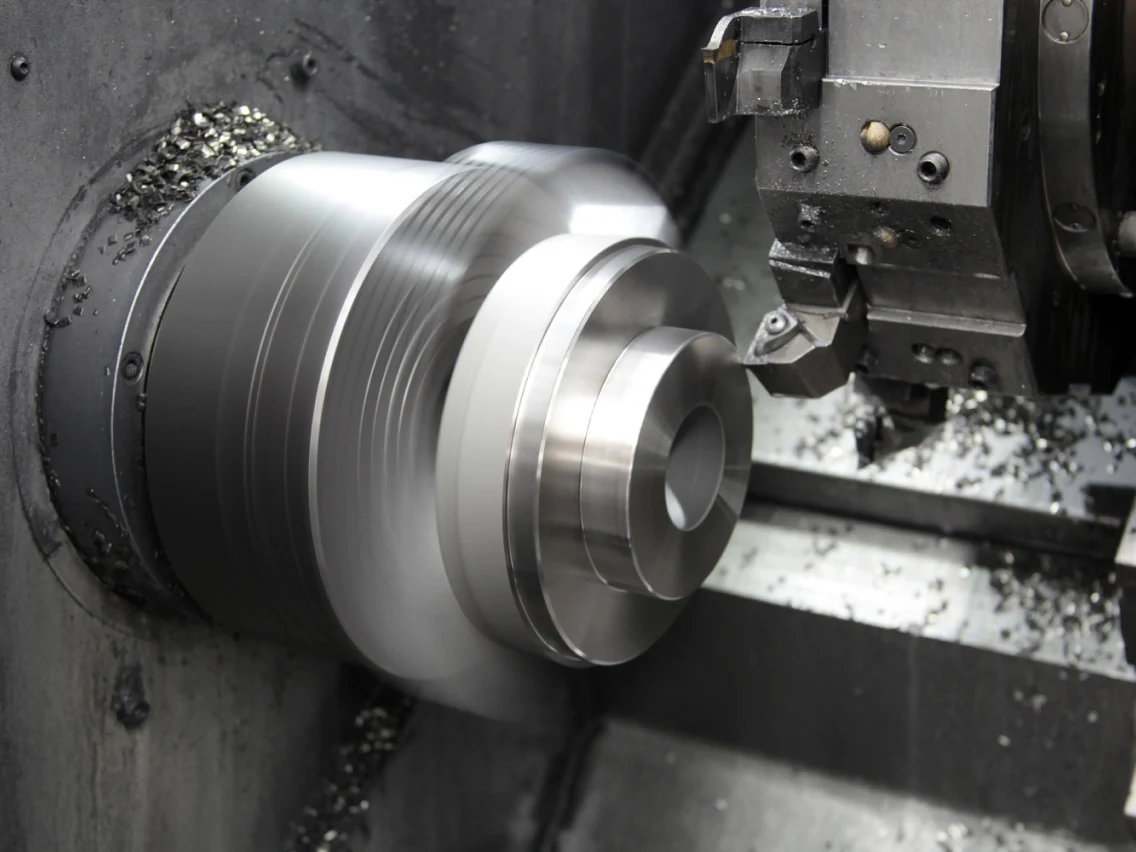
CNC Turning
For trunnion blocks with concentric diameters, bores or rotational features, CNC turning can create an efficient primary geometry. Subsequent milling or grinding is planned when flats, cross holes or critical interfaces require it.
Wire EDM
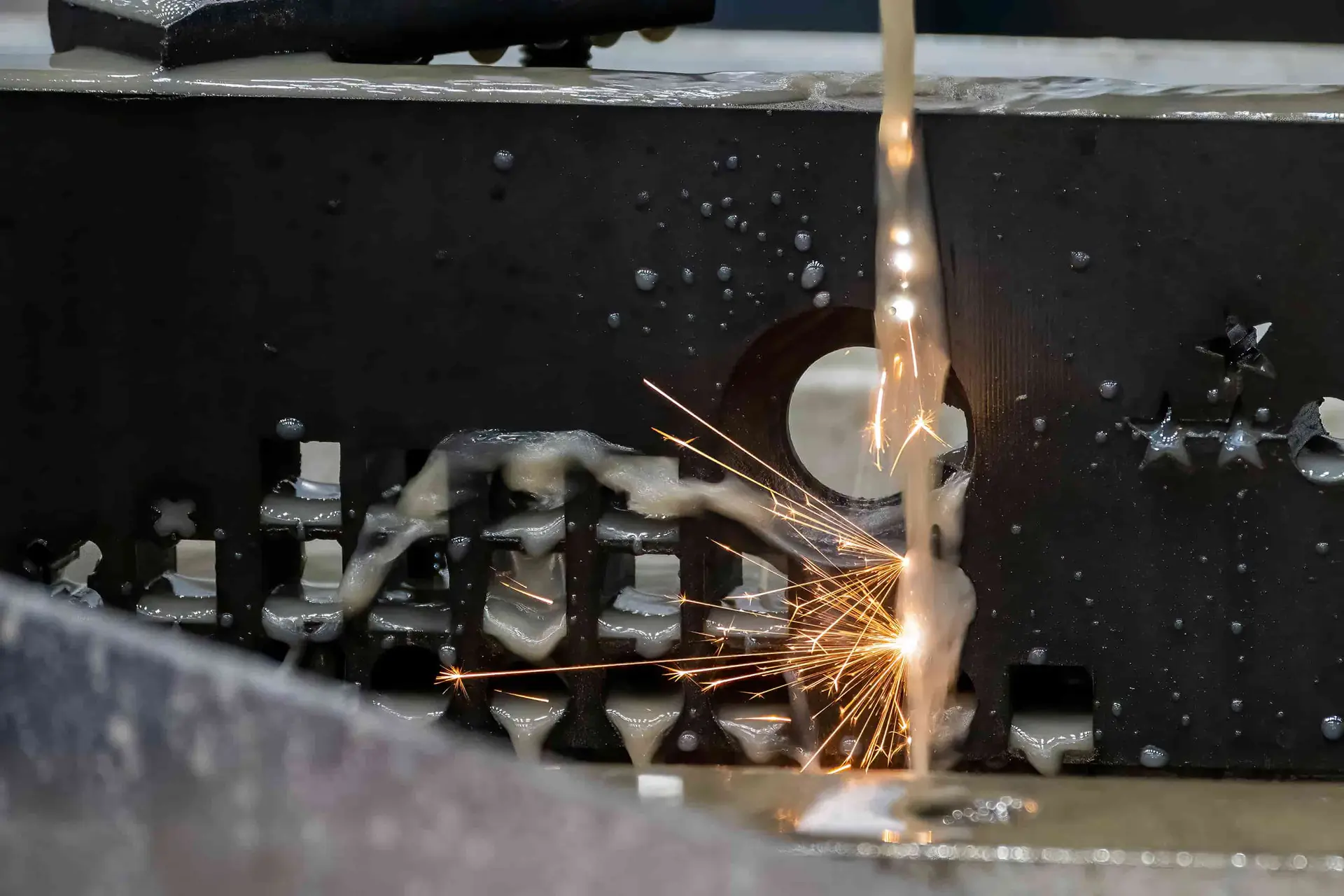
Wire EDM is considered for narrow slots, internal profiles and hardened-material features where conventional cutter access is limited. The wire path, start-hole requirements and datum reference are reviewed before this route is assigned.
Sinker EDM
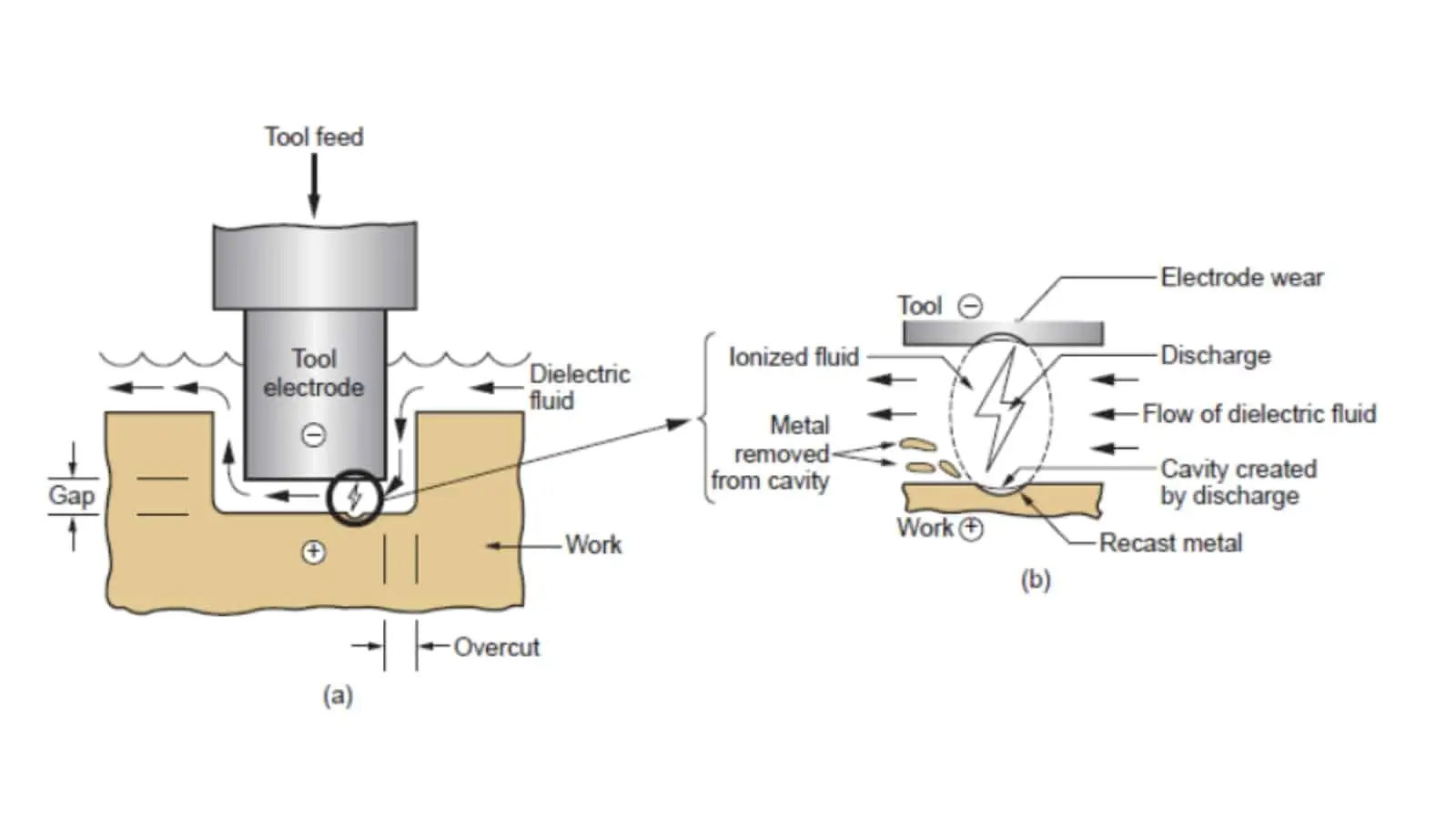
Sinker EDM supports detailed cavities, deep internal forms and features requiring an electrode-based approach. Electrode strategy, spark allowance, surface expectations and later finishing requirements are aligned with the drawing review.

Precision Grinding
Precision grinding refines selected faces, diameters or datum surfaces after machining or heat treatment. Grinding stock, sequence and inspection method are defined around the dimensions and surface requirements that matter to the assembly.
Supporting Features for CNC Machined Trunnion Blocks

Locating Elements
Dowel holes, precision locating diameters, and datum faces can be integrated where trunnion blocks must repeatably mate with fixtures, housings, or adjacent tooling components. Position, fit, and inspection method require drawing review.

Guide Components
Guide pins, bushings, and related mating features can be planned for assemblies requiring controlled sliding, alignment, or support. SUUXIANG reviews engagement length, clearance, material pairing, and service conditions from the supplied design.
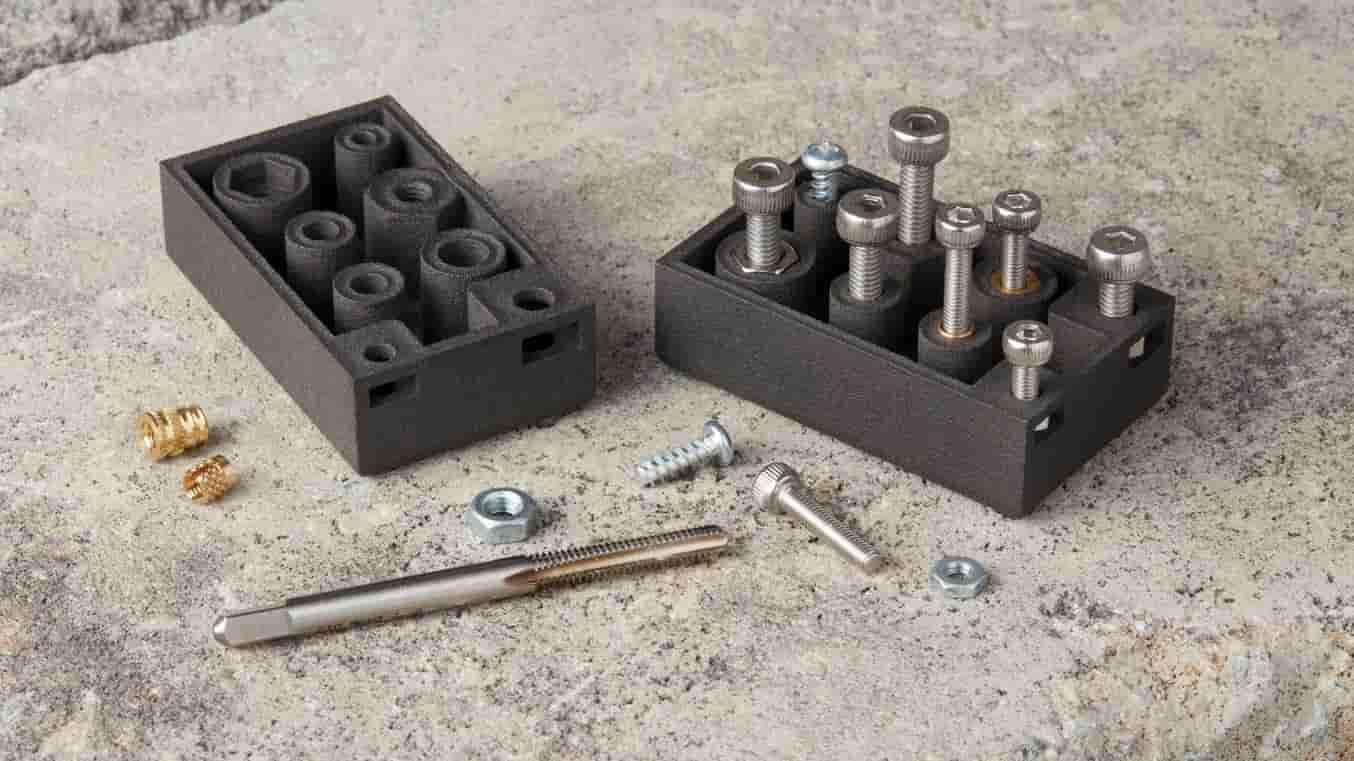
Threaded Interfaces
Tapped holes, threaded inserts, helicoils, and mounting patterns support fastening to frames, brackets, or fixtures. Define thread standard, depth, torque-sensitive requirements, and any mating hardware so tool access and verification can be planned.
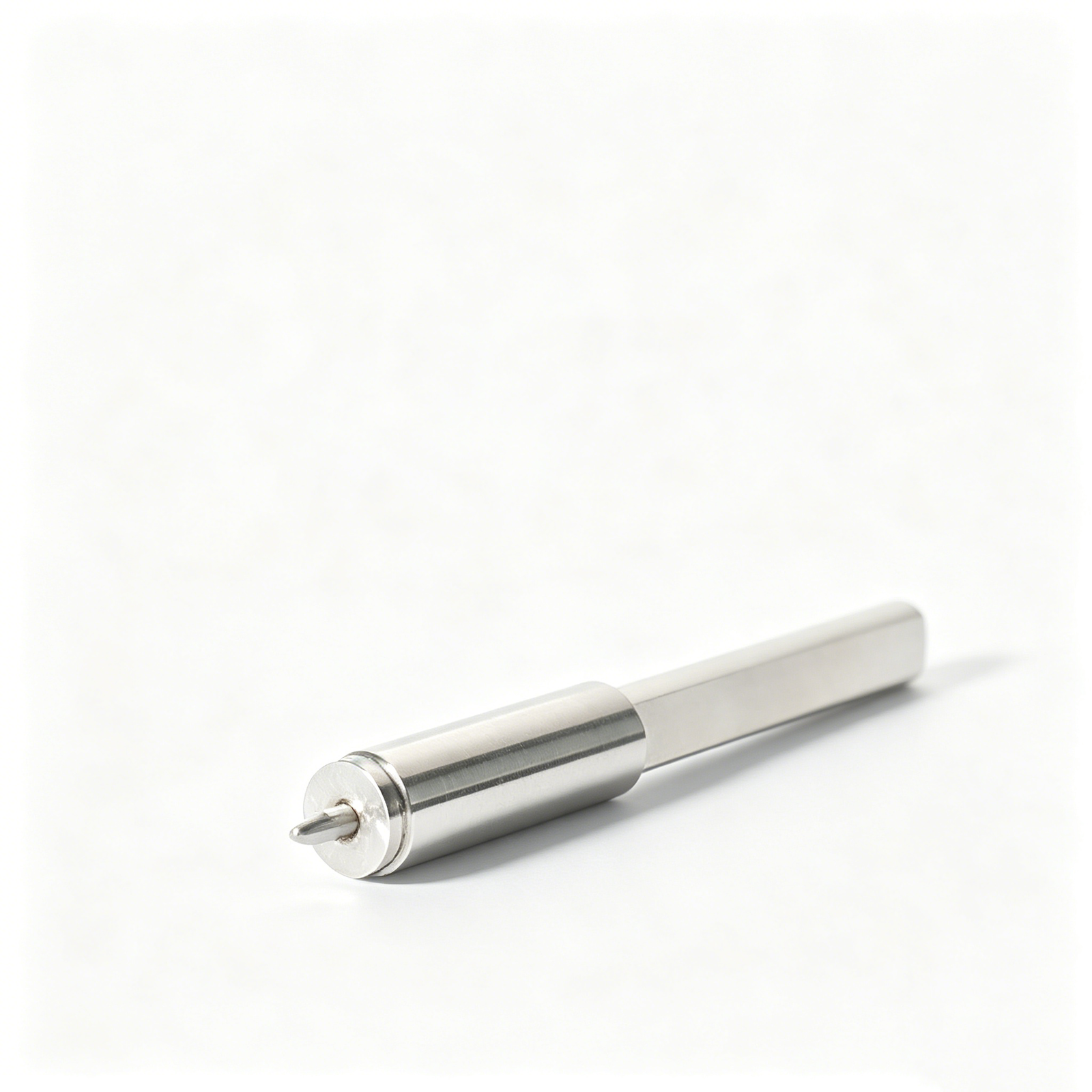
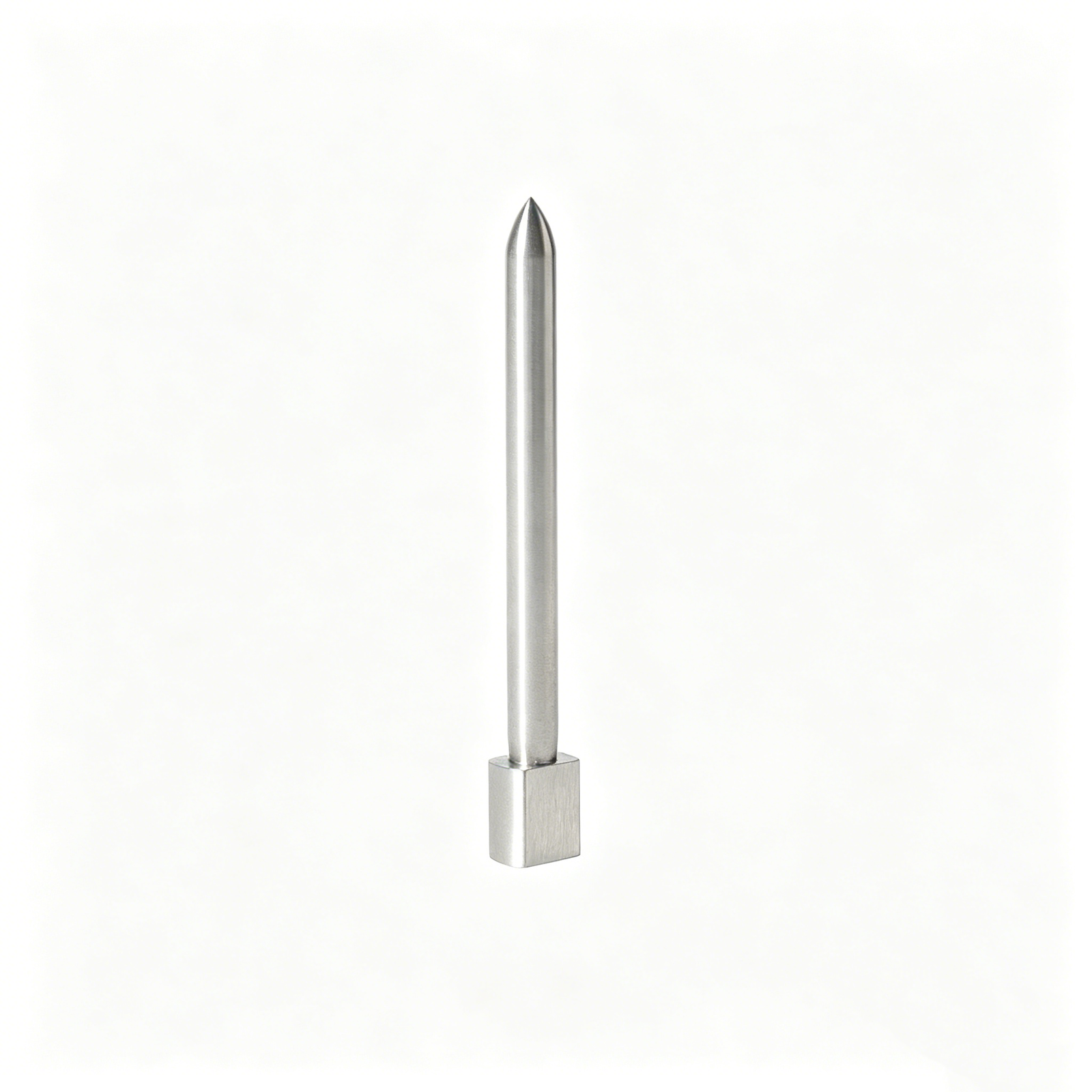
Precision Pins
Press-fit, slip-fit, or removable pins can be specified for positioning, retention, or assembly control. Hole tolerance, pin material, heat treatment, and installation sequence should be confirmed where they affect machining allowance or final fit.
About SUUXIANG Precision Manufacturing
SUUXIANG is the sole public-facing brand of Dongguan SuuXiang Precision Mold Co., Ltd., established in 2010 in Chang’an Town, Dongguan, Guangdong, China. Founded and legally represented by XiaoCheng Huang, the company helps global engineering, sourcing, and quality teams turn drawings into inspected custom CNC parts, precision mold components, connector tooling, and die components.
For cnc machined trunnion blocks and related precision parts, our project discussions begin with the drawing, 3D model, material, quantity and application requirements. Before quotation or production commitments, we review critical dimensions, datums, tolerance stack, tool access, machining allowance, finishing sequence and inspection expectations.
Our difference is disciplined coordination across CNC milling and turning, multi-axis machining, EDM, precision grinding, fitting and inspection. Each process route is selected against the part’s requirements, while revision status, inspection planning and delivery information remain visible throughout the manufacturing workflow.

How We Manufacture CNC Machined Trunnion Blocks
DFM and Datum Review
Before routing cnc machined trunnion blocks, SUUXIANG reviews drawing datums, critical interfaces, tolerance stack, tool access, and clamping assumptions. This early review identifies features that may require revised radii, added machining allowance, or a clearer inspection reference.
- Confirm functional datums and mating-feature relationships
- Review wall thickness, corner radii, and tool reach
- Identify critical bores, threads, and positional requirements
- Align revision status before quotation and production
CNC and EDM Process Planning
The process route is selected around geometry, material condition, and feature accessibility rather than a fixed machine sequence. CNC milling establishes accessible faces and references, while wire EDM or sinker EDM can be evaluated for internal profiles, sharp details, or restricted cutting paths.
- Sequence roughing and finishing around stable datums
- Assess multi-axis access for angled or multi-face features
- Plan EDM only where geometry and tolerance justify it
- Keep electrode, wire-path, and revision decisions visible
Grinding and Fitting Strategy
When functional surfaces require controlled stock removal after machining or heat treatment, grinding strategy is discussed with the drawing requirements. SUUXIANG considers grinding allowance, reference surfaces, surface-finish priorities, and any fitting relationship that affects assembly performance.
- Reserve appropriate grinding stock during earlier operations
- Define surfaces that must remain protected during handling
- Review heat-treatment sequence against final dimensions
- Clarify fitting criteria for mating components
Inspection Evidence for Critical Features
Inspection planning for cnc machined trunnion blocks starts with the dimensions that govern assembly, motion, and load transfer. The agreed method, datum setup, reporting needs, and traceability expectations should be established before production so final documentation matches the order and verified inspection plan.
- Prioritize critical dimensions and datum-based checks
- Agree on inspection methods and report requirements
- Record material, revision, and delivery information as required
- Escalate drawing ambiguities before final inspection
CNC Machined Trunnion Blocks: Drawing-Controlled Manufacturing Workflow
Compare the drawing-driven controls that shape manufacturability, inspection, and project visibility.
← Swipe left or right to view →
CNC Machined Trunnion Blocks: From Drawing to Delivery
A drawing-led workflow that aligns DFM, process planning, inspection requirements, and shipment coordination before production commitments are made.
Review RFQ Package
We review the drawing, model, material, quantity, application, delivery target, and inspection requirements to clarify the manufacturing scope before quotation.
Confirm DFM Priorities
Critical dimensions, datums, tolerance stack, tool access, surface requirements, and heat-treatment sequence are discussed to identify risks and practical process routes.
Plan Process Route
The team defines CNC machining, multi-axis access, EDM, grinding, fitting, and inspection steps, including machining allowance and revision-control checkpoints.
Machine Critical Features
CNC machined trunnion blocks proceed through the approved operations, with EDM or grinding applied where feature geometry, finish, or tolerance strategy requires it.
Inspect and Document
Completed parts are checked against the agreed inspection plan; measurement records and order documentation are prepared according to verified project requirements.
Pack and Coordinate Shipment
After final release, parts are packed for the agreed delivery method while shipment coordination and revision information remain visible to the customer.
How to Order CNC Machined Trunnion Blocks
Align drawing requirements, manufacturability, inspection expectations, and release decisions before production begins.
Submit Your Drawing Package
Provide 2D drawings, available 3D models, material, quantity, application context, target delivery date, and dimensional, surface, inspection, or reporting requirements.
Confirm DFM and Quotation
Review critical dimensions, datums, tolerance stack, tool access, machining route, heat-treatment sequence, EDM or grinding needs, and quotation assumptions before production commitments.
Approve First-Article Evidence
Where the project requires it, approve sampling or first-article evidence against the agreed drawing revision, inspection method, and acceptance criteria before release.
Release Controlled Production
Proceed with controlled manufacture of CNC machined trunnion blocks, documented inspection, revision visibility, and delivery coordination aligned with the confirmed order requirements.
Customer Feedback Publication Policy
Customer Feedback on CNC Machined Trunnion Blocks
Verified customer feedback will be published only after customer approval and project outcomes, including drawing clarification, inspection alignment, and delivery coordination, can be accurately documented.
This testimonial space is reserved for an approved customer account of a trunnion block project, with specific outcomes and measurable details confirmed before publication.
SUUXIANG will publish only traceable customer feedback that reflects the actual drawing review, machining route, inspection documentation, and delivery experience for the completed order.
CNC Machined Trunnion Blocks FAQ
Practical answers for teams evaluating drawing-based production, inspection requirements, and controlled delivery.
What information should I provide when requesting cnc machined trunnion blocks?
Is there a minimum order quantity for cnc machined trunnion blocks?
How long do cnc machined trunnion blocks take to produce?
Can SUUXIANG machine trunnion blocks after heat treatment?
What inspection reports can be supplied with trunnion block orders?
How are drawings, revisions, and intellectual property controlled?
Can you arrange shipping for custom machined trunnion blocks?
What payment information is needed before placing an order?
Complete Buyer’s Guide to cnc machined trunnion blocks
Use this decision framework to specify geometry, materials, tolerances, inspection, and supplier controls for drawing-based trunnion-block programs—while avoiding costly DFM gaps, unclear acceptance criteria, and sourcing mistakes.
1. What Are cnc machined trunnion blocks?
Two functional interfaces distinguish a trunnion block: a controlled pivot bore or journal interface, and a mounting interface that fixes its position in an assembly. The block carries, locates, or supports a rotating member in fixtures, tooling, molds, and industrial mechanisms.
One trunnion block is a drawing-defined component; it is not a machine-tool trunnion table, which is a rotary-tilting workholding axis within a machining center. Its geometry is defined by the relationship between the pivot axis, mounting faces, and the assembly datums.
Three common interface groups are precision bores or bearing seats, threaded or clearance mounting holes, and locating features such as dowel holes, keys, shoulders, or ground reference faces. A part qualifies as a trunnion block when these features jointly establish pivot support and repeatable installation, rather than merely providing a generic machined bracket.
2. Evolution of cnc machined trunnion blocks
Three-axis milling commonly required an operator to re-fixture a trunnion block for each accessible face. Every transfer could shift the part’s relationship to its original datum, so bore-to-face location and coaxiality depended on fixture repeatability as well as cutting accuracy.
4+1-axis trunnion-table machining made indexed multi-face access practical in a single controlled workholding cycle; the A axis tilts while the C axis rotates 360 degrees (https://www.microdynamicsfa.com/post/trunnion-table-machining). For buyers, the important change is fewer datum transfers, not the axis count: the process plan should identify which features are completed from one clamp and which require reorientation.
5-axis production extended that approach where angled features or tool access require coordinated rotary motion (https://kmecnc.com/5-axis-trunnion). Modern cnc machined trunnion blocks should therefore be quoted with a datum scheme, workholding concept, critical-feature inspection method, and revision-controlled report requirements; a multi-axis machine alone does not establish repeatable geometry.
3. Types of cnc machined trunnion blocks
Five common variants separate a simple locating block from a load-carrying pivot assembly. Classify the part by pivot count, adjustment method, support arrangement, and its mating interfaces before requesting a quote.
Fixed Pivot Blocks
Fixed blocks locate a shaft or pin at one defined centerline for fixtures, hinges, and indexed tooling. Provide bore size, datum scheme, mounting-hole pattern, and allowable positional error.
Adjustable Pivot Blocks
Adjustable blocks use slots, shims, or eccentric features to set alignment during assembly. Specify adjustment travel, locking method, preload condition, and the final inspection position.
Single And Dual Pivots
Single-pivot forms suit one-sided supports; dual-pivot layouts control a rotating member at two interfaces. Define center-to-center distance, coaxiality requirement, shaft retention, and applied load direction.
Clevis And Bearing Blocks
Clevis blocks capture a mating lug between two ears, while bearing-supported blocks add a controlled rotating interface. Show pin fit, ear spacing, bearing designation, lubrication provisions, and assembly access.
Tooling And Mold Blocks
Tooling or mold blocks often combine pivots with locating faces, guide features, or clearance pockets. Supply the assembly model, critical datums, hardened-component interfaces, and revision-controlled mating dimensions.
4. Materials for cnc machined trunnion blocks
6061-T6, steels, stainless grades and engineered polymers each change the machining route for cnc machined trunnion blocks. Select material from load, exposure, bearing interface, dimensional stability and finished-part cost.
| Family | Selection Point | Bearing Or Finish |
|---|---|---|
| Aluminum alloys | Light, economical, corrosion-resistant | Sleeve or anodize |
| Carbon steel | Moderate load, lower cost | Coat and protect |
| Alloy steel | High load, heat treatable | Grind bearing bores |
| Stainless steel | Wet or corrosive service | Prevent galling |
| Tool steel | High wear | Harden, then finish |
| Engineering plastics | Light chemical service | Avoid loaded seats |
Load And Bearing Interfaces
4140-type alloy steel supports higher-load shafts when hardness and final-grinding allowance are specified. Confirm heat-treatment distortion before holding bearing-bore geometry.
6061-T6 reduces weight and machining cost for lighter structures. Repeated bearing loads may require a sleeve or insert to limit fretting.
Environment And Wear
304/316 stainless addresses corrosive exposure, although galling against a mating shaft needs review. Finish and lubricant selection matter at sliding interfaces.
Tool steel suits wear-critical features after controlled hardening and grinding. Engineering plastics fit light-duty or chemical-service duties, not highly loaded bearing seats.
5. Custom Features and Surface Finishes
A trunnion block drawing should identify features that locate, transmit torque, clear mating hardware, or simply identify the part. Specify functional requirements separately from cosmetic or traceability requirements before selecting a finishing route.
| Requirement | Typical Purpose | Dimensional Risk |
|---|---|---|
| Anodizing | Wear or corrosion control | Build-up changes fits |
| Plating | Conductivity or corrosion control | Thickness affects threads |
| Black oxide | Low-reflective appearance | Minimal build-up; oil condition matters |
| Passivation | Stainless surface treatment | Verify cleanliness and protected areas |
Critical Machined Features
Critical bores, dowel holes, keyways, slots, threads, and reliefs need datums and individual tolerances. Define whether hole size, true position, thread engagement, or burr condition governs the mating assembly.
- Mark critical bores and dowel holes
- State thread class and engagement depth
- Define relief geometry and tool access
Finish Is A Dimensional Change
Coatings, anodizing, black oxide, plating, and passivation serve different functional purposes. Finish thickness can reduce bore clearance, alter thread fit, or change a locating face, so mask or machine critical interfaces afterward when required.
- State finish type and applicable surfaces
- Identify masked bores, threads, and datum faces
- Specify edge-break condition before treatment
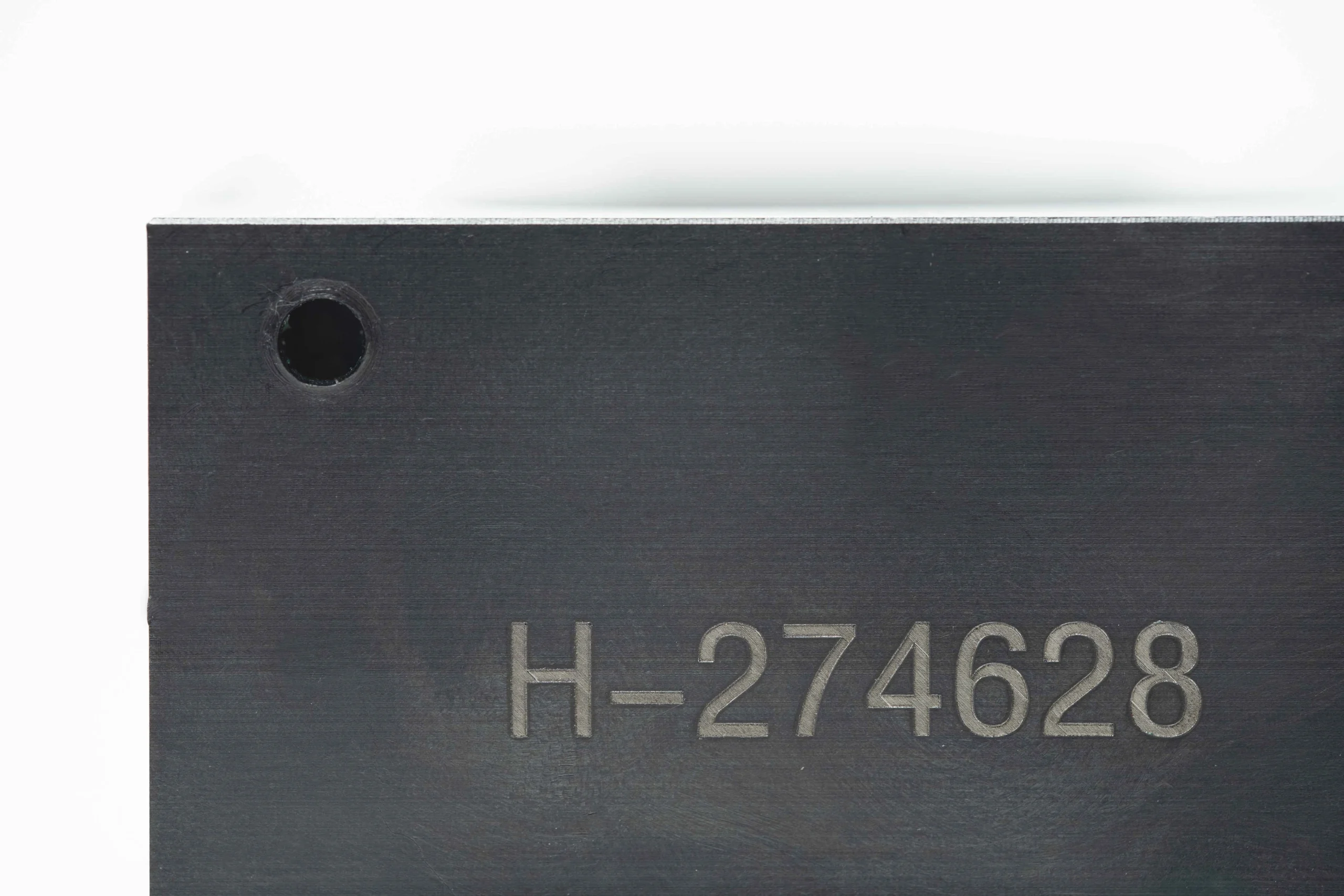
Marking And Final Verification
Part marking and engraving support identification but should not substitute for revision control. Request post-treatment inspection for affected dimensions and confirm that cosmetic acceptance criteria do not conflict with assembly-fit requirements.
- Define marking location and content
- Inspect treated critical dimensions
- Record revision on order documentation
6. Construction Quality and Inspection Points
For cnc machined trunnion blocks, functional quality starts with a datum scheme that mirrors assembly loading. A drawing must make each critical relationship measurable before machining begins.
Datum And Geometric Control
Datum A should be the mounting face; datums B and C should locate the primary bore and side face.
0.01 mm may be meaningful only when perpendicularity, parallelism, flatness, and bore position are tied to stated datums.
Bores, Threads, And Edges
100% of functional bores should specify size, position, and concentricity where rotating or mating shafts depend on them.
2D drawings should state thread standard, class, engagement depth, entry chamfer, burr limits, and surface-roughness requirements.
Inspection And Mating Fit
First-article reports should identify the drawing revision, measured datums, instruments, and actual critical-dimension results.
CMMs verify positional relationships; pin gauges, bore gauges, and height gauges support feature-specific checks. Heat-treatment distortion and mating-part fit require agreed inspection timing and representative mating evidence.
7. How to Choose a CNC Manufacturer
A 2D drawing and 3D model should start supplier evaluation for cnc machined trunnion blocks. Request evidence tied to the revision, not general capability statements.
Review DFM Evidence
A written DFM response should identify datums, critical features, tool access, workholding, and proposed setup count. Ask how tolerances, burr control, and distortion risk will be managed.
A marked-up drawing should distinguish questions from approved changes. Require revision-controlled closure before machining begins.
Verify Process And Inspection
A process route should name CNC milling or turning plus needed grinding, EDM, heat treatment, or finishing. Request confirmation that each operation suits the specified material and geometry.
A first-article plan should link every critical dimension to an inspection method. Ask for sample reports, material certificates, gauge status, and traceability format.
Assess Program Control
A prototype quantity should be quoted with the same revision discipline expected for low-volume repeats. Confirm the contact owner, response path, milestone updates, and escalation route.
A packing plan should protect datum surfaces and identify each part, revision, and quantity. Request documentation retention, deviation approval, and formal change-control records.
8. Common Buyer Mistakes to Avoid
Eight preventable errors repeatedly create fit disputes, rework, or misleading quotations for cnc machined trunnion blocks. Resolve the drawing, mating context, and inspection evidence before purchase order release.
Define Functional Datums
Three datum references should establish the locating faces, pivot axis, and mounting relationship. Ambiguous datums permit a technically conforming part that misaligns in assembly; identify primary, secondary, and tertiary datums on the drawing.
Complete Material And Finish
One material callout must state grade, supply condition, heat treatment, and hardness when applicable. Missing condition can change machinability and stability; state whether coating, anodize, or plating dimensions apply before or after finish buildup.
Prioritize Critical Bores
Two bores with different mating functions should not receive identical controls by default. Classify each bore by fit, positional requirement, and inspection method, then provide mating-pin or bearing information where function depends on it.
Specify Evidence And Value
One inspection plan should name critical dimensions, sampling expectations, report format, and revision identifier. Selecting solely on piece price can omit setup control and records; compare quotations against the same drawing revision, process route, and deliverables.
9. Steps to Launch a Trunnion Block Program
A controlled launch turns approved geometry into cnc machined trunnion blocks with traceable acceptance decisions. Use one released revision as the source of truth, then gate each handoff with documented technical and quality approval.
Release The Technical Package
Step 1: issue the revision-controlled 2D drawing, native or neutral 3D model, material specification, quantity, and application context. Identify datums, CTQ dimensions, threads, mating interfaces, surface requirements, and heat-treatment sequence.
Close The DFM Review
Step 2: review tool access, workholding, machining allowance, EDM or grinding needs, and inspection method before quotation. Design, manufacturing, and quality stakeholders should sign off deviations, assumptions, and the proposed process route.
Approve First Article Evidence
Step 3: compare quotations by scope, exclusions, lead time, inspection deliverables, and revision basis—not unit price alone. Approve a prototype or first article against the drawing, material evidence, and agreed dimensional report before production release.
Control Production Changes
Step 4: approve packaging protection for finished faces, bores, and identified sets before shipment. Maintain a change log; any drawing, process, material, or acceptance-criteria revision requires customer and supplier confirmation before the next lot.
10. cnc machined trunnion blocks Pricing
2D drawings, 3D models, material grade and starting-stock size establish the baseline for cnc machined trunnion blocks; thicker stock or poor buy-to-finish ratio raises material removal and handling cost. Geometry then drives setup count, multi-axis access, special cutters, tool wear and programming time.
±0.01 mm features, tight positional relationships, heat treatment, finishing and inspection reports should be priced against a defined datum plan rather than a generic tolerance note. SUUXIANG needs the same revision-controlled RFQ package for every supplier comparison: quantity, delivery destination, surface requirements, inspection scope and mating-part context determine whether quotations are genuinely comparable.
| Quantity tier | Dominant cost drivers | Typical lead-time factors |
|---|---|---|
| 1–5 pieces | Programming, setups, special tools, first-article inspection | Material availability, machining route, report review |
| 10–50 pieces | Fixture strategy, cycle time, tool life, inspection sampling | Batch scheduling, heat treatment, finishing |
| 50+ pieces | Repeatability, dedicated workholding, logistics | Capacity planning, packing, shipment method |
CNC Machined Trunnion Blocks: Upload Drawings for Review
Share drawings, models, material, quantity, critical dimensions, inspection requirements, and target delivery date for disciplined DFM and quotation review.