
NDA and Drawing Confidentiality for Manufacturing RFQs
Upload your drawing to discuss DFM, critical dimensions, and NDA requirements before quotation.
Representative Precision Components


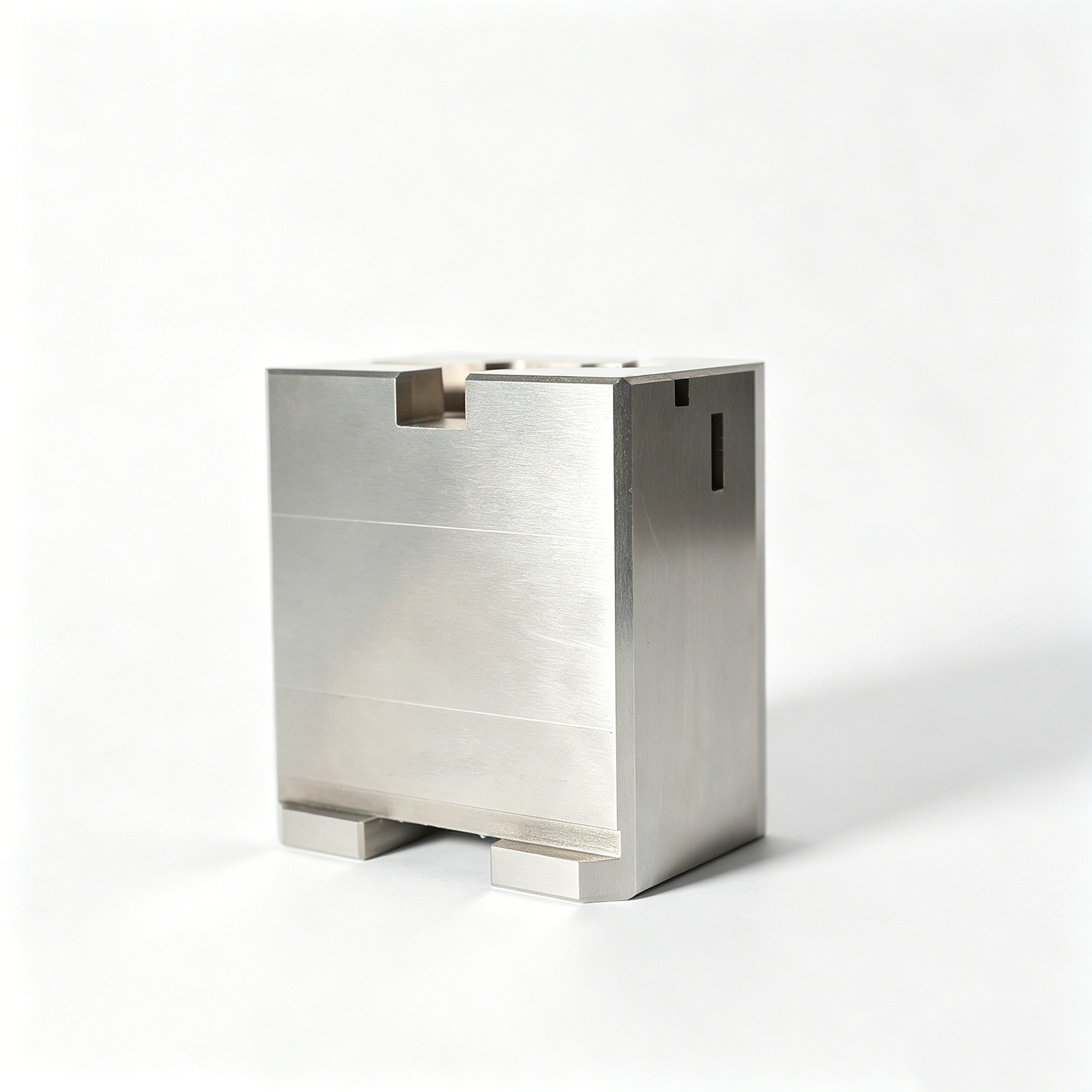


Related Components and Drawing-Based Quotations




NDA and Drawing Confidentiality Advantages
A disciplined drawing-review workflow keeps technical requirements visible before production commitments are made.
Controlled Drawing Review
Review drawings, models, and stated requirements before quotation so the manufacturing discussion starts with the correct technical context.
Visible Revision Control
Keep revision status and order information clear, helping teams align the released drawing with the quotation and production plan.
Focused DFM Discussion
Discuss machining access, datum strategy, tool limitations, and process risks early to identify practical changes before production begins.
Critical Dimension Planning
Identify critical-to-quality dimensions, surface priorities, and tolerance relationships so process choices reflect the features that matter most.
Process Route Alignment
Plan the appropriate CNC, EDM, grinding, fitting, and heat-treatment sequence around material requirements, geometry, and machining allowance.
Inspection Plan Clarity
Align inspection methods, reporting needs, and documentation expectations with the drawing and verified requirements before final inspection.
Drawing-Based Manufacturing Categories
Configurable process and component families for teams that need manufacturability review, controlled execution, and inspection evidence before production commitments.

CNC Machining Services
Precision CNC machining services for drawing-driven custom parts requiring coordinated milling, turning, EDM, grinding, fitting, and inspection. Review critical dimensions, datums, material, surface requirements, and quantity before selecting a practical process route.
Upload a Drawing
CNC Milling
Custom CNC milling services for prismatic, plate, and contoured components where tool access, setup strategy, and datum control affect the result. Share 2D and 3D data so machining features and inspection priorities can be reviewed.
Upload a Drawing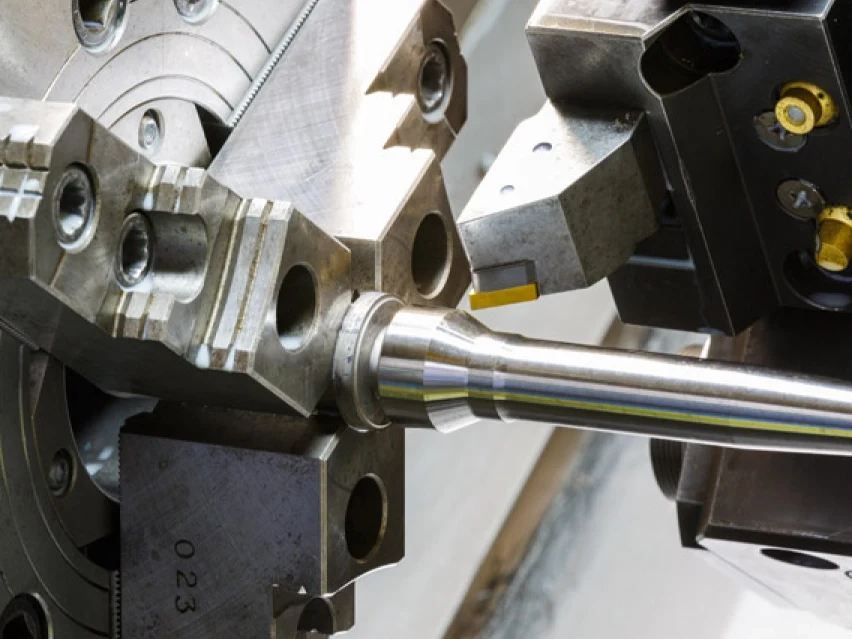
CNC Turning
Precision CNC turning services for rotational parts such as pins, shafts, bushings, sleeves, and locating features. Diameter relationships, concentricity, thread requirements, material condition, and secondary operations should be defined in the drawing review.
Upload a Drawing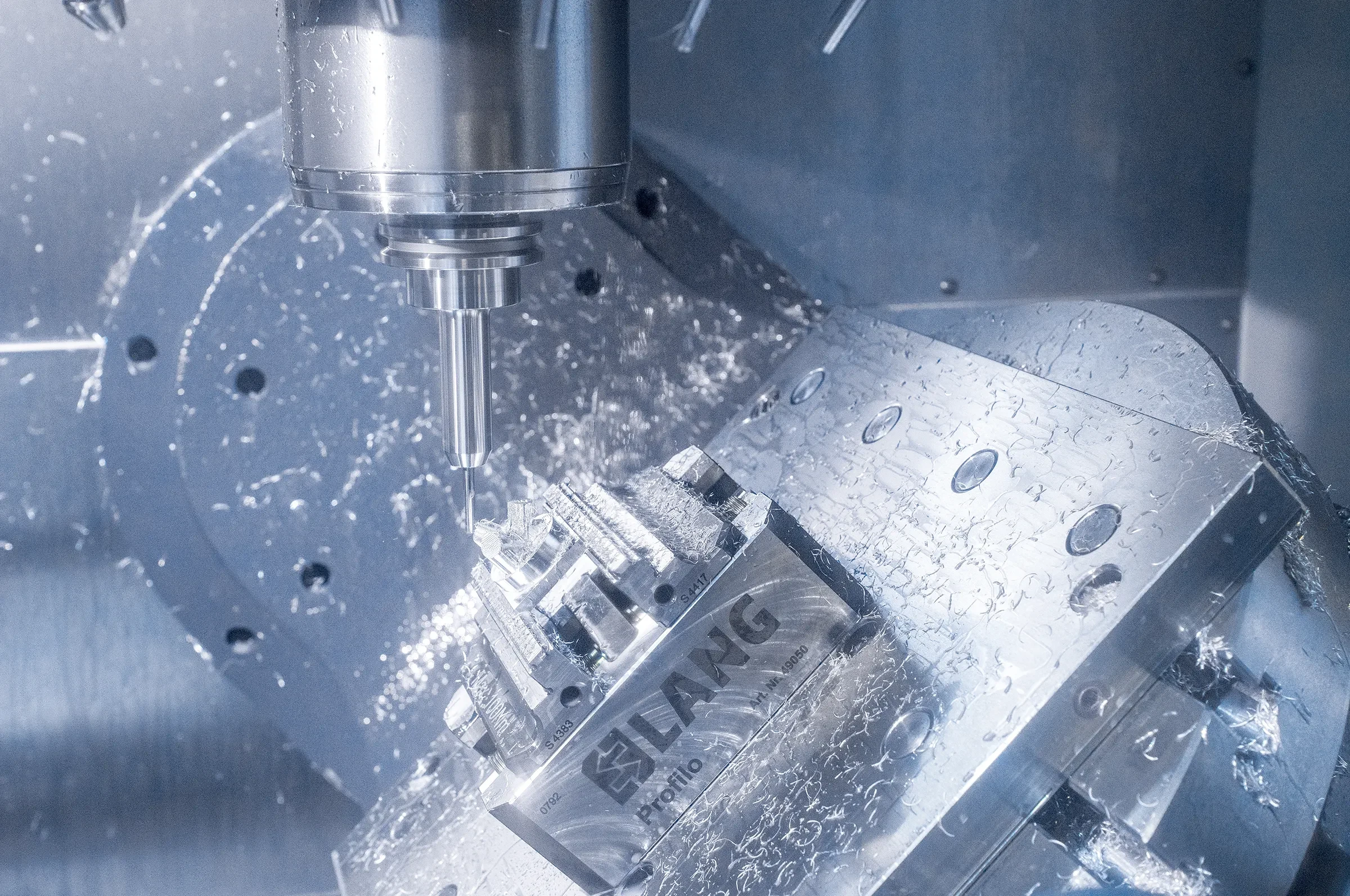
5-Axis Machining
5-axis CNC machining supports complex geometry that benefits from multi-face access and fewer repositioning steps. Feasibility depends on feature reach, workholding, tool length, datum strategy, material, and the critical dimensions requiring inspection.
Upload a Drawing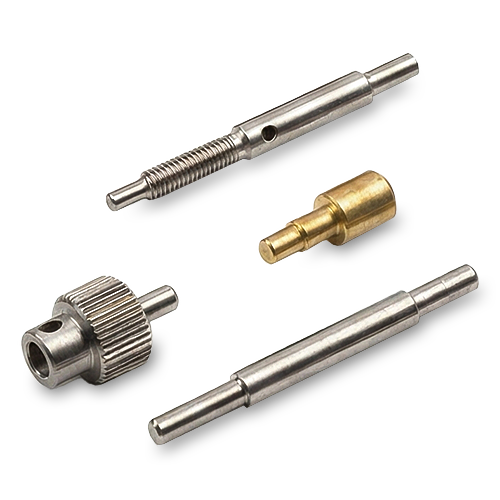
Swiss & Micro Machining
Swiss machining and micro machining address small-diameter, slender, and detailed components where support, runout, burr control, and measurement method matter. Provide tolerances, material, quantity, mating context, and any surface or heat-treatment requirements.
Upload a Drawing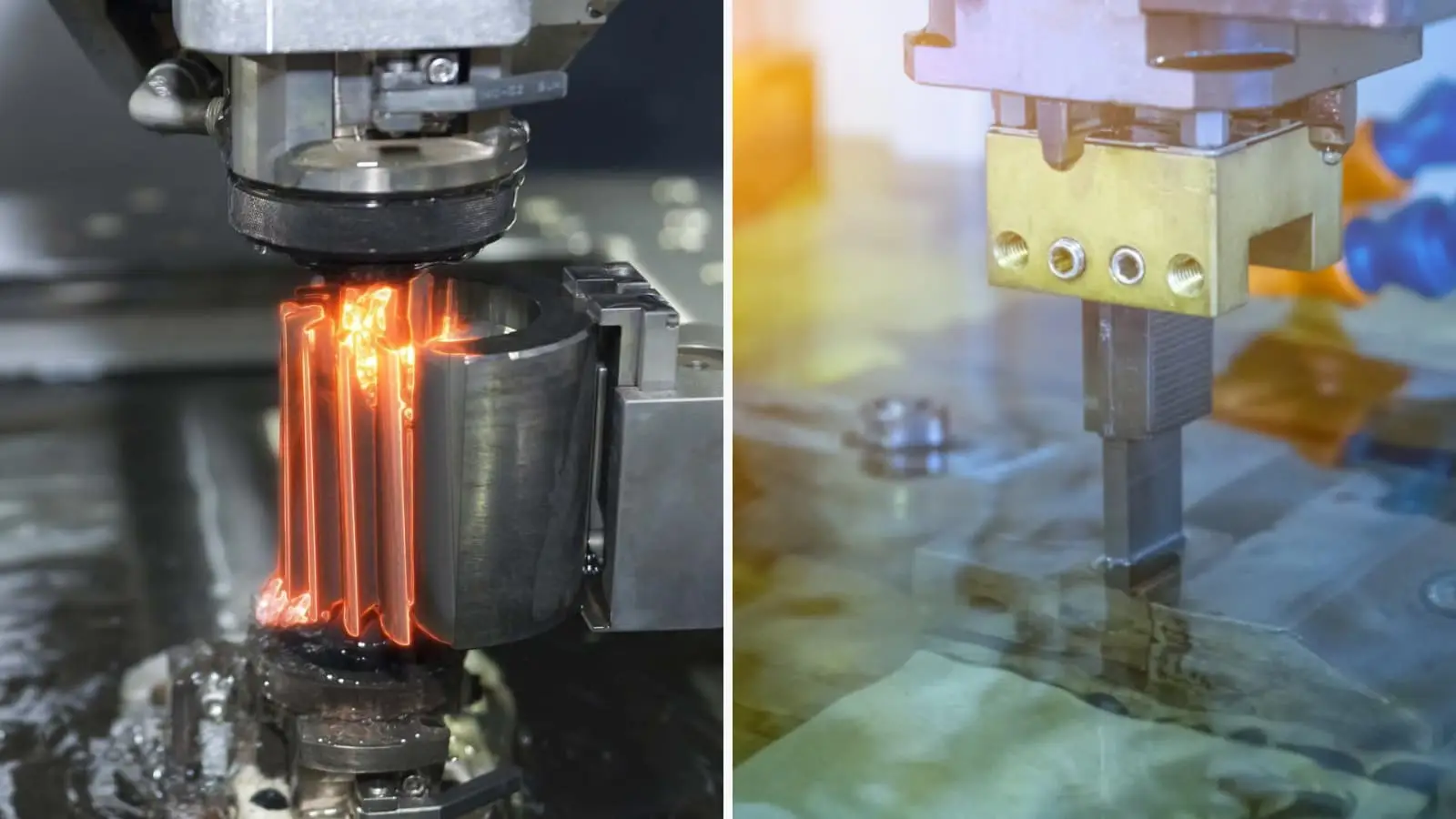
Wire & Sinker EDM
Wire EDM and sinker EDM services support hard materials, narrow slots, intricate profiles, internal corners, and features inaccessible to conventional cutting tools. Electrode strategy, wire path, recast considerations, stock condition, and finishing requirements require early review.
Upload a Drawing
Precision Grinding
Precision surface and profile grinding supports controlled flatness, parallelism, profile accuracy, and finished dimensions after machining or heat treatment. Identify functional surfaces, datum relationships, grinding stock, hardness condition, and inspection method before routing work.
Upload a Drawing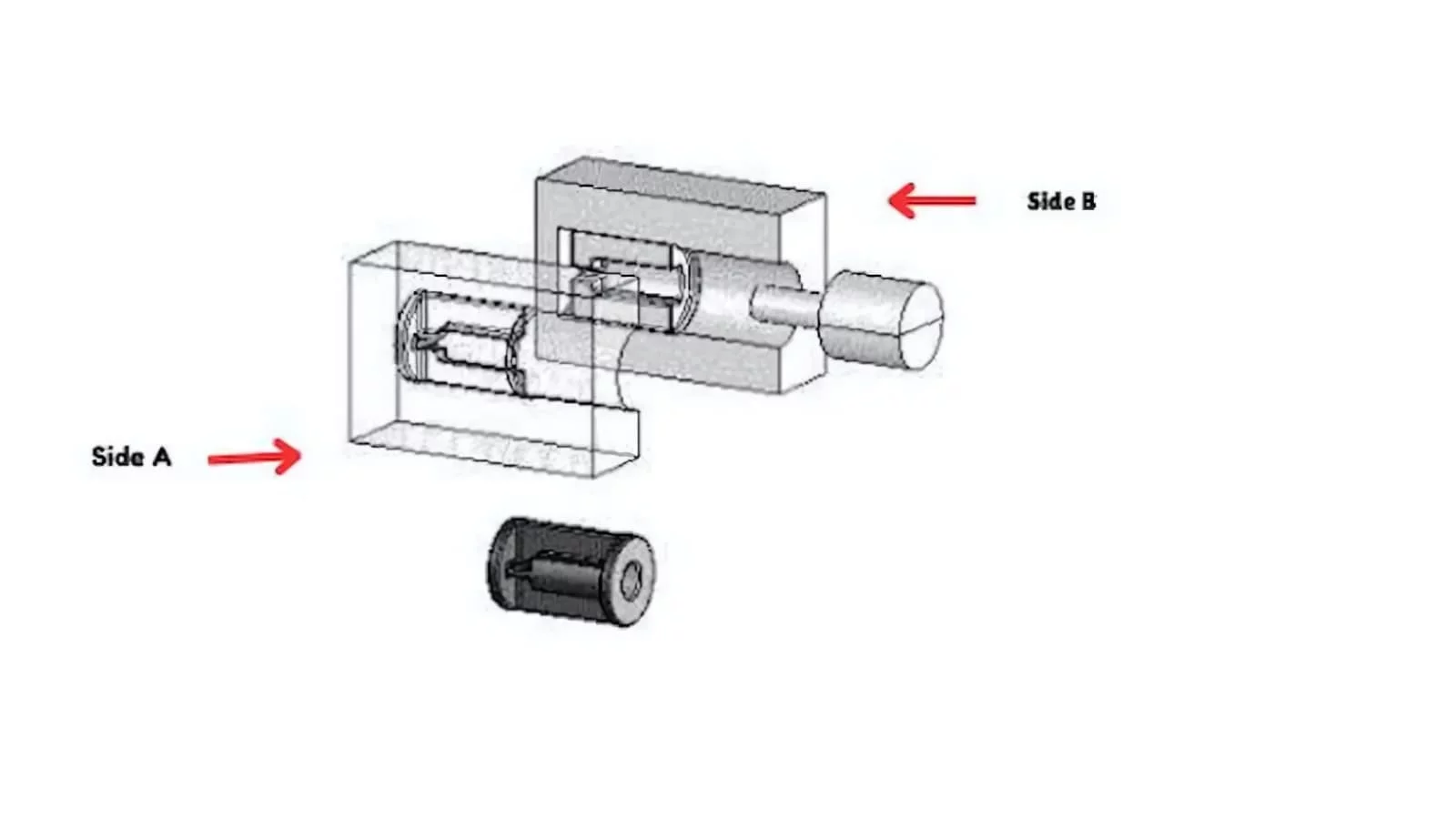
Mold Core & Cavity Inserts
Precision mold core and cavity inserts are produced from customer drawings for molding-tool assemblies. Material, heat treatment, cooling features, parting-line details, EDM requirements, fitting interfaces, and critical cavity geometry should be reviewed before manufacture.
Upload a Drawing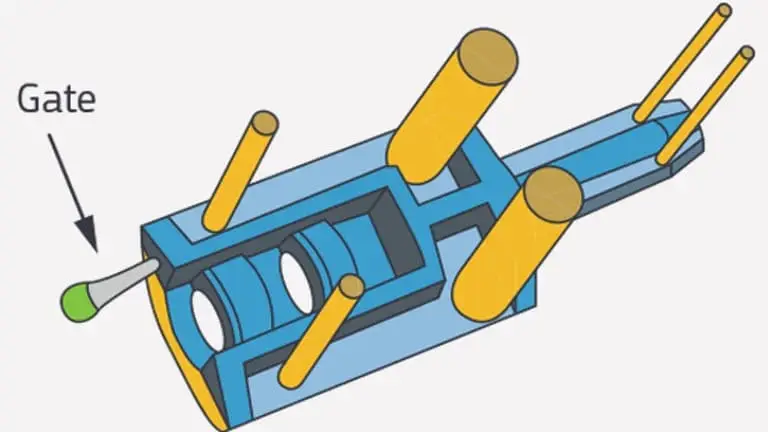
Ejector & Ejection Components
Ejector pins, sleeves, and ejection components are configurable tooling parts for controlled part release. Define diameters, clearances, stroke-related interfaces, material condition, wear surfaces, heat treatment, and mating-component dimensions to support a suitable manufacturing plan.
Upload a Drawing
Core Pins, Guide & Locating Components
Core pins, guide pins, bushings, and locating components require attention to functional fits, alignment, wear, and replacement interfaces. Drawings should specify datums, tolerance relationships, material, hardness, finish, and the mating conditions that govern performance.
Upload a Drawing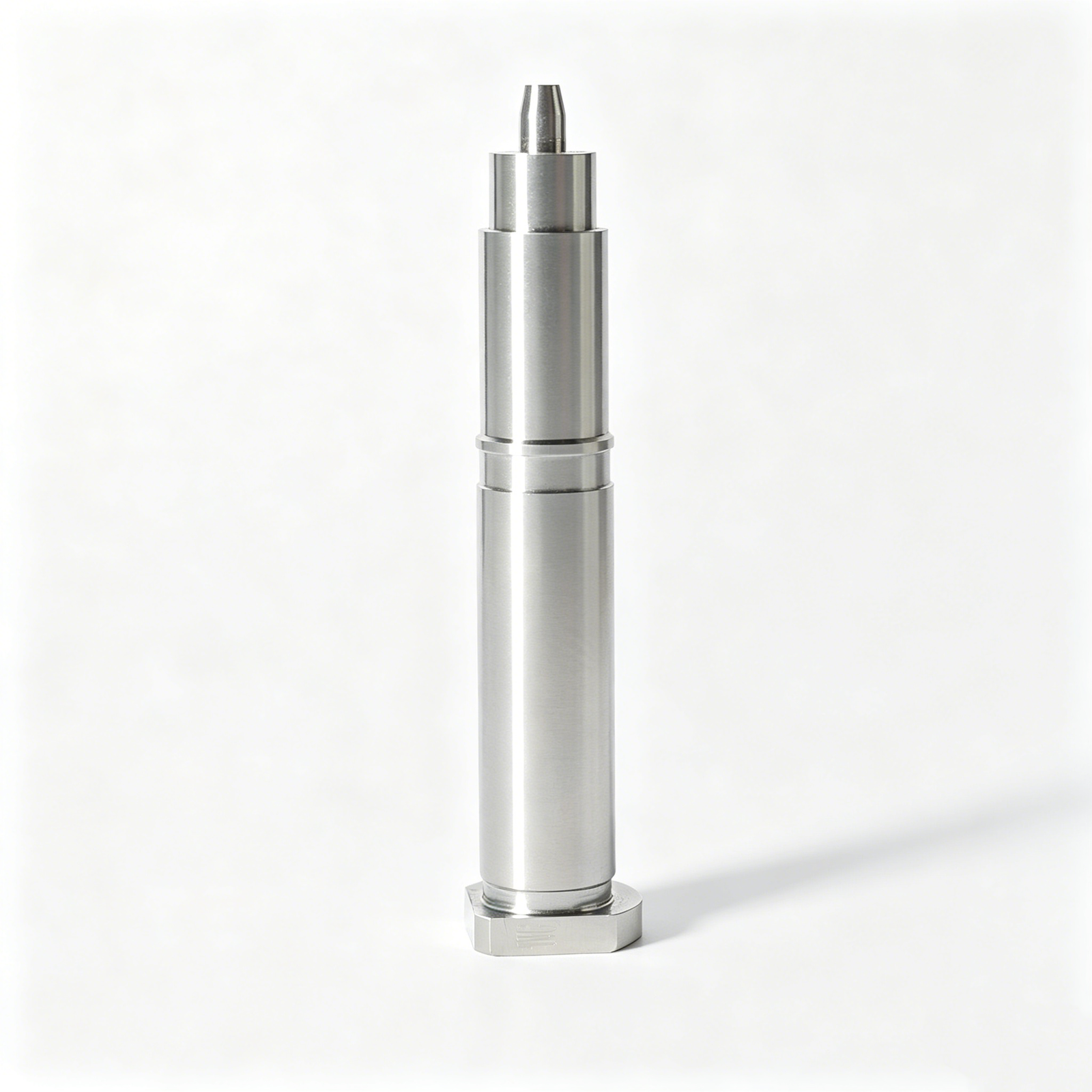
Slides, Lifters, Gates & Mold Accessories
Mold slides, lifters, gates, and accessories are drawing-based components with interdependent motion, parting, feeding, and fit requirements. Review travel, contact surfaces, clearances, material treatment, machining access, and assembly references before production.
Upload a Drawing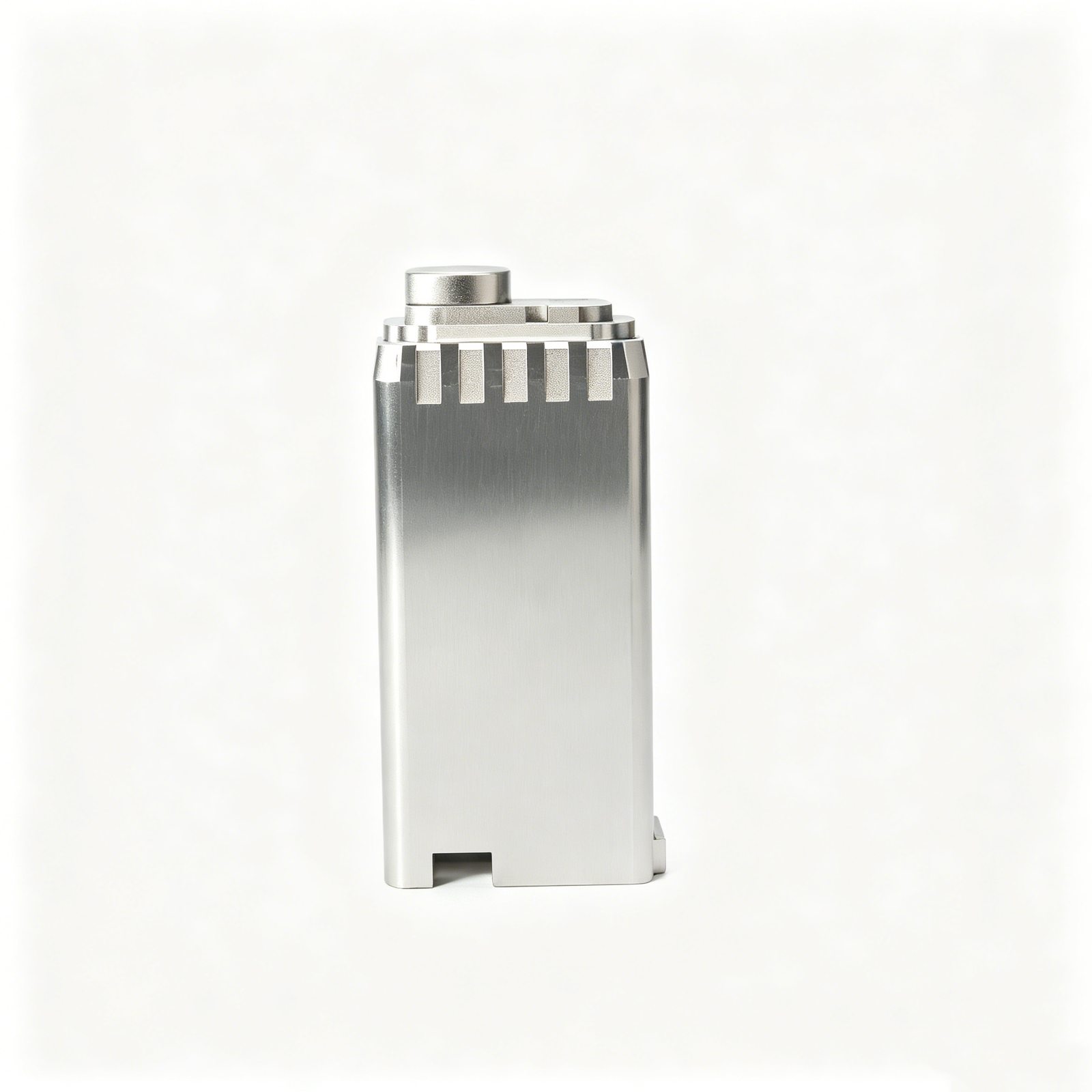
Connector Mold Components
Precision connector mold components support tooling used for connector features where small geometry, alignment, wear, and repeatable interfaces are critical. Supply cavity details, material and heat-treatment requirements, mating relationships, surface needs, and inspection expectations.
Upload a Drawing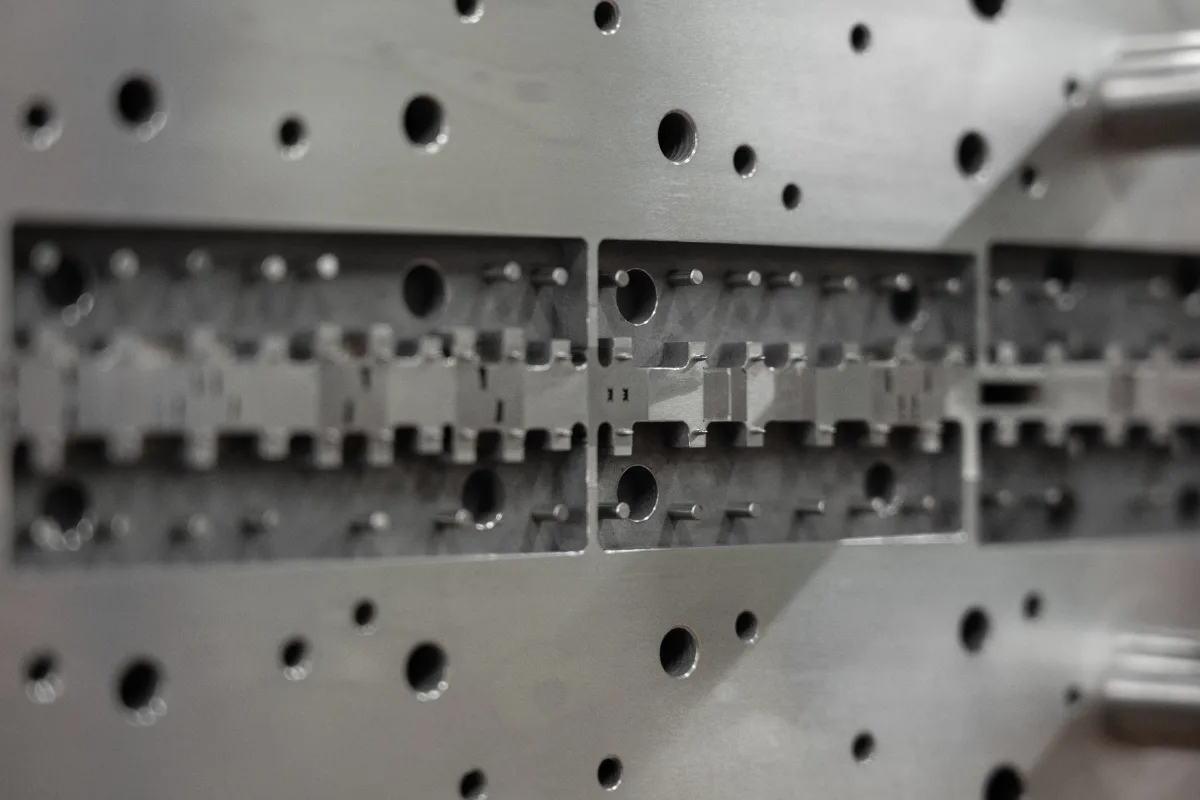
Stamping Die Components
Precision stamping die components are manufactured to drawing for forming, cutting, guiding, and locating functions. Material, hardness, edge condition, clearance relationships, profile requirements, and mating die-set information should be aligned before process planning.
Upload a Drawing
Injection, MIM, CIM & Overmolding Tooling
Injection, MIM, CIM, and overmolding tooling components are assessed within verified production scope. Manufacturing planning considers mold architecture, material flow-related geometry, inserts, parting surfaces, ejection, heat-treatment sequence, and inspection requirements from the supplied design data.
Upload a Drawing
Machining Materials
CNC machining materials are selected against drawing requirements, functional loads, corrosion exposure, heat treatment, machinability, and downstream finishing. State the specified grade, material condition, traceability needs, and approved substitution rules with the RFQ.
Upload a Drawing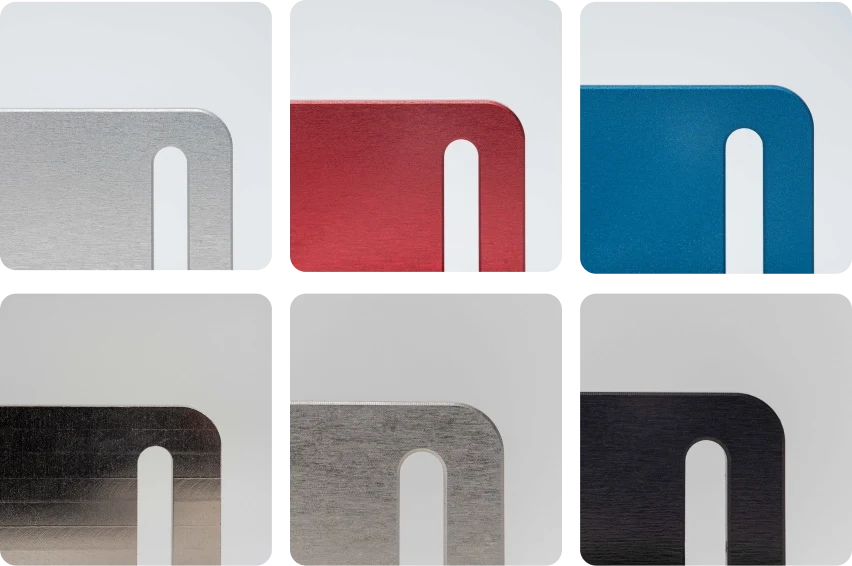
Surface Finishes & Heat Treatment
Surface finishing and heat treatment are planned around functional surfaces, hardness, corrosion resistance, wear, appearance, and dimensional change. Define applicable specifications, masking or selective-treatment needs, post-treatment grinding allowance, and verification requirements before release.
Upload a Drawing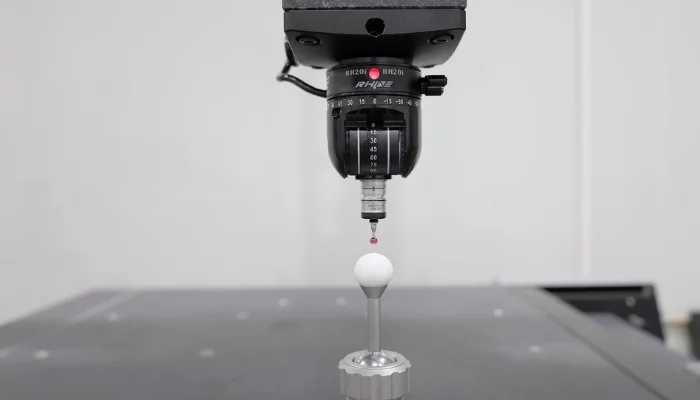
Quality, Metrology & Documentation
Precision inspection, metrology, and quality documentation are aligned to the drawing and order-specific inspection plan. Identify critical dimensions, datums, sampling expectations, report format, material records, revision status, and any required traceability before production begins.
Upload a Drawing
Prototyping & Low-Volume Production
Rapid prototyping and low-volume manufacturing support drawing-driven validation, bridge quantities, tooling trials, and controlled part releases. Submit quantity, target date, material, critical dimensions, surface requirements, and inspection needs so process and delivery assumptions can be reviewed.
Upload a DrawingSupported Materials for Precision Components
Tool Steel
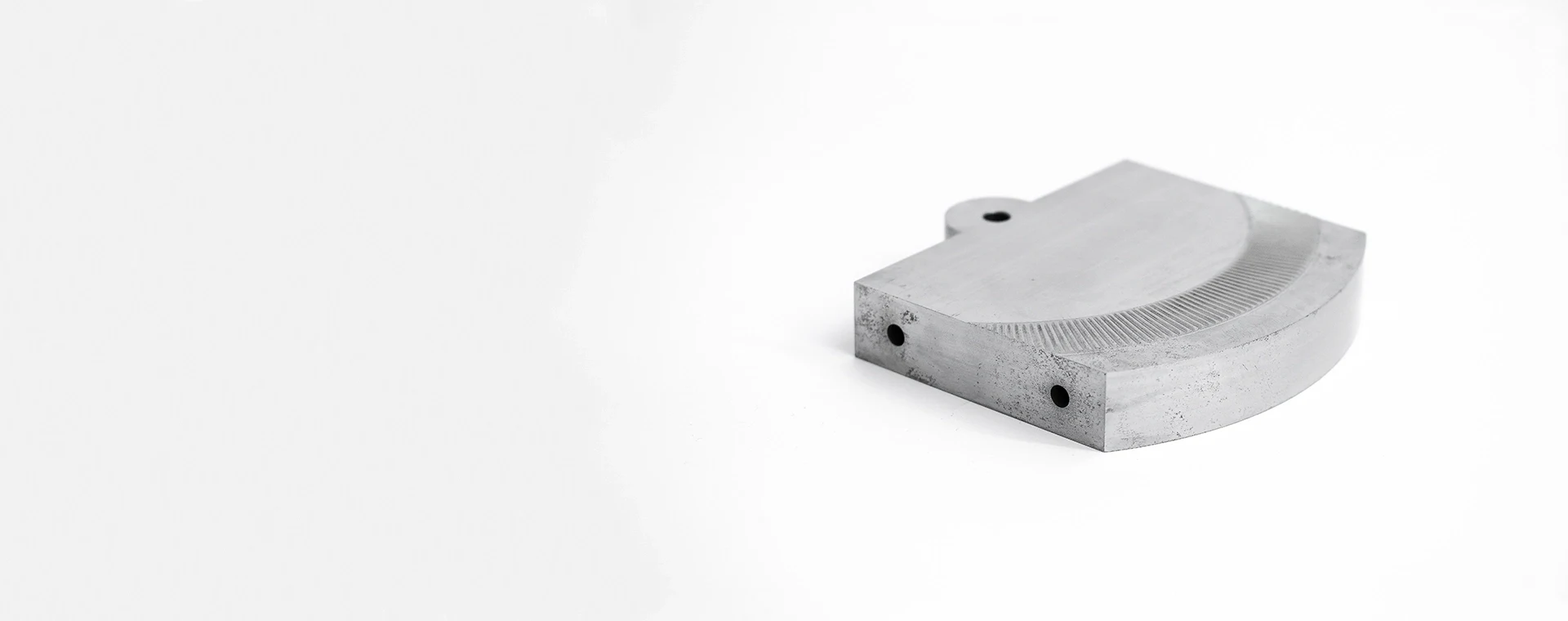
A common choice for mold cores, cavity inserts, and wear-sensitive tooling. Machining strategy should account for hardness condition, heat-treatment sequence, EDM access, and grinding stock needed to protect critical dimensions.
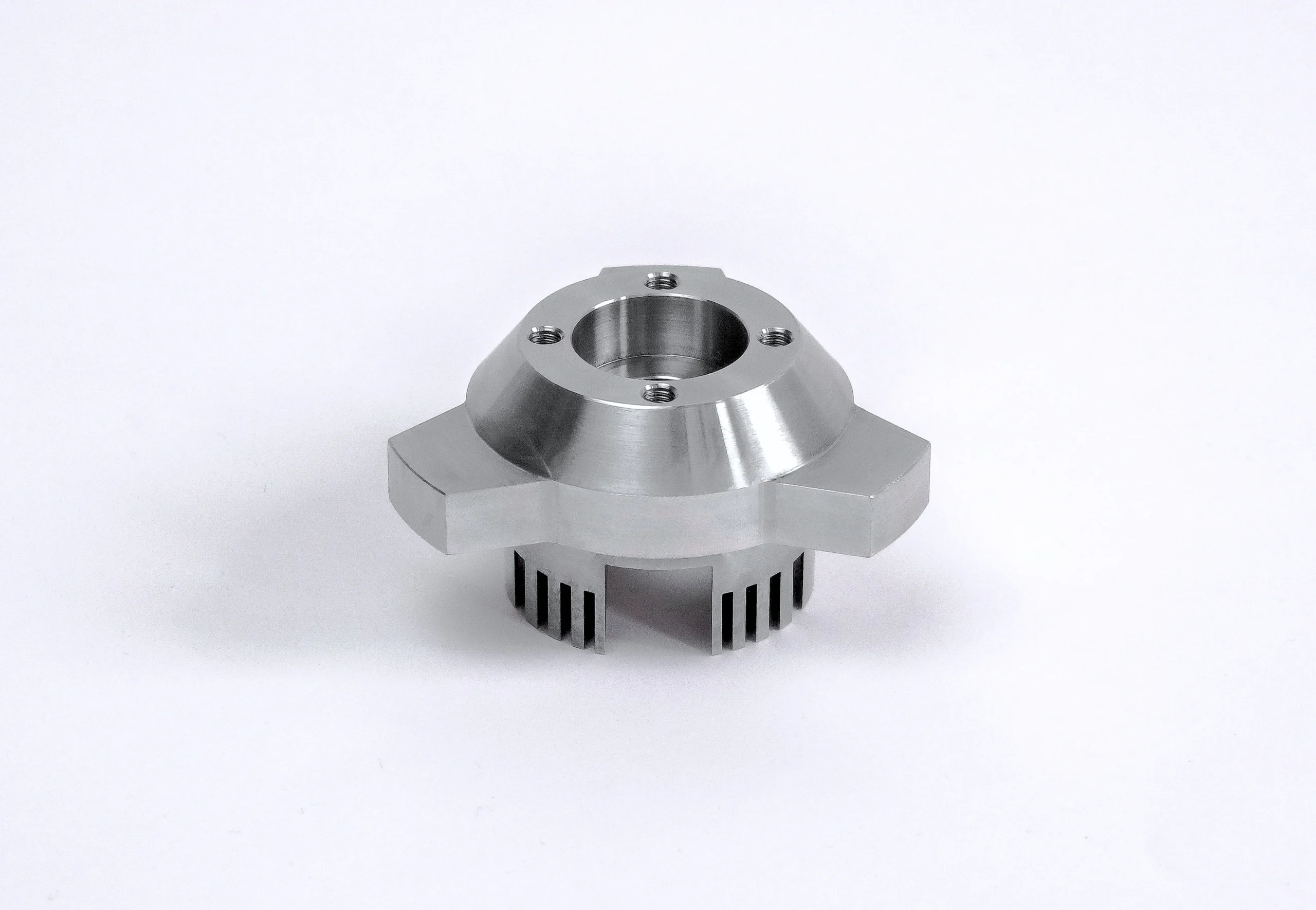
Stainless Steel
Used where corrosion resistance, strength, or a clean finished appearance matters in precision components. Review alloy condition, machinability, surface requirement, and any passivation or inspection expectations against the drawing.
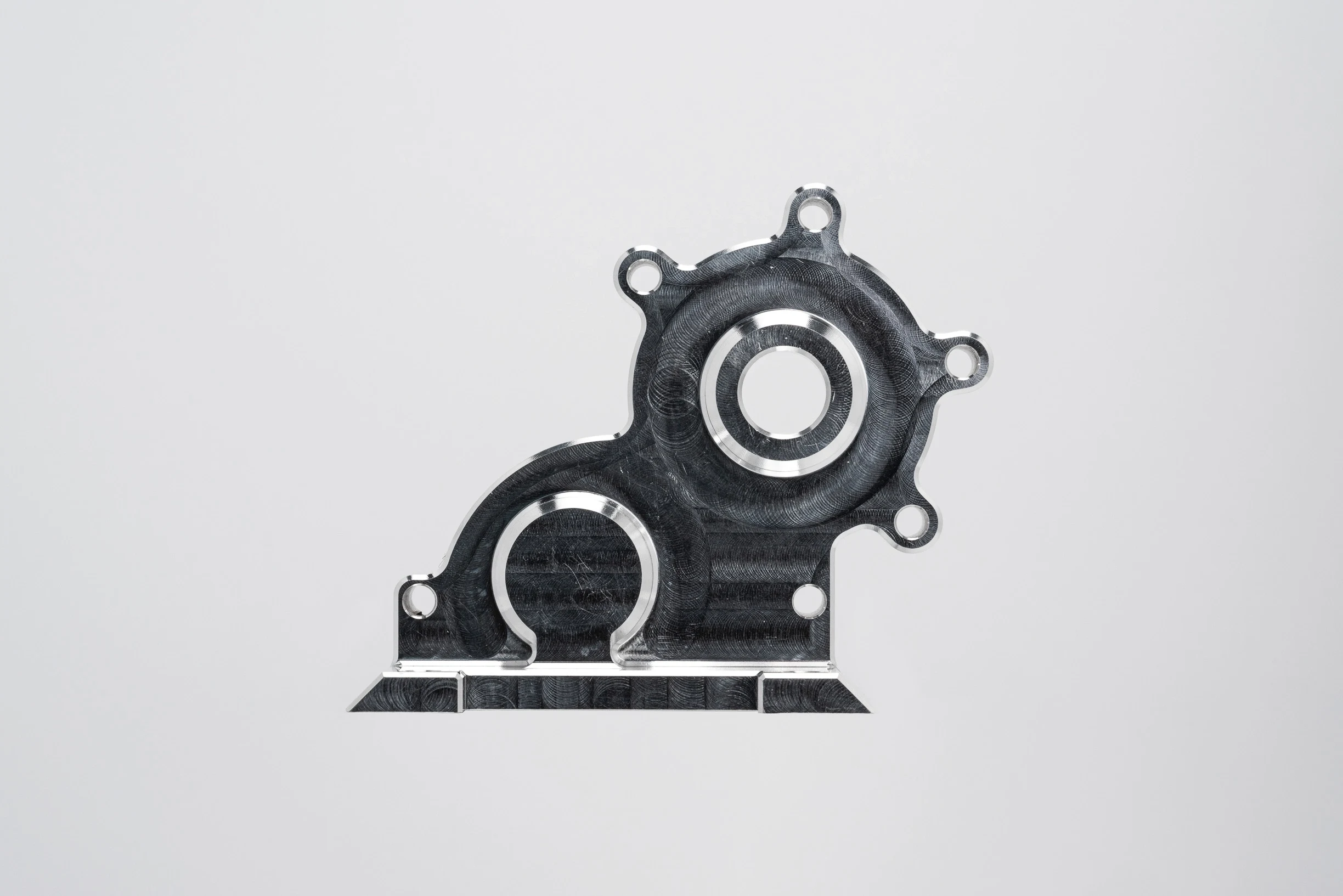
Aluminum Alloys
Suitable for lightweight fixtures, prototypes, and selected tooling-related components where efficient machining is valuable. Grade, temper, thread engagement, surface finish, and dimensional stability should be defined before process planning.
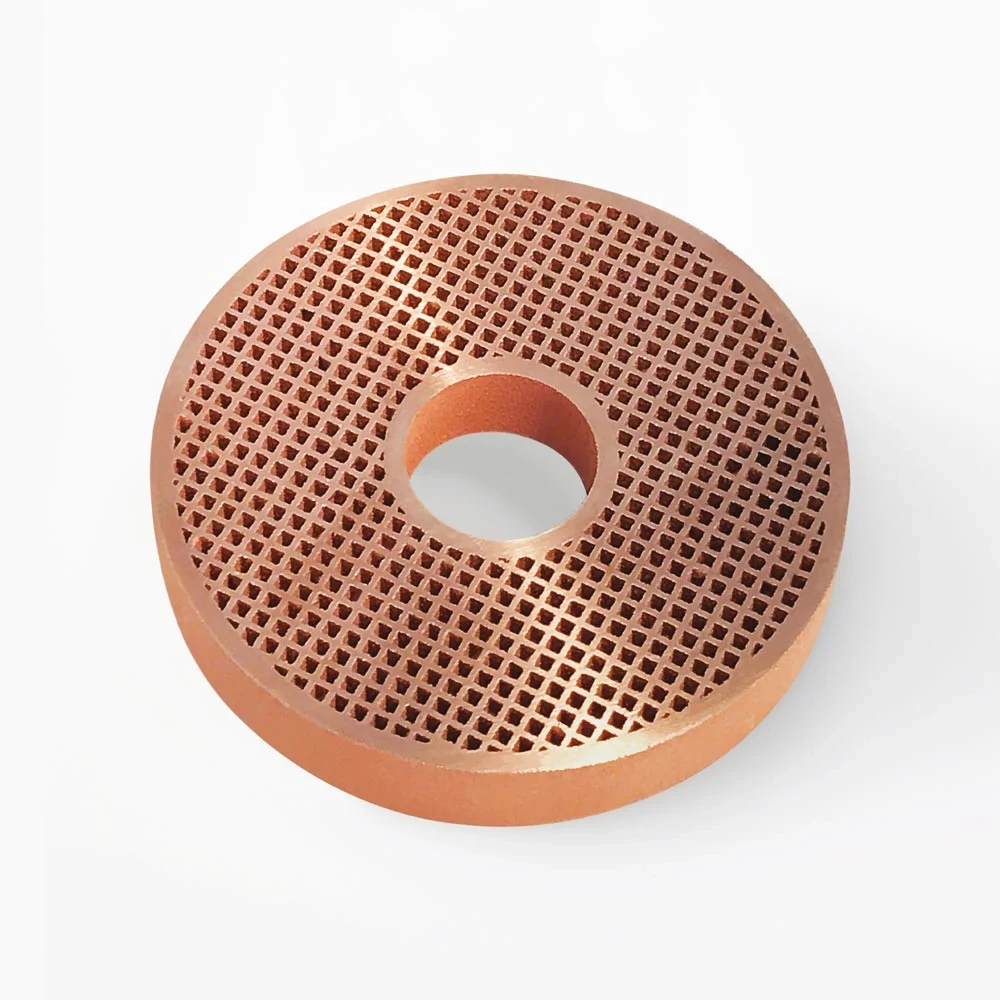
Copper Alloys
Considered for components requiring electrical or thermal performance, including selected connector-tooling applications. Material grade, softness, burr control, machining support, and surface requirements influence the practical manufacturing route.
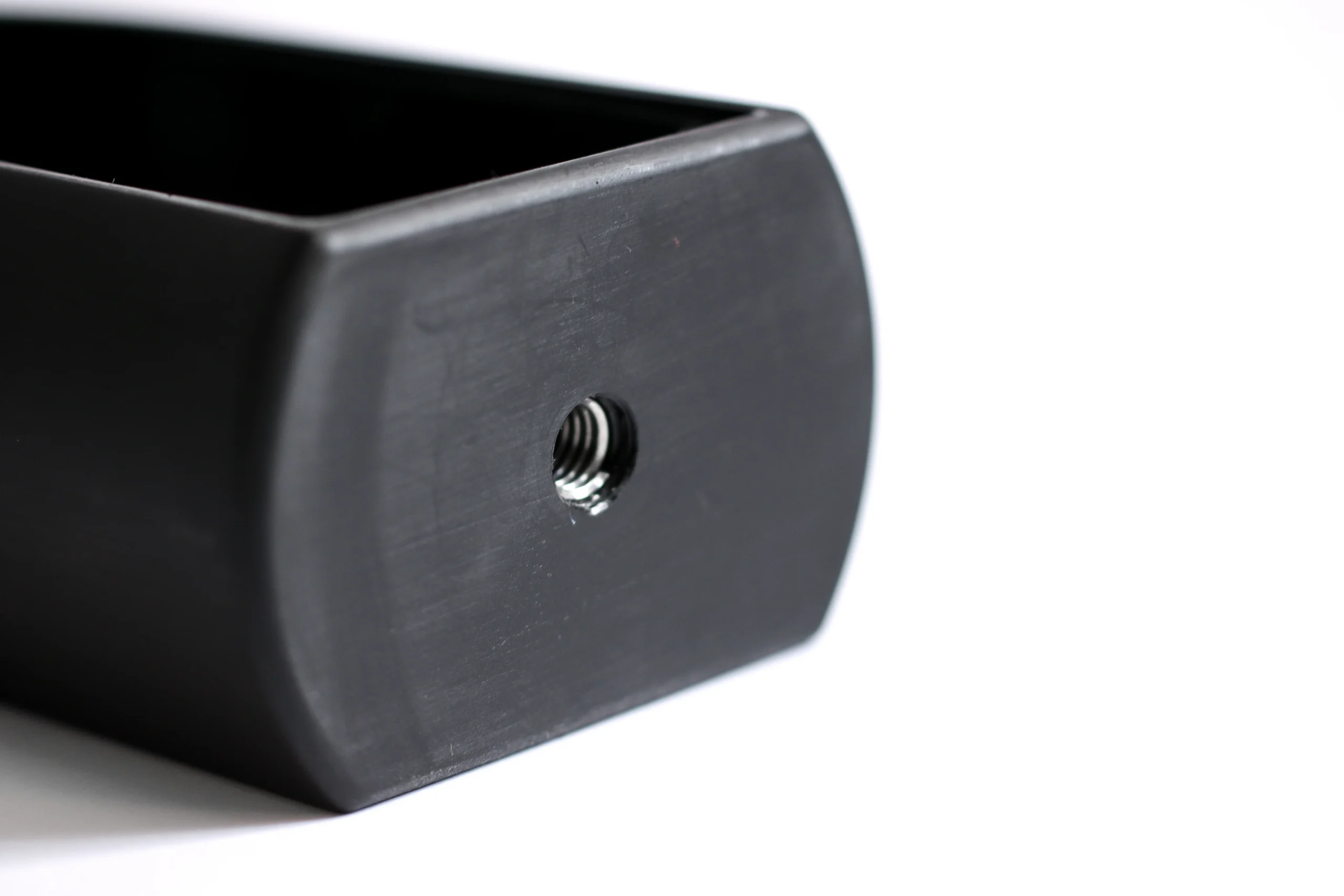
Engineering Plastics
Used for selected prototypes, fixtures, and nonmetal precision parts when application conditions support polymer construction. Material grade, moisture behavior, wall geometry, tolerance priorities, and inspection method require drawing-based review.
Supported Manufacturing Processes
CNC Milling
CNC milling produces prismatic features, pockets, profiles, and mold-component geometry from reviewed drawings. Tool access, datum selection, machining allowance, and critical dimensions are assessed to support a practical route and controlled inspection.

CNC Turning
CNC turning supports rotational parts such as pins, sleeves, shafts, and locating components. Drawing review focuses on diameters, concentricity, thread details, material condition, and surfaces that may require subsequent grinding or inspection.


Wire EDM
Wire EDM is considered for precise profiles, narrow slots, hardened materials, and features where conventional tool access is limited. The drawing review evaluates wire path, start-hole requirements, corner conditions, datum references, and finishing needs.
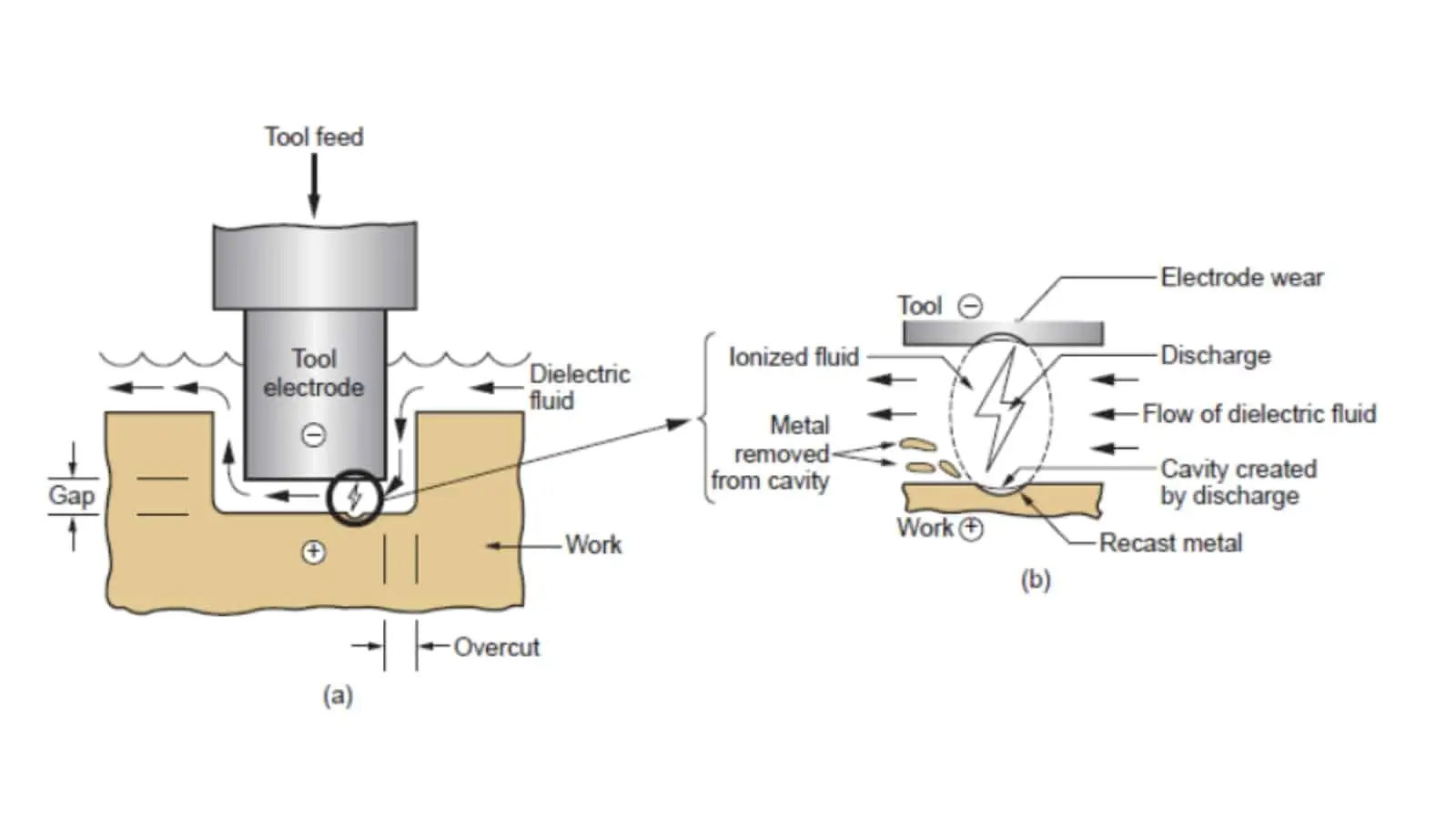
Sinker EDM
Sinker EDM supports cavity details, deep ribs, sharp internal geometry, and features requiring an electrode strategy. SUUXIANG reviews electrode access, spark allowances, surface requirements, and downstream fitting or polishing needs before planning work.

Grinding and Inspection
Precision grinding and inspection support critical flatness, parallelism, size, and surface requirements after the planned machining sequence. Grinding stock, heat-treatment sequence, measurement methods, reporting expectations, and revision-controlled drawing requirements are reviewed together.
Drawing-Defined Component Features
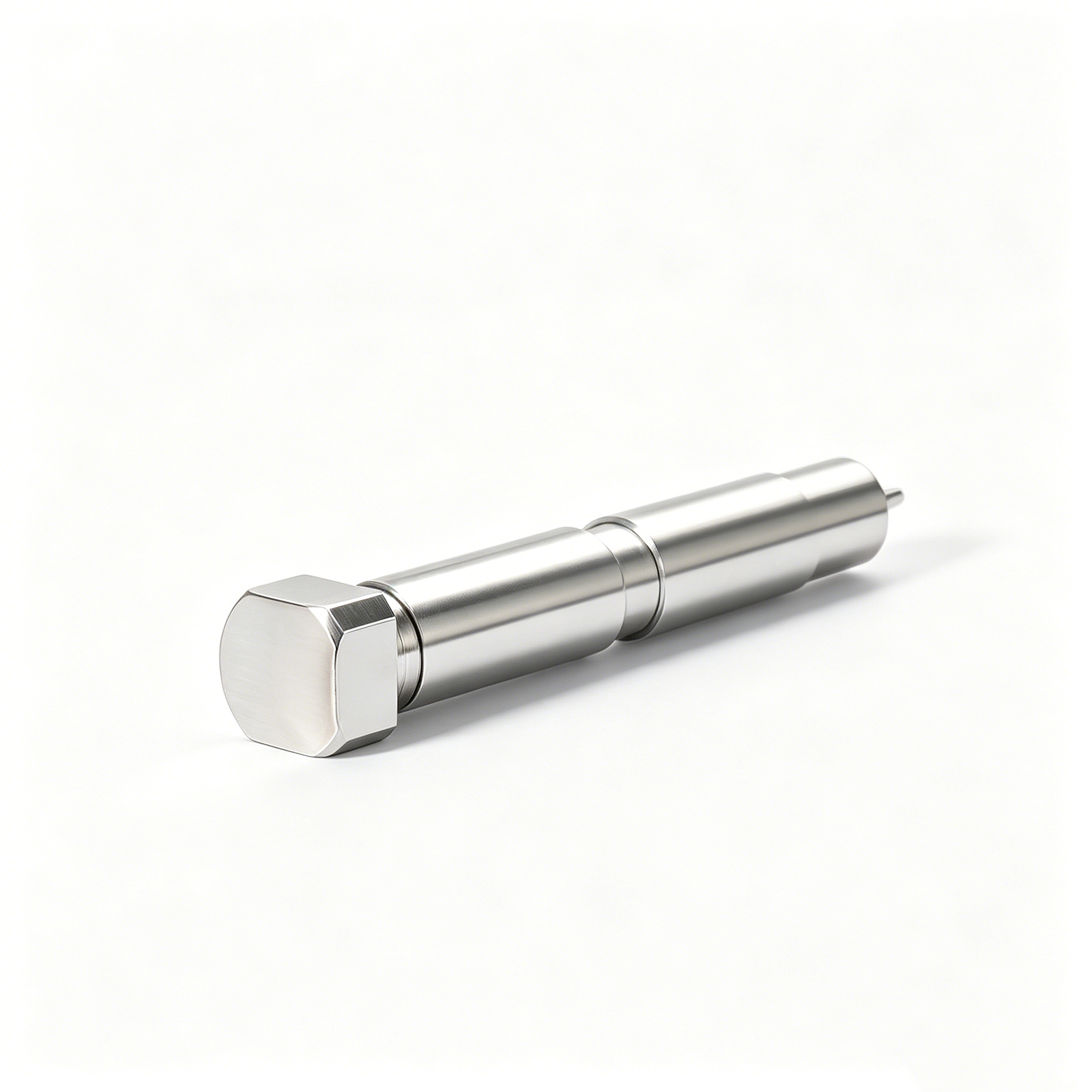
Core Cavity Inserts
Core and cavity inserts can be planned around specified steel, heat treatment, EDM details, grinding stock and critical datums. Final geometry and inspection requirements remain controlled by the approved drawing revision.

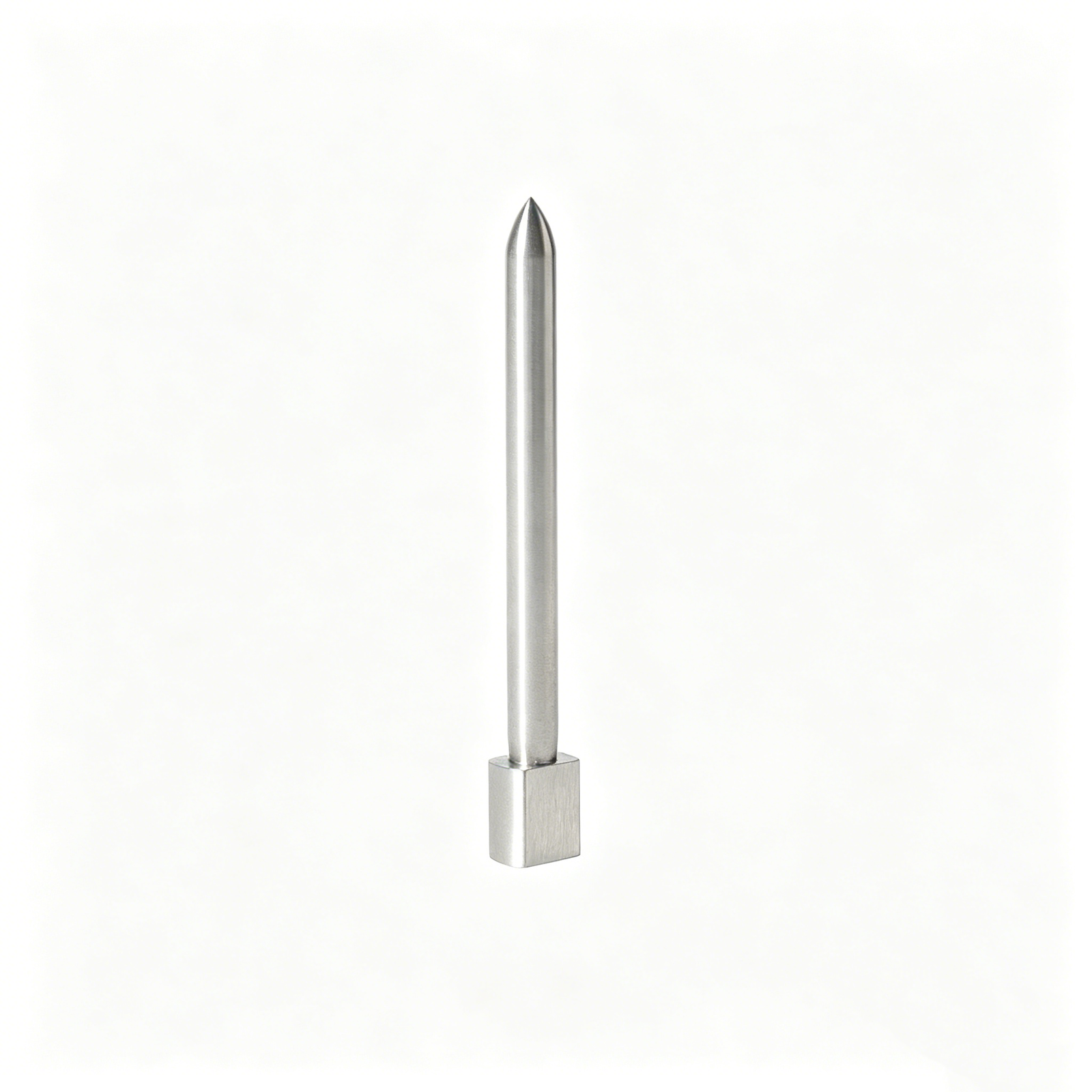
Precision Core Pins
Core pins and related ejector pins require clear diameter, length, hardness, surface and fit requirements. SUUXIANG reviews machining access and inspection methods before confirming the practical process route.

Guide Locating Elements
Guide pillars, bushes, locating blocks and alignment elements are assessed for mating relationships, datum references, clearance and wear considerations. Drawings should identify the functional interfaces that govern dimensional priorities.

Gates and Runners
Gate inserts, runner details and related mold features can require tightly controlled profiles, finish requirements and EDM strategy. Provide the molding context and approved drawing so manufacturing decisions reflect functional intent.
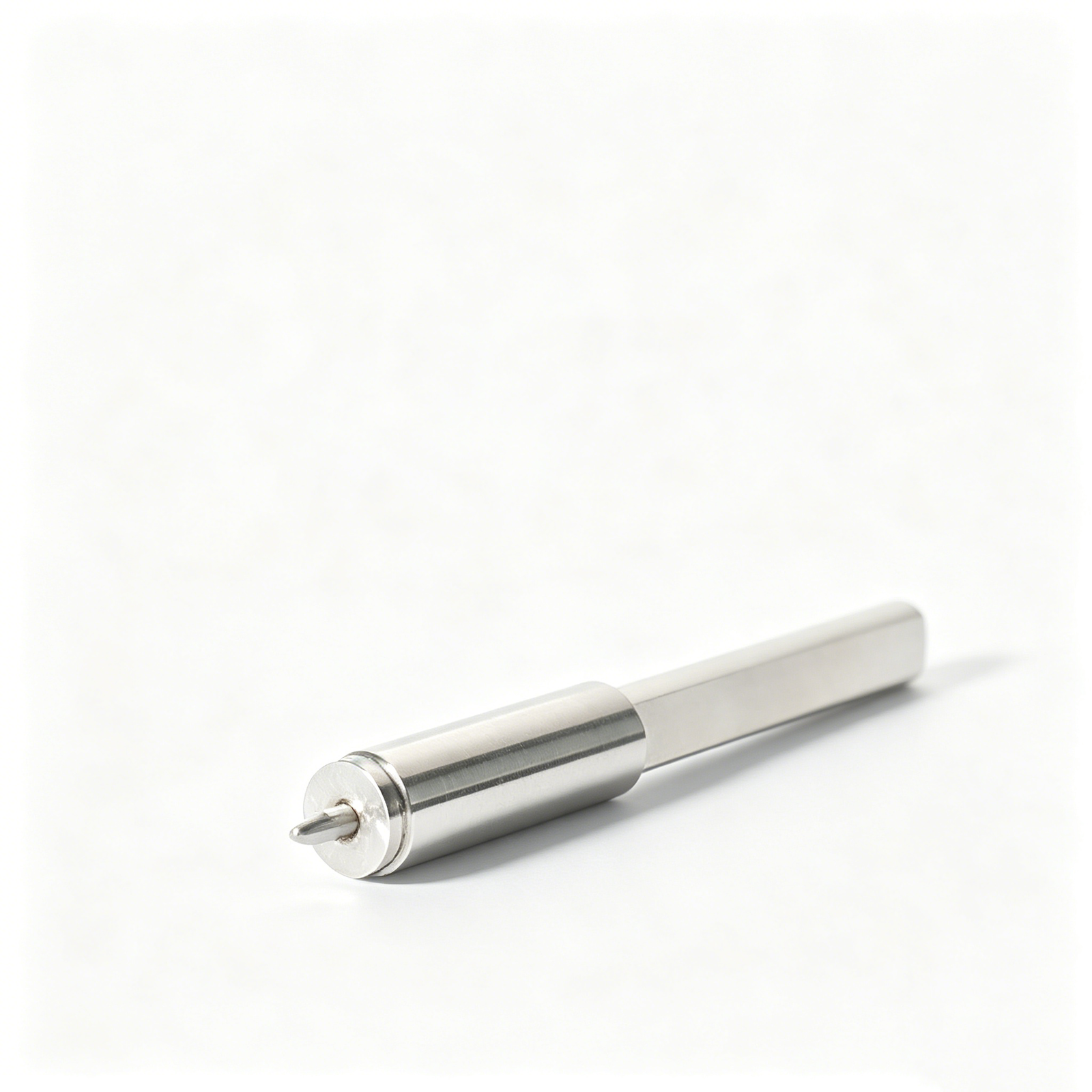
Slides and Lifters
Slides, lifters and moving mold elements benefit from defined travel, contact surfaces, clearance and assembly references. The drawing package should clarify critical interfaces, material requirements and any fitting or inspection expectations.

Identification Packaging Requirements
Part marking, revision identification, protective packaging and documentation can be included when specified in the RFQ. State labeling, segregation, corrosion-protection and report requirements so delivery controls match the project scope.
NDA and Drawing Confidentiality at SUUXIANG
SUUXIANG is the sole public-facing brand of Dongguan SuuXiang Precision Mold Co., Ltd. Established in 2010 in Chang’an Town, Dongguan, Guangdong, China, the company was founded by and has XiaoCheng Huang as its legal representative. We support international teams that need custom CNC parts, precision mold components, connector tooling, and stamping-die components manufactured from controlled drawings and specifications.
Our work begins with the production information that defines the part: 2D drawings, 3D models, material requirements, quantities, critical dimensions, surface expectations, and delivery needs. NDA and drawing confidentiality discussions can be addressed before technical review, so the scope of information exchange is clear before quotation or production planning.
What differentiates SUUXIANG is a disciplined route from drawing review and DFM through CNC machining, EDM, grinding, fitting, and inspection. We focus project discussions on datums, tolerance stack, machining access, inspection methods, revision control, and documentation required for the specific order.

NDA and Drawing Confidentiality in Practice
Controlled Drawing Intake
NDA and drawing confidentiality begin with a defined RFQ package: the current drawing revision, available 3D model, material, quantity, application context, and quality requirements. Clear inputs reduce assumptions before technical discussion, quotation, or production planning.
- Identify the drawing revision and document owner
- Separate critical files from general RFQ context
- Include material, quantity, and application requirements
- State any customer confidentiality conditions
DFM Before Commitments
SUUXIANG reviews manufacturing-relevant details before committing to a process route. The discussion can address datums, critical dimensions, tolerance stack, tool access, machining allowance, EDM needs, grinding sequence, and inspection priorities for the submitted design.
- Flag critical-to-quality dimensions early
- Review datum strategy and accessible features
- Assess CNC, EDM, and grinding process needs
- Align inspection priorities with functional risk
Visible Revision Coordination
Drawing changes can affect process planning, inspection methods, and delivery timing. A controlled revision discussion helps keep the approved requirement visible across machining, EDM, grinding, fitting, and inspection, rather than allowing undocumented assumptions to enter production.
- Confirm the revision used for planning
- Clarify changed dimensions or notes
- Assess downstream process impact
- Keep delivery coordination tied to approved requirements

Inspection Document Alignment
Before production, align the inspection plan with the order, focusing on agreed critical dimensions, surface requirements, reporting expectations, and traceability needed for acceptance.
- Define reportable dimensions before production
- Match inspection methods to feature requirements
- Confirm surface and material documentation needs
- Keep final records aligned with the order
Why Choose SUUXIANG for Drawing-Based Work
A drawing-driven workflow that keeps review points, process decisions, inspection expectations, and revisions visible before production commitments.
← Swipe left or right to view →
NDA and Drawing Confidentiality From RFQ to Inspected Parts
A drawing-driven workflow that keeps technical requirements, revision status, process decisions, and inspection expectations visible through delivery coordination.
Receive Controlled RFQ
Review the drawing, model, material, quantity, application, delivery target, and confidentiality requirements before technical discussion begins.
Confirm DFM Priorities
Identify critical dimensions, datums, tolerance stack risks, surface requirements, machining access, and inspection needs for quotation review.
Plan Process Route
Select the appropriate sequence of CNC machining, EDM, grinding, heat-treatment coordination, fitting, and in-process controls based on verified requirements.
Machine Critical Features
Produce components through the agreed process route, controlling revision status, machining allowances, electrode strategy, wire paths, and grinding stock.
Fit and Inspect Parts
Complete fitting where required and inspect agreed characteristics using the order-specific inspection plan, with documentation matched to verified results.
Coordinate Packing Shipment
Confirm completed parts, documentation, packing needs, and shipment coordination so delivery information remains aligned with the released order.
Documentation Requirements Before Production
Move from controlled file exchange to inspected precision parts through a defined review, approval, production, and documentation process.
Submit Your Drawing Package
Share your 2D drawing, available 3D model, material, quantity, delivery target, critical dimensions, surface requirements, and inspection expectations for a controlled RFQ review.
Confirm Technical Requirements
Review DFM findings, datum strategy, machining access, EDM or grinding needs, heat-treatment sequence, revision status, and quotation assumptions before production commitments are made.
Approve Samples When Needed
For projects requiring validation, confirm sample requirements, critical measurements, mating context, and acceptance criteria before releasing the agreed production route for repeatable execution.
Release Production and Inspection
SUUXIANG coordinates machining, EDM, grinding, fitting, and inspection against the approved drawing revision, then provides documentation aligned with the verified inspection plan.
Project Evidence Publication Status
NDA and Drawing Confidentiality: Customer Results and Project Cases
Customer-approved project evidence is not yet available for publication. This case summary will be added only after written permission, project context, inspection documentation, and substantiated outcomes have been verified.
A future case summary will describe the drawing-review workflow, revision-control requirements, and inspection evidence for a connector-tooling project once the customer authorizes publication of its project context and results.
A future customer-approved case will document the agreed critical dimensions, process route, and final inspection reporting for a drawing-based CNC order. No delivery, tolerance, or performance metrics are published without supporting records.
The Buyer’s Guide to NDA and Drawing Confidentiality
Practical answers for engineering and sourcing teams preparing controlled drawing-based RFQs.
How does SUUXIANG handle nda and drawing confidentiality before I send an RFQ?
Can I request an NDA before sharing drawings, models, or samples?
Who needs access to my files under nda and drawing confidentiality controls?
How are drawing revisions controlled during quotation and production?
Is there a minimum order quantity for custom precision parts?
Can SUUXIANG make samples before a production order?
How should I plan lead time for CNC, EDM, grinding, and inspection work?
What inspection reports, payment terms, and shipping details should an RFQ include?
The Buyer’s Guide to nda and drawing confidentiality
Use this decision framework to protect technical drawings during RFQs, compare supplier confidentiality controls, define practical NDA terms, and avoid the process gaps that expose designs, tooling knowledge, and commercial leverage.
1. What Is nda and drawing confidentiality?
2010 is SUUXIANG’s establishment year, but an NDA is not a manufacturing control: it is a legal agreement defining confidential information, permitted use, disclosure restrictions, exclusions, term, and remedies between parties. For a drawing-based RFQ, the protected set can include 2D PDFs, CAD models, GD&T, tolerance notes, BOMs, material and heat-treatment specifications, samples, revision histories, and quotation data.
2 control layers are required before proprietary product or tooling information changes hands. The NDA sets the enforceable obligation; drawing confidentiality is the operational discipline that limits access, keeps file versions identifiable, prevents unauthorized forwarding or reuse, and ties technical discussion to the correct revision.
1 uncontrolled attachment can expose more than nominal geometry: it may reveal mating interfaces, production intent, process limits, and cost assumptions. Buyers should therefore confirm both the agreement and the supplier’s working controls before releasing a complete data package; SUUXIANG’s project discussion should align the drawing, quality expectations, and revision record before production is considered.
2. Why Drawing Protection Matters in Modern Sourcing
1 controlled paper drawing once moved through a short, local chain of design, toolroom and inspection personnel. Physical copies were slower to duplicate, and a revision could be withdrawn from a limited number of holders.
3 file types—2D PDF, native CAD and neutral-model export—can now circulate across cloud workspaces, global RFQs and distributed manufacturing teams within minutes. Each attachment, download, translation or locally saved copy can create a competing revision and make the approved datum, tolerance or material requirement harder to identify.
2 additional risks arise when a quoted process needs outside machining, heat treatment or inspection support: technical data may reach parties not visible in the original RFQ. nda and drawing confidentiality therefore needs operational controls alongside contract terms; qualified legal counsel should advise on agreement language and enforceability.
3. Types of nda and drawing confidentiality Agreements
Five arrangements appear in drawing-based sourcing, but their fit depends on information flow and contractual scope. Treat labels as a commercial comparison; obtain qualified legal review for enforceability and jurisdiction.
| Arrangement | Typical situation | Who discloses | Advantage | Limit |
|---|---|---|---|---|
| Unilateral NDA | Buyer sends RFQ drawings | Buyer | Clear pre-quote protection | Supplier duties only |
| Mutual NDA | DFM or joint development | Both parties | Covers two-way exchange | Needs balanced definitions |
| Multilateral NDA | Buyer, supplier, partner collaborate | Several parties | One shared framework | More approvals |
| Employee confidentiality | Internal drawing access | Employer | Supports access discipline | Does not bind suppliers |
| Supplier or subcontractor terms | Approved outside processing | Manufacturer and subcontractor | Extends flow-down duties | Needs verification |
| PO confidentiality clause | Released purchase order | Buyer and supplier | Links handling to order | Usually narrower |
| Manufacturing agreement | Ongoing production program | Both parties | Sets broader operating rules | Longer negotiation |
Select By Disclosure Flow
One-way disclosure suits a buyer sharing drawings with a prospective manufacturer. Mutual terms fit DFM discussions where both sides disclose proprietary process or design information.
Match Document To Stage
An NDA normally governs pre-award exchanges. A purchase-order clause can bind order-specific handling, while a manufacturing agreement can allocate wider production, quality, IP, and subcontracting responsibilities.
4. What nda and drawing confidentiality Should Cover
A drawing NDA should identify the files, people, and transaction it governs before any RFQ package changes hands. Procurement and engineering should turn each clause into a release-control question.
Define Information And Purpose
2D drawings, 3D models, specifications, samples, quotations, and derived notes should be expressly covered.
RFQ question: Does the definition include revisions, manufacturing feedback, and information shared verbally or electronically?
Set Use And Access Limits
One permitted purpose—evaluating and performing the stated manufacturing work—limits reuse beyond the order.
RFQ question: Which employees, affiliates, subcontractors, and inspectors may access files, and must each be bound by equivalent duties?
Close The Lifecycle Gaps
Standard exclusions usually address public, independently developed, previously known, or lawfully received information; residual-knowledge language needs explicit review.
RFQ question: What term applies, when is breach notice required, how are files returned or deleted, and which law and remedies govern?
5. Protecting Drawings Through the RFQ Workflow
Stage 1 is supplier qualification: confirm the legal entity, approved contacts, NDA status, and the portal or email channel before releasing controlled files. nda and drawing confidentiality depends on controls continuing after the initial exchange.
Release Only Needed Files
RFQ package 01 should contain only the drawing views, models, and specifications needed for a feasible quotation. Redact customer names, pricing, or unrelated assemblies when they do not affect manufacturability.
- Use a unique RFQ identifier
- Record recipient and release date
- Restrict access by project role
Control Quotation And DFM
DFM response 01 should reference the same RFQ identifier and state every assumption, datum concern, and proposed process change. Keep feedback, questions, and attachments inside approved channels so the discussion remains searchable.
Freeze Revisions Through Closeout
PO revision A should define the production-controlled drawing, inspection plan, and change-approval authority before machining begins. At closeout, retain shipment documents, inspection records, and a revision audit trail; disable project access when no longer required.
- Name files with part number and revision
- Withdraw superseded files immediately
- Document every approved deviation
6. Supplier Controls for Sensitive Technical Data
A supplier’s confidentiality statement is not control evidence. Before releasing CAD, drawings, inspection criteria, or samples, request records showing who may access each file and how that access is governed.
| Control Area | Verifiable Evidence | Vague Promise |
|---|---|---|
| Access | Role matrix and review record | Only authorized staff |
| Files | Transfer and storage procedure | Files are secure |
| Downstream | Signed subcontractor obligations | Partners are trusted |
Access And Transfer Evidence
Two controls should be documented: role-based file access and an approved transfer method. Ask for user-role examples, access-review frequency, encryption details, and controlled links or portals rather than an unsupported security promise.
Physical And Personnel Controls
Three physical paths need controls: visitors, prints, and people. Verify employee confidentiality commitments, visitor sign-in and escort rules, print release logs, secure collection, and shredding or return procedures.
Retention And Escalation
One closure process should identify retention owner, deletion trigger, and confirmation record after quotation loss or project completion. Require a defined incident contact, escalation timeline, containment steps, and written subcontractor flow-down before outside processing begins.
7. How to Choose a Confidential Manufacturing Partner
A confidential manufacturing partner should demonstrate controls before receiving a complete drawing package. For CNC parts, mold components, connector tooling, and stamping-die work, evaluate evidence alongside process fit, lead time, and commercial terms.
| Evaluation Area | Ask For | Decision Signal |
|---|---|---|
| NDA review | Owner and response path | Clear accountability |
| Data segregation | Access and transfer method | Need-to-know control |
| Subcontracting | Operation and disclosure | No hidden handoffs |
| Traceability | Revision-to-shipment records | Auditable linkage |
Verify Contract Ownership
One named commercial or contract owner should confirm NDA receipt, review status, approved scope, and signature authority. Ask who handles exceptions, retention requests, and a suspected disclosure.
Two-way responsiveness matters: the supplier should state whether its template or the buyer’s paper will be reviewed and identify the escalation contact.
Test Engineering Communication
A drawing review should identify critical dimensions, datums, revision level, material, heat treatment, inspection needs, and process risks. Require questions to return through a traceable channel rather than informal file sharing.
One accountable project contact should connect engineering, quality, and scheduling when CNC, EDM, grinding, fitting, or inspection decisions affect the plan.
Confirm Operational Boundaries
Each subcontracted operation should be disclosed before release, including its purpose and the information shared. Request the document trail that links the approved revision, work order, inspection record, and shipment.
Quality-system alignment means agreeing which records, approval gates, and nonconformance escalation apply to the order; it is not a substitute for manufacturing capability evidence.
8. Common nda and drawing confidentiality Mistakes
One uncontrolled drawing release can defeat an otherwise workable NDA. Each cross-border RFQ should treat files as controlled handoffs with named recipients, permitted use, revision identity, and a closure date.
Terms Before Technical Files
Before release, both parties should execute terms covering drawings, models, specifications, samples, and derived manufacturing notes. Avoid definitions so broad that routine public or independently developed information becomes disputed; define exclusions and allowed quotation use.
Authorized Parties Only
Each RFQ should name the receiving legal entity, relevant affiliates, and any approved subcontractors. Require equivalent confidentiality duties before a supplier shares files for EDM, heat treatment, inspection, or logistics support.
Links Need Access Controls
One unrestricted cloud link can be forwarded, copied, or accessed after a quotation ends. Use named-user access, expiry dates, download limits where available, and a release log; an executed NDA alone is not a security control.
Revision And Closure Discipline
Every drawing package needs a revision code, issue date, and supersession instruction visible in the RFQ. At project close, specify return, deletion, retention exceptions, and written confirmation so obsolete files do not remain in active manufacturing folders.
9. Launching a Controlled RFQ Program
A controlled RFQ begins before any model leaves the buyer’s system. Assign a single program record, file owner, and release gate so nda and drawing confidentiality remains operational rather than contractual.
Classify And Authorize Disclosure
Step 1: Engineering labels files by sensitivity and separates interface dimensions from full geometry. Program management defines which suppliers need each package.
Step 2: Procurement obtains the applicable NDA before releasing controlled files. Quality identifies CTQ dimensions, inspection evidence, and any restricted process information.
Screen And Issue Files
Step 3: Procurement screens the supplier’s named receiving contact, access route, and document-control practice. Engineering issues PDFs and models with revision, date, and file register.
Step 4: Suppliers log questions against drawing revision and datum references. Program management circulates approved answers; email-only changes never replace a revised release.
Release And Close Records
Step 5: Quality confirms inspection planning, while procurement confirms disclosed subcontractor boundaries before manufacturing release. Engineering approves the final technical revision.
Step 6: Program management closes the RFQ record with quote version, approvals, file recipients, and return-or-retention instructions. SUUXIANG can review the supplied drawing package and align documentation to the verified order requirements.
10. Cost and Lead-Time Effects of Confidentiality Controls
10–15 business days is a published example of the delay that can arise when nonstandard NDA terms require legal review; a standard, pre-vetted agreement can move faster. Source: https://researchsupport.psu.edu/osp/negotiate-agreements/non-financial-agreements/non-disclosure-agreement-nda
2 control variables drive most coordination effort: the number of controlled files and the number of people or subcontractors needing access. For nda and drawing confidentiality, confirm the legal path, revision set, access scope, and required return or deletion evidence before committing the production schedule.
| Confidentiality-control activity | Typical RFQ or project coordination added | Likely schedule effect |
|---|---|---|
| Standard mutual NDA | Party details, signature routing, document release | Often same day to several business days |
| Customer-paper NDA review | Legal comparison, negotiated clauses, approval routing | May add days; complex review can extend further |
| Restricted drawing access | Named users, controlled folders, access register | Small setup effort before technical review |
| Revision-controlled data package | Superseded-file withdrawal, revision acknowledgement | Brief hold until all recipients confirm |
| File return or deletion closeout | Asset list, confirmation record, archive decision | Usually completed at project closeout |
Upload Your Drawing for NDA and Drawing Confidentiality
Submit 2D drawings, 3D models, material and heat-treatment requirements, quantity, quality expectations, and target delivery date for a controlled RFQ review.